IN
IN₹
Apparel & Fashion
Description
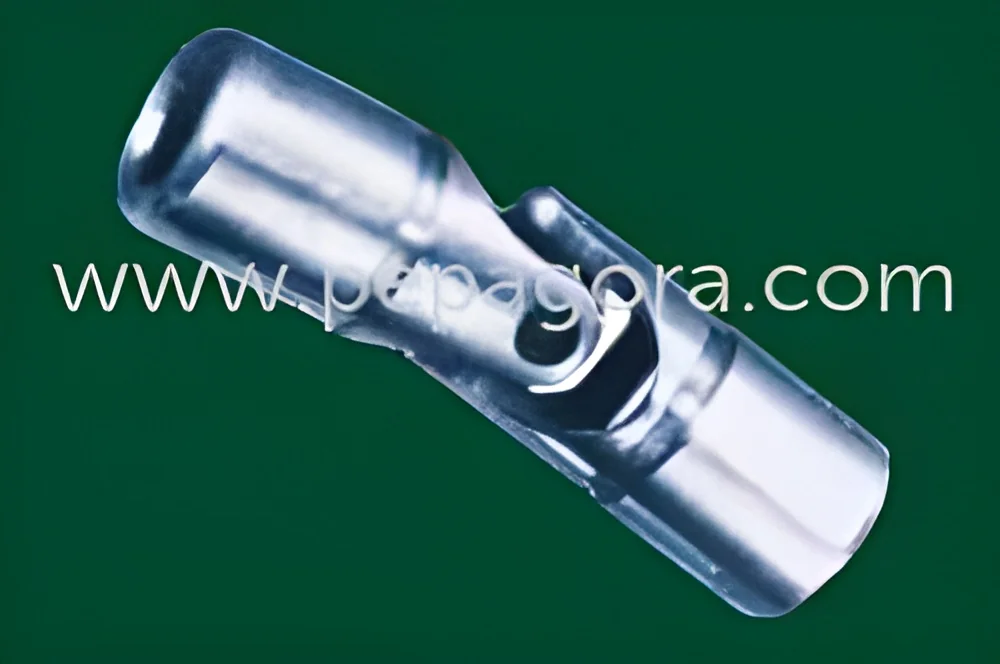
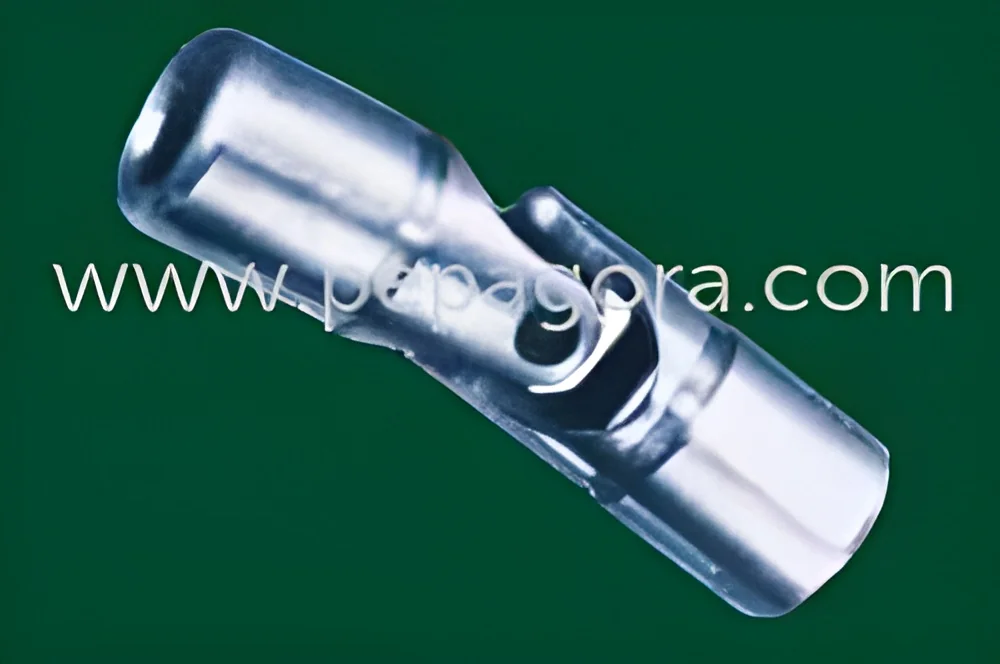
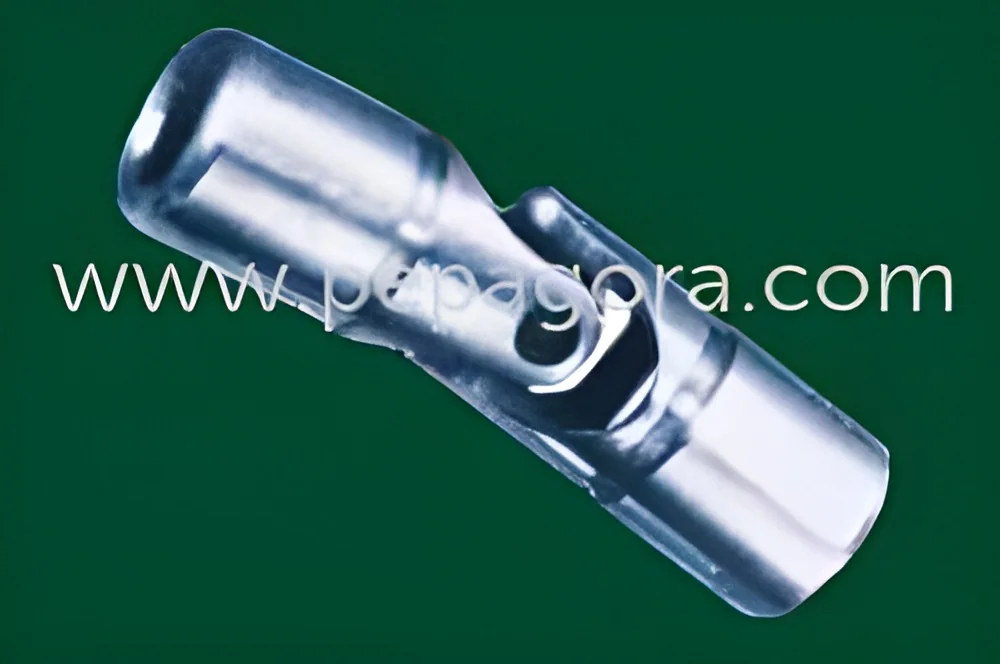
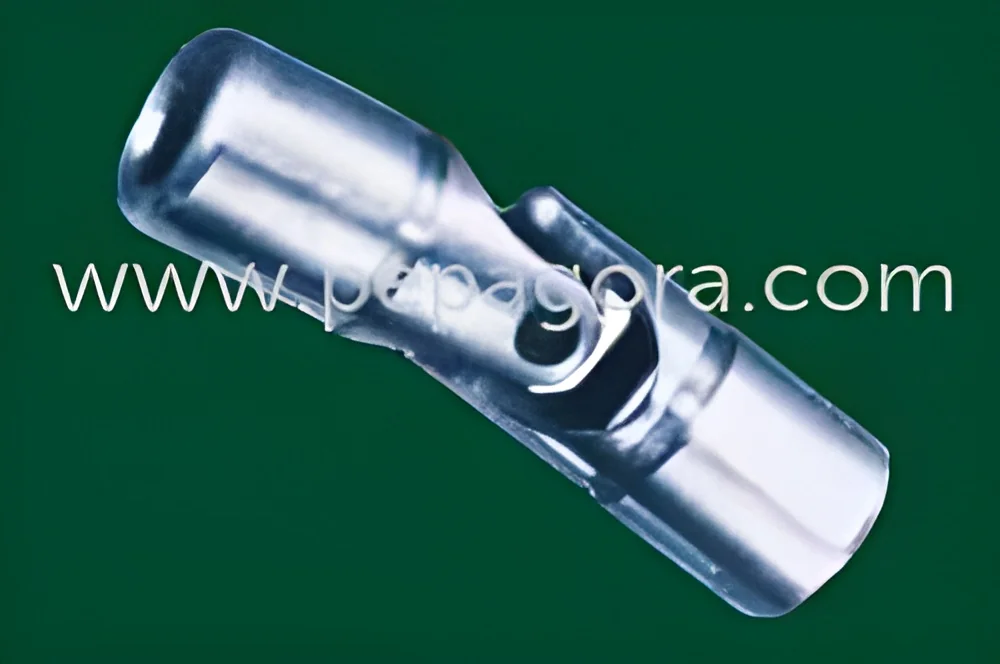
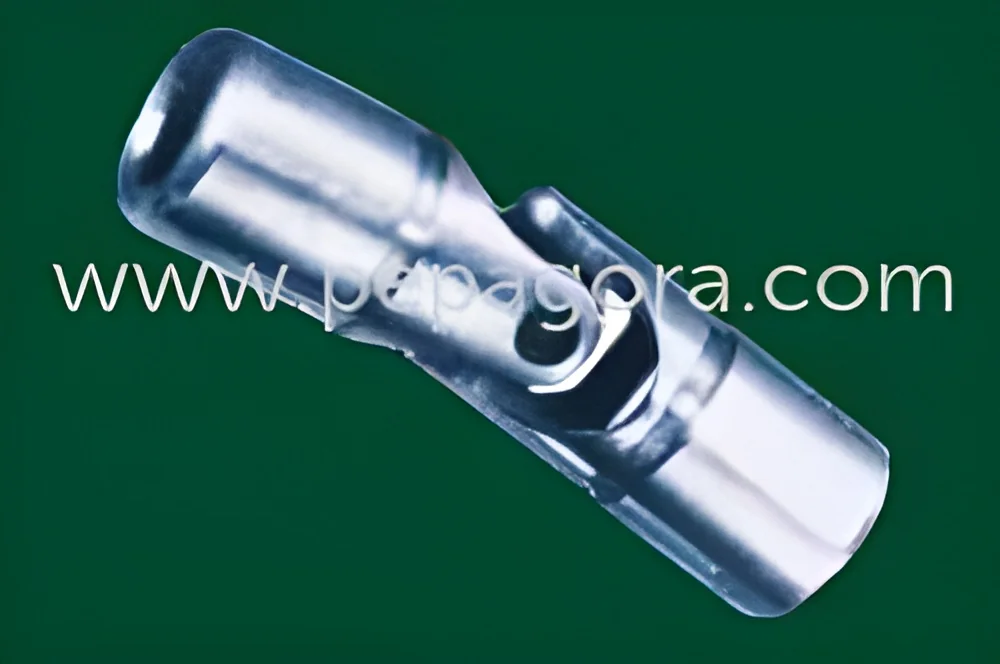
Industrial Universal Joints represent precision-engineered mechanical components designed for efficient power transmission between non-aligned shafts. These high-performance couplings operate reliably at speeds reaching 1800 RPM while accommodating working angles up to 75 degrees for powered applications or 35 degrees for manual operations. Manufactured to exacting quality standards, they ensure consistent performance in demanding industrial environments where reliability is paramount. The robust construction minimizes power loss and reduces vibration transmission, contributing to smoother operation and extended equipment service life across various mechanical configurations and power transmission requirements.

These versatile universal joints serve critical functions across multiple industrial sectors due to their adaptability and proven performance. Manufacturing facilities utilize them extensively in conveyor systems, machine tools, and packaging equipment where precise power trans...
Industrial Universal Joints represent precision-engineered mechanical components designed for efficient power transmission between non-aligned shafts. These high-performance couplings operate reliably at speeds reaching 1800 RPM while accommodating working angles up to 75 degrees for powered applications or 35 degrees for manual operations. Manufactured to exacting quality standards, they ensure consistent performance in demanding industrial environments where reliability is paramount. The robust construction minimizes power loss and reduces vibration transmission, contributing to smoother operation and extended equipment service life across various mechanical configurations and power transmission requirements.

These versatile universal joints serve critical functions across multiple industrial sectors due to their adaptability and proven performance. Manufacturing facilities utilize them extensively in conveyor systems, machine tools, and packaging equipment where precise power transmission is essential. The automotive industry relies on them for drive shaft applications and steering mechanisms. Agricultural operations depend on these joints for power take-off systems in tractors and farming implements. Construction companies integrate them into heavy equipment like cranes, excavators, and loaders for reliable power transmission. Marine applications benefit from their use in propeller shaft systems and engine linkages, while their approval for government sector use underscores their quality and dependability in mission-critical operations.

The operational value of these universal joints lies in their ability to enhance productivity while reducing operational costs through reliable performance. Their consistent power transmission capabilities ensure minimal downtime in industrial operations, directly impacting overall efficiency. The precision engineering translates to lower maintenance requirements and extended service intervals, providing significant long-term cost savings. The proven reliability across both government and private sector applications builds confidence among procurement professionals, making these components a strategic investment for businesses prioritizing operational continuity and equipment longevity in demanding industrial environments.

Key Features:
- Maximum operating speed of 1800 RPM for high-performance requirements
- Working angle capacity of 75 degrees for powered applications
- Manual operation capability up to 35 degrees working angle
- High-quality material construction ensuring durability
- Precision engineering for reliable power transmission

Benefits:
- Enhanced operational efficiency through reliable power transfer
- Reduced maintenance requirements and extended service life
- Versatile compatibility with various industrial machinery
- Consistent performance in demanding operating conditions
- Proven reliability across multiple industry applications
Specifications
| Additional Information | |
|---|---|
| Country of Origin | India |
Application
These industrial universal joints excel in transmitting torque between misaligned shafts while maintaining operational efficiency. Engineered for speeds up to 1800 RPM and working angles to 75° for powered applications or 35° for manual operations, they ensure reliable performance where precise shaft alignment isn't feasible. Their robust construction minimizes power loss and vibration transmission, making them ideal for continuous operation in challenging environments.
Built to withstand rigorous industrial conditions, these universal joints maintain consistent performance across varying operational demands. The precision engineering ensures smooth power transfer while accommodating angular misalignment, reducing stress on connected equipment. Industries benefit from their durable construction and reliable operation, which contributes to extended machinery life and reduced maintenance requirements across diverse applications.
- Agricultural equipment including tractor PTO systems and harvesting machinery
- Automotive drive shafts and assembly line manufacturing equipment
- Industrial machinery such as conveyor systems, pumps, and printing presses
- Construction equipment including excavators, cranes, and heavy loaders
- Marine propulsion systems and engine linkage applications
Trade Details
| Available Stock | In Stock |
| Sample Availability | No |
Payment Terms
| Payment Terms |
|
Company Profile
Perfect Transmission, Maharashtra
 Maharashtra, India
Maharashtra, IndiaManufacturer•Distributor / Wholesaler
Factory Details
Factory SizeBelow 1000 sqm
Annual Production Capacity0
Industrial Universal Joints High Performance 1800 RPM 75 Angle
Industrial Universal Joints deliver high-performance power transmission with 1800 RPM capacity and 75° working angles. These reliable couplings serve demanding applications across manufacturing, construction, and heavy machinery sectors with proven durability.
Min. Order Quantity: 1 unit
Shipping
Shipping fee and delivery date to be negotiated. Contact supplier now for more details.
Perfect Transmission
 Maharashtra, India
Maharashtra, IndiaManufacturer