IN
IN₹
Apparel & Fashion
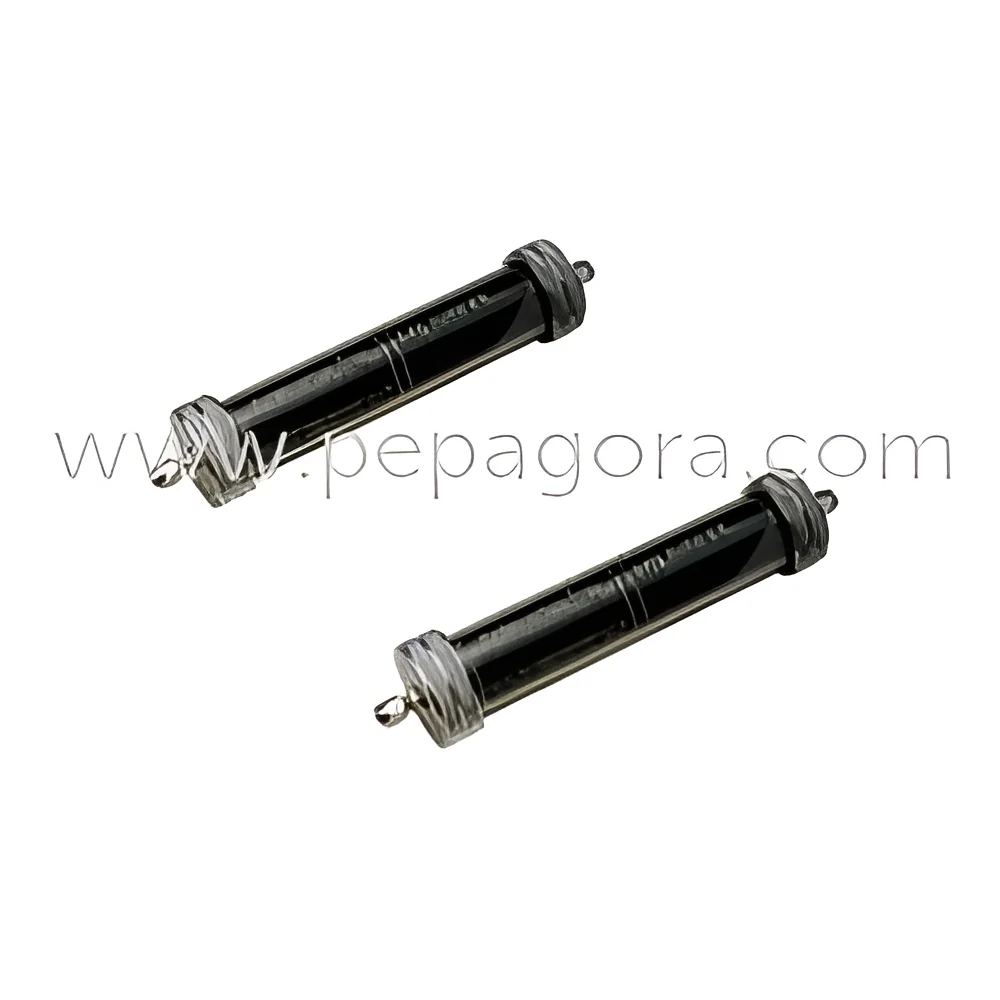
Description
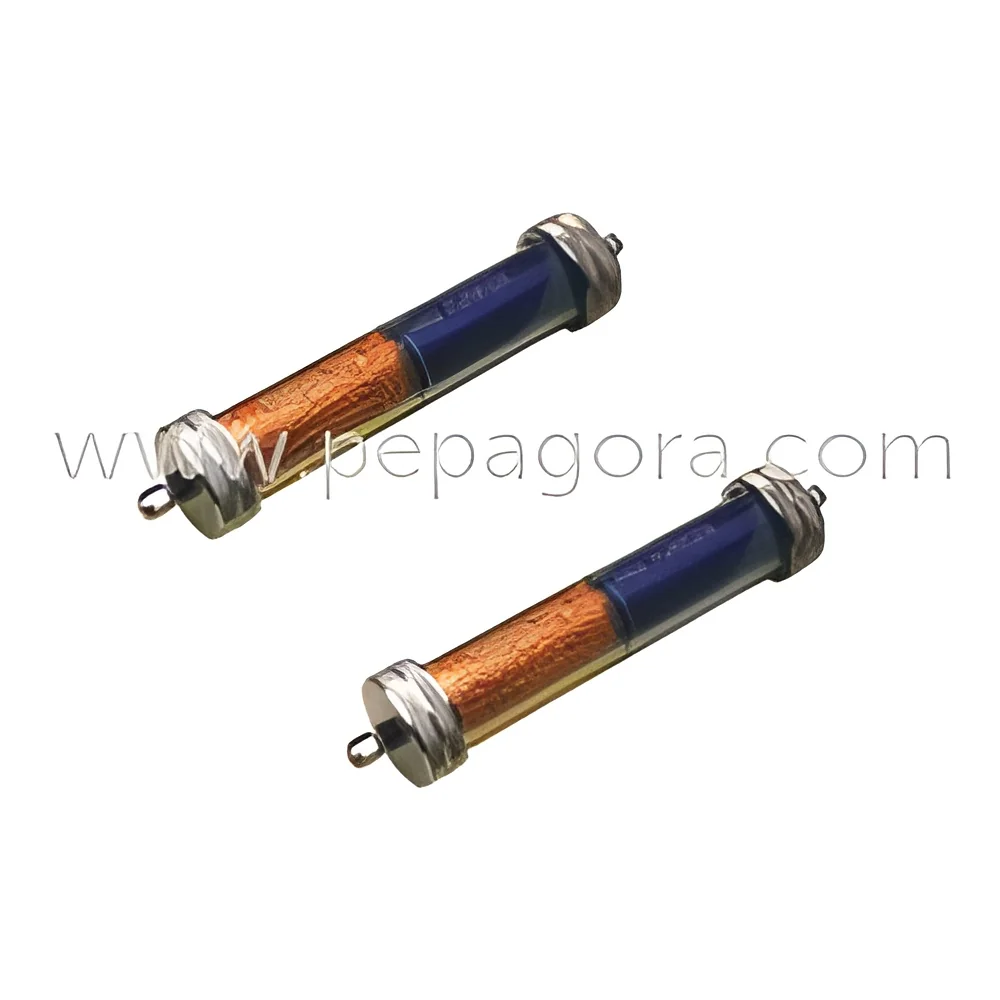
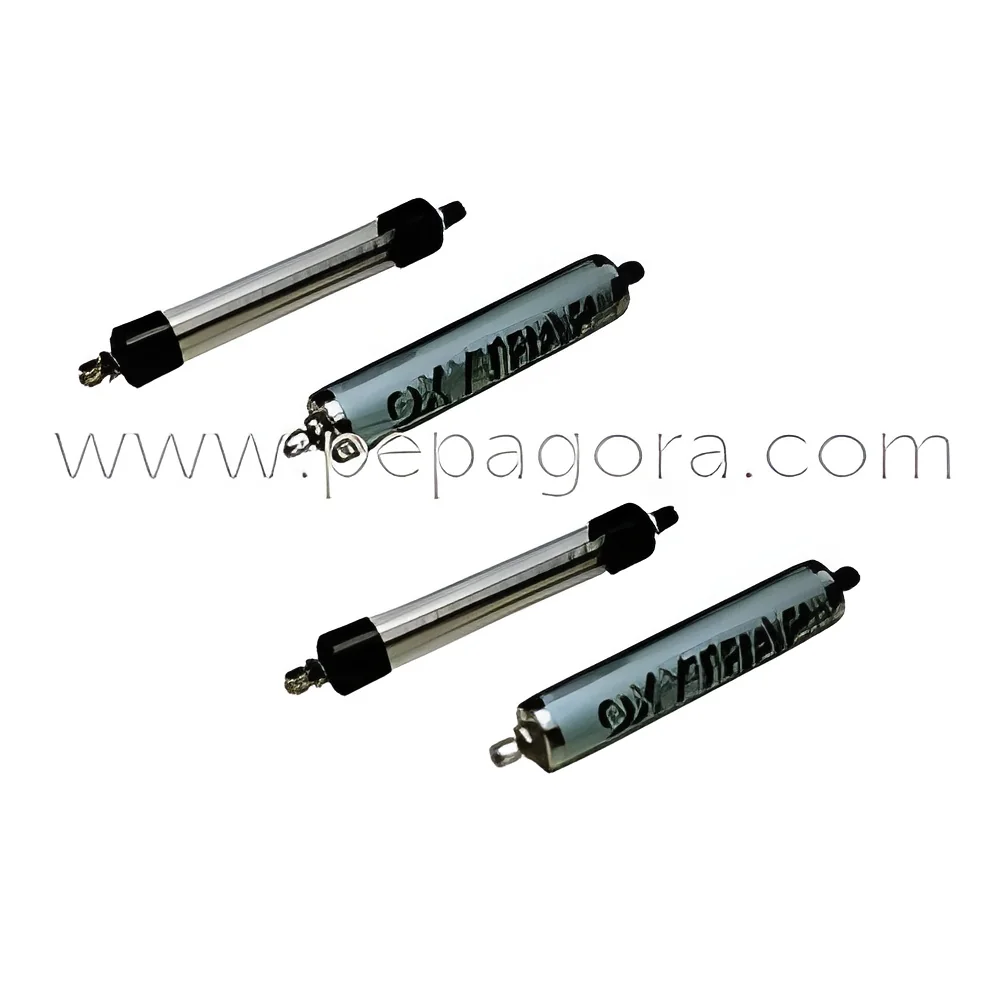
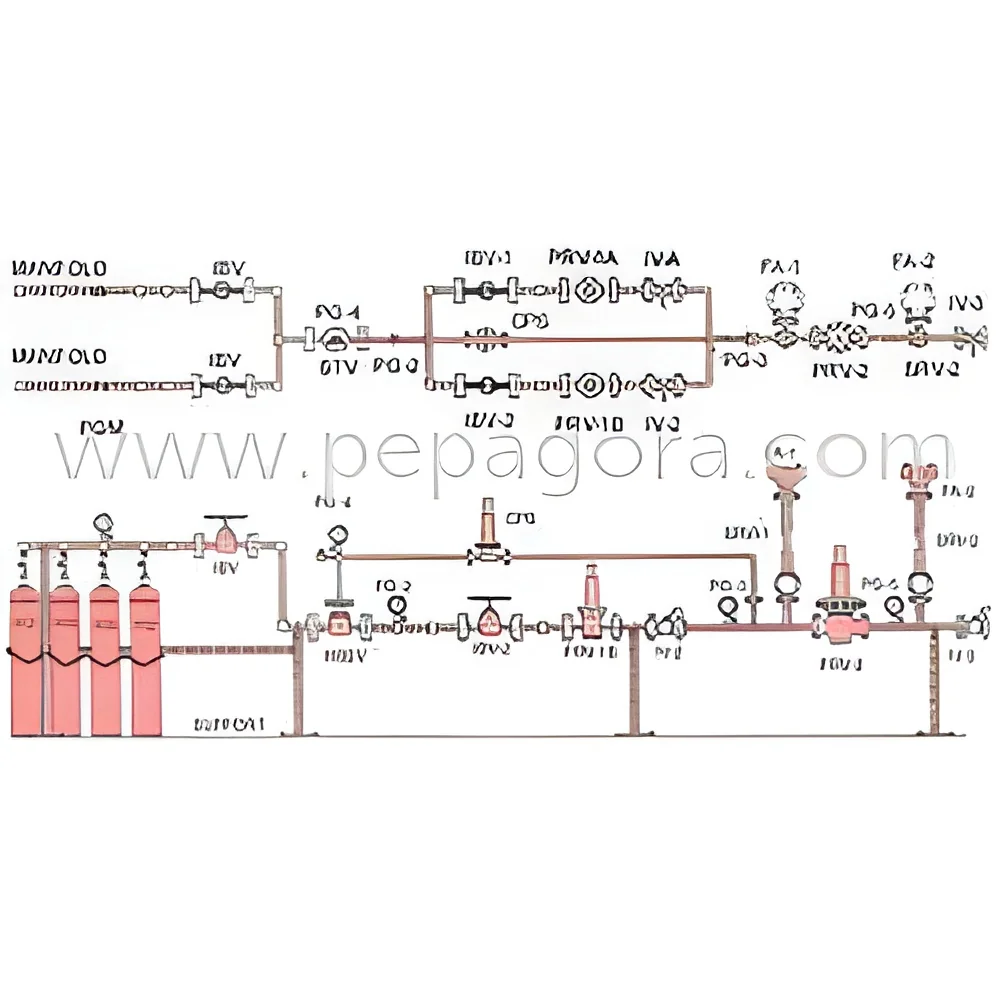
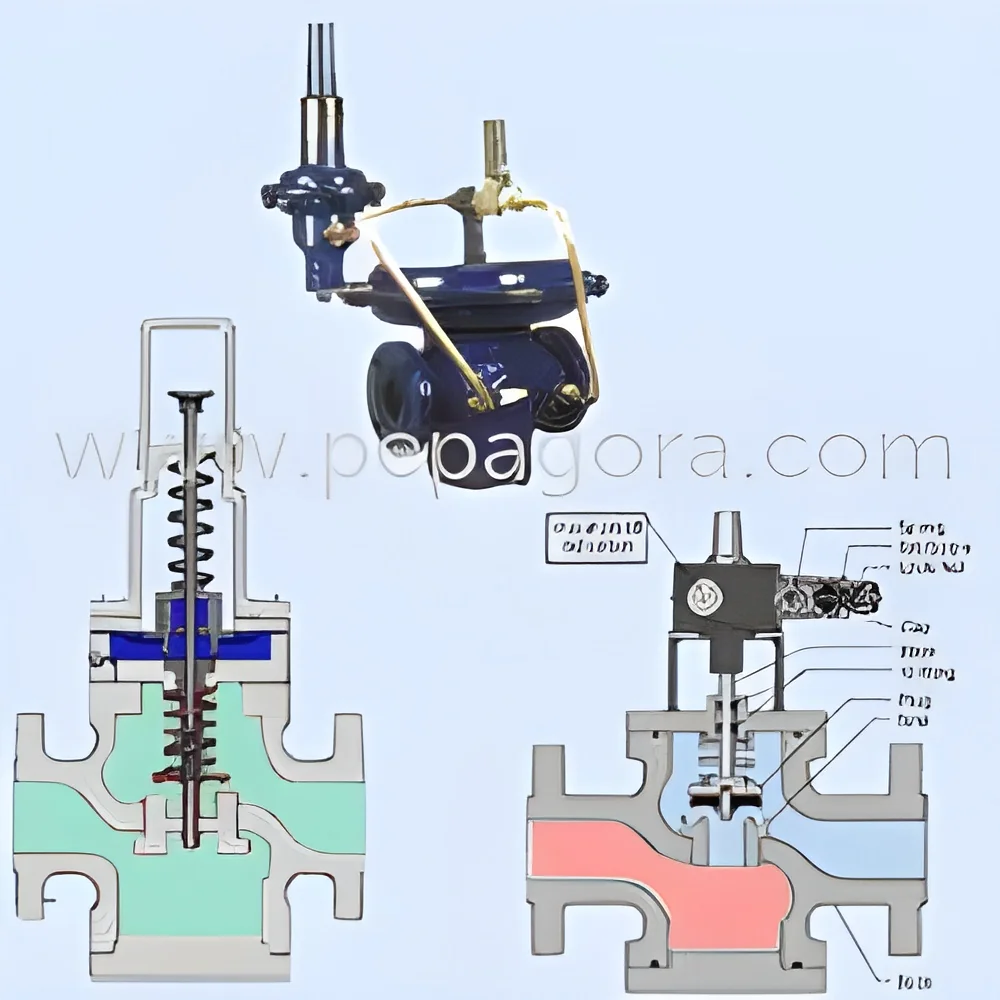
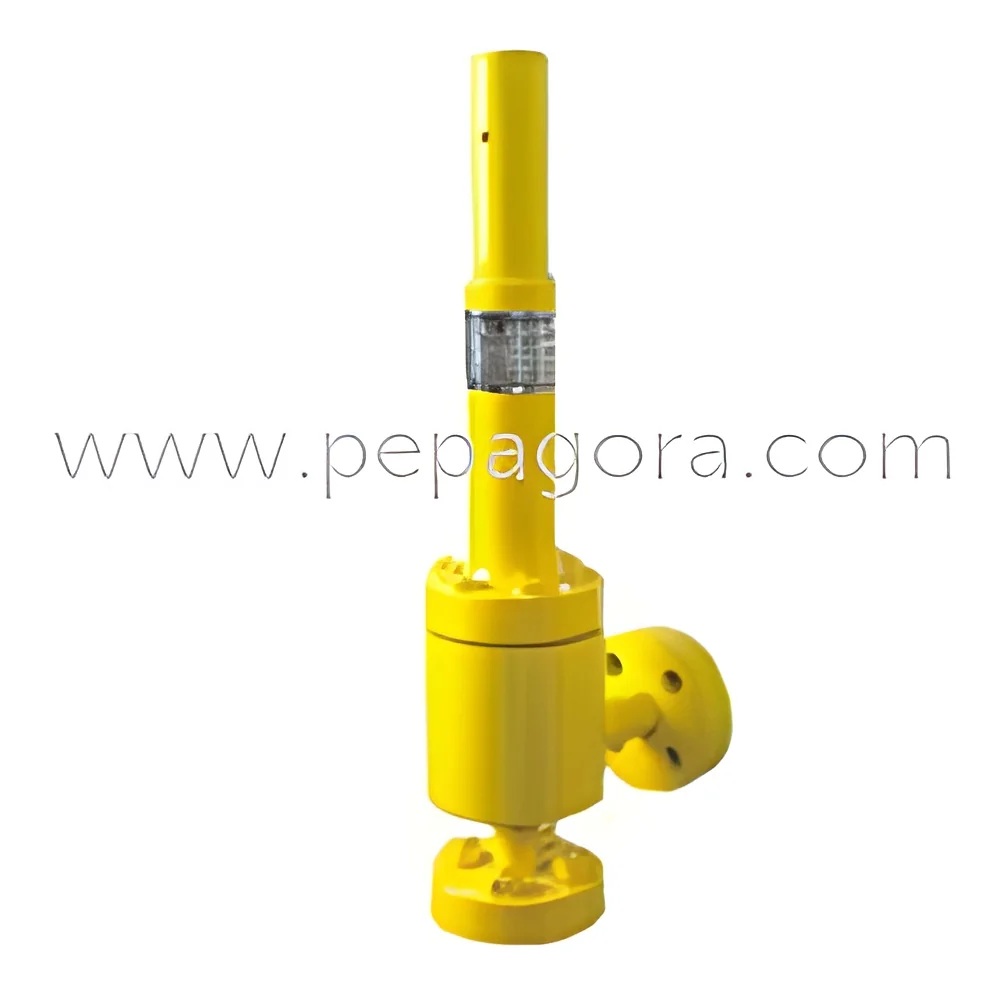
Industrial hydrocarbon traps are specialized filtration devices engineered to remove hydrocarbon impurities from carrier and fuel gases, ensuring high purity for critical applications. They feature a large surface area and optimized pore diameter to effectively adsorb large hydrocarbon molecules. Constructed from high-quality materials, these traps deliver reliable performance, long service life, and compatibility with various gas types including nitrogen, hydrogen, and zero air. By eliminating contaminants, they prevent analytical errors in instruments like flame ionization detectors, making them indispensable in laboratories and industrial settings where gas purity directly impacts accuracy, safety, and compliance.

Multiple industries depend on hydrocarbon traps to maintain operational integrity and product quality. Pharmaceutical manufacturers use them to ensure carrier gases meet strict purity standards for drug production and quality control. Petrochemical facilities rely on thes...
Industrial hydrocarbon traps are specialized filtration devices engineered to remove hydrocarbon impurities from carrier and fuel gases, ensuring high purity for critical applications. They feature a large surface area and optimized pore diameter to effectively adsorb large hydrocarbon molecules. Constructed from high-quality materials, these traps deliver reliable performance, long service life, and compatibility with various gas types including nitrogen, hydrogen, and zero air. By eliminating contaminants, they prevent analytical errors in instruments like flame ionization detectors, making them indispensable in laboratories and industrial settings where gas purity directly impacts accuracy, safety, and compliance.

Multiple industries depend on hydrocarbon traps to maintain operational integrity and product quality. Pharmaceutical manufacturers use them to ensure carrier gases meet strict purity standards for drug production and quality control. Petrochemical facilities rely on these traps to protect catalysts and ensure accurate composition analysis during processing. Environmental monitoring agencies utilize them for calibrating air quality analyzers, while food processing plants employ them to maintain inert atmospheres during packaging operations. Their versatility makes them suitable for any application where hydrocarbon contamination poses risks to processes, products, or regulatory compliance.

Investing in high-quality hydrocarbon traps delivers significant business value through enhanced reliability, reduced downtime, and lower maintenance costs. These traps are engineered for durability and consistent performance, minimizing replacement frequency and ensuring uninterrupted operations. Their robust design and proven effectiveness make them a trusted choice for businesses prioritizing precision, safety, and long-term cost efficiency in gas handling systems. The reliability of these traps translates to fewer instrument calibrations, reduced consumable costs, and more consistent output quality across all applications.

Key Features:
- Large surface area and optimized pore diameter for efficient hydrocarbon adsorption
- High-quality construction materials ensuring durability and chemical resistance
- Compatibility with various carrier and fuel gases including nitrogen and hydrogen
- Reliable performance across different pressure and flow conditions
- Easy integration into existing gas lines and analytical systems

Benefits:
- Enhanced analytical accuracy in FID systems and gas chromatographs
- Extended equipment lifespan through protection from contamination
- Reduced maintenance frequency and associated downtime costs
- Consistent performance meeting stringent purity requirements
- Improved operational safety and regulatory compliance
Specifications
| Additional Information | |
|---|---|
| Country of Origin | India |
Application
Hydrocarbon traps are essential for maintaining gas purity in analytical and industrial processes. They adsorb hydrocarbon contaminants from carrier gases like nitrogen, hydrogen, and zero air, preventing interference in sensitive instrumentation such as gas chromatographs with flame ionization detectors. This leads to more accurate readings, reduced calibration drift, and consistent performance across laboratory and manufacturing environments.
These traps are widely used across industries that require high-purity gases for operational safety and product quality. They protect downstream equipment, reduce maintenance frequency, and help meet stringent environmental and safety standards. Common uses include pharmaceutical manufacturing, petrochemical analysis, environmental monitoring, and food processing, where even trace hydrocarbons can affect results or safety.
- Removing hydrocarbon impurities from carrier gases in GC-FID systems to ensure accurate analytical results.
- Purifying fuel gases in industrial burners to improve combustion efficiency and reduce emissions.
- Protecting sensitive catalysts and sensors in chemical processing from contamination and poisoning.
- Ensuring gas purity in pharmaceutical manufacturing to meet strict regulatory and quality standards.
- Enhancing environmental monitoring by providing clean calibration gases for air quality analyzers.
Trade Details
| Available Stock | In Stock |
| Sample Availability | No |
Payment Terms
| Payment Terms |
|
Company Profile
Onus Engineering, Maharashtra
 Maharashtra, India
Maharashtra, IndiaElectronics & Electrical•Manufacturer
Factory Details
Factory SizeBelow 1000 sqm
Annual Production Capacity0
Industrial Hydrocarbon Traps For Gas Purification And FID Systems
Industrial hydrocarbon traps remove hydrocarbon impurities from carrier and fuel gases for gas purification and FID systems, ensuring high analytical accuracy and reliable performance in demanding applications.
Min. Order Quantity: 1 unit
Shipping
Shipping fee and delivery date to be negotiated. Contact supplier now for more details.
Onus Engineering
 Maharashtra, India
Maharashtra, IndiaElectronics & ElectricalManufacturer