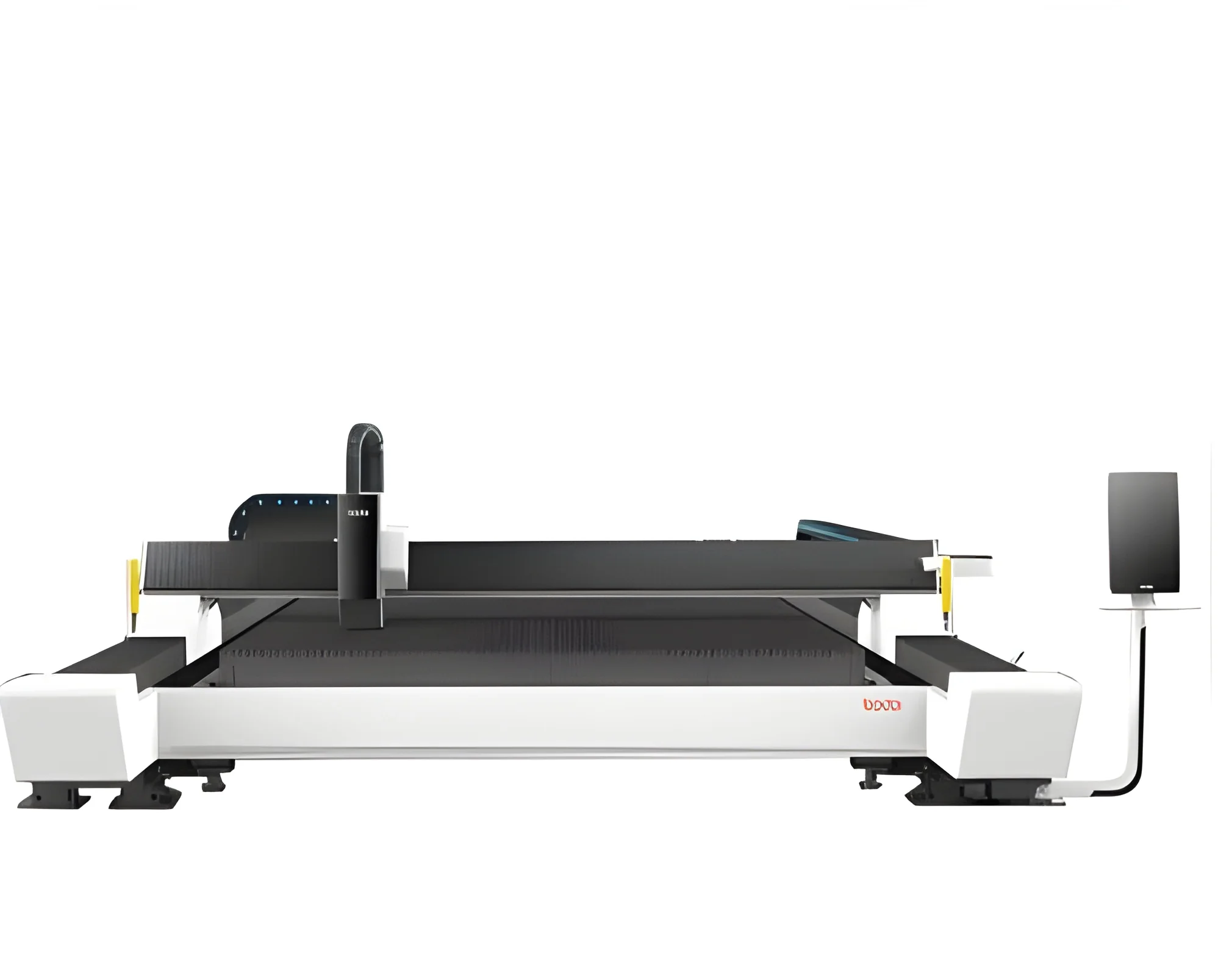
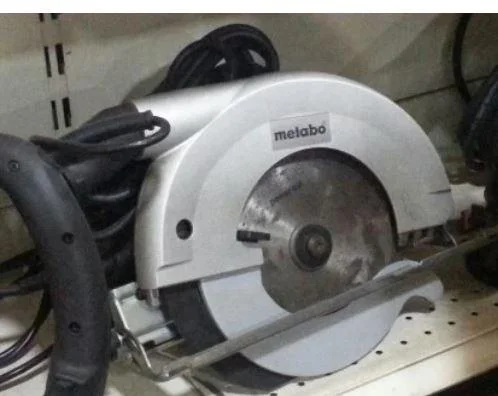
Key Features and Specifications
Cutting machines, including plasma and laser types, offer a variety of features that enhance their performance and usability. These machines are designed to cater to both small-scale and large-scale industrial applications, ensuring efficiency and effectiveness.
Key specifications include:
1. Cutting Thickness
- Plasma cutting can handle thicknesses ranging from 1mm to 50mm, depending on the specific machine model.
- Laser cutting typically accommodates materials up to 25mm thick, with some high-power lasers capable of cutting thicker materials.
2. Cutting Speed
- Plasma cutting speeds can reach up to 10 meters per minute, making it suitable for high-volume production.
- Laser cutting speeds vary but can exceed 30 meters per minute for thinner materials.
3. Power Output
- Plasma machines usually operate between 30A to 400A, allowing versatility in cutting various materials.
- Laser cutters are available in power ratings from 500W to 6kW, with higher wattage providing faster and more efficient cutting.
4. Control System
- Many cutting machines feature advanced CNC (Computer Numerical Control) systems for precise operation.
- Some models include user-friendly interfaces and programmable options for customized cutting patterns.
5. Material Compatibility
- Plasma cutters are effective on metals such as steel, stainless steel, and aluminum.
- Laser cutters can process a wider range of materials, including metals, plastics, wood, and composites.
6. Cooling Systems
- Plasma machines often include air or water cooling systems to maintain optimal working temperatures.
- Laser machines usually feature efficient cooling systems to prolong the lifespan of the laser source.
7. Safety Features
- Both types of machines are equipped with safety mechanisms such as automatic shut-off and protective covers.
- Laser cutting machines often include beam enclosures to minimize exposure to harmful light.
In summary, the specifications of cutting machines play a critical role in their effectiveness and suitability for various applications. Understanding these features helps businesses choose the right machine for their specific needs.
Common Applications and Use Cases
Cutting machines are utilized in a diverse range of industries, each with unique applications.
1. Manufacturing: Plasma and laser cutters are essential for metal fabrication, allowing for intricate designs and fast production times.
2. Automotive: These machines are used to cut parts and components with high precision, ensuring quality and performance in vehicle assembly.
3. Aerospace: In this sector, cutting machines are employed to shape lightweight materials and complex geometries required in aircraft design.
4. Construction: Laser cutters are often used for cutting architectural elements and components for buildings, offering both precision and efficiency.
5. Signage: Plasma cutting is commonly used for creating custom signs and letters from metal sheets, enhancing aesthetic appeal.
6. Electronics: Cutting machines help in producing circuit boards and other electronic components, ensuring accuracy in small-scale applications.
7. Art and Design: Artists and designers utilize cutting machines for creating intricate sculptures and designs from various materials.
Product Variants and Subcategories
The cutting machine market offers a variety of options to meet different operational needs and preferences. Each variant is designed with specific features tailored to various applications.
Plasma Cutting Machines
These machines are known for their speed and ability to cut through thicker metals. They are widely used in industrial settings for tasks that require high-volume output and efficiency.
Laser Cutting Machines
Laser cutters excel in precision and can handle a wider variety of materials. They are often preferred for applications that demand intricate designs and high-quality finishes.
Benefits and Advantages
Investing in cutting machines provides numerous benefits for businesses looking to enhance their operations.
1. Precision Cutting: These machines deliver high accuracy, allowing for intricate designs and reducing material waste.
2. Versatility: Plasma and laser cutters can handle a wide range of materials, making them suitable for various applications across industries.
3. Increased Productivity: With faster cutting speeds, businesses can achieve higher output levels, improving overall efficiency.
4. Reduced Labor Costs: Automation of cutting processes minimizes the need for manual labor, leading to cost savings.
5. Improved Safety: Modern cutting machines are equipped with safety features that protect operators and reduce the risk of accidents.
6. Enhanced Quality: The precision of these machines results in superior product quality, meeting the demands of high standards in manufacturing.
Buying Guide for B2B Buyers
When sourcing cutting machines, businesses should consider several critical factors to ensure they make informed decisions.
1. Quality Assessment: Evaluate the build quality and reliability of the machines. Look for certifications and reviews to gauge performance.
2. Supplier Verification: Vet suppliers based on their reputation, experience, and customer feedback. Ensure they have a track record of delivering quality products.
3. Pricing and MOQ: Consider the price range and minimum order quantities. Compare costs between suppliers to find the best deals without compromising on quality.
4. Delivery and Lead Times: Understand the logistics involved in delivering the machines. Confirm lead times to ensure timely availability for production needs.
5. Compliance Requirements: Ensure that the machines meet relevant regulatory standards. This includes safety, environmental, and industry-specific compliance.
Compliance and Certifications
Cutting machines must adhere to various quality standards and certifications to ensure safety and reliability in their operation.
ISO 9001 is a widely recognized standard that confirms a company's commitment to quality management systems. Companies manufacturing cutting machines should comply with this standard to guarantee consistent product quality.
CE certification indicates that the machines meet the European Union's safety, health, and environmental protection requirements. This certification is vital for companies looking to market their machines in Europe.
Safety and testing requirements are paramount for cutting machines, especially considering the potential hazards associated with their operation. Manufacturers must implement rigorous testing protocols to ensure that their machines operate safely under all conditions.
Regional compliance considerations may vary, so it is essential for buyers to be aware of specific regulations in their area. This ensures that the machines they purchase are compliant with local laws and industry standards.
Why Source Cutting Machines (Plasma, Laser) from Pepagora?
Pepagora provides a trusted platform for sourcing cutting machines with several key advantages that set it apart from competitors.
Verified Supplier Network: Pepagora works with a network of verified suppliers who meet stringent quality and safety standards. This ensures that buyers can trust the products they purchase.
Streamlined RFQ Process: The request for quotation process is designed to be user-friendly, allowing buyers to easily obtain quotes from multiple suppliers. This transparency helps in making informed purchasing decisions.
Trade Assurance and Support: Buyers are offered trade assurance, which provides protection throughout the purchasing process. This support helps mitigate risks associated with international transactions.
Regional Coverage: Pepagora has a strong presence in India, the GCC, and Southeast Asia, making it accessible for a wide range of businesses. This regional coverage ensures that buyers receive timely support and services tailored to their market needs.

 IN
IN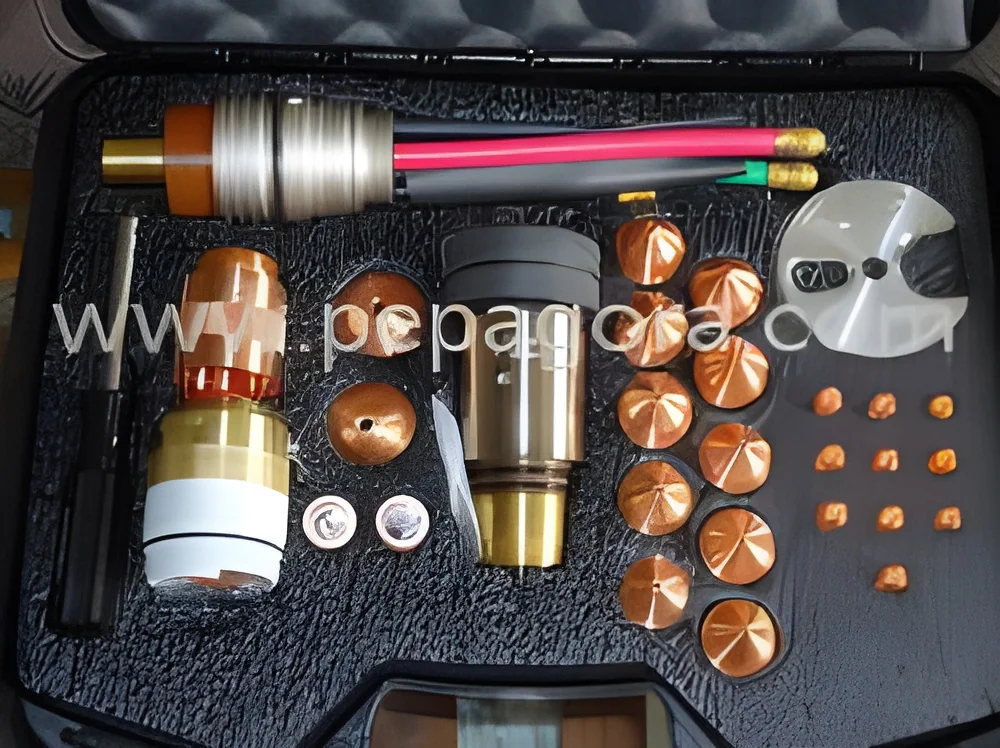

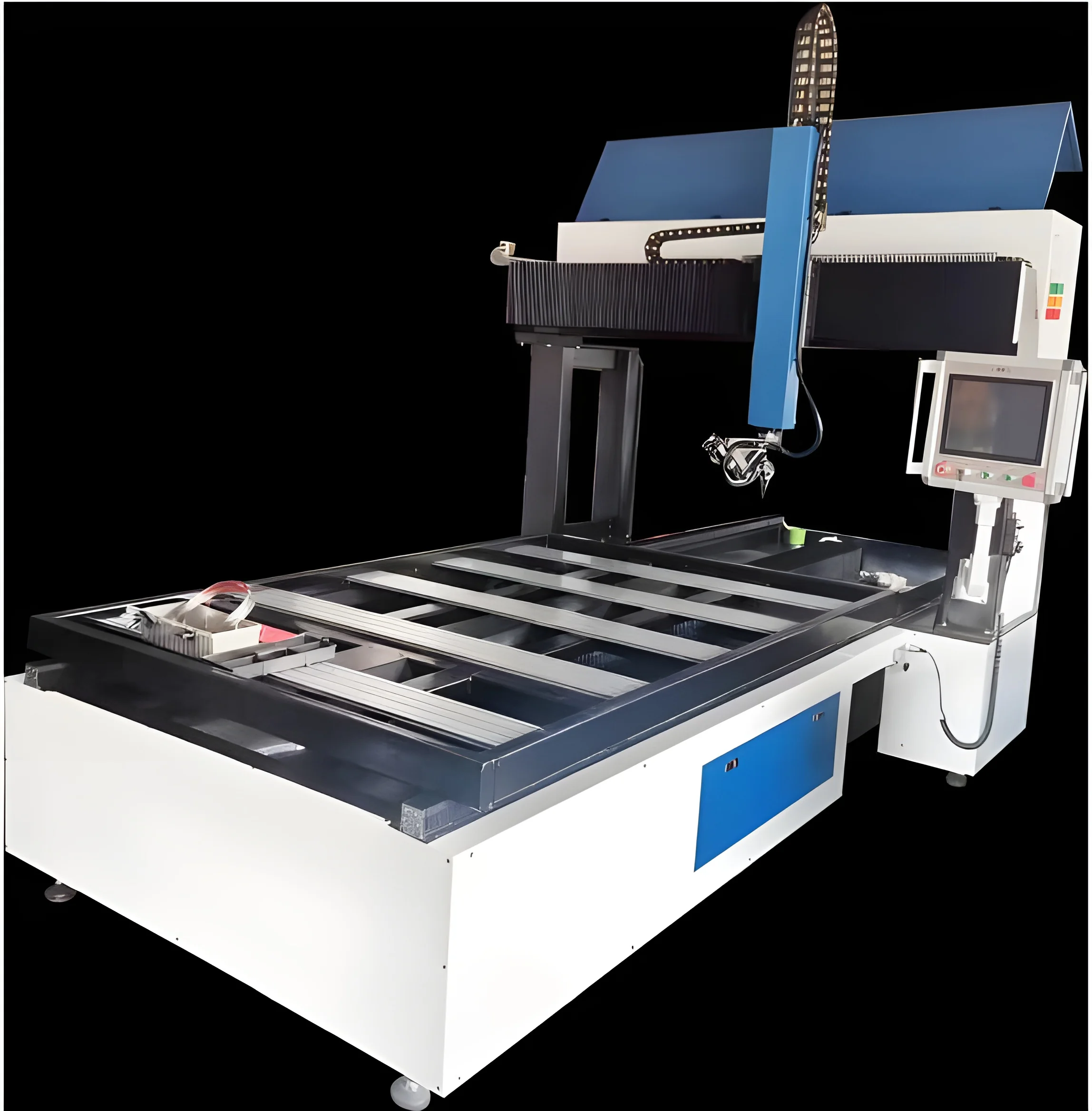


 India
India