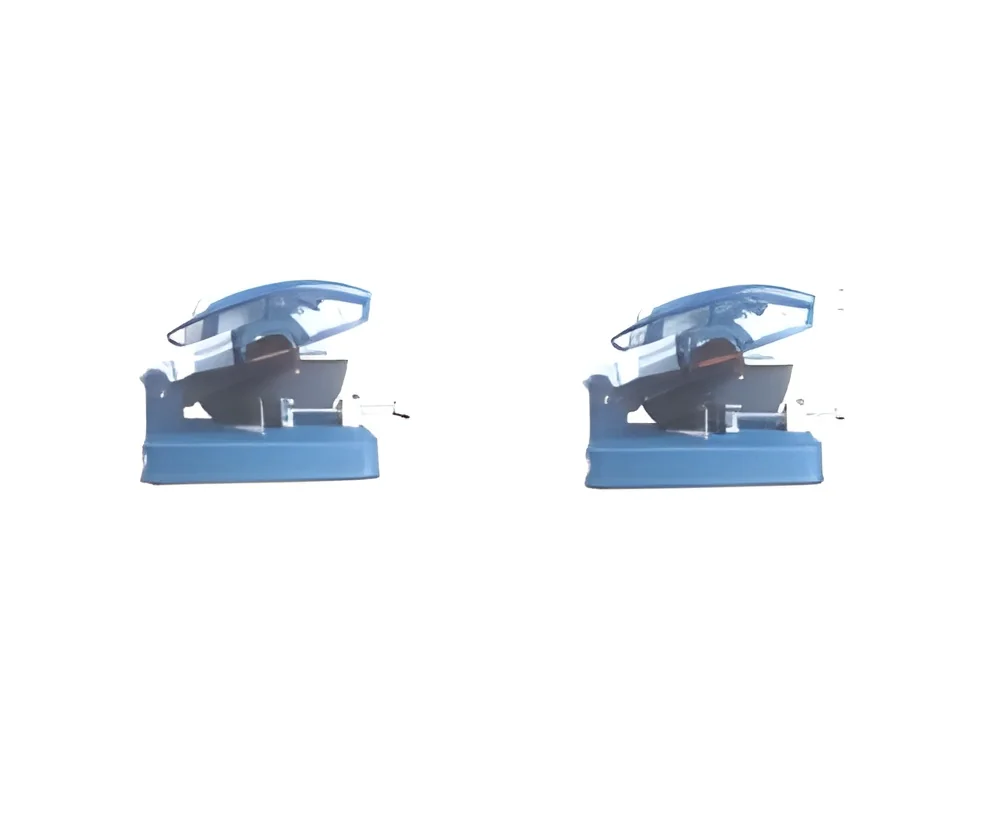
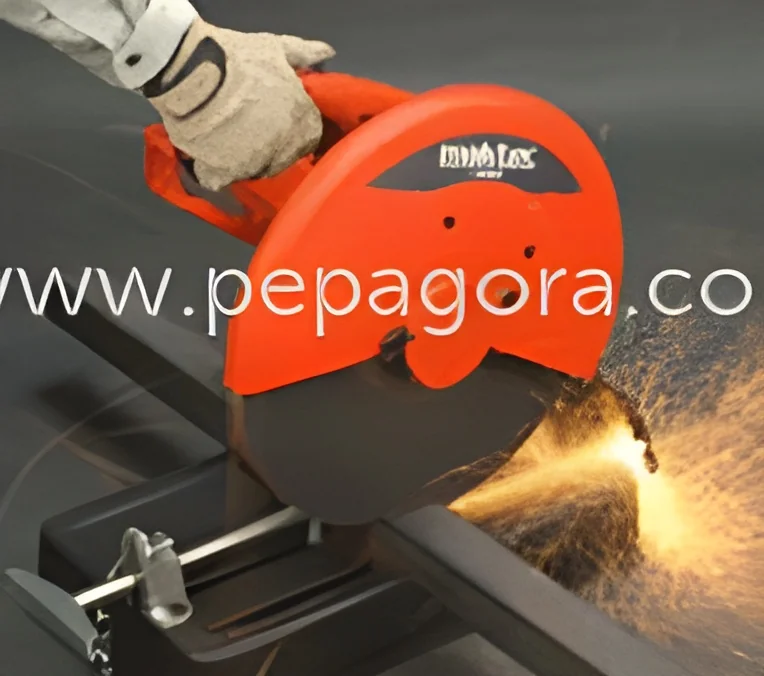
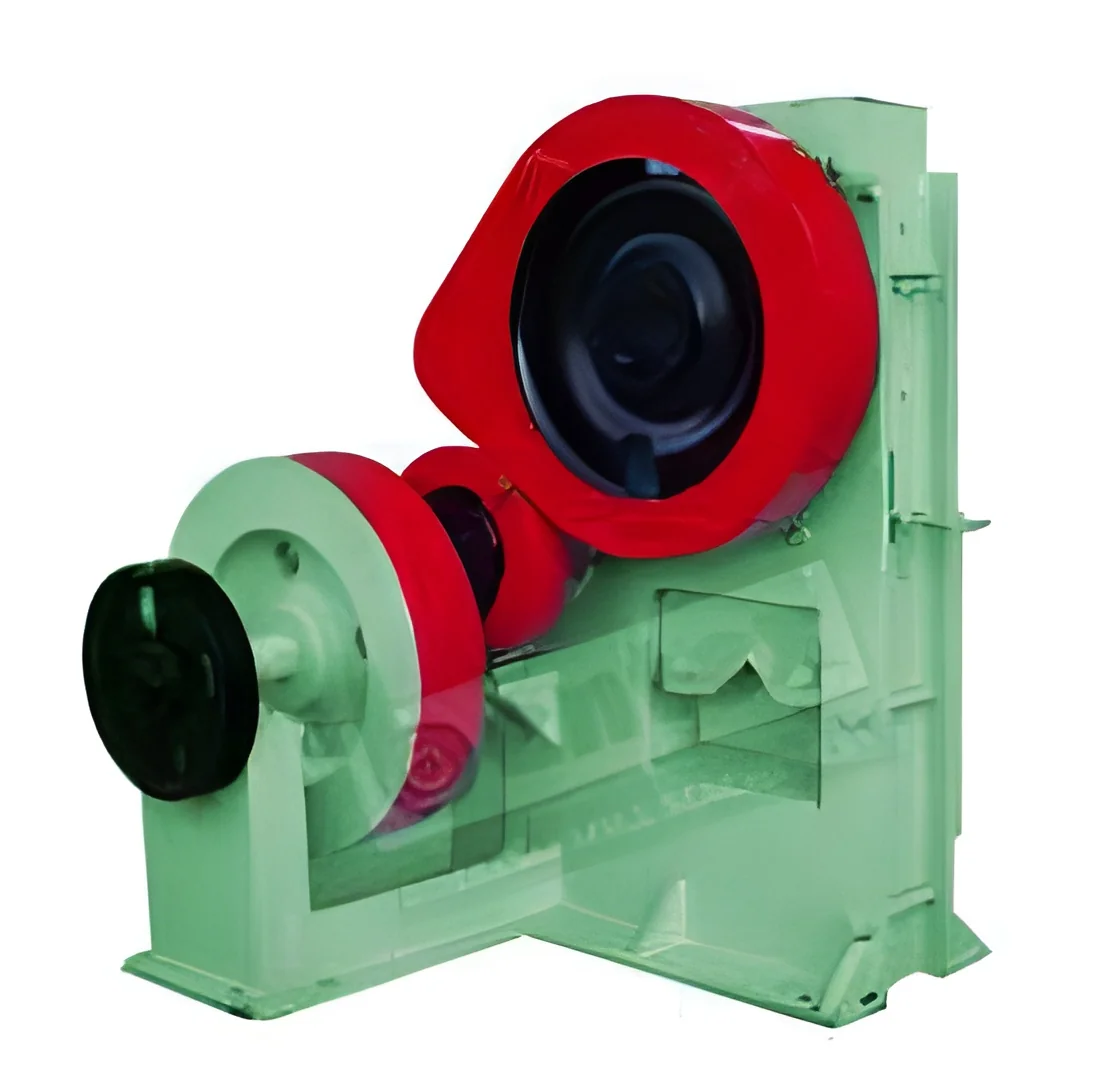
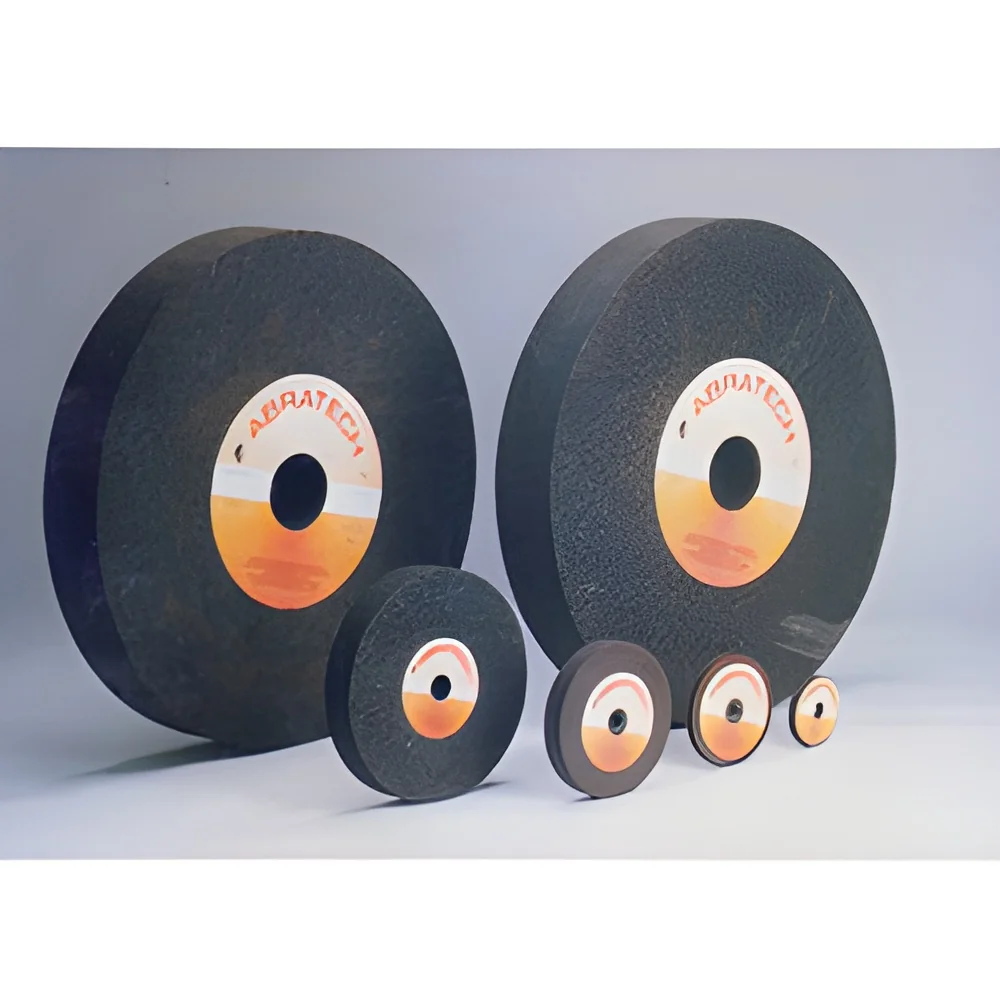
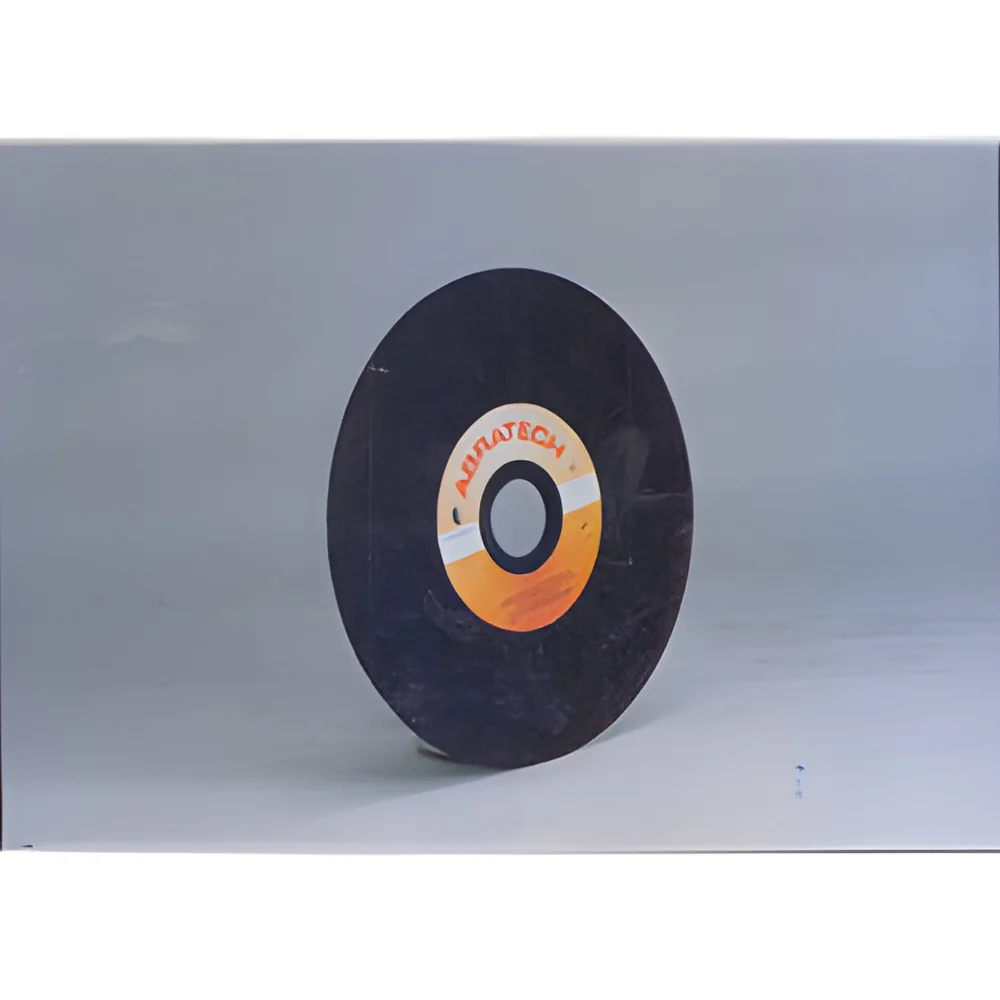
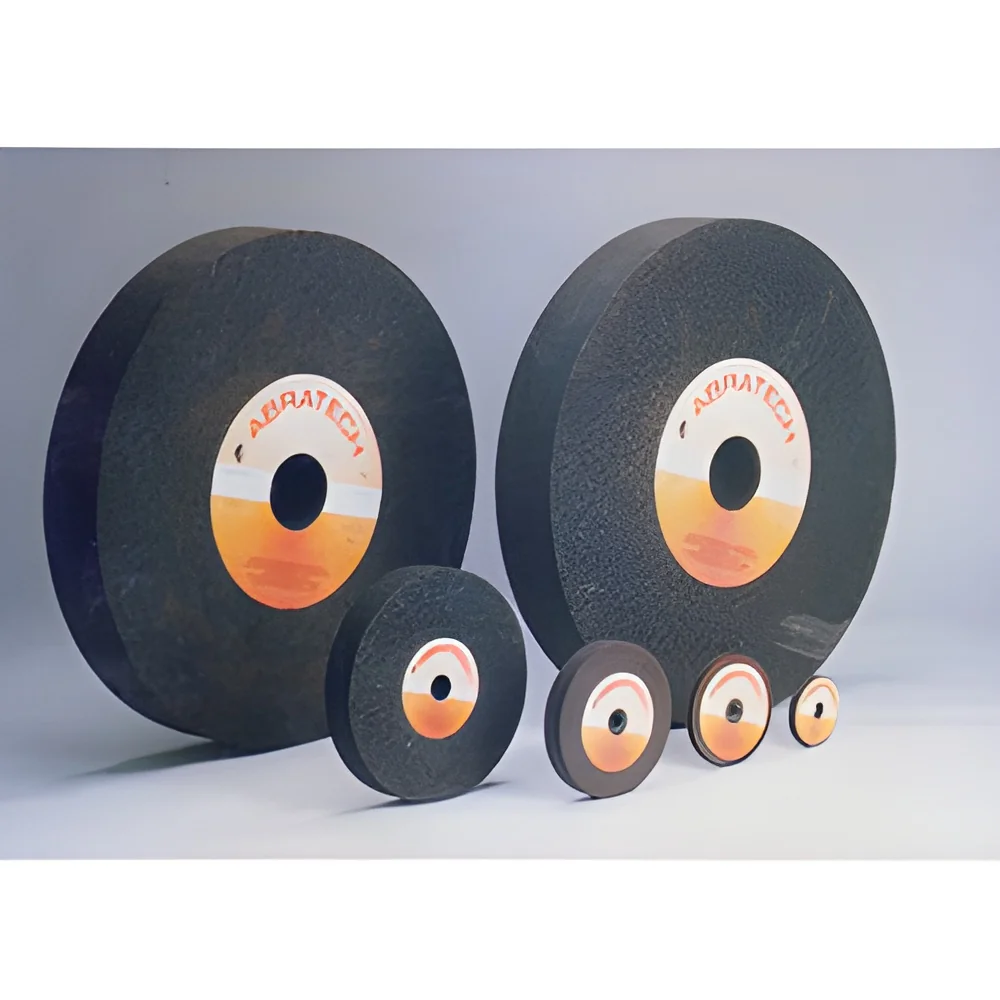
What are Cut-Off Machines?
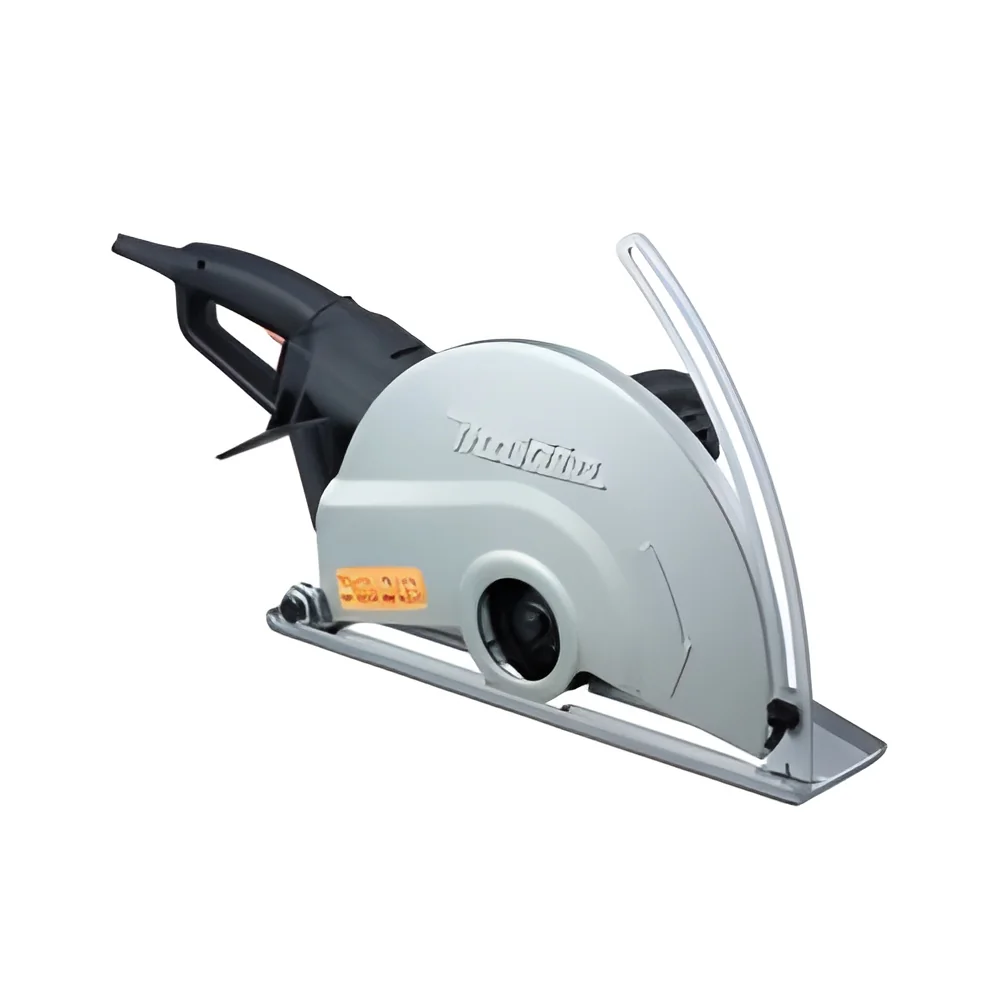
Cut-off machines are specialized tools designed for precision cutting in various industrial applications. They typically employ high-speed rotating blades to cut through materials such as metal, concrete, and masonry. These machines are essential in construction, manufacturing, and metalworking, where accurate and efficient cutting is critical. The design of cut-off machines emphasizes ease of use, safety, and durability, making them a preferred choice for professionals.
The primary uses of cut-off machines include cutting pipes, slabs, and structural components in construction sites and manufacturing facilities. They are commonly utilized for tasks that require high cutting power and speed, allowing for increased productivity. With advancements in technology, modern cut-off machines also offer features such as adjustable speed settings and enhanced safety mechanisms. The relevance of cut-off machines in the industry cannot be overstated, as they are integral to the smooth operation of various projects, contributing to time savings and improved efficiency.
Key Features and Specifications
Cut-off machines are equipped with a variety of features that enhance their performance and usability. Key specifications often include:
1. Motor Power
- Typically ranges from 1.5 kW to 5.5 kW
- Determines the cutting capability and speed of the machine
2. Blade Diameter
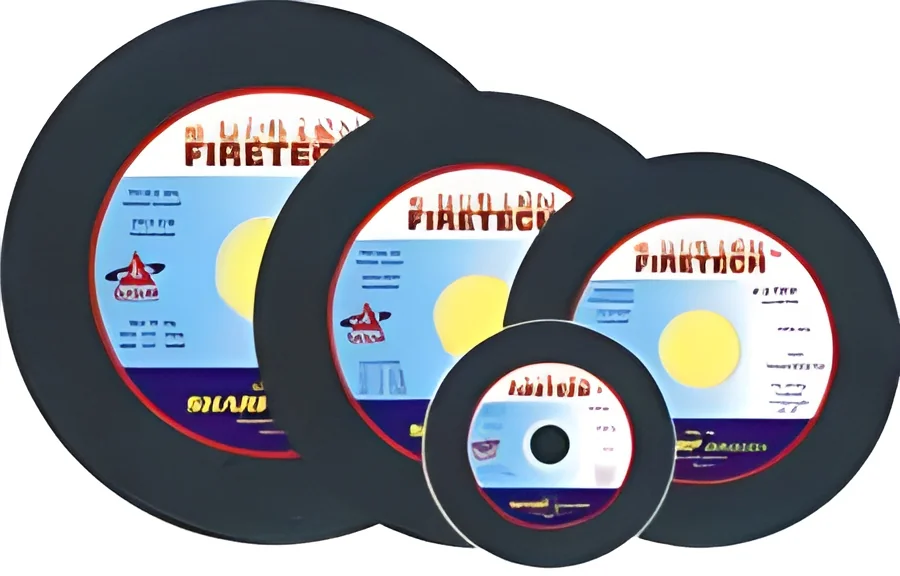
- Commonly available in sizes from 12 inches to 16 inches
- Affects the type of materials that can be cut and the depth of the cut
3. Cutting Speed
- Measured in RPM, usually ranging from 3,000 to 5,000 RPM
- Higher speeds allow for faster cutting but require careful handling
4. Weight
- Generally varies from 15 kg to 25 kg
- Heavier machines may offer better stability during operation
5. Safety Features
- Includes guards and emergency stop buttons
- Essential for protecting operators during use
6. Construction Material
- Often made from durable alloys and composites
- Ensures longevity and resistance to wear and tear
7. Ergonomic Design
- Focuses on user comfort and ease of handling
- Important for reducing operator fatigue during extended use
In summary, understanding the key features and specifications of cut-off machines helps businesses select the right equipment tailored to their specific cutting needs.
Common Applications and Use Cases
Cut-off machines find application across a wide range of industries due to their versatility and efficiency.
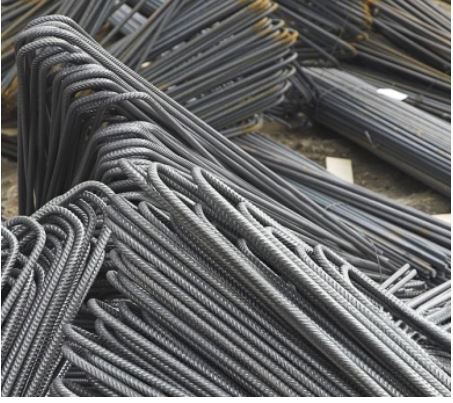
1. Construction: In construction, cut-off machines are used to cut concrete, bricks, and metal reinforcements. They are essential for creating openings, installing plumbing, and modifying structural components.
2. Manufacturing: In manufacturing, these machines are utilized for cutting metal sheets and pipes, facilitating the fabrication of various components and assemblies.
3. Metalworking: Metalworking shops use cut-off machines for precision cuts in various metal types, ensuring high-quality finishes for products like automotive parts and machinery.
4. Plumbing: Plumbers rely on cut-off machines to accurately cut pipes for installations and repairs, ensuring a perfect fit and reducing material waste.
5. Electrical: In electrical applications, cut-off machines are used to shape and cut conduits and other electrical fittings, ensuring safe and efficient wiring installations.
6. Landscaping: In landscaping, these machines can cut through paving stones and concrete blocks, enabling the creation of pathways and garden features.
7. Recycling: In recycling industries, cut-off machines assist in processing materials like metal and concrete, facilitating efficient waste management and material recovery.
Product Variants and Subcategories
Cut-off machines come in various forms, tailored to meet specific operational needs.
Electric Cut-Off Machines: These machines are powered by electricity, making them suitable for indoor operations and environments with limited ventilation. They offer consistent cutting performance and are ideal for detailed work.
Gas-Powered Cut-Off Machines: Gas-powered models provide portability and are ideal for outdoor applications. They are often used in construction sites where electric power is not readily available, delivering high power for tough cutting tasks.
Hydraulic Cut-Off Machines: These machines utilize hydraulic power for enhanced cutting efficiency. They are typically used in heavy-duty applications, offering superior performance on tougher materials.
Benefits and Advantages
Cut-off machines offer numerous advantages that enhance their appeal to B2B buyers.
1. High Efficiency: Cut-off machines are designed to perform cutting tasks quickly, improving productivity and reducing downtime in operations.
2. Versatility: They can cut through a variety of materials, making them suitable for diverse applications across multiple industries.
3. Precision Cutting: These machines provide accurate cuts, essential for projects requiring tight tolerances and high-quality finishes.
4. Safety Features: Modern cut-off machines come equipped with advanced safety mechanisms, ensuring operator protection during use.
5. Durability: Built with robust materials, cut-off machines are designed for longevity, reducing the need for frequent replacements and repairs.
6. Cost-Effectiveness: By enhancing operational efficiency and reducing labor costs, cut-off machines can lead to significant savings for businesses.
Buying Guide for B2B Buyers
When sourcing cut-off machines, several factors should be considered to ensure the right choice for your business needs.
1. Quality Assessment: Evaluate the build quality and performance standards of the machines. Look for models that meet industry benchmarks for durability and efficiency.
2. Supplier Verification: It is crucial to vet suppliers for reliability and reputation. Check reviews, certifications, and their history in the industry to ensure a trustworthy partnership.
3. Pricing and MOQ: Understand the pricing structure and minimum order quantities. This will help in budgeting and planning for future projects.
4. Delivery and Lead Times: Consider the logistics involved, including delivery times and the supplier's ability to meet your schedule. Timely delivery is essential for maintaining project timelines.
5. Compliance Requirements: Ensure that the machines comply with industry regulations and standards. This includes safety certifications and environmental considerations.
Compliance and Certifications
Cut-off machines must adhere to various compliance and certification standards to ensure quality and safety.
ISO 9001 is a widely recognized quality management standard that applies to manufacturing processes. Compliance with this standard indicates that the manufacturer maintains high-quality practices.
CE certification is crucial for products sold in the European market. It ensures that the machines meet safety and environmental protection requirements.
Safety and testing requirements are essential for ensuring that cut-off machines operate safely and reliably. Regular testing and adherence to safety protocols protect both operators and end-users.
Regional compliance considerations may vary, so it is important to understand the specific regulations applicable in your area. This ensures that the machines can be legally used in your operational environment.
Why Source Cut-Off Machines from Pepagora?
Pepagora offers a trusted platform for sourcing cut-off machines, providing several key advantages for B2B buyers.
Verified Supplier Network: Pepagora has a robust network of verified suppliers, ensuring that buyers can find reliable manufacturers of cut-off machines. This verification process helps mitigate risks associated with sourcing.
Streamlined RFQ Process: The platform features a user-friendly request for quotation system that simplifies the purchasing process. Buyers can easily request quotes from multiple suppliers, facilitating better decision-making.
Trade Assurance and Support: Pepagora prioritizes buyer protection through trade assurance policies. This provides peace of mind, ensuring that transactions are secure and that buyers receive the products as promised.
Regional Coverage: With a strong presence in regions like India, the GCC, and Southeast Asia, Pepagora enables buyers to tap into local markets effectively. This geographic reach enhances accessibility to high-quality cut-off machines tailored to regional needs.

 IN
IN