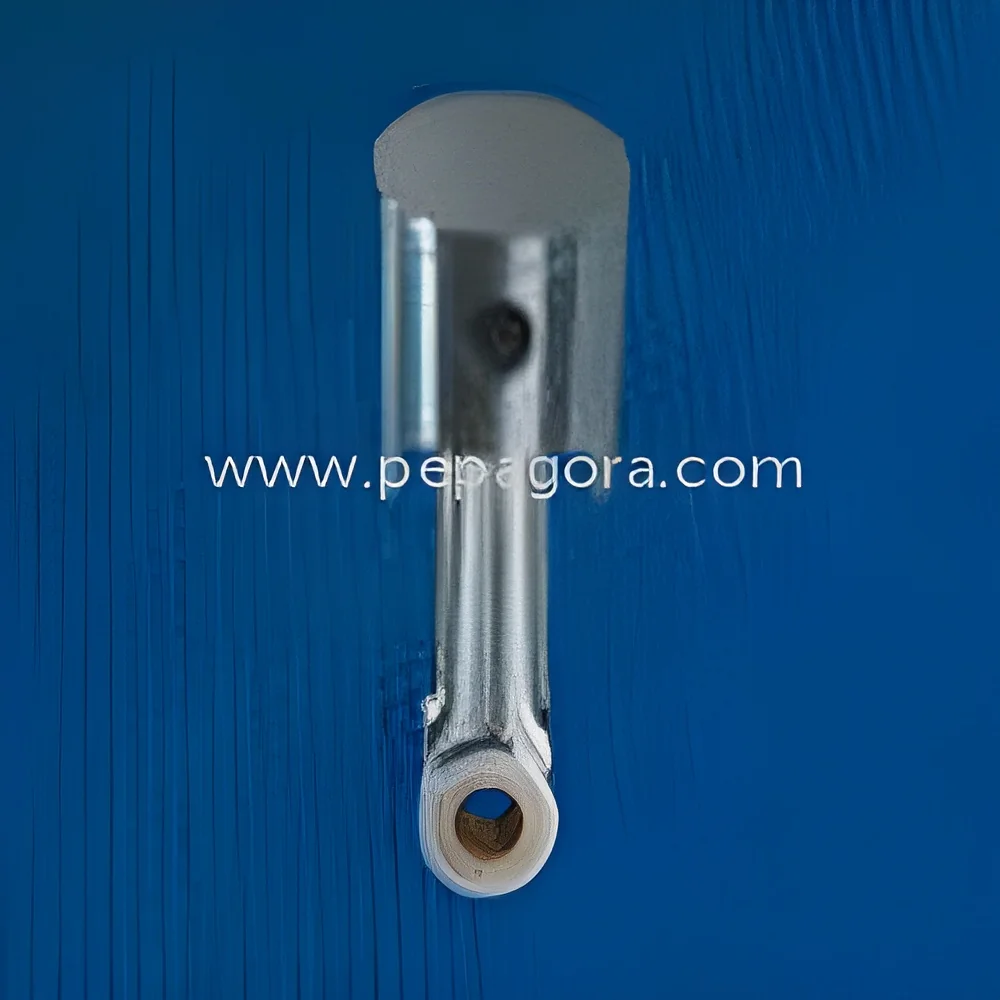
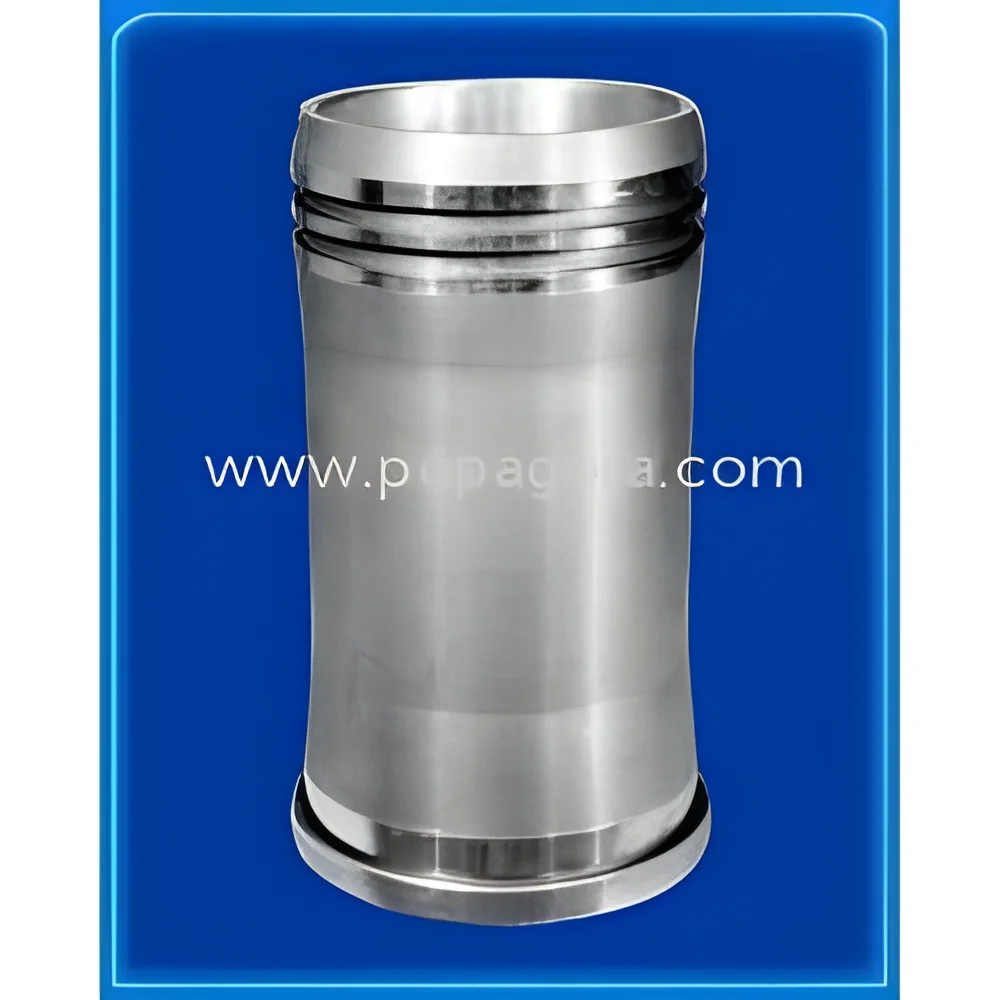
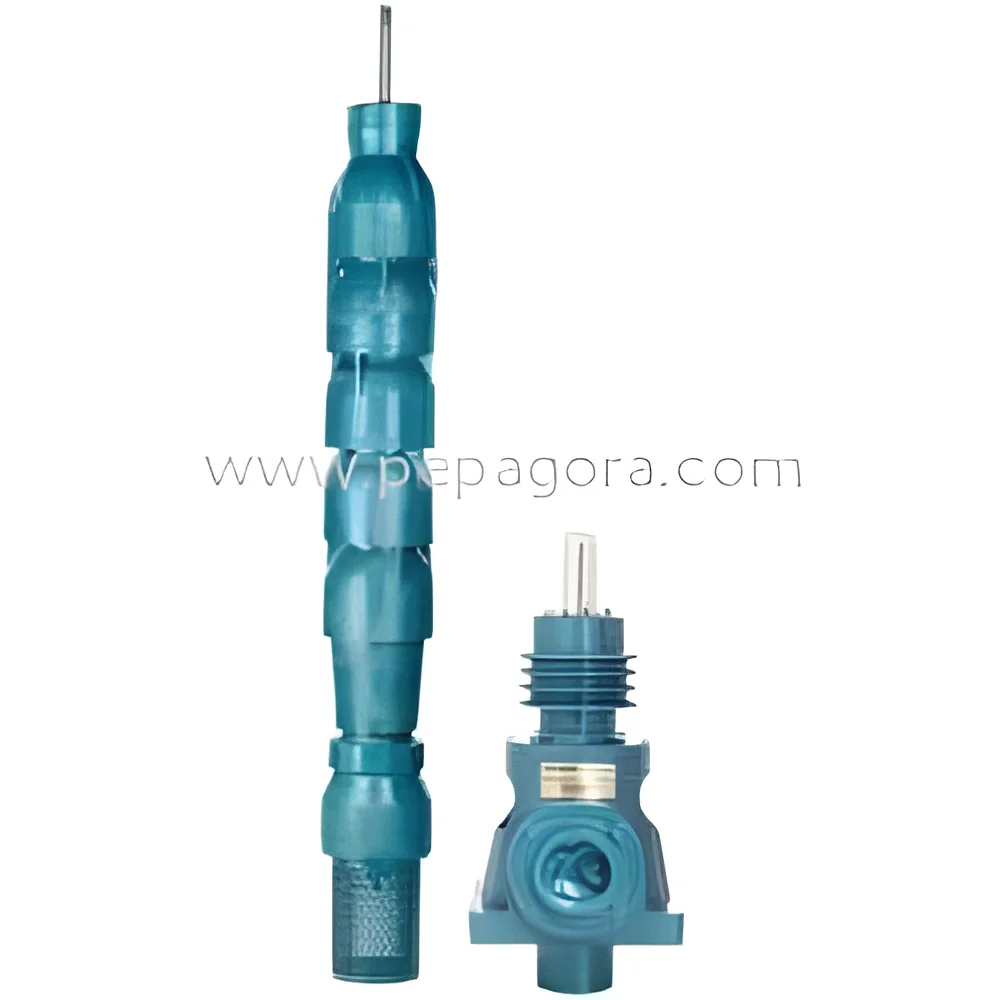
IN
IN₹
Apparel & Fashion
Loading subcategories...
View More
Description
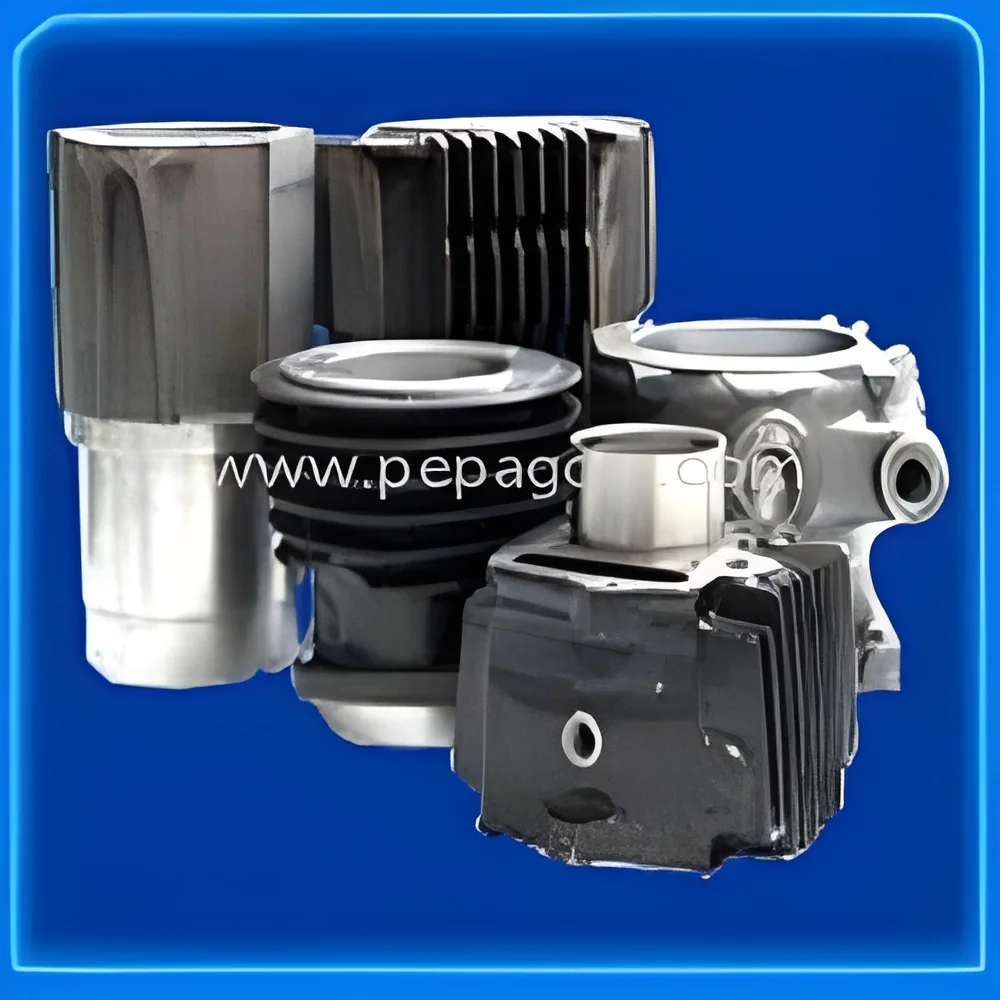
Industrial Air Cooled Blocks represent precision-engineered heat exchange solutions designed for demanding industrial environments. These units efficiently transfer thermal energy from process fluids to ambient air through optimized finned tubing configurations, maintaining consistent temperature control for critical equipment and processes. Manufactured to exacting OEM standards, they feature corrosion-resistant materials and precise dimensional accuracy that ensure reliable long-term performance. The standardized design facilitates straightforward integration while maintaining compatibility with diverse industrial cooling requirements. These robust cooling solutions provide effective thermal management where traditional liquid cooling systems may be impractical due to water scarcity, environmental considerations, or infrastructure limitations.

Multiple industrial sectors depend on these air cooled blocks for essential cooling operations that protect equipment and maintain production...
Industrial Air Cooled Blocks represent precision-engineered heat exchange solutions designed for demanding industrial environments. These units efficiently transfer thermal energy from process fluids to ambient air through optimized finned tubing configurations, maintaining consistent temperature control for critical equipment and processes. Manufactured to exacting OEM standards, they feature corrosion-resistant materials and precise dimensional accuracy that ensure reliable long-term performance. The standardized design facilitates straightforward integration while maintaining compatibility with diverse industrial cooling requirements. These robust cooling solutions provide effective thermal management where traditional liquid cooling systems may be impractical due to water scarcity, environmental considerations, or infrastructure limitations.

Multiple industrial sectors depend on these air cooled blocks for essential cooling operations that protect equipment and maintain production quality. Manufacturing plants utilize them to regulate temperatures in hydraulic systems, production machinery, and automated equipment. Power generation facilities incorporate these units for auxiliary cooling applications in transformers and turbine systems. Chemical processing plants benefit from their corrosion-resistant properties when cooling sensitive processes and reaction vessels. The automotive industry employs them in testing facilities and production lines where precise thermal control ensures product consistency. Their versatile design accommodates both indoor and outdoor installations across varying environmental conditions and operational demands.

The operational value of these air cooled blocks extends beyond basic cooling functions to deliver measurable business advantages through enhanced reliability and reduced operational costs. Their corrosion-resistant construction significantly extends service life while minimizing maintenance requirements and associated downtime. The easy installation feature reduces labor costs and operational disruption during implementation. By eliminating water consumption and treatment expenses common with liquid cooling alternatives, these units offer substantial ongoing cost savings. Their consistent performance ensures stable process temperatures that directly influence product quality and manufacturing efficiency. The availability of custom sizing options allows businesses to optimize cooling performance for specific applications, maximizing return on investment through tailored thermal management solutions.

Key Features:
- Corrosion-resistant construction using durable industrial-grade materials
- Precise dimensional accuracy ensuring proper fitment and optimal performance
- Standardized OEM design for seamless integration with existing systems
- Robust construction capable of withstanding demanding industrial environments
- Efficient heat transfer design for consistent thermal management performance

Benefits:
- Extended service life through corrosion-resistant materials and construction
- Reduced maintenance requirements and associated operational downtime
- Easy installation minimizing labor costs and system implementation time
- Operational cost savings by eliminating water consumption and treatment
- Consistent performance ensuring reliable temperature control for processes
Specifications
| Attribute | Value |
|---|---|
| Type | Air Cooled Blocks |
| Supply Type | OEM |
| Price | Negotiable |
| Condition | New |
| Standard or Nonstandard | Standard |
| Advantage | Easy to install |
| Application | Industrial Applications |
| Delivery | On Time Delivery |
| Resistance | Corrosion resistance |
| Feature | Dimensional accuracy |
| Dimension | Customized |
| Size | Customized |
| Additional Information | |
|---|---|
| Country of Origin | India |
| Customisable | No |
Application
Industrial Air Cooled Blocks deliver precise thermal management across demanding environments by efficiently transferring heat from process fluids to ambient air. Their corrosion-resistant construction and dimensional accuracy ensure reliable performance in applications where consistent temperature control is critical for operational efficiency and equipment protection. These units maintain optimal conditions for machinery while withstanding harsh industrial atmospheres.
Manufacturing facilities and processing plants benefit from the standardized design that simplifies integration with existing cooling systems. The robust construction minimizes maintenance requirements while providing long-term reliability in continuous operation settings. These cooling solutions prove particularly valuable where water-based cooling presents practical challenges, offering an effective alternative that maintains performance standards across diverse industrial applications.
- Cooling hydraulic power units and circuits in heavy manufacturing machinery
- Temperature regulation for plastic processing equipment including injection molding machines
- Heat dissipation in power generation systems for transformers and turbine auxiliaries
- Process cooling in chemical production and pharmaceutical manufacturing operations
- Thermal management for industrial compressed air systems and large-scale compressors
Trade Details
| Available Stock | In Stock |
| Sample Availability | No |
Payment Terms
| Payment Terms |
|
Company Profile
IVA Tradex Private Limited, Gujarat
 Gujarat, India
Gujarat, IndiaManufacturer•Distributor / Wholesaler•Importer / Exporter
Factory Details
Factory SizeBelow 1000 sqm
Annual Production Capacity0
Main Markets
Eastern Asia
Industrial Air Cooled Blocks OEM Standard Corrosion Resistant
Industrial Air Cooled Blocks provide OEM standard corrosion-resistant cooling with dimensional accuracy for reliable thermal management in industrial systems. Custom sizes ensure perfect fit for your specific application requirements.
Min. Order Quantity: 1 piece
Shipping
Shipping fee and delivery date to be negotiated. Contact supplier now for more details.
IVA Tradex Private Limited
 Gujarat, India
Gujarat, IndiaManufacturer