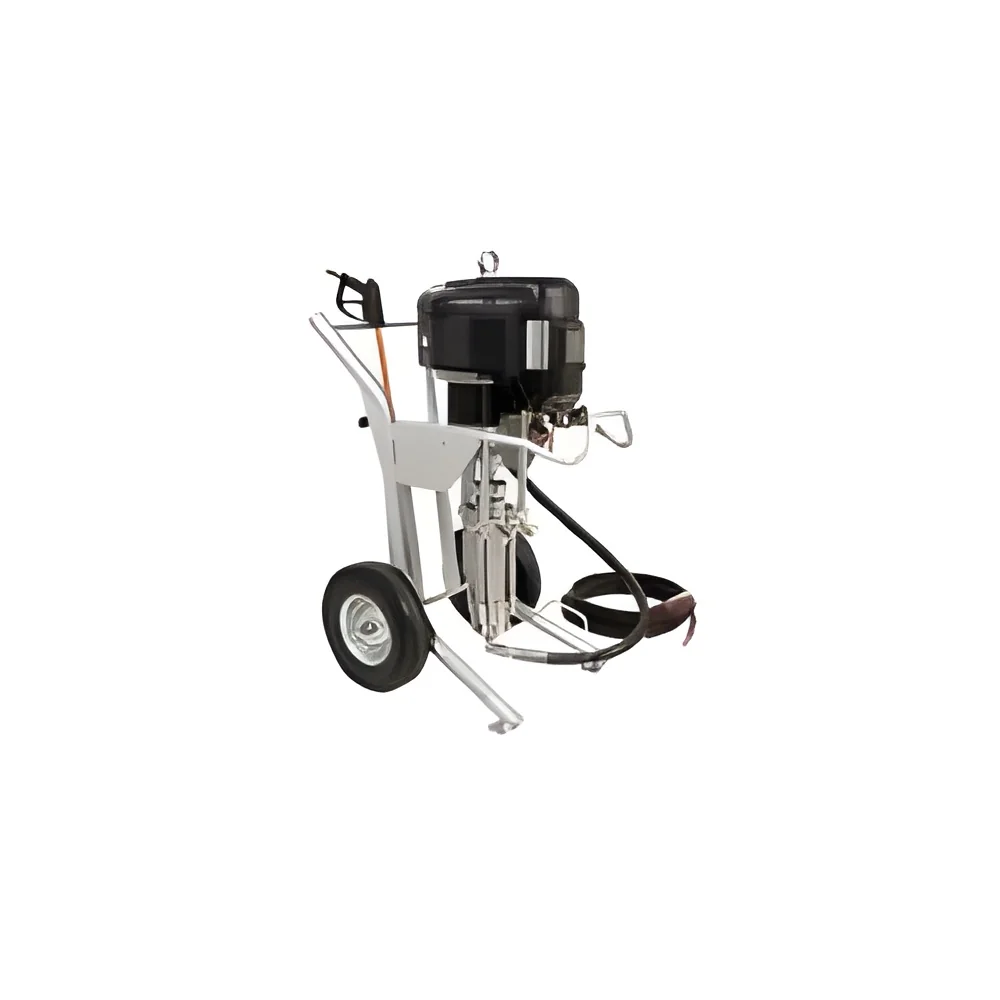
Key Features and Specifications
When evaluating industrial cleaning equipment, it is important to consider the features and specifications that meet your specific needs. These products are often designed with advanced technology to enhance performance, efficiency, and ease of use.
Key specifications include:
1. Cleaning Power
- Measured in PSI (pounds per square inch) for pressure washers.
- Indicates the strength of the cleaning force.
2. Tank Capacity
- Refers to the volume of the solution or waste tank.
- Ranges from small handheld units to large stationary models.
3. Power Source
- Electric, battery-operated, or gas-powered options available.
- Each type determines the equipment's mobility and application.
4. Filtration System
- Includes HEPA filters for improved air quality.
- Critical for environments requiring stringent air cleanliness.
5. Noise Level
- Measured in decibels (dB).
- Important for compliance in noise-sensitive environments.
6. Dimensions and Weight
- Size and weight specifications affect portability and storage.
- Consideration for space constraints in various facilities.
7. Warranty and Support
- Manufacturer warranties can vary.
- Evaluate support services available for maintenance and repairs.
8. Safety Features
- Includes automatic shut-off, thermal protection, and safety guards.
- Essential for operator safety in industrial environments.
In summary, understanding these key specifications helps buyers select the right cleaning equipment tailored to their operational needs, ensuring efficiency and compliance.
Common Applications and Use Cases
Cleaning Equipment (Industrial) is utilized across a wide range of industries, each with specific applications that highlight the equipment's versatility.
1. Manufacturing: Industrial cleaning equipment is essential for maintaining machinery and workspaces, preventing downtime due to dirt and debris accumulation.
2. Food and Beverage: In food processing plants, hygiene is critical. Equipment such as pressure washers and steam cleaners ensure surfaces are sanitized and compliant with health regulations.
3. Health Care: Hospitals and clinics rely on industrial cleaning equipment for thorough disinfection of patient areas and equipment, protecting against infection.
4. Warehousing: The cleanliness of storage areas impacts inventory quality. Industrial vacuums and floor scrubbers help maintain clean environments.
5. Hospitality: Hotels and restaurants use industrial cleaning equipment to ensure guest areas, kitchens, and restrooms are clean and presentable.
6. Automotive: Car washes and repair shops utilize specialized cleaning equipment for vehicle detailing and maintenance.
7. Construction: Post-construction cleaning requires high-powered equipment to remove debris and prepare sites for occupancy.
Product Variants and Subcategories
The diversity of Cleaning Equipment (Industrial) provides options tailored to various cleaning needs and environments.
Industrial Vacuum Cleaners: These powerful machines are designed for heavy-duty cleaning, capable of handling both dry and wet materials. They are ideal for factories and construction sites.
Pressure Washers: These machines utilize high-pressure water jets to clean surfaces effectively. They are frequently used in outdoor applications, such as washing vehicles and equipment.
Floor Scrubbers: Perfect for large floor areas, floor scrubbers automate the scrubbing and drying process, making them efficient for warehouses and retail spaces.
Steam Cleaners: Utilizing the power of steam, these cleaners are effective for sanitizing surfaces without harsh chemicals, making them suitable for food processing and healthcare environments.
Benefits and Advantages
Investing in Cleaning Equipment (Industrial) offers numerous benefits to businesses seeking to enhance their cleaning processes.
1. Improved Efficiency: Industrial cleaning equipment significantly reduces cleaning time compared to manual methods, allowing for faster turnover and less disruption.
2. Enhanced Safety: By maintaining clean and hygienic environments, businesses reduce the risk of accidents and health-related issues, fostering a safer workplace.
3. Cost-Effectiveness: While the initial investment may be higher, the long-term savings through reduced labor costs and less downtime are substantial.
4. Compliance Assurance: Industrial cleaning equipment helps businesses adhere to industry regulations and standards, avoiding penalties and ensuring customer trust.
5. Versatility: With various types of equipment available, businesses can choose machines that cater to their specific cleaning requirements, enhancing overall operational flexibility.
6. Quality Results: Advanced technology in industrial cleaning equipment ensures thorough cleaning, leading to improved appearance and hygiene standards.
Buying Guide for B2B Buyers
When sourcing Cleaning Equipment (Industrial), buyers should consider several key factors to ensure they make informed decisions.
1. Quality Assessment: Look for equipment that meets industry standards for durability and performance. Reviews and certifications can provide insights into product quality.
2. Supplier Verification: Vet suppliers to ensure they are reputable and offer reliable products. Check for customer testimonials and industry reputation.
3. Pricing and MOQ: Understand the pricing structures and minimum order quantities (MOQ) required by suppliers. This will help in budget planning and inventory management.
4. Delivery and Lead Times: Consider the logistics of delivery. Ensure that suppliers can meet your timeframes to avoid disruptions in your operations.
5. Compliance Requirements: Familiarize yourself with relevant regulatory requirements for your industry. Ensure the equipment meets these standards to avoid compliance issues.
Compliance and Certifications
Compliance and certifications are essential factors in the industrial cleaning equipment market. Equipment must adhere to various quality standards to ensure reliability and safety.
ISO 9001 is a widely recognized standard that emphasizes quality management systems in manufacturing processes. Compliance with ISO standards indicates a commitment to quality and continual improvement.
HACCP (Hazard Analysis Critical Control Point) is crucial in food-related industries, ensuring that cleaning processes do not compromise food safety. Equipment that complies with HACCP standards is essential for food processing environments.
CE marking signifies compliance with European safety, health, and environmental protection standards. This certification is important for equipment sold in European markets.
Safety and testing requirements vary by region and application. Equipment must undergo rigorous testing to ensure it meets safety standards, providing peace of mind to operators.
Regional compliance considerations may include specific local regulations that dictate equipment performance and safety measures. Buyers should ensure their equipment aligns with these requirements.
Why Source Cleaning Equipment (Industrial) from Pepagora?
Pepagora provides a trusted platform for sourcing Cleaning Equipment (Industrial) with several key advantages.
Verified Supplier Network: Pepagora connects buyers with a network of verified suppliers, ensuring that all products meet stringent quality standards. This network is built on trust and reliability.
Streamlined RFQ Process: The Request for Quotation (RFQ) process is designed to be efficient, allowing buyers to easily compare offers and make informed purchasing decisions. This minimizes the time and effort involved in sourcing equipment.
Trade Assurance and Support: Pepagora offers trade assurance, protecting buyers against potential risks. Comprehensive support is available to assist with any issues, ensuring a smooth purchasing experience.
Regional Coverage: With a strong presence in India, the GCC, and Southeast Asia, Pepagora facilitates access to cleaning equipment across diverse markets. This wide reach ensures that buyers can find suitable products tailored to their regional needs.

 IN
IN
 India
India