
 IN
Carbon Dioxide (CO2)
9 products available
Key Features and Specifications
Carbon Dioxide (CO2) is characterized by several key features and specifications that determine its suitability for various applications. Understanding these specifications is essential for businesses looking to incorporate CO2 into their processes.
Key specifications include:
1. Purity Level
- Typically available in various purity grades ranging from 99% to 99.999%.
- Higher purity levels are essential for applications in pharmaceuticals and food processing.
2. Delivery Modes
- Available in liquid and gaseous forms, depending on the application.
- Liquid CO2 is commonly used in food processing and refrigeration, while gas is often employed for industrial applications.
3. Pressure Levels
- Commonly supplied under pressure, with standard delivery pressures ranging from 150 to 200 psi.
- Higher pressure levels are needed for specific industrial processes.
4. Storage Conditions
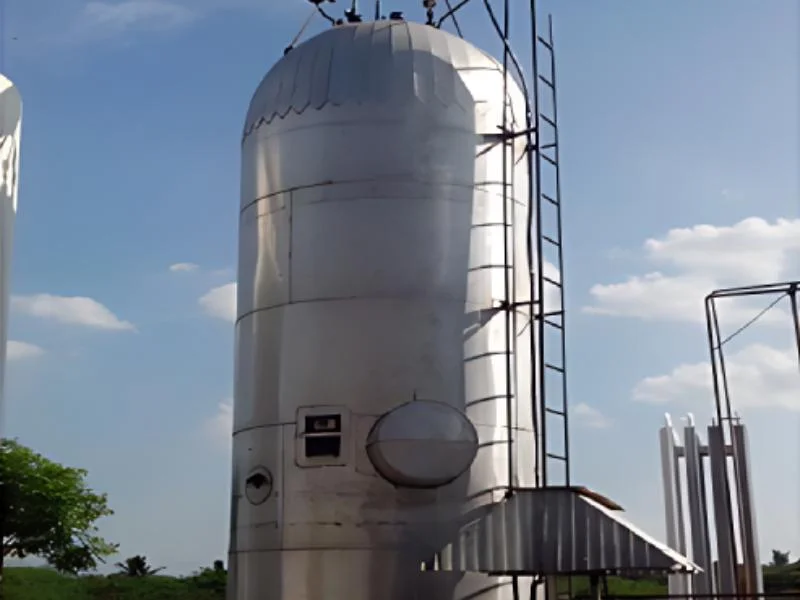
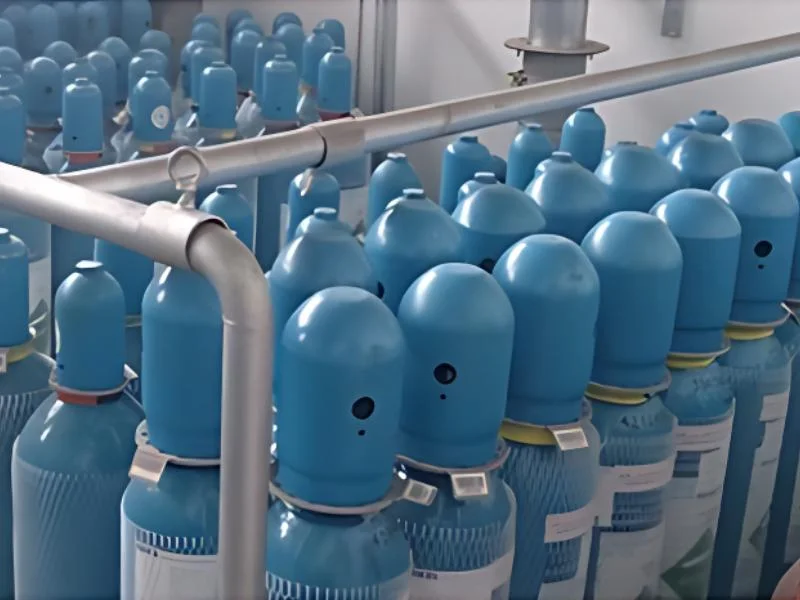
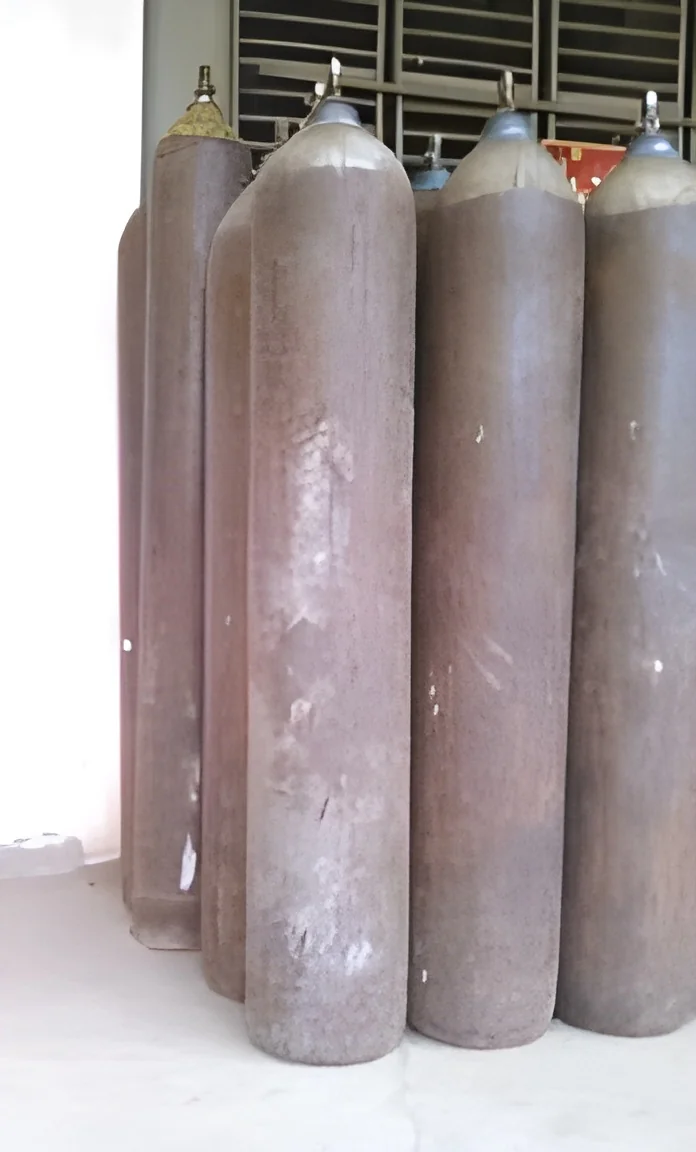
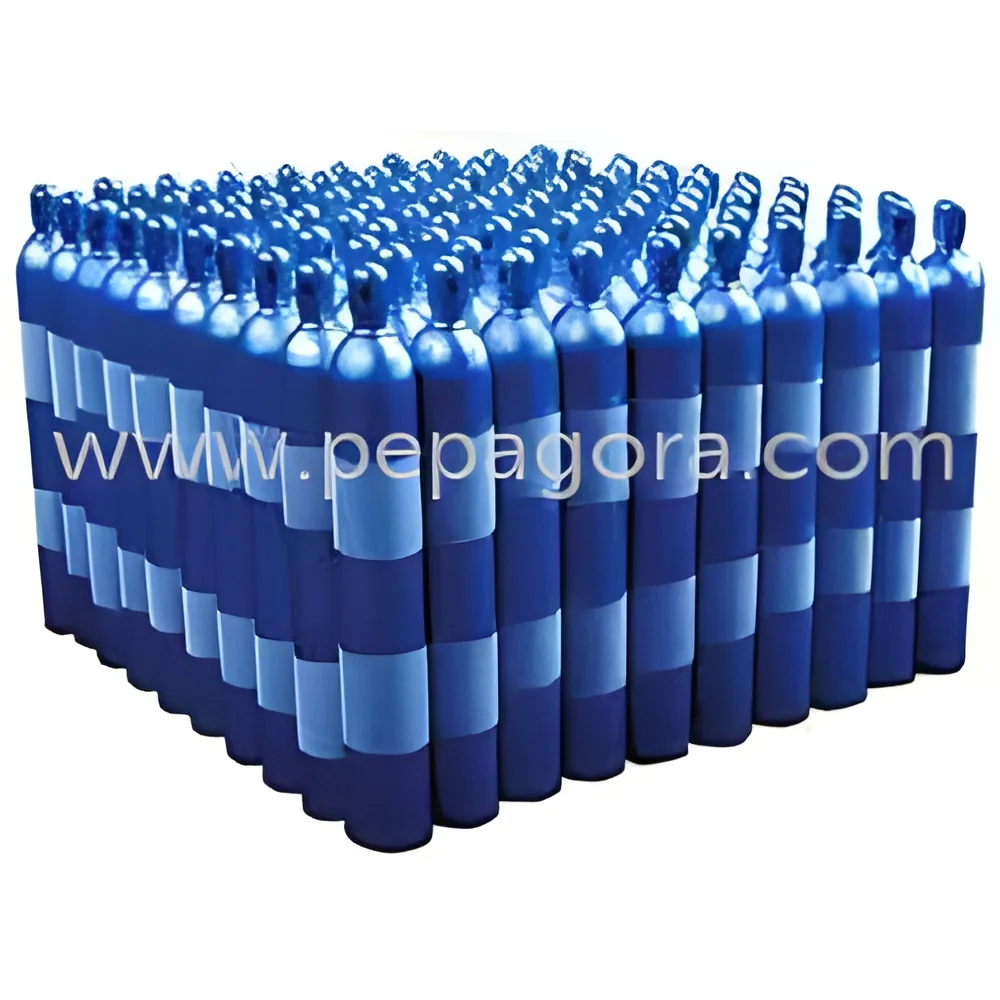
- Requires storage in high-pressure cylinders or insulated tanks to maintain its liquid state.
- Compliance with safety standards for storage is crucial to prevent accidents.
5. Temperature Considerations
- CO2 can exist in different phases, with specific temperature ranges for liquid and gas states.
- Typically operates at temperatures from -78.5 degrees Celsius (sublimation point) to various application-specific levels.
6. Environmental Impact
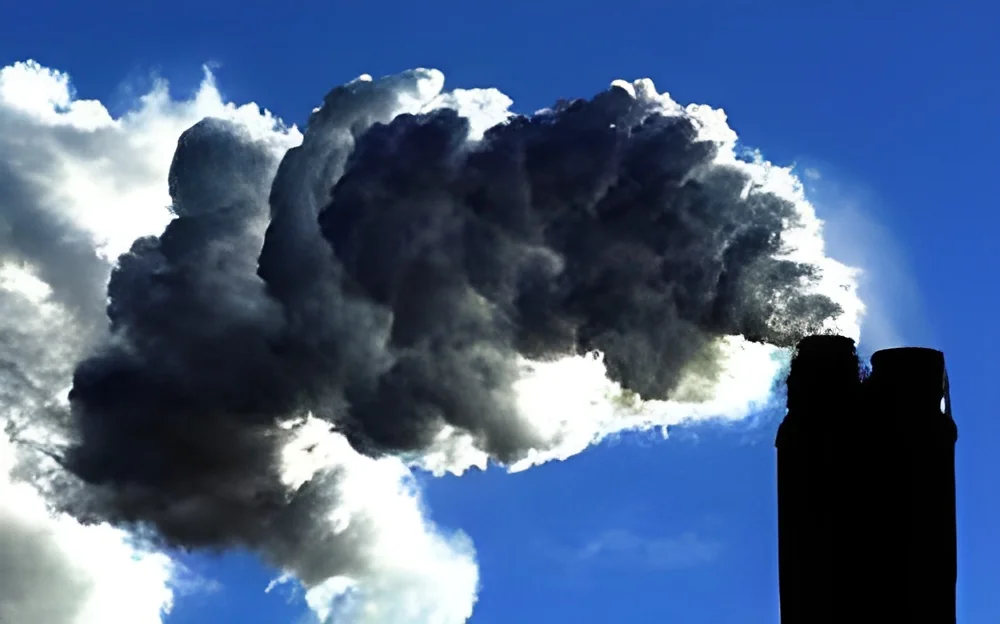
- CO2 is considered a greenhouse gas; therefore, its emissions are regulated.
- Companies must consider carbon offset initiatives when utilizing CO2.
7. Regulatory Compliance
- Adherence to industry standards and regulations is essential for safety and quality assurance.
- Compliance with local and international standards is necessary for market acceptance.
In summary, understanding these features and specifications helps businesses select the right CO2 product for their specific needs, ensuring compliance and efficiency.
Common Applications and Use Cases
Carbon Dioxide (CO2) serves a diverse range of industries, each with specific applications that leverage its unique properties.
1. Food and Beverage: CO2 is extensively used for carbonating beverages, preserving food, and maintaining freshness in packaging. Its antibacterial properties also enhance food safety.
2. Pharmaceuticals: In the pharmaceutical industry, CO2 is utilized in the production of drugs and as a propellant in aerosol products. Its high purity levels are critical for ensuring product safety.
3. Agriculture: CO2 is essential for enhancing plant growth in controlled environments, such as greenhouses. It increases photosynthesis, resulting in higher crop yields.
4. Oil and Gas: CO2 is employed in enhanced oil recovery techniques, where it is injected into oil reservoirs to increase extraction efficiency.
5. Manufacturing: In manufacturing, CO2 is used as a refrigerant and in processes such as welding and metal fabrication.
6. Fire Suppression: CO2 is an effective fire suppression agent, often used in specialized fire extinguishers for sensitive environments.
7. Chemical Manufacturing: CO2 is a raw material in producing various chemicals, including urea and methanol, serving as a building block in chemical synthesis.
Product Variants and Subcategories
Carbon Dioxide (CO2) comes in various forms to cater to different industrial needs. Each variant has unique features that make it suitable for specific applications.
Liquid Carbon Dioxide
Liquid CO2 is stored under pressure and is ideal for applications requiring high purity and stability. It is commonly used in food processing and refrigeration systems, where it serves as a refrigerant and a preservative.
Gaseous Carbon Dioxide
Gaseous CO2 is often used in industrial applications, such as enhanced oil recovery and chemical manufacturing. Its flexibility in handling and storage makes it a preferred choice for many businesses.
CO2 in Beverage Production
This variant is specifically treated for use in the beverage industry, ensuring high purity levels for carbonation. It is crucial for maintaining the taste and quality of soft drinks and sparkling waters.
CO2 for Agricultural Use
CO2 used in agriculture is often supplied in specific purity levels to enhance plant growth in greenhouses. This variant is tailored to meet the needs of growers looking for effective growth solutions.
Benefits and Advantages
Sourcing Carbon Dioxide (CO2) offers numerous benefits for businesses across various industries. Understanding these advantages helps companies make informed decisions.
Key benefits include:
1. Versatility: CO2 can be used in multiple applications, from food preservation to industrial manufacturing, making it a versatile choice for various sectors.
2. Enhanced Efficiency: In agricultural settings, CO2 enhances photosynthesis, leading to increased crop yields and improved productivity for farmers.
3. Safety: CO2 is non-flammable and can be used safely in fire suppression systems, providing an effective solution for protecting sensitive environments.
4. Cost-Effectiveness: The use of CO2 in enhanced oil recovery can improve extraction efficiency, making it a cost-effective solution for oil and gas companies.
5. Environmental Compliance: Utilizing CO2 in a controlled manner helps companies adhere to environmental regulations, contributing to sustainability efforts.
6. Improved Product Quality: In the food and beverage industry, the use of CO2 helps maintain the quality and freshness of products, leading to higher customer satisfaction.
Buying Guide for B2B Buyers
When sourcing Carbon Dioxide (CO2), businesses should consider several critical factors to ensure they make informed purchasing decisions.
1. Quality Assessment: It is essential to evaluate the purity levels of CO2, especially for applications in food and pharmaceuticals where quality control is paramount. Look for suppliers that provide certification of purity.
2. Supplier Verification: Vet potential suppliers thoroughly to ensure they meet industry standards and regulatory compliance. A reliable supplier should have a proven track record in delivering high-quality CO2.
3. Pricing and MOQ: Understand the pricing structures and minimum order quantities (MOQ) from suppliers. Compare quotes to find competitive pricing while ensuring quality is not compromised.
4. Delivery and Lead Times: Assess the logistics capabilities of suppliers. Timely delivery is crucial for maintaining operations, so inquire about lead times and delivery options.
5. Compliance Requirements: Ensure that the CO2 supplied meets all relevant regulations and industry standards. Compliance with safety and environmental guidelines is essential for operational success.
Compliance and Certifications
Carbon Dioxide (CO2) is subject to various quality standards and certifications, which ensure its safe and effective use across industries.
Relevant quality standards include ISO 9001, which sets out criteria for a quality management system. Implementing this standard helps companies ensure consistent quality in their CO2 supply chains.
Industry certifications such as CE indicate that the product meets European health, safety, and environmental protection standards. This certification is particularly important for businesses operating within the European market.
Safety and testing requirements apply to CO2 production and handling. Regular testing for purity and monitoring of storage conditions are necessary to prevent contamination and ensure compliance.
Additionally, regional compliance considerations must be taken into account, as different countries may have specific regulations governing the use of CO2. Companies should stay informed about these regulations to ensure compliance in their operational regions.
Why Source Carbon Dioxide (CO2) from Pepagora?
Pepagora offers a trusted platform for sourcing Carbon Dioxide (CO2), providing several key advantages for B2B buyers.
Verified Supplier Network: Pepagora ensures that all suppliers in its network are thoroughly vetted and verified. This process guarantees that buyers can trust the quality and reliability of the CO2 they source.
Streamlined RFQ Process: The Request for Quotation (RFQ) process on Pepagora is designed to be efficient and user-friendly. Buyers can quickly submit their requirements and receive competitive quotes from multiple suppliers.
Trade Assurance and Support: Pepagora provides trade assurance and support to buyers, ensuring that their transactions are secure. This protection enhances buyer confidence when sourcing CO2 from the platform.
Regional Coverage: With a strong presence in India, the GCC, and Southeast Asia, Pepagora offers extensive regional coverage. This geographic reach enables businesses to source CO2 efficiently, catering to local market demands.


 India
 India
 India
 India
 India


Frequently Asked Questions
What are Carbon Dioxide (CO2)?
Carbon Dioxide (CO2) is a colorless, odorless gas that is naturally present in the Earth's atmosphere. It is produced by the respiration of animals and plants, combustion of fossil fuels, and other industrial processes. CO2 is used in various applications, including food and beverage preservation, fire extinguishers, and as a refrigerant.
What are the different types of Carbon Dioxide (CO2)?
Carbon Dioxide (CO2) can be classified into several types based on its purity levels and applications. Industrial-grade CO2 is commonly used for manufacturing and processing, while food-grade CO2 is used in the food and beverage industry. Additionally, there are specialized forms, such as liquid CO2 and dry ice, which serve different purposes.
How do I choose the right Carbon Dioxide (CO2)?
Choosing the right Carbon Dioxide (CO2) depends on the intended application. Consider factors such as purity, form (liquid or gas), and regulatory compliance for specific industries. Consulting with suppliers for recommendations based on your needs can also help ensure you select the appropriate type.
What are the standard specifications for Carbon Dioxide (CO2)?
Standard specifications for Carbon Dioxide (CO2) typically include purity levels, which can range from 99% to 99.9% for food-grade CO2. Other specifications may involve moisture content, pressure ratings, and packaging requirements. It's important to refer to industry standards and guidelines for specific applications.
What is the price range for Carbon Dioxide (CO2)?
The price of Carbon Dioxide (CO2) can vary widely based on factors like purity, quantity, and supplier. Generally, industrial-grade CO2 may range from INR 30 to INR 60 per kilogram, while food-grade CO2 may be priced higher due to its stringent quality requirements. Bulk purchasing often results in discounted rates.
What quality standards apply to Carbon Dioxide (CO2)?
Quality standards for Carbon Dioxide (CO2) include compliance with regulations set by organizations such as the Food and Drug Administration (FDA) and the European Food Safety Authority (EFSA). Food-grade CO2 must meet specific purity and safety criteria to ensure it is safe for consumption. Regular quality testing is essential.
Where can I find Carbon Dioxide (CO2) suppliers in India?
You can find Carbon Dioxide (CO2) suppliers in India through various online B2B marketplaces, industrial directories, and trade exhibitions. Websites like Pepagora.com offer a comprehensive list of verified suppliers and manufacturers. Researching and comparing suppliers can help you find the best match for your requirements.
Can Carbon Dioxide (CO2) be customized?
Customization of Carbon Dioxide (CO2) products typically refers to specific packaging, quantity, or delivery options tailored to customer needs. While the gas itself is standard, suppliers may offer customized solutions based on application requirements. It's advisable to discuss your needs with potential suppliers to explore available options.
What is the typical minimum order quantity for Carbon Dioxide (CO2)?
The typical minimum order quantity (MOQ) for Carbon Dioxide (CO2) varies by supplier and application but often starts at around 100 kilograms for industrial-grade CO2. For food-grade CO2, the MOQ may be higher due to packaging and safety standards. Always check with the supplier for specific MOQs.
What is the typical lead time for Carbon Dioxide (CO2)?
The typical lead time for Carbon Dioxide (CO2) can range from a few days to several weeks, depending on factors such as supplier location, order size, and current demand. For urgent requirements, it's advisable to communicate directly with suppliers to confirm availability and expected delivery times.
Why Businesses Trust Pepagora
Thousands of companies trust Pepagora to source smarter and sell faster
Expand Your Sales Globally

Source Smarter,Grow Faster
