
 IN
Carbon Black
2 products available
What are Carbon Black?
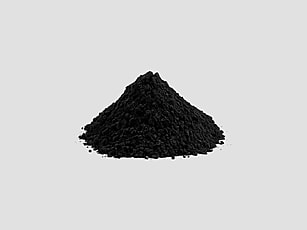
Carbon Black is a fine black powder made from burning hydrocarbons in insufficient air. It consists mainly of carbon and is produced through the thermal decomposition of natural gas or oil. This industrial product is known for its high surface area and unique structure, which makes it an essential additive in various applications.
The primary uses of Carbon Black include reinforcement in rubber products, especially in tires, and as a pigment in plastics, coatings, and inks. In the tire industry, it enhances strength, durability, and resistance to wear. Beyond tires, Carbon Black is also utilized in the production of plastics, where it provides UV protection, and in coatings to improve color and stability. The market for Carbon Black is closely tied to the automotive and consumer goods sectors, reflecting its critical role in industrial manufacturing processes.
Key Features and Specifications
Carbon Black is characterized by several important features that define its utility across different industries. Its chemical composition and physical properties make it suitable for various applications, from enhancing material durability to providing color.
Key specifications include:
1. Reinforcement Capability
- Enhances the mechanical properties of rubber products.
- Improves tensile strength and resilience.
2. Particle Size Distribution
- Typically ranges from 10 to 500 nanometers.
- Affects performance in applications like coatings and plastics.
3. Surface Area
- High surface area, usually between 50 to 400 m²/g.
- Influences the reinforcing characteristics in rubber.
4. Structure
- Can be classified as low, medium, or high structure.
- Affects the viscosity and flow properties in formulations.
5. Purity Level
- Usually greater than 99% carbon content.
- Ensures minimal impurities for high-quality applications.
6. Color Properties
- Deep black color ideal for pigment applications.
- Provides excellent UV protection in plastics.
7. Hardness
- Varies depending on the grade and intended use.
- Important for durability in rubber products.
8. Moisture Content
- Controlled to ensure optimal performance.
- Typically below 1% for most applications.
In summary, the specifications of Carbon Black are crucial for optimizing its performance in various applications, making it a highly sought-after material in multiple industries.
Common Applications and Use Cases
Carbon Black serves various industries, each with specific applications that leverage its unique properties.
1. Tire Manufacturing: Carbon Black is a primary component in tire production, enhancing wear resistance and traction while providing durability and strength.
2. Plastics Industry: It is used as a pigment and UV stabilizer in plastics, improving color quality and protecting against sunlight degradation.
3. Coatings and Inks: Carbon Black is widely used in paints, coatings, and inks to provide deep black color and improve UV resistance.
4. Electronics: In electronic components, Carbon Black serves as an electrical conductive filler, enhancing conductivity in various applications.
5. Construction Materials: Used in roofing and sealants, Carbon Black improves durability and weather resistance in construction applications.
6. Masterbatch Production: It is a key ingredient in producing color masterbatches for plastic products, ensuring uniform color distribution.
7. Battery Manufacturing: Carbon Black is utilized in battery electrodes, improving conductivity and overall performance.
Product Variants and Subcategories
Carbon Black is available in various grades to meet diverse industrial needs. Each variant offers unique features tailored to specific applications.
N774 Grade
This variant is commonly used in tire manufacturing. It provides excellent reinforcement and improved wear resistance, making it ideal for high-performance tires.
N326 Grade
N326 is suitable for applications in plastics and coatings, providing high color quality and UV stability. It enhances the durability of plastic products.
N660 Grade
N660 is designed for use in rubber products, offering superior tensile strength and resilience. It is often used in industrial rubber applications.
Benefits and Advantages
Sourcing Carbon Black provides businesses with several key advantages that enhance product performance and longevity.
1. Enhanced Durability: Carbon Black improves the mechanical properties of rubber and plastics, leading to longer-lasting products.
2. UV Protection: Its ability to absorb UV radiation protects materials from degradation, extending product life.
3. Cost-Effectiveness: The use of Carbon Black can reduce overall production costs by enhancing material efficiency and performance.
4. Versatility: It can be used across various industries, making it a flexible option for manufacturers.
5. Improved Aesthetics: Carbon Black provides deep black color in inks and coatings, enhancing visual appeal.
6. Conductivity: In electronics, Carbon Black improves electrical conductivity, which is essential for battery and component performance.
Buying Guide for B2B Buyers
When sourcing Carbon Black, B2B buyers should consider several critical factors to ensure they make informed purchasing decisions.
1. Quality Assessment: Evaluate the purity and performance characteristics of Carbon Black. Look for suppliers that provide detailed specifications and lab test results to confirm quality.
2. Supplier Verification: Vet potential suppliers by reviewing their certifications, reputation, and previous customer feedback. This helps to ensure reliability and product quality.
3. Pricing and MOQ: Understand the pricing structure and minimum order quantities (MOQ). Compare quotes from multiple suppliers to find competitive rates while ensuring quality.
4. Delivery and Lead Times: Assess the supplier's ability to meet delivery schedules. Timely delivery is crucial for maintaining production timelines.
5. Compliance Requirements: Ensure that the Carbon Black meets relevant industry standards and regulatory requirements. This includes safety data sheets and certifications.
Compliance and Certifications
Compliance with quality standards is essential for Carbon Black suppliers. Adhering to standards such as ISO 9001 ensures that products meet customer and regulatory requirements consistently. These certifications demonstrate a commitment to quality management and customer satisfaction.
Industry certifications, such as CE, indicate that Carbon Black meets European health, safety, and environmental protection standards. This is particularly important for companies looking to expand their markets within Europe.
Safety and testing requirements must also be considered. Carbon Black should be tested for various safety parameters to ensure it is suitable for intended applications. Additionally, regional compliance considerations may vary, so it's important to understand local regulations regarding the use of Carbon Black.
Why Source Carbon Black from Pepagora?
Pepagora provides a trusted platform for sourcing Carbon Black, offering several key advantages for businesses looking to acquire this critical material.
Verified Supplier Network: Pepagora has established a network of verified suppliers, ensuring that buyers can access high-quality Carbon Black from reputable sources. This reduces the risk associated with procurement.
Streamlined RFQ Process: The platform facilitates a straightforward Request for Quotation (RFQ) process, allowing buyers to receive competitive quotes quickly and efficiently. This saves time and enhances decision-making.
Trade Assurance and Support: Pepagora offers buyer protection through trade assurance programs. This ensures that buyers can purchase with confidence, knowing their interests are safeguarded.
Regional Coverage: With a broad geographic reach across India, the GCC, and Southeast Asia, Pepagora enables businesses to find local suppliers that can meet their specific needs, optimizing logistics and reducing lead times.
By choosing Pepagora, businesses can streamline their sourcing process and ensure they acquire high-quality Carbon Black tailored to their applications.



 India
Frequently Asked Questions
What are Carbon Black?
Carbon Black is a fine black powder made from burning hydrocarbons in insufficient air. It is primarily used as a reinforcing agent in tires and other rubber products, as well as a pigment in various applications. Due to its excellent properties, Carbon Black is essential in the production of certain plastics and coatings.
What are the different types of Carbon Black?
There are several types of Carbon Black, including Furnace Black, Channel Black, and Thermal Black. Each type varies in its manufacturing process, particle size, and surface area, which influences its properties and applications. The most commonly used type in the industry is Furnace Black, known for its high reinforcing properties.
How do I choose the right Carbon Black?
Choosing the right Carbon Black depends on the specific application and desired properties. Factors to consider include the type of Carbon Black, particle size, surface area, and intended use, such as rubber reinforcement or pigmenting. Consulting with suppliers can also help identify the best product for your needs.
What are the standard specifications for Carbon Black?
Standard specifications for Carbon Black typically include parameters such as particle size, surface area, structure, and ash content. These specifications ensure the material meets the required performance criteria for its intended applications. It is essential to refer to industry standards, such as ASTM D1765, for more detailed information.
What is the price range for Carbon Black?
The price range for Carbon Black can vary significantly depending on the type, quality, and quantity purchased. Generally, prices may range from INR 50 to INR 200 per kilogram. Bulk purchases often lead to lower prices per unit.
What quality standards apply to Carbon Black?
Quality standards for Carbon Black are governed by various international and national specifications, including ASTM and ISO standards. These standards ensure consistency in properties such as purity, particle size, and performance characteristics. Compliance with these standards is crucial for applications in critical industries.
Where can I find Carbon Black suppliers in India?
You can find Carbon Black suppliers in India through various online B2B marketplaces, trade directories, and industry associations. Platforms like Pepagora.com provide access to a wide network of verified suppliers and manufacturers. It is advisable to evaluate potential suppliers based on their reputation, product quality, and customer reviews.
Can Carbon Black be customized?
Yes, Carbon Black can be customized to meet specific requirements based on the application. Manufacturers may provide options for varying grades, particle size distributions, and surface treatments. Discussing your needs with suppliers can lead to tailored solutions that optimize performance.
What is the typical minimum order quantity for Carbon Black?
The typical minimum order quantity (MOQ) for Carbon Black varies among suppliers, but it usually ranges from 1 ton to 5 tons. Some suppliers may allow smaller orders depending on the product type and market demand. It is advisable to confirm the MOQ with individual suppliers prior to placing an order.
What is the typical lead time for Carbon Black?
The typical lead time for Carbon Black orders can range from 1 to 4 weeks, depending on the supplier's inventory and production capacity. Custom orders may take longer due to specific manufacturing processes. It is recommended to communicate directly with suppliers for more accurate lead time estimates.
Why Businesses Trust Pepagora
Thousands of companies trust Pepagora to source smarter and sell faster
Expand Your Sales Globally

Source Smarter,Grow Faster
