
 IN
Bitumen & Asphalt
9 products available
What are Bitumen & Asphalt?
Bitumen and asphalt are essential materials in the construction and maintenance of roadways, pavements, and various infrastructure projects. Bitumen is a viscous, black, sticky substance derived from refining crude oil. It serves as a binder that holds aggregates together in asphalt mixtures. Asphalt, often used interchangeably with bitumen, typically refers to the composite material made from bitumen and aggregates, which provides the necessary durability and strength for paving applications.
The primary applications of bitumen and asphalt include road construction, roofing, and waterproofing projects. In road construction, asphalt is utilized to create smooth, durable surfaces that can withstand traffic loads and environmental conditions. Additionally, bitumen is widely used in the production of roofing materials, ensuring protection against water infiltration. The relevance of these materials in the construction industry is significant, as they contribute to the longevity and safety of infrastructure while also addressing environmental and sustainability concerns.
Key Features and Specifications
Bitumen and asphalt are characterized by their unique properties and specifications that enhance their performance in various applications. Understanding these features is crucial for selecting the right type for specific projects.
Key specifications include:
1. Viscosity
- This property determines how easily bitumen flows at specific temperatures.
- Standard viscosity ranges for bitumen can vary, typically measured in centipoise (cP).
2. Penetration Grade
- This measurement indicates the hardness of bitumen based on its penetration depth under a standard load.
- Common penetration grades include 40-50, 60-70, and 80-100.
3. Softening Point
- The temperature at which bitumen transitions from a solid to a semi-liquid state.
- Typical softening points range from 30°C to 70°C.
4. Flash Point
- The lowest temperature at which vapors of bitumen can ignite.
- Flash points generally range from 230°C to 300°C.
5. Ductility
- This property measures the ability of bitumen to deform without breaking.
- Ductility values are typically reported in centimeters.
6. Density
- The mass per unit volume of bitumen, affecting its application in various formulations.
- Density values usually range from 1.0 to 1.3 g/cm³.
7. Aging Resistance
- The ability of bitumen to maintain its properties over time when exposed to environmental factors.
- Testing methods include the Rolling Thin Film Oven (RTFO) and Pressure Aging Vessel (PAV).
8. Compatibility with Additives
- Bitumen can be modified with various additives to enhance performance.
- Common additives include polymers, fibers, and rejuvenators.
These specifications play a vital role in determining the suitability of bitumen and asphalt for different construction projects.
Common Applications and Use Cases
Bitumen and asphalt are integral to a range of industries, each utilizing these materials for specific applications.
1. Road Construction: Asphalt is primarily used for paving highways, streets, and parking lots, providing a durable surface that can handle heavy traffic loads.
2. Roofing: Bitumen is commonly found in roofing materials such as shingles and membranes, offering excellent waterproofing properties to protect buildings from moisture.
3. Airport Runways: Asphalt is used in the construction of airport runways due to its strength and ability to withstand extreme weather and heavy aircraft.
4. Waterproofing: Bitumen is employed in various waterproofing applications, including foundations and below-grade structures, ensuring long-term protection against water damage.
5. Industrial Flooring: Asphalt can be used in creating industrial floors that require durability and resistance to chemicals and heavy machinery.
6. Sports Surfaces: Specialized asphalt formulations are used in the construction of sports tracks and courts, providing safe and consistent surfaces for athletes.
7. Sound Barriers: Bitumen is utilized in soundproofing applications, contributing to the reduction of noise pollution in urban areas.
Product Variants and Subcategories
Bitumen and asphalt products come in various forms to meet diverse industry needs.
Hot Mix Asphalt
This variant is produced by heating asphalt and aggregate together, allowing for easy application and quick setting. It is widely used in road construction due to its durability and flexibility.
Cold Mix Asphalt
This type is produced without heating and is ideal for patching and repair work. Cold mix asphalt can be applied in a variety of weather conditions, making it highly versatile.
Polymer-Modified Bitumen
This variant incorporates polymers to enhance performance characteristics such as elasticity, durability, and resistance to aging. It is suitable for high-stress applications like highways and airport runways.
Warm Mix Asphalt
Warm mix asphalt is produced at lower temperatures than traditional hot mix, leading to reduced energy consumption and emissions. It provides similar performance benefits while being more environmentally friendly.
Benefits and Advantages
Sourcing bitumen and asphalt offers numerous advantages for businesses in construction and infrastructure development.
1. Durability: Bitumen and asphalt are known for their long-lasting properties, making them ideal for heavy-traffic applications.
2. Cost-Effectiveness: These materials provide a cost-efficient solution for road construction and maintenance, reducing the need for frequent repairs.
3. Versatility: Bitumen and asphalt can be tailored for various applications, from roads to roofing, ensuring broad usability across industries.
4. Environmentally Friendly: Modern formulations often include recycled materials, contributing to sustainable construction practices.
5. Quick Installation: Asphalt can be laid quickly, minimizing downtime for roadways and other surfaces, which is crucial for urban areas.
6. Improved Safety: The smooth surface provided by asphalt enhances vehicle traction and reduces the risk of accidents.
Buying Guide for B2B Buyers
When sourcing bitumen and asphalt, it is essential for B2B buyers to consider several critical factors to ensure they make informed purchasing decisions.
1. Quality Assessment: Evaluate the quality of bitumen and asphalt by reviewing specifications, certifications, and testing reports. High-quality materials are crucial for long-lasting applications.
2. Supplier Verification: It is important to vet suppliers thoroughly. Check for industry certifications, customer reviews, and their history of delivering quality products.
3. Pricing and MOQ: Understand the pricing structure and minimum order quantities (MOQ) from suppliers. This will help in budgeting and ensuring that purchasing aligns with project needs.
4. Delivery and Lead Times: Consider logistics and delivery schedules. Timely delivery is vital to avoid project delays, so confirm lead times with suppliers.
5. Compliance Requirements: Be aware of local and regional regulations regarding material standards and safety requirements. Ensure that suppliers comply with necessary regulations to avoid future issues.
Compliance and Certifications
Compliance and certifications are critical aspects of sourcing bitumen and asphalt.
Quality standards such as ISO 9001 ensure that manufacturers meet international quality management principles. This certification is vital for maintaining high-quality production processes.
Additionally, CE marking indicates that products conform to European safety and environmental requirements, providing assurance to buyers in applicable regions.
Safety and testing requirements are paramount, especially for materials used in infrastructure projects. Regular testing for characteristics like viscosity, penetration, and flash point ensures that products meet required specifications.
Regional compliance considerations must also be taken into account, as different regions may have specific regulations governing the use and production of bitumen and asphalt. Understanding these requirements is essential for maintaining compliance and ensuring successful project execution.
Why Source Bitumen & Asphalt from Pepagora?
Pepagora offers a reliable platform for sourcing bitumen and asphalt, providing several key advantages to buyers.
Verified Supplier Network: Pepagora connects buyers with a network of verified suppliers, ensuring that all partners adhere to quality standards and industry regulations. This reduces the risk of sourcing inferior products.
Streamlined RFQ Process: The platform simplifies the request for quotation (RFQ) process, allowing buyers to quickly obtain competitive quotes from multiple suppliers. This efficiency saves time and ensures better pricing.
Trade Assurance and Support: Buyers benefit from trade assurance policies that protect their purchases. Pepagora provides support throughout the sourcing process, helping to resolve any issues that may arise.
Regional Coverage: With a strong presence in India, the GCC, and Southeast Asia, Pepagora offers extensive geographical coverage, making it easier for buyers to find local suppliers and minimize logistics costs.
By choosing Pepagora, businesses can ensure a smooth sourcing experience for bitumen and asphalt, backed by a commitment to quality and customer satisfaction.


 India
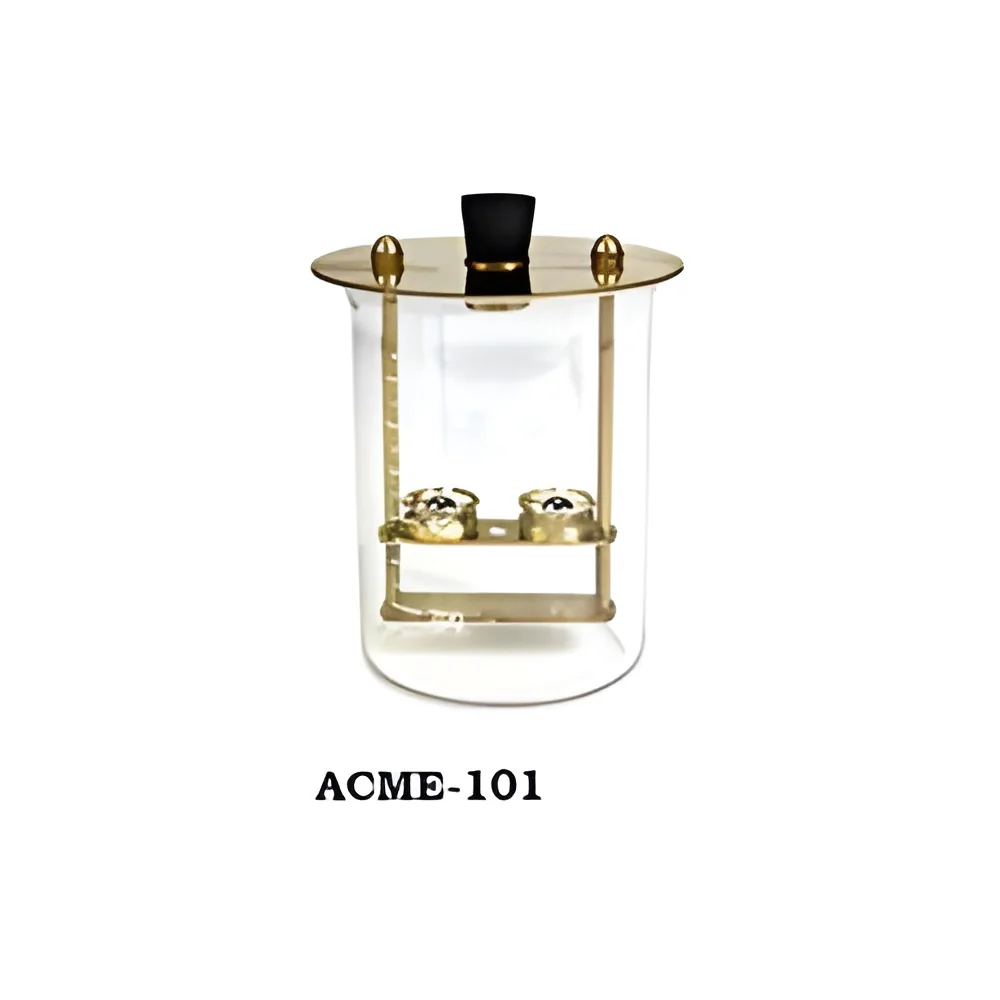
 India

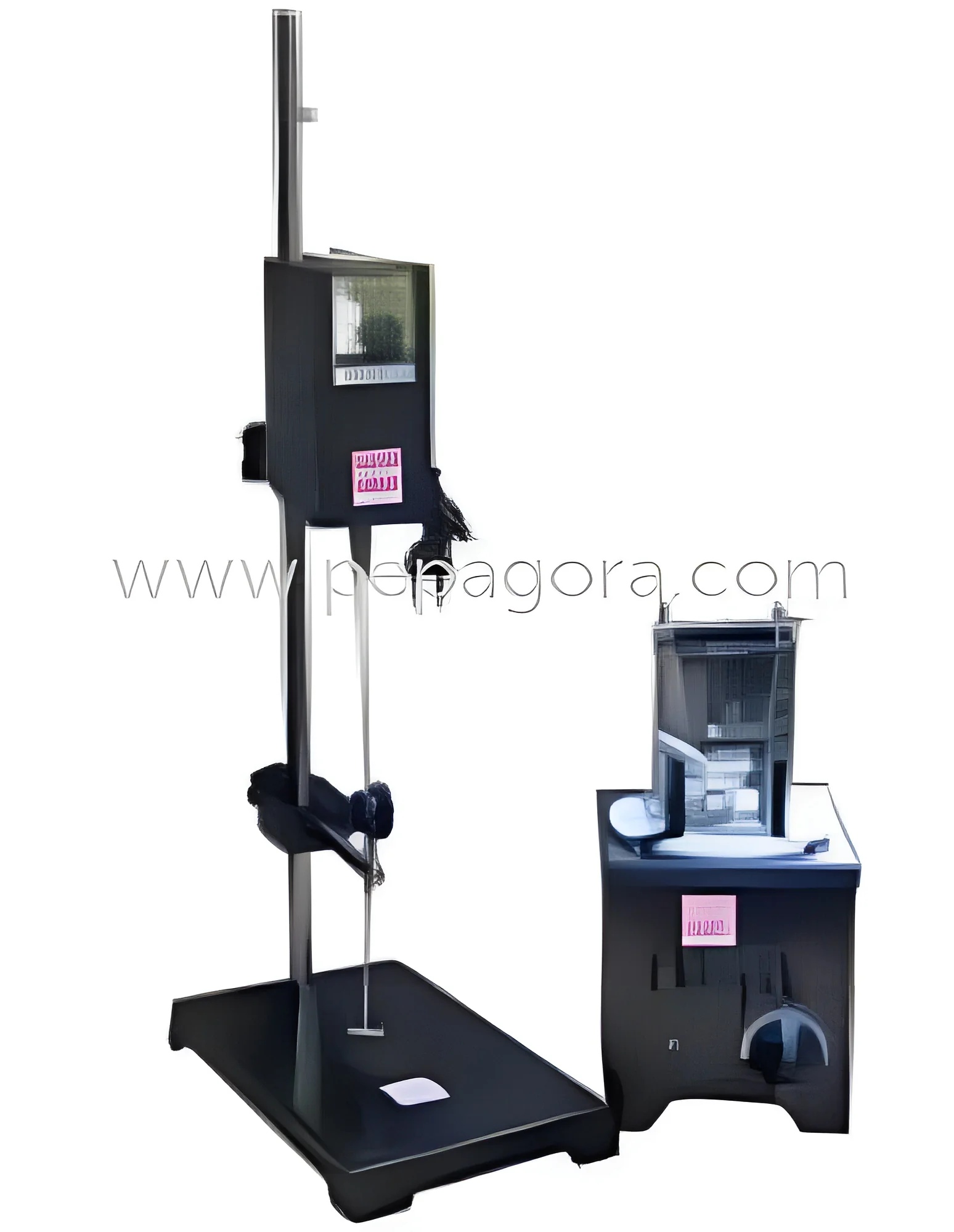
 India
Frequently Asked Questions
What are Bitumen & Asphalt?
Bitumen is a viscous, black, and sticky substance derived from crude oil, primarily used as a binder in road construction. Asphalt, often referred to as asphalt concrete, is a mixture of bitumen and aggregates such as sand, gravel, or crushed stone, providing a durable surface for roads and pavements.
What are the different types of Bitumen & Asphalt?
There are several types of bitumen, including penetration grade, hard grade, and modified bitumen, each serving different applications. Asphalt types include hot mix asphalt, cold mix asphalt, and warm mix asphalt, chosen based on environmental conditions and project requirements.
How do I choose the right Bitumen & Asphalt?
Selecting the appropriate bitumen and asphalt involves considering factors such as the specific application, environmental conditions, and traffic loads. Consulting with suppliers or manufacturers can provide guidance based on project specifications and performance requirements.
What are the standard specifications for Bitumen & Asphalt?
Standard specifications for bitumen and asphalt are defined by organizations such as the Bureau of Indian Standards (BIS) and the American Society for Testing and Materials (ASTM). These specifications cover properties like viscosity, penetration, ductility, and temperature susceptibility.
What is the price range for Bitumen & Asphalt?
The price of bitumen and asphalt can vary widely based on quality, type, and market conditions. Generally, prices range from INR 30 to INR 70 per kilogram, but it is advisable to check with suppliers for current pricing and availability.
What quality standards apply to Bitumen & Asphalt?
Quality standards for bitumen and asphalt include compliance with national and international specifications such as IS 73 for bitumen and ASTM D946. These standards ensure the materials meet performance requirements for durability and safety in construction.
Where can I find Bitumen & Asphalt suppliers in India?
Bitumen and asphalt suppliers can be found through online marketplaces, industry directories, and construction trade shows. Websites like Pepagora offer a platform to connect with verified suppliers and manufacturers across India.
Can Bitumen & Asphalt be customized?
Yes, bitumen and asphalt can be customized to meet specific project requirements, including modifications in composition for enhanced performance. Suppliers often provide options for tailored solutions based on the intended use and environmental conditions.
What is the typical minimum order quantity for Bitumen & Asphalt?
The minimum order quantity (MOQ) for bitumen and asphalt typically varies by supplier, but it can range from 1 ton to 10 tons. It is advisable to inquire directly with suppliers regarding their specific MOQ policies.
What is the typical lead time for Bitumen & Asphalt?
The typical lead time for bitumen and asphalt orders can range from a few days to several weeks, depending on the supplier's stock availability and order size. It is recommended to confirm lead times with suppliers during the ordering process.
Why Businesses Trust Pepagora
Thousands of companies trust Pepagora to source smarter and sell faster
Expand Your Sales Globally

Source Smarter,Grow Faster
