IN
IN₹
Description
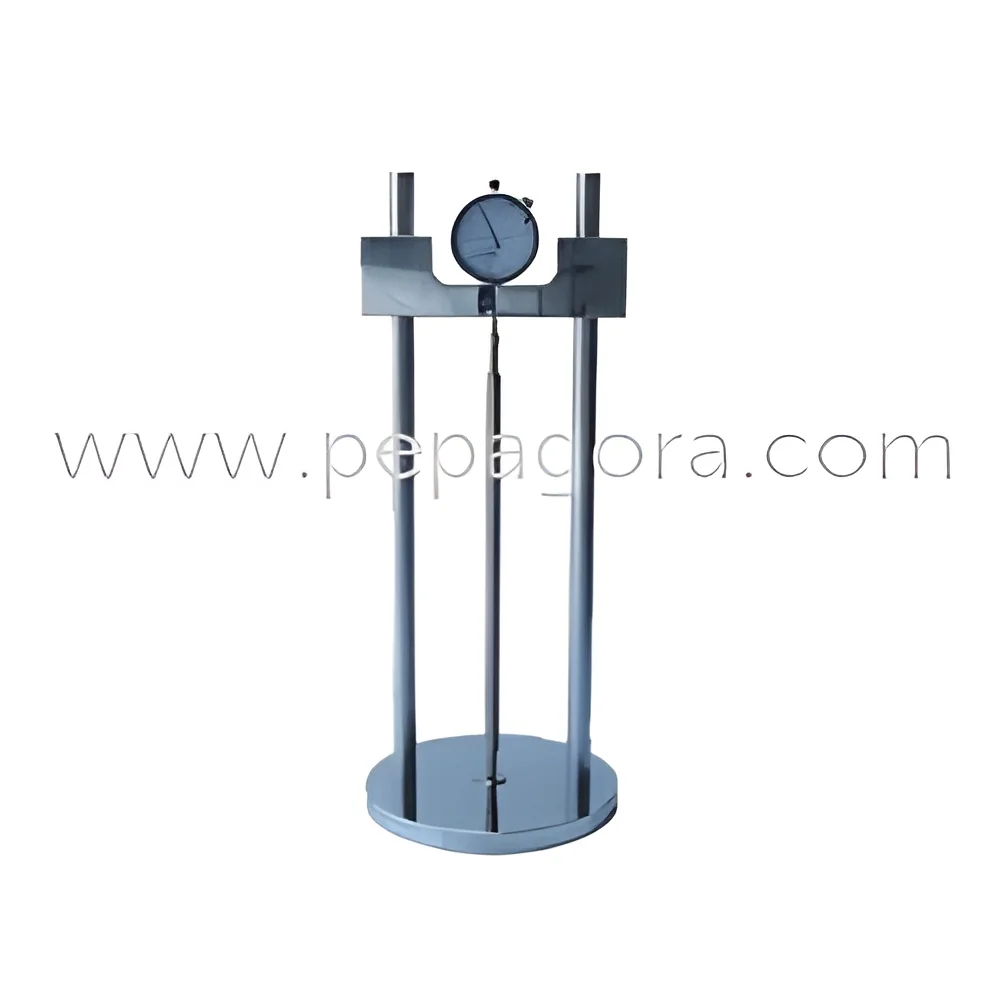
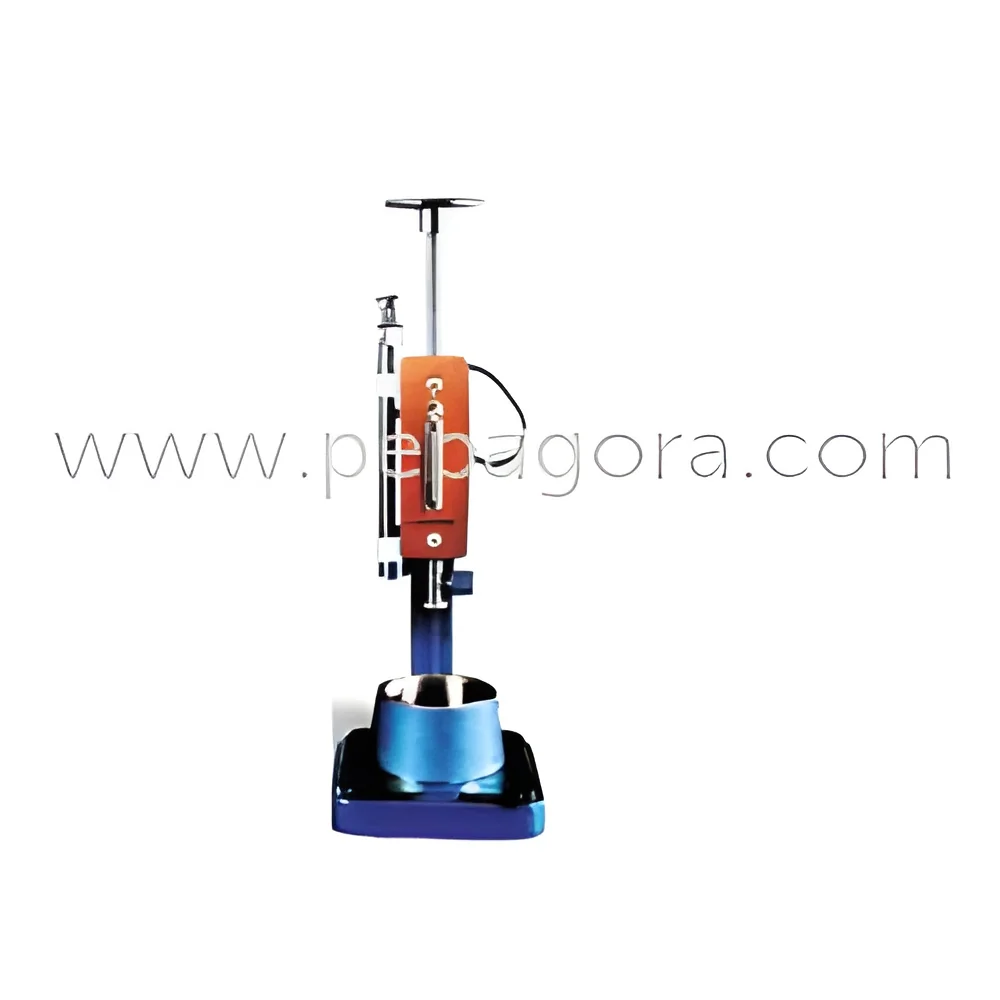
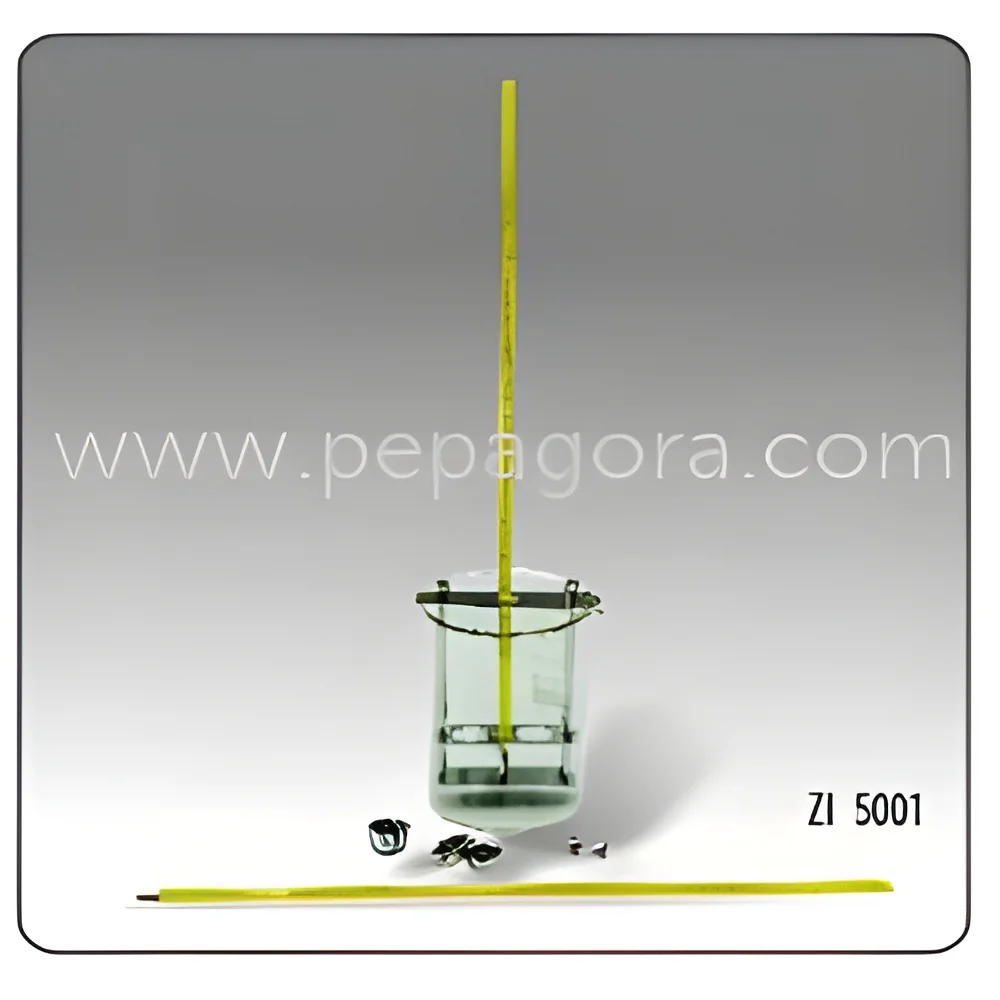
The Bitumen Softening Point Ring & Ball Apparatus is a precision testing instrument designed to determine the softening point temperature of bituminous materials according to ASTM D36 and IS 1205 standards. Constructed with a robust steel bracket and sliding plate support system, this apparatus maintains stability during testing procedures while ensuring accurate temperature measurements. The precisely aligned ring and ball guides facilitate consistent sample positioning, delivering reliable results for quality control processes. This equipment serves as an essential tool for laboratories and testing facilities that require dependable thermal property data for material specification and verification purposes.

This testing apparatus finds extensive application across multiple industries where material thermal properties directly impact performance and safety. In the construction sector, it is indispensable for road builders and asphalt producers who must verify bitumen quality before d...
The Bitumen Softening Point Ring & Ball Apparatus is a precision testing instrument designed to determine the softening point temperature of bituminous materials according to ASTM D36 and IS 1205 standards. Constructed with a robust steel bracket and sliding plate support system, this apparatus maintains stability during testing procedures while ensuring accurate temperature measurements. The precisely aligned ring and ball guides facilitate consistent sample positioning, delivering reliable results for quality control processes. This equipment serves as an essential tool for laboratories and testing facilities that require dependable thermal property data for material specification and verification purposes.

This testing apparatus finds extensive application across multiple industries where material thermal properties directly impact performance and safety. In the construction sector, it is indispensable for road builders and asphalt producers who must verify bitumen quality before deployment in infrastructure projects. Manufacturing facilities working with thermoplastic compounds, industrial resins, and coating materials utilize this apparatus for product development and quality assurance. Research institutions and educational laboratories employ it for material science studies and standardized testing protocols, ensuring materials meet specific thermal requirements for their intended applications.

The apparatus delivers significant business value through enhanced testing accuracy and operational reliability, reducing the risk of material failure in final applications. Its durable steel construction ensures long-term performance with minimal maintenance requirements, providing excellent return on investment for quality-focused organizations. The standardized design compatibility with established testing methods eliminates procedural variations, ensuring consistent results across different testing environments. This reliability helps businesses maintain compliance with industry specifications, avoid costly material rejections, and build trust with clients through demonstrated quality commitment.

Key Features:
- Heavy-duty steel bracket construction for enhanced stability and durability
- Sliding plate support system with precision-aligned ring and ball guides
- Standard-compliant design for ASTM D36 and IS 1205 testing methods
- User-friendly setup procedure requiring minimal operator training
- Consistent performance across repeated testing cycles

Benefits:
- Accurate determination of material softening points for quality assurance
- Reduced testing variability through standardized equipment design
- Long service life with minimal maintenance requirements
- Compatibility with established laboratory testing protocols
- Reliable performance supporting material specification compliance
Specifications
| Additional Information | |
|---|---|
| Country of Origin | India |
Application
The Ring & Ball Apparatus determines softening points of bitumen and thermoplastic materials, providing critical data for quality assurance in construction and manufacturing. Its precision design ensures compliance with ASTM D36 and IS 1205 standards, making it essential for material testing laboratories and infrastructure projects where temperature performance directly impacts material suitability and safety.
This apparatus serves industries requiring accurate thermal property measurements, including road construction, material manufacturing, and research facilities. The easy-to-operate design with sliding plate support and guided components enables consistent, repeatable results for both routine quality checks and advanced material development, supporting engineers and technicians in maintaining product integrity across various applications.
- Quality verification of bitumen and asphalt for road construction projects
- Thermal property testing for industrial resins and polymer materials
- Material research and development in laboratory settings
- Compliance testing against international standards in certification processes
- Educational use in engineering institutions for material science training
Trade Details
| Available Stock | In Stock |
| Sample Availability | No |
Payment Terms
| Payment Terms |
|
Company Profile
Gurmeet Engineering Works, New Delhi
 New Delhi, India
New Delhi, IndiaTools & Hardware•Manufacturer•Distributor / Wholesaler•Importer / Exporter
Factory Details
Factory SizeBelow 1000 sqm
Annual Production Capacity0
Bitumen Softening Point Ring & Ball Apparatus ASTM D36 IS 1205
Bitumen Softening Point Ring & Ball Apparatus ASTM D36 IS 1205 delivers precise thermal testing for bitumen and asphalt materials. Features robust steel construction with sliding plate support for reliable quality control in construction and laboratory environments.
Min. Order Quantity: 1 unit
Shipping
Shipping fee and delivery date to be negotiated. Contact supplier now for more details.
Gurmeet Engineering Works
 New Delhi, India
New Delhi, IndiaTools & HardwareManufacturer