IN
IN₹
Apparel & Fashion
Description
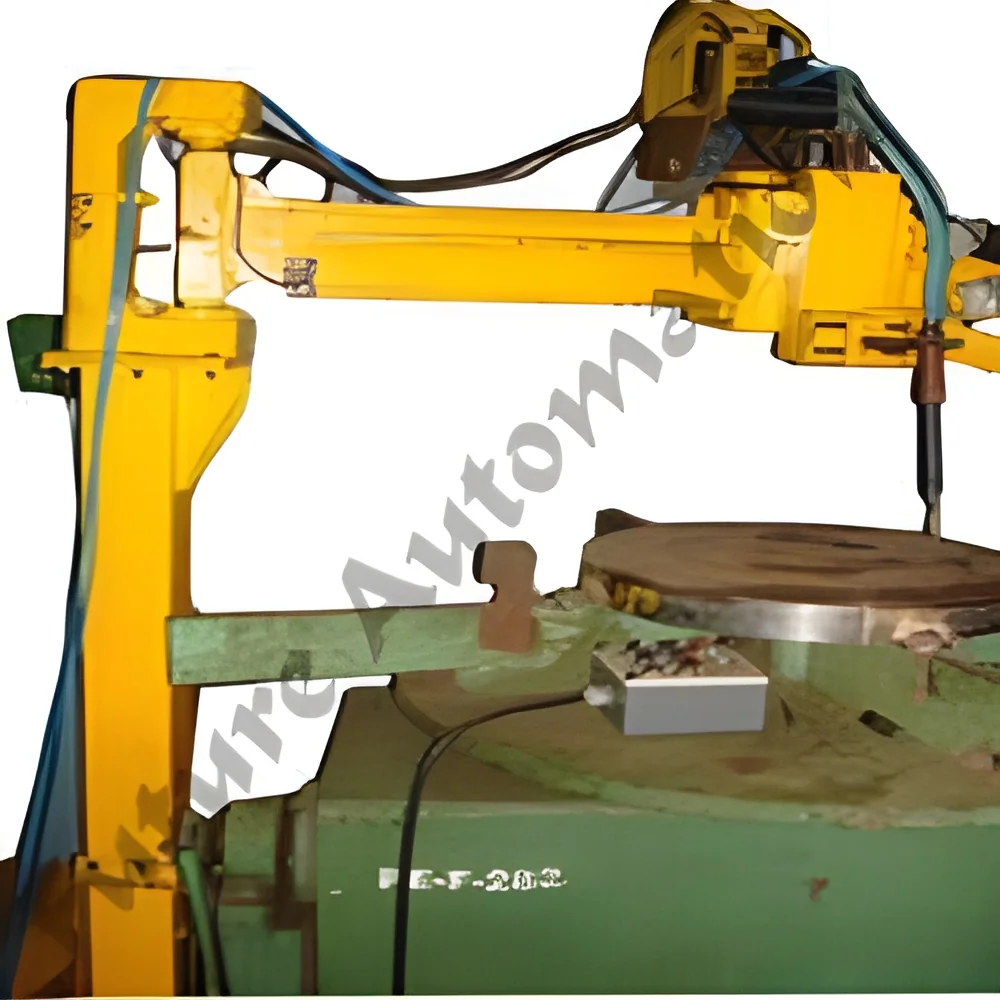
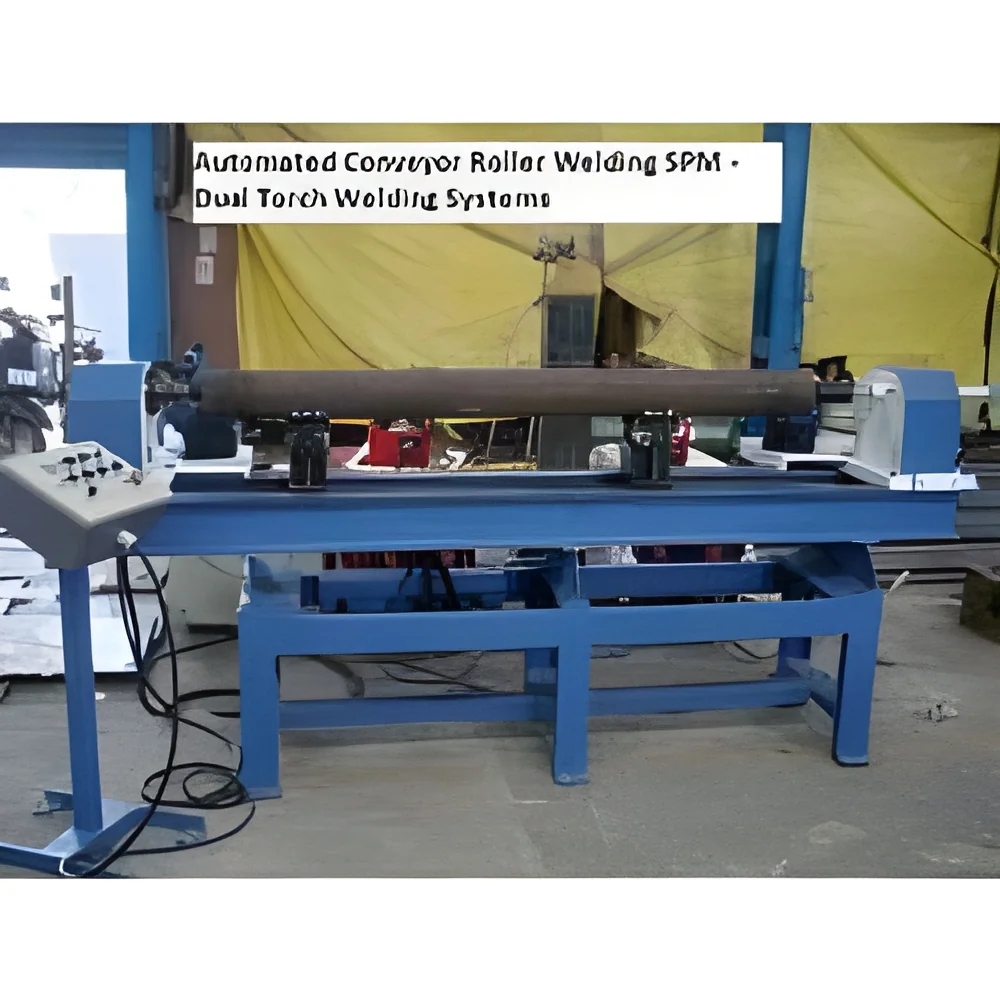
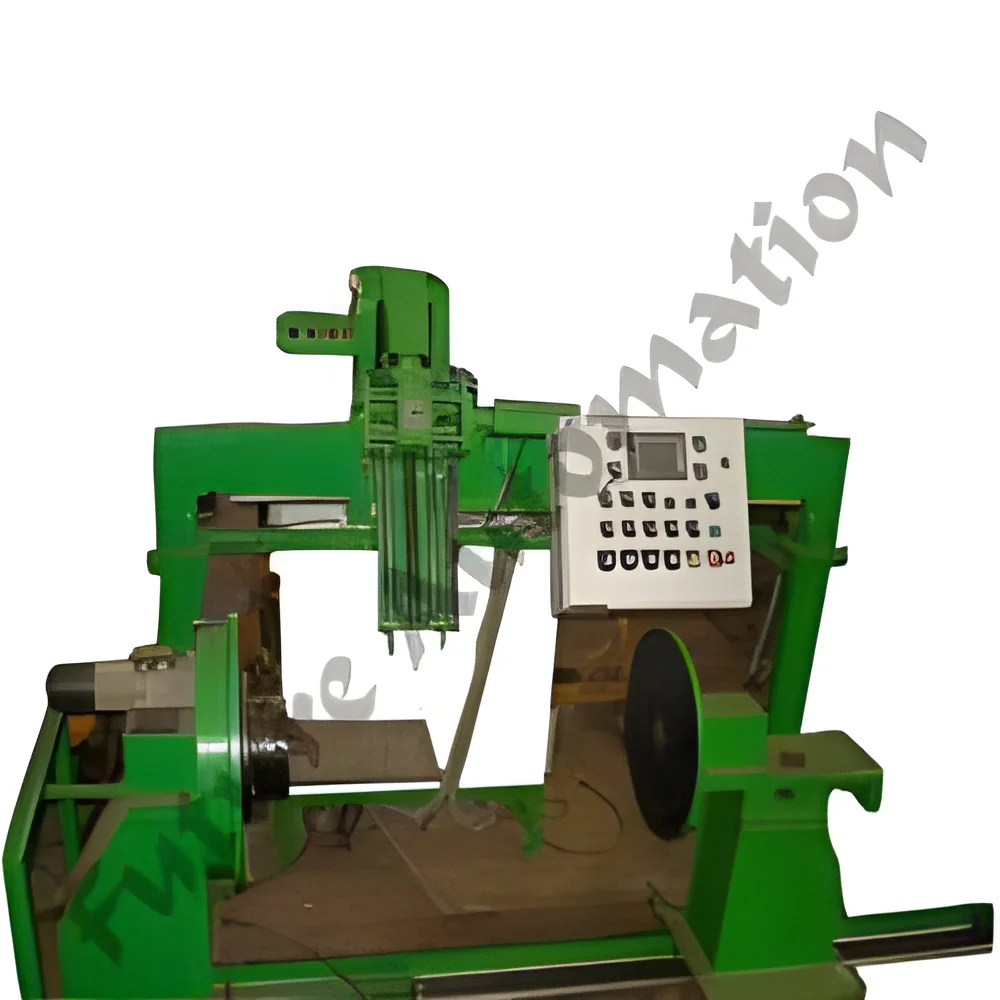
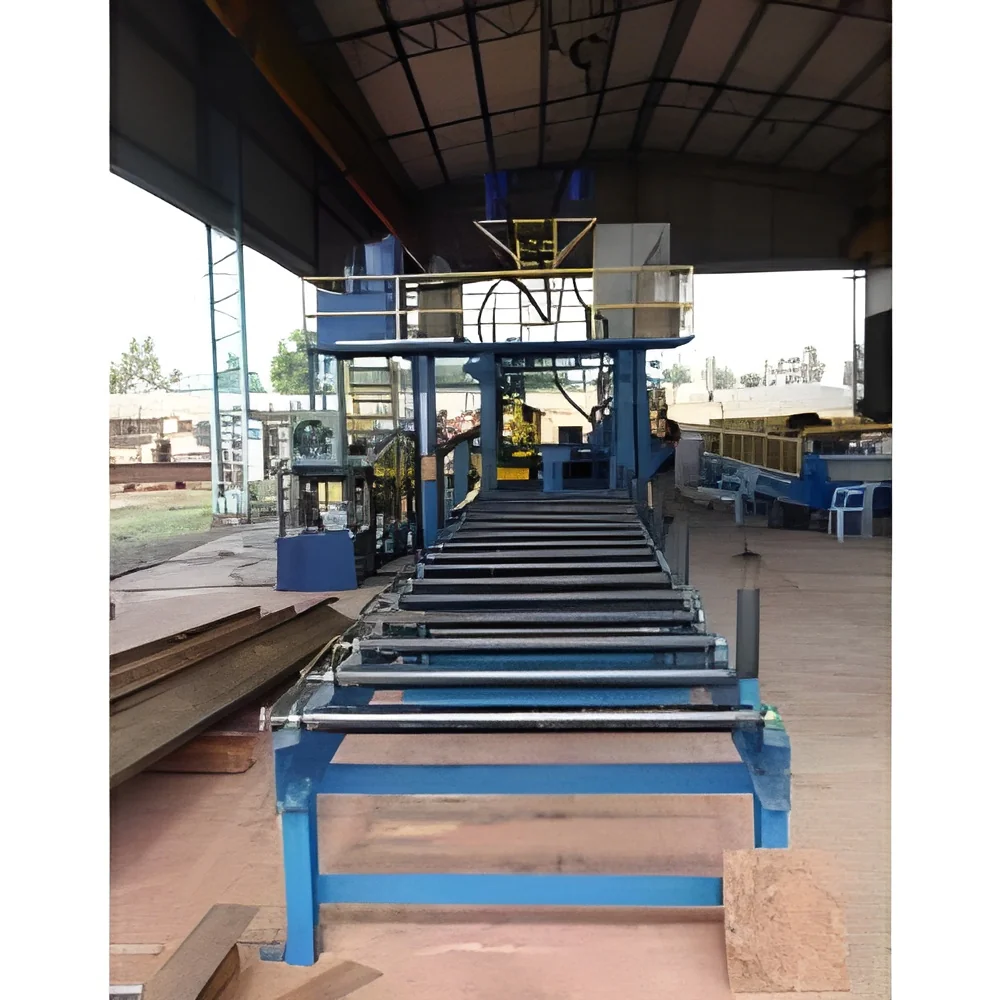
Industrial beam welding automation machines represent advanced fabrication technology designed specifically for precision joining of structural steel components. These systems incorporate robust engineering and intelligent control features to handle demanding welding applications while maintaining consistent output quality. Built for durability in high-volume production environments, they deliver reliable performance through features like variable speed control and precision torch manipulation. The focus is on creating strong, uniform welds on large beams and girders, reducing the variability associated with manual operations and increasing overall production efficiency for businesses that depend on structural steel fabrication.

These welding automation systems serve critical roles across multiple heavy industries that require precise, high-strength metal joining. In construction and infrastructure development, they are indispensable for creating the steel frameworks of commercial bui...
Industrial beam welding automation machines represent advanced fabrication technology designed specifically for precision joining of structural steel components. These systems incorporate robust engineering and intelligent control features to handle demanding welding applications while maintaining consistent output quality. Built for durability in high-volume production environments, they deliver reliable performance through features like variable speed control and precision torch manipulation. The focus is on creating strong, uniform welds on large beams and girders, reducing the variability associated with manual operations and increasing overall production efficiency for businesses that depend on structural steel fabrication.

These welding automation systems serve critical roles across multiple heavy industries that require precise, high-strength metal joining. In construction and infrastructure development, they are indispensable for creating the steel frameworks of commercial buildings, bridges, and industrial plants. The shipbuilding and marine sectors utilize them for assembling hull components and offshore structures where weld integrity directly impacts safety and longevity. Heavy equipment manufacturers rely on these machines for fabricating durable frames for mining, construction, and agricultural machinery. Additionally, they support the production of pre-engineered building systems by efficiently creating structural components with consistent quality, helping businesses meet project timelines while maintaining strict engineering specifications.

The business value of these welding automation machines lies in their ability to enhance operational efficiency while reducing long-term production costs. By automating complex welding processes, businesses achieve higher output rates with improved consistency, minimizing rework and material waste. The reliability engineered into these systems ensures minimal downtime and lower maintenance requirements, providing better return on investment over extended operational periods. Their durable construction and precision features give business owners confidence that equipment will perform reliably under demanding production schedules, delivering consistent results across diverse projects while improving workplace safety by reducing manual welding exposure.

Key Features:
- Variable speed carriage control for precise adjustment to different material thicknesses and welding parameters
- Copper clamping system with fingers for secure, consistent workpiece holding and effective heat dissipation
- Precision torch manipulation slides enabling accurate weld placement and control during operation
- Linear travel carriage system ensuring smooth, consistent movement along beam lengths
- Robust construction designed for durability in high-volume industrial fabrication environments

Benefits:
- Increased production throughput with consistent, high-quality welds on structural steel components
- Reduced manual labor requirements and improved workplace safety in fabrication operations
- Enhanced operational efficiency through reliable performance and minimal downtime
- Adaptability to various project specifications and material thicknesses in structural fabrication
- Long-term cost savings from reduced rework, material waste, and maintenance requirements
Specifications
| Additional Information | |
|---|---|
| Country of Origin | India |
Application
These industrial beam welding automation machines are engineered for precision joining of structural steel components in high-volume production environments. They deliver consistent weld quality across large beams and girders while maintaining operational stability, making them essential for projects where dimensional accuracy and structural integrity are non-negotiable. The robust construction and advanced control systems ensure reliable performance in demanding fabrication shops, reducing manual labor requirements and increasing overall throughput for complex welding tasks.
Industries that rely on heavy metal fabrication benefit significantly from these automated welding solutions. The machines adapt to various material thicknesses and joint configurations commonly found in structural steel work, bridge construction, and industrial machinery manufacturing. Their design focuses on repeatable precision and reduced setup times, allowing businesses to handle diverse project specifications while maintaining tight production schedules. This versatility makes them suitable for both standardized production runs and custom fabrication jobs requiring reliable, high-quality welds.
- Fabricating primary steel frames and support structures for commercial buildings and industrial facilities
- Welding large-scale girders and trusses used in bridge construction and infrastructure projects
- Assembling structural components for ship hulls, decks, and offshore platform modules
- Manufacturing heavy-duty frames and chassis for construction, mining, and agricultural equipment
- Producing structural elements for pre-engineered metal buildings and warehouse systems
Trade Details
| Available Stock | In Stock |
| Sample Availability | No |
Payment Terms
| Payment Terms |
|
Company Profile

Future automation Technologies , Tamil Nadu
 Tamil Nadu, India
Tamil Nadu, IndiaTools & Hardware•Manufacturer•Distributor / Wholesaler•Importer / Exporter
Factory Details
Factory SizeBelow 1000 sqm
Annual Production Capacity0
Industrial Beam Welding Automation Machines For Structural Steel Fabrication
Industrial beam welding automation machines deliver precision structural steel fabrication with variable speed carriage and copper clamping for shipbuilding, construction, and heavy equipment manufacturing.
Min. Order Quantity: 1 unit
Shipping
Shipping fee and delivery date to be negotiated. Contact supplier now for more details.
Future automation Technologies 
 Tamil Nadu, India
Tamil Nadu, IndiaTools & HardwareManufacturer