
 IN
Abrasive Belt Grinders
5 products available
What are Abrasive Belt Grinders?
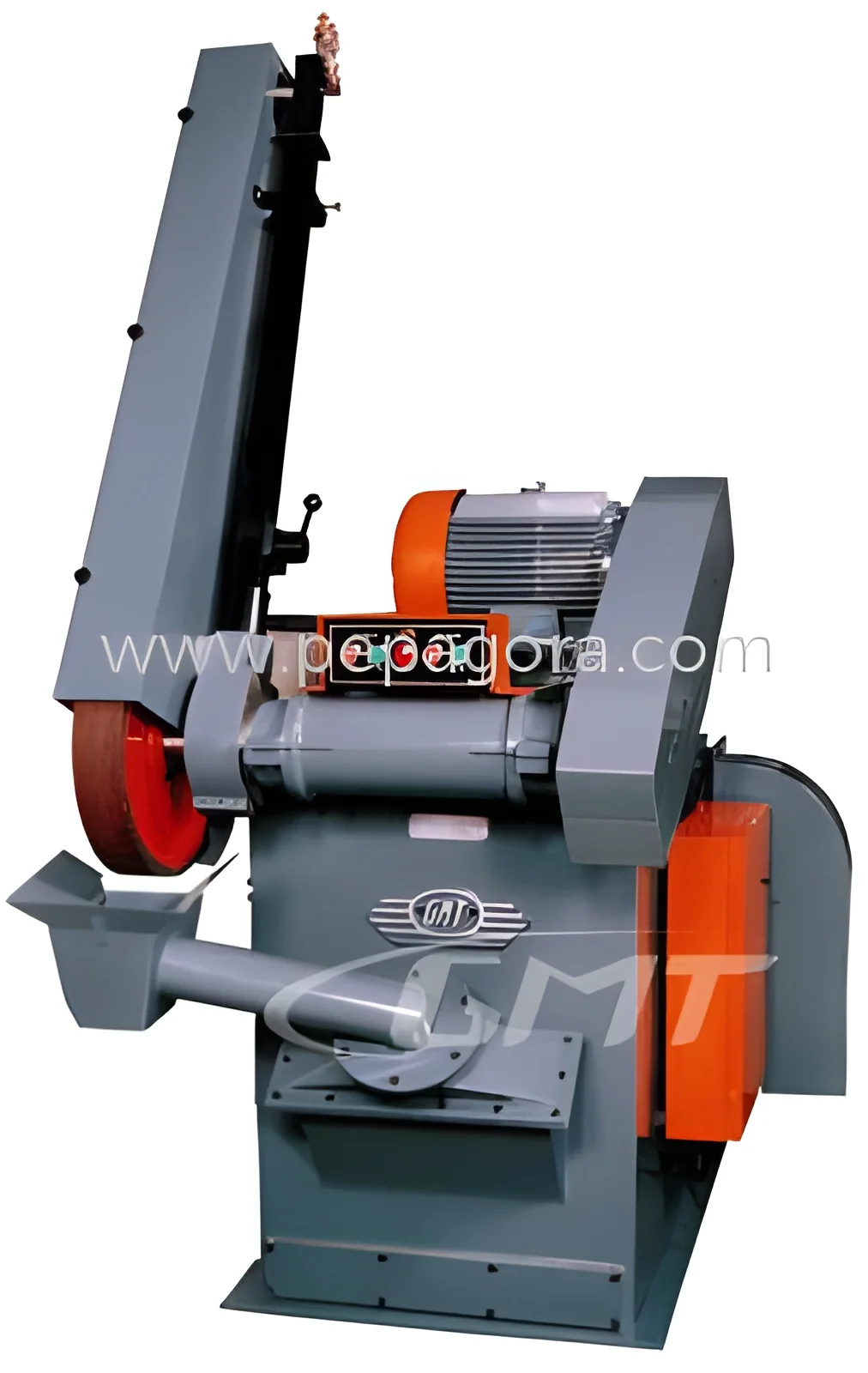
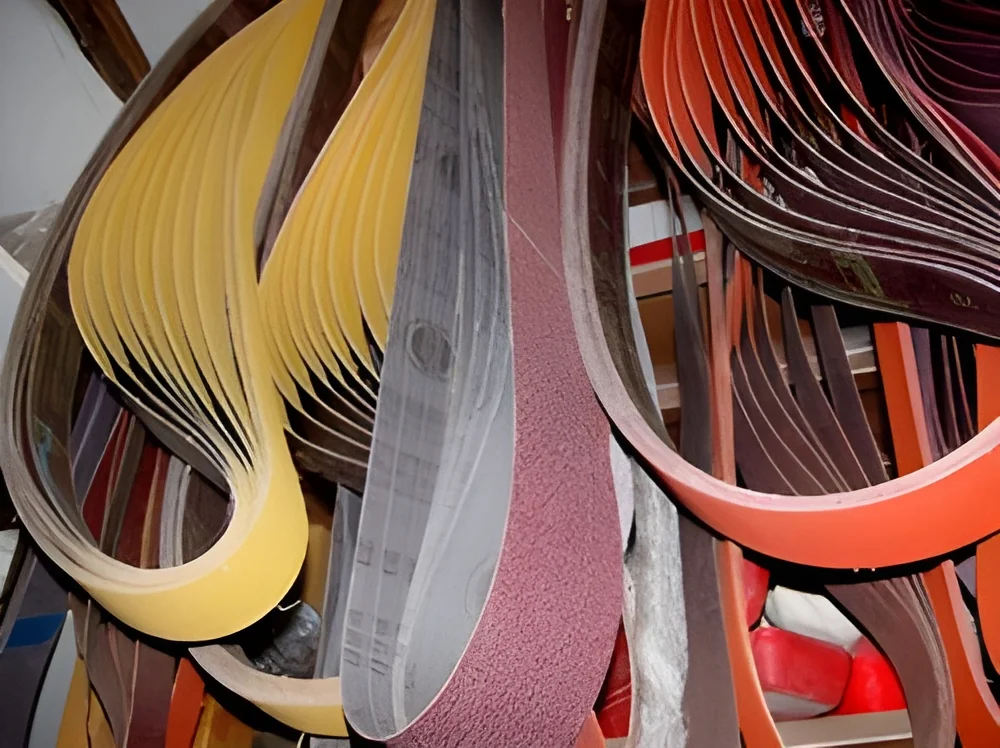
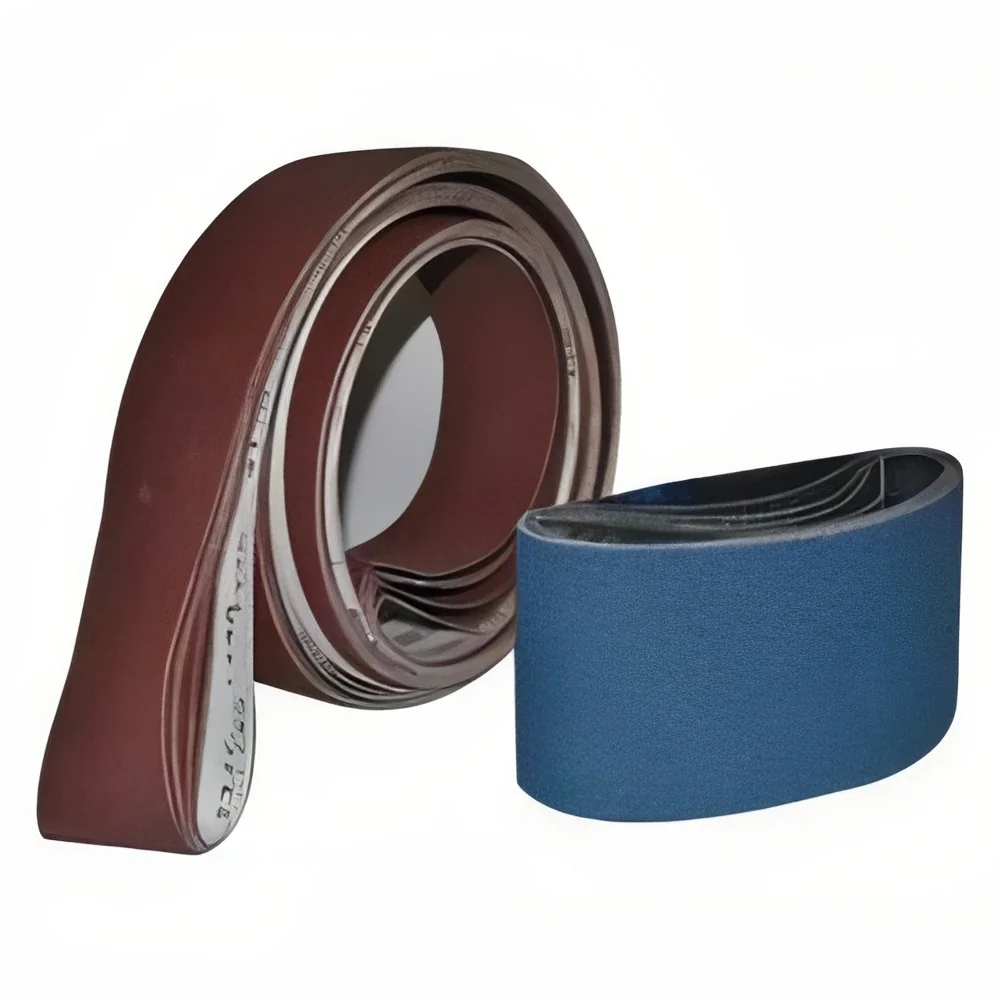
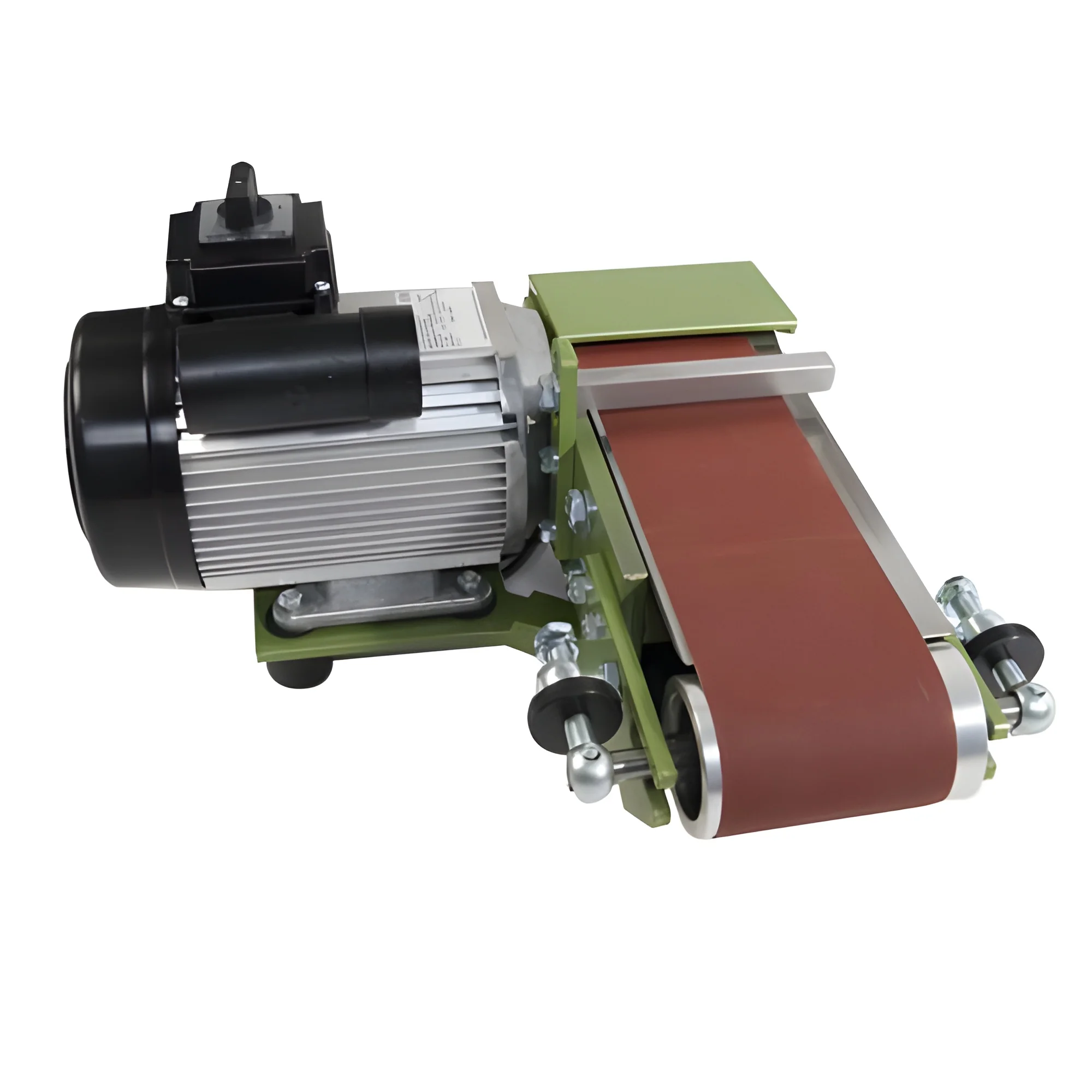
Abrasive belt grinders are powerful industrial machines designed to grind, shape, and finish metal and other materials using a continuous loop of abrasive material. These machines utilize a belt that is coated with abrasive grains, which is driven by wheels or rollers. The grinding action occurs as the surface of the material comes into contact with the moving abrasive belt, allowing for efficient material removal and surface finishing.
These grinders are predominantly used in manufacturing and metalworking industries. They are ideal for tasks such as deburring, polishing, and finishing various components, including metals, plastics, and composites. Businesses often rely on abrasive belt grinders for high-precision applications, where a smooth surface finish is critical. The relevance of these machines in the industry is underscored by their ability to enhance productivity and improve product quality, making them an essential tool in modern manufacturing processes.
Key Features and Specifications
Abrasive belt grinders come with a range of features that enhance their performance and usability. These key specifications help buyers understand the capabilities of different models available in the market.
Key specifications include:
1. Motor Power
- Determines the grinding capacity of the machine.
- Technical parameters typically range from 1 HP to 10 HP.
2. Belt Size
- Refers to the dimensions of the abrasive belt used.
- Common sizes include 1 inch, 2 inch, and 4 inch widths, with varying lengths.
3. Speed Control
- Allows operators to adjust the speed of the abrasive belt.
- Speed ranges can vary from 1,000 to 5,000 RPM.
4. Dust Extraction System
- Integrated systems to minimize airborne dust and particles.
- Systems may include vacuum ports or built-in collectors.
5. Frame Construction
- Indicates the durability and stability of the machine.
- Materials often include heavy-duty steel or robust composites.
6. Adjustable Work Table
- Provides a stable surface for workpieces.
- Typically features height and angle adjustments for versatility.
7. Safety Features
- Includes emergency stop buttons and guards.
- Designed to protect operators during use.
8. Weight
- Impacts the portability and stability of the grinder.
- Weights can range from 50 to 300 pounds depending on design.
In summary, understanding these specifications is crucial for buyers to select the right abrasive belt grinder that meets their operational needs.
Common Applications and Use Cases
Abrasive belt grinders find applications across various industries due to their versatility and efficiency.
1. Metal Fabrication: In this industry, abrasive belt grinders are used for smoothing and finishing metal components. They are vital in preparing parts for welding and assembly.
2. Automotive: These machines are employed to grind and polish engine components and chassis parts, ensuring precision and enhancing performance.
3. Aerospace: Abrasive belt grinders play a critical role in the manufacturing of aircraft components, where high standards of surface finish and material integrity are essential.
4. Woodworking: In woodworking, these grinders are utilized for sanding and finishing wood surfaces, allowing for a refined finish on various products.
5. Electronics: They are used to prepare metal housings and other components for electronic devices, ensuring minimal surface imperfections.
6. Construction: Abrasive belt grinders are employed to shape and finish construction materials, contributing to the quality of the final products.
7. Medical Equipment: In this field, grinders are crucial for manufacturing high-precision instruments that require stringent quality standards.
Product Variants and Subcategories
Abrasive belt grinders are available in various configurations to meet specific industrial needs.
Heavy-Duty Belt Grinders
These grinders are designed for high-volume applications and robust material removal. They typically feature larger motors and belts, making them suitable for industrial settings.
Compact Belt Grinders
Ideal for smaller workshops, compact belt grinders provide a balance of performance and space efficiency. They are perfect for light grinding and finishing tasks.
Benchtop Belt Grinders
These stationary models are designed for use on workbenches and provide stability for precision grinding tasks. They are commonly used in tool shops and small manufacturing setups.
Variable Speed Belt Grinders
These grinders allow users to adjust the speed of the abrasive belt, providing flexibility for different materials and applications. They cater to both heavy and light-duty tasks.
Benefits and Advantages
Abrasive belt grinders offer numerous advantages that make them an essential tool in various manufacturing processes.
1. Enhanced Efficiency: These grinders allow for quick material removal and finishing, significantly reducing production time.
2. Versatility: They can handle a wide range of materials, including metals, plastics, and composites, making them adaptable to different applications.
3. Precision Finishing: The ability to control speed and pressure leads to high-quality surface finishes that meet strict industry standards.
4. Reduced Operator Fatigue: The design of abrasive belt grinders minimizes the physical strain on operators, allowing for prolonged use without discomfort.
5. Improved Safety: Many models come equipped with safety features that protect users from accidents, making them safer compared to traditional grinding methods.
6. Cost-Effectiveness: The durability and efficiency of abrasive belt grinders can lead to lower operational costs over time, providing a good return on investment.
Buying Guide for B2B Buyers
When sourcing abrasive belt grinders, it is essential to consider multiple factors to ensure an informed decision.
1. Quality Assessment: Evaluate the build quality and reliability of the machine. Look for reputable manufacturers who adhere to industry standards and have a history of producing durable equipment.
2. Supplier Verification: Vet suppliers thoroughly by checking reviews, certifications, and their understanding of industry requirements. This helps ensure you are purchasing from a trustworthy source.
3. Pricing and MOQ: Understand the pricing structure and minimum order quantities. Compare quotes from different suppliers to find a competitive price that fits your budget.
4. Delivery and Lead Times: Consider the logistics involved in acquiring the grinder. Ensure that suppliers can meet your delivery timelines to avoid disruptions in production.
5. Compliance Requirements: Familiarize yourself with any regional compliance regulations. Ensure the equipment adheres to necessary safety and quality certifications to avoid legal issues.
Compliance and Certifications
Abrasive belt grinders must meet specific standards to ensure they operate safely and effectively. Relevant quality standards include ISO 9001, which certifies quality management systems, and CE marking, which indicates compliance with EU safety standards.
Additionally, adherence to safety and testing requirements is crucial. These may include certifications that ensure the machines meet specific performance and safety benchmarks.
Regional compliance considerations are also important. Depending on the market, regulations may dictate certain manufacturing practices and safety protocols that must be followed.
Why Source Abrasive Belt Grinders from Pepagora?
Pepagora provides a trusted platform for sourcing abrasive belt grinders, offering several key advantages to buyers.
Verified Supplier Network: Pepagora works with a network of verified suppliers, ensuring that all listed products meet stringent quality standards. This helps buyers make informed decisions while minimizing risks.
Streamlined RFQ Process: The platform offers a user-friendly request for quotation system, allowing buyers to easily compare options and receive competitive pricing from multiple suppliers.
Trade Assurance and Support: Buyers benefit from trade assurance policies that protect their investments, as well as dedicated support to assist with any inquiries throughout the purchasing process.
Regional Coverage: With a strong presence in regions such as India, the Gulf Cooperation Council (GCC), and Southeast Asia, Pepagora facilitates access to a wide range of suppliers, ensuring that customers can find suitable abrasive belt grinders for their needs.

 India
 India
 India
Frequently Asked Questions
What are Abrasive Belt Grinders?
Abrasive Belt Grinders are power tools that use a belt coated with abrasive material to grind, sand, or polish various surfaces. They are commonly used in metalworking, woodworking, and manufacturing industries for shaping and finishing materials.
What are the different types of Abrasive Belt Grinders?
There are several types of Abrasive Belt Grinders, including stationary belt grinders, portable belt grinders, and bench grinders. Each type serves different applications, from heavy-duty grinding to precise finishing tasks.
How do I choose the right Abrasive Belt Grinders?
Choosing the right Abrasive Belt Grinder involves considering factors such as the material to be processed, required power, belt size, and intended application. It's also important to assess the grinder's features, such as speed control and dust collection capabilities.
What are the standard specifications for Abrasive Belt Grinders?
Standard specifications for Abrasive Belt Grinders typically include belt width and length, motor power, speed (RPM), and weight. These specifications vary by model and manufacturer, so it's essential to review them to ensure compatibility with your needs.
What is the price range for Abrasive Belt Grinders?
The price range for Abrasive Belt Grinders can vary widely based on factors such as brand, specifications, and features. Generally, you can find models ranging from a few thousand to several tens of thousands of Indian Rupees.
What quality standards apply to Abrasive Belt Grinders?
Abrasive Belt Grinders are subject to various quality standards, including ISO certifications, safety regulations, and performance benchmarks. Ensuring that suppliers adhere to these standards can help guarantee the reliability and safety of the equipment.
Where can I find Abrasive Belt Grinders suppliers in India?
You can find Abrasive Belt Grinders suppliers in India through online B2B marketplaces, trade shows, and industrial equipment directories. Websites like Pepagora.com provide a platform to connect with manufacturers and suppliers in the industry.
Can Abrasive Belt Grinders be customized?
Yes, many manufacturers offer customization options for Abrasive Belt Grinders to meet specific application requirements. Customizations can include different belt sizes, motor specifications, and additional features to enhance functionality.
What is the typical minimum order quantity for Abrasive Belt Grinders?
The typical minimum order quantity (MOQ) for Abrasive Belt Grinders varies by supplier and can range from a single unit to several units. It's advisable to check with the manufacturer or supplier for their specific MOQ policies.
What is the typical lead time for Abrasive Belt Grinders?
The typical lead time for Abrasive Belt Grinders can vary based on factors such as availability, customization, and shipping. Generally, lead times can range from a few days to several weeks, so it's best to confirm with the supplier.
Why Businesses Trust Pepagora
Thousands of companies trust Pepagora to source smarter and sell faster
Expand Your Sales Globally

Source Smarter,Grow Faster
