
 IN
Machine Tools & Accessories
1242 products available
𝗪𝗵𝗮𝘁 𝗮𝗿𝗲 𝗠𝗮𝗰𝗵𝗶𝗻𝗲 𝗧𝗼𝗼𝗹𝘀 & 𝗔𝗰𝗰𝗲𝘀𝘀𝗼𝗿𝗶𝗲𝘀?
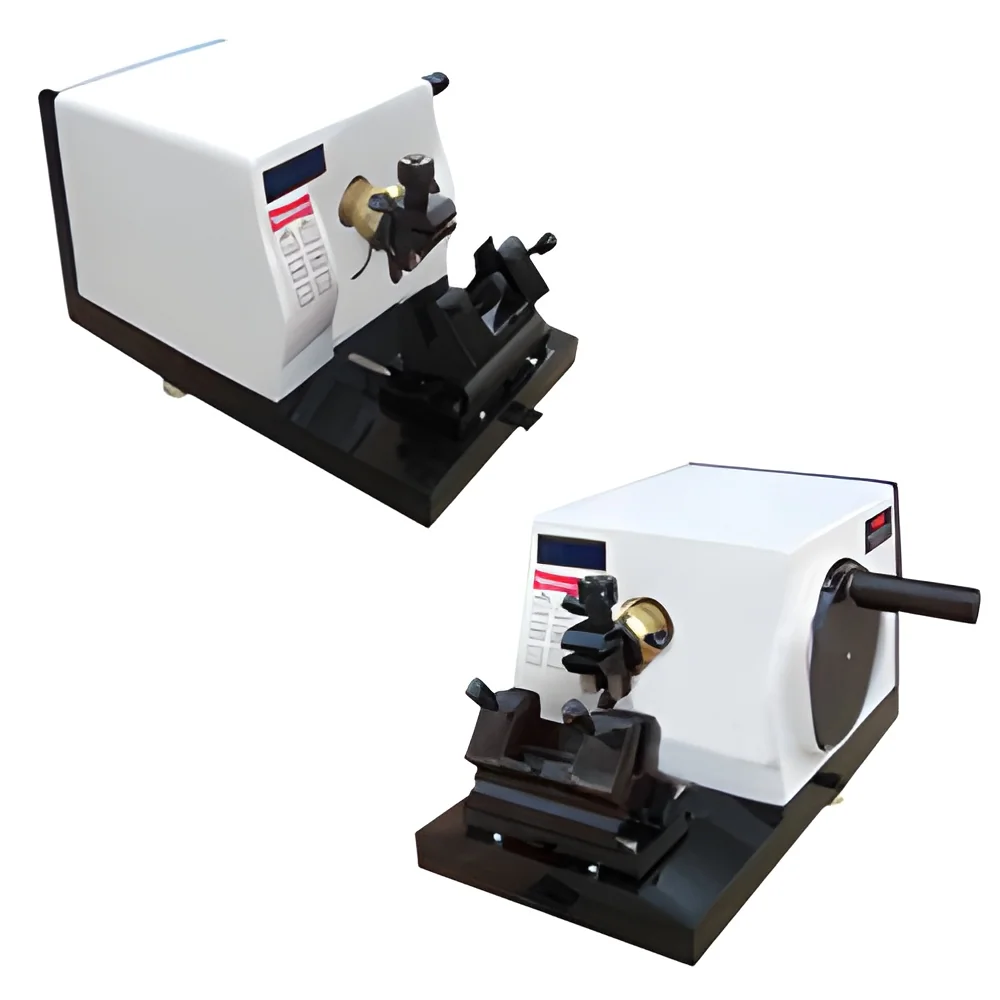
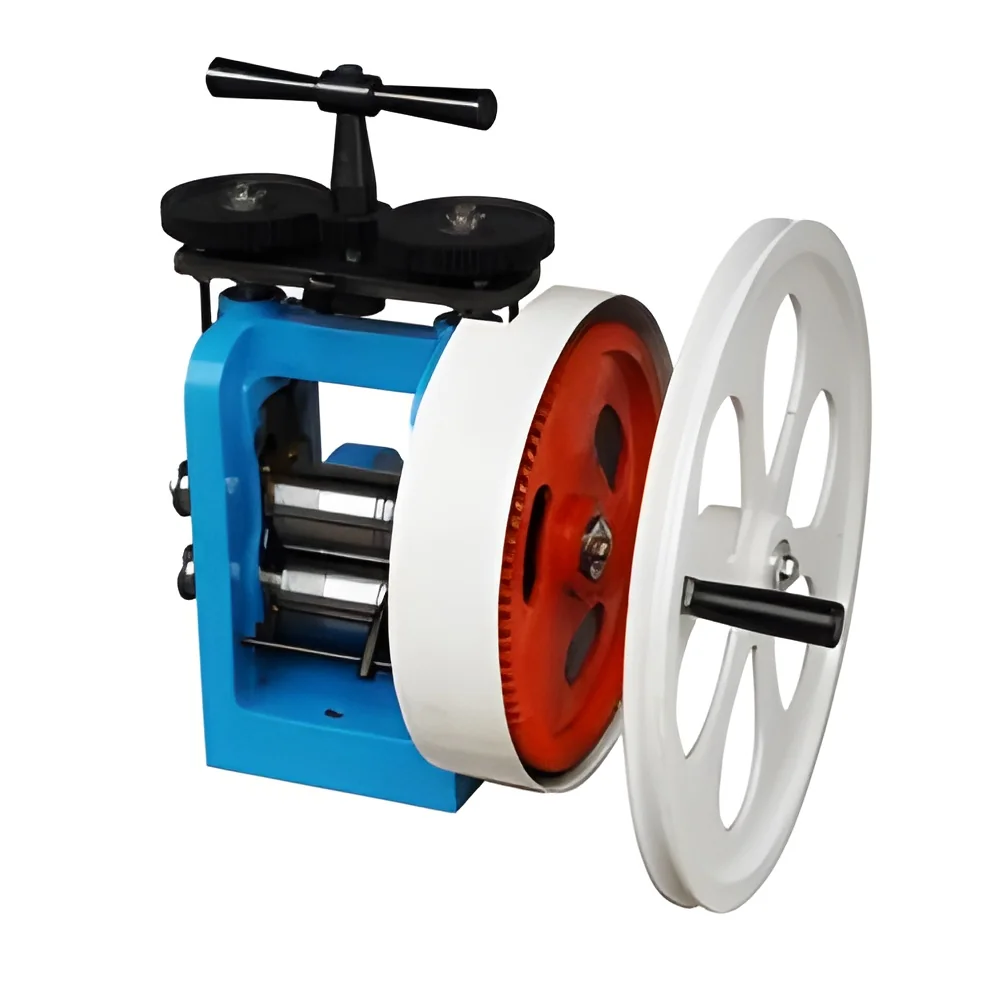
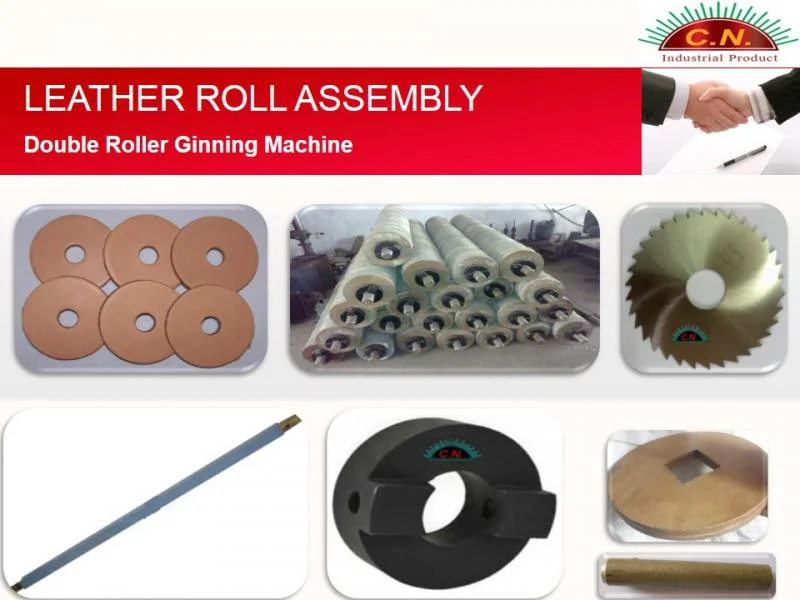
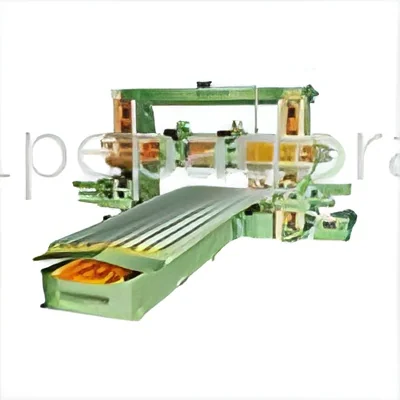
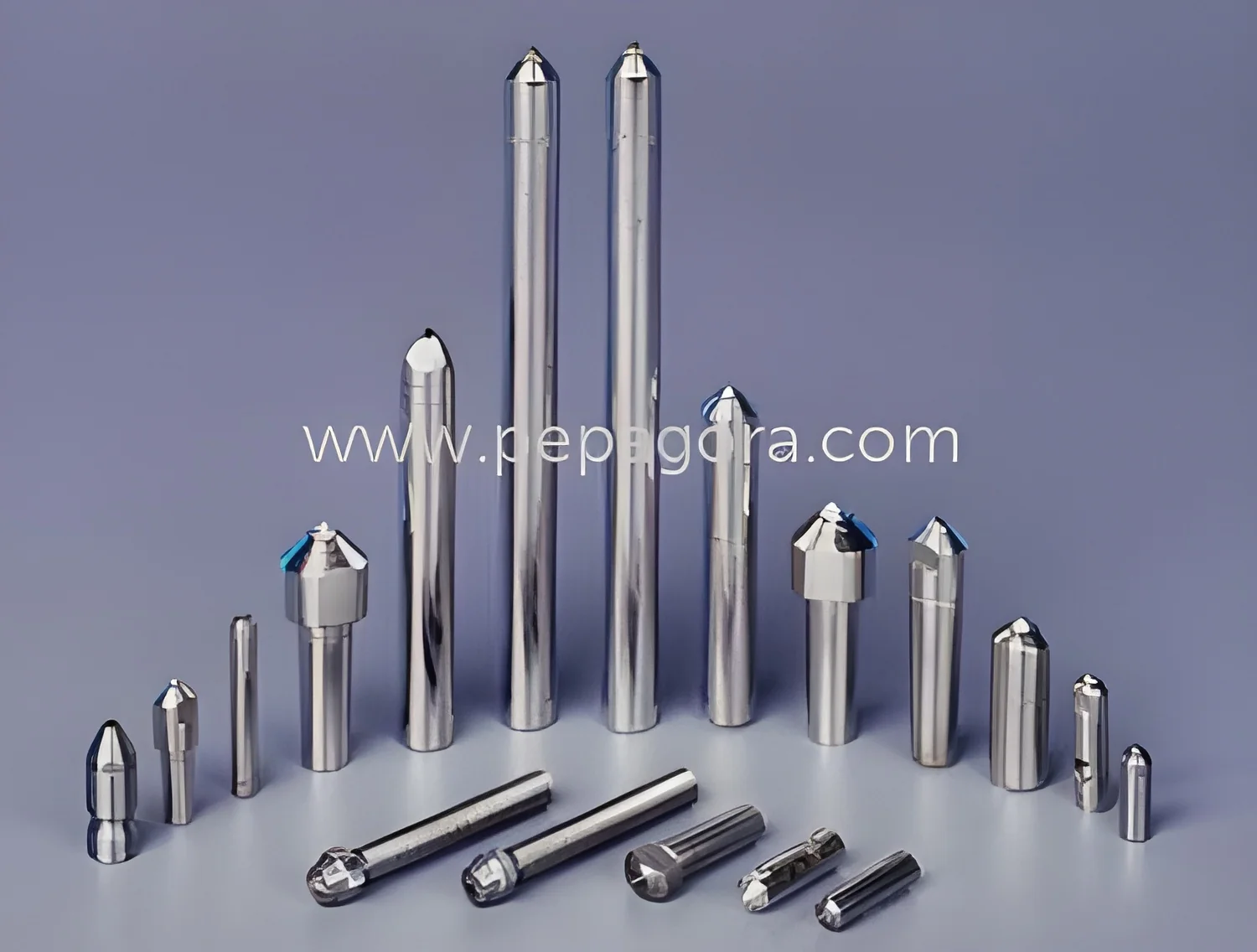
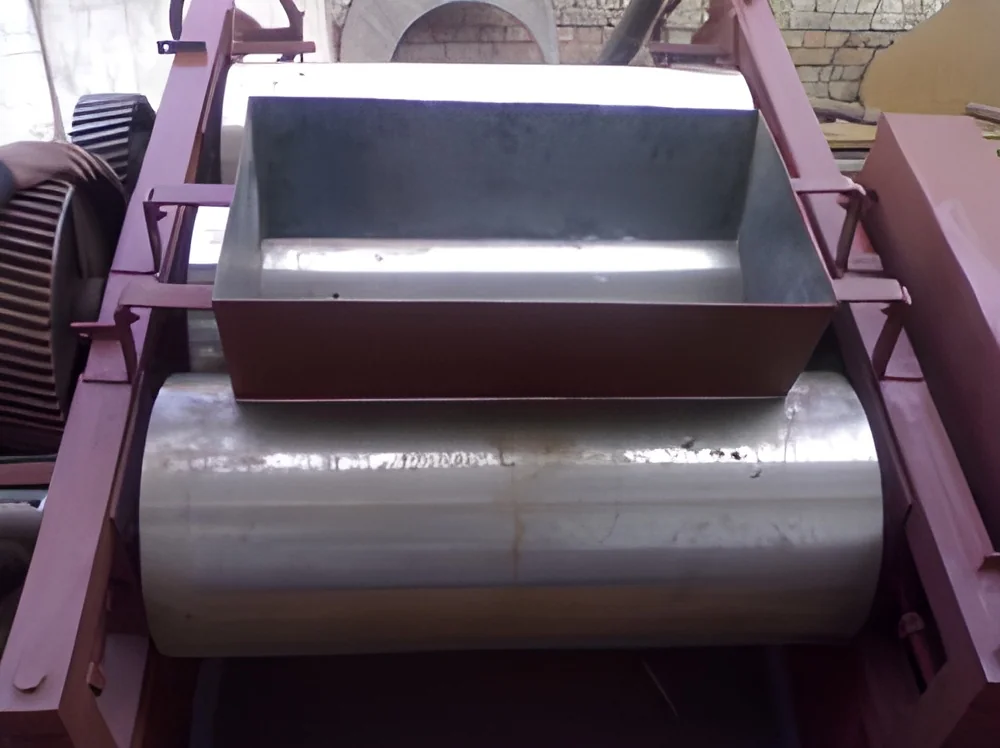
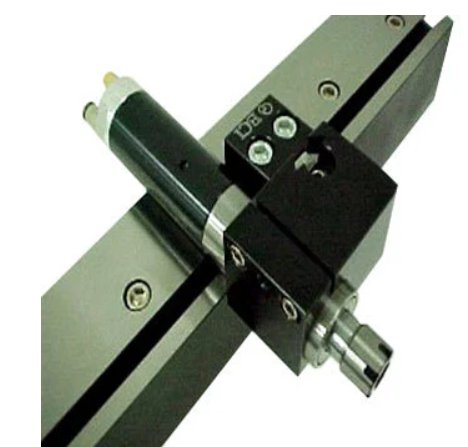
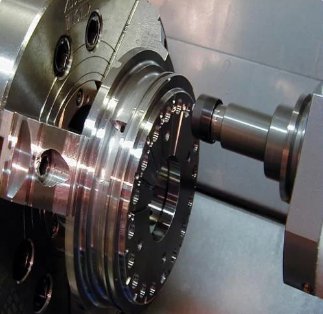
Machine tools are specialized equipment designed for shaping and machining materials such as metal, wood, and plastics. These tools operate through various processes including cutting, grinding, drilling, and milling. Accessories are additional components that enhance the functionality of machine tools, allowing for more precise and efficient operations. Together, machine tools and accessories form the backbone of modern manufacturing and fabrication processes.
The primary uses of machine tools and accessories are found in sectors such as automotive, aerospace, construction, and general manufacturing. Businesses utilize these tools to create precise components that meet specific tolerances and performance requirements. With the increasing demand for high-quality products, the role of machine tools has become even more vital, as they enable mass production while maintaining quality standards.
In terms of market relevance, the machine tools industry is seeing substantial growth due to advancements in technology and automation. As industries evolve, there is a push for more efficient production methods, which has led to increased investments in machine tools. This trend is also driven by the need for customization and rapid prototyping, making machine tools an essential part of the manufacturing landscape.
𝗞𝗲𝘆 𝗙𝗲𝗮𝘁𝘂𝗿𝗲𝘀 𝗮𝗻𝗱 𝗦𝗽𝗲𝗰𝗶𝗳𝗶𝗰𝗮𝘁𝗶𝗼𝗻𝘀
Machine tools and accessories come with various features that enhance their performance and usability. Understanding these specifications is crucial for selecting the right tools for your business needs.
Key specifications include:
1. Precision Tolerance
- Indicates the level of accuracy in machining processes.
- Typically ranges from +/- 0.001 inches to +/- 0.005 inches.
2. Power Requirements
- Specifies the electrical needs for operating the machine.
- Commonly ranges from 220V to 480V depending on the tool type.
3. Speed Range
- Refers to the rotational speed of the machine tool.
- Often varies between 500 RPM to 3000 RPM.
4. Weight Capacity
- Indicates the maximum weight that the tool can handle.
- Usually ranges from 100 kg to 2000 kg based on the application.
5. Control System
- Determines the type of interface used for operation.
- Can be manual, CNC, or hybrid systems.
6. Tooling Compatibility
- Specifies the types of tools that can be used with the machine.
- Includes various standardized shank sizes and types.
7. Cooling Systems
- Refers to the methods used to manage heat during operation.
- Options may include mist cooling, flood cooling, or air cooling.
8. Safety Features
- Includes emergency stops, guards, and automatic shut-off systems.
- Essential for ensuring operator safety during use.
Understanding these specifications will help businesses make informed decisions about the appropriate tools and accessories for their manufacturing needs.
𝗖𝗼𝗺𝗺𝗼𝗻 𝗔𝗽𝗽𝗹𝗶𝗰𝗮𝘁𝗶𝗼𝗻𝘀 𝗮𝗻𝗱 𝗨𝘀𝗲 𝗖𝗮𝘀𝗲𝘀
Machine tools and accessories are versatile and find applications across various industries.
1. Automotive: In the automotive industry, machine tools are used for precision machining of engine components, transmission parts, and bodywork. This ensures high performance and durability in vehicles.
2. Aerospace: Aerospace manufacturers utilize machine tools for producing lightweight and strong components, such as airframes and turbine blades. Precision is critical due to stringent safety standards.
3. Construction: In construction, machine tools are essential for fabricating structural steel and other materials. They help in creating components that meet specific load-bearing requirements.
4. Electronics: The electronics industry employs machine tools for manufacturing circuit boards and housing components. High precision and cleanliness are crucial in this domain.
5. Medical Devices: Machine tools are used to create intricate parts for medical devices, ensuring they meet strict regulatory standards for safety and performance.
6. Energy: In the energy sector, machine tools help produce parts for power generation equipment, including turbines and generators, which require reliability and efficiency.
7. General Manufacturing: Machine tools serve a multitude of purposes in general manufacturing, from creating custom parts to assembling products in various sectors.
𝗣𝗿𝗼𝗱𝘂𝗰𝘁 𝗩𝗮𝗿𝗶𝗮𝗻𝘁𝘀 𝗮𝗻𝗱 𝗦𝘂𝗯𝗰𝗮𝘁𝗲𝗴𝗼𝗿𝗶𝗲𝘀
Machine tools and accessories are diverse, catering to a wide range of industrial needs.
Lathe Machines
Lathe machines are utilized for shaping materials by rotating them against a cutting tool. They are essential for producing cylindrical parts and can be used in both manual and automated settings.
Milling Machines
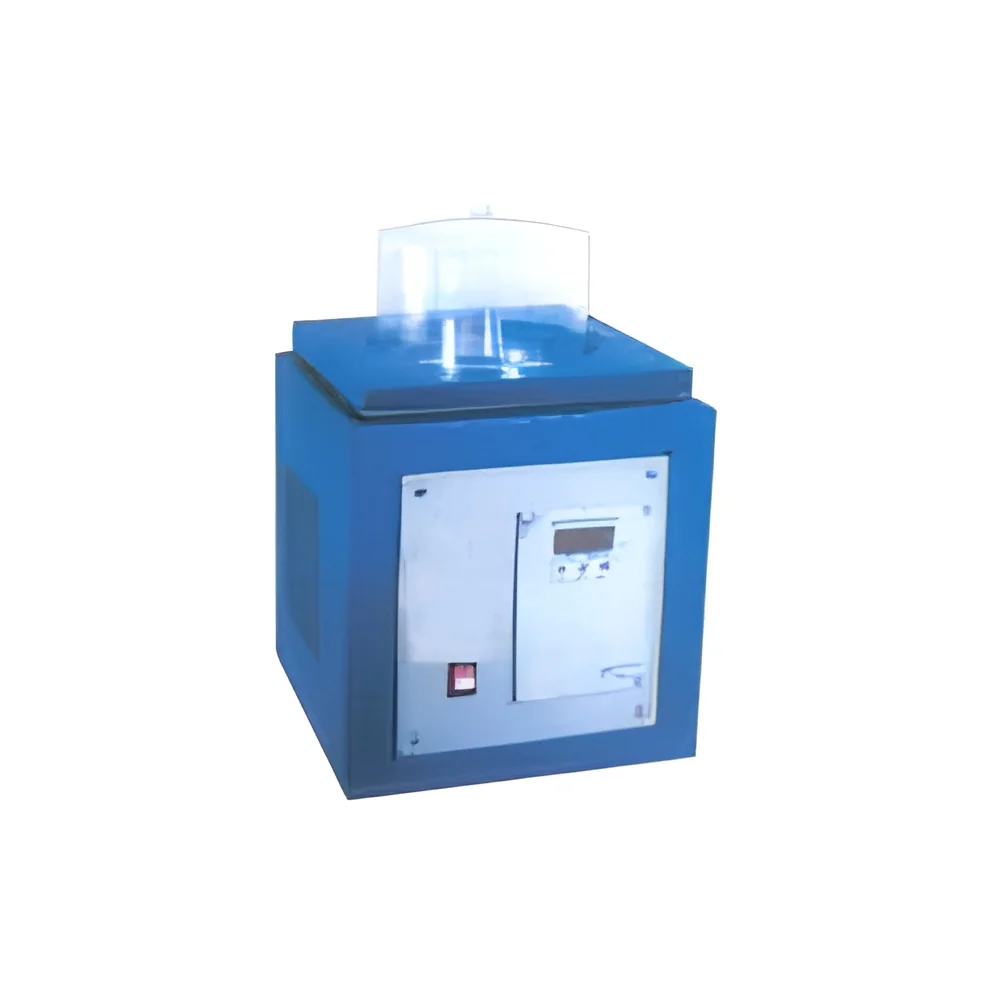
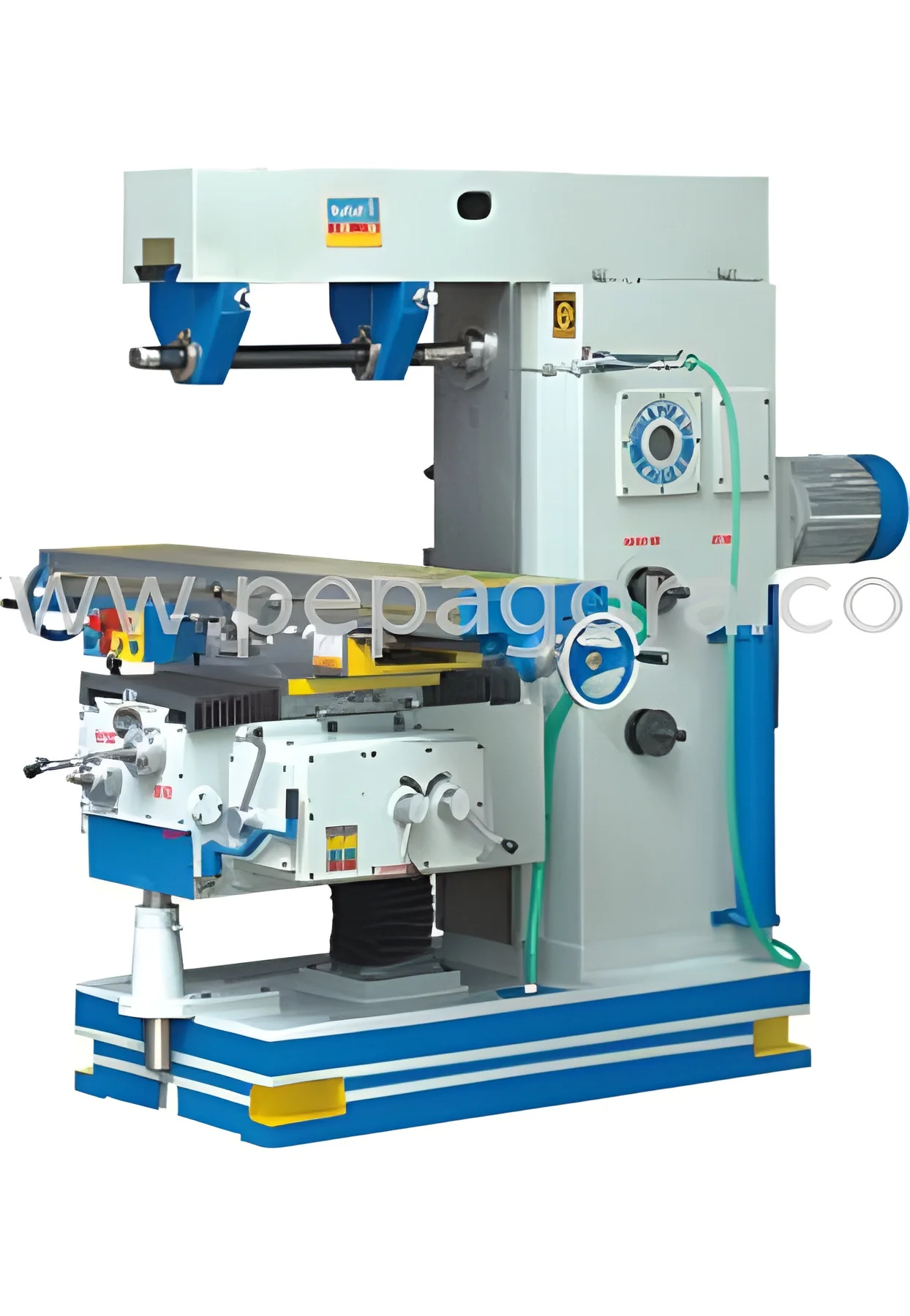
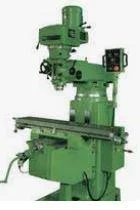
Milling machines are designed to remove material from workpieces using rotary cutters. They are versatile and can perform various operations, including drilling and contouring.
Drilling Machines
Drilling machines are specialized for creating holes in various materials. They offer precise control over depth and diameter, making them crucial for manufacturing applications.
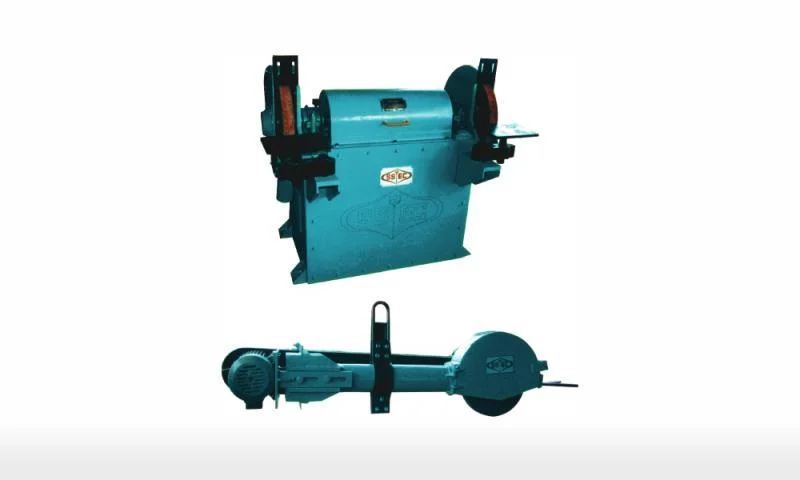
Grinding Machines
Grinding machines are used for finishing processes, providing high levels of precision and surface quality. They are ideal for sharpening tools and finishing parts to specific tolerances.
𝗕𝗲𝗻𝗲𝗳𝗶𝘁𝘀 𝗮𝗻𝗱 𝗔𝗱𝘃𝗮𝗻𝘁𝗮𝗴𝗲𝘀
Investing in machine tools and accessories offers numerous advantages that can enhance operational efficiency.
1. Increased Efficiency: Machine tools automate many processes, significantly reducing production time and increasing output.
2. Precision Manufacturing: The high accuracy of machine tools ensures that components meet exact specifications, which is crucial for quality control.
3. Flexibility: Many machine tools can be adapted for different tasks or materials, allowing businesses to pivot quickly to meet changing demands.
4. Cost Savings: By optimizing production processes, machine tools can lead to lower labor costs and reduced material waste.
5. Improved Safety: Modern machine tools come with advanced safety features that protect operators and reduce the risk of accidents.
6. Enhanced Competitiveness: Businesses that leverage advanced machine tools can produce higher quality products faster, giving them an edge in the market.
𝗕𝘂𝘆𝗶𝗻𝗴 𝗚𝘂𝗶𝗱𝗲 𝗳𝗼𝗿 𝗕𝟮𝗕 𝗕𝘂𝘆𝗲𝗿𝘀
When sourcing machine tools and accessories, a strategic approach is essential for making informed purchasing decisions.
1. Quality Assessment: Evaluate the quality of the machine tools by checking certifications, user reviews, and performance data. High-quality tools ensure durability and reliability.
2. Supplier Verification: Conduct thorough background checks on suppliers to ensure they are reputable and reliable. Look for verified ratings and industry experience.
3. Pricing and MOQ: Understand the pricing structures and minimum order quantities. This information will help you budget effectively and negotiate better terms.
4. Delivery and Lead Times: Inquire about delivery schedules and lead times. Timely delivery is crucial in maintaining production schedules and avoiding downtime.
5. Compliance Requirements: Be aware of any regulatory compliance requirements for the tools you are purchasing. Ensure that the suppliers meet all necessary industry standards.
𝗖𝗼𝗺𝗽𝗹𝗶𝗮𝗻𝗰𝗲 𝗮𝗻𝗱 𝗖𝗲𝗿𝘁𝗶𝗳𝗶𝗰𝗮𝘁𝗶𝗼𝗻𝘀
Compliance and certifications play a critical role in the machine tools and accessories industry. Adhering to relevant quality standards like ISO 9001 ensures that products meet international benchmarks for quality management systems. This standard promotes consistent quality and continual improvement.
Industry certifications such as CE are essential for products sold in European markets. CE marking indicates that the product complies with EU safety, health, and environmental protection standards.
Safety and testing requirements are also paramount. Machine tools must undergo rigorous testing to ensure they operate safely and effectively under various conditions.
Finally, regional compliance considerations may vary based on local regulations. It is crucial for businesses to stay informed about these requirements to ensure compliance and avoid potential legal issues.
𝗪𝗵𝘆 𝗦𝗼𝘂𝗿𝗰𝗲 𝗠𝗮𝗰𝗵𝗶𝗻𝗲 𝗧𝗼𝗼𝗹𝘀 & 𝗔𝗰𝗰𝗲𝘀𝘀𝗼𝗿𝗶𝗲𝘀 𝗳𝗿𝗼𝗺 𝗣𝗲𝗽𝗮𝗴𝗼𝗿𝗮?
Pepagora offers an exceptional platform for businesses looking to source machine tools and accessories. With a verified supplier network, buyers can trust that they are partnering with reputable manufacturers who meet quality standards.
The streamlined RFQ process simplifies the purchasing journey, allowing buyers to request quotes from multiple suppliers quickly. This competitive environment encourages better pricing and terms for buyers.
Additionally, trade assurance and support from Pepagora provide an added layer of security for transactions. Buyers can feel confident that they are protected throughout the purchasing process.
Pepagora’s regional coverage spans India, the GCC, and Southeast Asia, making it an ideal resource for businesses looking to connect with suppliers in these areas. This expansive network ensures that buyers have access to a diverse range of products and services tailored to their specific needs.




Frequently Asked Questions
What are Machine Tools & Accessories?
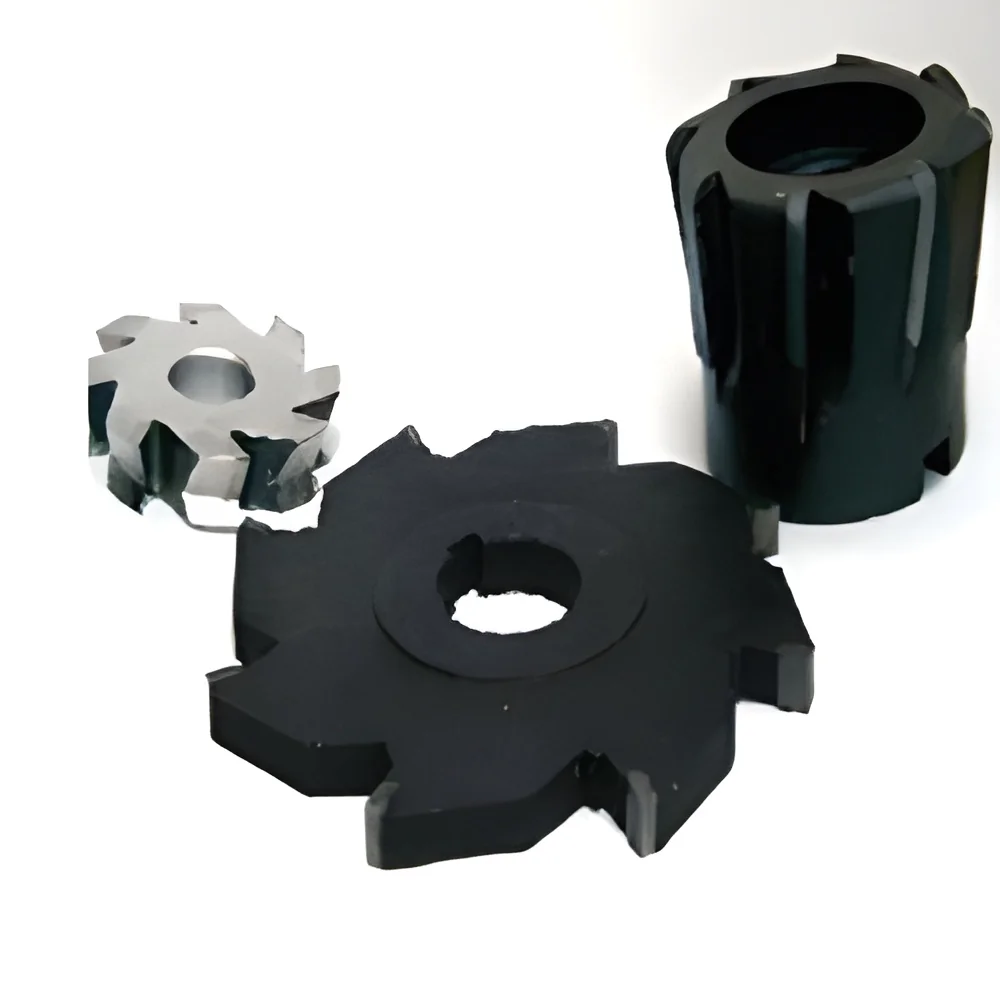
Machine Tools & Accessories are specialized equipment used for shaping, cutting, and finishing materials like metal and wood. They include tools such as lathes, milling machines, and grinders, along with accessories like tool holders and cutting tools. These tools are essential in manufacturing and engineering applications.
What are the different types of Machine Tools & Accessories?
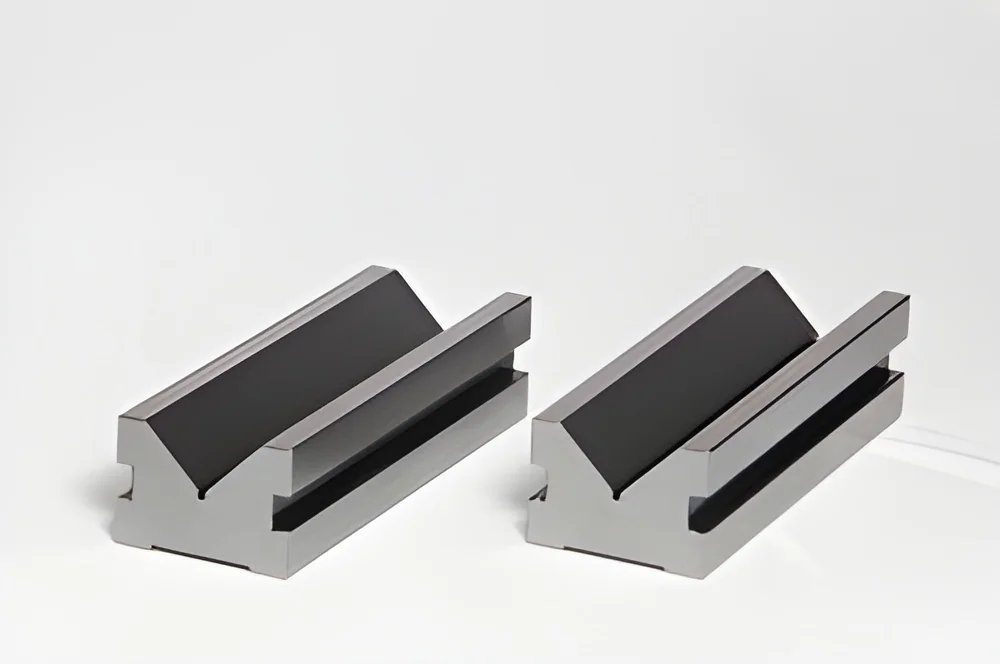
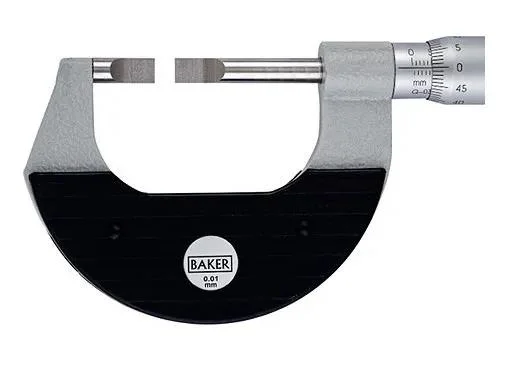
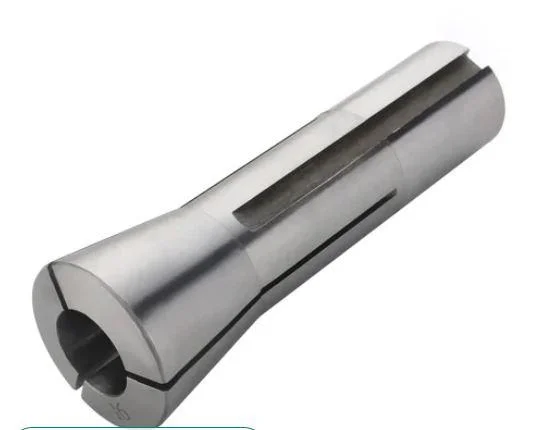
There are several types of Machine Tools & Accessories, including lathes, drilling machines, milling machines, grinding machines, and CNC machines. Accessories can include tool holders, cutting tools, workholding devices, and measuring instruments. Each type serves a specific purpose in the machining process.
How do I choose the right Machine Tools & Accessories?
Choosing the right Machine Tools & Accessories involves considering factors such as the material being machined, the complexity of the job, and the desired finish. It's also important to assess the machine's capabilities, including speed, precision, and power. Consulting with suppliers and reviewing technical specifications can aid in making an informed decision.
What are the standard specifications for Machine Tools & Accessories?
Standard specifications for Machine Tools & Accessories include parameters such as power rating, spindle speed, precision tolerance, and weight. These specifications can vary widely depending on the type of machine and its intended application. It's crucial to review these details to ensure compatibility with your specific machining needs.
What is the price range for Machine Tools & Accessories?
The price range for Machine Tools & Accessories can vary significantly based on the type, brand, and specifications. Generally, prices can start from a few thousand rupees for basic tools and can go up to several lakhs for advanced machines. It's advisable to compare prices from different suppliers to find the best deal.
What quality standards apply to Machine Tools & Accessories?
Machine Tools & Accessories are subjected to various quality standards, including ISO standards for manufacturing and safety. These standards ensure that the tools meet specific performance, reliability, and safety criteria. Compliance with these standards is crucial for ensuring high-quality outcomes in machining processes.
Where can I find Machine Tools & Accessories suppliers in India?
You can find Machine Tools & Accessories suppliers in India through online B2B marketplaces like Pepagora, industry trade shows, and local manufacturing directories. Additionally, networking within industry associations can provide leads on reputable suppliers. It's beneficial to request quotes and compare offerings from multiple suppliers.
Can Machine Tools & Accessories be customized?
Yes, many Machine Tools & Accessories can be customized based on specific requirements. Customization may include modifications to size, features, or additional attachments to enhance functionality. Discussing your needs with suppliers can help in determining the available customization options.
What is the typical minimum order quantity for Machine Tools & Accessories?
The typical minimum order quantity (MOQ) for Machine Tools & Accessories can vary by supplier and product type. Generally, MOQs may range from a single unit for standard tools to larger quantities for custom or specialized equipment. It's best to confirm the MOQ with the supplier before placing an order.
What is the typical lead time for Machine Tools & Accessories?
The typical lead time for Machine Tools & Accessories can range from a few days to several weeks, depending on the product's availability and customization requirements. Standard items usually have shorter lead times, while custom orders may take longer. Always check with your supplier for accurate delivery timelines.
Why Businesses Trust Pepagora
Thousands of companies trust Pepagora to source smarter and sell faster
Expand Your Sales Globally

Source Smarter,Grow Faster
