
 IN
Control Panels & PLCs
754 products available
𝗪𝗵𝗮𝘁 𝗮𝗿𝗲 𝗖𝗼𝗻𝘁𝗿𝗼𝗹 𝗣𝗮𝗻𝗲𝗹𝘀 & 𝗣𝗟𝗖𝘀?
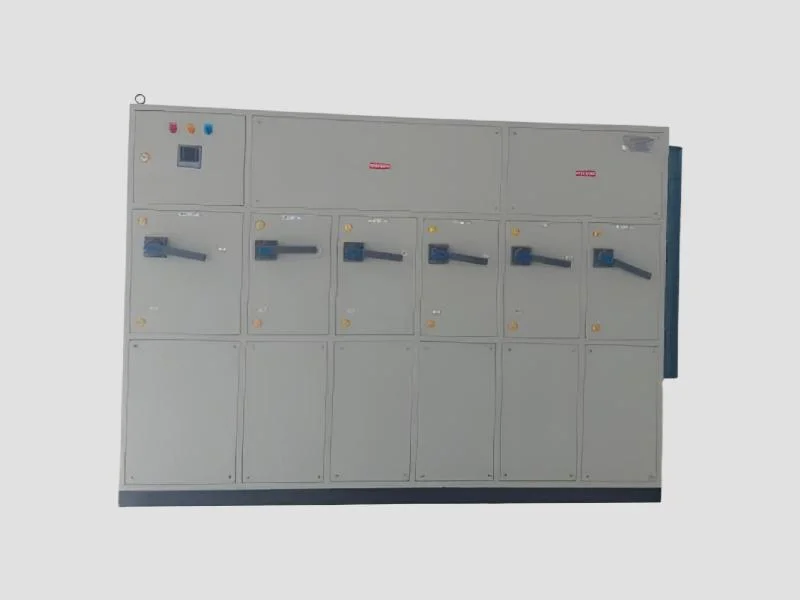
Control panels and programmable logic controllers (PLCs) are essential components in modern industrial automation. Control panels serve as the centralized hub for monitoring and controlling machinery and processes. They house various electrical components, including switches, relays, and displays, that allow operators to interact with equipment. PLCs, on the other hand, are specialized computers designed to execute control functions based on input data from sensors and devices. Together, they ensure efficient operation and management of production lines, machinery, and other automated systems.
These systems find extensive use across diverse sectors such as manufacturing, oil and gas, water treatment, and food processing. In manufacturing, control panels and PLCs facilitate precision in production, allowing for real-time monitoring and adjustments. In the oil and gas industry, these products help in managing complex processes, ensuring safety and efficiency. Their versatility makes them critical in applications where automation and control are paramount.
The relevance of control panels and PLCs in today's market cannot be overstated. As industries continue to embrace automation for improved productivity and reduced labor costs, the demand for reliable and efficient control systems is on the rise. The global market for industrial automation is growing, driven by advancements in technology and the need for smart manufacturing solutions.
𝗞𝗲𝘆 𝗙𝗲𝗮𝘁𝘂𝗿𝗲𝘀 𝗮𝗻𝗱 𝗦𝗽𝗲𝗰𝗶𝗳𝗶𝗰𝗮𝘁𝗶𝗼𝗻𝘀
Control panels and PLCs come with a range of features designed to enhance functionality, reliability, and user experience. Understanding the key specifications is crucial for selecting the right solution for your business needs.
Key specifications include:
1. Input/Output (I/O) Capacity
- Determines the number of devices that can be connected
- Ranges from a few to several hundred I/O points
2. Communication Protocols
- Supports various industrial protocols like Modbus, Ethernet/IP, and Profibus
- Ensures interoperability with other devices and systems
3. Power Supply Requirements
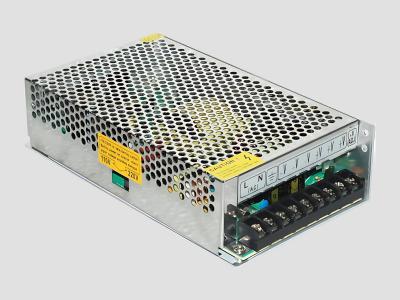
- Typically operates on standard voltages such as 24V DC or 120V AC
- Power consumption varies based on configuration and load
4. Operating Temperature Range
- Designed to function within specific temperature limits
- Commonly ranges from -10 to 60 degrees Celsius
5. Enclosure Rating
- Specifies the degree of protection against dust and moisture
- Common ratings include IP54 and IP67 for harsh environments
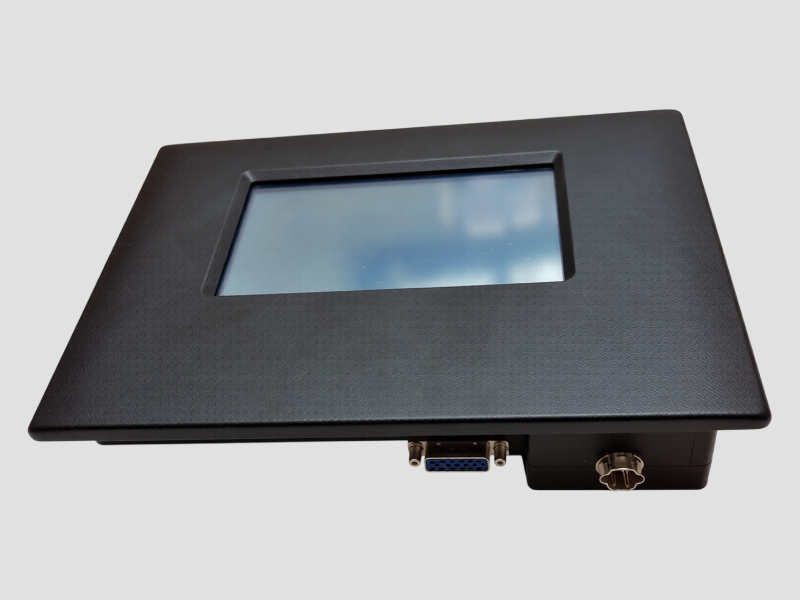
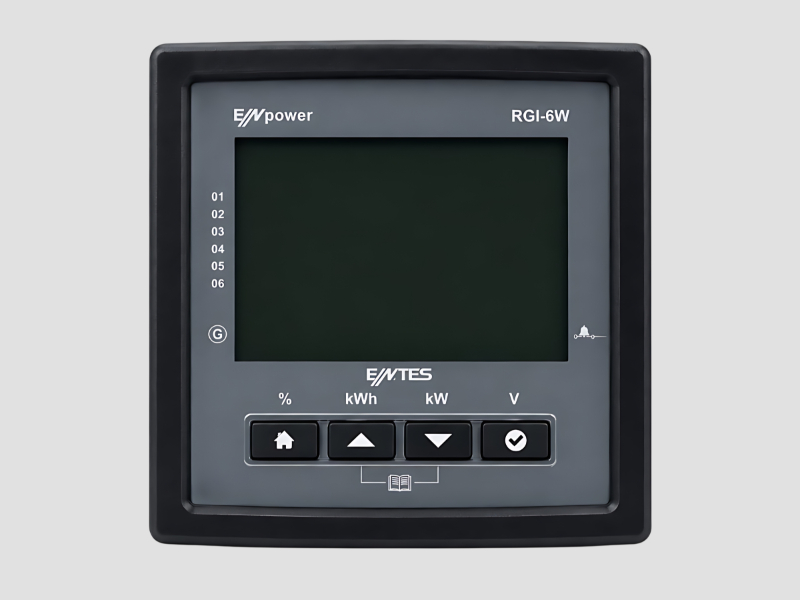
6. Display Options
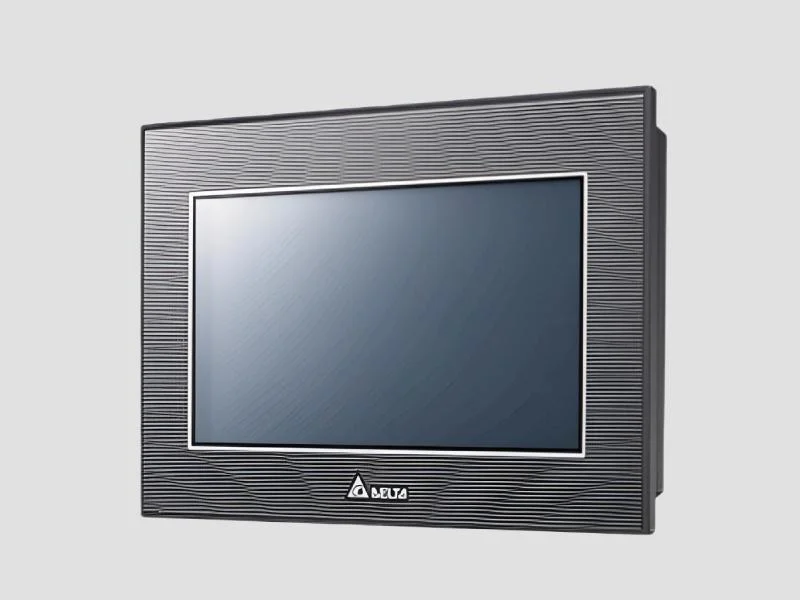
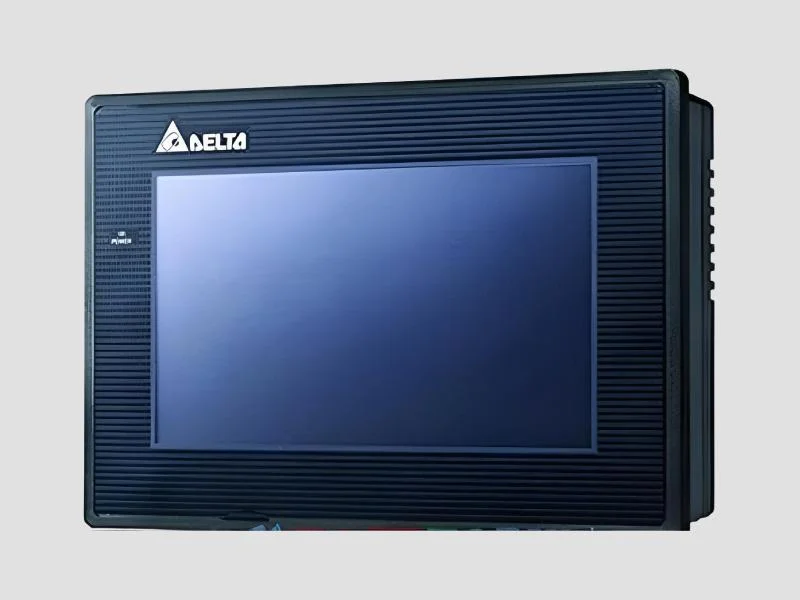
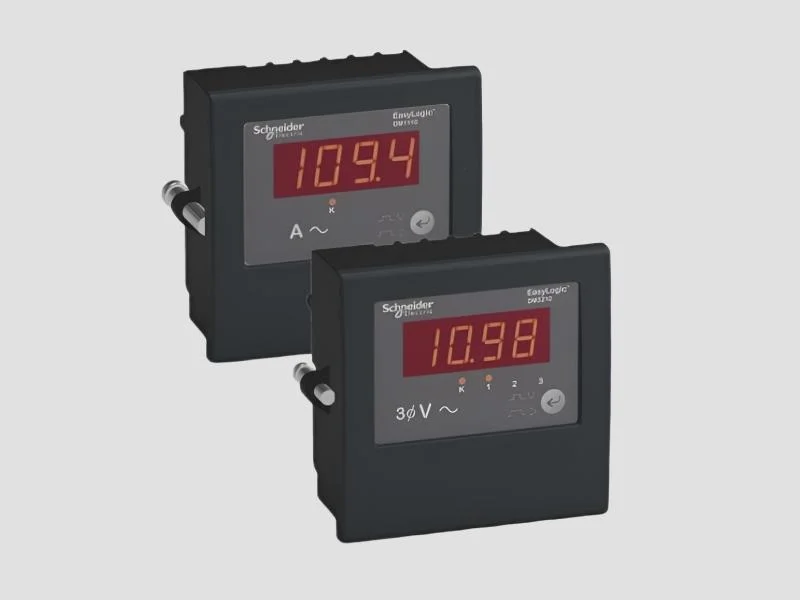
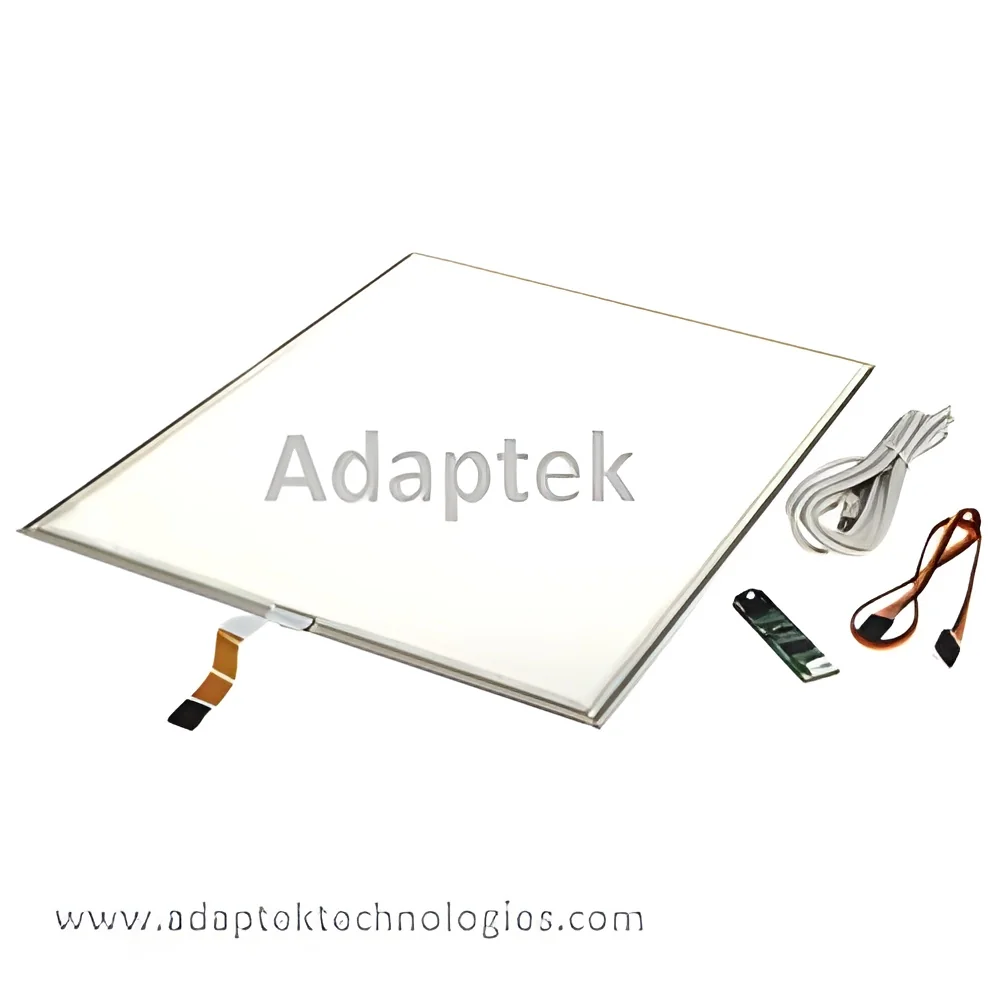
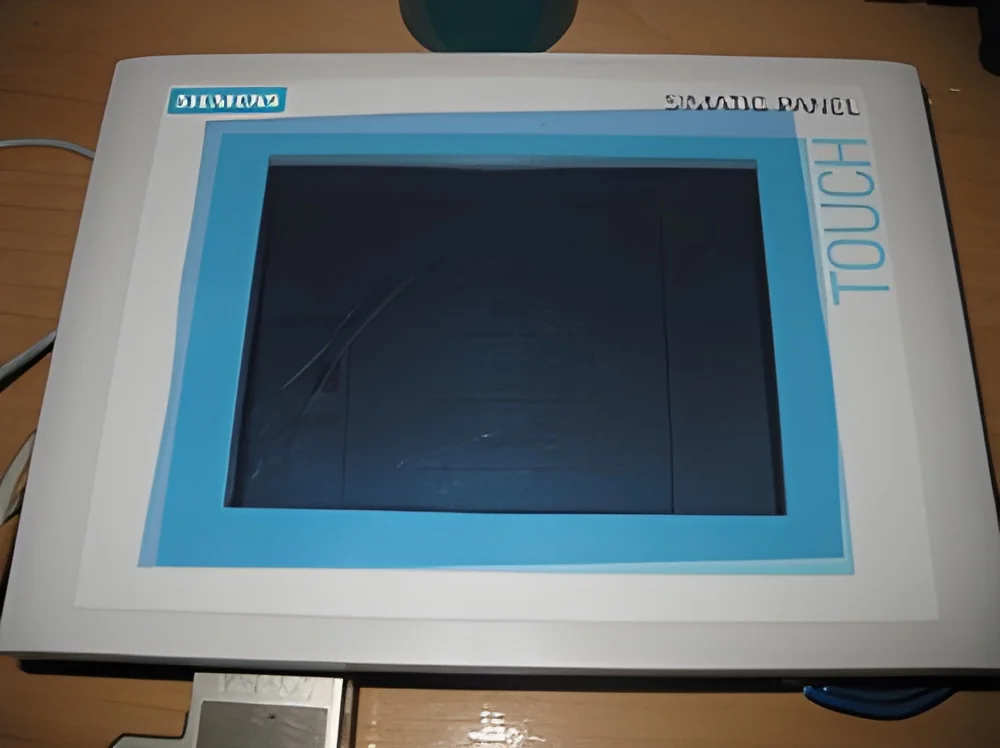
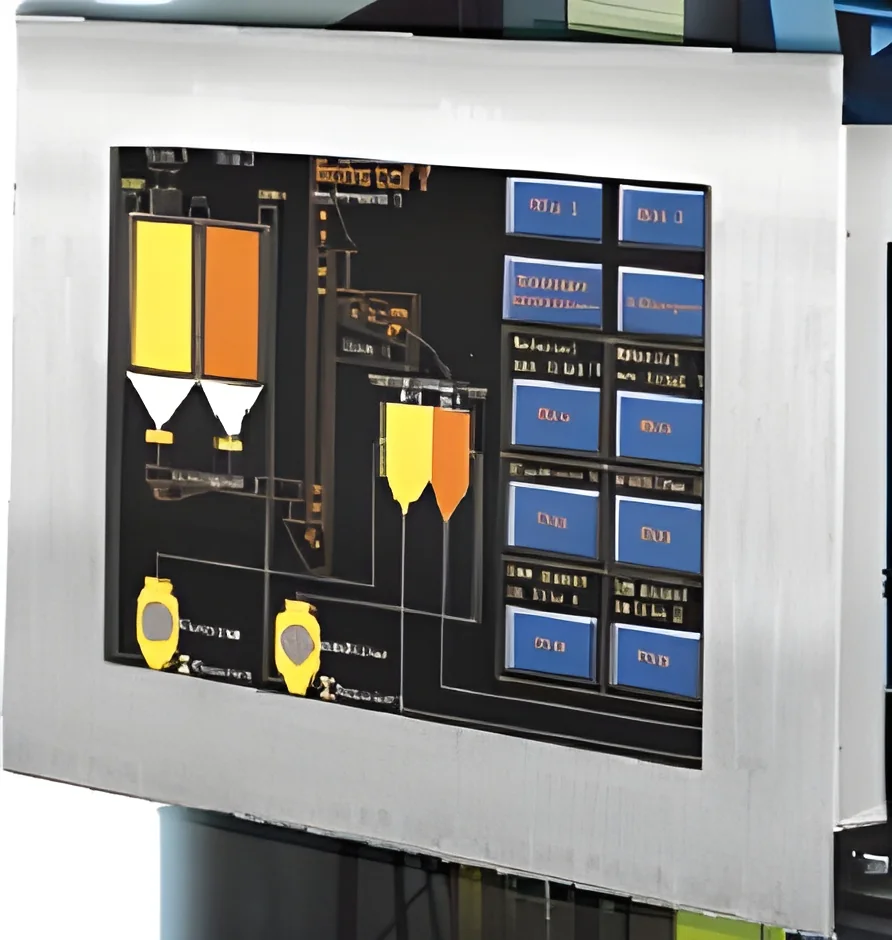
- May include LED indicators, LCD screens, or touch panels
- Facilitates user interaction and system monitoring
7. Programming Environment
- Supports various programming languages such as Ladder Logic and Function Block
- Provides user-friendly software for configuration
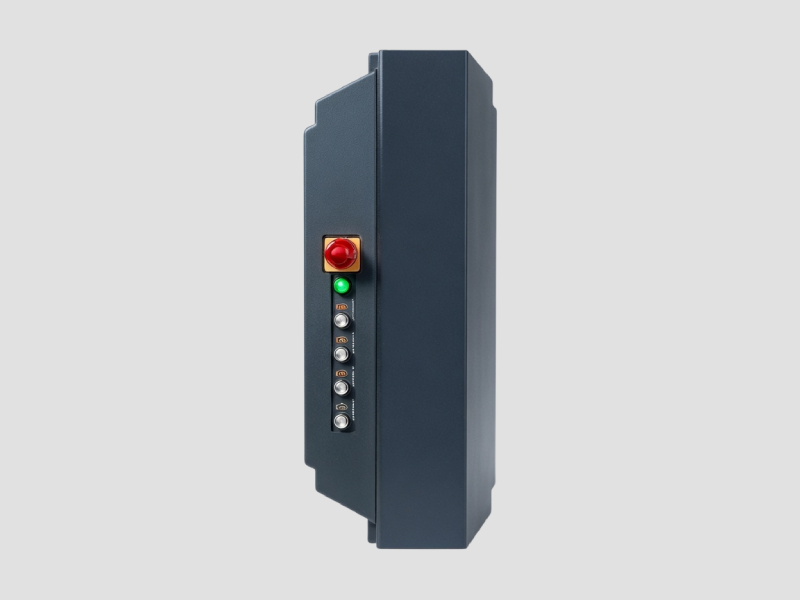
8. Safety Features
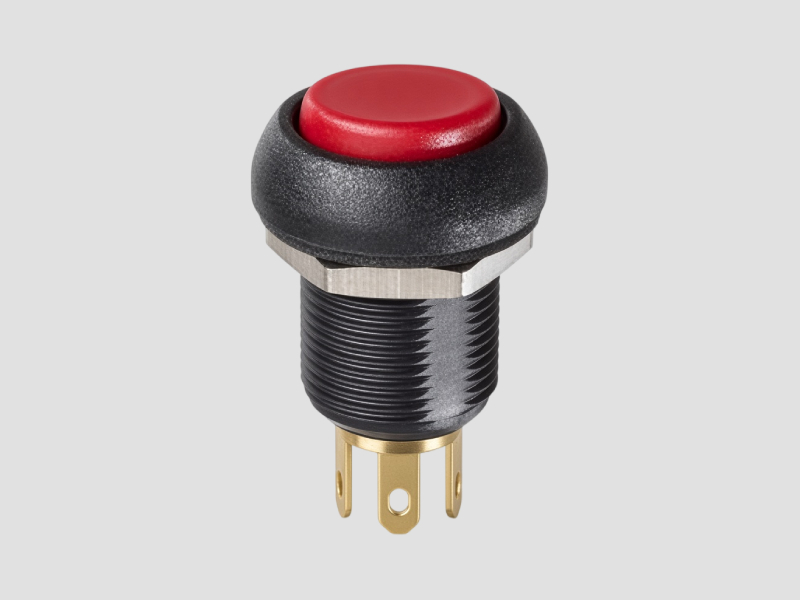
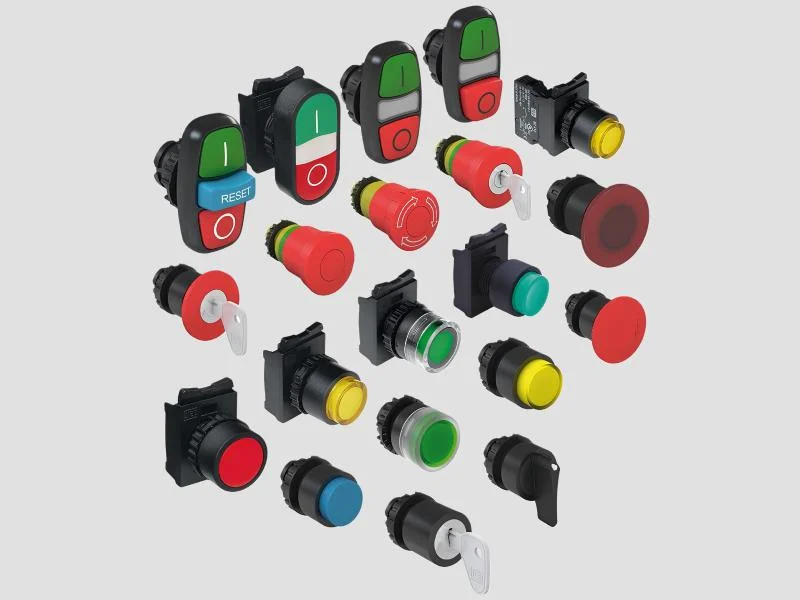
- Includes emergency stop buttons, alarms, and fault detection
- Ensures safe operation in critical applications
These specifications are essential for ensuring that control panels and PLCs align with the operational requirements and safety standards of the industry.
𝗖𝗼𝗺𝗺𝗼𝗻 𝗔𝗽𝗽𝗹𝗶𝗰𝗮𝘁𝗶𝗼𝗻𝘀 𝗮𝗻𝗱 𝗨𝘀𝗲 𝗖𝗮𝘀𝗲𝘀
Control panels and PLCs are utilized across multiple industries, showcasing their versatility and importance in automation.
1. Manufacturing: In manufacturing plants, control panels and PLCs manage assembly lines, monitor production processes, and ensure product quality through automated controls.
2. Oil and Gas: These systems control drilling operations, manage pressure levels, and ensure safe transport of materials, playing a critical role in operational safety.
3. Water Treatment: Control panels and PLCs regulate water treatment processes, including filtration, chemical dosing, and distribution, contributing to efficient operations.
4. Food Processing: In the food and beverage industry, they oversee production lines, monitor temperatures, and ensure compliance with health regulations.
5. Automotive: Control systems in automotive manufacturing manage robotic arms, assembly processes, and quality checks, enhancing efficiency in vehicle production.
6. Pharmaceuticals: In this sector, control panels and PLCs help maintain strict environmental controls and monitor production processes to meet regulatory standards.
7. HVAC: Control panels are integral in heating, ventilation, and air conditioning systems, allowing for precise climate control and energy efficiency.
𝗣𝗿𝗼𝗱𝘂𝗰𝘁 𝗩𝗮𝗿𝗶𝗮𝗻𝘁𝘀 𝗮𝗻𝗱 𝗦𝘂𝗯𝗰𝗮𝘁𝗲𝗴𝗼𝗿𝗶𝗲𝘀
Control panels and PLCs come in various configurations to meet specific application needs.
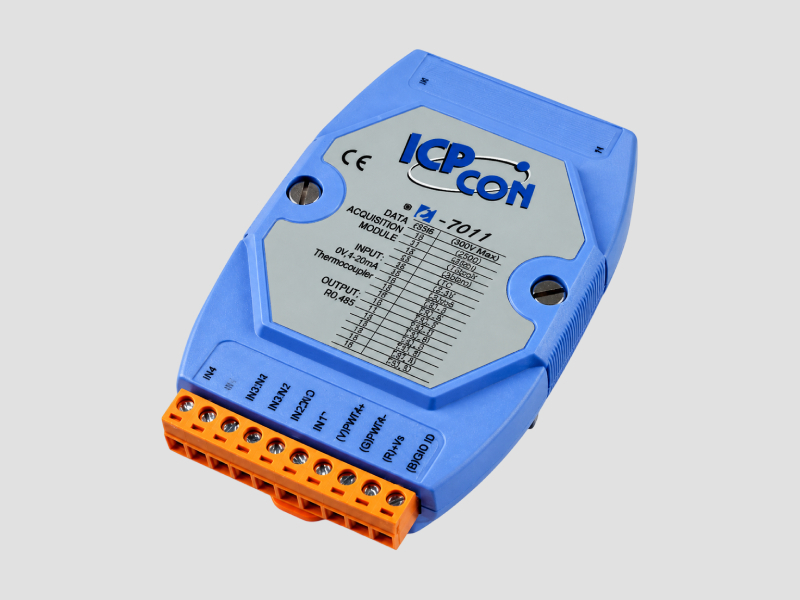
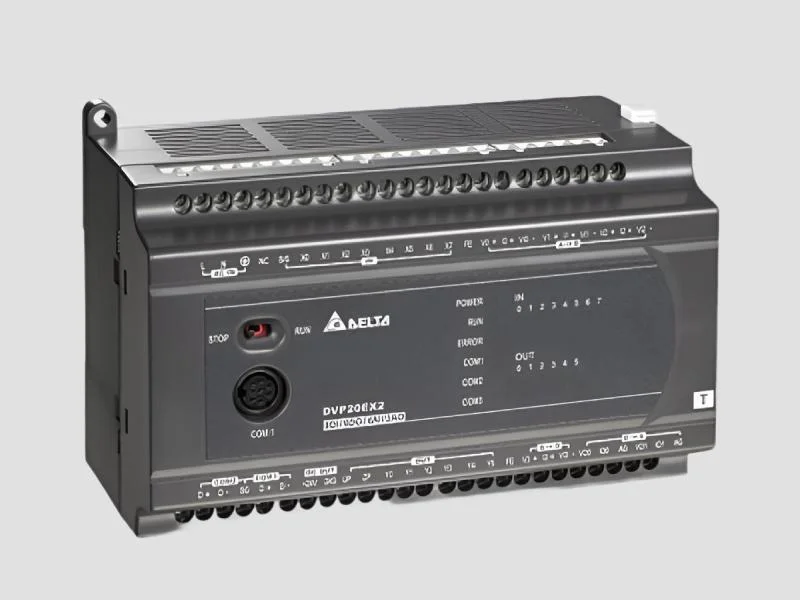
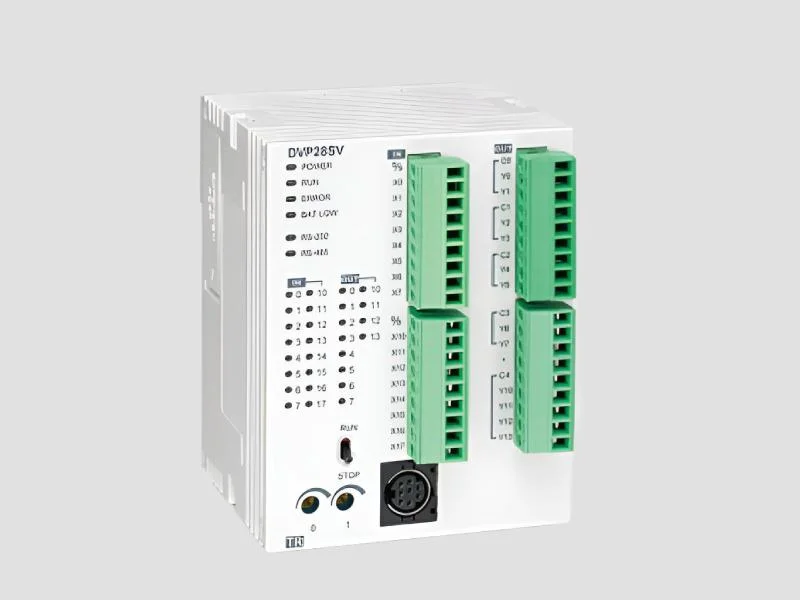
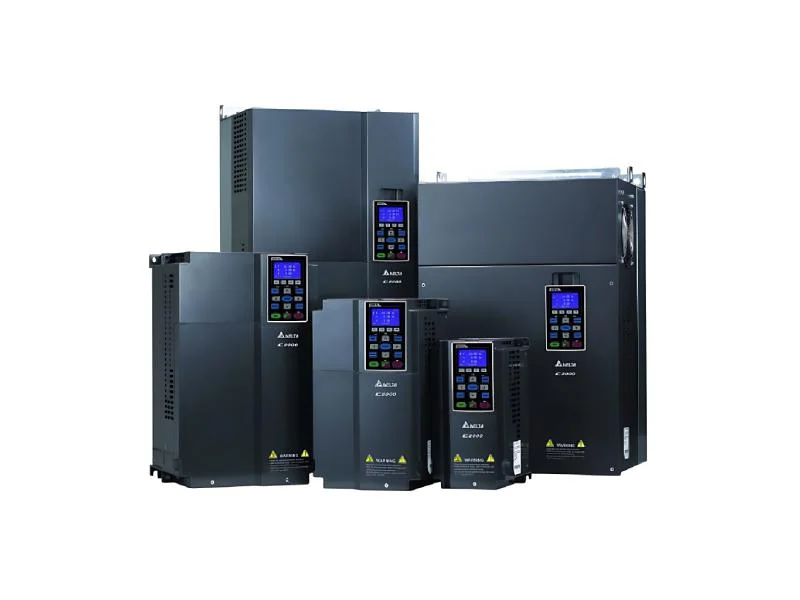
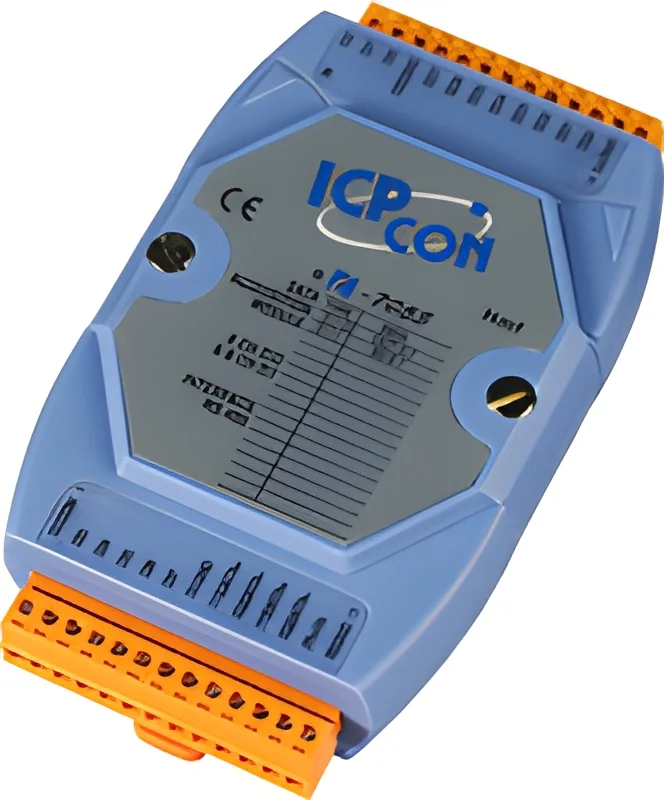
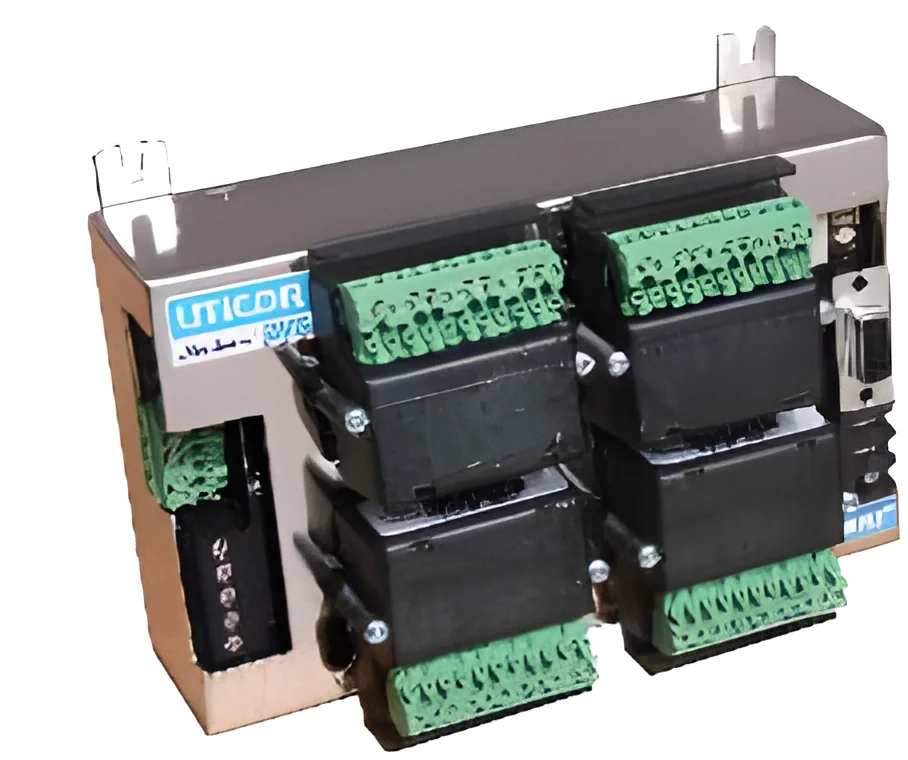
Compact PLCs: These are designed for smaller applications with limited I/O requirements. They are easy to integrate and ideal for simple automation tasks.
Modular PLCs: Offering flexibility, modular PLCs allow users to customize their systems by adding or removing modules as needed, making them suitable for complex applications.
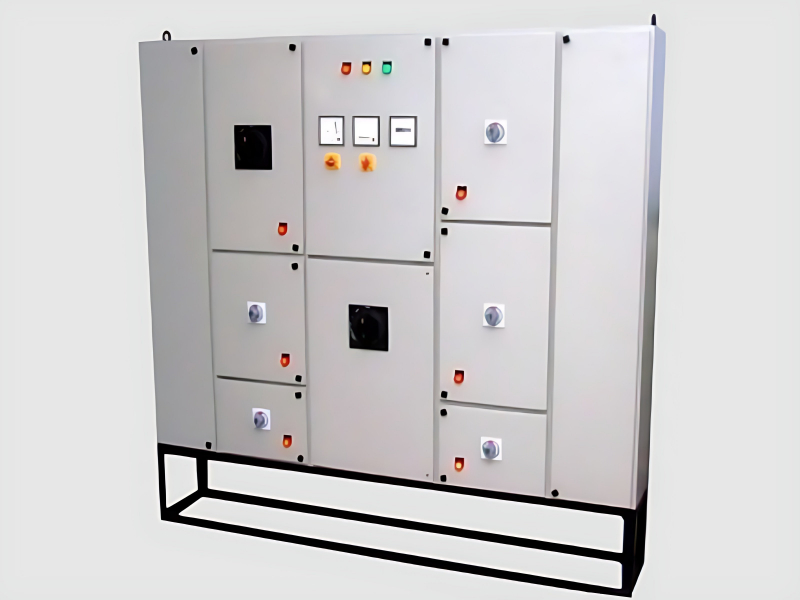
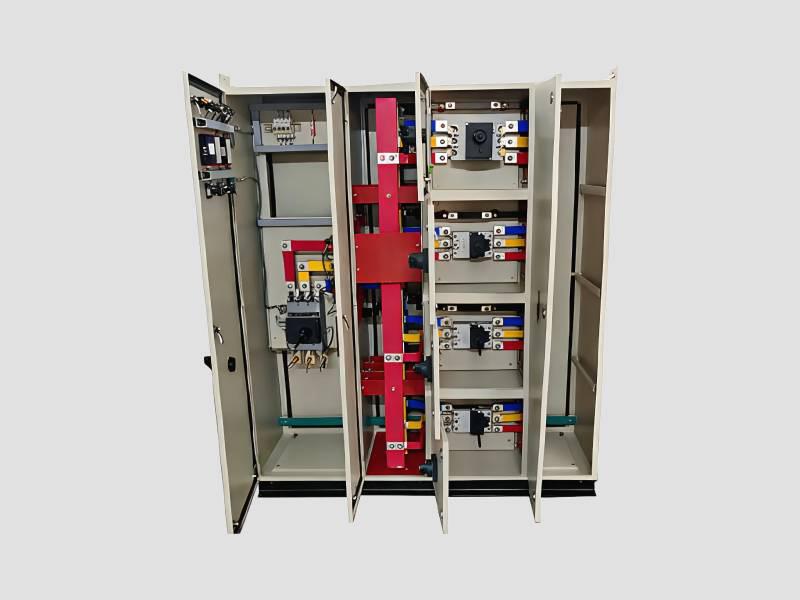
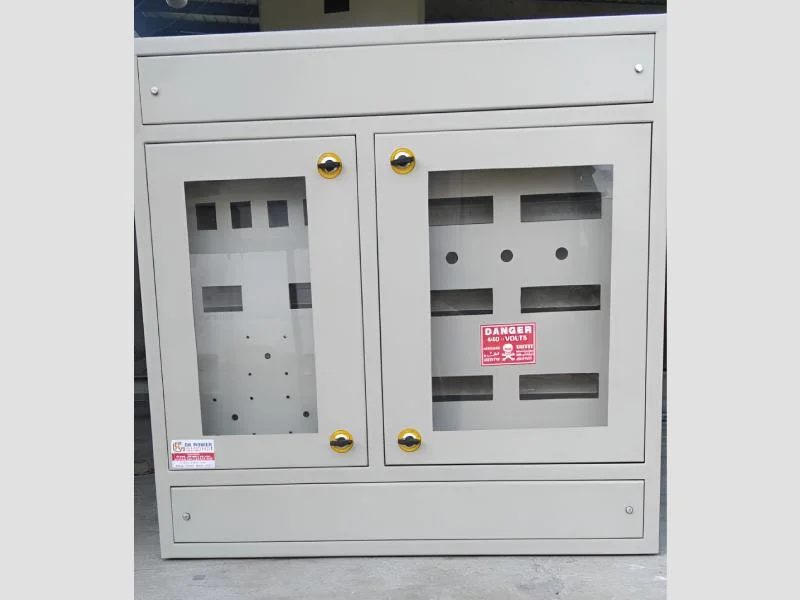
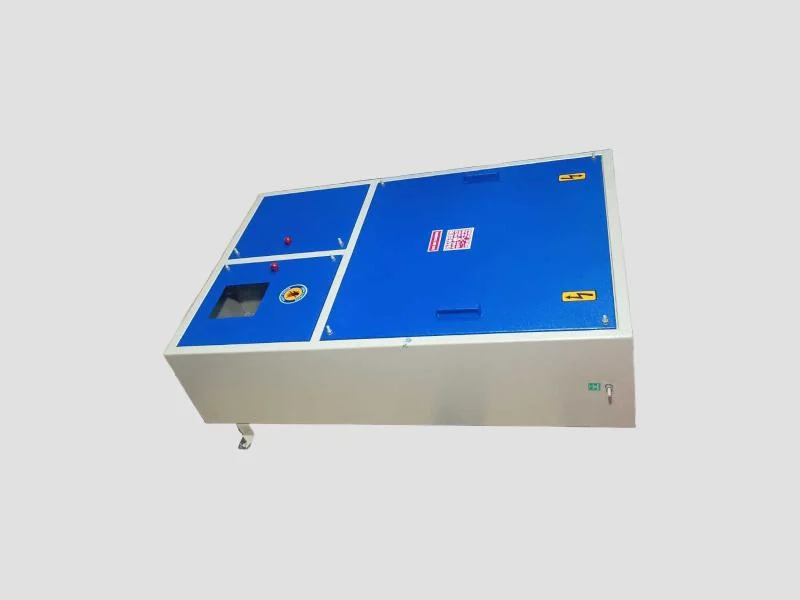
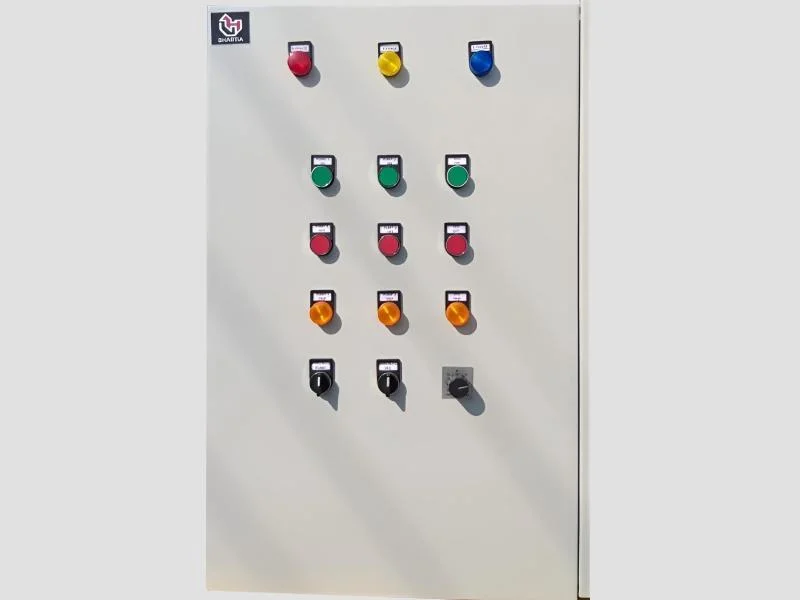
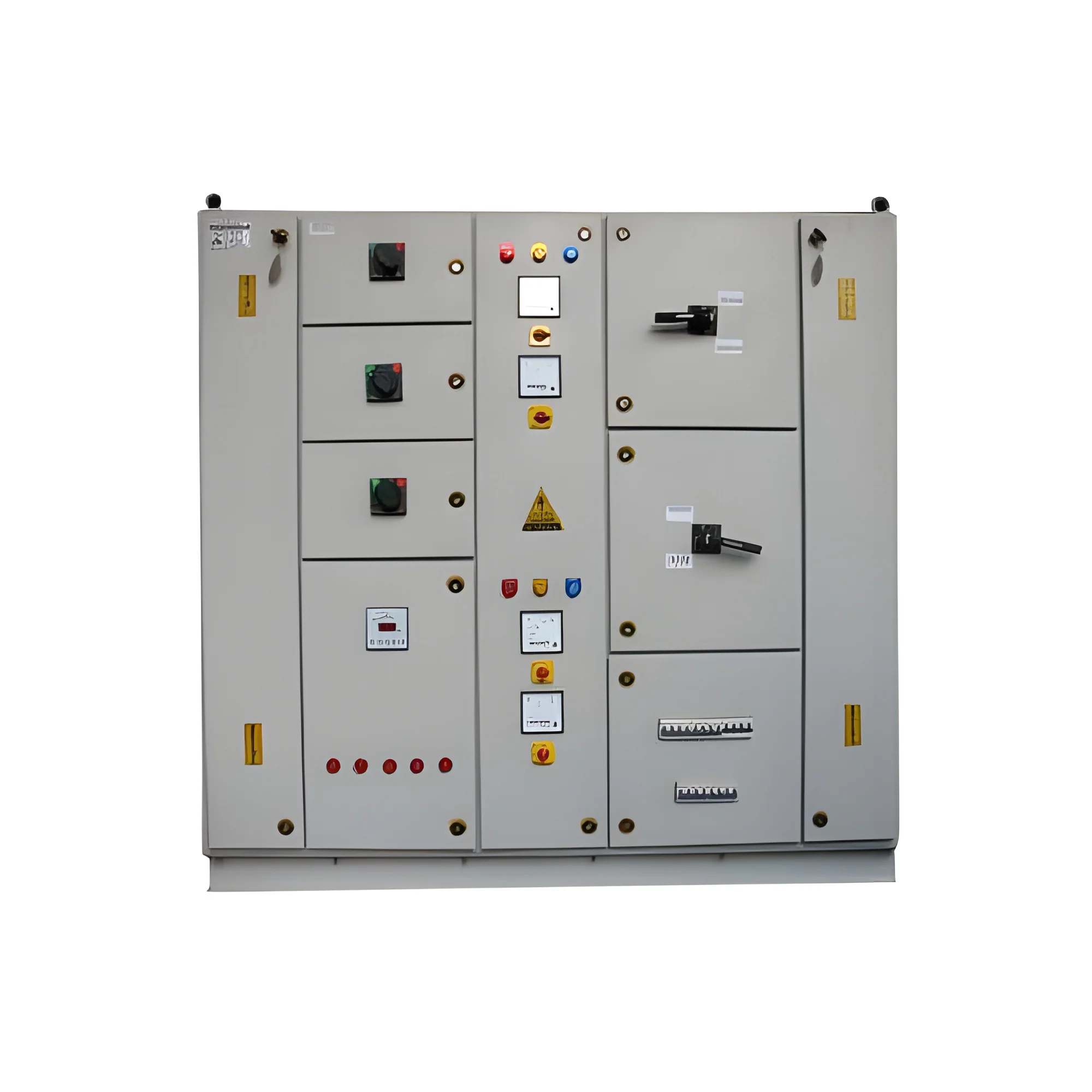
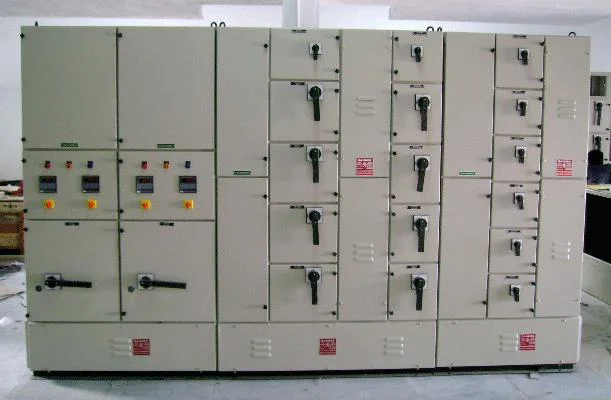
Panel-mounted Control Systems: These systems are installed in dedicated enclosures for easy access and maintenance. They are ideal for industrial environments where space is at a premium.
𝗕𝗲𝗻𝗲𝗳𝗶𝘁𝘀 𝗮𝗻𝗱 𝗔𝗱𝘃𝗮𝗻𝘁𝗮𝗴𝗲𝘀
Investing in control panels and PLCs brings numerous advantages to businesses.
1. Enhanced Efficiency: These systems automate processes, reducing manual intervention and increasing overall productivity.
2. Improved Accuracy: PLCs ensure precise control over machinery, minimizing errors and enhancing product quality.
3. Greater Flexibility: The modular design of PLCs allows for easy upgrades and customization to meet changing business needs.
4. Real-Time Monitoring: Control panels provide operators with immediate access to system status, enabling quick decision-making.
5. Cost Savings: Automation leads to lower operational costs by reducing labor and minimizing waste.
6. Safety Improvements: Integrated safety features enhance workplace safety by preventing unauthorized access and managing emergency situations.
𝗕𝘂𝘆𝗶𝗻𝗴 𝗚𝘂𝗶𝗱𝗲 𝗳𝗼𝗿 𝗕𝟮𝗕 𝗕𝘂𝘆𝗲𝗿𝘀
When sourcing control panels and PLCs, it is essential to consider several critical factors to ensure you make an informed decision.
1. Quality Assessment: Evaluate products based on established quality standards such as ISO 9001. Look for certifications that indicate reliability and performance.
2. Supplier Verification: Vet suppliers by checking their credentials, customer feedback, and industry experience. A reliable supplier is crucial for long-term partnerships.
3. Pricing and MOQ: Understand the pricing structure and minimum order quantities. This information helps in budgeting and planning your procurement needs.
4. Delivery and Lead Times: Inquire about logistics and expected delivery times. Timely delivery is vital to avoid disruptions in production schedules.
5. Compliance Requirements: Ensure that the products meet relevant regulatory standards, such as CE certification, to avoid compliance issues in your operations.
𝗖𝗼𝗺𝗽𝗹𝗶𝗮𝗻𝗰𝗲 𝗮𝗻𝗱 𝗖𝗲𝗿𝘁𝗶𝗳𝗶𝗰𝗮𝘁𝗶𝗼𝗻𝘀
Compliance with industry standards and certifications is vital for ensuring quality and safety in control panels and PLCs.
Relevant quality standards, such as ISO 9001, ensure that products meet consistent quality management principles. These standards help organizations improve overall performance and customer satisfaction.
Industry certifications like CE indicate compliance with European safety and performance requirements. This certification assures users that the products have undergone rigorous testing and meet necessary safety standards.
Safety and testing requirements are essential to ensure that control panels and PLCs function effectively under various operating conditions. Regular testing and adherence to safety protocols help mitigate risks in industrial environments.
Additionally, regional compliance considerations may vary depending on the market. It is crucial for manufacturers and suppliers to stay updated on local regulations to ensure their products remain compliant.
𝗪𝗵𝘆 𝗦𝗼𝘂𝗿𝗰𝗲 𝗖𝗼𝗻𝘁𝗿𝗼𝗹 𝗣𝗮𝗻𝗲𝗹𝘀 & 𝗣𝗟𝗖𝘀 𝗳𝗿𝗼𝗺 𝗣𝗲𝗽𝗮𝗴𝗼𝗿𝗮?
Pepagora provides an excellent platform for sourcing control panels and PLCs, offering several significant advantages.
Verified Supplier Network: Pepagora ensures that all suppliers are thoroughly vetted for reliability and quality. This verification process provides buyers with confidence in their purchasing decisions.
Streamlined RFQ Process: The platform's Request for Quotation (RFQ) system simplifies the procurement process, allowing buyers to easily compare offers from multiple suppliers.
Trade Assurance and Support: Pepagora prioritizes buyer protection, offering trade assurance mechanisms that safeguard transactions and ensure satisfactory delivery of products.
Regional Coverage: With a strong presence in India, the GCC, and Southeast Asia, Pepagora connects buyers with suppliers across these regions, facilitating access to a diverse range of control panels and PLCs.














Frequently Asked Questions
What are Control Panels & PLCs?
Control Panels are electrical devices that manage and control various industrial processes by receiving input signals and providing output control. PLCs, or Programmable Logic Controllers, are specialized computers used for automation of industrial processes, allowing for real-time control and monitoring.
What are the different types of Control Panels & PLCs?
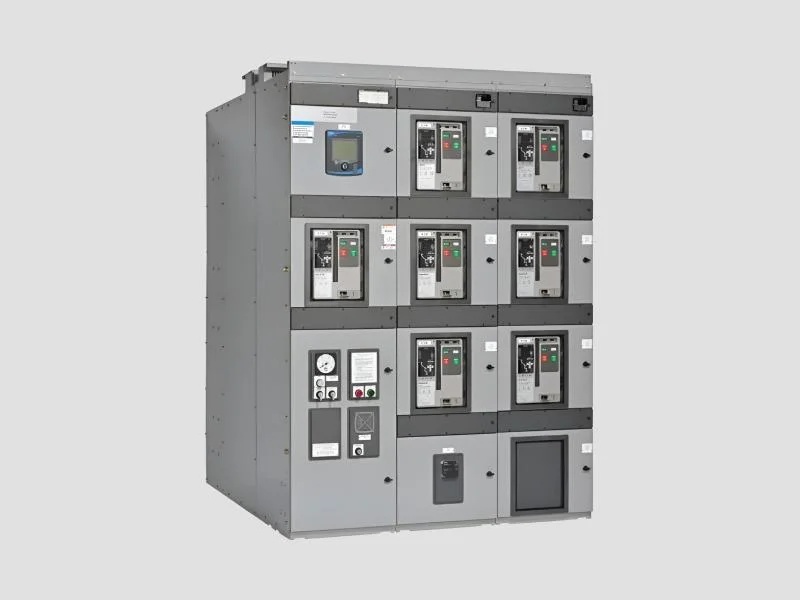
There are several types of Control Panels, including motor control centers, power distribution panels, and automation panels. PLCs come in various forms, such as compact, modular, and rack-mounted, each designed for specific applications and scalability.
How do I choose the right Control Panels & PLCs?
To choose the right Control Panels and PLCs, consider factors like the specific application, the required input/output points, and the complexity of the control logic. Additionally, evaluate the environmental conditions, communication protocols, and compatibility with existing systems.
What are the standard specifications for Control Panels & PLCs?
Standard specifications for Control Panels and PLCs typically include voltage ratings, current ratings, and environmental ratings such as temperature and humidity. Other specifications may involve communication interfaces, processing speed, and programming languages supported.
What is the price range for Control Panels & PLCs?
The price range for Control Panels and PLCs can vary significantly based on factors such as type, size, and features. Generally, prices can range from a few thousand to several lakhs of Indian Rupees, depending on the complexity and customization required.
What quality standards apply to Control Panels & PLCs?
Control Panels and PLCs must meet various quality standards, such as IEC, UL, and ISO certifications, which ensure safety, reliability, and performance. Compliance with these standards is crucial for ensuring that the equipment operates effectively in industrial environments.
Where can I find Control Panels & PLCs suppliers in India?
You can find Control Panels and PLCs suppliers in India through online B2B marketplaces like Pepagora, trade shows, and industry-specific directories. Additionally, networking within industrial sectors and seeking referrals can help locate reputable suppliers.
Can Control Panels & PLCs be customized?
Yes, Control Panels and PLCs can be customized to meet specific operational requirements. Customizations may include tailored configurations, unique sizes, and integration with other systems, depending on the manufacturer's capabilities.
What is the typical minimum order quantity for Control Panels & PLCs?
The typical minimum order quantity (MOQ) for Control Panels and PLCs varies by supplier and product type. Generally, MOQs can range from a single unit for standard products to larger quantities for customized solutions.
What is the typical lead time for Control Panels & PLCs?
The typical lead time for Control Panels and PLCs can vary based on the complexity of the order and the supplier's production capacity. Generally, lead times can range from a few weeks to several months, particularly for customized products.
Why Businesses Trust Pepagora
Thousands of companies trust Pepagora to source smarter and sell faster
Expand Your Sales Globally

Source Smarter,Grow Faster
