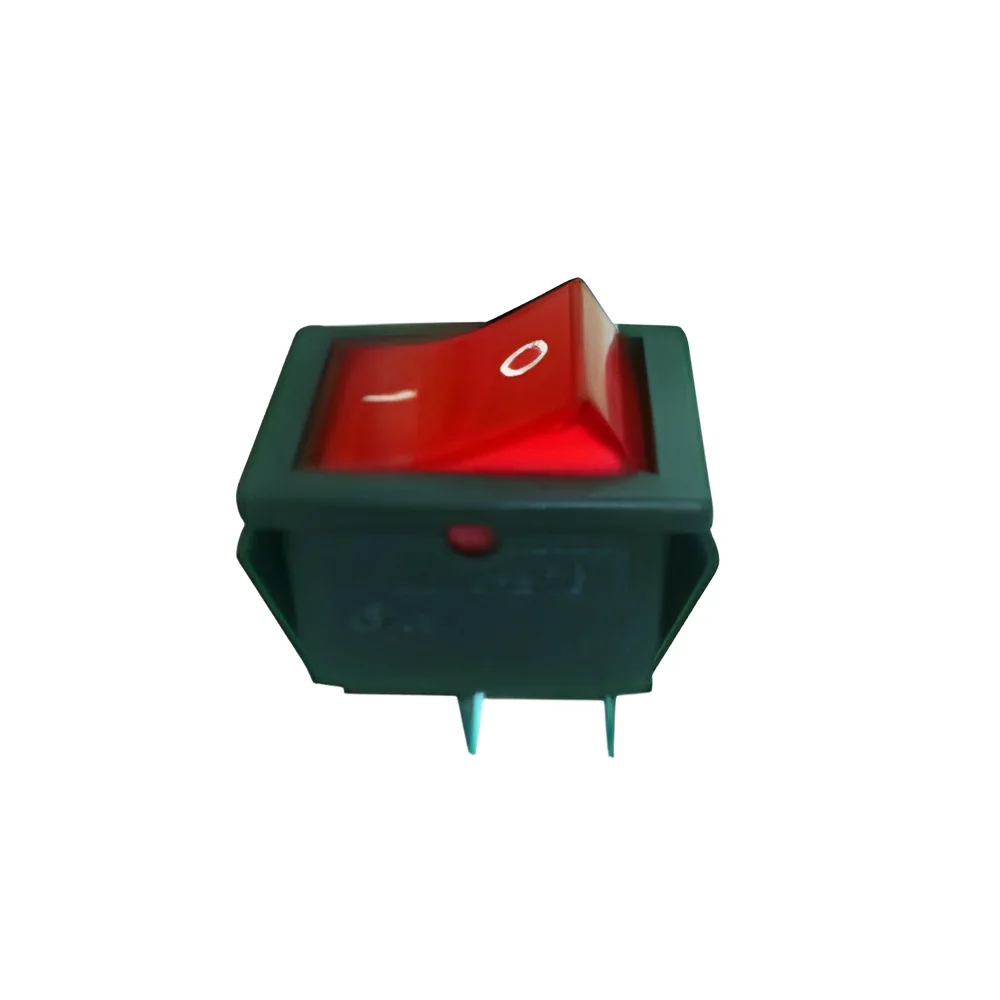
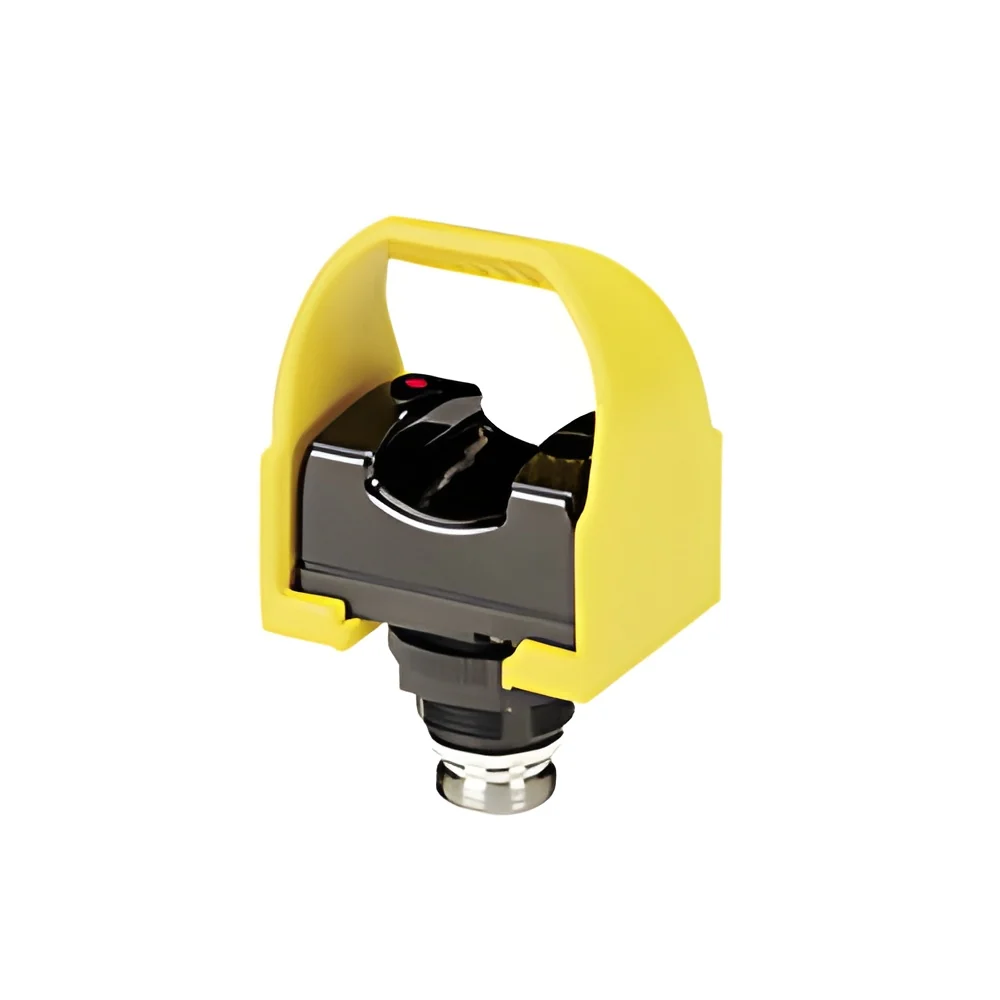
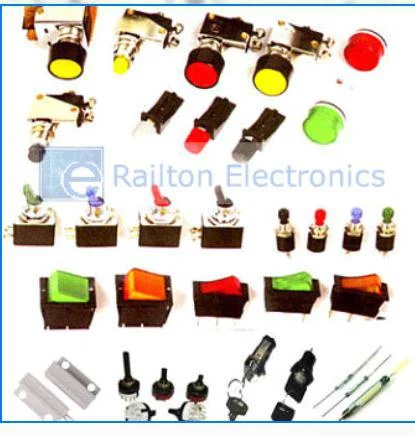
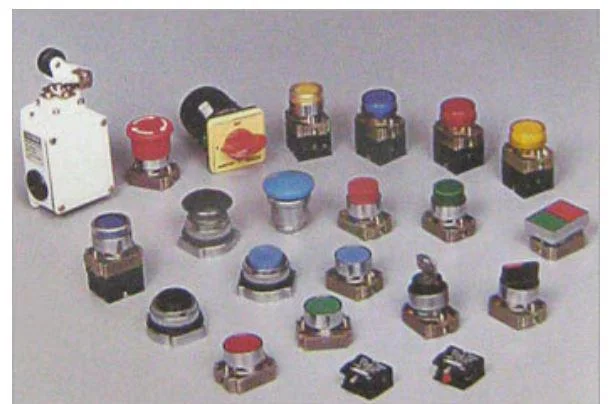
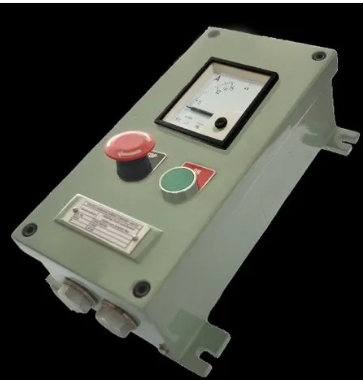
What are Push Buttons & Selector Switches?
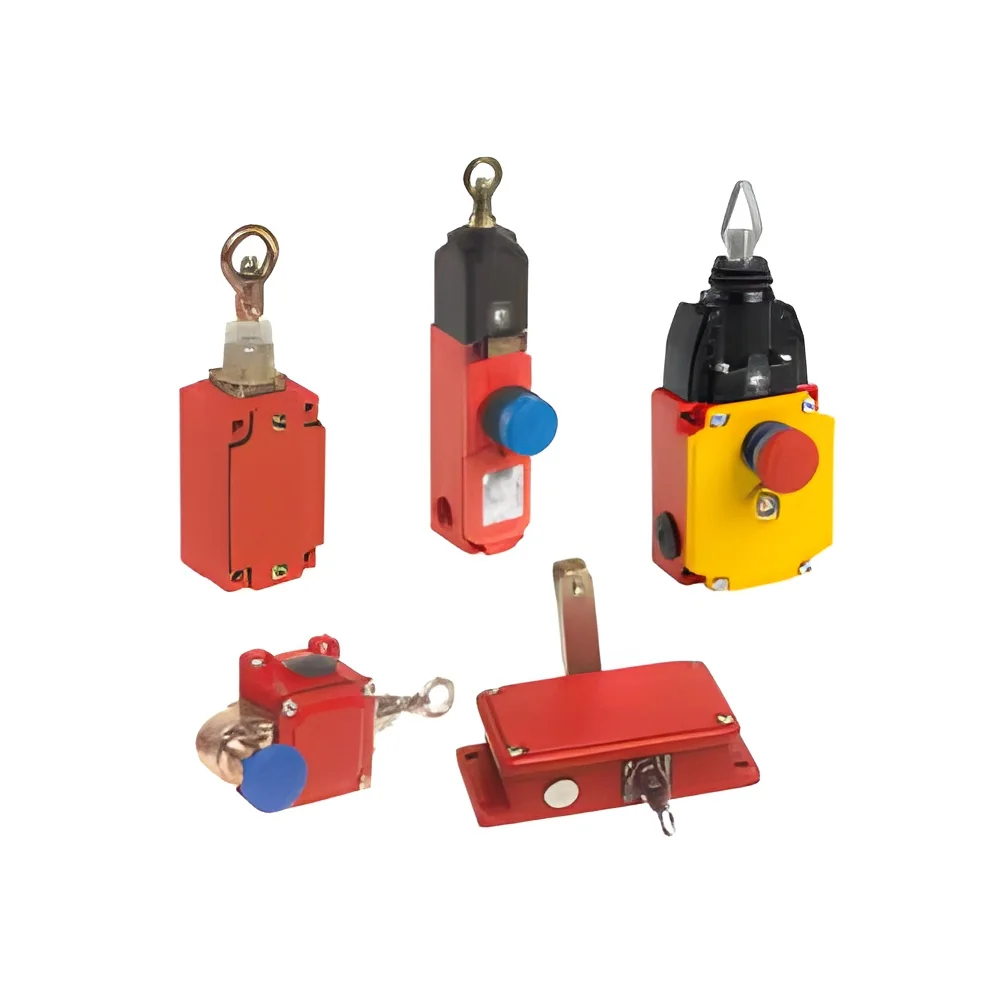
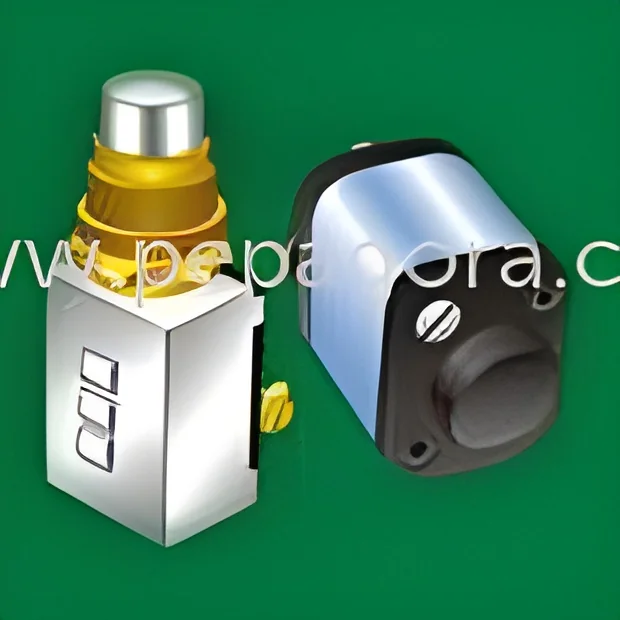
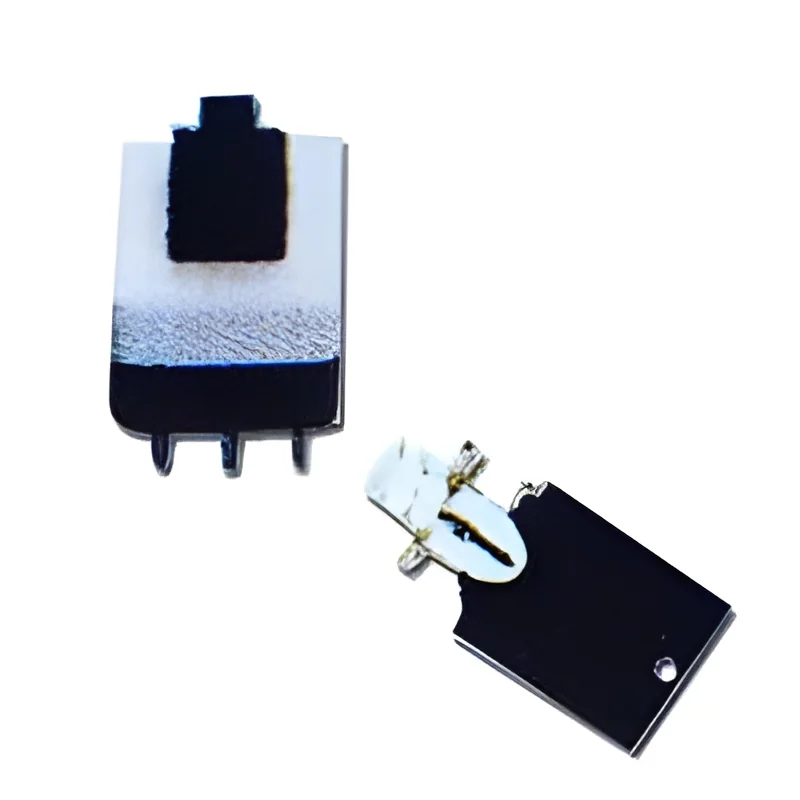
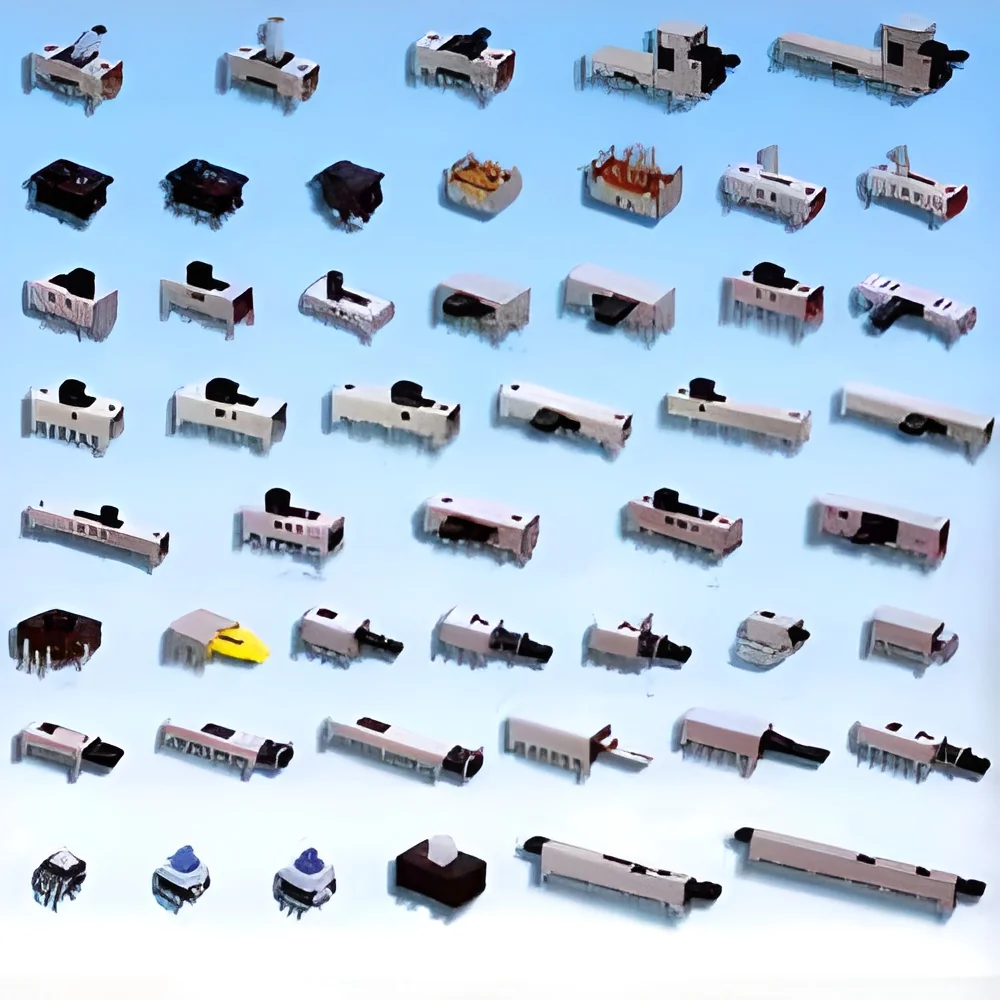
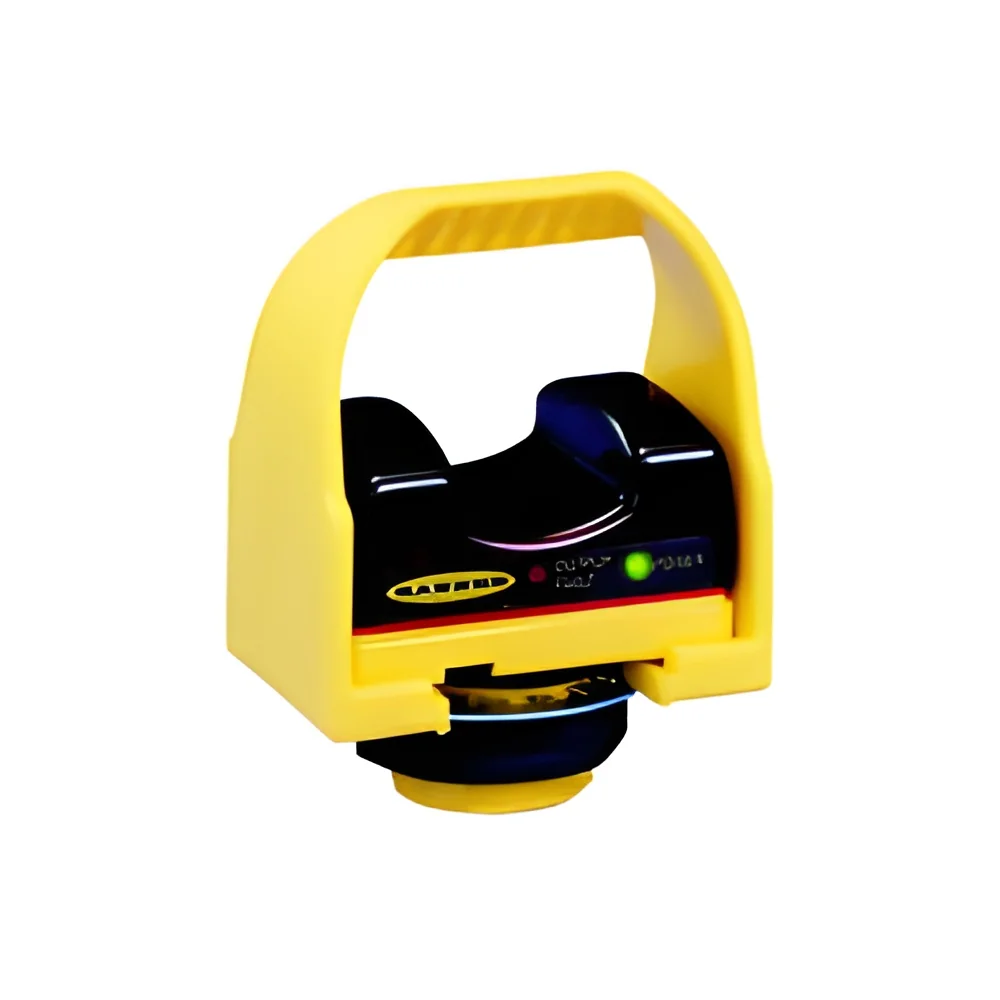
Push buttons and selector switches are integral components in various industrial control systems. Push buttons are momentary switches that activate a function when pressed. They are commonly used in machinery, control panels, and electronic devices. Selector switches, on the other hand, allow users to select different operating modes or functions by rotating or toggling a knob. These switches can provide multiple positions, enabling complex control over machinery and processes.
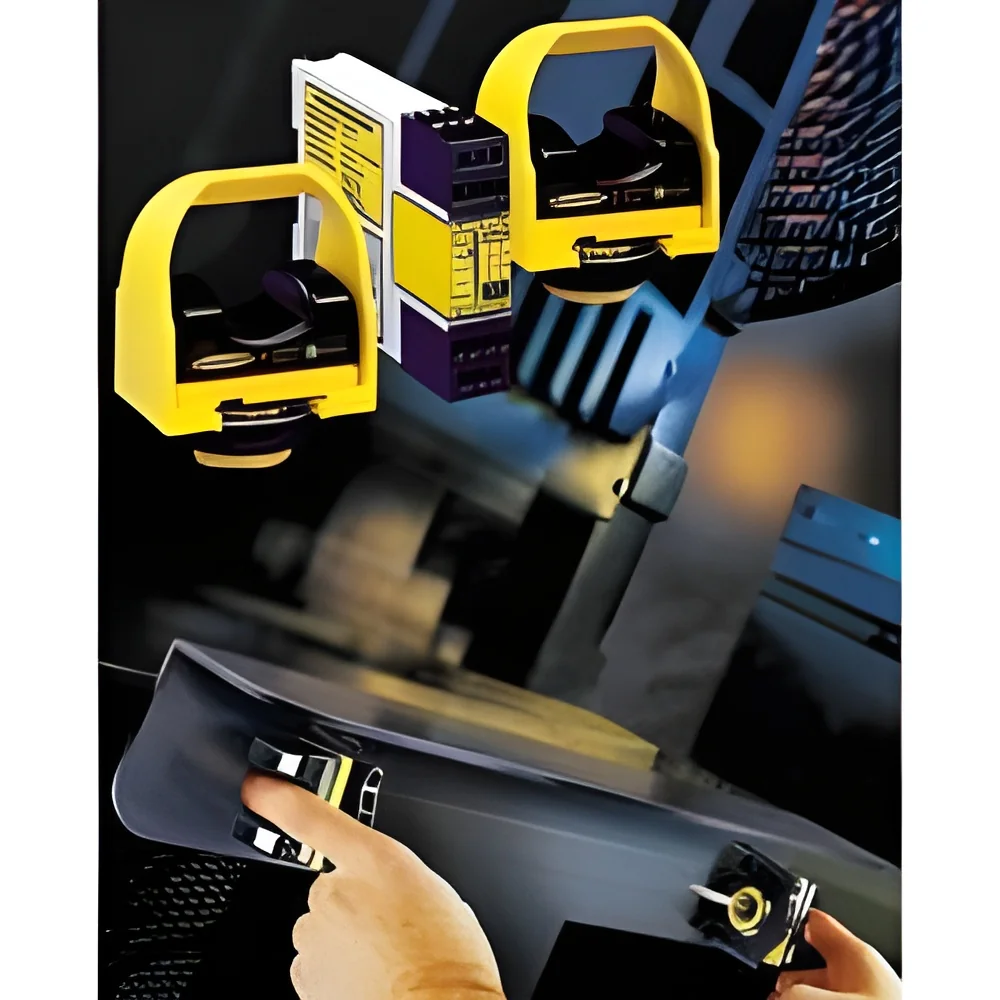
The primary applications of push buttons and selector switches span numerous industries, including manufacturing, automation, and HVAC systems. They are essential in control panels for machinery, where operators can start, stop, or adjust processes. Push buttons are often found in emergency stop applications, ensuring quick access to halt operations in critical situations. Selector switches offer flexibility and control, making them ideal for applications that require user-defined settings, such as conveyor systems or production lines.
In the current market, the demand for push buttons and selector switches continues to grow as industries become more automated and reliant on advanced control systems. These components play a critical role in enhancing operational efficiency, safety, and user interface in various technological applications.
Key Features and Specifications
Push buttons and selector switches come with a variety of features tailored to meet specific industrial needs. Understanding these features is essential for selecting the right components for various applications.
Key specifications include:
1. Contact Type
- Configurations can be normally open (NO) or normally closed (NC).
- Suitable for different operational requirements.
2. Voltage Rating
- Common voltage ratings include 12V, 24V, and 120V.
- Compatibility with various electrical systems.
3. Current Rating
- Typical ratings range from 2A to 10A.
- Ensures safe operation under load conditions.
4. IP Rating
- Ingress Protection ratings indicate resistance to dust and water.
- Common ratings include IP65 and IP67 for harsh environments.
5. Actuation Type
- Options include momentary or maintained action.
- Enables diverse operational functionality.
6. Mounting Type
- Available in panel mount, surface mount, or flush mount styles.
- Provides flexibility in installation.
7. Operating Temperature Range
- Generally operates in temperatures from -20°C to 60°C.
- Suitable for various environmental conditions.
8. Certifications
- Many products meet safety standards such as CE certification.
- Ensures compliance with industry regulations.
In summary, understanding these key features and specifications will help buyers select the right push buttons and selector switches for their applications, ensuring efficiency and compliance with operational standards.
Common Applications and Use Cases
Push buttons and selector switches are utilized across a wide range of industries, serving specific functions that enhance operational control.
1. Manufacturing: These components are commonly found in control panels of machinery, allowing operators to start, stop, or adjust equipment swiftly and safely.
2. Automotive: Push buttons are used in vehicles for functions like engine start/stop features and navigation controls, streamlining user interaction.
3. HVAC: Selector switches are essential in HVAC systems, enabling users to select different modes such as heating, cooling, or fan operation.
4. Food Processing: These switches are used in equipment to control various processes, ensuring safety and efficiency in food production.
5. Packaging: In packaging machines, push buttons facilitate the operation of conveyors and other equipment, ensuring smooth workflow.
6. Energy: Selector switches are essential in power distribution systems, allowing operators to manage different power sources or load configurations.
7. Robotics: Push buttons serve as emergency stops or control inputs in robotic systems, enhancing safety and operational flexibility.
Product Variants and Subcategories
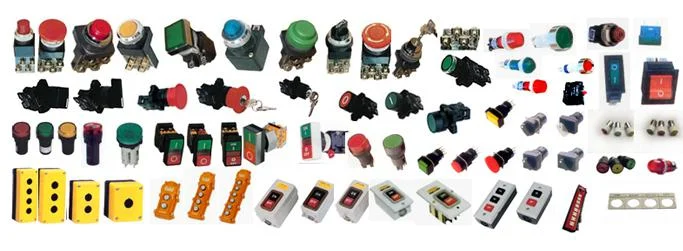
Push buttons and selector switches come in various configurations to cater to different industry needs.
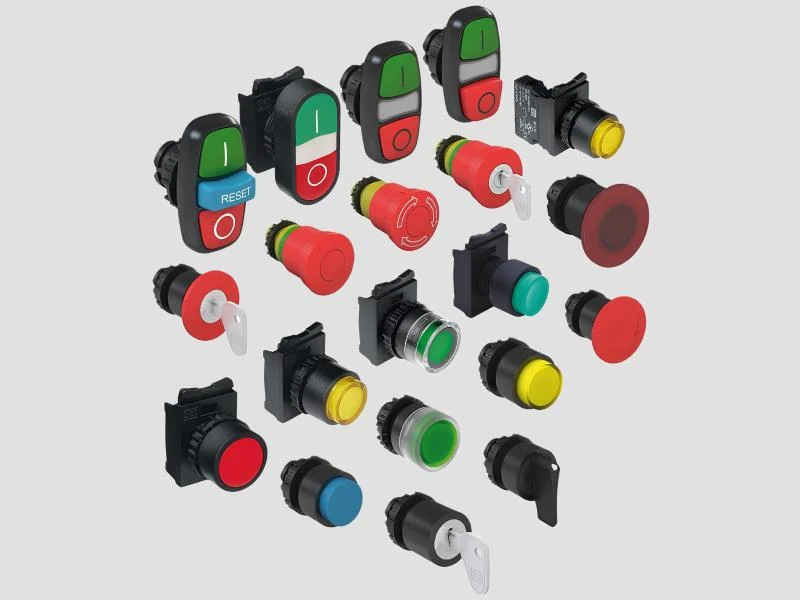
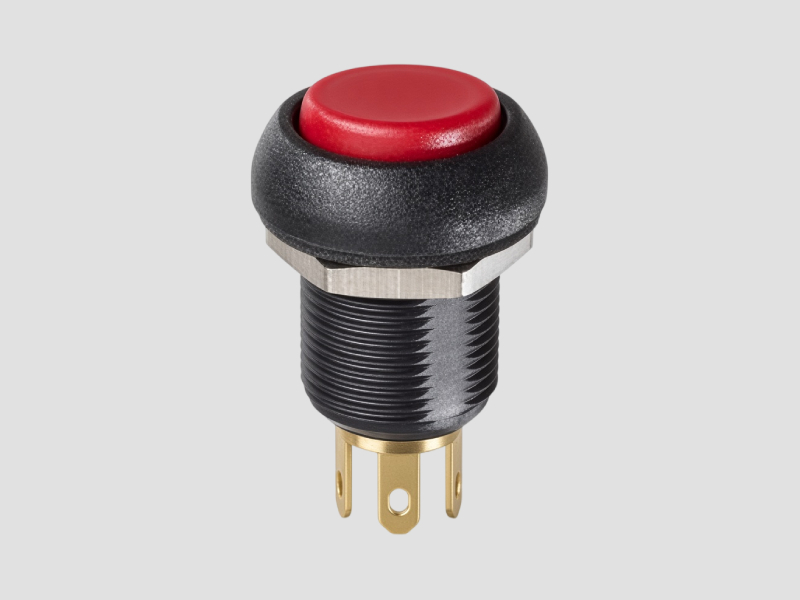
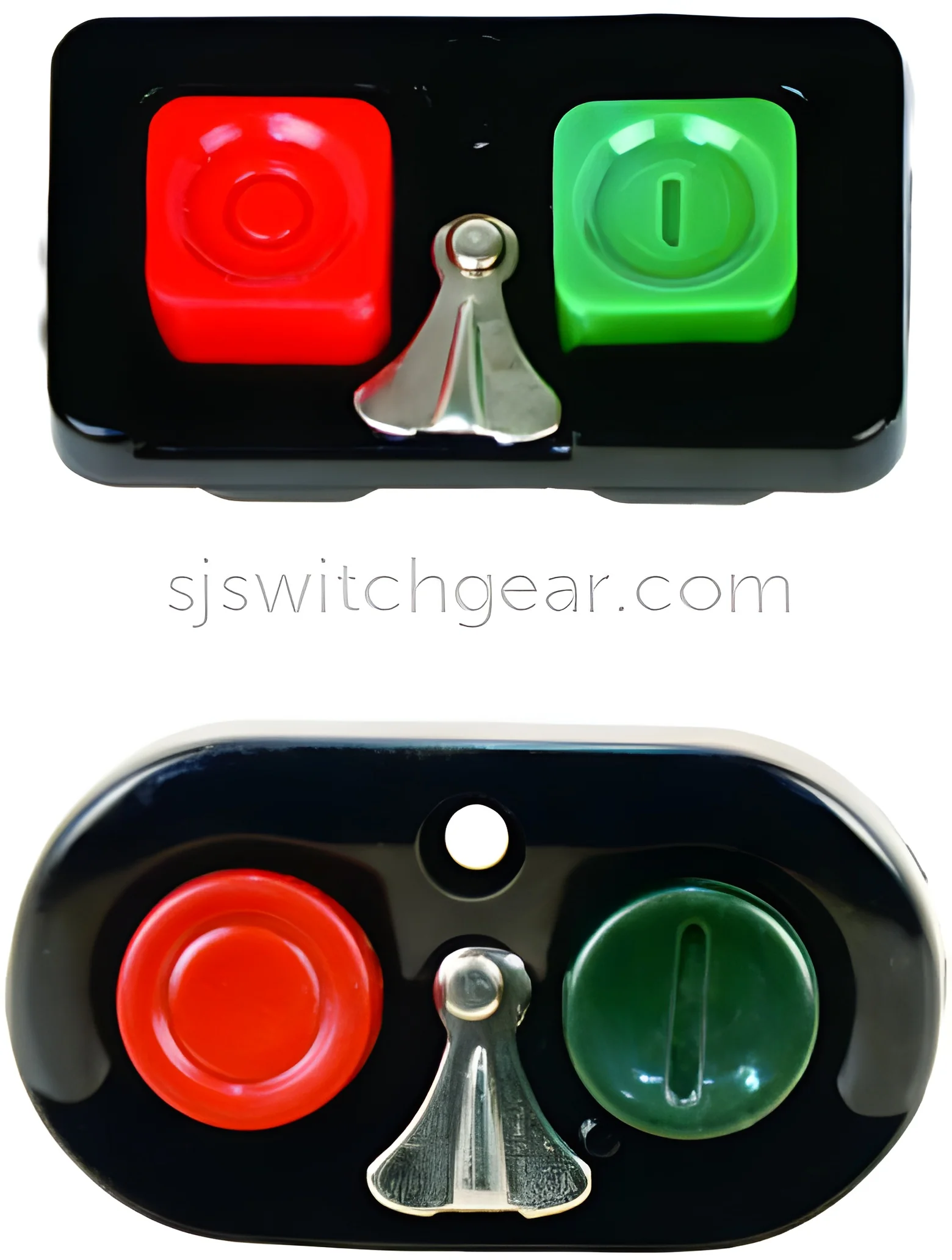
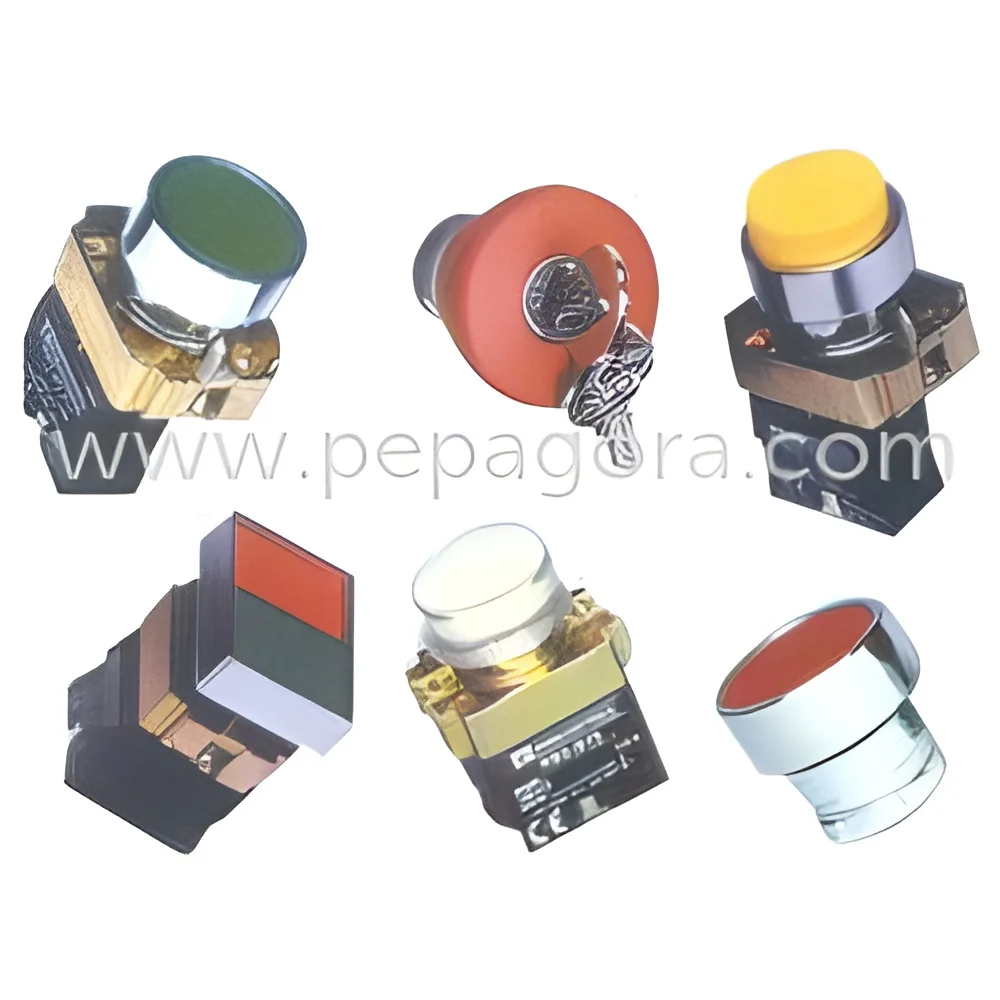
Standard Push Buttons: These are the most common type, featuring momentary or maintained action. They are widely used in control panels for simple functions such as starting or stopping machinery.
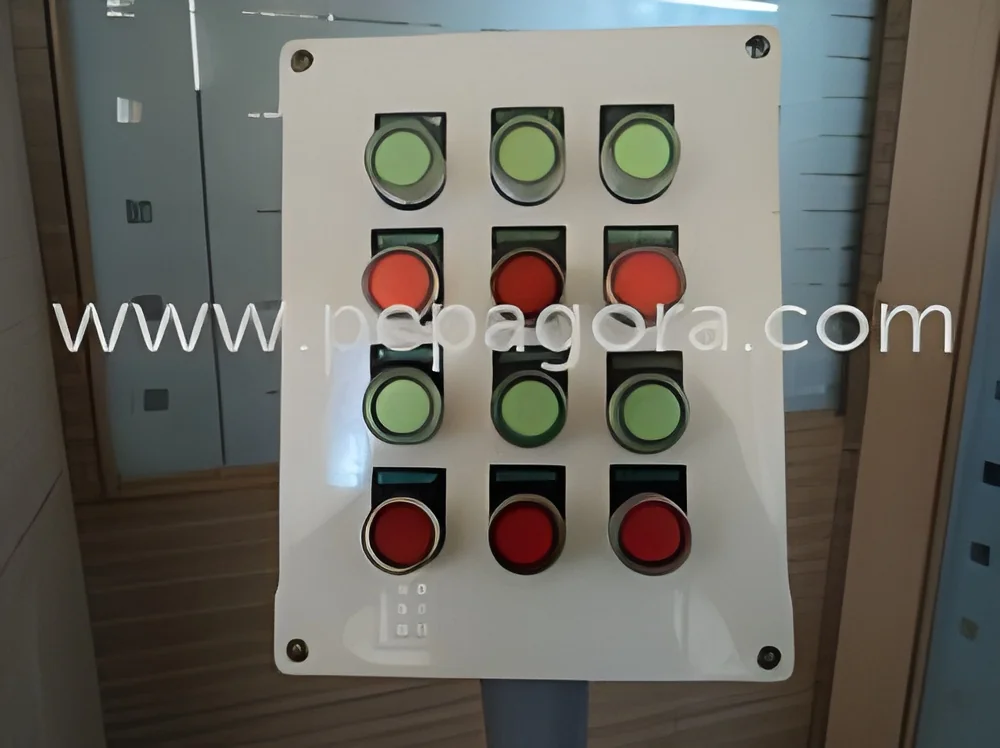
Illuminated Push Buttons: This variant includes built-in LED indicators, providing visual feedback to operators. They are particularly useful in dark environments or when quick identification is essential.
Rotary Selector Switches: These switches allow users to select from multiple options by rotating a knob. They are ideal for applications requiring multiple settings or modes.
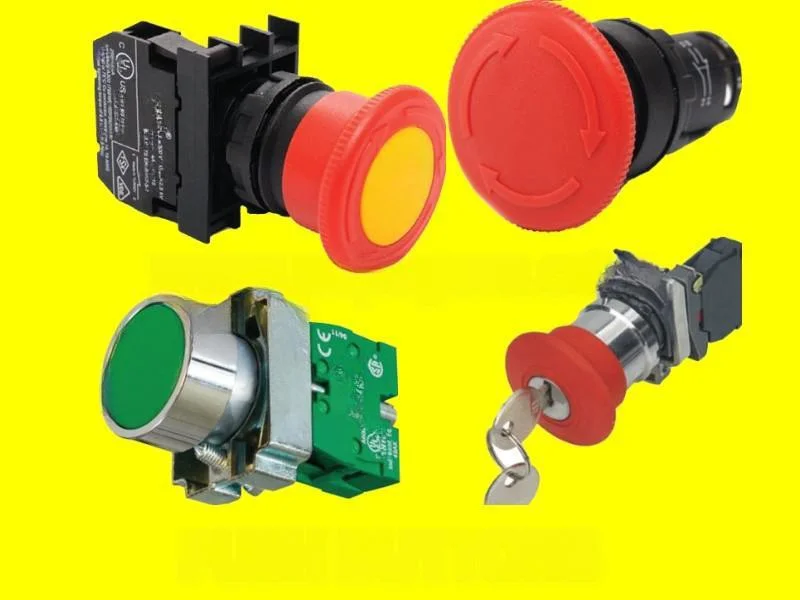
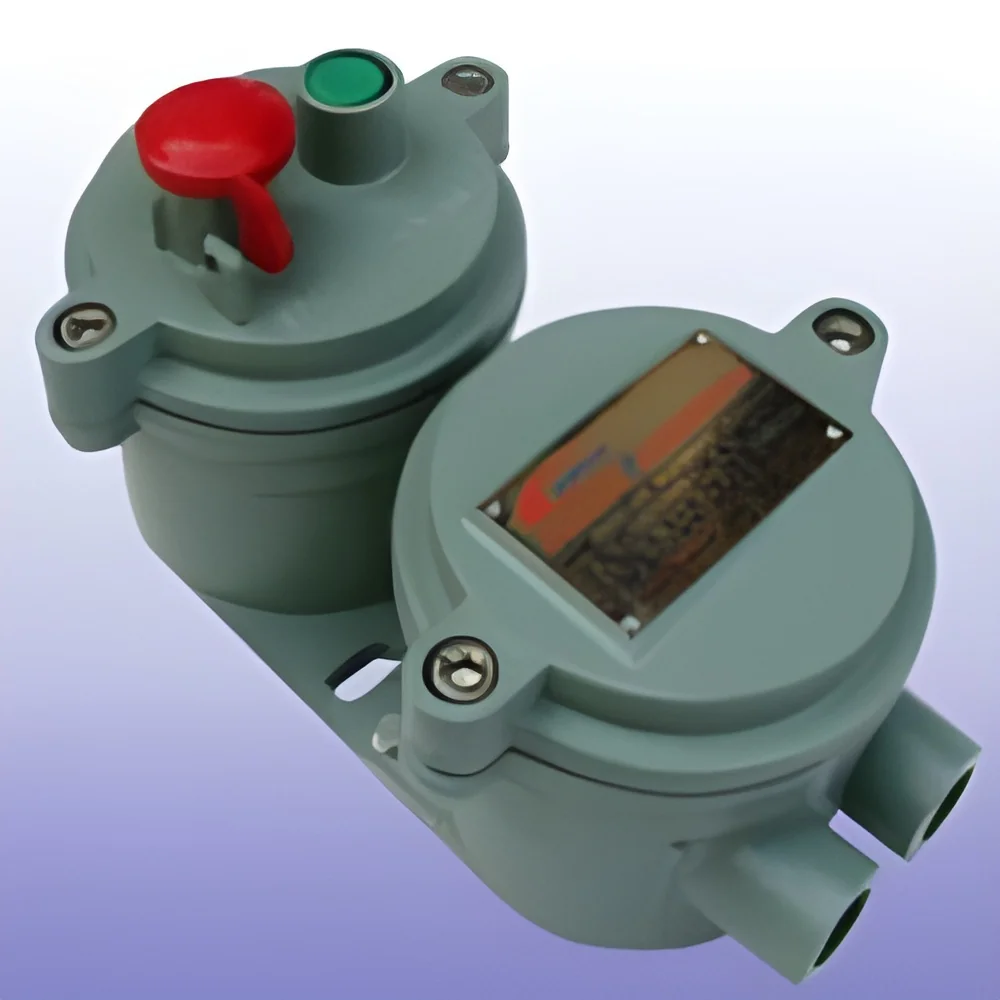
Emergency Stop Buttons: Designed for safety, these buttons provide immediate shutdown capabilities for equipment. They are critical in environments where quick response is necessary.
Benefits and Advantages
Push buttons and selector switches offer several advantages that enhance operational efficiency and safety.
1. User-Friendly Operation: These components are designed for ease of use, allowing quick access to functions and controls.
2. Enhanced Safety: Push buttons, especially emergency stop buttons, provide immediate control in critical situations, improving workplace safety.
3. Versatile Applications: With various configurations available, these switches are suitable for numerous industries and applications.
4. Reliability: High-quality push buttons and selector switches are built to withstand harsh environments, ensuring longevity and dependability.
5. Customization Options: Many suppliers offer customization in terms of color, labeling, and functionality, allowing businesses to tailor products to their specific needs.
6. Compliance with Standards: Many products are certified to meet industry standards, ensuring safety and reliability in operation.
Buying Guide for B2B Buyers
When sourcing push buttons and selector switches, several factors should be considered to ensure the right selection for your needs.
1. Quality Assessment: Evaluate the quality of materials and construction. Ensure that products are durable and suitable for the intended environment.
2. Supplier Verification: Vet suppliers to confirm their reliability and reputation in the industry. Look for reviews and certifications to ensure they meet quality standards.
3. Pricing and MOQ: Understand pricing structures and minimum order quantities (MOQ) from suppliers. This will help in budget planning and inventory management.
4. Delivery and Lead Times: Confirm delivery schedules and lead times to ensure timely procurement. This is crucial for maintaining production schedules.
5. Compliance Requirements: Be aware of any relevant regulations and certifications needed for your industry. Ensure that selected products meet these compliance standards.
Compliance and Certifications
Compliance with relevant quality standards is essential for push buttons and selector switches. Many manufacturers adhere to ISO 9001 standards, ensuring consistent quality management processes. Additionally, certifications such as CE indicate compliance with European safety regulations.
Safety and testing requirements are crucial, particularly for components used in critical applications. These may include electrical safety tests and environmental assessments to ensure product reliability.
Regional compliance considerations may vary based on market requirements. It is important for buyers to understand local regulations related to electrical components and ensure that selected products meet these standards.
Why Source Push Buttons & Selector Switches from Pepagora?
Pepagora offers a trusted platform for sourcing push buttons and selector switches, providing several key advantages to buyers.
Verified Supplier Network: Pepagora connects buyers with a network of verified suppliers, ensuring that products meet quality and compliance standards. This network enhances trust and reliability in sourcing.
Streamlined RFQ Process: The platform offers a streamlined request for quotation (RFQ) process, making it easy for buyers to obtain quotes from multiple suppliers quickly. This ensures competitive pricing and better options.
Trade Assurance and Support: Pepagora provides trade assurance to protect buyers throughout the purchasing process. This support includes handling disputes and ensuring that products meet expectations.
Regional Coverage: With a strong presence in regions such as India, the GCC, and Southeast Asia, Pepagora offers extensive geographic reach. This enables buyers to access local suppliers and services efficiently.

 IN
IN