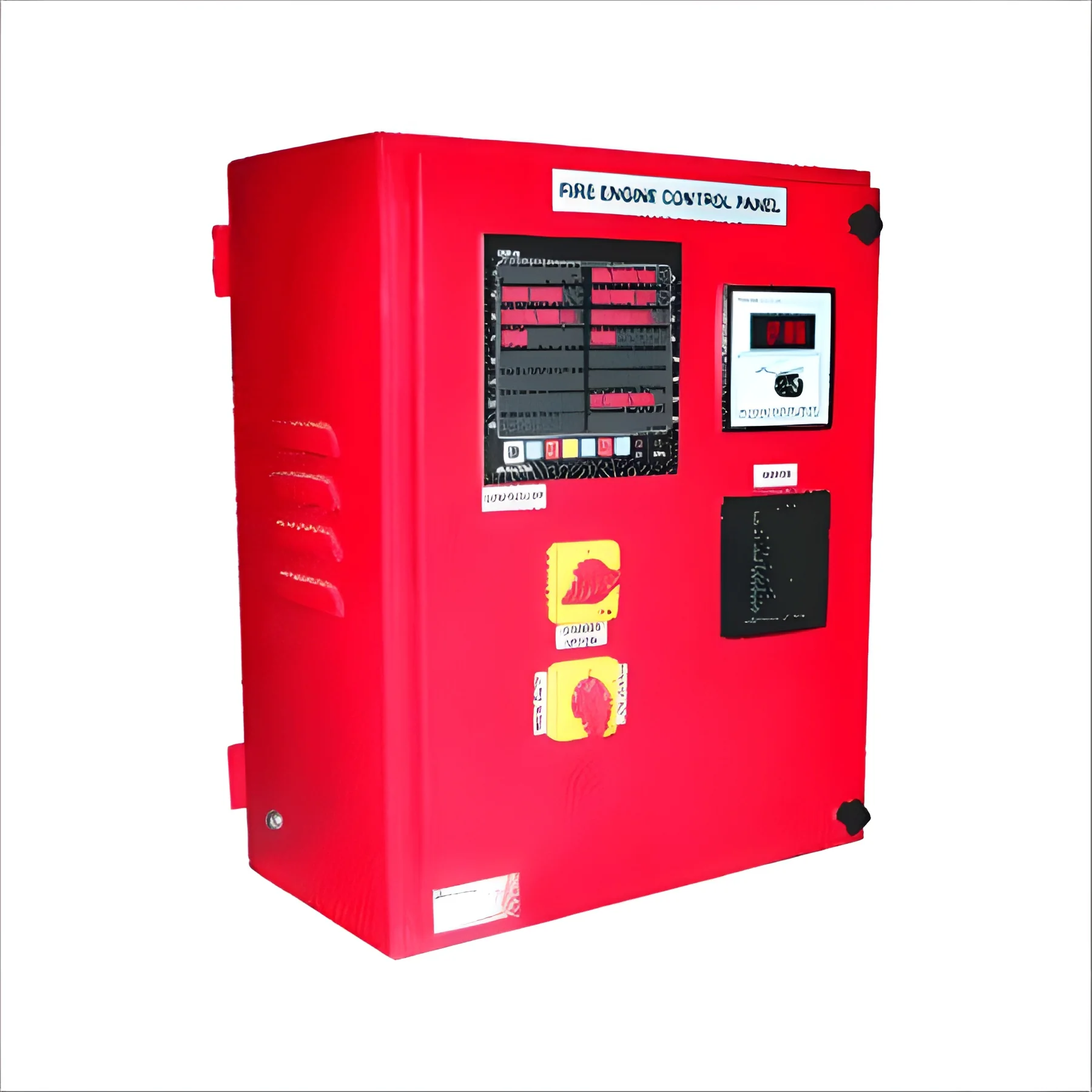
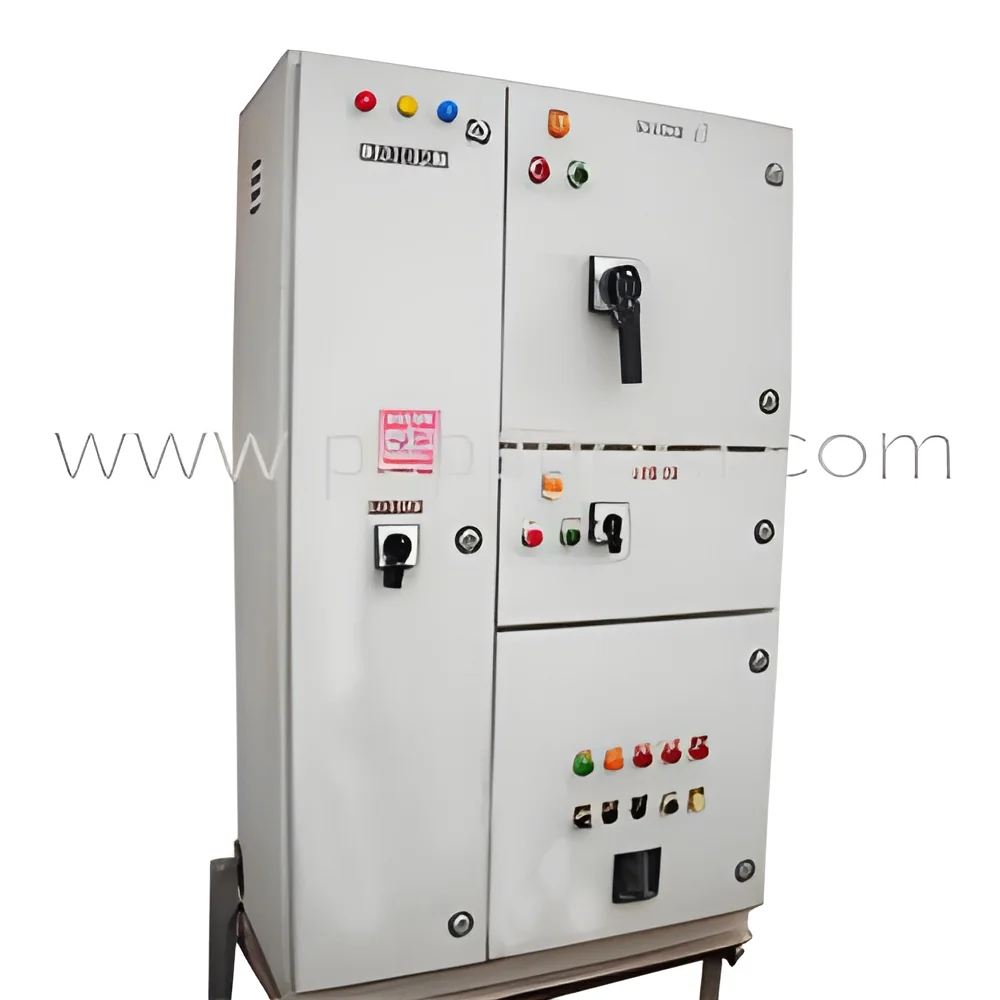
What are Fire Alarm Control Panels?
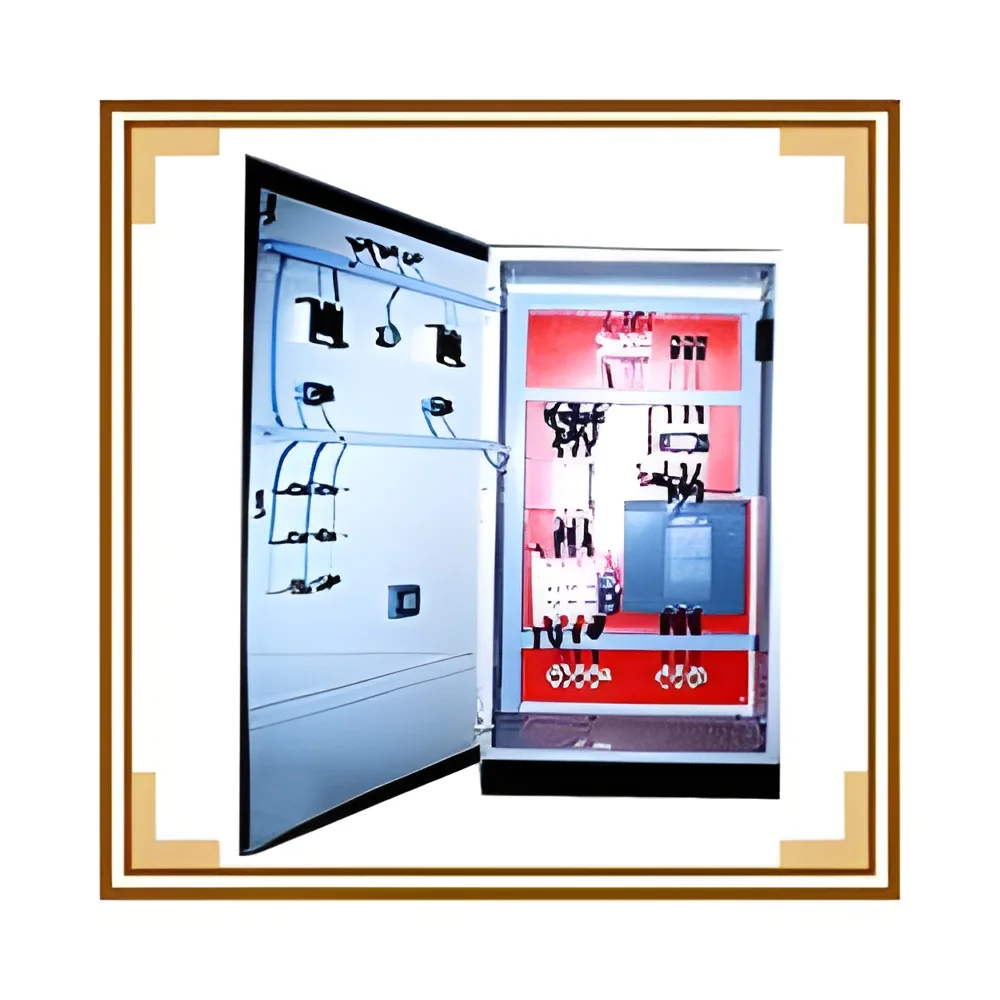
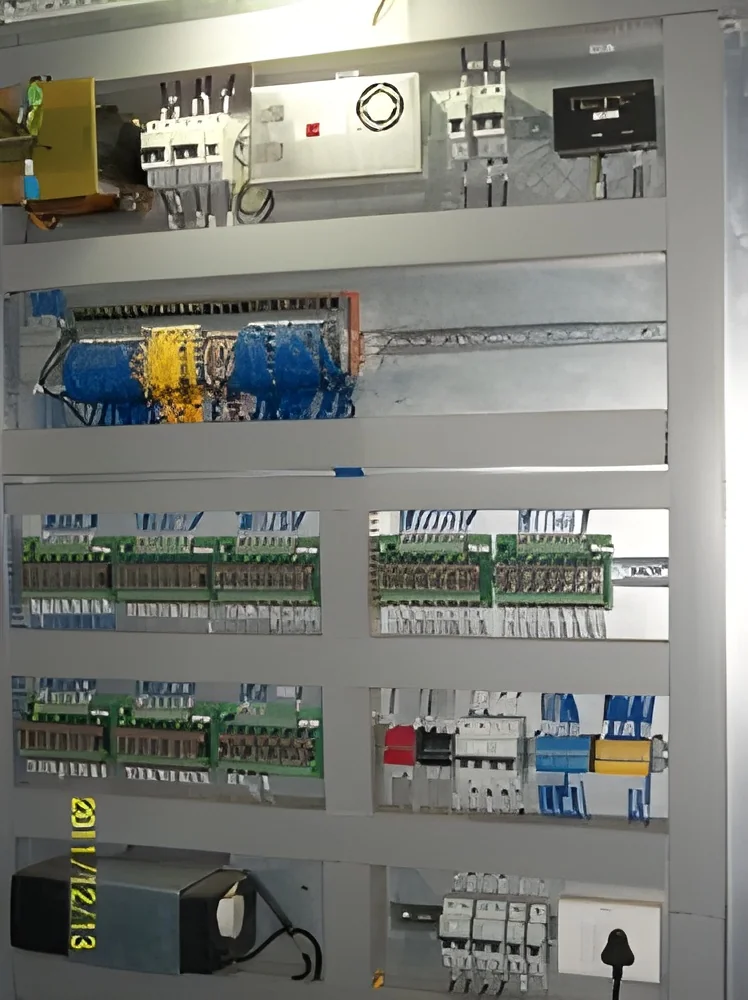
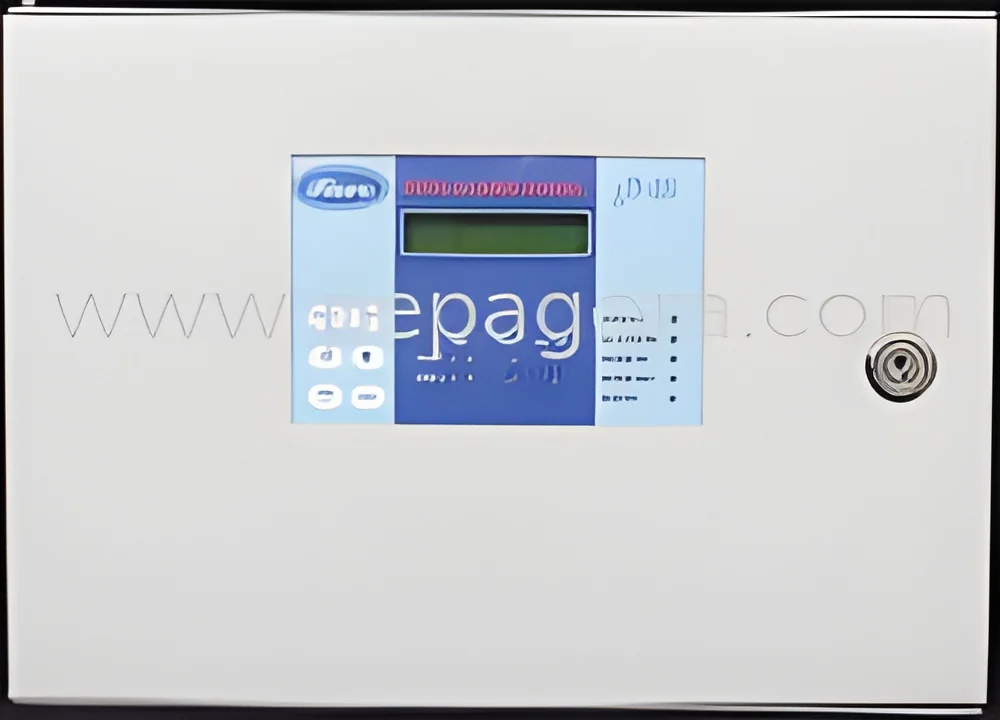
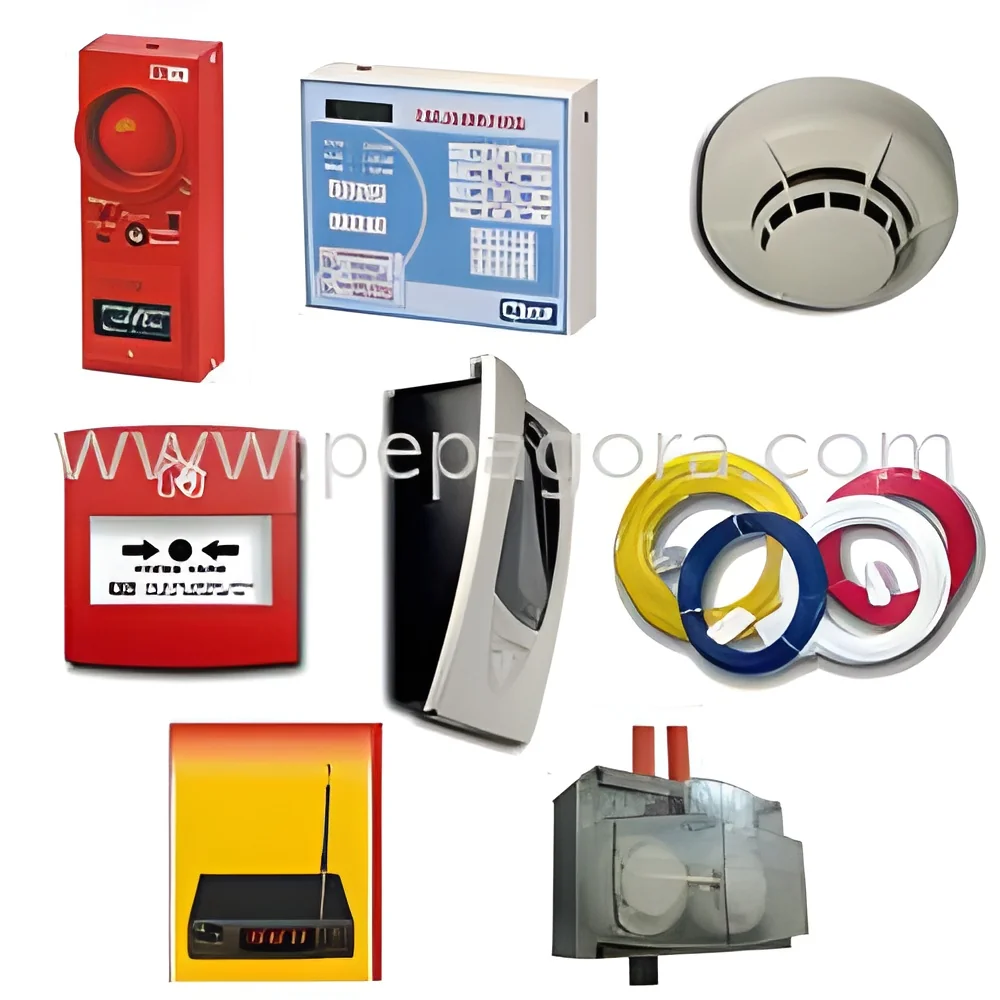
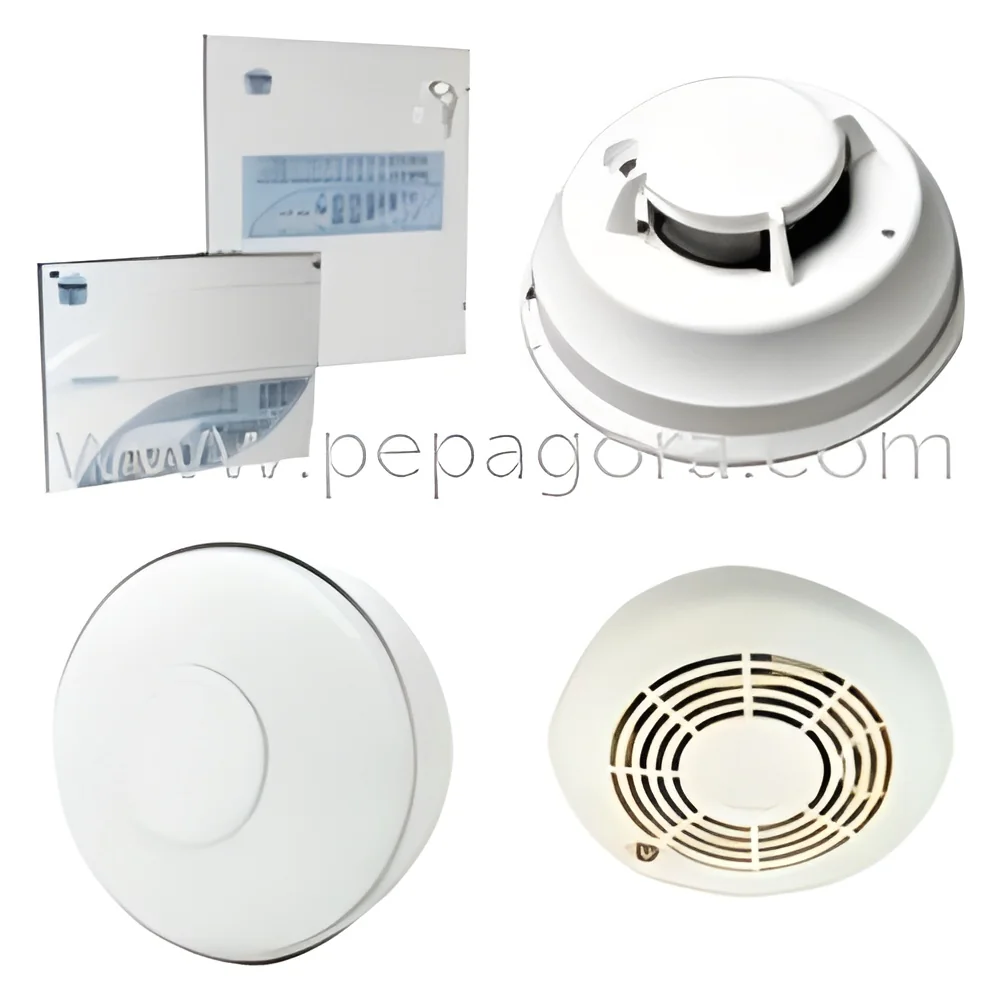
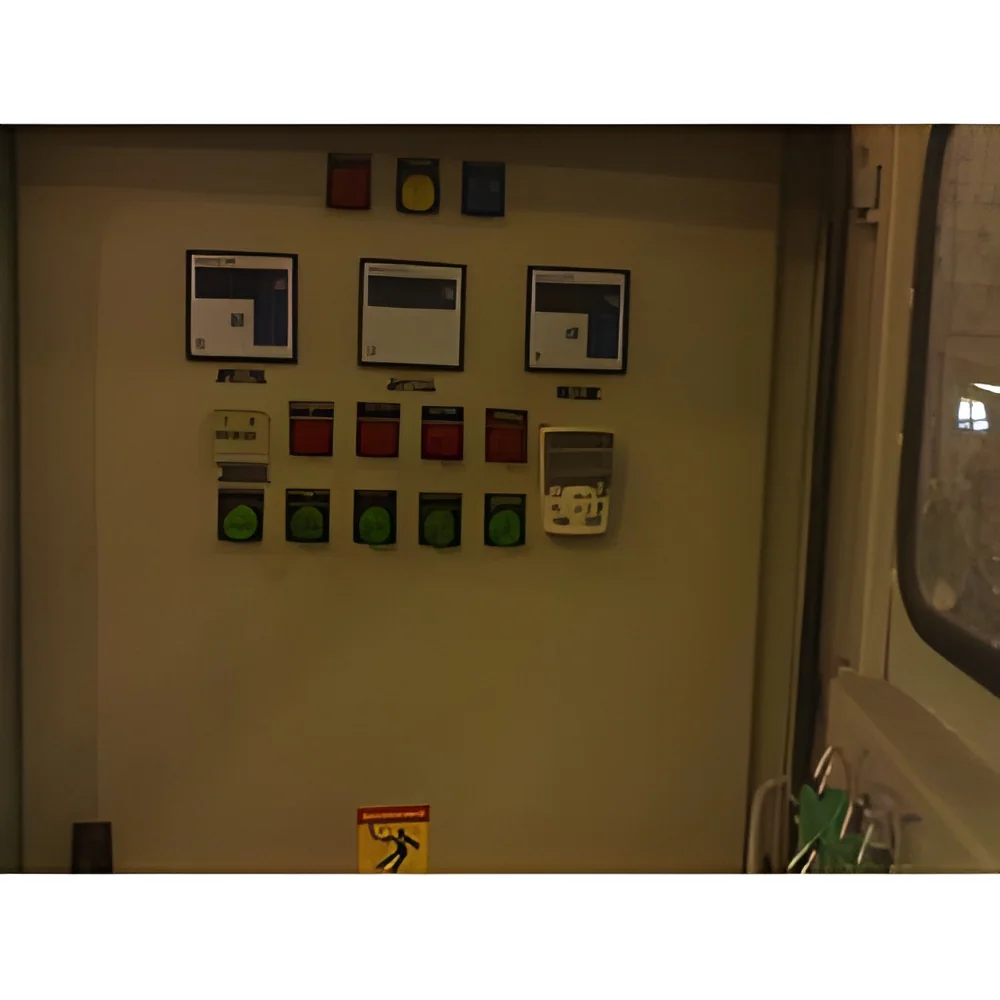
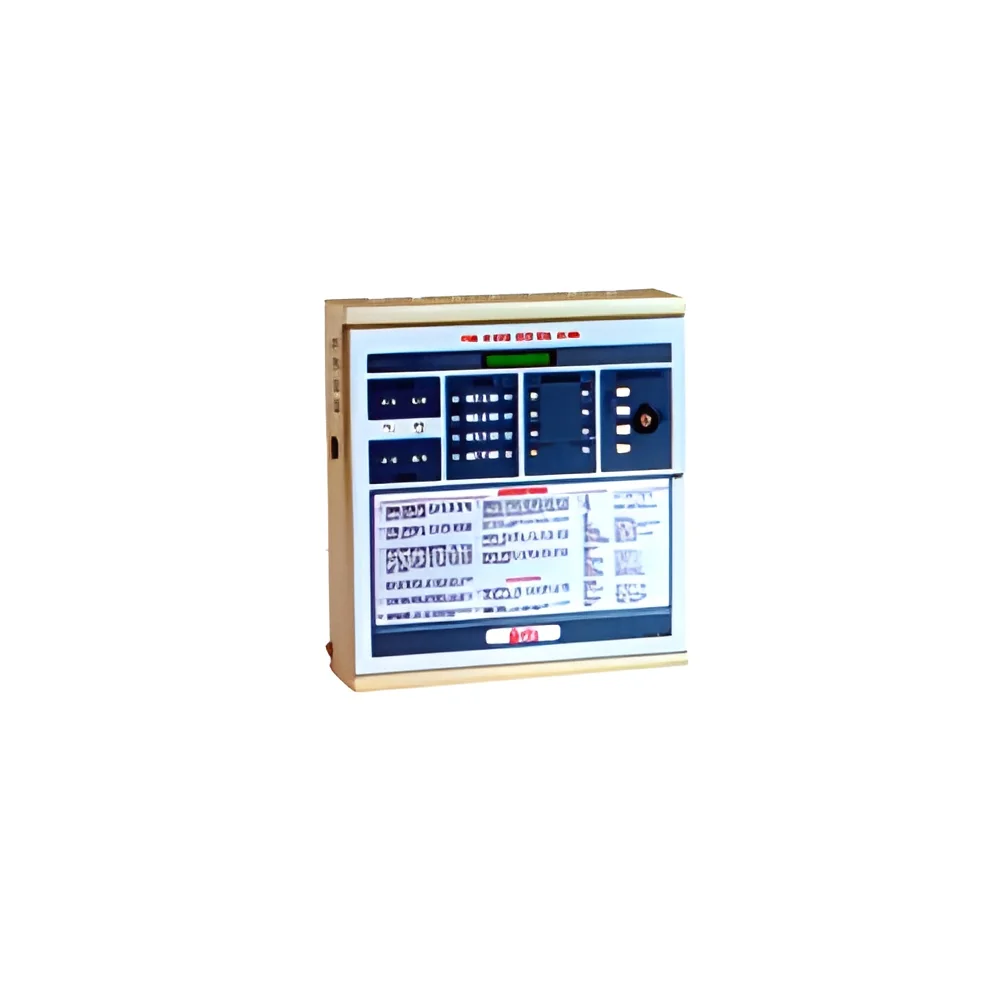
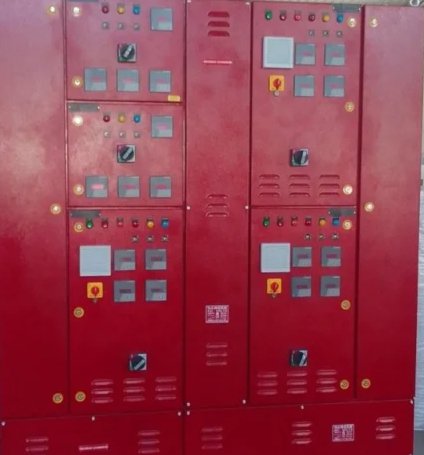
Fire Alarm Control Panels (FACP) are essential components in fire detection and alarm systems. They serve as the central hub for monitoring and controlling the various elements of a fire alarm system. These panels receive signals from fire detection devices, such as smoke detectors, heat detectors, and manual pull stations. Once activated, the panels initiate alarms and alerts to warn occupants and coordinate response efforts.
Fire Alarm Control Panels are widely used in commercial, industrial, and residential buildings. They play a critical role in ensuring safety by detecting potential fire hazards and alerting occupants and emergency services. Businesses utilize these systems to comply with fire safety regulations and protect their assets. The relevance of these panels in the market is growing due to heightened awareness of fire safety and stringent regulations across various industries.
Key Features and Specifications
Fire Alarm Control Panels come equipped with a range of features designed to enhance safety and functionality. Understanding the key specifications is crucial for businesses looking to implement effective fire safety measures.
Key specifications include:
1. Detection Method
- Utilizes various sensors for detecting smoke and heat.
- Range includes addressable and conventional systems.
2. Number of Zones
- Indicates how many areas can be monitored independently.
- Common configurations include 4, 8, 16, or more zones.
3. Communication Protocol
- Supports various communication methods such as wired or wireless.
- Ensures compatibility with other safety systems.
4. Power Source
- Operates on AC power with battery backup.
- Backup ensures continuous operation during power outages.
5. Alarm Output Options
- Provides options for audible and visual alarms.
- Can integrate with external alarm systems.
6. User Interface
- Features LCD displays for easy monitoring and control.
- User-friendly layouts facilitate quick operation during emergencies.
7. Event Logging
- Records all system events for future analysis.
- Helps in compliance checks and system maintenance.
8. Certification
- CE certified for safety and compliance with European standards.
- Adheres to necessary fire safety regulations.
In summary, Fire Alarm Control Panels are equipped with advanced features and specifications that enhance their effectiveness in fire detection and safety management.
Common Applications and Use Cases
Fire Alarm Control Panels are versatile systems used across a variety of industries.
1. Commercial Buildings: These panels are essential in offices, retail stores, and shopping malls to ensure the safety of occupants and assets.
2. Industrial Facilities: Factories and warehouses utilize FACPs to monitor machinery and prevent fire hazards associated with chemicals and equipment.
3. Educational Institutions: Schools and universities employ these systems to safeguard students and staff in case of fire emergencies.
4. Healthcare Facilities: Hospitals and clinics rely on FACPs to protect patients, staff, and sensitive medical equipment.
5. Hospitality Industry: Hotels and resorts integrate fire alarm systems to enhance guest safety and meet regulatory requirements.
6. Residential Buildings: Multi-family dwellings use these panels to ensure fire safety in common areas and individual units.
7. Government Buildings: Municipal and federal buildings utilize FACPs to protect public servants and sensitive information.
Product Variants and Subcategories
Fire Alarm Control Panels offer a range of variants to meet diverse needs.
Addressable Fire Alarm Control Panels: These panels allow for precise identification of the location of a fire. They communicate with individual devices, making it easier to pinpoint issues and respond quickly.
Conventional Fire Alarm Control Panels: These systems group devices into zones, triggering alarms for entire areas rather than individual units. They are often used in smaller installations.
Wireless Fire Alarm Control Panels: These panels use wireless technology to connect devices, reducing installation costs and complexity. They are ideal for retrofitting existing buildings.
Benefits and Advantages
Fire Alarm Control Panels provide numerous advantages for businesses and institutions.
1. Enhanced Safety: They offer real-time monitoring and alerts, significantly improving the safety of occupants.
2. Regulatory Compliance: These systems help organizations meet local fire safety regulations and standards, reducing legal risks.
3. Customization Options: Many FACPs can be tailored to fit specific building layouts and fire safety needs, ensuring maximum efficiency.
4. Integration Capabilities: They can be integrated with other safety systems, such as sprinkler systems and emergency lighting, for a comprehensive safety solution.
5. Cost-Effectiveness: Investing in a good fire alarm system reduces the risk of fire damage and associated costs.
6. User-Friendly Operation: Modern panels feature intuitive interfaces that make it easier for staff to operate and respond to emergencies.
Buying Guide for B2B Buyers
When sourcing Fire Alarm Control Panels, several factors should be considered to ensure the right choice for your organization.
1. Quality Assessment: Look for panels that adhere to recognized quality standards. Evaluate the manufacturer's reputation for reliability and performance.
2. Supplier Verification: Vet suppliers to ensure they have a history of providing high-quality products and excellent customer service. Check for reviews and references.
3. Pricing and MOQ: Consider the pricing structure and minimum order quantities. Ensure that the costs fit within your budget while meeting your requirements.
4. Delivery and Lead Times: Discuss logistics with suppliers to establish realistic delivery timelines. Ensure that lead times align with your project schedules.
5. Compliance Requirements: Understand the necessary certifications and compliance needs relevant to your industry. Ensure that the panels meet all regulatory standards.
Compliance and Certifications
Fire Alarm Control Panels are subject to various compliance and certification standards to ensure safety and reliability.
Relevant quality standards such as ISO 9001 focus on quality management systems, ensuring manufacturers consistently meet customer and regulatory requirements. These standards help maintain the integrity of the manufacturing process.
Industry certifications, including CE marking, indicate that the product meets European safety, health, and environmental protection standards. This certification is essential for businesses operating within the European market.
Safety and testing requirements involve rigorous evaluations to ensure the panels function correctly under fire conditions. Manufacturers must comply with local and international testing protocols.
Regional compliance considerations may vary, so it is essential to check local regulations and standards that pertain to fire alarm systems in specific markets.
Why Source Fire Alarm Control Panels from Pepagora?
Pepagora offers a trusted platform for sourcing Fire Alarm Control Panels, providing several key advantages.
Verified Supplier Network: Our platform connects you with a network of verified suppliers, ensuring that you receive high-quality products from reputable manufacturers.
Streamlined RFQ Process: The request for quotation process is designed to be efficient and user-friendly. Buyers can easily compare quotes and select the best option for their needs.
Trade Assurance and Support: We prioritize buyer protection by offering trade assurance services, ensuring that your transactions are secure and that you receive the quality you expect.
Regional Coverage: Pepagora has a wide geographic reach, serving markets in India, the GCC, and Southeast Asia. This extensive coverage ensures that businesses from various regions can access reliable fire alarm solutions.

 IN
IN