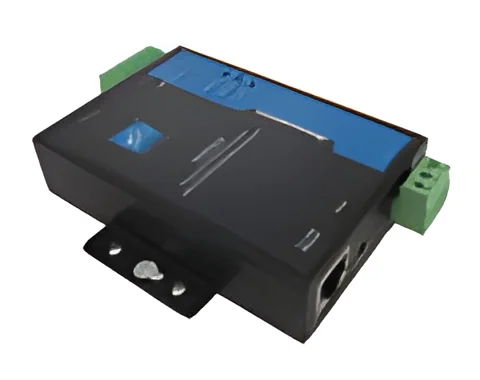
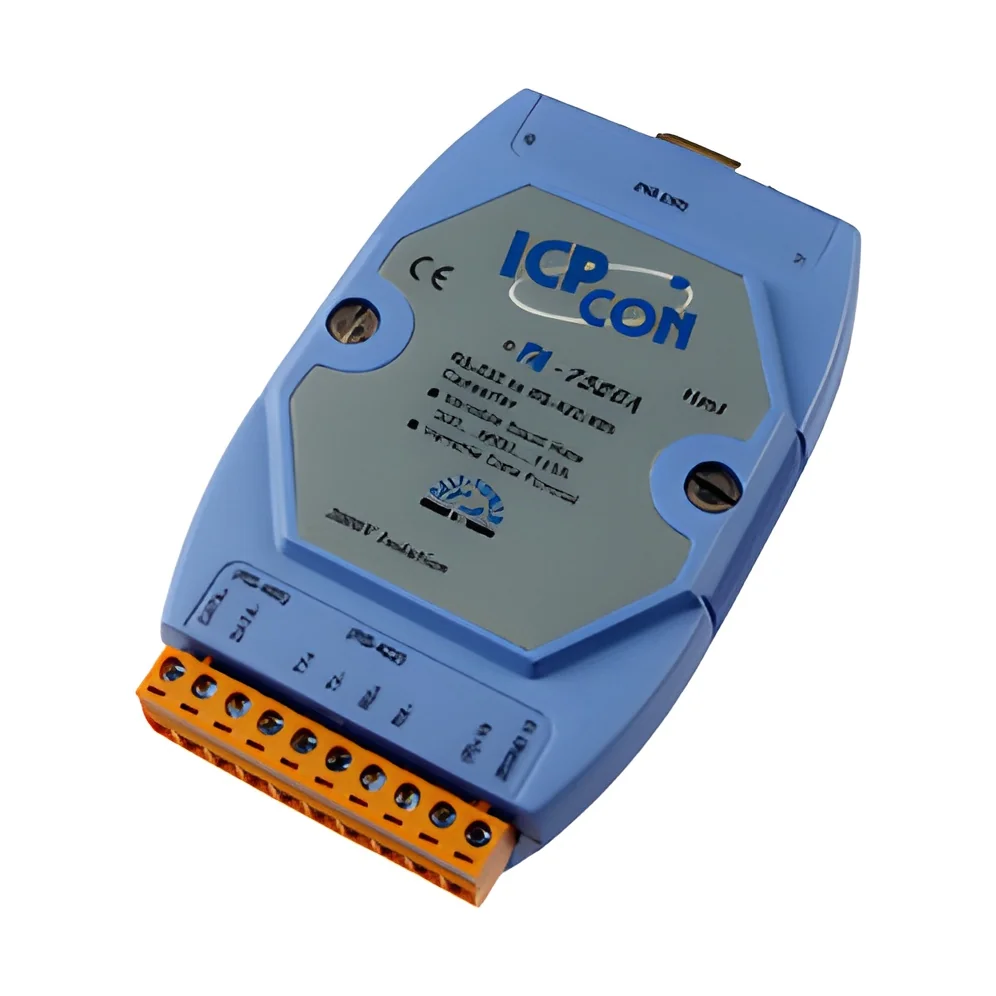
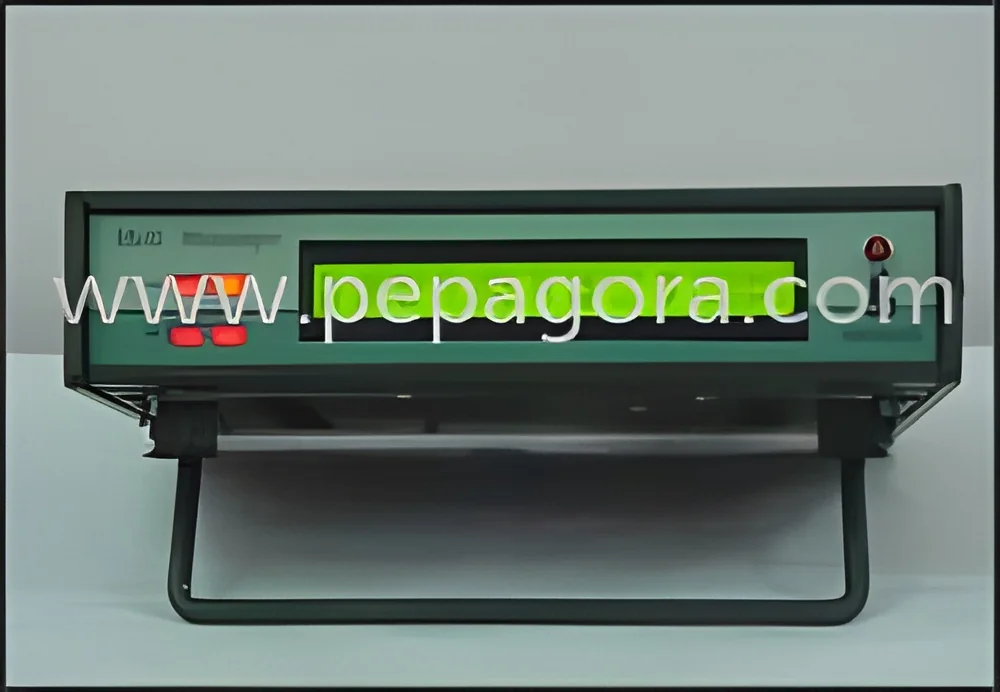
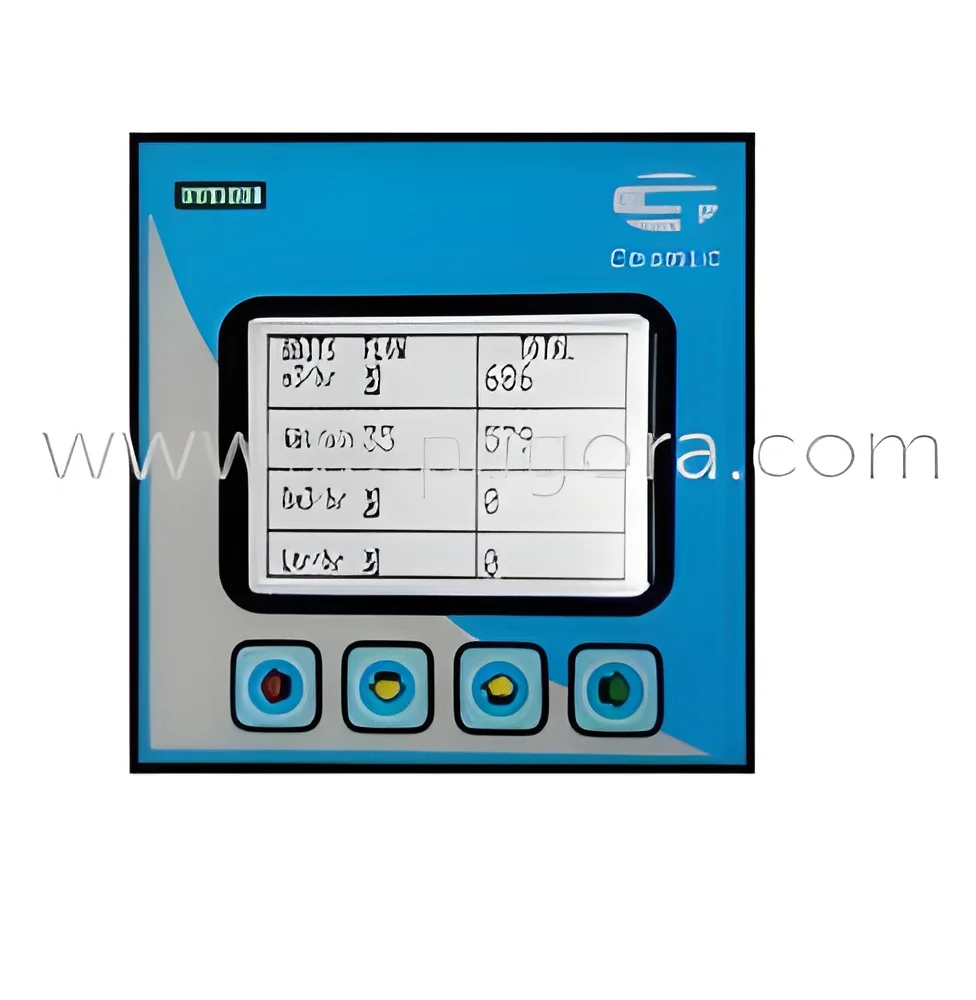
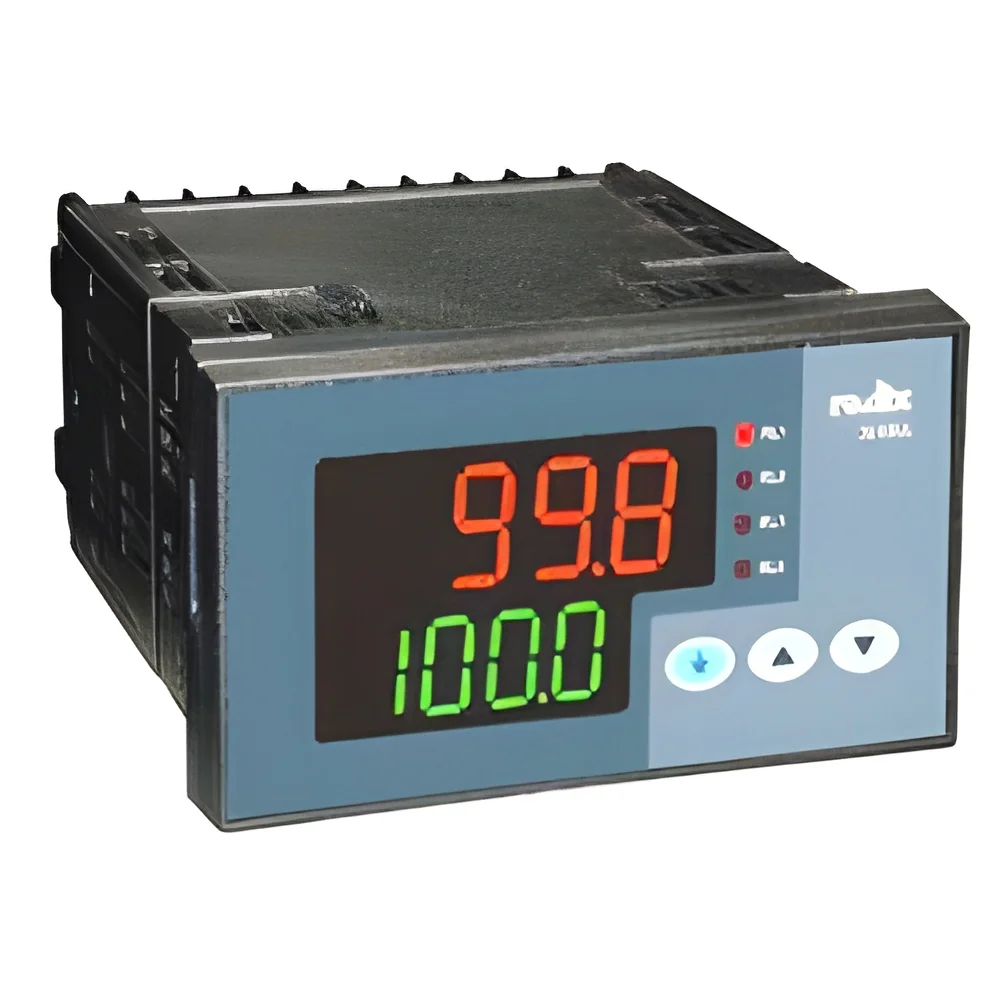
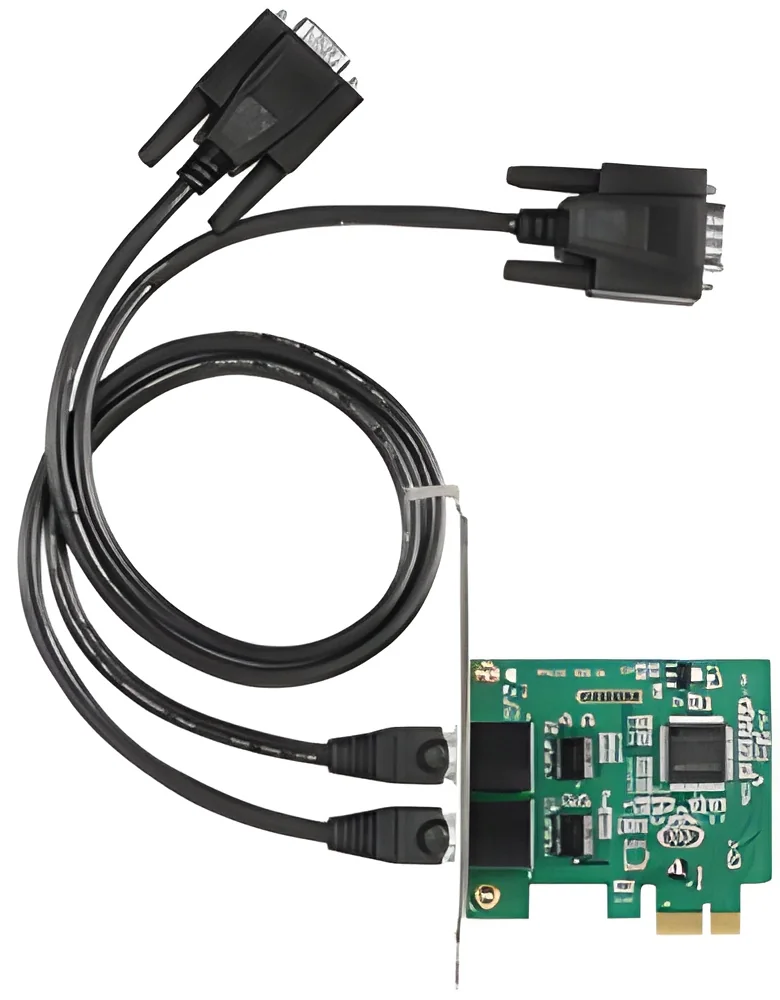
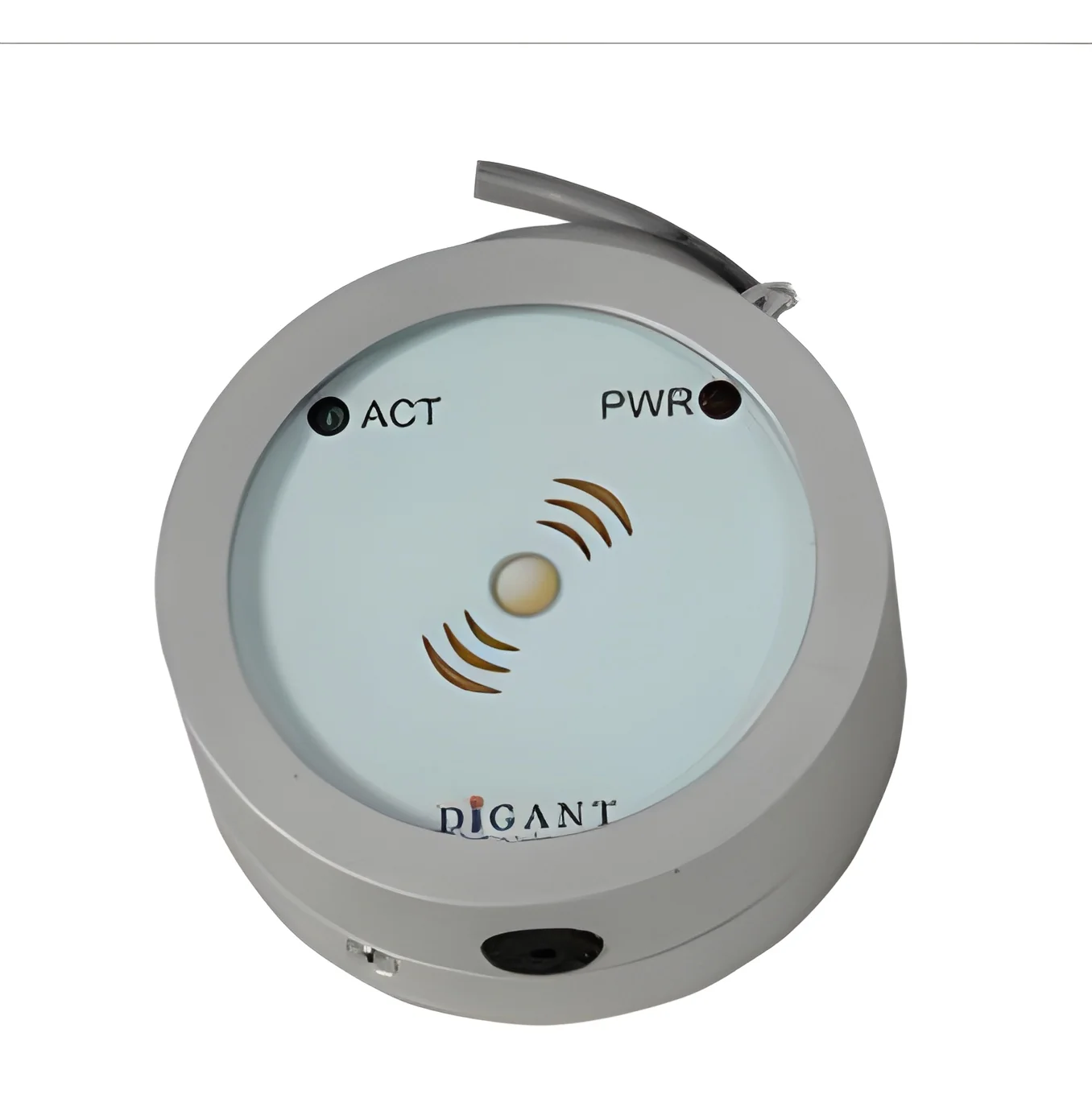
What are Communication Modules (Profibus, Ethernet, Modbus)?
Communication modules such as Profibus, Ethernet, and Modbus are integral devices used in industrial automation systems. They serve as interface units that facilitate communication between various industrial equipment and control systems. These modules ensure that different devices can exchange data efficiently, enabling real-time monitoring and control of processes.
The primary uses of these communication modules can be found in sectors that rely heavily on automation, such as manufacturing, energy, and transportation. They allow for seamless integration of sensors, actuators, and controllers, enhancing operational efficiency and reducing downtime. By enabling reliable data transmission over diverse networks, these modules support various applications, including remote monitoring, process control, and data acquisition.
In today's market, the relevance of communication modules is growing as industries increasingly adopt smart technologies and IoT solutions. The demand for efficient communication protocols is driven by the need for enhanced data exchange and operational transparency. As industries evolve, the importance of robust communication systems becomes paramount, thereby positioning these modules as essential components in modern industrial infrastructure.
๐๐ฒ๐ ๐๐ฒ๐ฎ๐๐๐ฟ๐ฒ๐ ๐ฎ๐ป๐ฑ ๐ฆ๐ฝ๐ฒ๐ฐ๐ถ๐ณ๐ถ๐ฐ๐ฎ๐๐ถ๐ผ๐ป๐
Communication modules come with a variety of features and specifications designed to meet the needs of different applications. These specifications ensure compatibility and performance in diverse industrial environments.
Key specifications include:
1. Communication Protocol
- Supports protocols like Profibus, Modbus, and Ethernet.
- Ensures compatibility with various devices.
2. Data Transfer Rate
- Varies based on the protocol used.
- Typically ranges from 9.6 kbps to 1 Mbps or more.
3. Operating Temperature
- Designed for operation in harsh environments.
- Typical range is from -20ยฐC to +70ยฐC.
4. Power Supply
- Usually operates on a standard voltage range.
- Commonly requires 24V DC for operation.
5. Digital and Analog Input/Output
- Supports multiple I/O configurations.
- Facilitates connection with a variety of sensors and actuators.
6. Diagnostic Features
- Equipped with self-diagnostic capabilities.
- Provides real-time status updates for troubleshooting.
7. Mounting Options
- Available in various mounting styles, including DIN rail and panel mount.
- Allows for flexible installation based on user requirements.
8. Compliance and Certification
- Meets industry standards such as CE and UL.
- Ensures adherence to safety and quality regulations.
In summary, communication modules are equipped with essential features that enhance their functionality and reliability. Their specifications cater to a wide range of industrial applications, making them a vital component in automation systems.
๐๐ผ๐บ๐บ๐ผ๐ป ๐๐ฝ๐ฝ๐น๐ถ๐ฐ๐ฎ๐๐ถ๐ผ๐ป๐ ๐ฎ๐ป๐ฑ ๐จ๐๐ฒ ๐๐ฎ๐๐ฒ๐
Communication modules serve a wide range of industries, enhancing connectivity and performance.
1. Manufacturing: In manufacturing, these modules enable real-time data exchange between machinery and control systems. They allow for automated processes, reducing human error and improving efficiency.
2. Energy: In the energy sector, communication modules facilitate monitoring and control of power generation and distribution systems. They enable remote access and management of energy resources.
3. Transportation: These modules are used in transportation for monitoring systems such as traffic signals and public transportation. They ensure coordinated operations and timely data sharing.
4. Oil and Gas: In the oil and gas industry, communication modules support the monitoring of pipelines and drilling operations. They help in maintaining safety and compliance with regulations.
5. Water Treatment: In water treatment facilities, these modules assist in monitoring water quality and treatment processes. They enable efficient management of resources and compliance with health standards.
6. Building Automation: Communication modules are integral to building management systems. They help manage HVAC, lighting, and security systems to enhance energy efficiency and safety.
7. Agriculture: In agriculture, these modules connect various monitoring devices for precision farming. They enhance data collection for better crop management.
๐ฃ๐ฟ๐ผ๐ฑ๐๐ฐ๐ ๐ฉ๐ฎ๐ฟ๐ถ๐ฎ๐ป๐๐ ๐ฎ๐ป๐ฑ ๐ฆ๐๐ฏ๐ฐ๐ฎ๐๐ฒ๐ด๐ผ๐ฟ๐ถ๐ฒ๐
Communication modules come in various configurations to meet specific needs. Each variant is designed with unique features tailored for distinct applications.
Profibus Communication Module: This variant focuses on the Profibus protocol, enabling high-speed communication in manufacturing and process automation. It is ideal for connecting sensors and actuators in a factory setup.
Ethernet Communication Module: Designed for Ethernet networks, this module provides robust connectivity for IoT applications. It supports high data transfer rates, making it suitable for modern industrial environments.
Modbus Communication Module: This variant supports the Modbus protocol, commonly used in industrial devices. It is known for its simplicity and effectiveness in various automation applications.
๐๐ฒ๐ป๐ฒ๐ณ๐ถ๐๐ ๐ฎ๐ป๐ฑ ๐๐ฑ๐๐ฎ๐ป๐๐ฎ๐ด๐ฒ๐
Communication modules offer significant advantages that enhance operational efficiency.
1. Improved Data Exchange: These modules facilitate seamless communication between devices, ensuring real-time data availability for better decision-making.
2. Enhanced System Integration: They allow for easy integration of different devices and systems, promoting interoperability in automation setups.
3. Increased Reliability: Communication modules are designed for durability, ensuring consistent performance even in challenging environments.
4. Cost Efficiency: By optimizing processes and reducing downtime, these modules contribute to lower operational costs.
5. Scalability: They support the addition of new devices without major overhauls, allowing businesses to scale their systems as needed.
6. Remote Monitoring: Many modules enable remote access to data, allowing operators to monitor systems from anywhere, enhancing flexibility.
๐๐๐๐ถ๐ป๐ด ๐๐๐ถ๐ฑ๐ฒ ๐ณ๐ผ๐ฟ ๐๐ฎ๐ ๐๐๐๐ฒ๐ฟ๐
When sourcing communication modules such as Profibus, Ethernet, and Modbus, several factors should be considered to ensure effective purchasing.
1. Quality Assessment: Buyers should evaluate product quality through certifications and standards. Look for modules that meet industry benchmarks to guarantee reliability.
2. Supplier Verification: It is essential to vet suppliers thoroughly. Consider their reputation, experience, and customer feedback to ensure they provide quality products.
3. Pricing and MOQ: Understand the pricing structure and minimum order quantities. This helps in budgeting and planning for purchases.
4. Delivery and Lead Times: Assess delivery options and lead times. Timely delivery is crucial for project deadlines and operational continuity.
5. Compliance Requirements: Ensure that the modules meet regulatory compliance standards relevant to your industry. This is vital for legal and operational safety.
๐๐ผ๐บ๐ฝ๐น๐ถ๐ฎ๐ป๐ฐ๐ฒ ๐ฎ๐ป๐ฑ ๐๐ฒ๐ฟ๐๐ถ๐ณ๐ถ๐ฐ๐ฎ๐๐ถ๐ผ๐ป๐
Communication modules are subject to various quality standards and certifications that ensure their reliability and safety. Compliance with ISO 9001 guarantees a commitment to quality management systems, which is essential for maintaining product consistency.
Certifications like CE and UL are crucial as they demonstrate adherence to safety and performance standards. These certifications reassure buyers that the products meet specific regulatory requirements, enhancing their marketability.
Additionally, safety and testing requirements must be met to ensure that the modules can operate safely in industrial environments. Regional compliance considerations may also vary, necessitating a thorough understanding of local regulations and standards.
Why Source Communication Modules (Profibus, Ethernet, Modbus) from Pepagora?
Pepagora provides a trusted platform for sourcing communication modules with several key advantages.
Verified Supplier Network: Pepagora collaborates with a network of verified suppliers, ensuring that buyers receive high-quality products. Each supplier undergoes a thorough vetting process to guarantee reliability.
Streamlined RFQ Process: The quotation system is designed to simplify the procurement process. Buyers can easily request quotes from multiple suppliers, allowing for informed decision-making.
Trade Assurance and Support: Pepagora offers trade assurance, providing protection for buyers throughout the purchasing process. Support is readily available to address any concerns or issues.
Regional Coverage: With a strong presence in India, GCC, and Southeast Asia, Pepagora ensures broad geographic reach. This allows businesses in these regions to access essential communication modules efficiently.