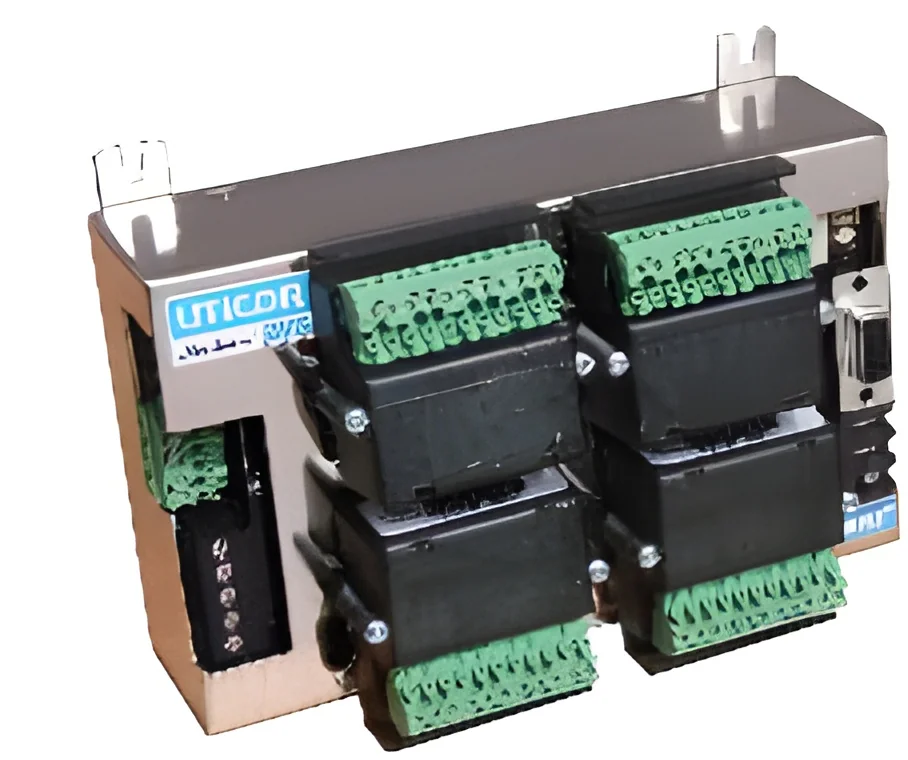
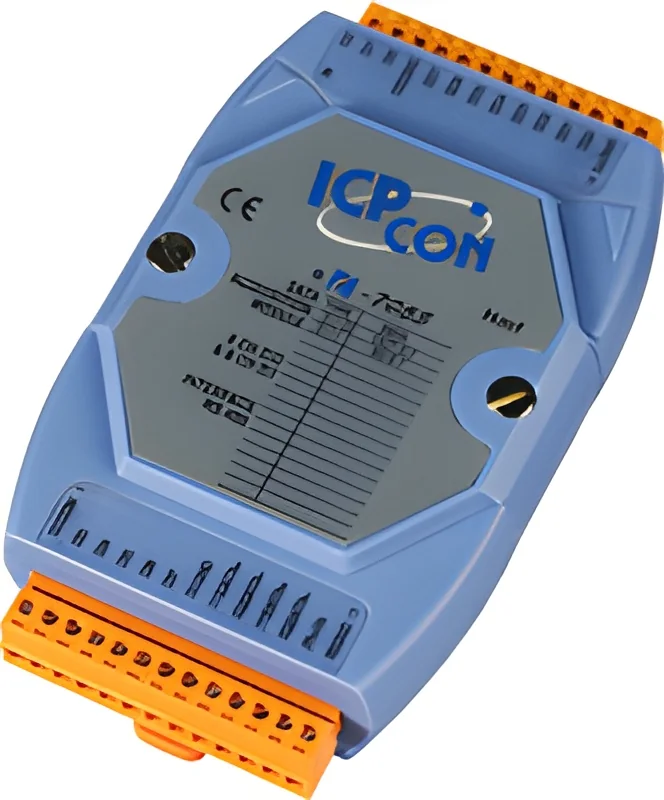
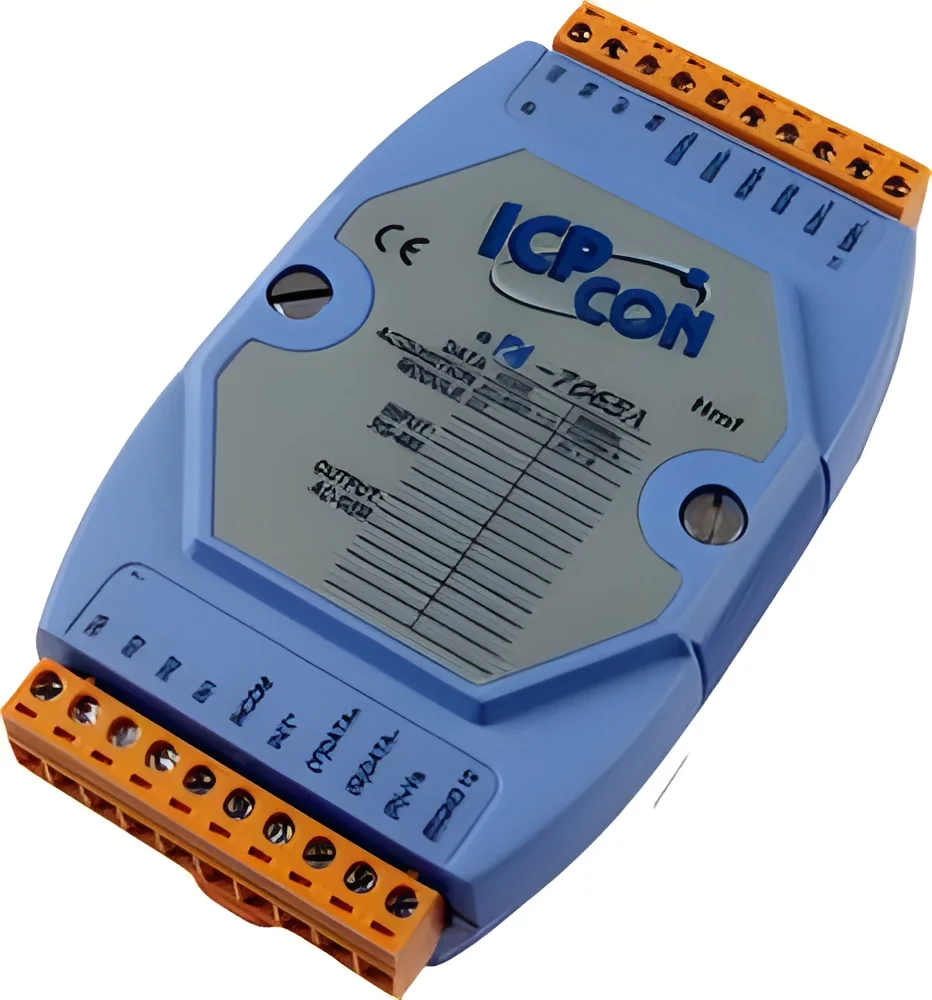
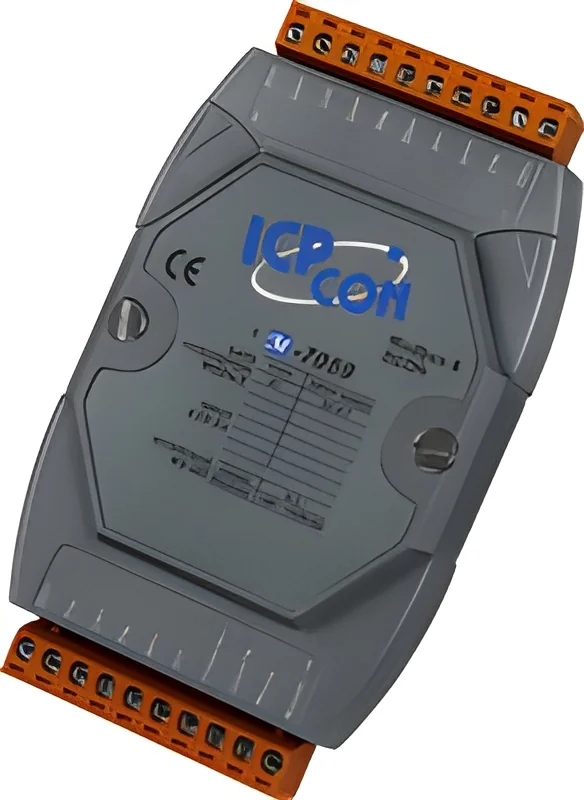
What are Remote I/O Panels?
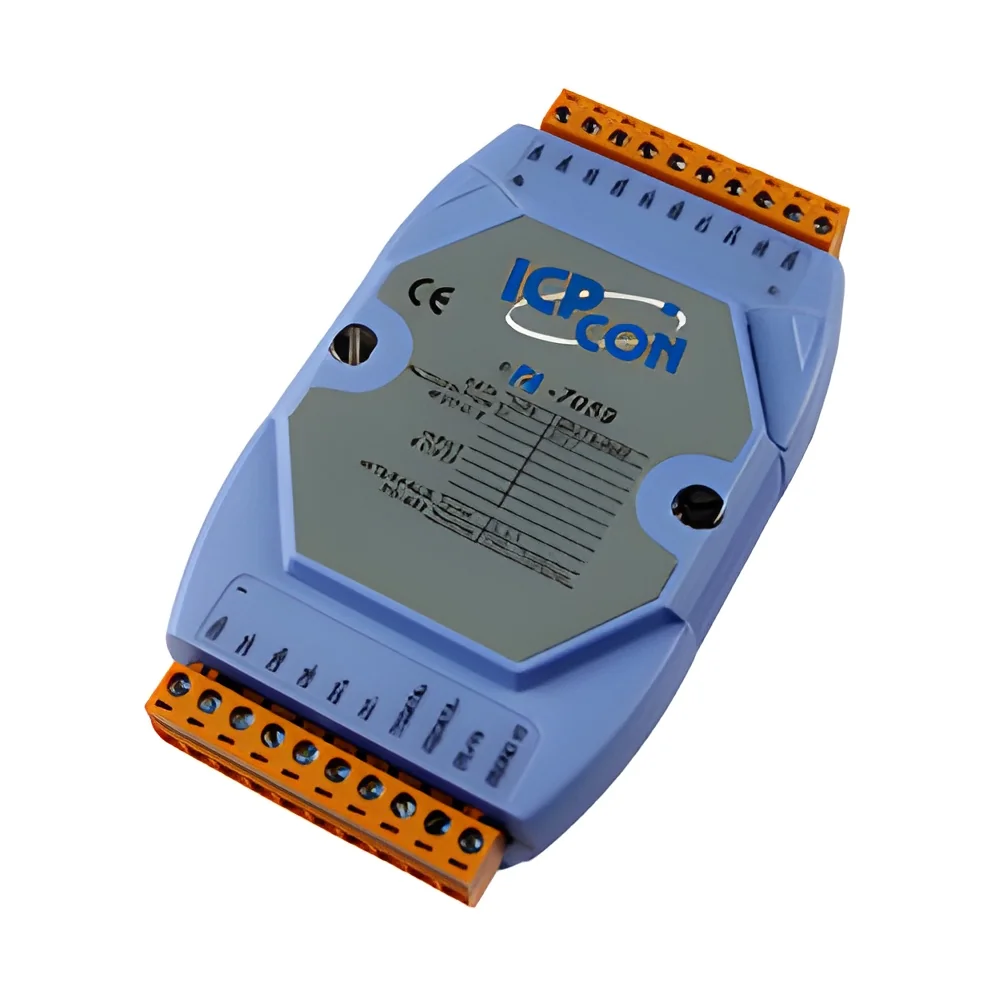
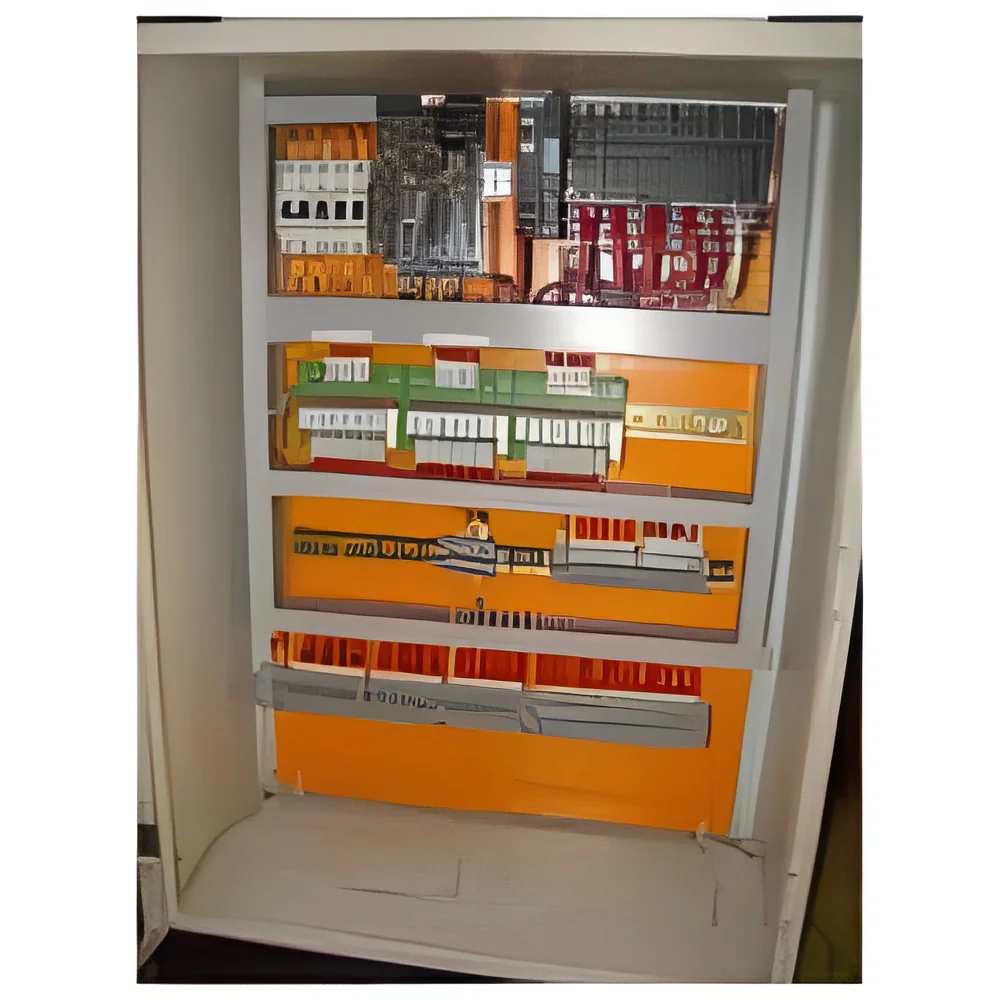
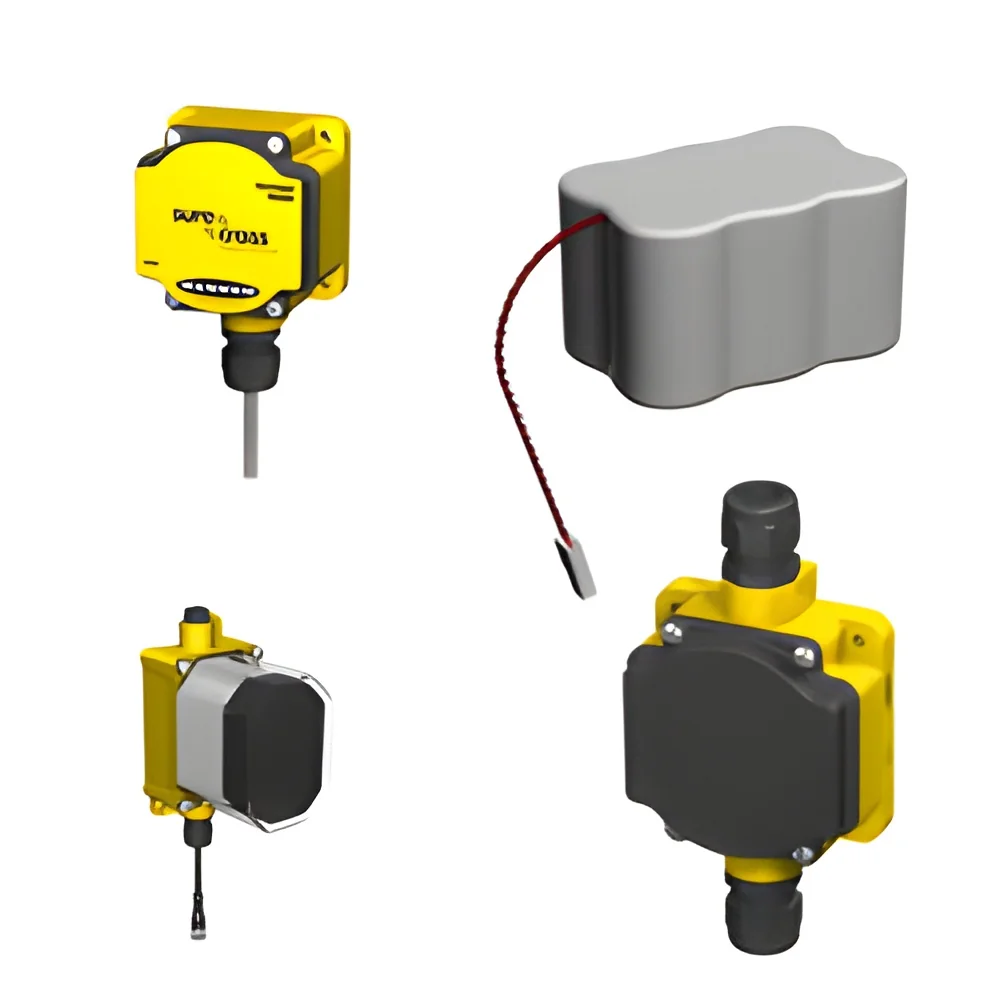
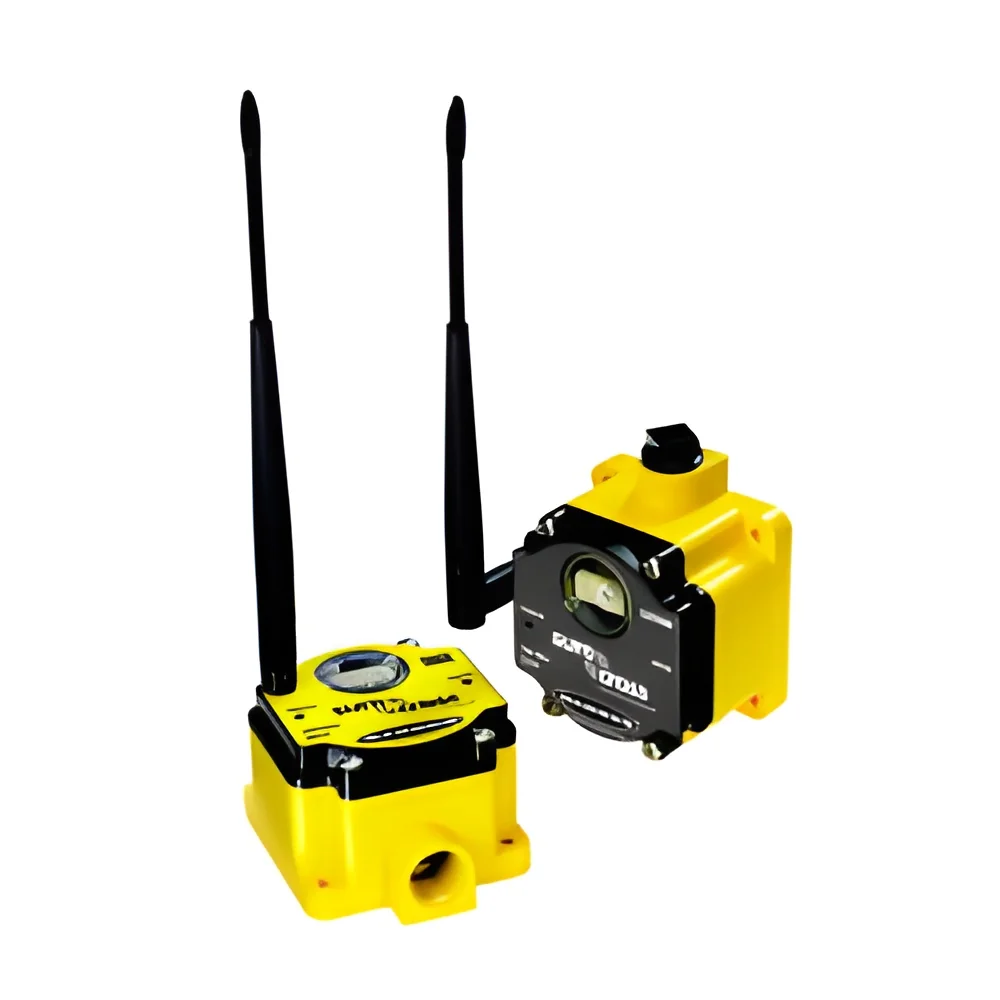
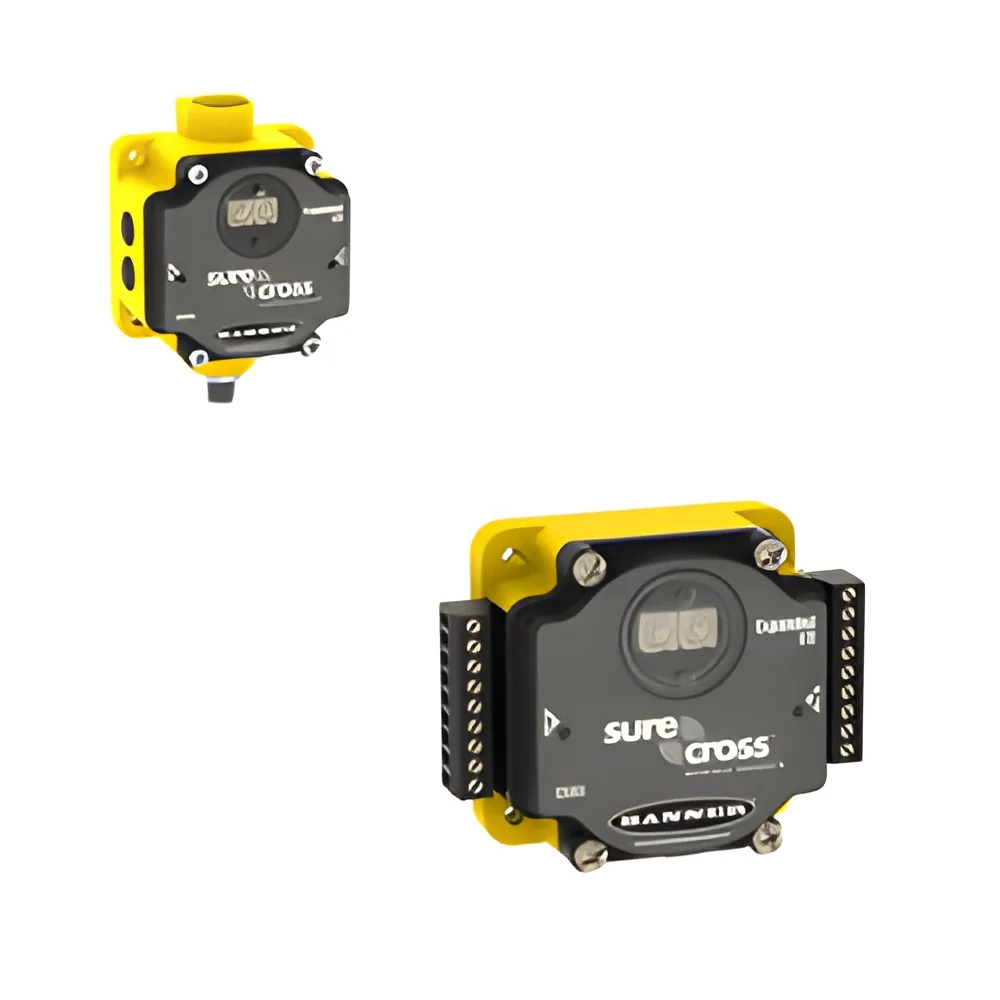
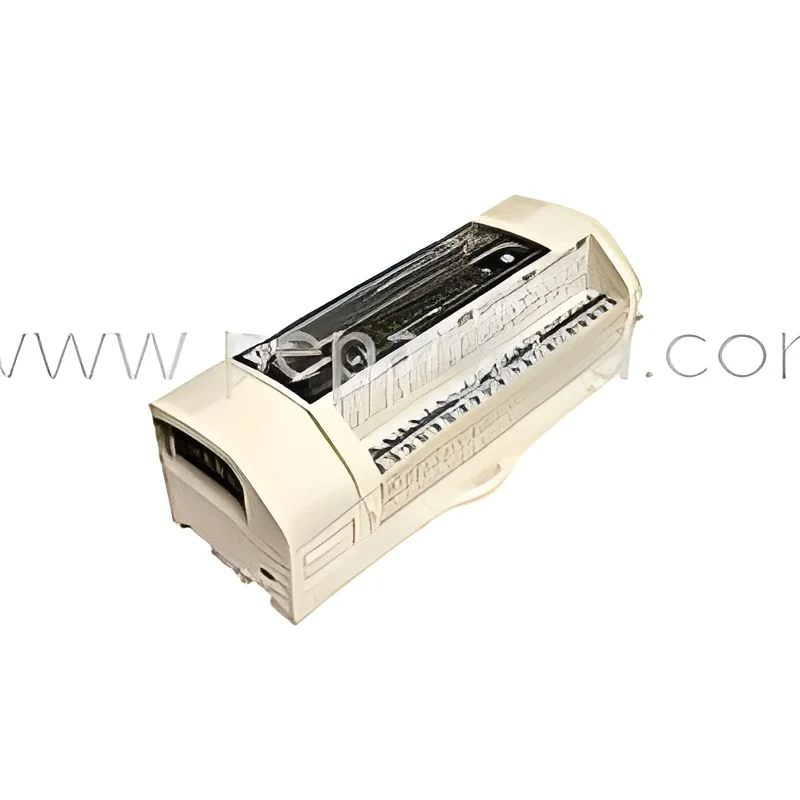
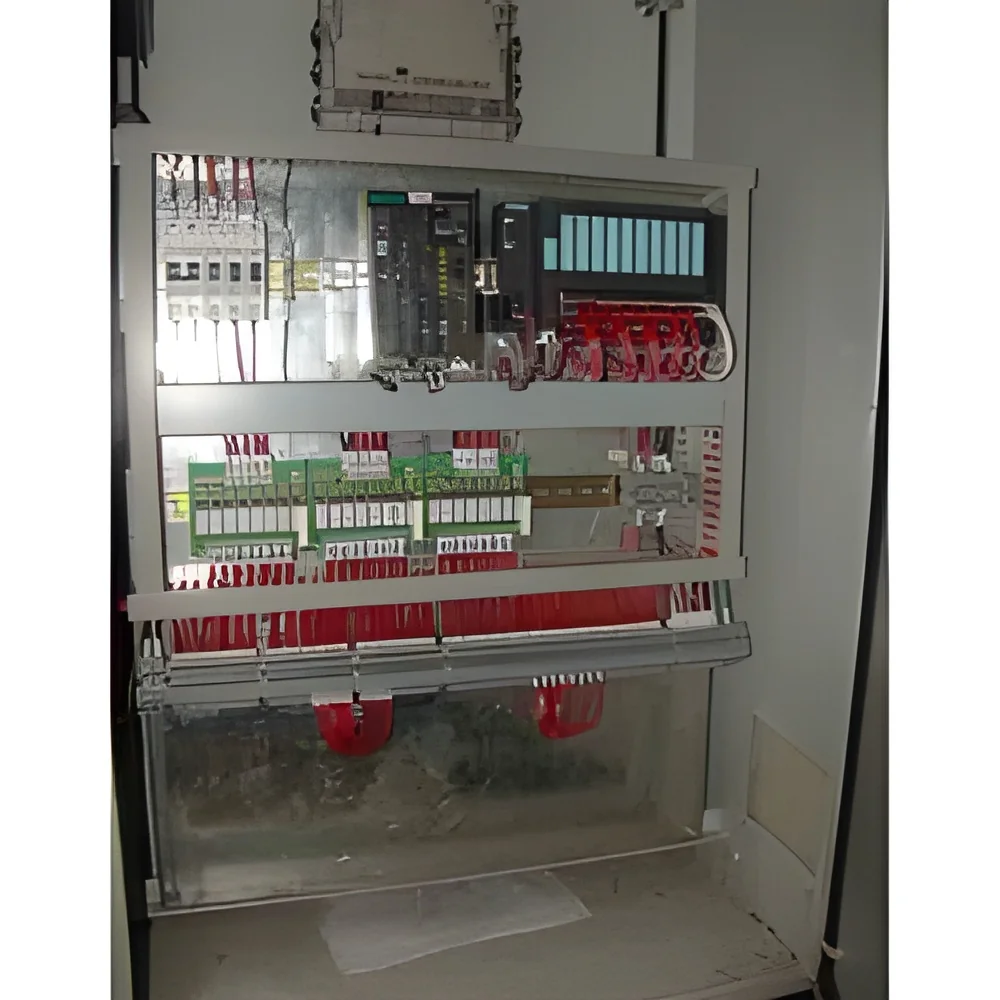
Remote I/O Panels are critical components in industrial automation systems. These devices facilitate the connection between field devices and a central control system, allowing for the monitoring and control of various processes from a distance. Remote I/O Panels serve as an interface that collects input from sensors, actuators, and other field devices, transmitting this data to a supervisory control system. By doing so, they enhance the efficiency and effectiveness of industrial operations.
The primary use of Remote I/O Panels is in environments where traditional wiring is impractical or where equipment is located far from the control center. Industries such as manufacturing, oil and gas, and utilities benefit from these systems by improving communication and reducing downtime. Their ability to integrate with existing systems makes them essential in modern industrial settings, where real-time data and remote management are increasingly important.
The market for Remote I/O Panels is continuously evolving, driven by advancements in technology and the increasing demand for automation. As industries seek to enhance productivity and reliability, the relevance of these panels grows. They are vital in achieving operational excellence and maintaining competitive advantages in various sectors.
Key Features and Specifications
Remote I/O Panels come equipped with several features that enhance their functionality and adaptability in different environments. The specifications often vary, but key features include modular designs, various communication protocols, and robust environmental ratings.
Key specifications include:
1. Communication Protocols
- Support for protocols such as Modbus, Profibus, and Ethernet/IP.
- Enables seamless integration with existing industrial networks.
2. Input/Output Channels
- Available in configurations ranging from 8 to 64 channels.
- Allows for flexibility in managing multiple devices simultaneously.
3. Environmental Ratings
- Designed to operate in harsh environments with IP ratings of IP65 or higher.
- Ensures protection against dust, moisture, and extreme temperatures.
4. Power Supply Options
- Can operate on various voltage levels, typically 24V DC.
- Facilitates compatibility with different power sources.
5. Mounting Options
- Available in wall-mounted or panel-mounted variants.
- Provides flexibility in installation based on space constraints.
6. Diagnostics and Monitoring Features
- Integrated LED indicators for status monitoring.
- Capable of providing diagnostic information for troubleshooting.
7. Customization Options
- Many models allow for customization to meet specific application needs.
- Options for tailored configurations based on industry requirements.
8. Safety Certifications
- Complies with essential safety standards such as CE marking.
- Assurance of quality and safety for end users.
Remote I/O Panels provide a reliable solution for industrial automation needs, ensuring that businesses can operate efficiently and safely.
Common Applications and Use Cases
Remote I/O Panels are utilized across various industries due to their flexibility and reliability.
1. Manufacturing: In manufacturing, these panels are used to connect machinery and sensors, allowing for real-time monitoring and control of production processes. This enhances operational efficiency and minimizes downtime.
2. Oil and Gas: In the oil and gas industry, Remote I/O Panels facilitate monitoring of remote drilling sites and pipeline systems. They provide critical data on pressure, flow, and safety conditions, ensuring operational safety.
3. Utilities: Utility companies use Remote I/O Panels for managing power distribution and grid monitoring. They help in collecting data from various substations and integrating it into a central management system.
4. Water Treatment: These panels are essential in water treatment facilities, where they monitor water quality and flow rates. They enhance the efficiency of treatment processes and help in meeting regulatory requirements.
5. Transportation: In transportation systems, Remote I/O Panels monitor traffic signals and control systems. They improve traffic management and safety on roadways.
6. Agriculture: Remote I/O Panels are used in precision agriculture for monitoring soil conditions, irrigation systems, and crop health. They enable data-driven decision-making for better yields.
7. Building Automation: In building management systems, these panels control lighting, HVAC, and security systems. They enhance energy efficiency and occupant comfort.
Product Variants and Subcategories
Remote I/O Panels come in various models tailored for different applications and environments.
Variant 1: Standard Remote I/O Panel
This variant is designed for general industrial applications. It features a robust construction and supports multiple communication protocols, making it suitable for various systems within manufacturing and processing environments.
Variant 2: Explosion-Proof Remote I/O Panel
Specifically designed for hazardous locations, this variant adheres to strict safety standards. It includes features to withstand extreme conditions while ensuring reliable performance in oil and gas or chemical processing facilities.
Variant 3: Compact Remote I/O Panel
This model is designed for space-constrained environments. It offers a smaller footprint while maintaining essential functionalities, ideal for smaller manufacturing plants or remote installations.
Benefits and Advantages
Remote I/O Panels offer numerous benefits that enhance industrial operations.
1. Improved Efficiency: These panels facilitate quick data collection and transmission, allowing for timely decision-making and process adjustments.
2. Enhanced Flexibility: With modular designs and various configurations, they can be tailored to suit specific industrial needs, adapting to different applications seamlessly.
3. Cost-Effectiveness: By reducing the amount of wiring and installation time, Remote I/O Panels lower overall project costs and maintenance expenses.
4. Increased Reliability: Built to withstand harsh conditions, these panels ensure consistent performance, reducing downtime and maintenance needs.
5. Simplified Integration: Their compatibility with multiple communication protocols allows for easy integration into existing systems, minimizing disruption during upgrades.
6. Greater Safety: With comprehensive monitoring capabilities, these panels help maintain operational safety and compliance with industry regulations.
Buying Guide for B2B Buyers
When sourcing Remote I/O Panels, it is essential to consider various factors to ensure the best fit for your business needs.
1. Quality Assessment: Evaluate the quality of materials and construction standards. Look for panels that comply with relevant safety and quality certifications to ensure reliability.
2. Supplier Verification: Vet suppliers by checking their reputation, customer reviews, and compliance with industry standards. Ensure they have a proven track record in providing quality products.
3. Pricing and MOQ: Understand the pricing structures and minimum order quantities. Compare costs among suppliers to ensure competitive pricing while considering the total cost of ownership.
4. Delivery and Lead Times: Discuss logistics and delivery timelines with suppliers to ensure that you can meet your production schedules. Timely delivery is crucial in maintaining operational efficiency.
5. Compliance Requirements: Ensure that the panels meet all relevant industry compliance and certification standards. This might include safety certifications and environmental considerations specific to your industry.
Compliance and Certifications
Remote I/O Panels must adhere to various compliance and certification standards. Quality management systems such as ISO 9001 are essential for ensuring that products meet consistent quality benchmarks. In addition, industry-specific certifications, such as CE marking, demonstrate compliance with European safety and performance standards.
Safety and testing requirements are critical, especially for panels used in hazardous environments. Compliance with these standards ensures user safety and operational reliability. Furthermore, regional compliance considerations may vary, so it is essential to understand the specific regulations applicable to the areas where the panels will be used.
Why Source Remote I/O Panels from Pepagora?
Pepagora provides a trusted platform for sourcing Remote I/O Panels, offering several key advantages for B2B buyers.
Verified Supplier Network: Pepagora has established a network of verified suppliers, ensuring that buyers have access to high-quality products. Each supplier is thoroughly vetted to maintain a standard of excellence.
Streamlined RFQ Process: The request for quotation process on Pepagora is designed to be efficient and user-friendly. Buyers can easily compare offers from multiple suppliers, saving time and ensuring the best pricing.
Trade Assurance and Support: Pepagora offers trade assurance, which protects buyers throughout the purchasing process. This support adds an additional layer of security, fostering trust between buyers and suppliers.
Regional Coverage: With a comprehensive reach across India, the GCC, and Southeast Asia, Pepagora connects buyers with suppliers in their region. This regional focus helps facilitate better communication and logistics for a smoother purchasing experience.

 IN
IN