What are PLC Panels (Allen Bradley, Siemens, Schneider)?
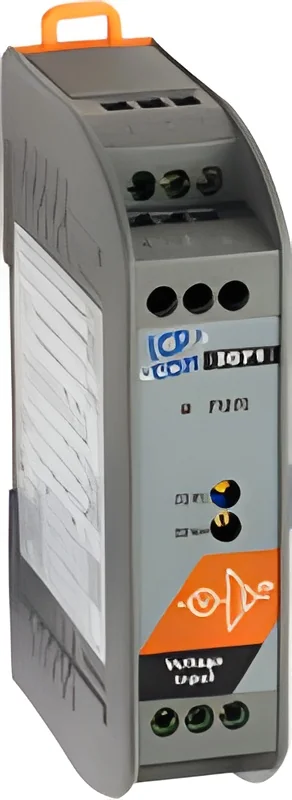
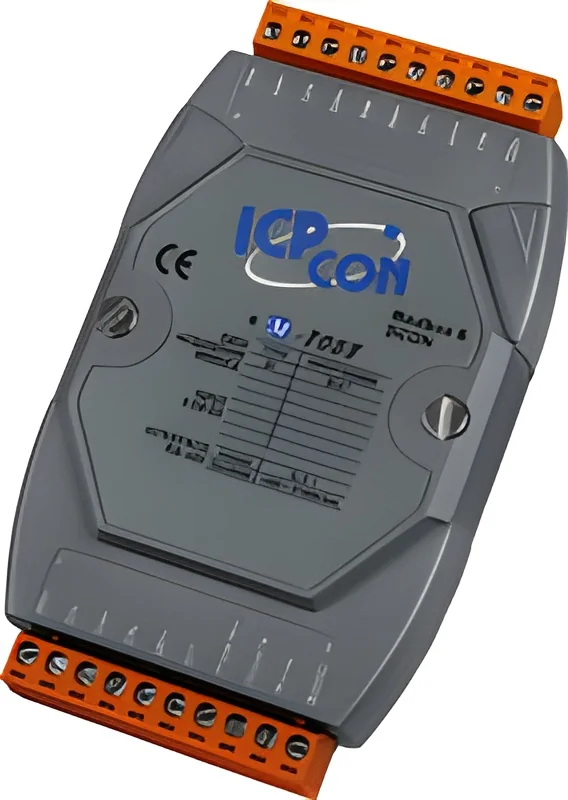
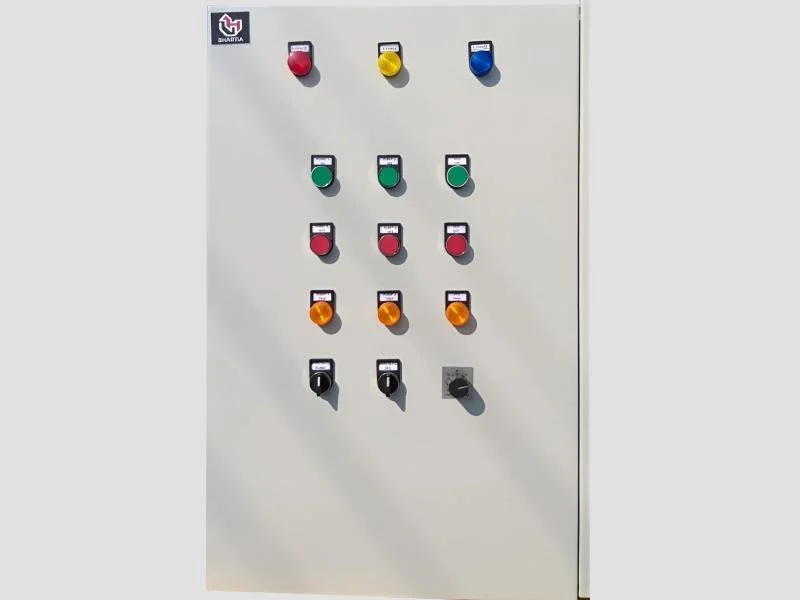
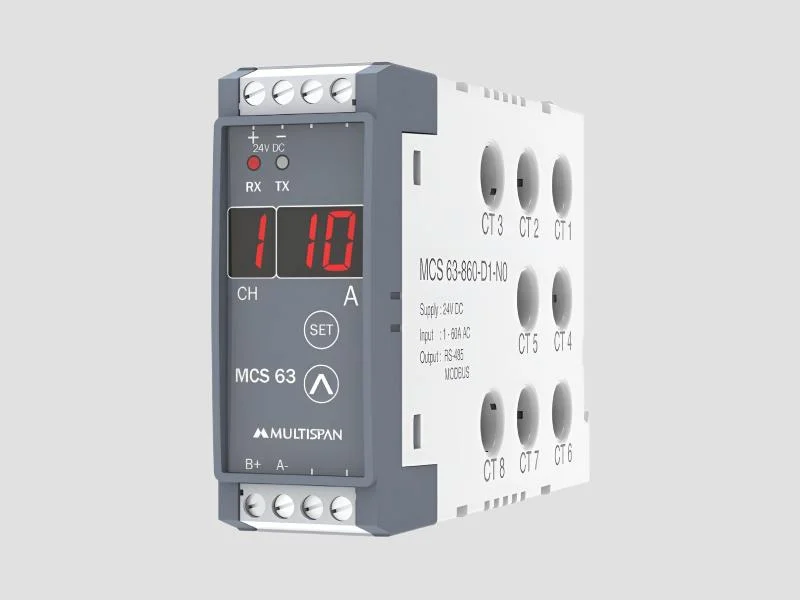
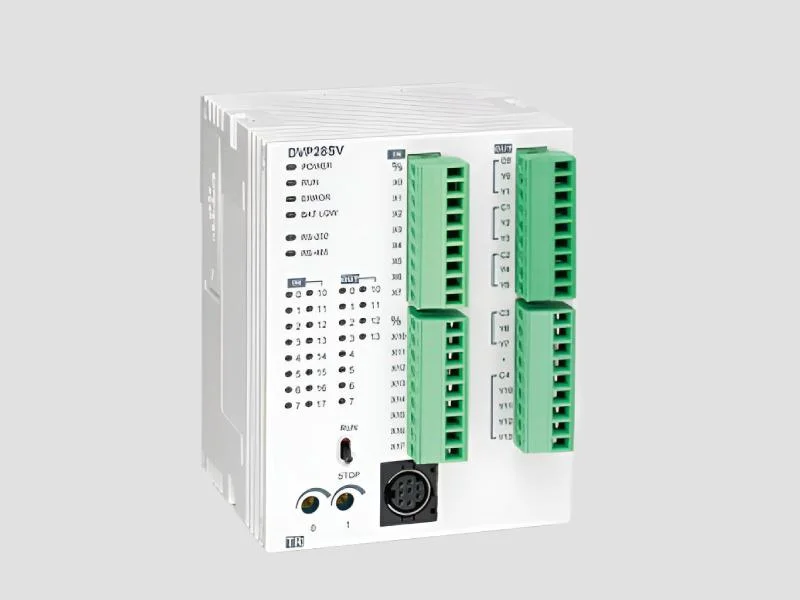
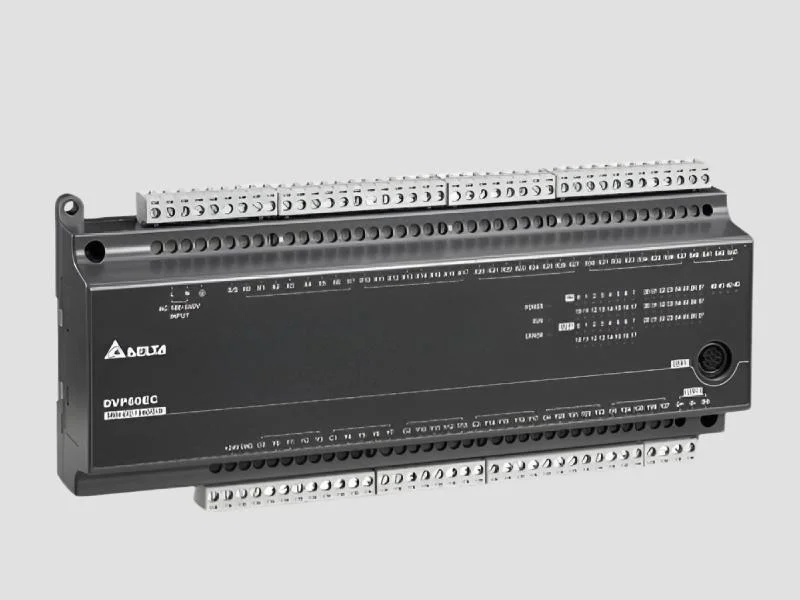
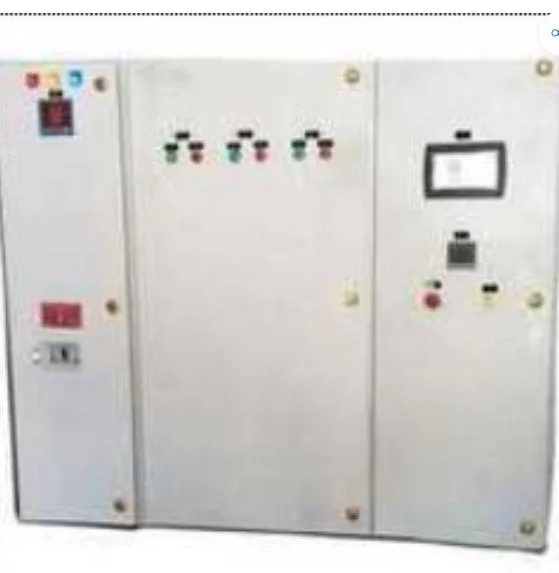
PLC panels, or Programmable Logic Controller panels, are sophisticated control systems used in various industrial applications. They serve as the brain of automated processes, allowing for real-time monitoring and control of machinery and equipment. Major manufacturers like Allen Bradley, Siemens, and Schneider provide high-quality PLC panels designed to enhance operational efficiency and reliability.
These panels find primary use in manufacturing plants, energy production facilities, and other industrial environments where automated controls are essential. They help manage everything from assembly lines to complex machinery, ensuring that processes run smoothly and safely. The growing emphasis on automation in industries has increased the relevance of PLC panels in the market, making them a critical component for companies seeking to improve productivity and reduce downtime.
๐๐ฒ๐ ๐๐ฒ๐ฎ๐๐๐ฟ๐ฒ๐ ๐ฎ๐ป๐ฑ ๐ฆ๐ฝ๐ฒ๐ฐ๐ถ๐ณ๐ถ๐ฐ๐ฎ๐๐ถ๐ผ๐ป๐
PLC panels from leading manufacturers such as Allen Bradley, Siemens, and Schneider are designed with advanced features and specifications to meet the diverse needs of industrial applications. Understanding these specifications is crucial for selecting the right panel for specific tasks.
Key specifications include:
1. Processing Speed
- Fast processing capabilities enhance responsiveness.
- Typical ranges from 1 ms to 10 ms depending on the model.
2. Input/Output (I/O) Points
- Determines the number of devices that can be connected.
- Common configurations range from 16 I/O points to over 500 I/O points.
3. Communication Protocols
- Supports various protocols for seamless integration.
- Common protocols include Ethernet/IP, Modbus, and Profibus.
4. Power Supply Requirements
- Specifications vary based on design and application.
- Typical voltage ranges include 24V DC or 120V AC.
5. Environmental Ratings
- Ensures reliability under specific conditions.
- Ratings often include IP65 for dust and water resistance.
6. Memory Capacity
- Determines how much data can be stored and processed.
- Memory ranges typically from 2 MB to 64 MB.
7. Programming Software Compatibility
- Compatibility with various programming languages.
- Common software includes RSLogix for Allen Bradley and TIA Portal for Siemens.
8. Safety Features
- Includes built-in fail-safes and redundancy options.
- Adherence to safety standards such as IEC 61508.
In summary, PLC panels from these leading manufacturers offer a range of specifications designed to meet the demands of modern industrial applications, ensuring reliability and efficiency.
๐๐ผ๐บ๐บ๐ผ๐ป ๐๐ฝ๐ฝ๐น๐ถ๐ฐ๐ฎ๐๐ถ๐ผ๐ป๐ ๐ฎ๐ป๐ฑ ๐จ๐๐ฒ ๐๐ฎ๐๐ฒ๐
PLC panels are versatile and serve various industries effectively.
1. Manufacturing: PLC panels are widely used in automated assembly lines, controlling machinery and ensuring precision in operations.
2. Oil and Gas: In this industry, PLC panels manage drilling equipment and monitor environmental conditions to ensure safety and compliance.
3. Food and Beverage: These panels are used for process automation, ensuring consistent quality and adherence to hygiene standards.
4. Water Treatment: PLC panels control pumps and filtration systems, optimizing the purification process and monitoring water quality.
5. Pharmaceuticals: In this highly regulated sector, PLC panels maintain strict control over production processes to ensure compliance with safety regulations.
6. Automotive: PLC panels facilitate automation in vehicle assembly processes, enhancing efficiency and accuracy.
7. Power Generation: These panels manage the performance of turbines and generators, ensuring optimal energy production.
๐ฃ๐ฟ๐ผ๐ฑ๐๐ฐ๐ ๐ฉ๐ฎ๐ฟ๐ถ๐ฎ๐ป๐๐ ๐ฎ๐ป๐ฑ ๐ฆ๐๐ฏ๐ฐ๐ฎ๐๐ฒ๐ด๐ผ๐ฟ๐ถ๐ฒ๐
PLC panels come in various configurations to meet specific industrial needs.
Compact PLC Panels
These panels are designed for space-constrained environments and are suitable for basic automation tasks, offering essential features and ease of integration.
Modular PLC Panels
Modular designs allow for flexible configurations and scalability, making them ideal for complex applications that require multiple I/O points and communication options.
High-Performance PLC Panels
Designed for demanding applications, these panels offer advanced processing capabilities and extensive I/O options, suitable for large-scale industrial operations.
๐๐ฒ๐ป๐ฒ๐ณ๐ถ๐๐ ๐ฎ๐ป๐ฑ ๐๐ฑ๐๐ฎ๐ป๐๐ฎ๐ด๐ฒ๐
Selecting PLC panels from reputable manufacturers provides numerous advantages.
1. Enhanced Efficiency: PLC panels optimize automation processes, leading to increased operational efficiency and reduced manual intervention.
2. Improved Reliability: High-quality components ensure that these panels operate reliably, minimizing downtime and maintenance costs.
3. Flexibility: The ability to customize configurations allows businesses to tailor PLC panels to their specific operational needs.
4. Advanced Monitoring: PLC panels facilitate real-time monitoring, enabling quick responses to any issues that may arise during operations.
5. Scalability: As businesses grow, PLC panels can be easily expanded to accommodate additional processes and equipment.
6. Compliance Support: Leading manufacturers ensure their products meet industry standards, helping businesses navigate regulatory requirements.
๐๐๐๐ถ๐ป๐ด ๐๐๐ถ๐ฑ๐ฒ ๐ณ๐ผ๐ฟ ๐๐ฎ๐ ๐๐๐๐ฒ๐ฟ๐
When sourcing PLC panels from manufacturers such as Allen Bradley, Siemens, and Schneider, several factors should be considered to ensure optimal selection.
1. Quality Assessment: Evaluate the quality of the PLC panels by reviewing technical specifications and industry certifications to ensure reliability and performance.
2. Supplier Verification: Conduct thorough research on suppliers to confirm their reputation and reliability, ensuring they provide genuine products and support.
3. Pricing and MOQ: Understand pricing structures and minimum order quantities, as these can vary significantly among suppliers.
4. Delivery and Lead Times: Consider logistics and supply chain efficiencies, as timely delivery is crucial for maintaining project schedules.
5. Compliance Requirements: Ensure that the PLC panels meet relevant regulatory standards to avoid issues with safety and compliance.
๐๐ผ๐บ๐ฝ๐น๐ถ๐ฎ๐ป๐ฐ๐ฒ ๐ฎ๐ป๐ฑ ๐๐ฒ๐ฟ๐๐ถ๐ณ๐ถ๐ฐ๐ฎ๐๐ถ๐ผ๐ป๐
Compliance and certifications are critical factors in the selection of PLC panels.
Quality standards such as ISO 9001 ensure that manufacturing processes meet international quality management criteria. This helps guarantee consistent product quality.
Industry certifications, including CE marking, indicate that the products meet European safety and environmental standards, enhancing their credibility in the marketplace.
Safety and testing requirements are paramount, especially in industries like food and pharmaceuticals, where regulatory compliance is essential.
Additionally, regional compliance considerations must be taken into account, as different regions may have specific standards that must be met for industrial equipment.
Why Source PLC Panels (Allen Bradley, Siemens, Schneider) from Pepagora?
Pepagora offers a reliable platform for sourcing PLC panels from leading manufacturers like Allen Bradley, Siemens, and Schneider, providing several key advantages.
Verified Supplier Network: Pepagora ensures that all suppliers within its network are thoroughly vetted. This guarantees that buyers can trust the quality and authenticity of the products they purchase.
Streamlined RFQ Process: The Request for Quotation process on Pepagora is designed to be user-friendly and efficient, allowing buyers to receive quotes quickly from multiple suppliers.
Trade Assurance and Support: Pepagora provides buyer protection through trade assurance, ensuring that transactions are secure and that buyers receive the support they need throughout the purchasing process.
Regional Coverage: With a strong presence in regions such as India, the GCC, and Southeast Asia, Pepagora effectively connects buyers with suppliers in various markets, facilitating easier access to quality PLC panels.