What are HMI Touch Screens?
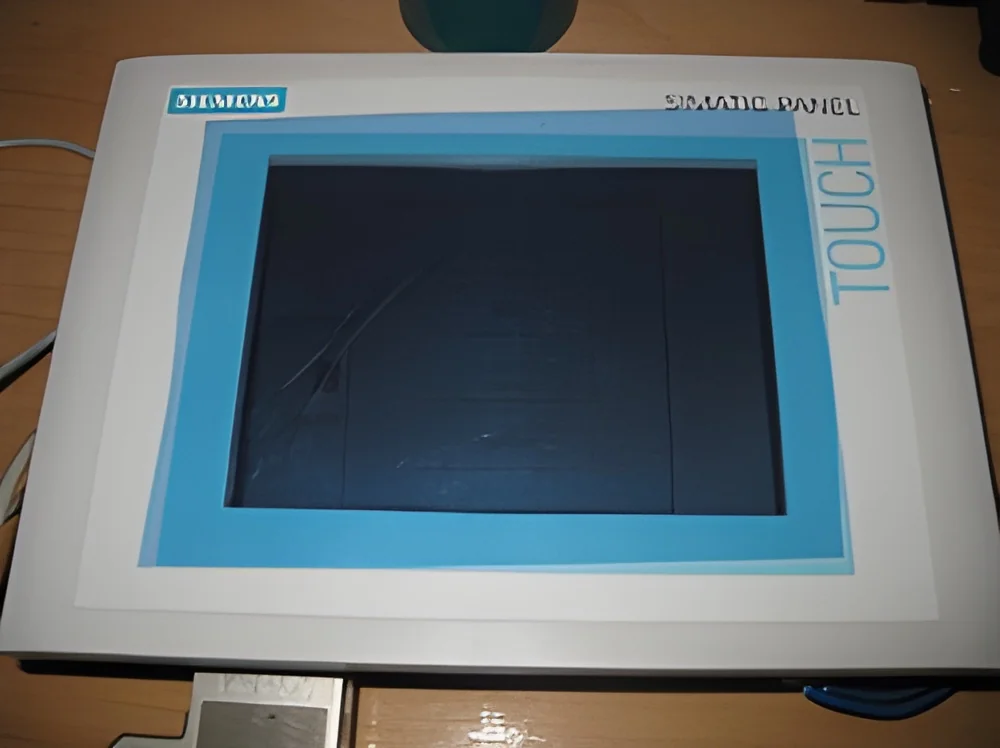
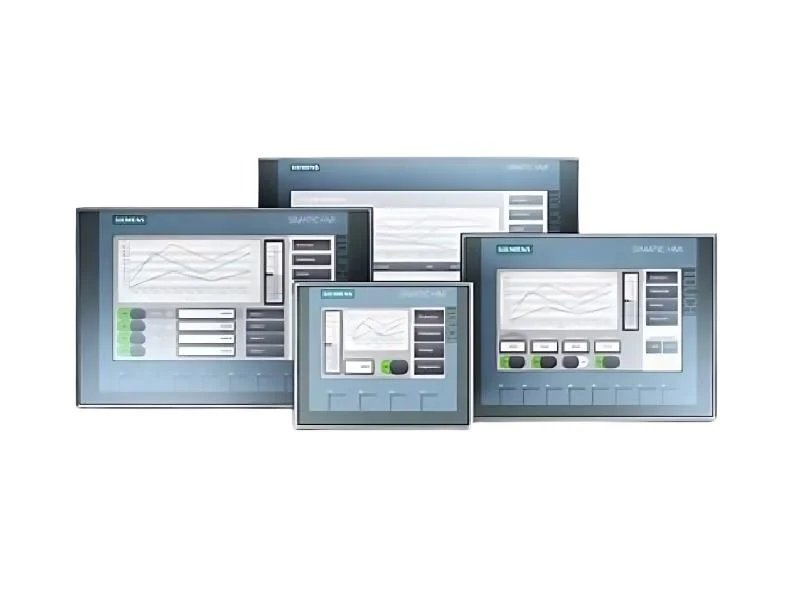
HMI Touch Screens, or Human-Machine Interface Touch Screens, are advanced display devices that allow users to interact with machines and systems through a graphical interface. These screens serve as the bridge between users and complex industrial processes, translating user commands into machine actions. Typically, they incorporate touch-sensitive technology, enabling intuitive operation through taps, swipes, and gestures.
These touch screens are primarily used in various business applications, including manufacturing, automation, and process control. Industries such as food and beverage, pharmaceuticals, and automotive rely on HMI Touch Screens to monitor and control operations efficiently. They enhance productivity by simplifying user interactions with complex machinery, allowing operators to respond quickly to changes in system status.
The relevance of HMI Touch Screens in today’s market cannot be overstated. As industries continue to evolve with the integration of smart technologies, the demand for user-friendly interfaces grows. HMI Touch Screens are essential in facilitating this transition, making them crucial for companies aiming to optimize their operations and maintain a competitive edge.
Key Features and Specifications
HMI Touch Screens come equipped with a variety of features designed to enhance user experience and operational efficiency. These specifications are critical for businesses to understand to choose the right product for their needs.
Key specifications include:
1. Display Size
- Common sizes range from 7 inches to 24 inches
- Larger screens provide better visibility and user interaction
2. Resolution
- Typical resolutions include 800x480, 1024x768, and 1920x1080
- Higher resolutions offer clearer visuals and improved detail
3. Touch Technology
- Capacitive and resistive touch options available
- Capacitive screens offer more sensitivity, while resistive screens are more durable
4. Connectivity Options
- Standard interfaces include USB, Ethernet, and serial ports
- Compatibility with various protocols enhances integration flexibility
5. Operating Temperature Range
- Designed to operate in environments from -10°C to 60°C
- Ensures functionality in diverse industrial conditions
6. Humidity Control
- Designed to withstand humidity levels of up to 90%
- Important for applications in damp environments
7. Power Supply
- Typically operates on 24V DC
- Some models may support AC power supply options
8. Certification
- CE certified for compliance with safety standards
- Ensures reliable performance in industrial settings
In summary, understanding these specifications helps businesses select HMI Touch Screens that meet their specific operational requirements.
Common Applications and Use Cases
HMI Touch Screens find applications across various industries, enhancing operational efficiency and user interaction.
1. Manufacturing: In manufacturing plants, HMI Touch Screens are used to monitor production lines, enabling operators to adjust settings and track performance in real-time.
2. Food and Beverage: These screens control processes such as mixing, packaging, and quality assurance, ensuring compliance with safety standards and efficiency.
3. Pharmaceuticals: In pharmaceutical manufacturing, HMI Touch Screens assist in monitoring complex machinery for precise dosage and compliance with regulatory requirements.
4. Oil and Gas: HMI Touch Screens are used for monitoring drilling operations and refining processes, providing real-time data and controls for safety and efficiency.
5. Water Treatment: In water treatment plants, these screens enable operators to manage filtration and chemical dosing processes effectively.
6. Automotive: HMI Touch Screens assist in controlling robotic arms on assembly lines, streamlining production and reducing human error.
7. Building Management: These screens are utilized for monitoring HVAC systems, lighting, and security, providing a centralized control interface for facility management.
Product Variants and Subcategories
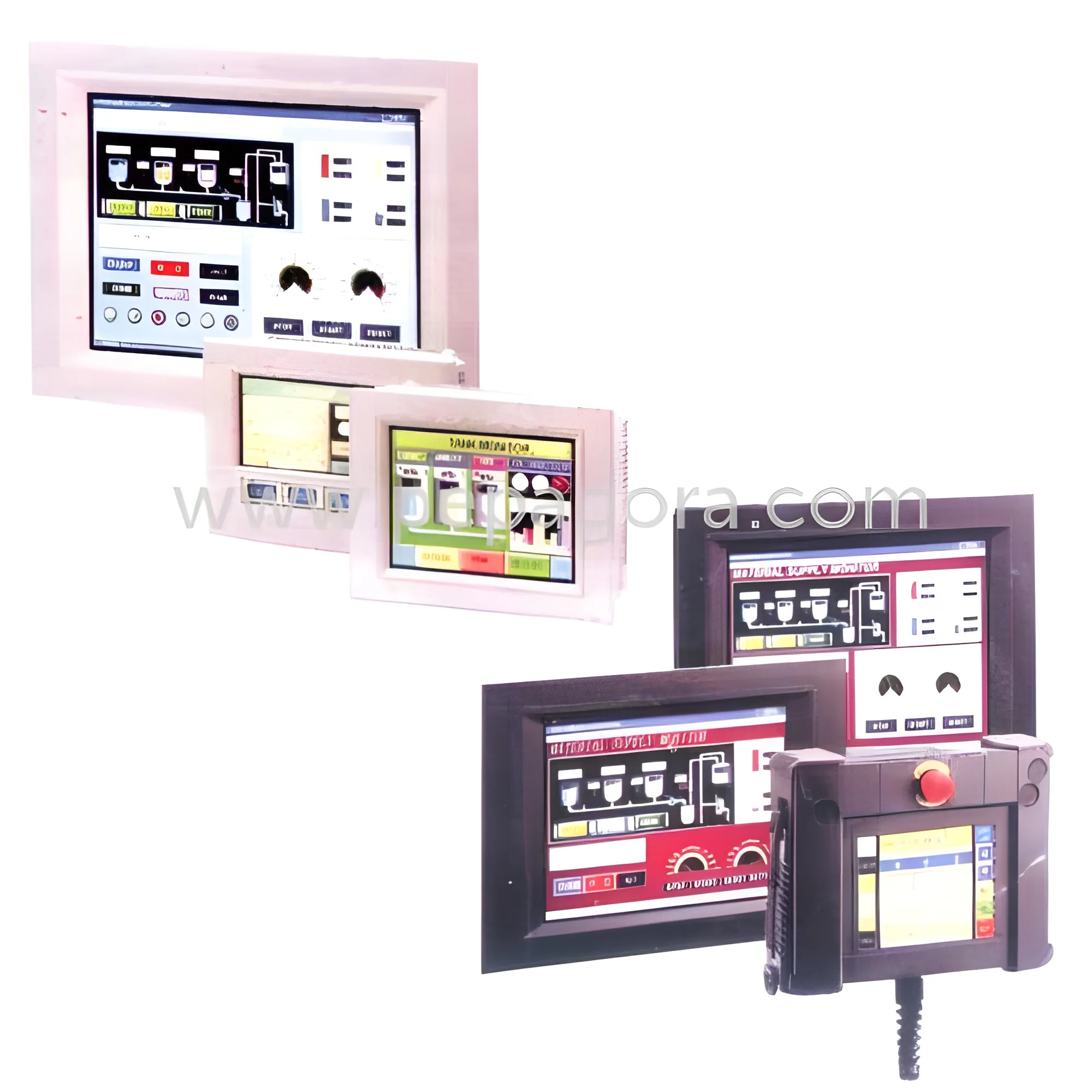
HMI Touch Screens are available in various types, catering to different industry needs and applications.
Panel-Mounted HMI Touch Screens: These screens are integrated directly into control panels, providing a compact solution for limited spaces. They offer robust performance and are ideal for industrial environments.
Portable HMI Touch Screens: Designed for flexibility, these touch screens can be moved between locations. They are beneficial for applications requiring mobility, such as field service operations.
Embedded HMI Touch Screens: These are built into equipment and machinery, providing a seamless user interface. They are often customized for specific applications, enhancing user experience.
Benefits and Advantages
HMI Touch Screens offer numerous advantages that enhance operational efficiency and user experience.
1. Improved User Interface: The touch interface simplifies interactions, making it easier for operators to control complex systems.
2. Increased Productivity: By enabling quick access to system controls and data, these screens help reduce downtime and improve workflow efficiency.
3. Enhanced Data Visualization: High-resolution displays provide clear visuals, improving the ability to monitor processes and make informed decisions.
4. Customization Options: HMI Touch Screens can be tailored to specific applications, allowing businesses to create unique interfaces that meet their needs.
5. Remote Monitoring Capability: Many models support remote access, enabling operators to monitor systems from various locations, thus improving response times.
6. Robustness and Durability: Designed for industrial environments, these screens can withstand harsh conditions and continue to operate reliably.
Buying Guide for B2B Buyers
When sourcing HMI Touch Screens, several factors should be considered to ensure the right choice.
1. Quality Assessment: Evaluate the build quality and durability of the screens. Look for features such as rugged casings and high-quality touch technology to ensure longevity.
2. Supplier Verification: Vet suppliers by checking their certifications and customer reviews. A reliable supplier will have a proven track record of delivering quality products.
3. Pricing and MOQ: Understand the price range and minimum order quantities (MOQ) from different suppliers. Compare prices while considering the quality of the product offered.
4. Delivery and Lead Times: Inquire about the expected delivery times. Timely delivery is crucial for maintaining project schedules and operational continuity.
5. Compliance Requirements: Ensure that the HMI Touch Screens meet local regulatory standards, such as CE certification, to guarantee safety and reliability.
Compliance and Certifications
HMI Touch Screens must adhere to several quality standards and certifications to ensure safety and reliability in industrial applications.
ISO 9001 is a widely recognized standard that ensures quality management systems are in place, promoting continuous improvement and customer satisfaction. Compliance with this standard indicates that manufacturers follow stringent quality control processes.
CE certification is crucial for HMI Touch Screens, particularly in Europe. It signifies that the product meets health, safety, and environmental protection standards. This certification is essential for ensuring that the screens are safe for use in various industrial sectors.
Safety and testing requirements are also vital, as they ensure that the screens can operate reliably in demanding environments. Manufacturers often conduct rigorous testing to meet these requirements.
Regional compliance considerations should also be taken into account, as different regions may have specific safety and quality regulations that HMI Touch Screens must comply with to be marketed and used legally.
Why Source HMI Touch Screens from Pepagora?
Pepagora provides a trusted platform for sourcing HMI Touch Screens with several key advantages.
The verified supplier network at Pepagora ensures that buyers can connect with reputable manufacturers and suppliers. Each supplier undergoes a thorough vetting process, providing peace of mind for businesses looking to invest in quality products.
The streamlined RFQ (Request for Quotation) process simplifies sourcing. Buyers can easily request quotes from multiple suppliers, making it easier to compare options and find the best fit for their needs.
Trade assurance and support are vital components of the Pepagora experience. The platform offers buyer protection, ensuring that transactions are secure and that support is available if issues arise.
Lastly, Pepagora's regional coverage extends across India, the GCC, and Southeast Asia. This geographic reach allows businesses in these regions to access a wide range of HMI Touch Screens tailored to their specific operational needs, facilitating efficient sourcing and procurement.

 IN
IN