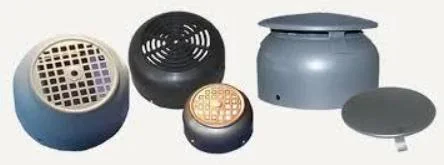
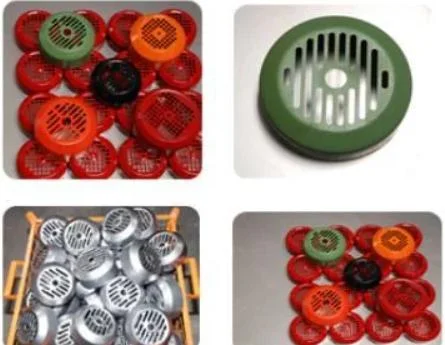
What are Cooling Fans & Filters for Panels?
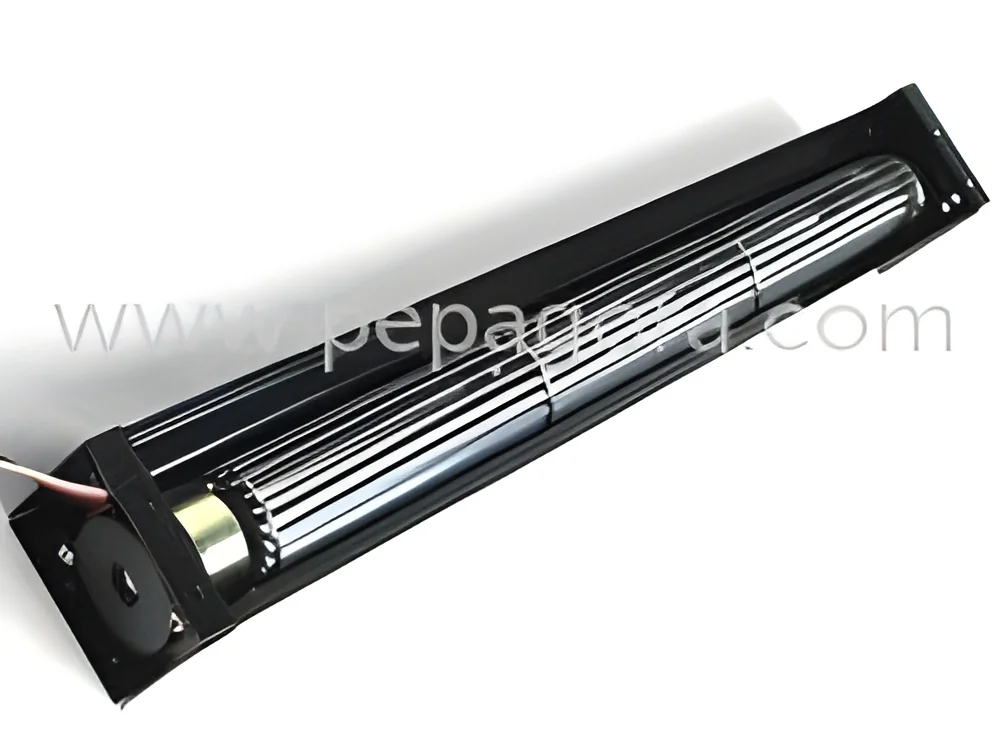
Cooling fans and filters for panels are essential components used in various industrial applications to maintain optimal operating conditions. Cooling fans help to regulate temperature by increasing airflow, while filters ensure that the air entering the system is clean and free from contaminants. Together, they protect sensitive equipment and enhance overall efficiency in a variety of settings.
These products are primarily used in industries such as electronics, telecommunications, and manufacturing, where controlling temperature and air quality is crucial. By ensuring that panels remain at an appropriate temperature, cooling fans and filters contribute to prolonged equipment lifespan and improved performance. Businesses utilize these components to meet specific environmental requirements that vary by application, which helps maintain product integrity and operational effectiveness.
In the current market, the demand for cooling fans and filters is driven by the increasing complexity of electronic devices and the need for efficient thermal management systems. As industries evolve, the relevance of these products continues to grow, making them a critical investment for businesses focused on reliability and efficiency.
Key Features and Specifications
Cooling fans and filters for panels come equipped with various features and specifications that enhance their performance and adaptability. Understanding these specifications is vital for selecting the right components for specific applications.
Key specifications include:
1. Airflow Rate
- Measured in cubic feet per minute (CFM), this indicates the volume of air the fan can move.
- Typical ranges vary based on design and application requirements.
2. Power Consumption
- Indicates the amount of electrical power the fan uses, measured in watts.
- Efficient models minimize energy usage while maximizing performance.
3. Noise Level
- Measured in decibels (dB), this indicates how loud the fan operates.
- Low-noise options are available for environments where sound levels are critical.
4. Operating Temperature Range
- Specifies the temperature limits within which the fan operates effectively.
- Important for ensuring reliability in extreme conditions.
5. Filter Efficiency
- Refers to the percentage of particles that the filter can remove from the air.
- Higher efficiency ratings mean better protection for sensitive equipment.
6. Dimensions
- Includes the size and shape of the fan and filter assembly.
- Critical for ensuring compatibility with existing panel designs.
7. Mounting Options
- Various designs for installation, such as wall-mounted or panel-mounted.
- Flexibility in installation can enhance usability in diverse applications.
8. Certification Compliance
- Indicates adherence to industry standards, such as CE certification.
- Ensures products meet safety and performance benchmarks.
In summary, understanding the key features and specifications of cooling fans and filters is essential for selecting the right product for specific industrial applications.
Common Applications and Use Cases
Cooling fans and filters for panels are versatile components utilized across various industries, ensuring optimal performance and reliability.
1. Electronics Manufacturing: These components are critical for managing heat in electronic assemblies, ensuring that devices operate within safe temperature limits to prevent failure.
2. Telecommunications: In telecom equipment, efficient cooling systems are essential for maintaining signal integrity and performance under varying environmental conditions.
3. Automotive Industry: Cooling fans and filters help regulate temperatures in electronic control units and battery management systems, contributing to vehicle reliability.
4. Medical Devices: In sensitive medical equipment, maintaining a stable environment is crucial for accuracy and safety, making cooling fans and filters vital.
5. HVAC Systems: These components are integrated into heating, ventilation, and air conditioning systems to enhance air quality and temperature control.
6. Industrial Automation: In automated manufacturing processes, cooling systems protect machinery from overheating, ensuring uninterrupted operations.
7. Data Centers: Cooling solutions are vital for maintaining optimal temperatures in data centers, preventing equipment overheating and ensuring data integrity.
Product Variants and Subcategories
Cooling fans and filters for panels come in various types, catering to different needs and preferences in industrial applications.
Axial Fans: These fans are designed for high airflow and low pressure, making them suitable for cooling applications where space is limited. They are commonly used in electronic cabinets and telecommunications equipment.
Centrifugal Fans: Known for their ability to generate higher pressure, these fans are ideal for applications requiring airflow through filters or ducts. They are often used in HVAC systems and industrial machinery.
HEPA Filters: High-Efficiency Particulate Air filters are designed to capture fine particles, making them essential for environments requiring high air quality, such as medical devices and cleanrooms.
Carbon Filters: These filters absorb odors and volatile organic compounds (VOCs), making them suitable for applications in industries where air quality is a priority.
Benefits and Advantages
Investing in cooling fans and filters for panels offers several benefits that enhance operational efficiency.
1. Enhanced Equipment Lifespan: By maintaining optimal temperatures, these components help prevent equipment overheating, leading to longer service life.
2. Improved Energy Efficiency: Modern fans are designed to consume less power while delivering higher airflow, reducing overall energy costs.
3. Better Air Quality: Filters remove dust and contaminants from the air, ensuring a cleaner environment for sensitive equipment and personnel.
4. Increased Reliability: Reliable cooling solutions reduce the risk of equipment failure, ensuring continuous operations and minimizing downtime.
5. Versatility: With various designs and specifications, these products can be tailored to suit a wide range of industrial applications.
6. Compliance with Standards: Many cooling fans and filters are designed to meet industry standards, ensuring safety and performance requirements are satisfied.
Buying Guide for B2B Buyers
When sourcing cooling fans and filters for panels, several key factors should be considered to ensure the right choice.
1. Quality Assessment: Evaluate the quality of materials and construction, as well as the reliability of performance under expected operating conditions.
2. Supplier Verification: Vet suppliers for their reputation and previous customer feedback to ensure they provide reliable products.
3. Pricing and MOQ: Understand the pricing structures and minimum order quantities to align with your budget and project requirements.
4. Delivery and Lead Times: Consider logistics, including delivery times and the reliability of the supply chain, to ensure timely project execution.
5. Compliance Requirements: Verify that the products meet necessary regulatory standards and certifications relevant to your industry and application.
Compliance and Certifications
Compliance and certifications are crucial for cooling fans and filters to ensure they meet quality and safety standards. Many products adhere to ISO 9001, which focuses on quality management systems, ensuring that manufacturing processes meet international standards.
Industry certifications such as CE mark indicate compliance with European safety, health, and environmental protection legislation. These certifications provide assurance that products have undergone rigorous testing and meet safety requirements.
Safety and testing requirements are essential for ensuring that cooling fans and filters operate efficiently without posing risks to users or equipment. Regional compliance considerations may vary, so it is vital to understand local regulations affecting product use and installation.
Why Source Cooling Fans & Filters for Panels from Pepagora?
Pepagora offers a trusted platform for sourcing cooling fans and filters for panels, providing several key advantages to B2B buyers.
Verified Supplier Network: Pepagora connects buyers with a network of verified suppliers, ensuring access to quality products and reliable partners.
Streamlined RFQ Process: The platform features a simplified request for quotation (RFQ) process, allowing buyers to easily compare options and make informed decisions.
Trade Assurance and Support: With trade assurance programs, Pepagora offers buyer protection, ensuring that transactions are secure and that support is available throughout the purchasing process.
Regional Coverage: Pepagora has extensive geographic reach, serving markets in India, the GCC, and Southeast Asia. This broad coverage allows businesses to source products efficiently and connect with local suppliers.

 IN
IN