IN
IN₹
Apparel & Fashion
Description
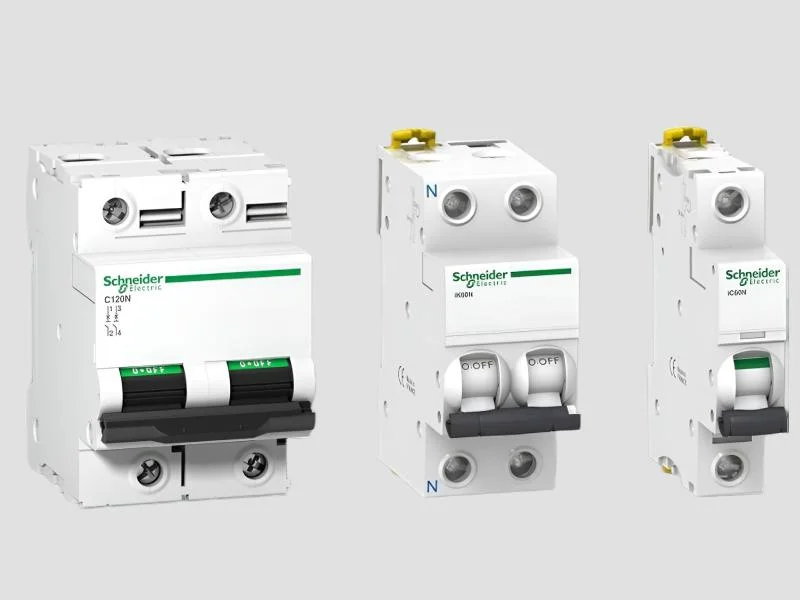
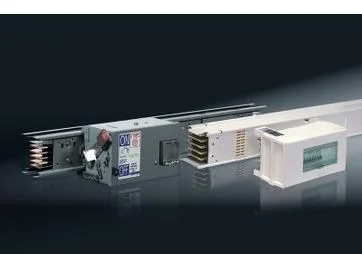
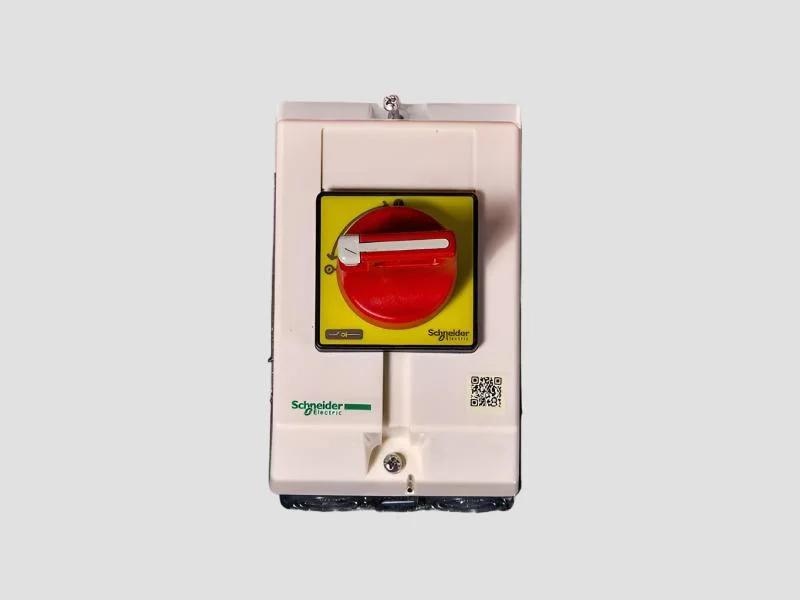
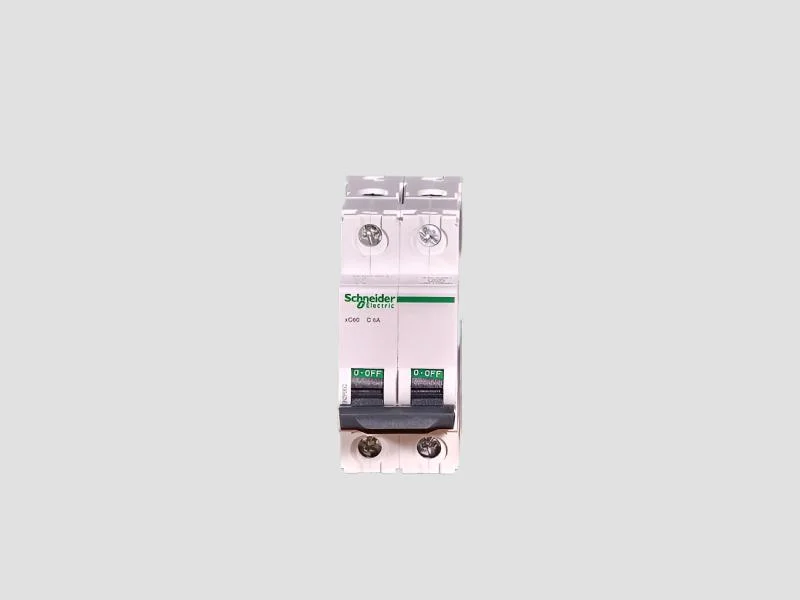
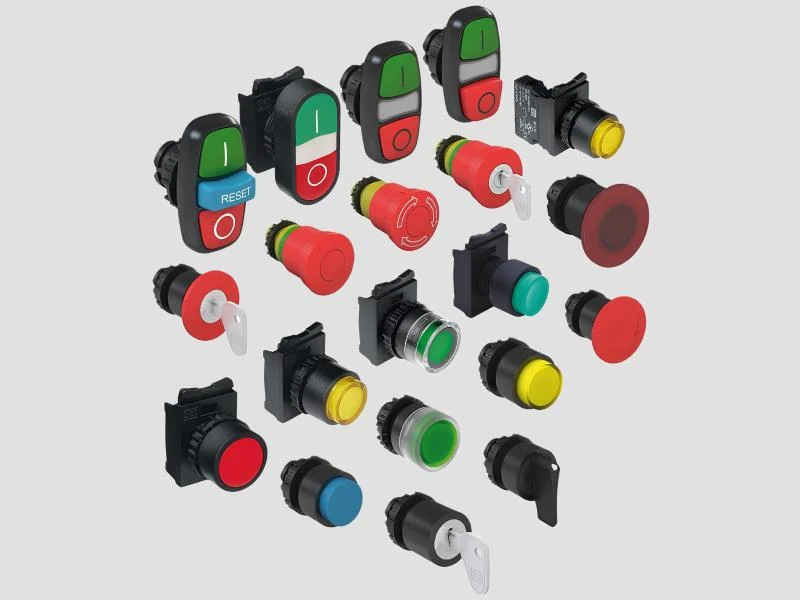
Industrial Control Panel Push Buttons represent fundamental components in electrical control systems, providing the essential human-machine interface for manual operation of circuits and equipment. These devices translate physical operator input into electrical signals that initiate, interrupt, or modify equipment functions, serving as critical control points in industrial automation. Designed for reliability and durability, they withstand repeated use in demanding environments while maintaining consistent electrical performance. Their standardized designs ensure compatibility with various control panel configurations, making them versatile solutions for diverse industrial applications where manual control remains essential alongside automated processes.

Across industrial sectors, these push buttons find application in manufacturing facilities, process industries, infrastructure systems, and machinery control. In manufacturing environments, they enable operators to control assembly li...
Industrial Control Panel Push Buttons represent fundamental components in electrical control systems, providing the essential human-machine interface for manual operation of circuits and equipment. These devices translate physical operator input into electrical signals that initiate, interrupt, or modify equipment functions, serving as critical control points in industrial automation. Designed for reliability and durability, they withstand repeated use in demanding environments while maintaining consistent electrical performance. Their standardized designs ensure compatibility with various control panel configurations, making them versatile solutions for diverse industrial applications where manual control remains essential alongside automated processes.

Across industrial sectors, these push buttons find application in manufacturing facilities, process industries, infrastructure systems, and machinery control. In manufacturing environments, they enable operators to control assembly lines, robotic systems, and material handling equipment with immediate response. Process industries utilize them for batch control, equipment sequencing, and emergency interventions in chemical, pharmaceutical, and food production settings. Infrastructure applications include power generation facilities, water treatment plants, and building management systems where manual control provides operational flexibility and safety redundancy. Their implementation spans from simple standalone controls to complex networked systems integrated with PLCs and SCADA architectures.

The business value of these industrial push buttons lies in their contribution to operational reliability, safety enhancement, and system flexibility. By providing dependable manual control points, they enable operators to intervene when needed while supporting automated processes. Their robust construction minimizes maintenance requirements and extends service life, reducing total cost of ownership. Standardized designs facilitate easy integration and replacement, minimizing system downtime during maintenance or upgrades. These components support operational efficiency by enabling precise control while maintaining compatibility with evolving automation technologies, making them sound investments for industrial operations prioritizing reliability and long-term performance.

Key Features:
- Durable construction with industrial-grade materials for extended service life
- Standardized mounting configurations compatible with various panel designs
- Reliable electrical contacts ensuring consistent signal transmission
- Multiple actuator options including momentary and maintained operation types
- Clear visual indicators and labeling for operator identification

Benefits:
- Enhanced operational safety through reliable manual control capabilities
- Reduced maintenance requirements with robust, long-lasting components
- Simplified integration with existing control systems and panel designs
- Improved operator efficiency with intuitive, responsive control interfaces
- Cost-effective solutions supporting both new installations and system upgrades
Specifications
| Additional Information | |
|---|---|
| Country of Origin | India |
Application
These industrial push buttons serve as essential manual interface components in control systems, allowing operators to initiate, halt, or modify equipment functions with simple actuation. Their robust design ensures consistent performance even in demanding industrial environments where reliable human-machine interaction is critical for operational safety and efficiency.
Engineered for integration into various control architectures, these push buttons facilitate direct operator input across multiple industrial sectors. Their standardized mounting and wiring configurations simplify installation while maintaining compatibility with existing panel designs, making them versatile components for both new installations and system upgrades.
Real-world applications:
- Manufacturing assembly lines where operators need to start, stop, or pause conveyor systems and robotic equipment
- Power generation facilities for manual control of backup systems, emergency shutdown procedures, and equipment testing
- Water treatment plants operating pumps, valves, and filtration systems requiring manual override capabilities
- Material handling operations controlling cranes, hoists, and automated storage retrieval systems
- Process industries including chemical, pharmaceutical, and food production for batch control and equipment sequencing
Trade Details
| Available Stock | In Stock |
| Sample Availability | No |
Payment Terms
| Payment Terms |
|
| Payment Methods |
|
Company Profile

Atithi Enterprises, Tamil Nadu
 Tamil Nadu, India
Tamil Nadu, IndiaDistributor / Wholesaler
Turn Over
Below ₹25 Lakhs
Factory Details
Factory SizeBelow 1000 sqm
Industrial Control Panel Push Buttons For Automation Systems And Electrical Circuits
Industrial Control Panel Push Buttons from reliable manufacturers provide manual control for electrical circuits and automation systems, featuring durable construction for precise operational command in industrial settings.
Min. Order Quantity: 1 piece
Shipping
Shipping fee and delivery date to be negotiated. Contact supplier now for more details.
Atithi Enterprises Tamil Nadu, India
Tamil Nadu, IndiaDistributor / Wholesaler