
 IN
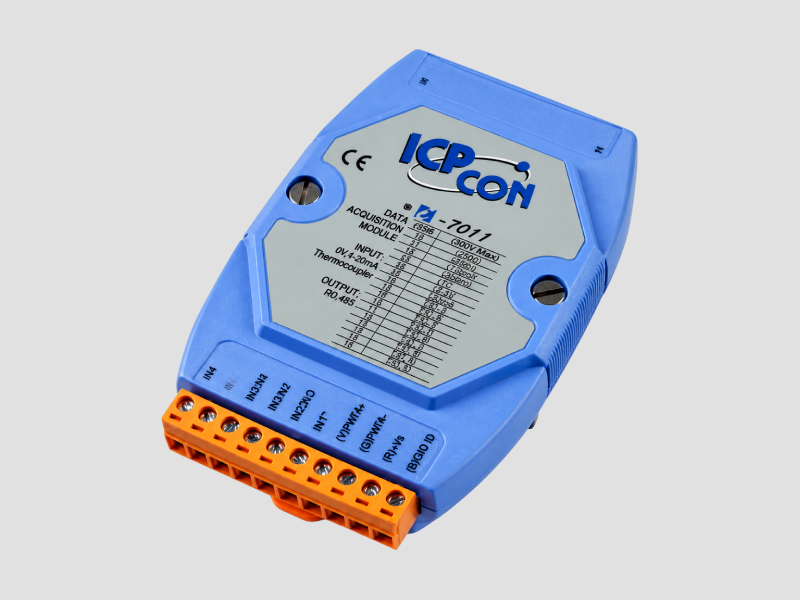
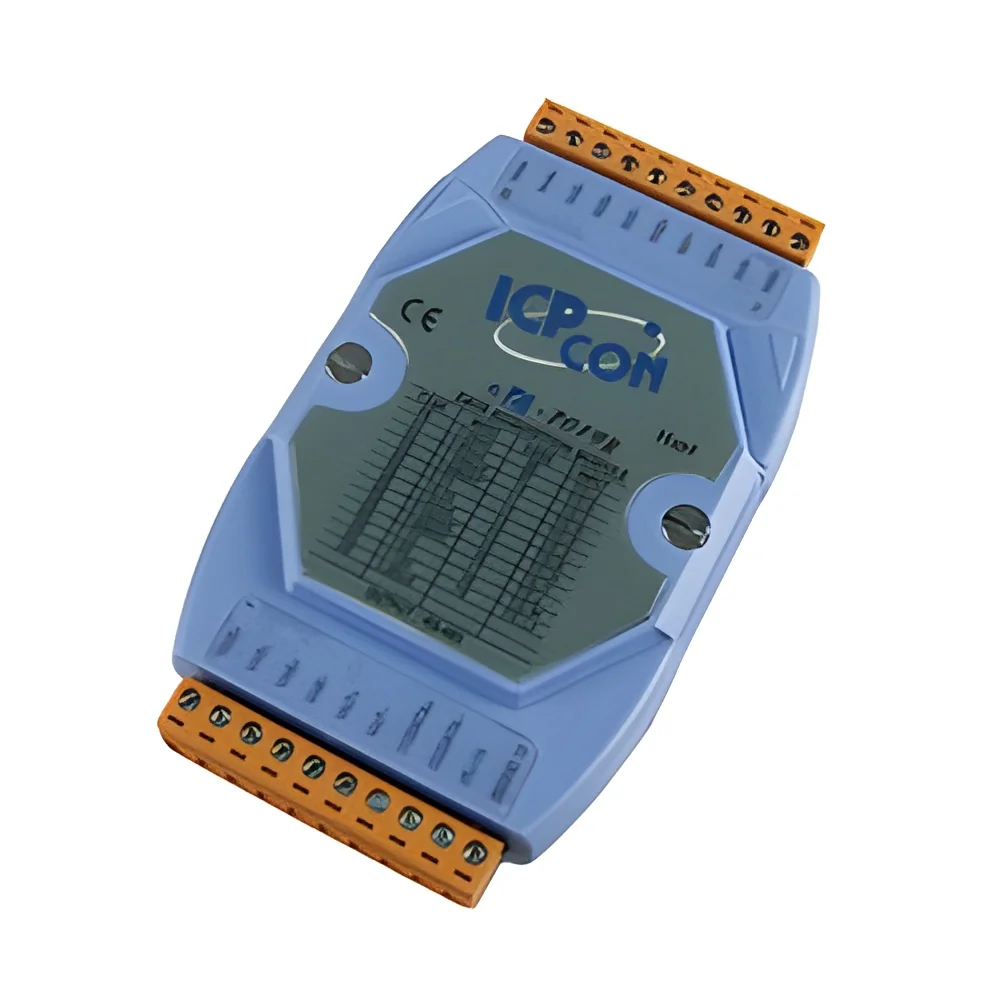
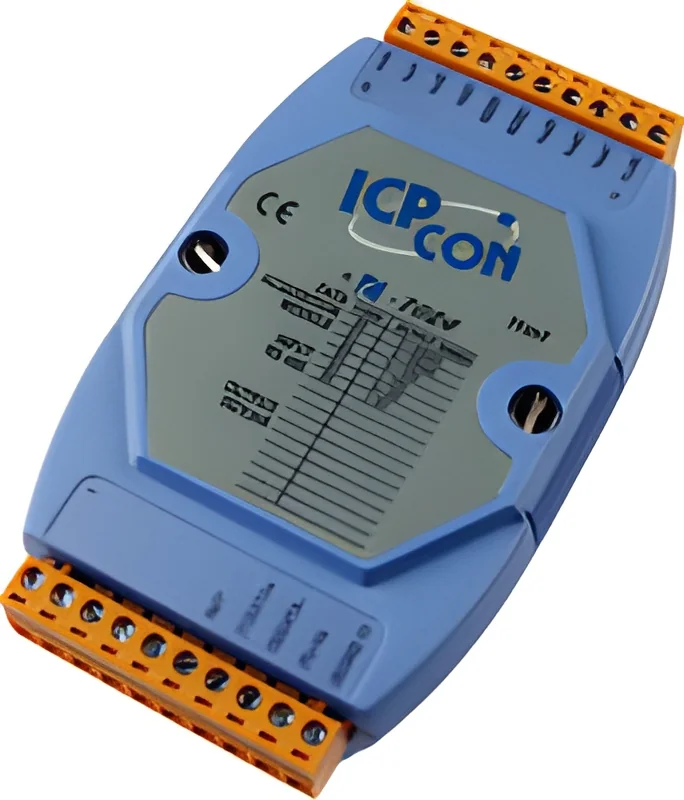
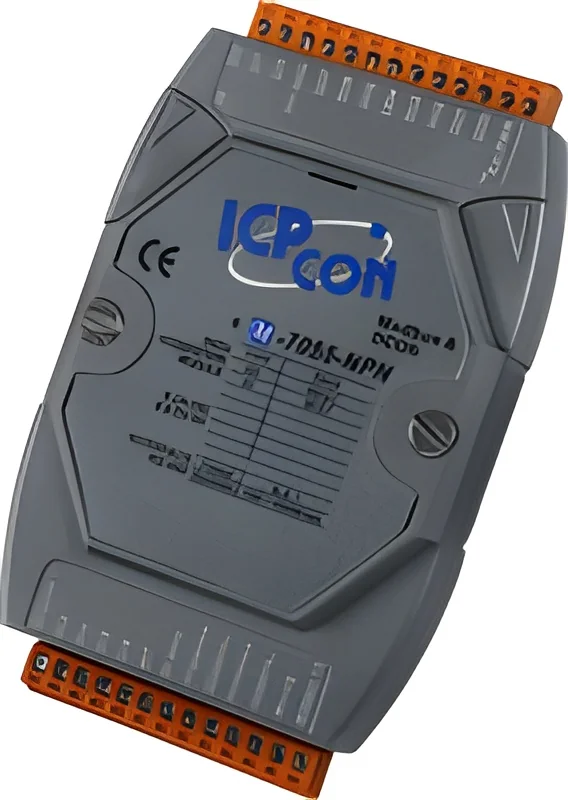
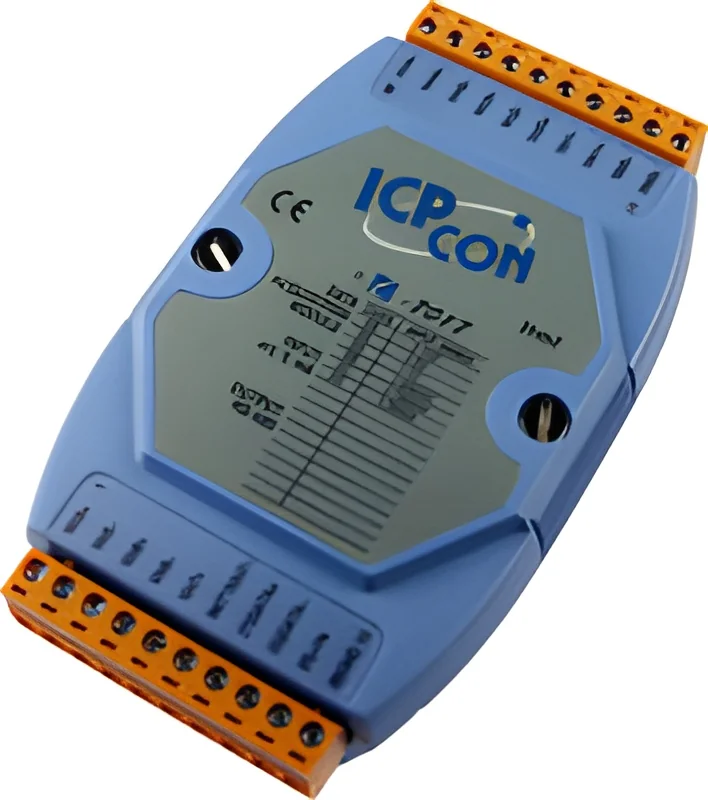
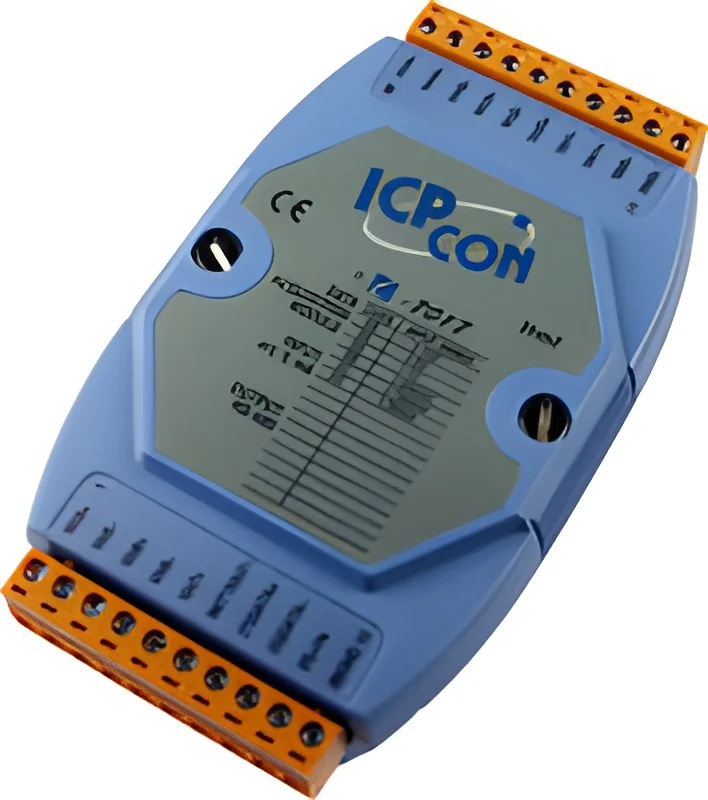
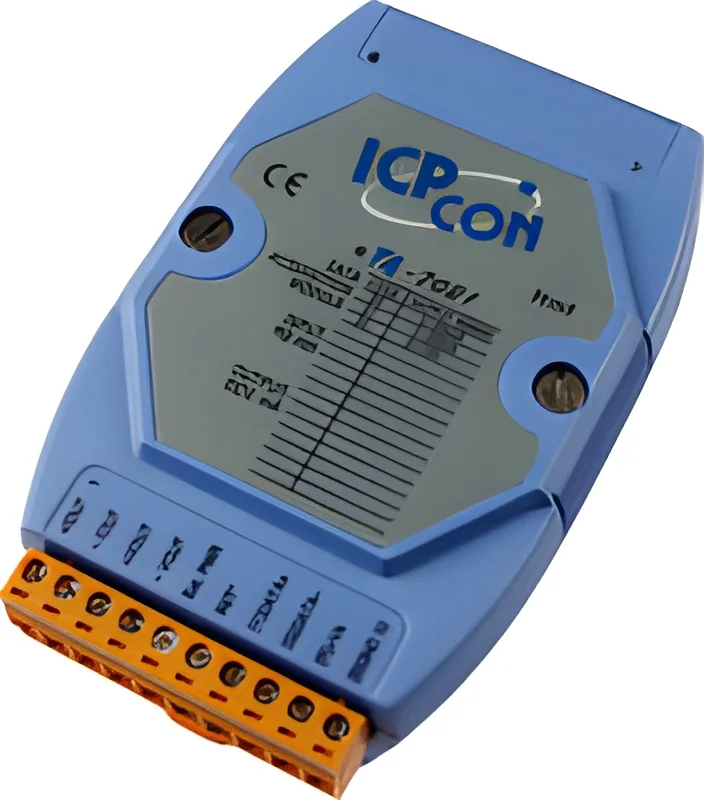
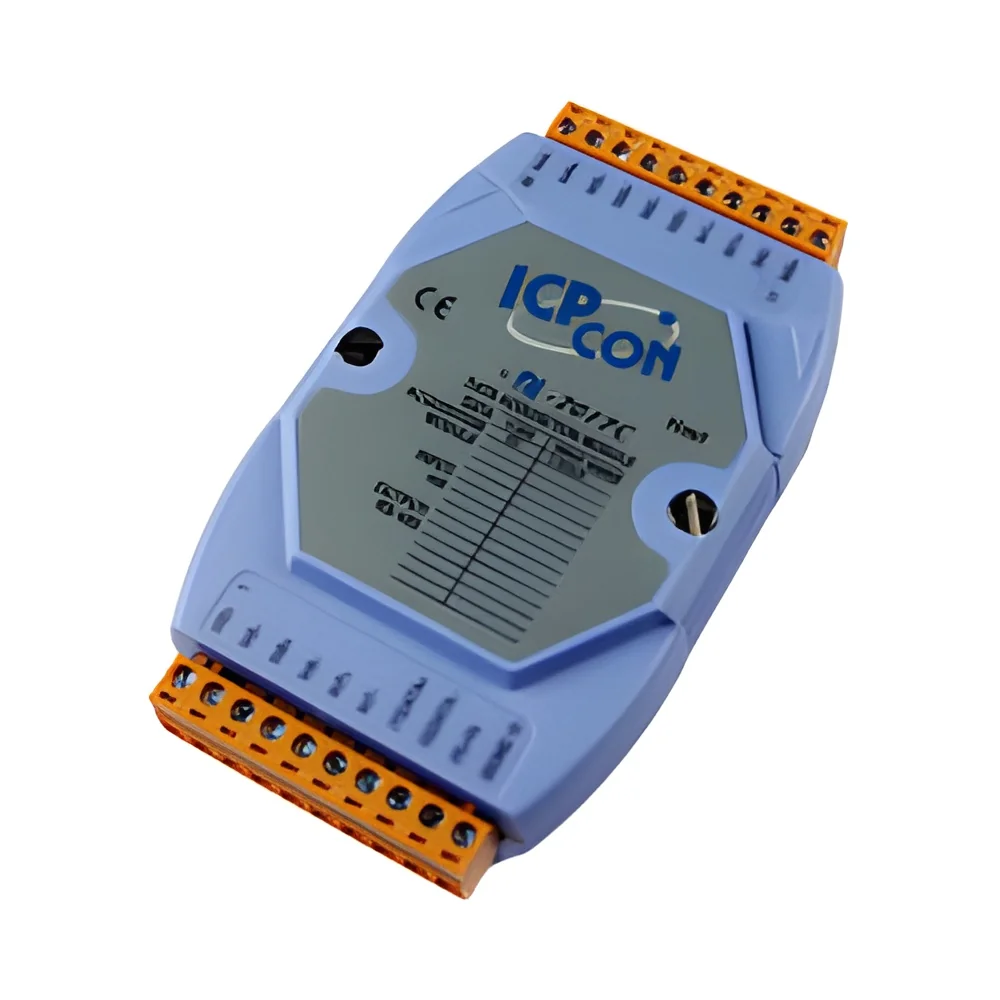
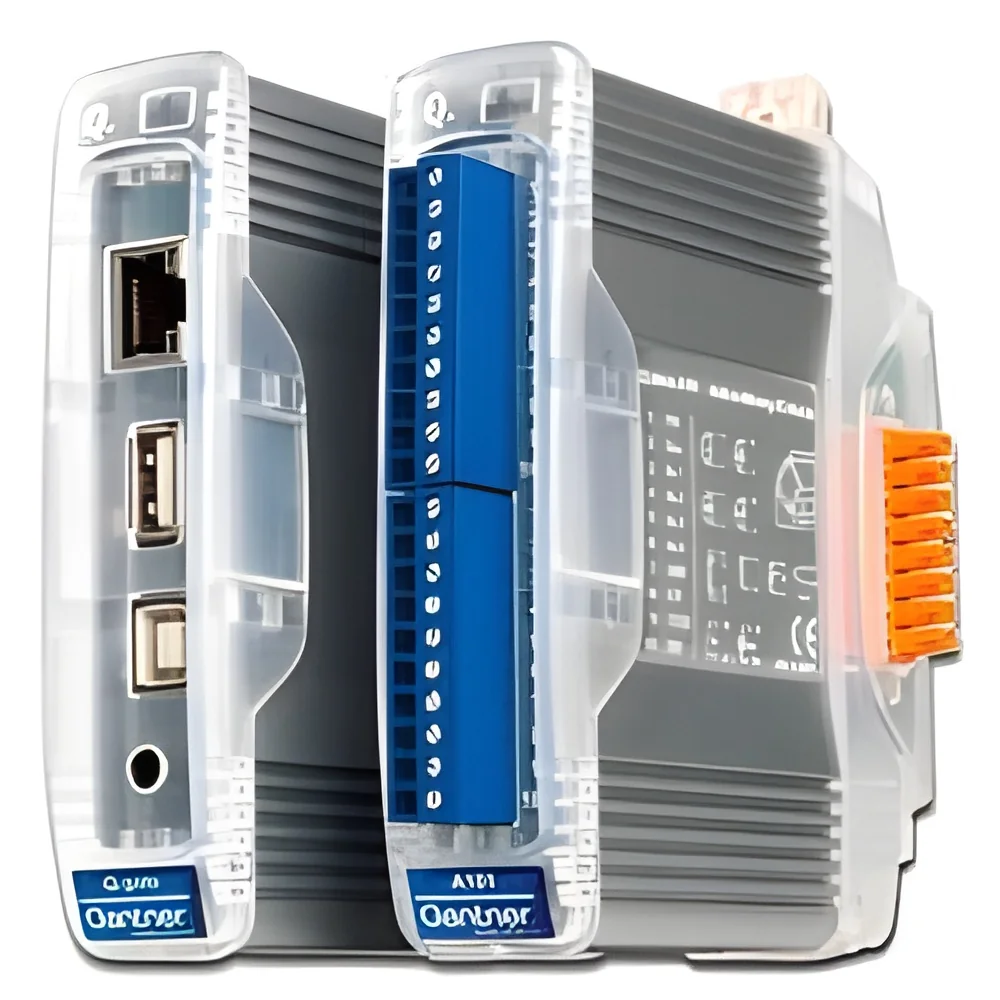
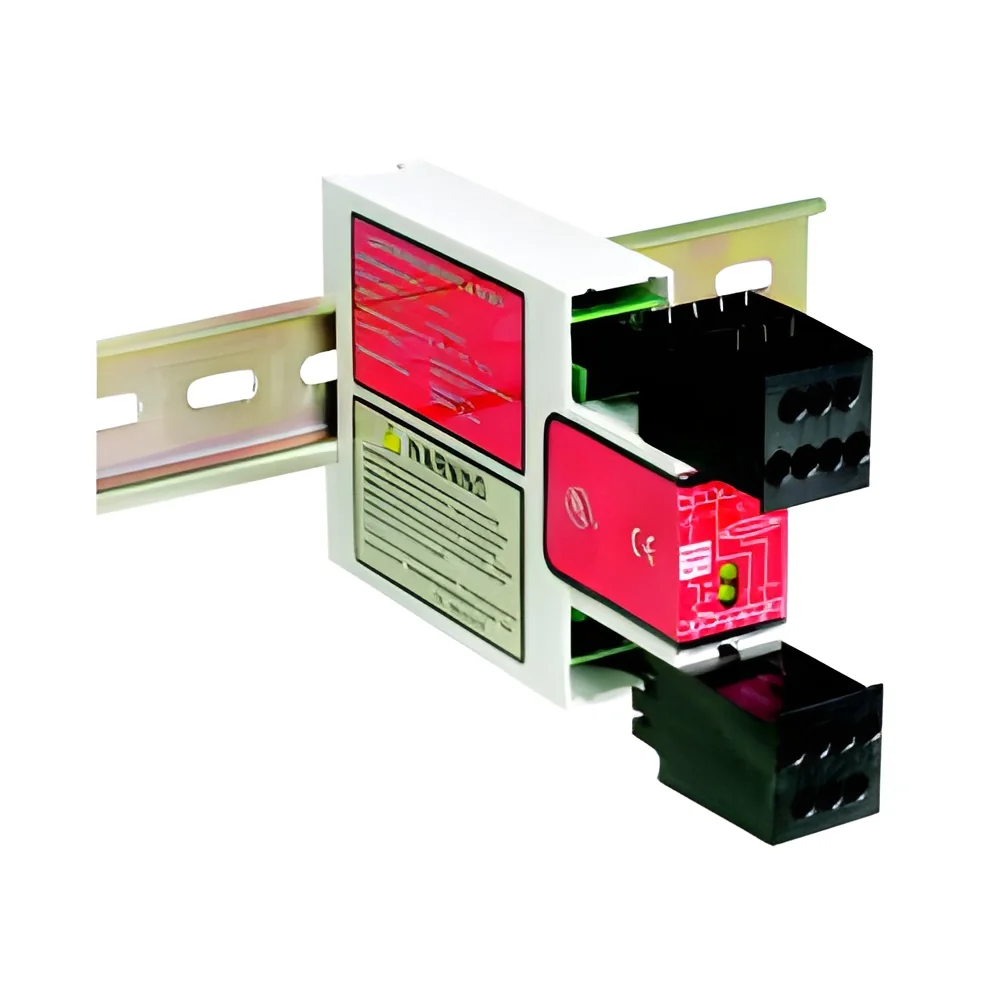
INI/O Modules (Analog & Digital)
15 products available
Key Features and Specifications
I/O modules encompass a range of features and specifications that cater to various industrial needs. Their technical capabilities determine their suitability for specific applications. Understanding these specifications is crucial for businesses looking to implement effective automation solutions.
Key specifications include:
1. Signal Type
- Analog or digital capabilities
- Compatibility with various sensors and devices
2. Input/Output Channels
- Number of channels available
- Supports multiple devices simultaneously
3. Voltage Range
- Acceptable input voltage levels
- Typical ranges may vary depending on the module
4. Current Rating
- Maximum current handling capacity
- Important for determining system load
5. Communication Protocols
- Supported protocols such as Modbus, CAN, or Ethernet/IP
- Ensures integration with existing systems
6. Isolation
- Levels of electrical isolation between channels
- Protects against voltage spikes and surges
7. Mounting Options
- Available formats like DIN rail or panel mount
- Facilitates installation in various environments
8. Environmental Ratings
- Operating temperature and humidity ranges
- Ensures reliability in different industrial conditions
In summary, understanding these key features allows businesses to select the appropriate I/O modules for their specific applications, enhancing overall operational efficiency.
Common Applications and Use Cases
I/O modules are versatile and find applications across multiple industries. Their ability to interface with various devices makes them integral to many systems.
1. Manufacturing: In manufacturing, I/O modules are used for monitoring and controlling machinery, ensuring optimal performance and safety in production lines.
2. Energy: In the energy sector, these modules facilitate data acquisition from power generation and distribution systems, enabling real-time monitoring and management.
3. Transportation: In transportation systems, I/O modules help in traffic management and control systems, improving safety and efficiency on roads and railways.
4. Building Automation: I/O modules are utilized in building management systems for controlling HVAC, lighting, and security systems, enhancing energy efficiency and operational control.
5. Agriculture: In agriculture, they support precision farming by connecting sensors that monitor soil conditions, weather patterns, and crop health.
6. Water Treatment: In water treatment facilities, I/O modules monitor water quality and control treatment processes, ensuring compliance with safety standards.
7. Robotics: In robotics, I/O modules facilitate communication between control systems and robotic components, enabling precise movement and operation.
Product Variants and Subcategories
I/O modules come in various configurations to meet specific industrial requirements. This diversity allows businesses to select modules that align with their operational needs.
Analog I/O Modules: These modules are designed for handling continuous signals from sensors such as temperature, pressure, or flow meters. They convert analog signals into digital data for processing, offering high-resolution measurements.
Digital I/O Modules: Tailored for discrete signals, these modules manage on/off signals from devices such as switches and relays. They are crucial for applications requiring binary state control.
Relay Output Modules: These specialized modules provide relay outputs for controlling high-power devices. They are ideal for applications that require isolation between the control and power circuits.
Benefits and Advantages
Choosing the right I/O modules offers numerous advantages for businesses across various industries.
Key benefits include:
1. Enhanced Control: I/O modules provide precise control over industrial processes, leading to improved efficiency and reduced errors.
2. Scalability: These modules can be easily scaled to accommodate growing operational needs, allowing businesses to expand their systems without significant overhauls.
3. Data Acquisition: With the ability to gather real-time data, I/O modules enable better decision-making and predictive maintenance strategies.
4. Flexibility: The diverse range of I/O modules available allows businesses to customize their systems according to specific applications and requirements.
5. Reliability: High-quality I/O modules are designed to operate in harsh industrial environments, ensuring consistent performance and longevity.
6. Cost Efficiency: By optimizing processes and reducing downtime, I/O modules contribute to overall cost savings for businesses.
Buying Guide for B2B Buyers
When sourcing I/O Modules (Analog & Digital), it is important for buyers to consider several key factors to ensure they make informed purchasing decisions.
1. Quality Assessment: Evaluate the quality of I/O modules by reviewing manufacturer certifications and adherence to industry standards. Reliable products are essential for maintaining operational integrity.
2. Supplier Verification: Conduct thorough research on potential suppliers, including their reputation, experience, and customer reviews. A verified supplier reduces the risk of subpar products.
3. Pricing and MOQ: Understand the pricing structures and minimum order quantities offered by suppliers. This ensures that the purchase aligns with budget constraints and operational needs.
4. Delivery and Lead Times: Inquire about the expected delivery timelines and lead times for orders. Timely delivery is crucial for maintaining project schedules.
5. Compliance Requirements: Verify that the I/O modules comply with relevant industry regulations and standards. Compliance is essential for meeting safety and operational benchmarks.
Compliance and Certifications
Compliance and certifications are critical aspects that ensure I/O modules meet industry standards and safety requirements. Many I/O modules adhere to quality standards such as ISO 9001, which signifies a commitment to quality management systems.
Industry certifications like CE and UL indicate that the products meet safety and performance criteria essential for market acceptance. These certifications provide assurance to buyers regarding the reliability of the modules.
Additionally, manufacturers must comply with safety and testing requirements, ensuring that their products can withstand various environmental conditions and operate safely under specified parameters. Regional compliance considerations may also apply, depending on the markets in which the modules are sold and used.
Why Source I/O Modules (Analog & Digital) from Pepagora?
Pepagora provides a trusted platform for sourcing I/O Modules (Analog & Digital) with several key advantages.
Verified Supplier Network: Pepagora has established a robust verification process, ensuring that all suppliers meet high-quality standards. This minimizes the risk of sourcing unreliable products.
Streamlined RFQ Process: The platform offers a user-friendly Request for Quotation (RFQ) system that simplifies the procurement process. Buyers can easily compare offers from multiple suppliers, ensuring they find the best deal.
Trade Assurance and Support: Pepagora emphasizes buyer protection through trade assurance measures. This provides buyers with peace of mind when purchasing I/O modules, ensuring that they receive the products as promised.
Regional Coverage: With a strong presence in India, the GCC, and Southeast Asia, Pepagora offers extensive regional coverage. This makes it easier for businesses in these areas to access quality I/O modules tailored to their specific needs.




Frequently Asked Questions
What are I/O Modules (Analog & Digital)?
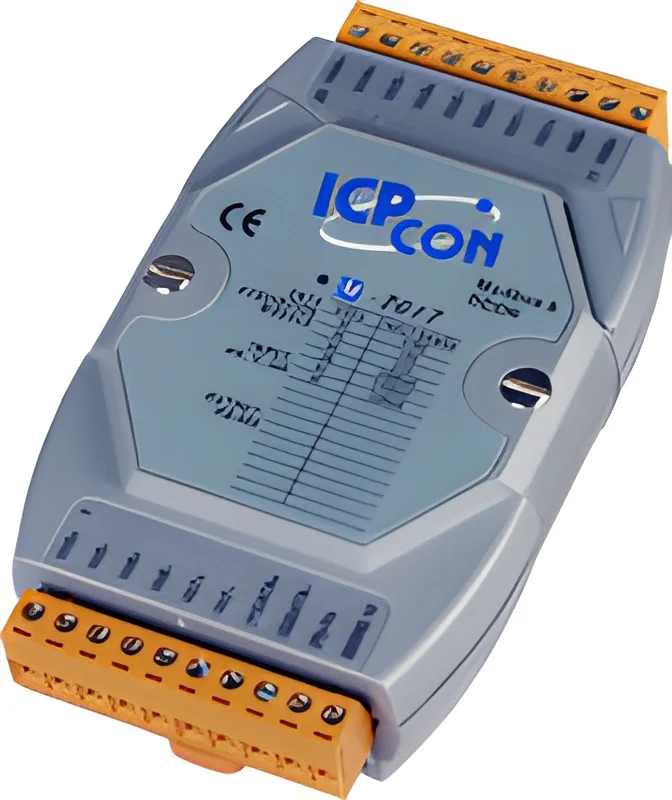
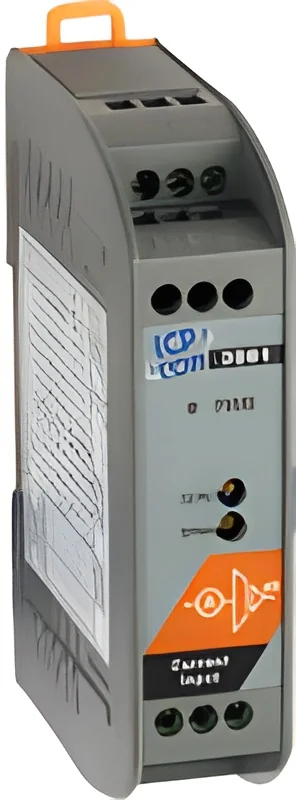
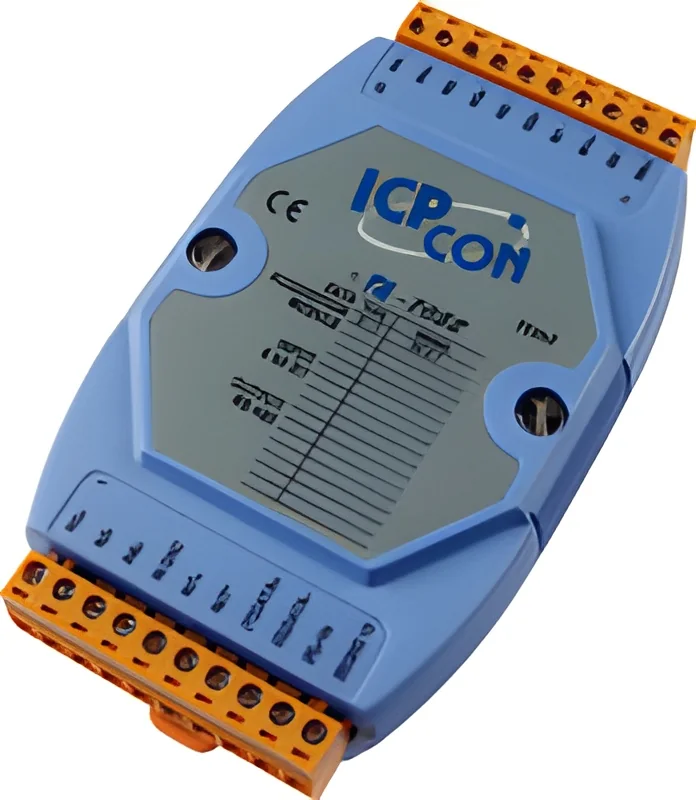
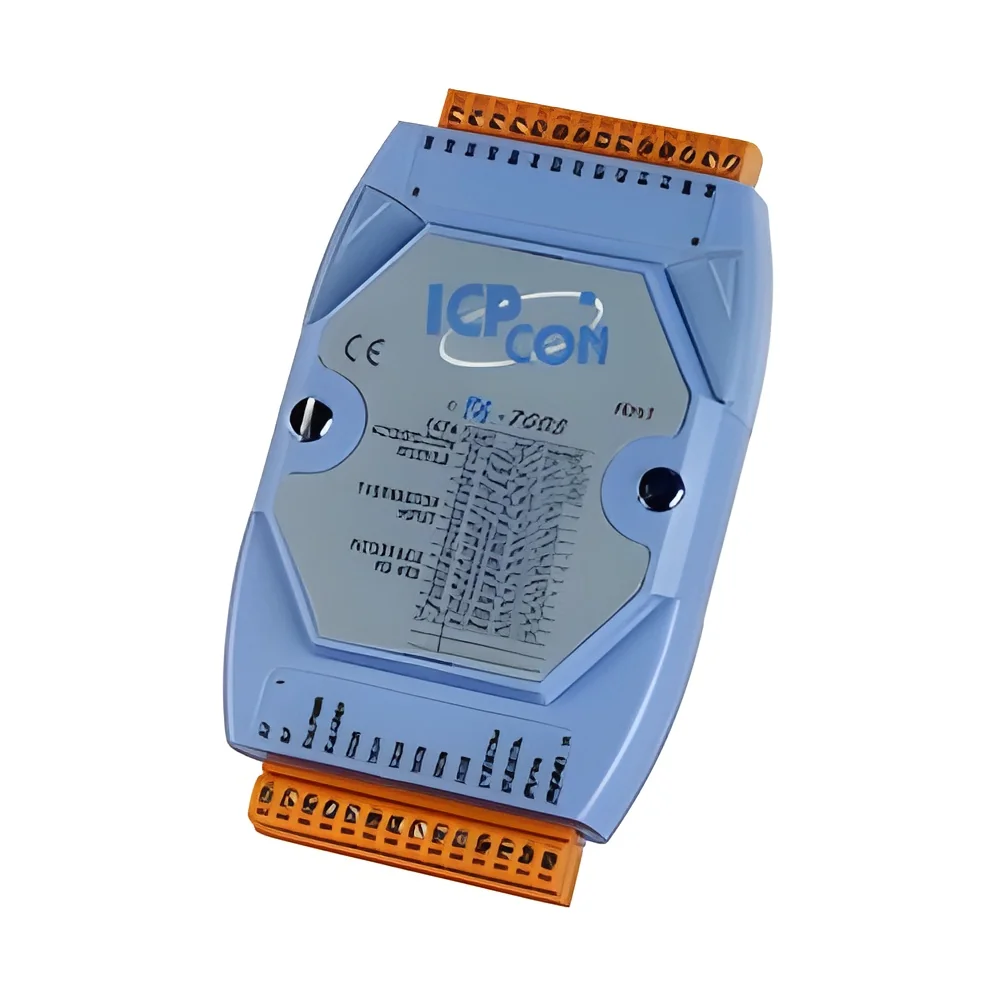
I/O Modules (Analog & Digital) are hardware components that facilitate communication between a control system and sensors or actuators. They convert signals from the analog or digital world into a format that can be processed by a controller, such as a PLC (Programmable Logic Controller).
What are the different types of I/O Modules (Analog & Digital)?
The primary types of I/O Modules include analog input modules, analog output modules, digital input modules, and digital output modules. Analog input modules handle continuous signals, while analog output modules generate continuous signals. Digital modules manage discrete signals, either representing ON/OFF states or binary information.
How do I choose the right I/O Modules (Analog & Digital)?
Choosing the right I/O Module involves assessing the specific requirements of your application, including the type of signals you need to process and the required number of channels. Additionally, consider compatibility with your existing control systems and any specific environmental conditions that might affect performance.
What are the standard specifications for I/O Modules (Analog & Digital)?
Standard specifications for I/O Modules typically include input/output voltage ranges, signal resolution, channel configuration, and communication protocols. These specifications determine how well the module can interface with different sensors and devices in an automation system.
What is the price range for I/O Modules (Analog & Digital)?
The price range for I/O Modules (Analog & Digital) can vary significantly based on the type, specifications, and manufacturer. Generally, prices can range from a few thousand to several tens of thousands of Indian Rupees, depending on the complexity and features of the module.
What quality standards apply to I/O Modules (Analog & Digital)?
I/O Modules (Analog & Digital) are often required to meet international quality standards such as ISO 9001 for quality management systems. Additionally, they may need to comply with specific safety and electromagnetic compatibility standards depending on their intended application and industry.
Where can I find I/O Modules (Analog & Digital) suppliers in India?
You can find I/O Modules (Analog & Digital) suppliers in India through B2B marketplaces like Pepagora, industry expos, and trade directories. It is advisable to check supplier credentials and product reviews to ensure reliability and quality.
Can I/O Modules (Analog & Digital) be customized?
Yes, many manufacturers offer customization options for I/O Modules (Analog & Digital) to meet specific application needs. Customization can include variations in channel count, signal types, and communication protocols, but may require a minimum order quantity.
What is the typical minimum order quantity for I/O Modules (Analog & Digital)?
The typical minimum order quantity (MOQ) for I/O Modules (Analog & Digital) can vary by supplier but generally ranges from 5 to 20 units. It's best to check with individual manufacturers for their specific MOQs.
What is the typical lead time for I/O Modules (Analog & Digital)?
The typical lead time for I/O Modules (Analog & Digital) can vary based on the supplier and whether customization is involved. Generally, standard products can be delivered within 2 to 4 weeks, while customized modules may take longer, potentially up to 8 weeks.
Why Businesses Trust Pepagora
Thousands of companies trust Pepagora to source smarter and sell faster
Expand Your Sales Globally

Source Smarter,Grow Faster
