
 IN
INPLC CPUs & Modules
1 products available
What are PLC CPUs & Modules?
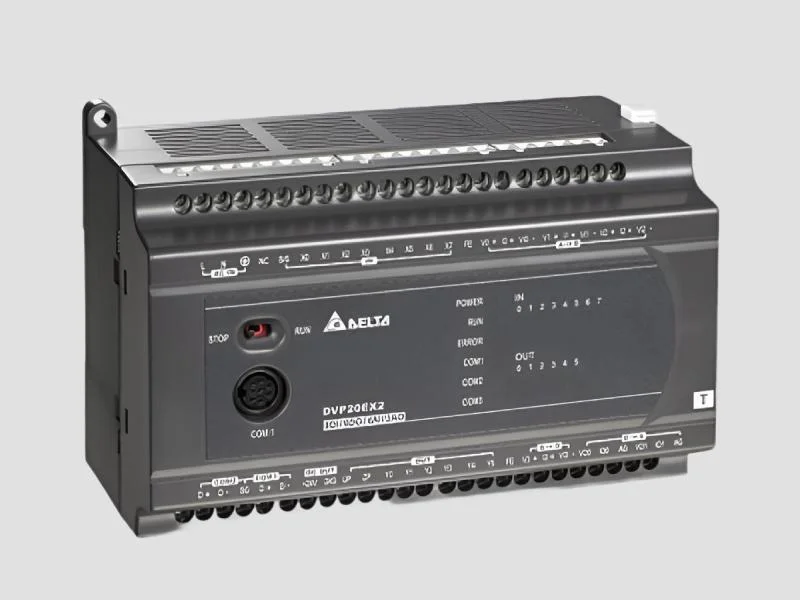
PLC CPUs, or Programmable Logic Controller Central Processing Units, are critical components in industrial automation systems. These devices function as the brain of a PLC system, executing control commands and processing input from various sensors and devices. PLC modules typically complement the CPU, providing additional functionality such as communication, I/O processing, and specialized tasks. Together, they form a robust platform for managing complex processes in manufacturing and other industrial environments.
The primary uses of PLC CPUs and modules include automating machinery, controlling production lines, and managing facility operations. They enable real-time monitoring and adjustments to various parameters, ensuring efficiency and safety in operations. Businesses across sectors such as manufacturing, energy, and transportation rely on these devices for seamless control and integration of their systems. With the rise of Industry 4.0, the relevance of PLC CPUs and modules continues to grow, integrating more with IoT technologies and smart manufacturing practices.
Key Features and Specifications
PLC CPUs and modules come equipped with various features tailored to optimize industrial operations. Understanding these specifications is crucial for selecting the right products for specific applications.
Key specifications include:
1. Processing Speed
- Determines how quickly the CPU can execute commands.
- Ranges from microseconds to milliseconds, depending on the model.
2. I/O Capacity
- Refers to the number of input and output channels available.
- Can range from a few to several hundred channels.
3. Communication Protocols
- Standard protocols include Ethernet, Modbus, and Profibus.
- Essential for compatibility with other devices and systems.
4. Memory Size
- Indicates the amount of program and data memory available.
- Varies from several kilobytes to megabytes.
5. Power Supply Requirements
- Specifies the voltage and current needed for operation.
- Common ranges include 24V DC or 120V AC.
6. Environmental Tolerance
- Describes operating temperature and humidity ranges.
- Typically designed for industrial environments.
7. Programming Languages
- Supports languages like Ladder Logic, Structured Text, and Function Block Diagrams.
- Flexibility is important for developers.
8. Safety Features
- Includes built-in redundancies and fail-safes.
- Critical for applications in hazardous environments.
In summary, understanding the features and specifications of PLC CPUs and modules helps businesses make informed choices to enhance their automation processes.
Common Applications and Use Cases
PLC CPUs and modules serve a wide range of industries, each with specific applications that highlight their versatility and effectiveness.
1. Manufacturing: Used for automating assembly lines, monitoring production processes, and controlling machinery operations. PLCs help reduce manual labor and increase efficiency.
2. Energy: Essential in power generation and distribution systems. They help manage load control, automate grid operations, and ensure safety measures are in place.
3. Transportation: Employed for traffic control systems, monitoring vehicle operations, and managing public transport systems. PLCs improve safety and efficiency in transport networks.
4. Food and Beverage: Used to control processing and packaging lines, ensuring compliance with health standards while optimizing throughput.
5. Water Treatment: PLCs monitor and control various processes in wastewater treatment plants, ensuring consistent operation and regulatory compliance.
6. Oil and Gas: Critical for controlling drilling operations, pipeline monitoring, and refining processes, enhancing safety and operational efficiency.
7. Building Automation: Implemented in HVAC systems, lighting control, and security systems, allowing for efficient energy management and enhanced occupant comfort.
Product Variants and Subcategories
PLC CPUs and modules come in various forms to cater to different industrial needs.
Compact PLCs
These are designed for smaller applications with limited I/O requirements. They are easy to install and ideal for simple control systems.
Modular PLCs
Offering expandable I/O options, modular PLCs allow businesses to customize their systems based on specific needs. They are suitable for larger and more complex applications.
Safety PLCs
Developed with an emphasis on safety, these PLCs provide additional features to ensure compliance with safety standards in hazardous environments.
Redundant PLCs
These systems include duplicate components to improve reliability and minimize downtime, making them essential in critical applications where failure is not an option.
Benefits and Advantages
PLC CPUs and modules provide numerous advantages for industrial operations.
Key benefits include:
1. Increased Efficiency: Automating processes reduces the need for manual intervention, streamlining operations.
2. Enhanced Flexibility: The ability to reprogram PLCs allows for quick adaptations to changing processes or product lines.
3. Improved Safety: Built-in safety features help mitigate risks in dangerous environments, ensuring compliance with regulations.
4. Real-Time Monitoring: PLCs provide immediate feedback on system performance, allowing for timely adjustments and troubleshooting.
5. Cost-Effectiveness: Reducing labor costs and minimizing downtime leads to significant savings over time.
6. Scalability: Businesses can easily expand their systems by adding more modules as needed, accommodating growth without major overhauls.
Buying Guide for B2B Buyers
When sourcing PLC CPUs and modules, several factors should be considered to ensure the right choice for industrial applications.
1. Quality Assessment: Evaluate the quality and reliability of the PLC products by reviewing manufacturer certifications and performance data. Look for compliance with established quality standards.
2. Supplier Verification: Vet suppliers to confirm their credibility and track record. Check for reviews, references, and their history in delivering reliable products.
3. Pricing and MOQ: Understand the pricing structure and minimum order quantities required by suppliers. Competitive pricing can improve budget management, but ensure quality is not compromised.
4. Delivery and Lead Times: Assess logistics capabilities, including lead times for delivery. Timely delivery is critical for maintaining production schedules.
5. Compliance Requirements: Ensure that products meet relevant industry regulations and certifications, such as CE and UL, to avoid compliance issues.
Compliance and Certifications
Compliance and certifications are vital for ensuring that PLC CPUs and modules meet industry standards and safety regulations.
Relevant quality standards such as ISO 9001 are crucial for manufacturing processes. These standards ensure that products are made consistently and meet customer expectations.
Industry certifications, including CE and UL, indicate that the products meet specific safety and performance criteria. These certifications are essential for gaining trust in the marketplace.
Safety and testing requirements are paramount in industrial applications, especially in environments where equipment failure can lead to severe consequences. Regular testing ensures that PLCs function reliably under expected operational conditions.
Regional compliance considerations may vary, so it is essential to understand the specific requirements in the target markets. This ensures that products can be deployed without legal or operational issues.
Why Source PLC CPUs & Modules from Pepagora?
Pepagora offers a trusted platform for sourcing PLC CPUs and modules, providing several key advantages that simplify the procurement process.
Verified Supplier Network: Pepagora ensures that all listed suppliers have undergone a thorough verification process. This helps buyers find reliable partners who deliver quality products consistently.
Streamlined RFQ Process: The platform features an efficient Request for Quotation (RFQ) system, making it easy for buyers to request quotes from multiple suppliers. This promotes competitive pricing and informed decision-making.
Trade Assurance and Support: Pepagora provides buyer protection through trade assurance, ensuring that transactions are secure and that buyers receive the products as promised.
Regional Coverage: With a strong presence in India, GCC, and Southeast Asia, Pepagora connects buyers with local suppliers, reducing logistics challenges and enhancing service delivery.
In summary, Pepagora stands out as a comprehensive solution for businesses seeking PLC CPUs and modules, offering reliability, efficiency, and support throughout the purchasing process.

Frequently Asked Questions
What are PLC CPUs & Modules?
PLC CPUs & Modules are integral components of Programmable Logic Controllers (PLCs) that manage automation processes in industrial settings. The CPU acts as the brain of the PLC, executing control instructions, while the modules provide various input and output functionalities, enabling the PLC to interact with machinery and equipment.
What are the different types of PLC CPUs & Modules?
PLC CPUs & Modules come in various types, including modular, compact, and distributed configurations. Modular PLC systems allow for customization by adding different modules based on specific application needs, while compact systems integrate the CPU and I/O in a single unit. Distributed systems enable remote management of multiple PLCs across different locations.
How do I choose the right PLC CPUs & Modules?
Choosing the right PLC CPUs & Modules depends on factors such as the complexity of the automation task, required processing speed, and the number of input/output points. It's essential to assess the compatibility with existing systems, the scalability for future expansions, and the specific industry requirements to ensure optimal performance.
What are the standard specifications for PLC CPUs & Modules?
Standard specifications for PLC CPUs & Modules typically include processing speed (measured in microseconds), memory capacity, input/output (I/O) points, and communication protocols. Additionally, environmental ratings for temperature and humidity, as well as power supply requirements, are critical for ensuring reliable operation in industrial settings.
What is the price range for PLC CPUs & Modules?
The price range for PLC CPUs & Modules can vary significantly based on specifications, brand, and features. Generally, prices can start from a few thousand Indian Rupees for basic models and can go up to several lakhs for advanced systems with extensive capabilities and functionalities.
What quality standards apply to PLC CPUs & Modules?
PLC CPUs & Modules are subject to various quality standards, including ISO 9001 for quality management systems and IEC 61131 for industrial automation. Compliance with these standards ensures that the products are reliable, safe, and suitable for industrial applications, meeting both local and international regulatory requirements.
Where can I find PLC CPUs & Modules suppliers in India?
You can find PLC CPUs & Modules suppliers in India through various channels, including online B2B marketplaces like Pepagora.com, industry trade shows, and manufacturer directories. Engaging with local distributors and attending industry conferences can also help you connect with reputable suppliers in the automation sector.
Can PLC CPUs & Modules be customized?
Yes, many manufacturers offer customization options for PLC CPUs & Modules to meet specific application requirements. Customizations can include varying the number of I/O points, implementing specific communication protocols, or incorporating specialized features tailored to unique industrial processes.
What is the typical minimum order quantity for PLC CPUs & Modules?
The typical minimum order quantity (MOQ) for PLC CPUs & Modules varies by supplier and product type. Generally, MOQs can range from a single unit for standard models to larger quantities for customized or specialized configurations, often requiring negotiation with the supplier.
What is the typical lead time for PLC CPUs & Modules?
The typical lead time for PLC CPUs & Modules can range from a few days to several weeks, depending on the supplier, product availability, and customization requirements. It's advisable to consult with the supplier for accurate delivery timelines, especially for large or customized orders.
Why Businesses Trust Pepagora
Thousands of companies trust Pepagora to source smarter and sell faster
Expand Your Sales Globally

Source Smarter,Grow Faster
