
 IN
INProgramming Cables & Software
4 products available
What are Programming Cables & Software?
Programming cables and software are essential tools used for configuring, monitoring, and controlling various electronic devices and systems. These cables serve as a physical link between a computer and a device, enabling data transfer and command input. The software, often designed to work in conjunction with these cables, provides a user interface for managing device settings and performing updates. Together, they ensure seamless communication between devices and computers.
In a business context, programming cables and software are widely used in industries such as manufacturing, telecommunications, and automation. They facilitate the programming of programmable logic controllers (PLCs), industrial robots, and communication devices. These tools allow for efficient troubleshooting, diagnostics, and updates, which are crucial for maintaining operational efficiency. As technology continues to advance, the demand for reliable programming solutions remains significant across various sectors.
The relevance of programming cables and software in today's market cannot be overstated. With the growing complexity of modern devices and systems, having the right programming tools is vital for businesses aiming to stay competitive. Industries are increasingly relying on these solutions to enhance productivity, reduce downtime, and ensure compliance with industry standards.
Key Features and Specifications
Programming cables and software come equipped with numerous features designed to meet the demands of various industries. Understanding these specifications is crucial for selecting the right products for specific applications.
Key specifications include:
1. Compatibility
- Ensures that cables and software are suitable for specific devices.
- Includes support for various communication protocols like USB, RS-232, and Ethernet.
2. Data Transfer Speed
- Refers to the rate at which data can be transmitted between devices.
- Typically ranges from 9600 bps to several Mbps depending on the type of cable and software used.
3. Cable Length
- Available in various lengths to accommodate different setups.
- Common lengths range from 1 meter to over 10 meters.
4. Durability
- Built to withstand industrial environments with high levels of wear and tear.
- Features include strain relief and protective jackets.
5. Software Functionality
- Includes features such as user-friendly interfaces, setup wizards, and diagnostic tools.
- Often compatible with multiple operating systems, enhancing flexibility.
6. Certification
- Compliance with industry standards like CE, ensuring safety and quality.
- Indicates adherence to environmental regulations and testing requirements.
7. Customization Options
- Ability to tailor cables and software to specific business needs.
- May include custom lengths, connectors, or software functionalities.
8. Support and Updates
- Availability of ongoing technical support and software updates.
- Crucial for maintaining compatibility with evolving technology.
In summary, programming cables and software offer a diverse range of features and specifications that cater to various industrial needs. Understanding these elements is essential for businesses when selecting the right tools to enhance their operational capabilities.
Common Applications and Use Cases
Programming cables and software play a pivotal role in numerous industries, supporting a wide range of applications.
1. Manufacturing: Used for programming PLCs and industrial robots, ensuring precise control over production processes and machinery.
2. Telecommunications: Essential for configuring network equipment and devices, facilitating communication and data transfer between systems.
3. Automation: In automation systems, these tools enable the programming of sensors and controllers, streamlining operations and enhancing efficiency.
4. Automotive: Used to interface with vehicle diagnostic systems, allowing for programming, troubleshooting, and maintenance of automotive electronics.
5. Healthcare: Supports the configuration and monitoring of medical devices, ensuring compliance with regulatory standards and enhancing patient care.
6. Aerospace: Utilized for programming avionics systems and ensuring the reliability of critical components in aircraft.
7. Energy: In the energy sector, they are used to manage and monitor renewable energy systems, optimizing performance and reliability.
Product Variants and Subcategories
Programming cables and software come in a variety of forms to meet specific needs in different industries.
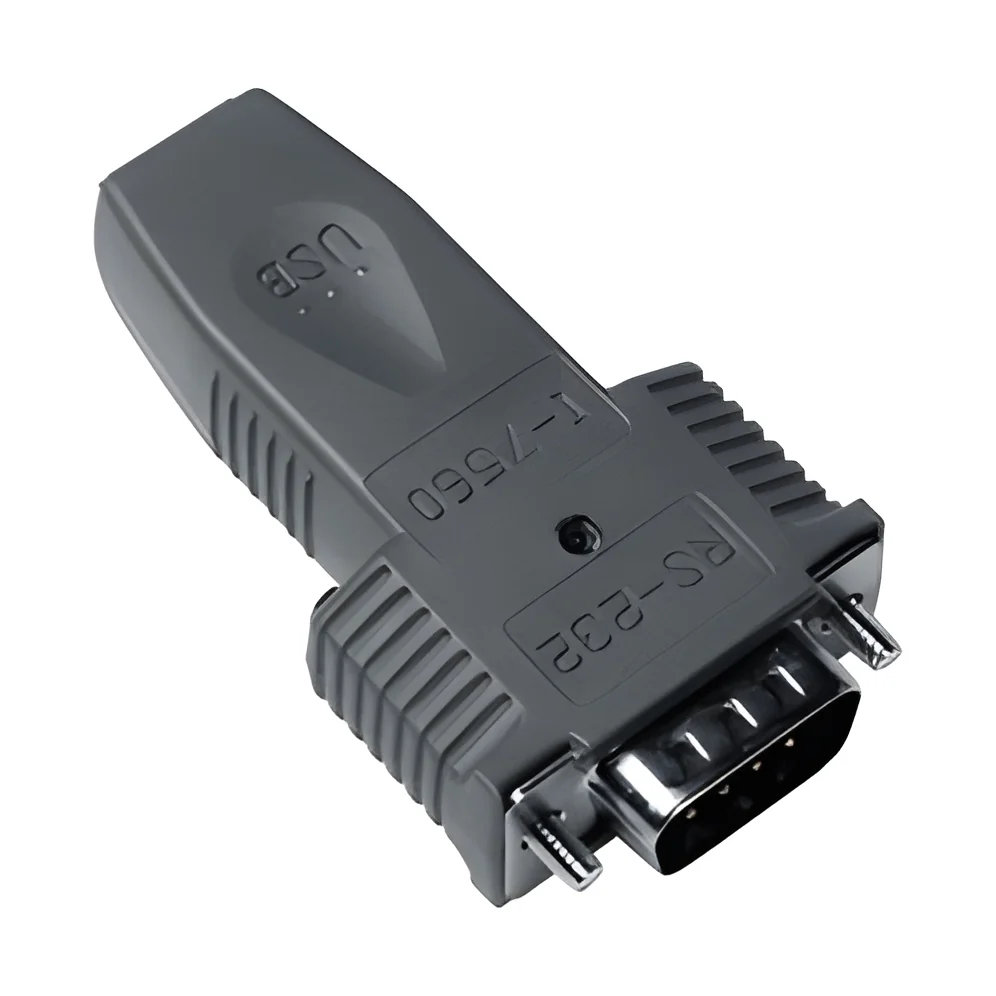
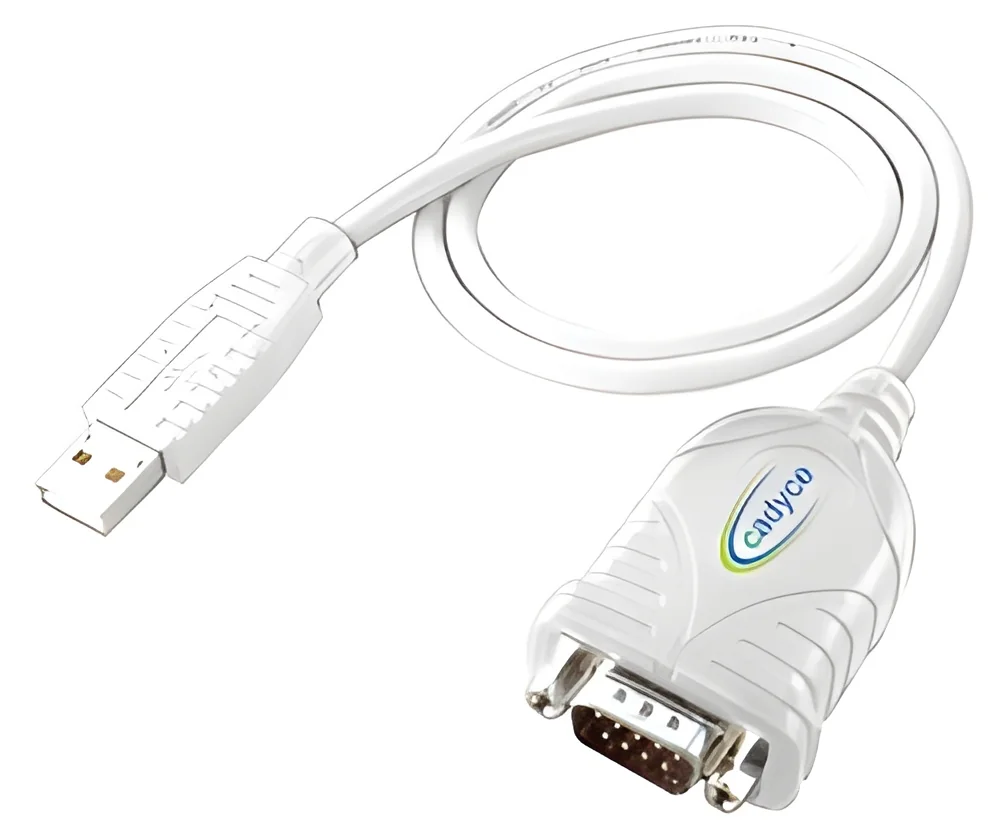
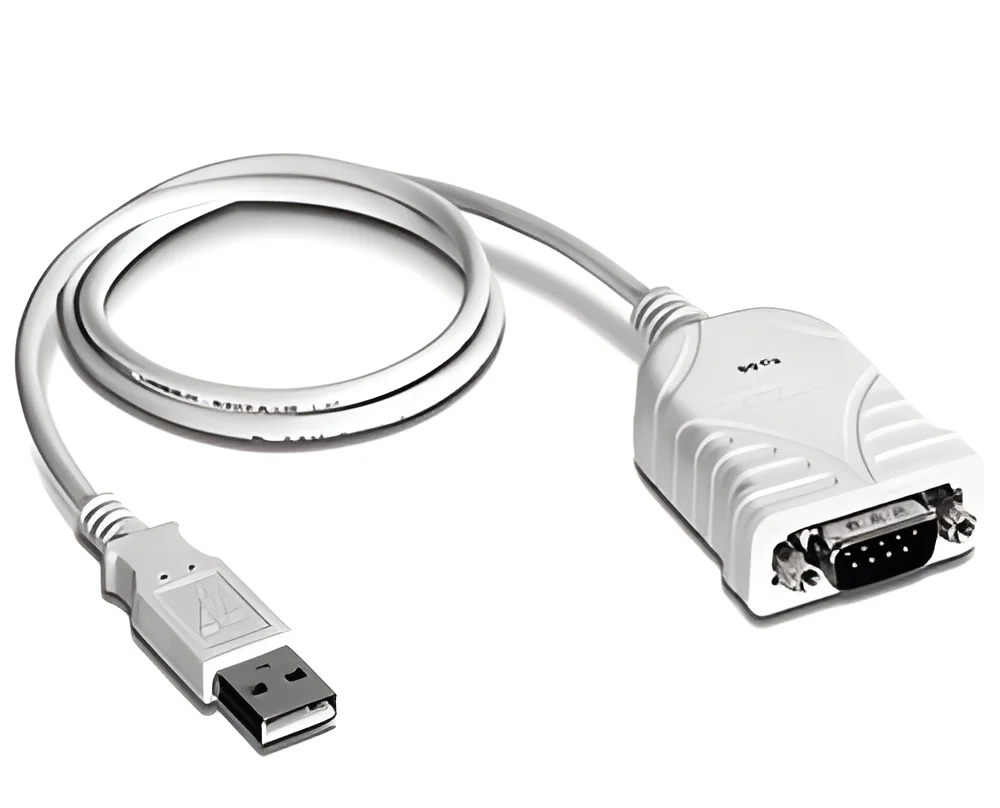
USB Programming Cables: These cables connect devices to computers via USB ports, allowing for quick data transfer and programming. Commonly used in consumer electronics and automation systems, they offer ease of use and compatibility with modern devices.
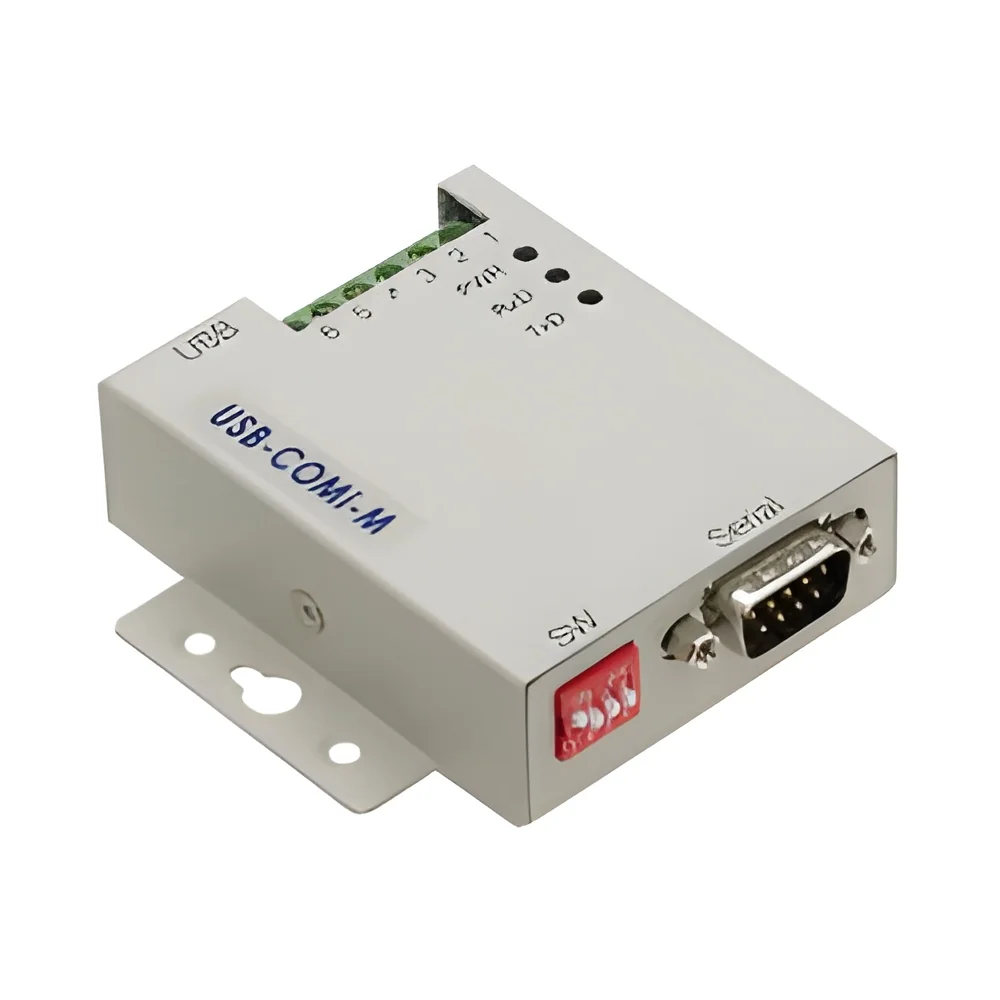
Serial Programming Cables: Often employed in industrial settings, these cables connect devices using RS-232 or RS-485 protocols. They are crucial for programming older equipment and ensuring reliable data communication in legacy systems.
Ethernet Programming Cables: Designed for networked devices, these cables facilitate high-speed data transfer and remote programming. They are widely used in telecommunications and IoT applications.
Benefits and Advantages
Programming cables and software offer several key benefits that can enhance a business's operational efficiency.
1. Enhanced Productivity: Streamlining the programming process reduces downtime, allowing for quicker setups and updates.
2. Improved Accuracy: High-quality cables and software minimize data transmission errors, ensuring precise control over devices.
3. Cost Efficiency: By enabling faster diagnostics and troubleshooting, these tools help prevent costly system failures and downtime.
4. Versatility: The compatibility of programming cables and software with multiple devices and systems makes them adaptable to various applications.
5. User-Friendly: Many software solutions offer intuitive interfaces, making it easier for users to navigate and configure devices without extensive training.
6. Compliance Assurance: Utilizing certified products helps businesses comply with industry standards, reducing liability and enhancing safety.
Buying Guide for B2B Buyers
When sourcing programming cables and software, several factors should be considered to ensure optimal selection for your business needs.
1. Quality Assessment: Evaluate the materials and construction of cables to ensure durability in industrial environments. Look for products that meet relevant safety standards.
2. Supplier Verification: Vet potential suppliers by checking their reputation, customer reviews, and certification. A verified supplier can provide reliable products and support.
3. Pricing and MOQ: Consider the overall costs, including volume discounts and minimum order quantities. Ensure that pricing aligns with your budget without compromising quality.
4. Delivery and Lead Times: Discuss logistics and expected delivery times with suppliers to ensure timely receipt of products for operational needs.
5. Compliance Requirements: Verify that the products meet necessary industry regulations and standards to avoid legal issues and ensure safety.
Compliance and Certifications
Programming cables and software must adhere to various quality standards and regulations to ensure reliability and safety. One of the most recognized standards is ISO 9001, which outlines quality management principles. Compliance with this standard indicates that a manufacturer maintains consistent quality in their products.
Additional industry certifications, such as CE, demonstrate that products meet European safety, health, and environmental protection standards. This is particularly important for companies exporting products to European markets.
Safety and testing requirements also play a crucial role in the compliance of programming cables and software. Manufacturers should conduct rigorous testing to ensure that their products can withstand operational stresses and perform reliably over time.
Regional compliance considerations may vary, so it is essential for businesses to be aware of local regulations affecting their industry. This ensures that the products they source are not only effective but also legally compliant in their operational regions.
Why Source Programming Cables & Software from Pepagora?
Pepagora stands out as a trusted platform for sourcing programming cables and software, offering several key advantages that benefit B2B buyers.
Verified Supplier Network: Pepagora maintains a rigorous vetting process to ensure that all suppliers meet high standards of quality and reliability. Buyers can trust that they are sourcing from reputable manufacturers who prioritize customer satisfaction.
Streamlined RFQ Process: The platform offers an efficient Request for Quotation (RFQ) process, allowing buyers to easily compare quotes from multiple suppliers. This transparency helps businesses make informed purchasing decisions.
Trade Assurance and Support: Pepagora provides buyer protection through its trade assurance programs, ensuring that transactions are secure and that buyers receive the products as promised. Additionally, support is available to assist with any inquiries or issues.
Regional Coverage: With a strong presence in India, the GCC, and Southeast Asia, Pepagora can connect buyers with suppliers across these regions. This broad geographic reach enables businesses to find the right products to meet their local needs.
By choosing Pepagora for programming cables and software, businesses can leverage a reliable platform that enhances their procurement process while ensuring compliance and quality.


Frequently Asked Questions
What are Programming Cables & Software?
Programming Cables & Software refer to the tools and applications used to connect and configure various electronic devices. These cables facilitate communication between a computer and a device, allowing for programming, data transfer, and device control.
What are the different types of Programming Cables & Software?
There are several types of Programming Cables & Software, including USB programming cables, serial cables, and specialized cables for specific devices. Additionally, software can range from simple drivers to complex programming environments tailored for specific hardware.
How do I choose the right Programming Cables & Software?
Choosing the right Programming Cables & Software involves assessing compatibility with your devices, understanding your programming needs, and considering factors like data transfer speed and cable length. It's advisable to consult product specifications and user reviews for informed decisions.
What are the standard specifications for Programming Cables & Software?
Standard specifications for Programming Cables & Software often include data transfer rates, cable length, connector type, and supported protocols. It's important to check the manufacturer's specifications to ensure compatibility with your devices.
What is the price range for Programming Cables & Software?
The price range for Programming Cables & Software can vary widely based on type, brand, and features. Generally, prices can start from a few hundred rupees for basic cables and can go up to several thousand rupees for advanced programming solutions.
What quality standards apply to Programming Cables & Software?
Quality standards for Programming Cables & Software typically include compliance with international standards like ISO and CE. Additionally, manufacturers may adhere to specific industry standards to ensure reliability and performance.
Where can I find Programming Cables & Software suppliers in India?
You can find Programming Cables & Software suppliers in India through various B2B marketplaces, trade shows, and industry directories. Online platforms like Pepagora.com are also a reliable source to connect with reputable suppliers and manufacturers.
Can Programming Cables & Software be customized?
Yes, many manufacturers offer customization options for Programming Cables & Software based on specific requirements. Customizations can include cable length, connector types, and software features to better suit your needs.
What is the typical minimum order quantity for Programming Cables & Software?
The typical minimum order quantity (MOQ) for Programming Cables & Software can vary by supplier and product type. Generally, MOQs can range from 10 to 100 units, depending on the manufacturer's policies.
What is the typical lead time for Programming Cables & Software?
The typical lead time for Programming Cables & Software can range from a few days to several weeks. Factors influencing lead time include the type of product, customization requests, and supplier capacity.
Why Businesses Trust Pepagora
Thousands of companies trust Pepagora to source smarter and sell faster
Expand Your Sales Globally

Source Smarter,Grow Faster
