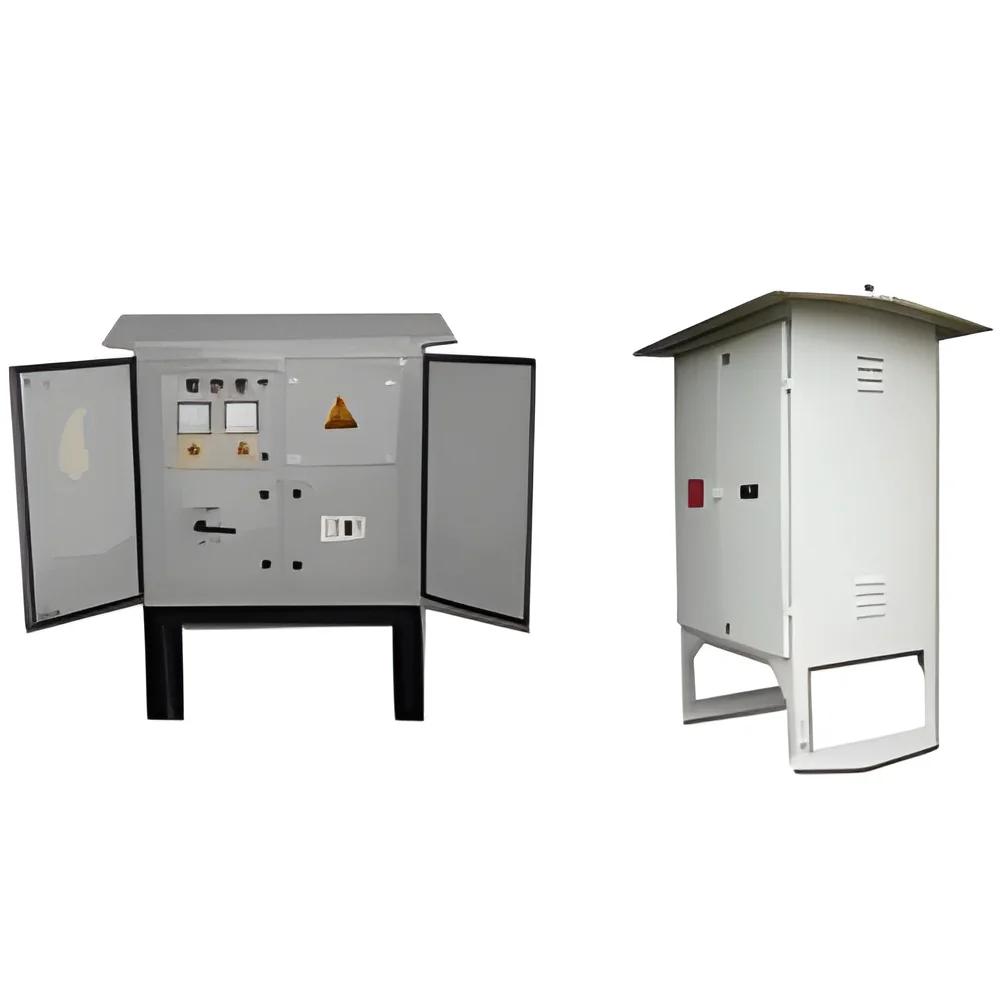
What are Feeder Pillars?
Feeder pillars are essential electrical distribution components used to manage and distribute electrical power in various applications. They serve as a connection point between the main power supply and the end-users, facilitating the safe and efficient distribution of electricity. Typically constructed from durable materials, feeder pillars are designed to protect electrical connections and equipment from environmental factors, such as moisture and dust.
Feeder pillars are commonly used in residential, commercial, and industrial settings. Their primary applications include providing power to street lighting, traffic signals, and utility services. In industrial environments, feeder pillars play a crucial role in the distribution of power to machinery and equipment, ensuring that operations run smoothly. The rising demand for reliable electrical infrastructure in urban development projects further underscores the relevance of feeder pillars in today's market.
Key Features and Specifications
Feeder pillars offer several key features that make them indispensable for electrical distribution. Their robust construction ensures durability, while their design allows for easy installation and maintenance. The specifications of feeder pillars can vary based on the intended application and the environment in which they are installed.
Key specifications include:
1. Material Composition
- Typically made from galvanized steel or fiberglass
- Provides resistance to corrosion and environmental damage
2. Dimensions
- Available in various sizes to accommodate different power loads
- Standard dimensions generally range from 600mm to 1200mm in height
3. IP Rating
- Rated for ingress protection, commonly IP54 or IP66
- Ensures protection against dust and water ingress
4. Electrical Rating
- Supports a wide range of voltage ratings, typically up to 415V
- Current ratings can vary, commonly ranging from 100A to 400A
5. Mounting Options
- Designed for both wall-mounted and pedestal installations
- Offers flexibility for installation in various environments
6. Cable Entry Options
- Multiple entry points for easy cable management
- Allows for organized and efficient wiring
7. Locking Mechanism
- Equipped with lockable doors for added security
- Protects against unauthorized access
8. Compliance with Safety Standards
- Must meet industry standards such as CE certification
- Ensures reliability and safety in electrical distribution
Feeder pillars are designed to meet diverse needs, making them a versatile choice for any electrical distribution system.
Common Applications and Use Cases
Feeder pillars are utilized across multiple industries, reflecting their versatility and importance in electrical infrastructure.
1. Utility Services: Feeder pillars are commonly used by utility companies to distribute power to residential and commercial buildings. They act as a crucial link in the electrical supply chain.
2. Street Lighting: Municipalities use feeder pillars to power street lighting systems, ensuring public safety and visibility on roadways.
3. Construction Sites: Temporary feeder pillars provide electrical power to construction equipment, facilitating on-site operations and ensuring worker safety.
4. Industrial Facilities: In manufacturing plants, feeder pillars distribute electricity to machinery and equipment, enhancing productivity and operational efficiency.
5. Transportation: Feeder pillars are used in traffic signal systems, ensuring traffic management and safety on roads.
6. Renewable Energy: In solar and wind energy installations, feeder pillars help manage the distribution of generated power to the grid.
7. Telecommunications: Feeder pillars provide power to communication towers and related infrastructure, supporting connectivity in urban and rural areas.
Product Variants and Subcategories
Feeder pillars come in various configurations to suit different needs and applications. Although specific subcategories may not be available, certain variants can be tailored to fit unique requirements.
Standard Feeder Pillars
These are the most common type, designed for general use in residential and commercial applications. They feature robust construction and are equipped with standard electrical ratings.
Custom Feeder Pillars
Tailored to meet specific client needs, custom feeder pillars can be designed with unique dimensions, electrical ratings, and additional features based on project requirements.
Benefits and Advantages
Feeder pillars offer numerous benefits that contribute to their widespread use in electrical distribution systems.
1. Durability: Built from high-quality materials, feeder pillars are designed to withstand harsh environmental conditions, ensuring long-term performance.
2. Safety: Incorporating advanced safety features, such as locking mechanisms and ingress protection, feeder pillars enhance the safety of electrical installations.
3. Easy Maintenance: The design of feeder pillars allows for straightforward access, making maintenance and repairs quick and efficient.
4. Flexibility: Available in various sizes and configurations, feeder pillars can be customized to meet specific project demands and installation environments.
5. Cost-Effective: By providing reliable power distribution, feeder pillars can reduce downtime and maintenance costs in industrial settings.
6. Compliance: Meeting industry standards, feeder pillars ensure that electrical installations adhere to safety and regulatory requirements.
Buying Guide for B2B Buyers
When sourcing feeder pillars, it is essential for B2B buyers to consider several factors to ensure they select the right product for their needs.
1. Quality Assessment: Evaluate the quality of materials and construction. Look for suppliers that provide detailed specifications and compliance with relevant safety standards.
2. Supplier Verification: Vet potential suppliers by checking their reputation, customer reviews, and industry certifications. A reliable supplier is crucial for ensuring product quality and support.
3. Pricing and MOQ: Understand the price range for feeder pillars and inquire about minimum order quantities. Pricing can vary based on specifications and order size.
4. Delivery and Lead Times: Discuss logistics and lead times with suppliers to ensure timely delivery of products to your project sites.
5. Compliance Requirements: Be aware of any local regulatory requirements that feeder pillars must meet. Ensure that the products sourced comply with these regulations to avoid potential issues.
Compliance and Certifications
Feeder pillars must adhere to various quality standards and certifications to ensure their safety and reliability in electrical distribution.
ISO 9001: This quality management standard is essential for manufacturers, ensuring consistent production processes and high-quality products.
CE Certification: This mark indicates that the feeder pillars comply with European safety and environmental standards, providing assurance of their reliability.
Safety and Testing Requirements: Feeder pillars must undergo rigorous testing to confirm their performance and safety characteristics. This includes electrical testing to ensure they can handle specified loads.
Regional Compliance Considerations: Depending on the geographical location, feeder pillars may need to comply with specific local regulations and standards. Understanding these requirements is vital for ensuring that products meet all necessary guidelines.
Why Source Feeder Pillars from Pepagora?
Pepagora offers a trusted platform for sourcing feeder pillars, providing several key advantages to B2B buyers.
Verified Supplier Network: Pepagora connects buyers with a network of verified suppliers, ensuring access to high-quality products and reliable service. Each supplier undergoes a rigorous verification process to maintain standards.
Streamlined RFQ Process: The platform simplifies the request for quotation process, allowing buyers to easily compare prices and specifications from multiple suppliers. This enhances transparency and facilitates better decision-making.
Trade Assurance and Support: Pepagora provides trade assurance, protecting buyers from potential issues in the procurement process. Support teams are available to assist with inquiries and resolve concerns.
Regional Coverage: With a strong presence in India, the GCC, and Southeast Asia, Pepagora ensures that buyers can source feeder pillars from reputable suppliers in their region, enhancing logistics and support.

 IN
IN