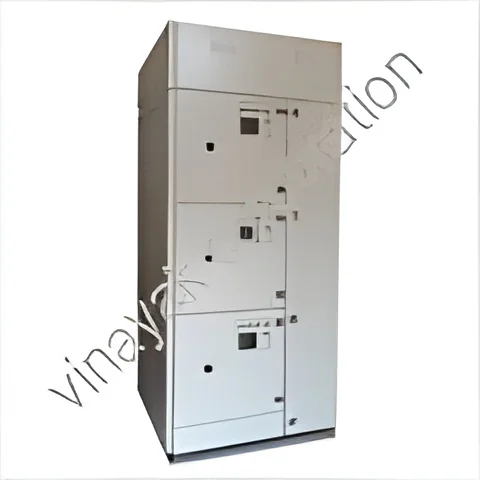
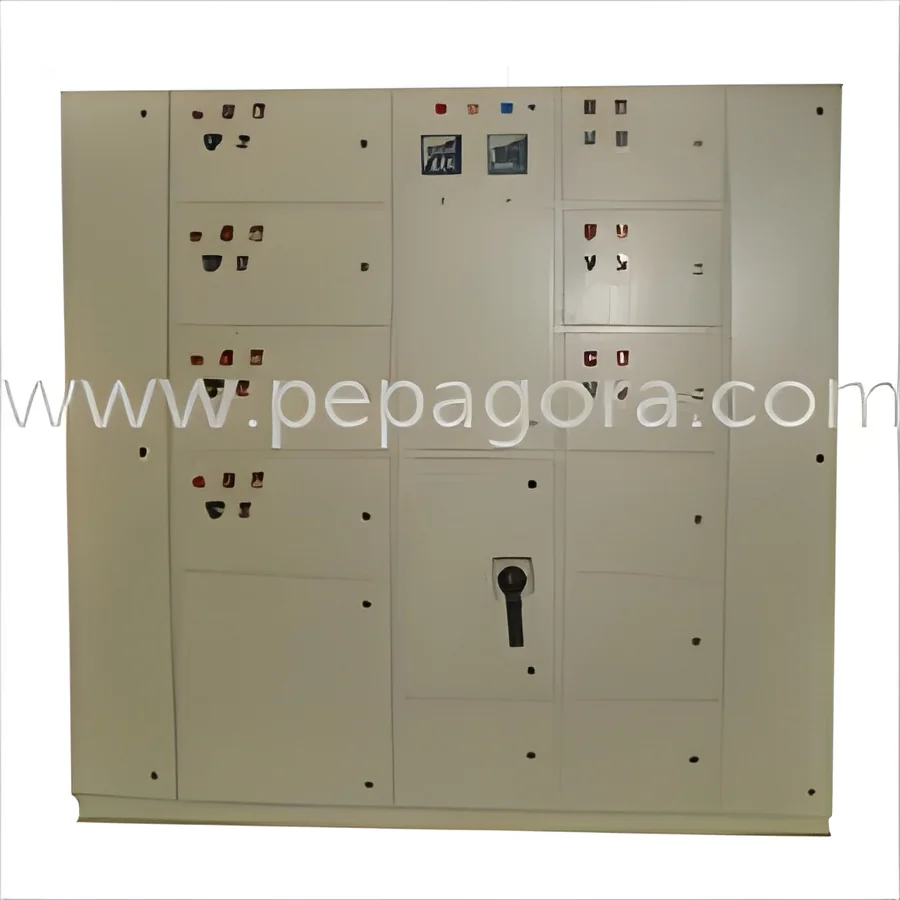
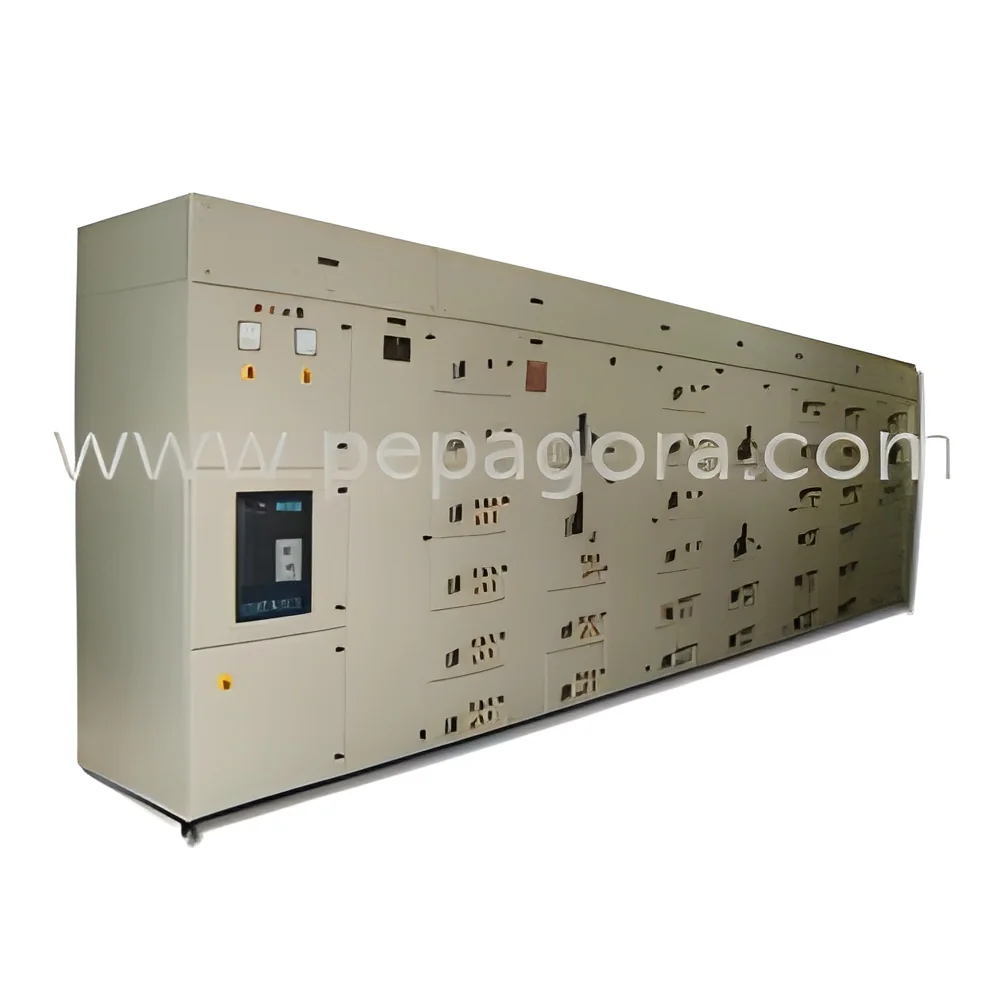
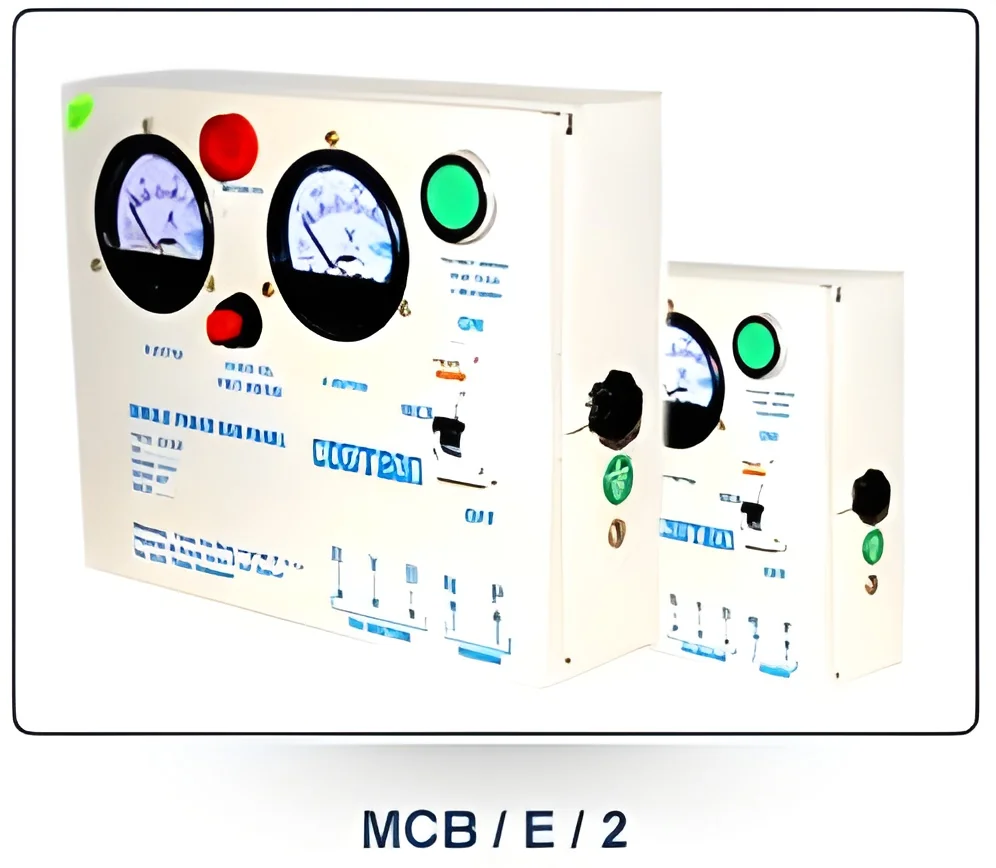
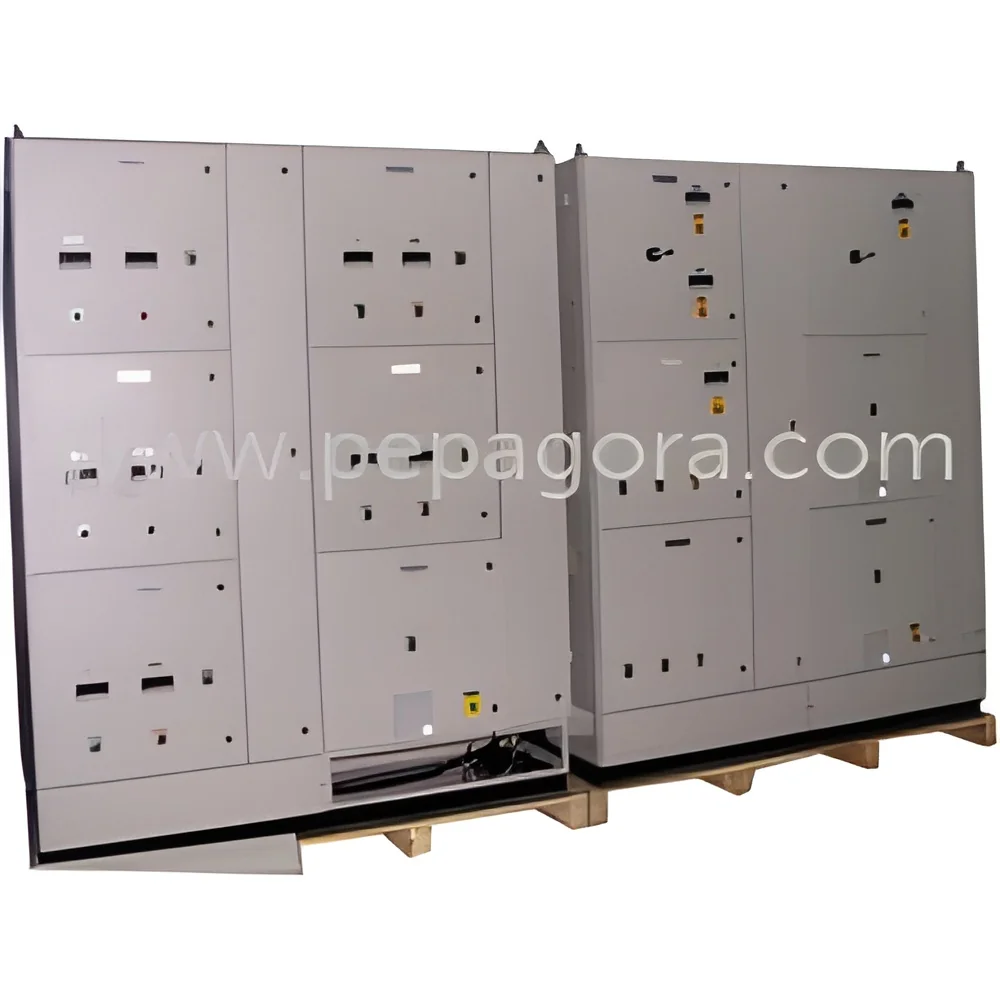
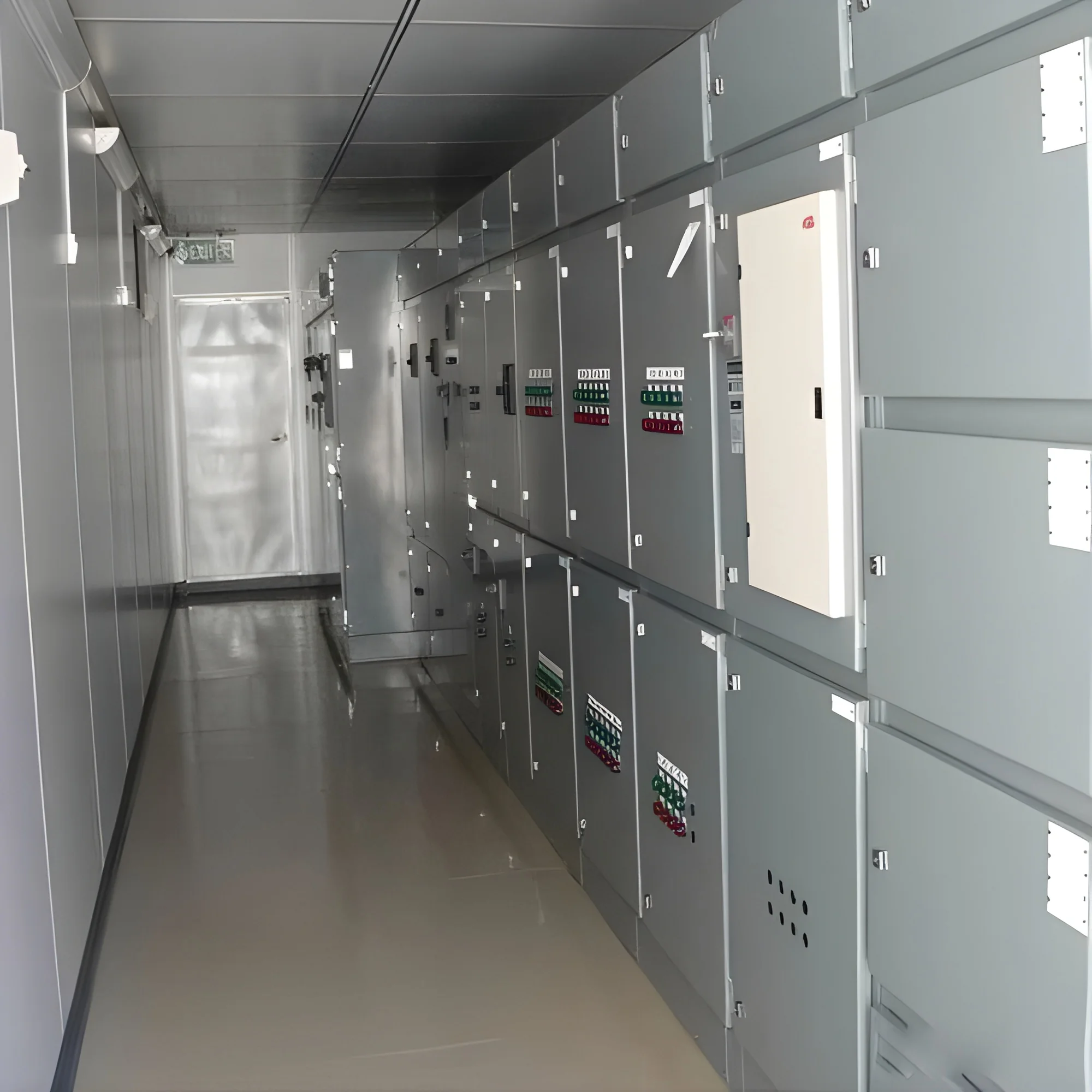
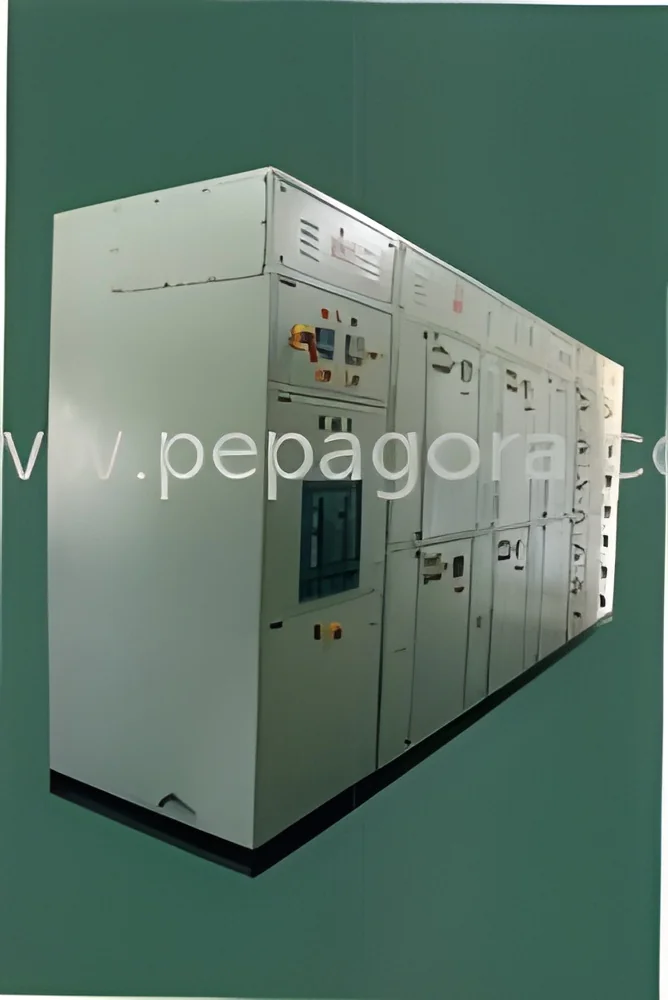
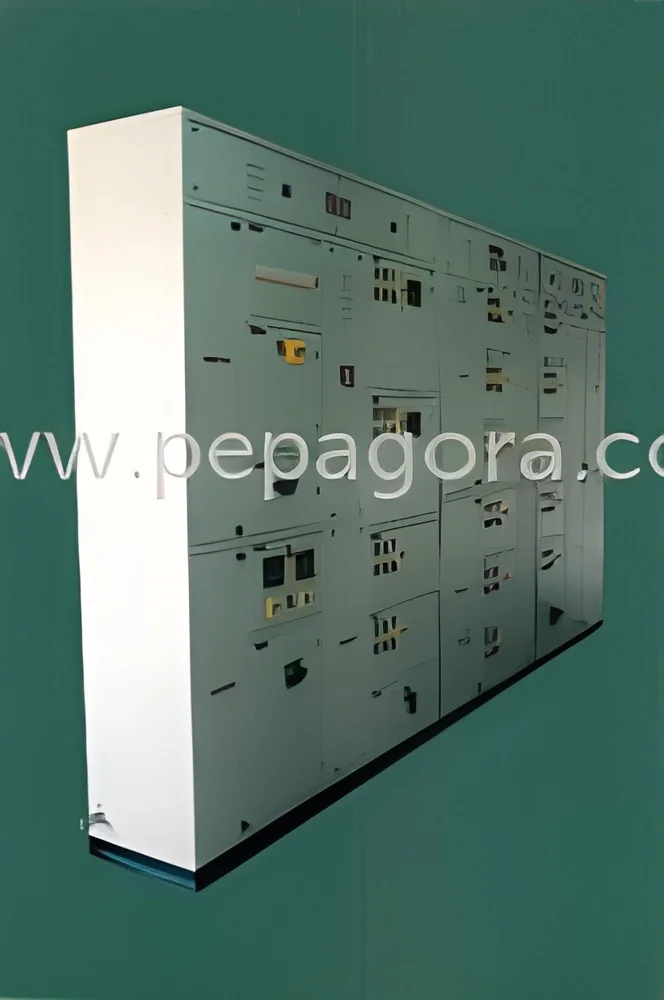
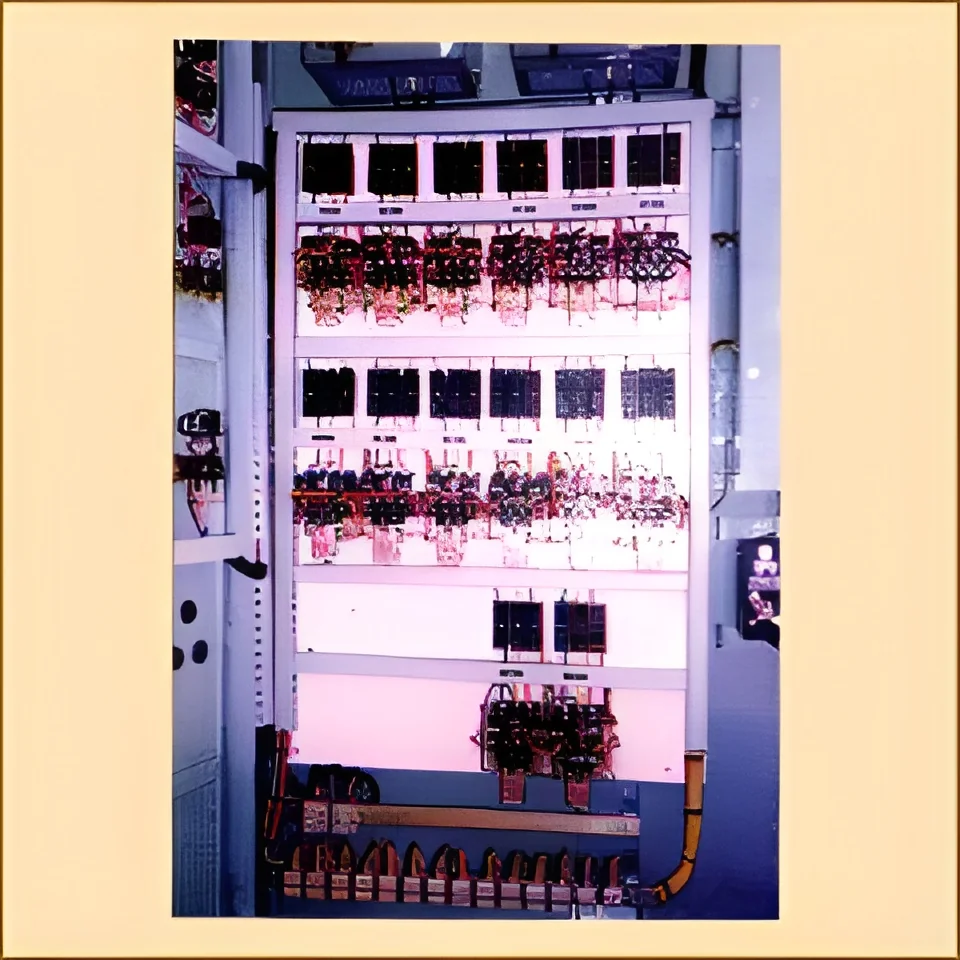
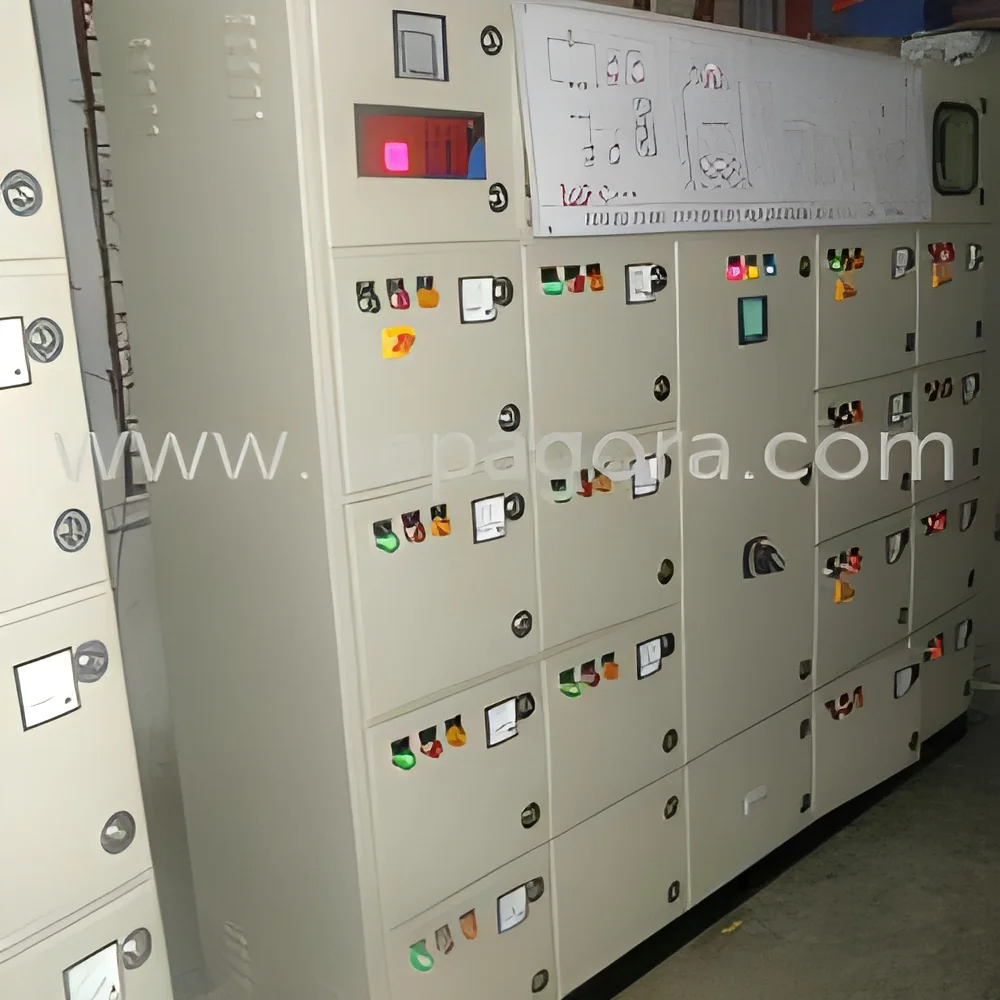
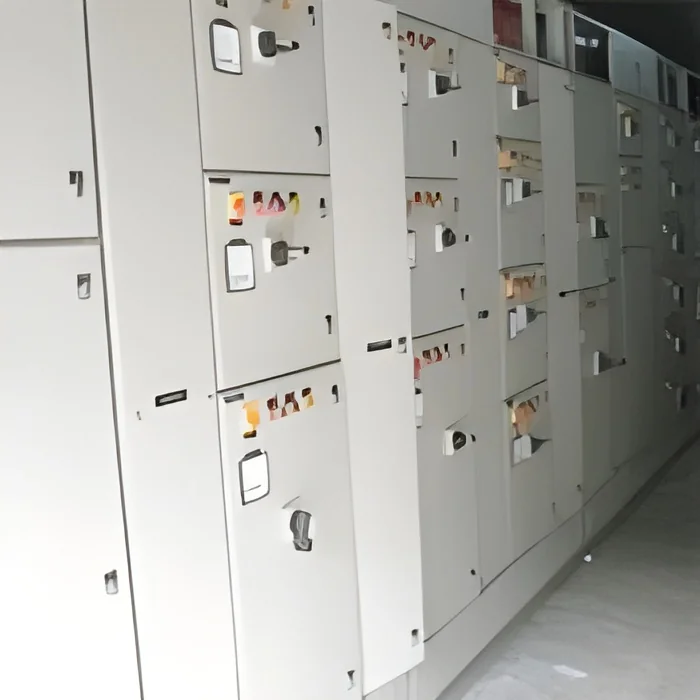
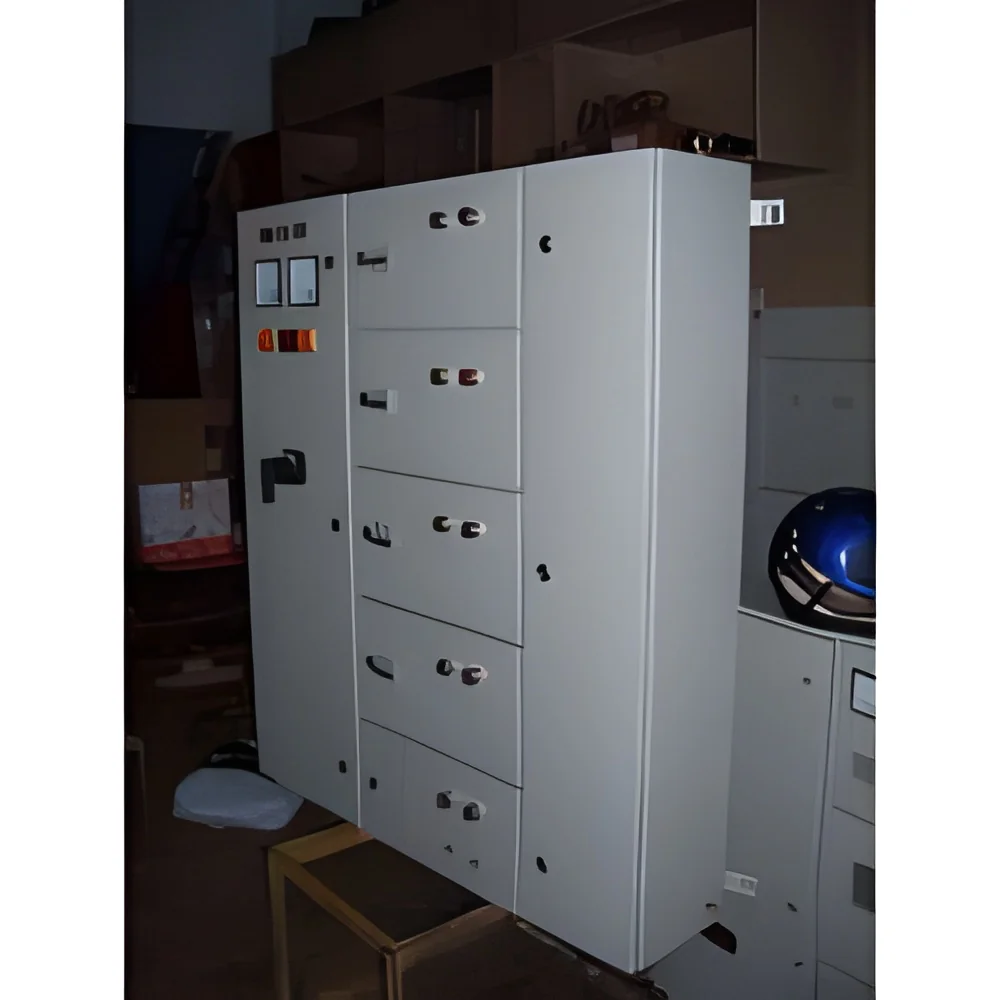
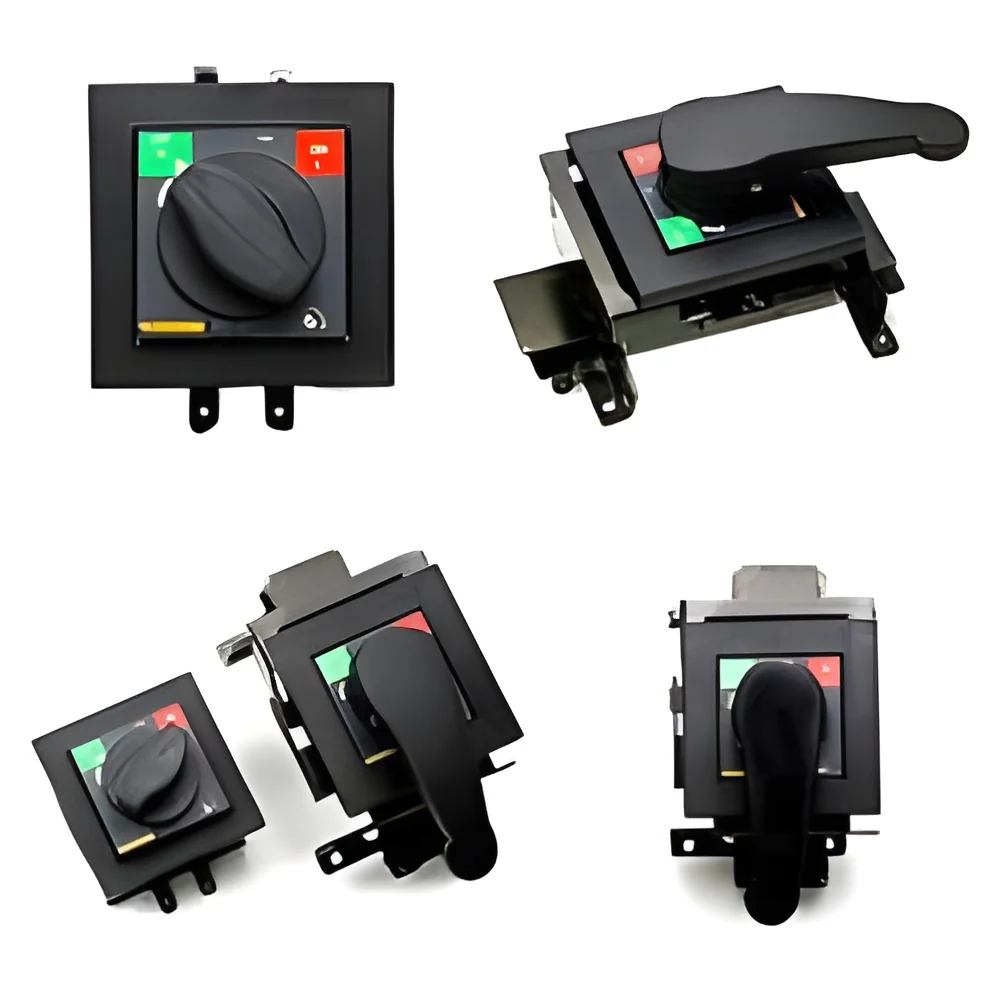
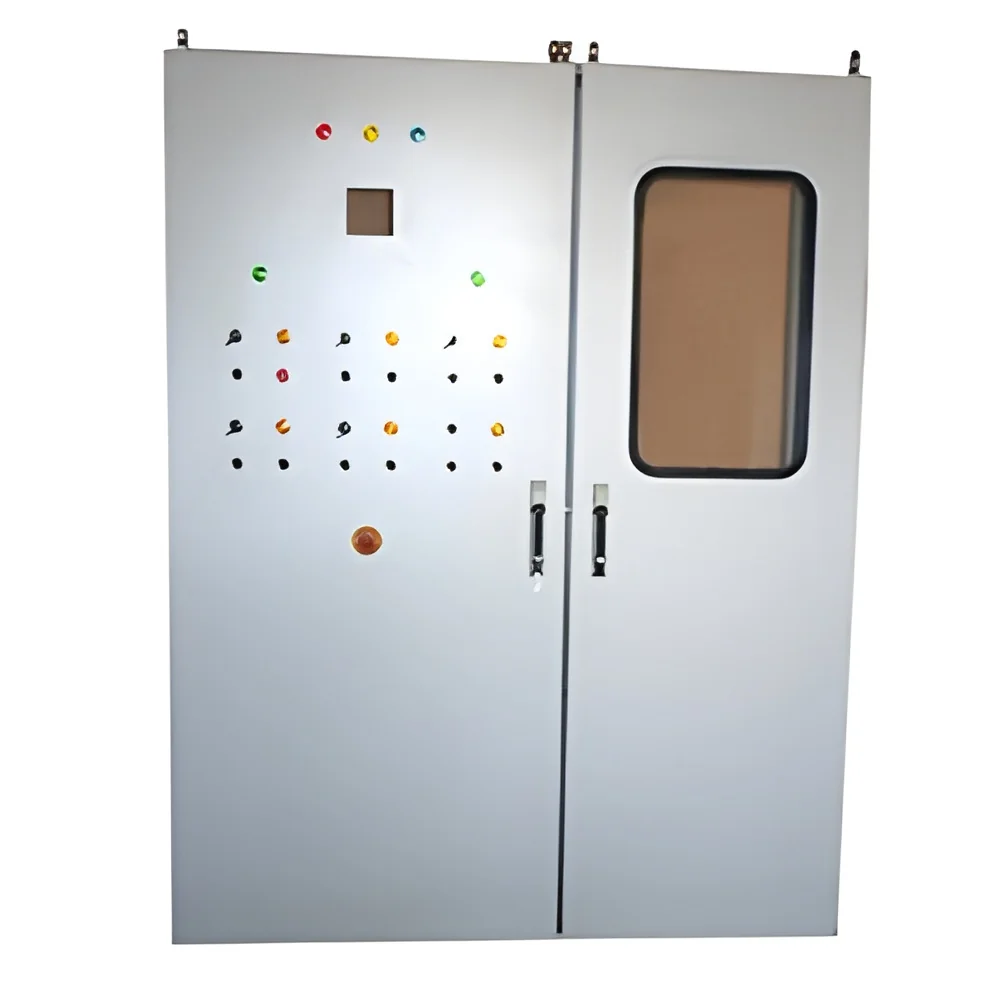
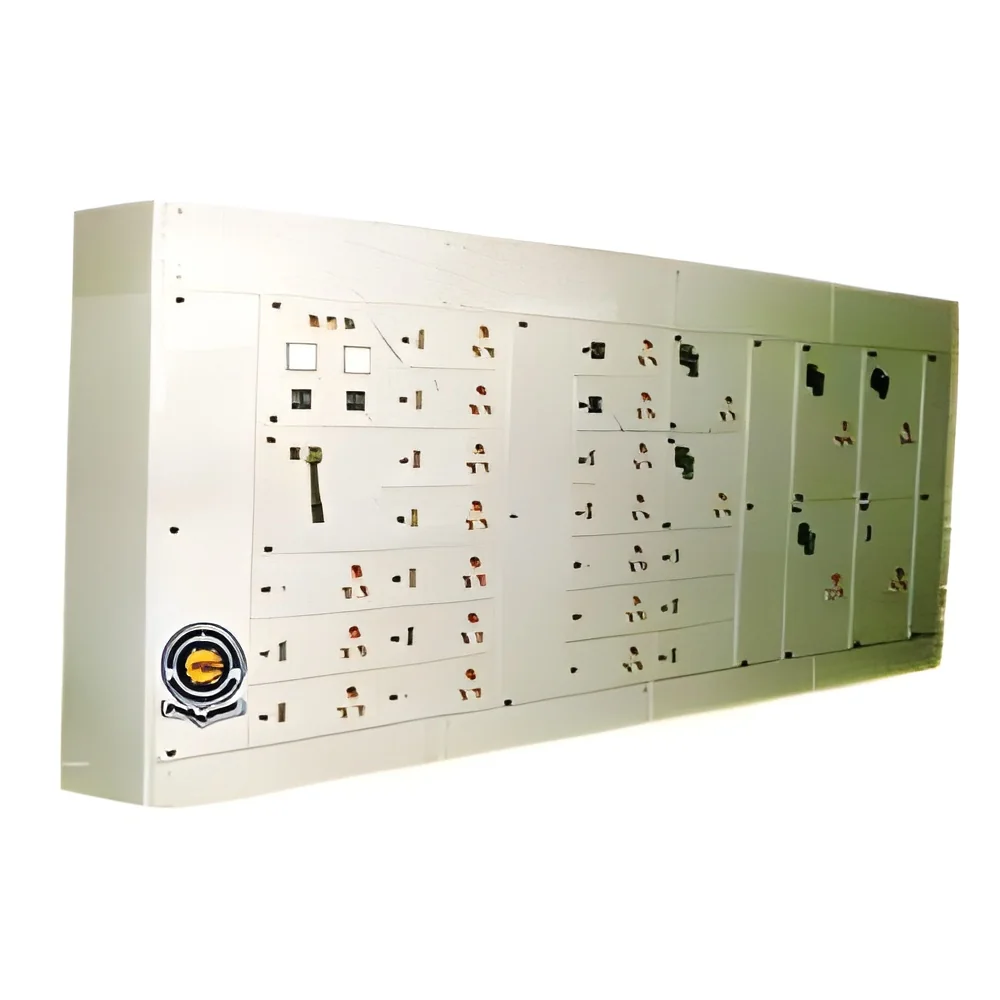
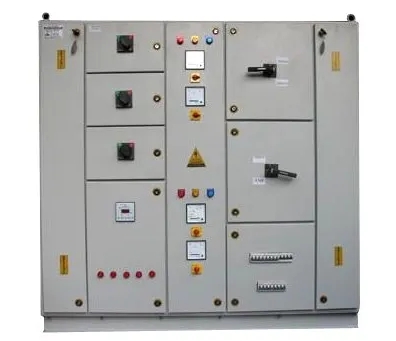
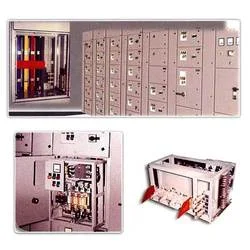
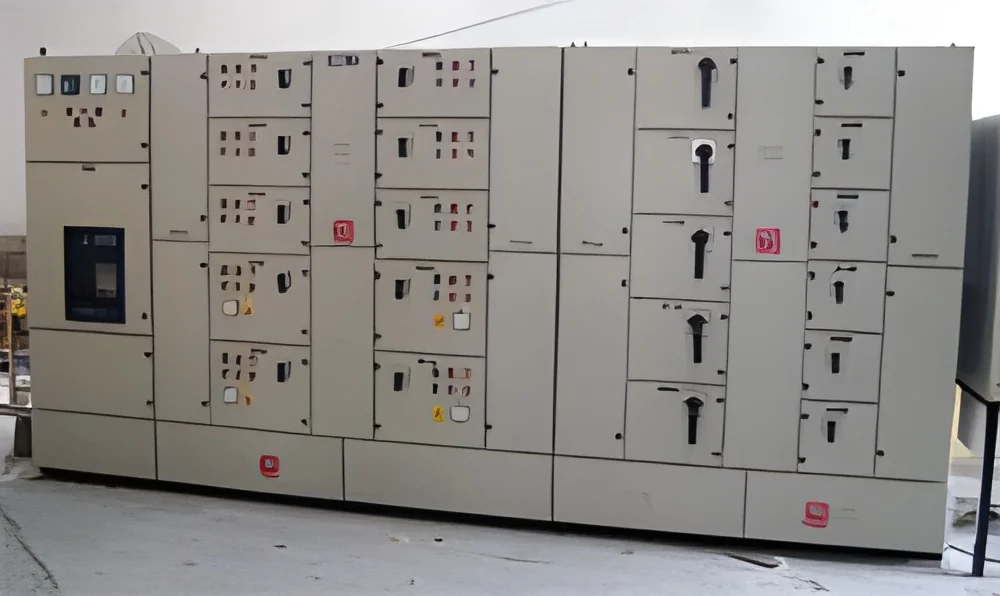
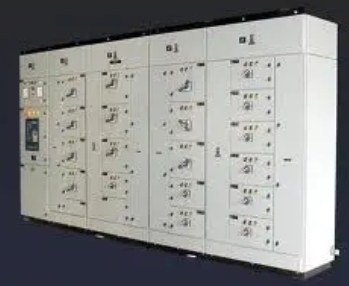
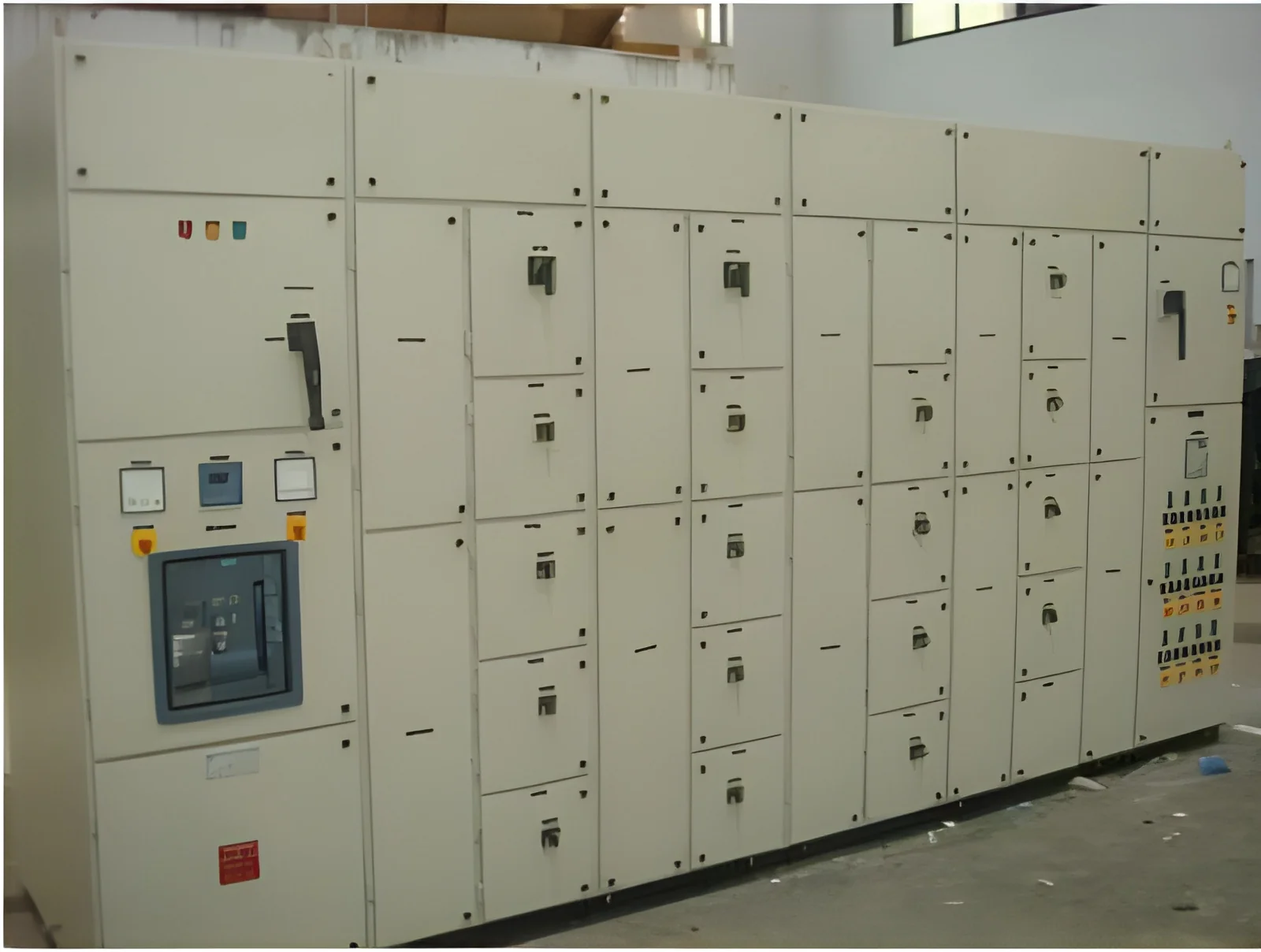
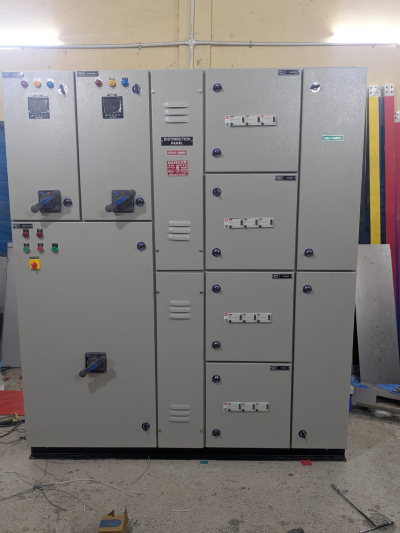
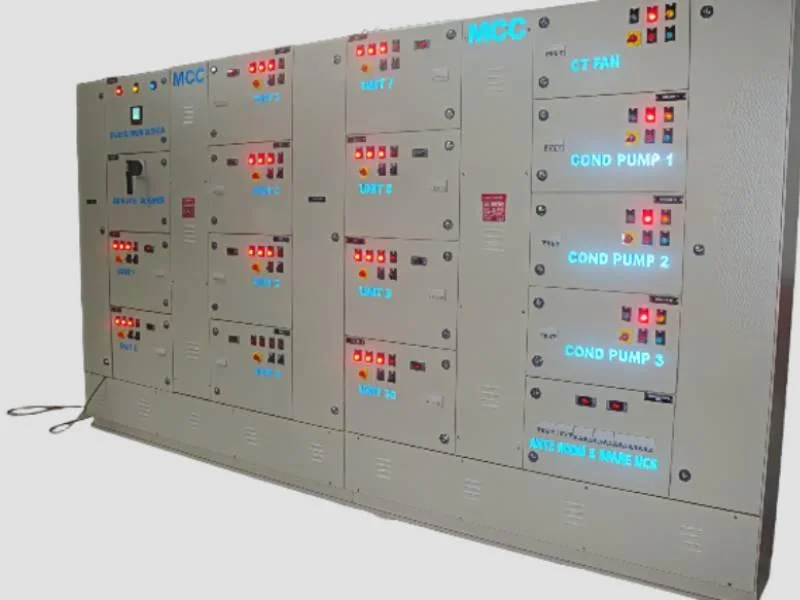
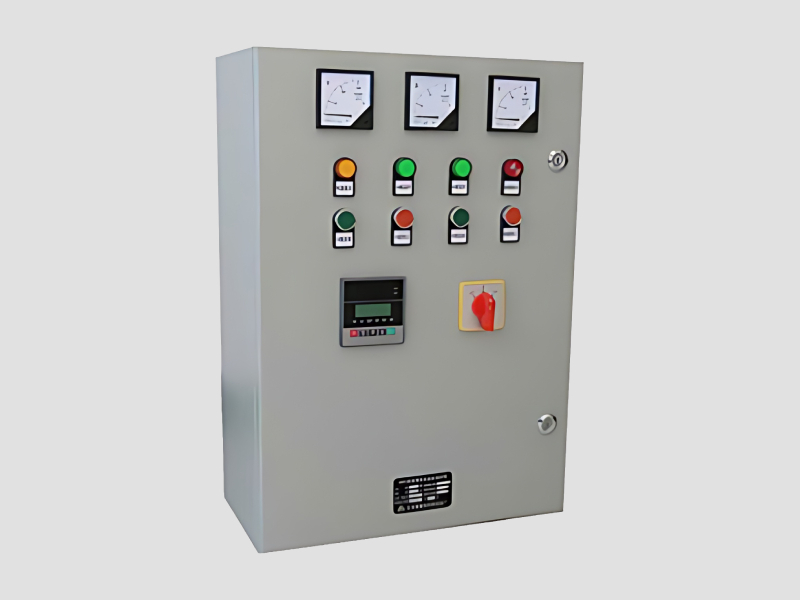
Key Features and Specifications
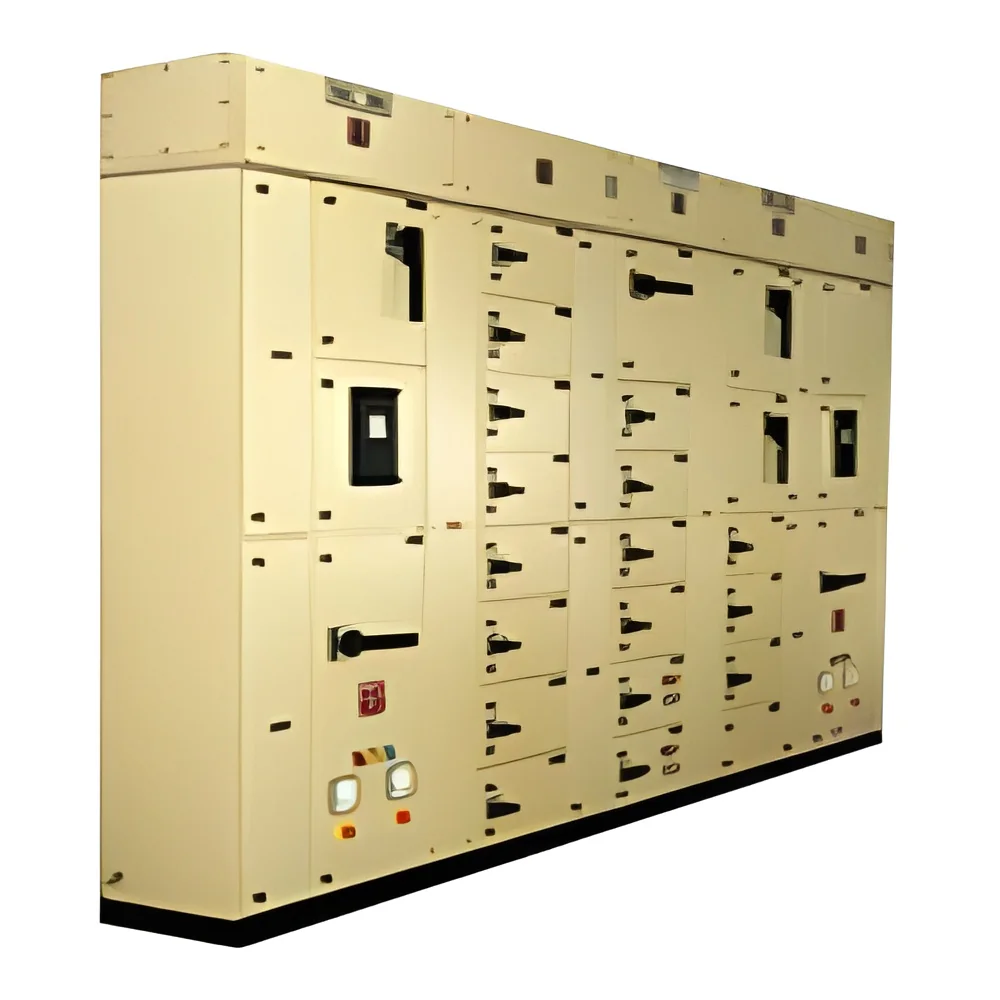
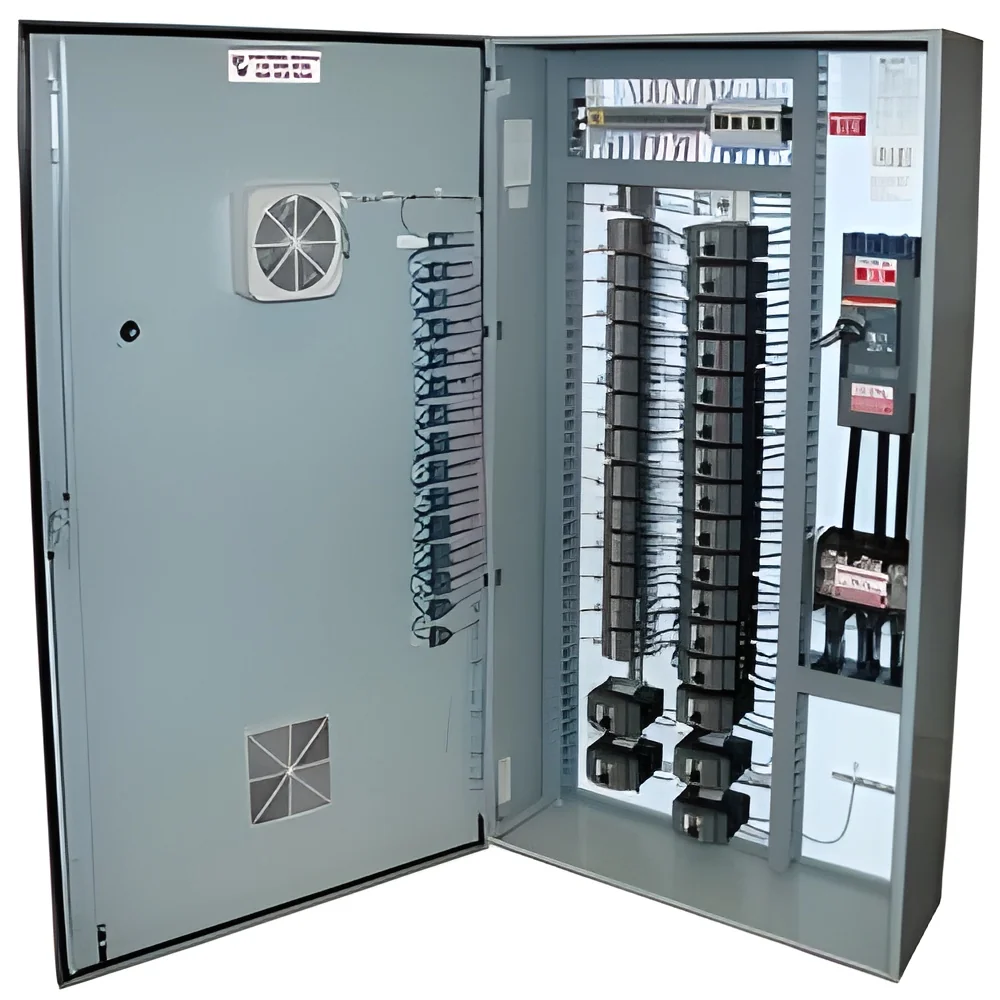
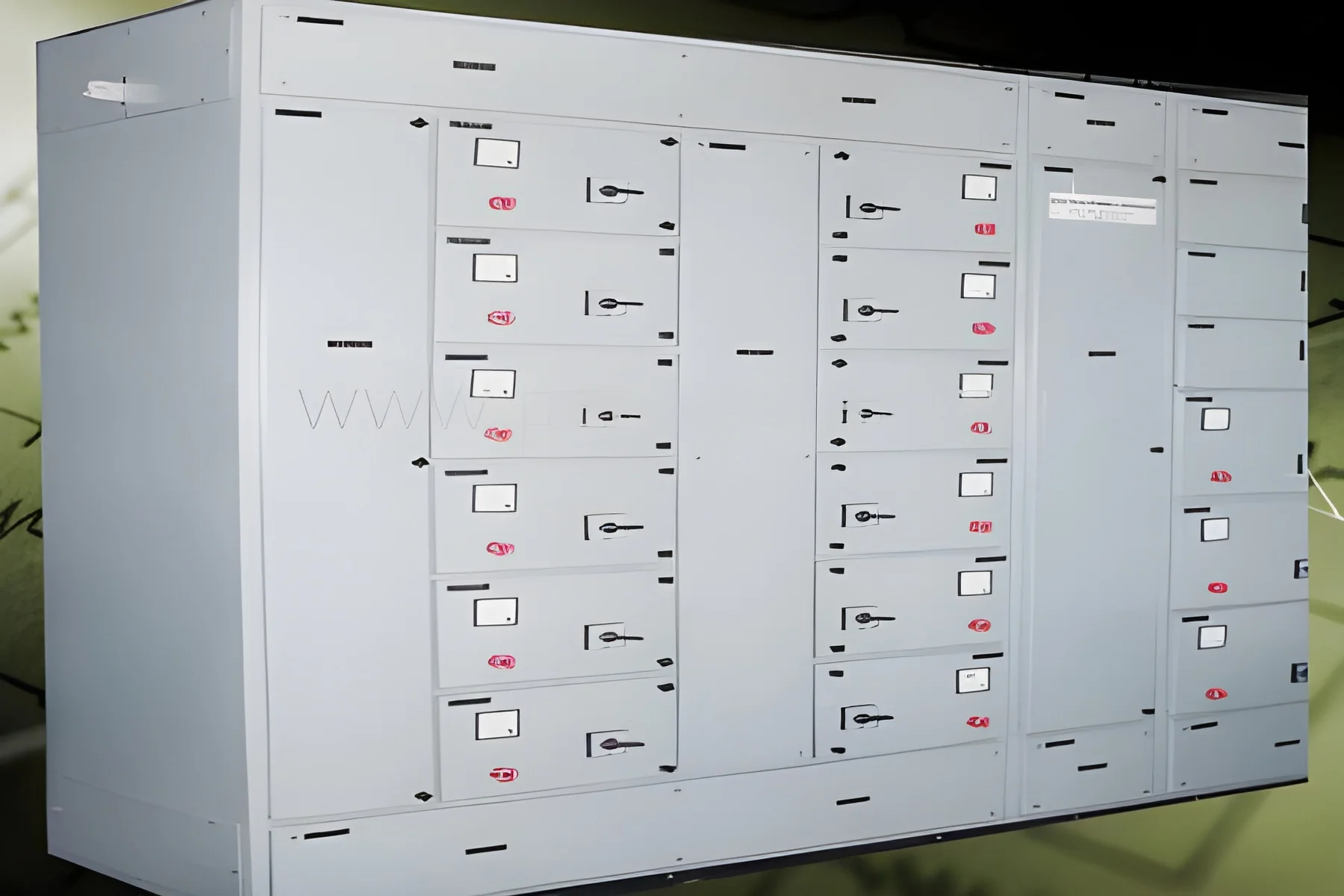
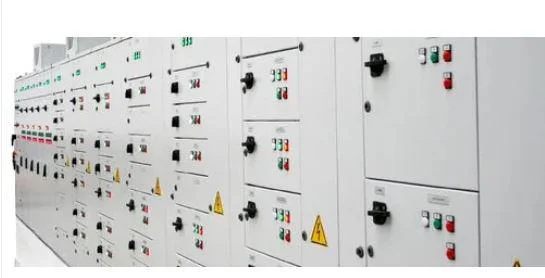
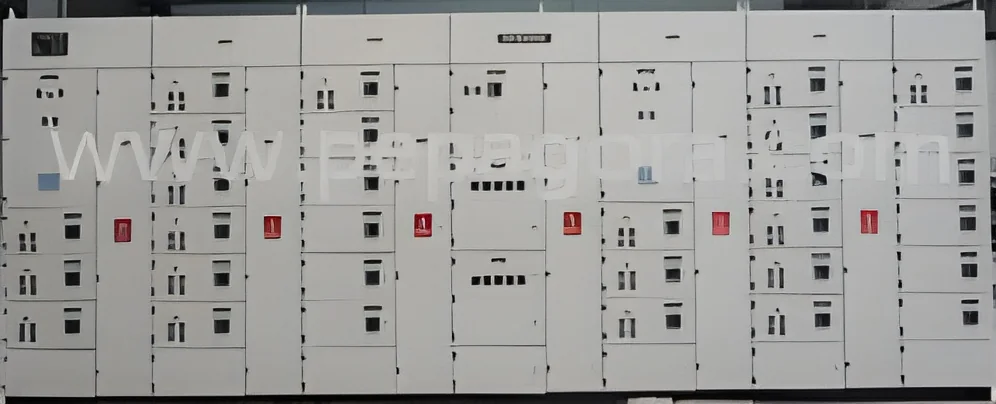
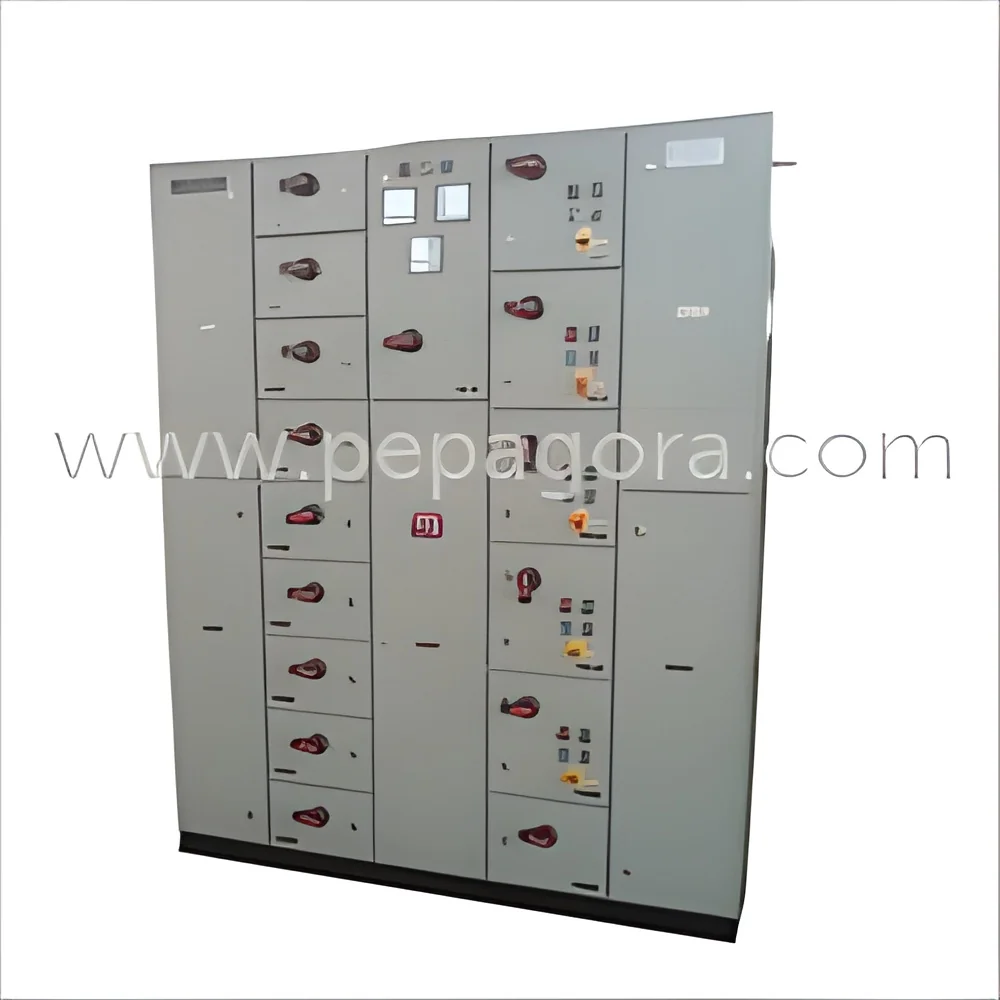
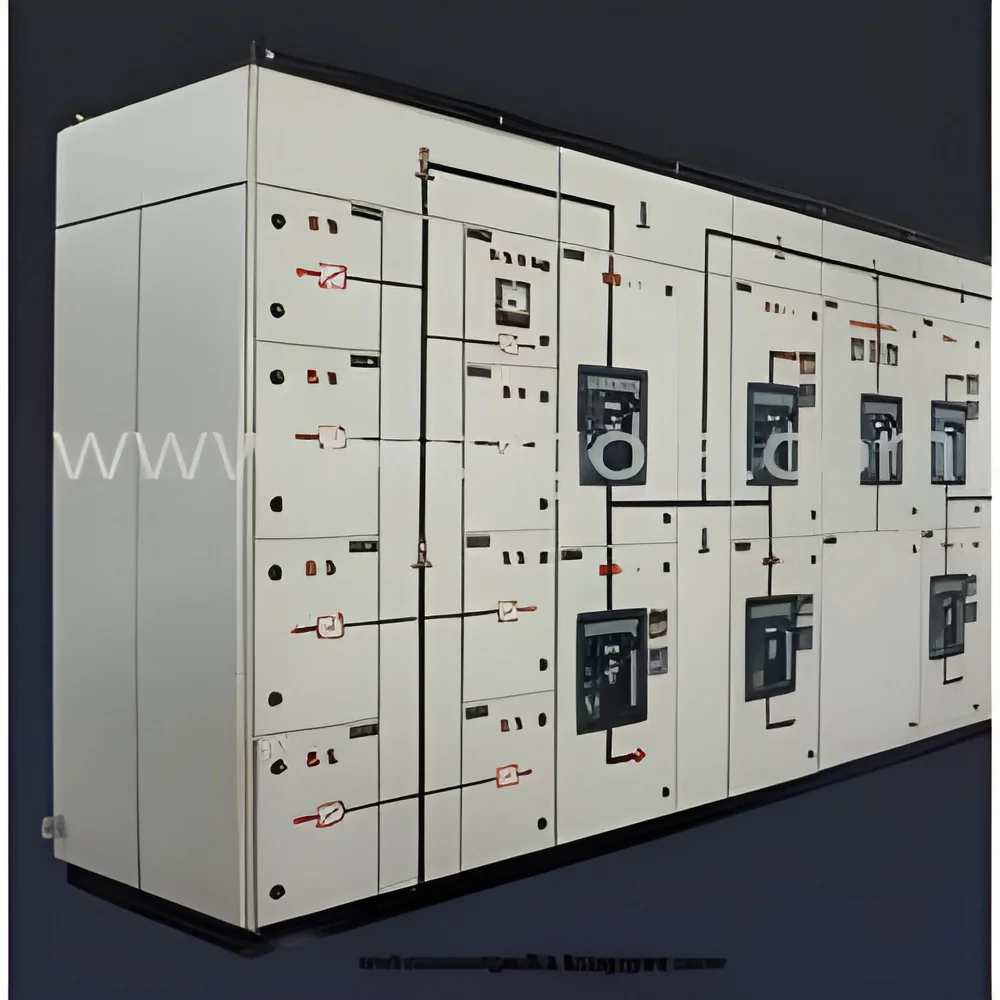
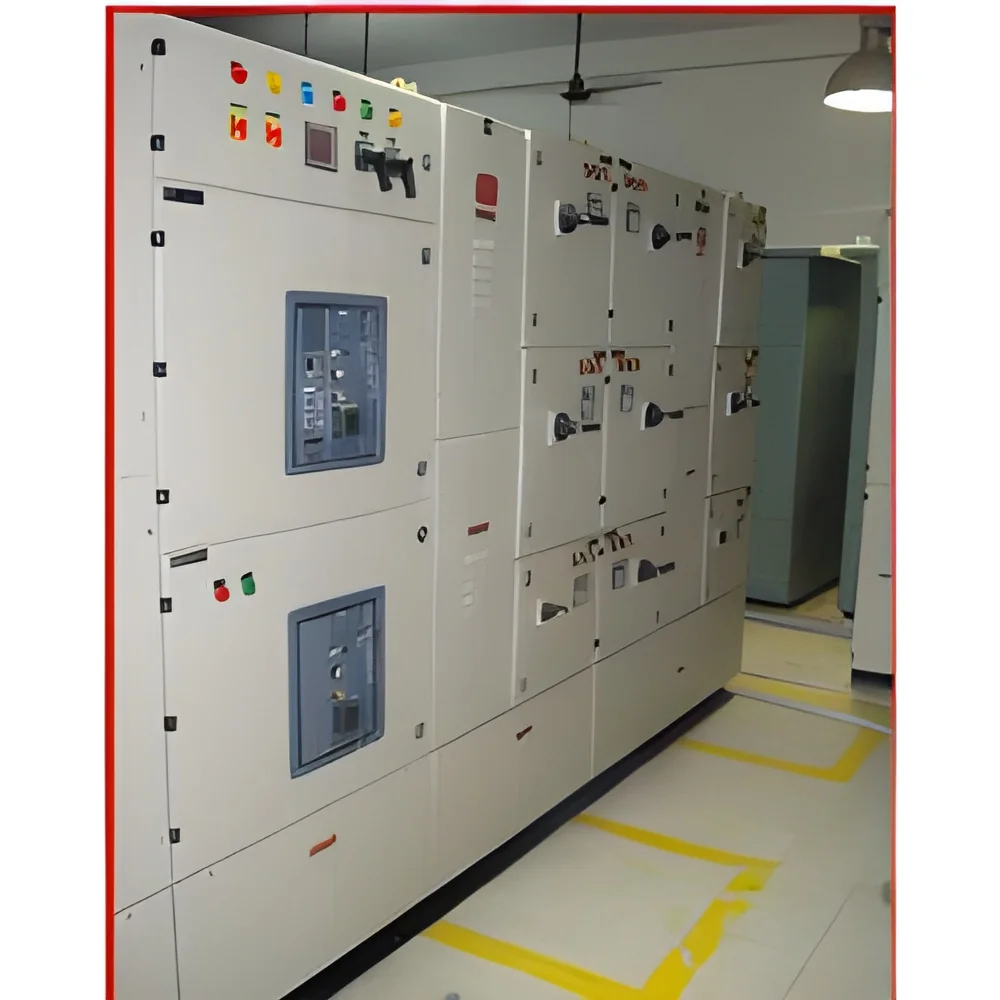
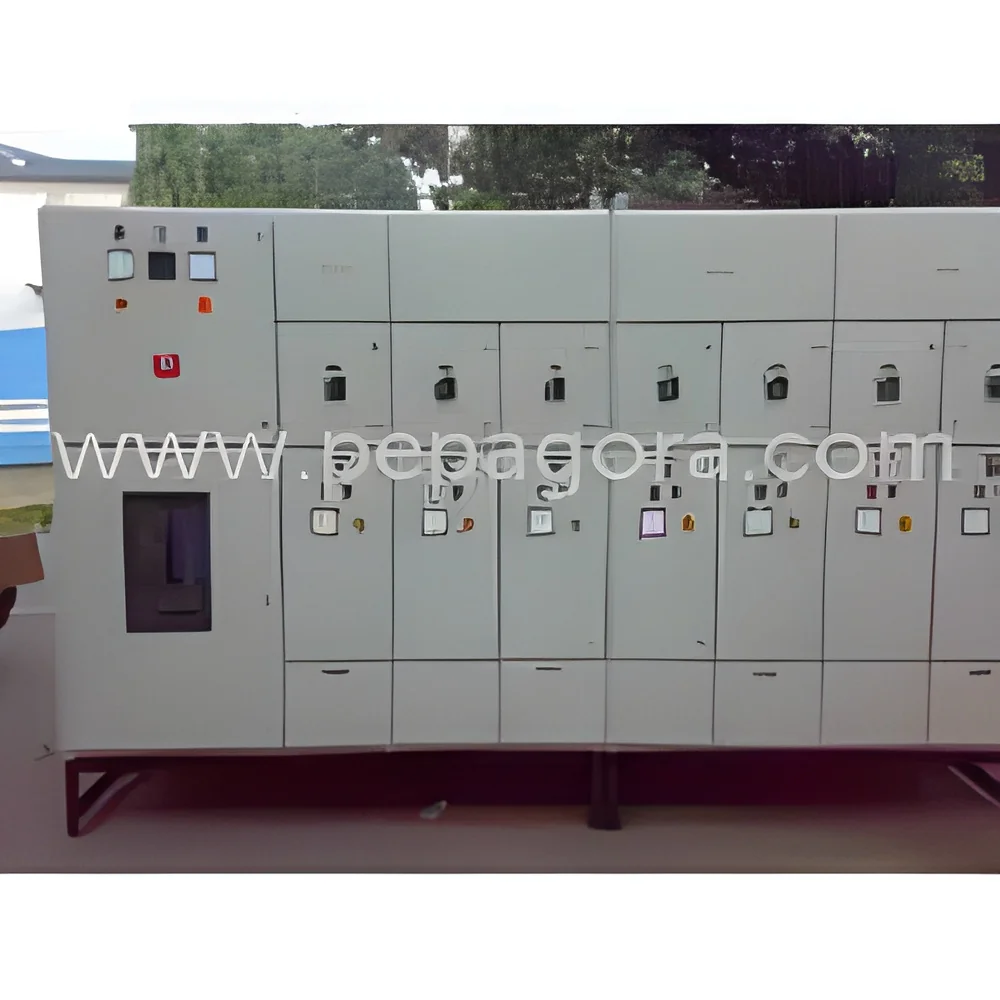
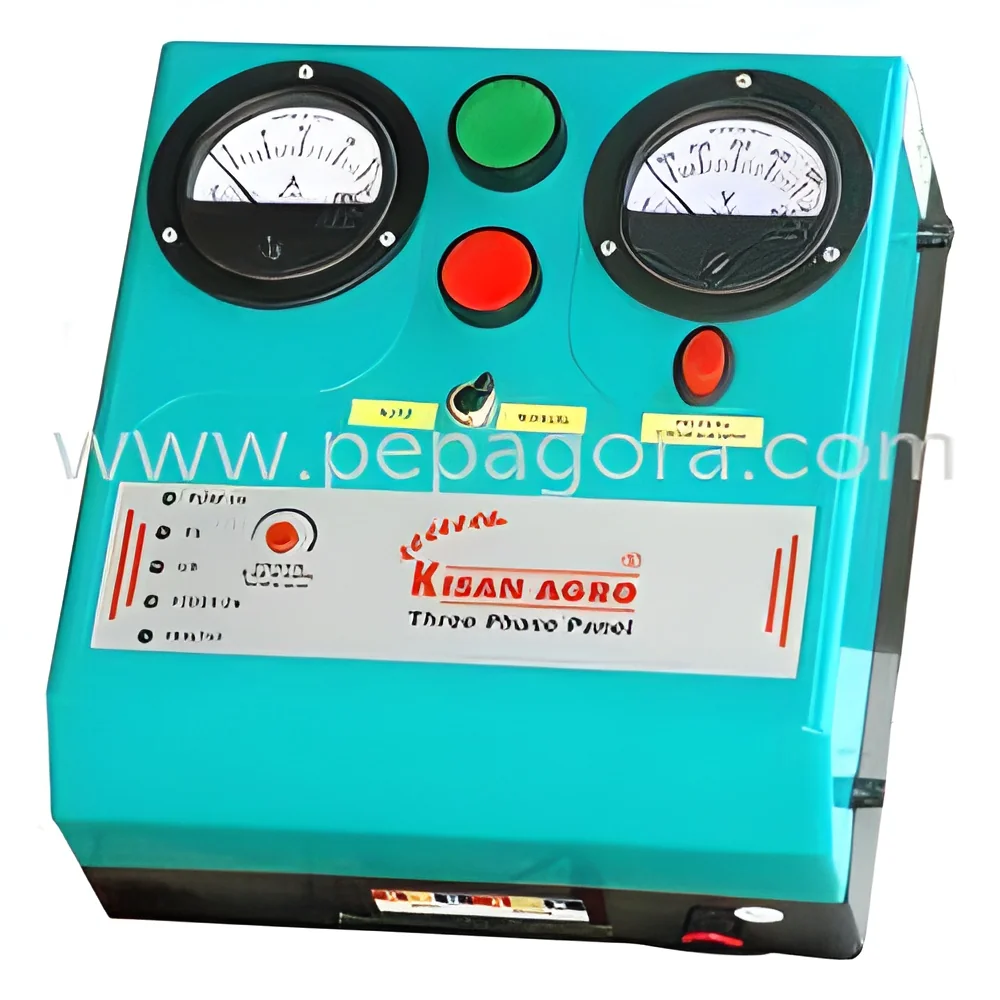
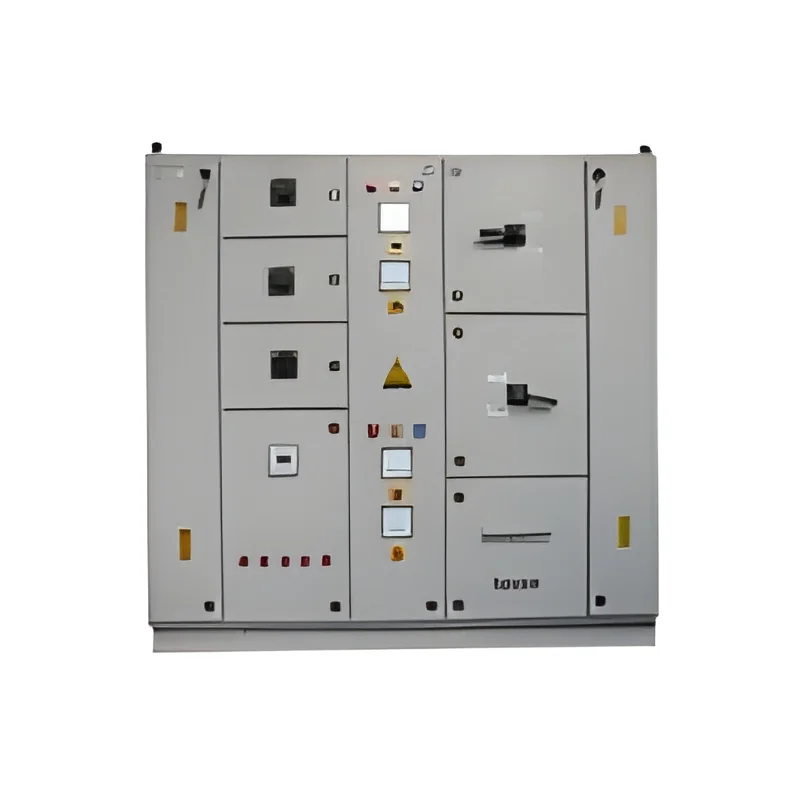
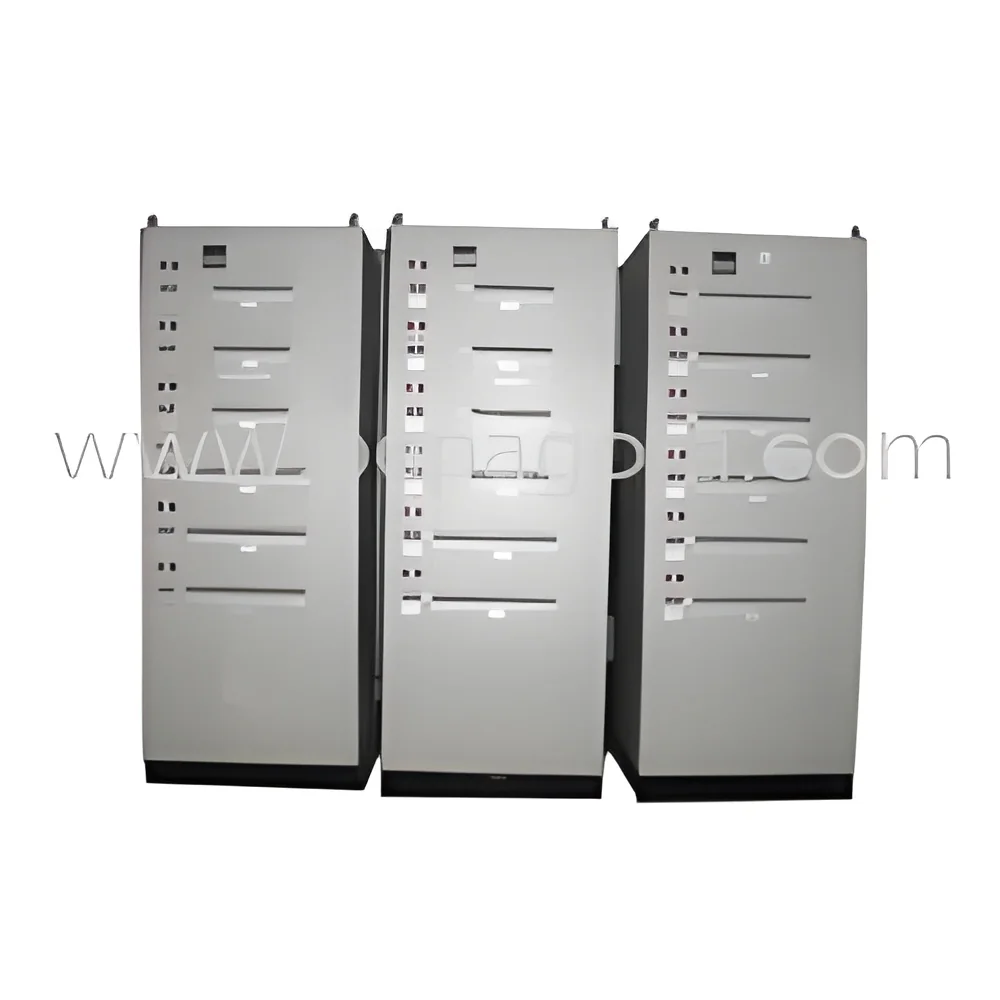
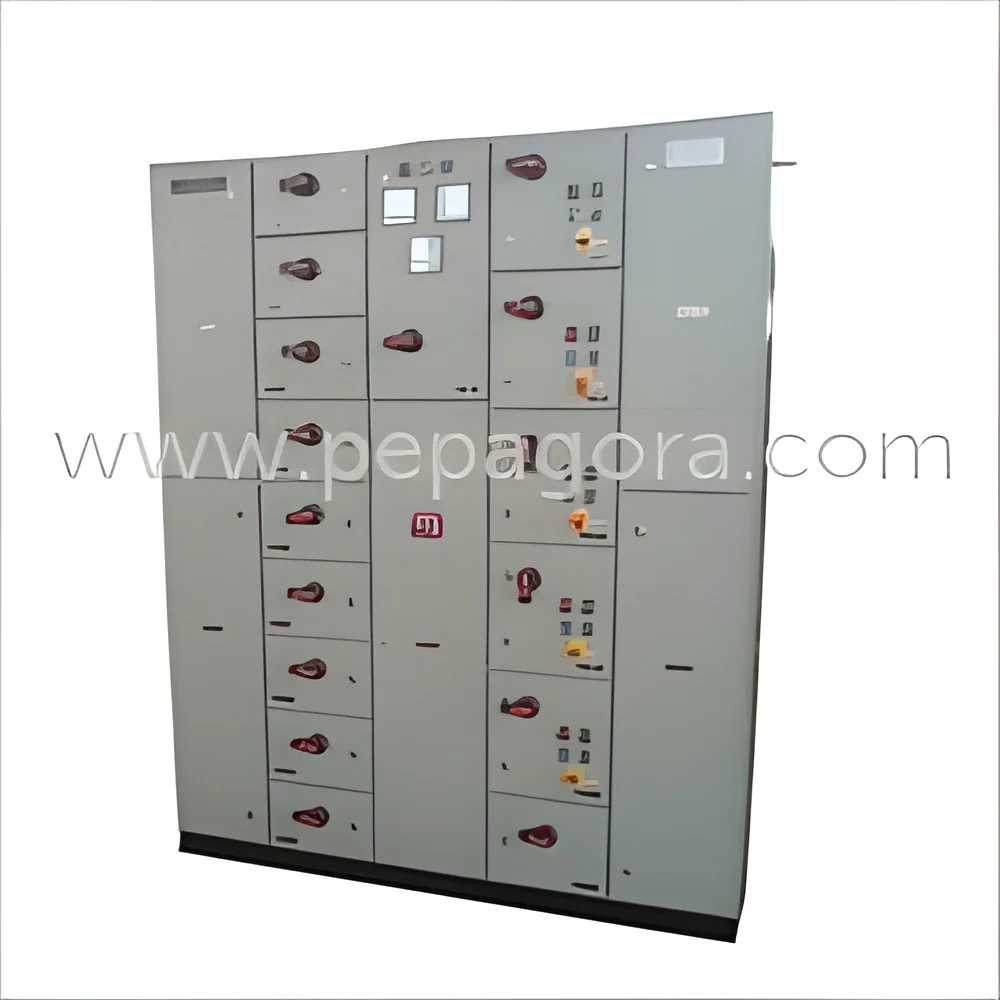
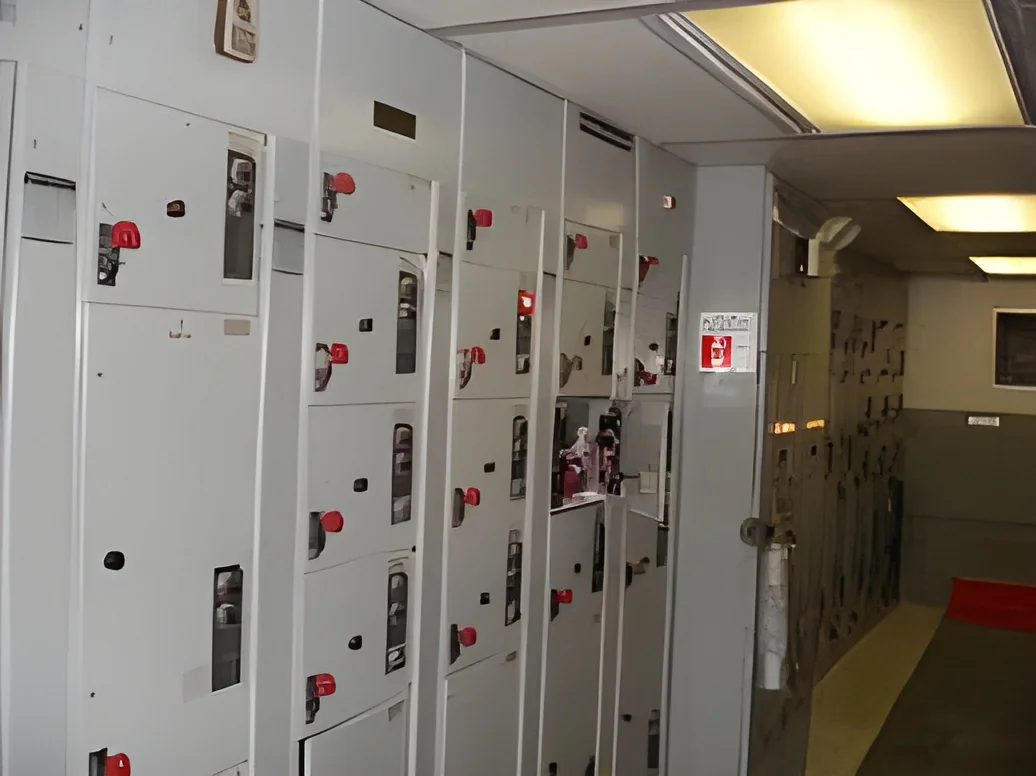
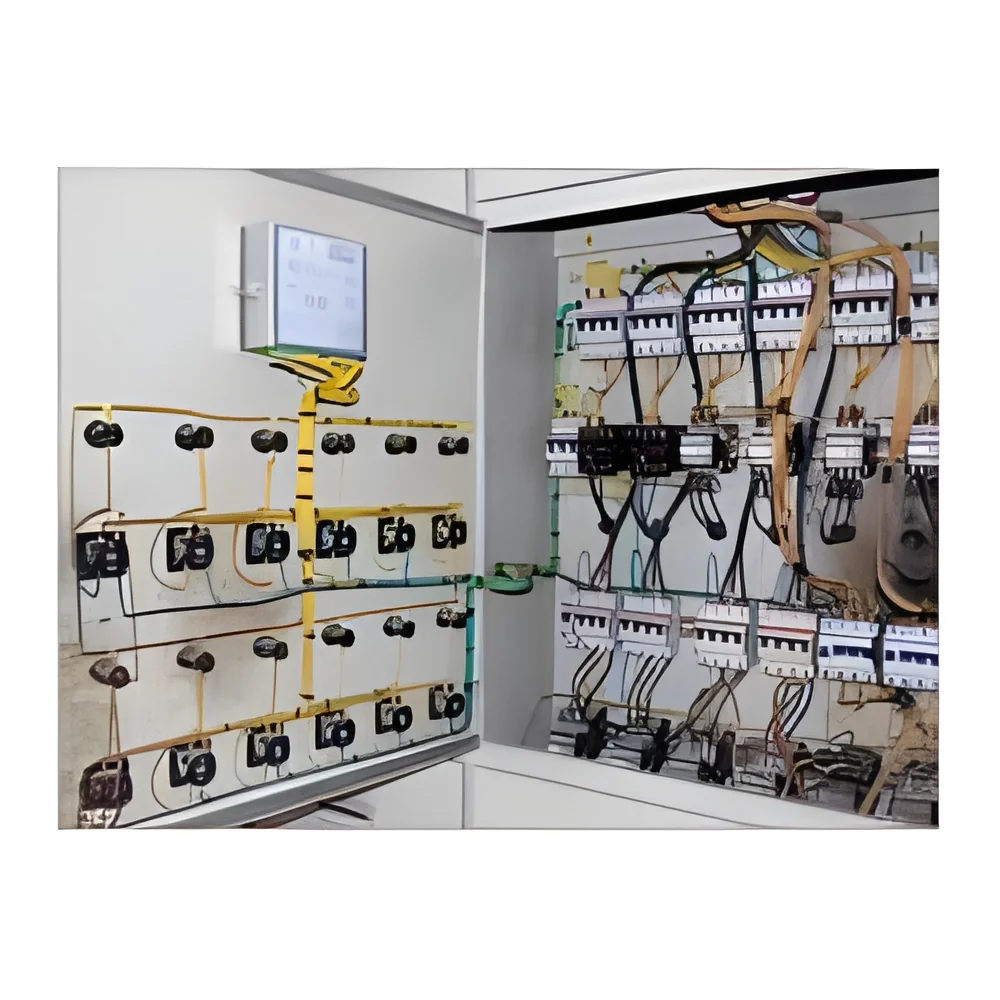
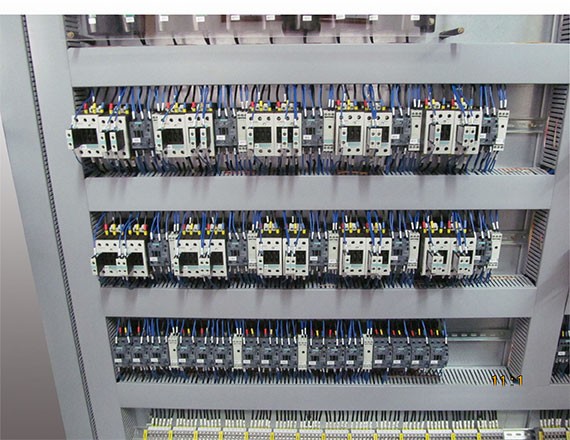
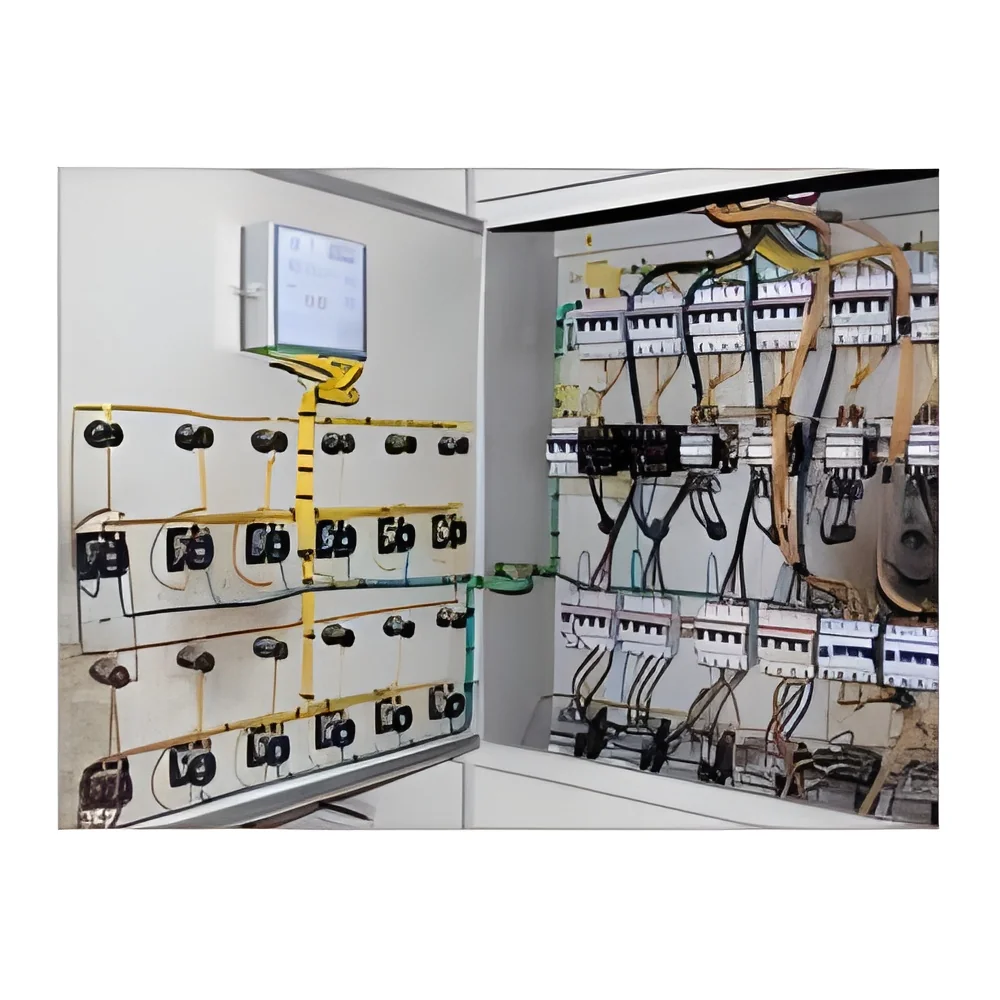
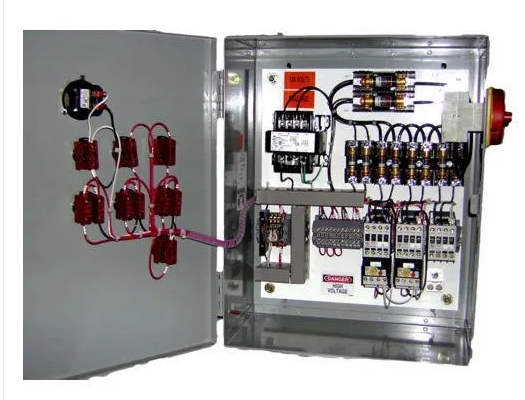
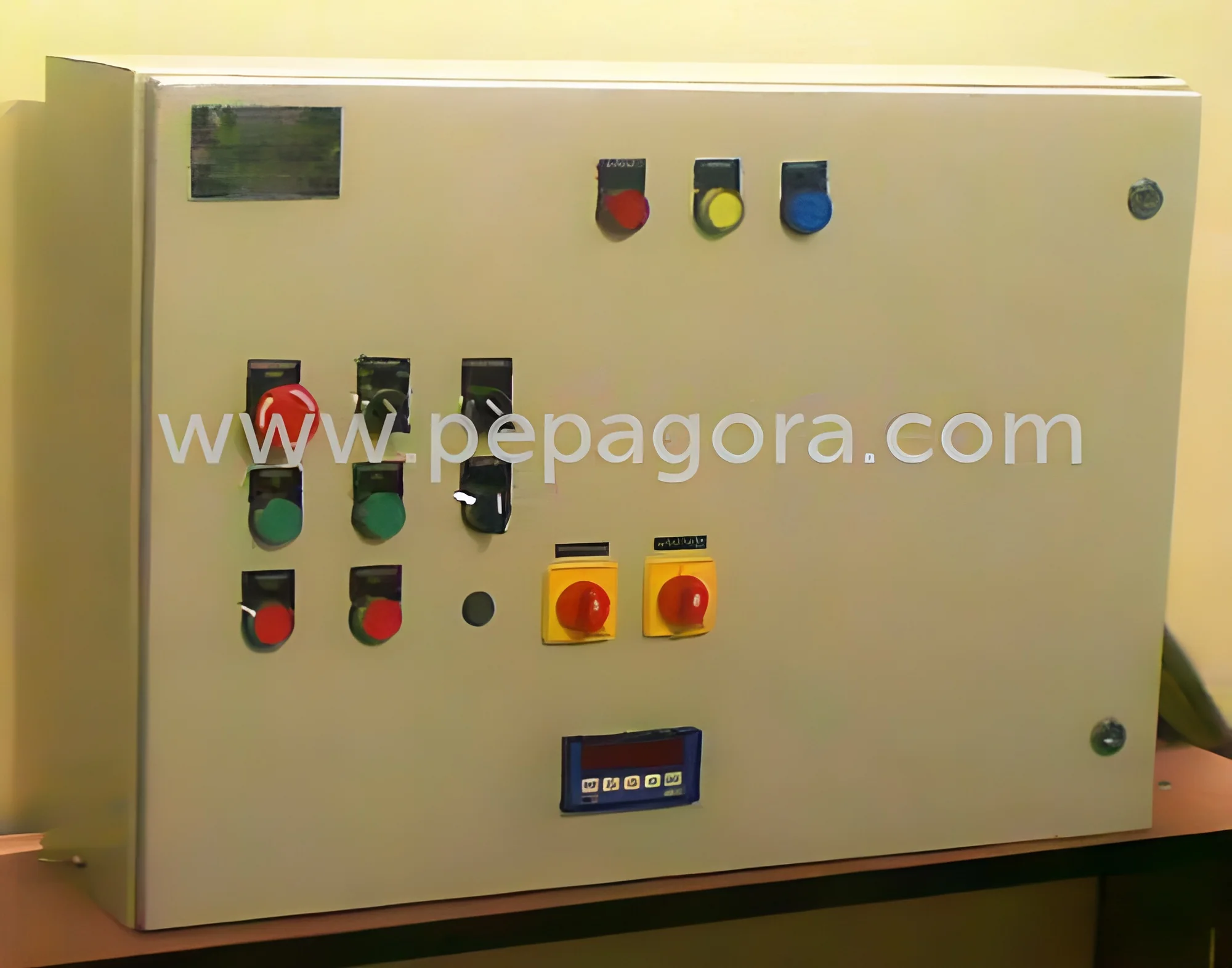
Motor Control Centers are designed with several key features that enhance their functionality and adaptability in various industrial applications. They integrate advanced technologies for efficient motor control, protection, and monitoring.
Key specifications include:
1. Motor Starter Types
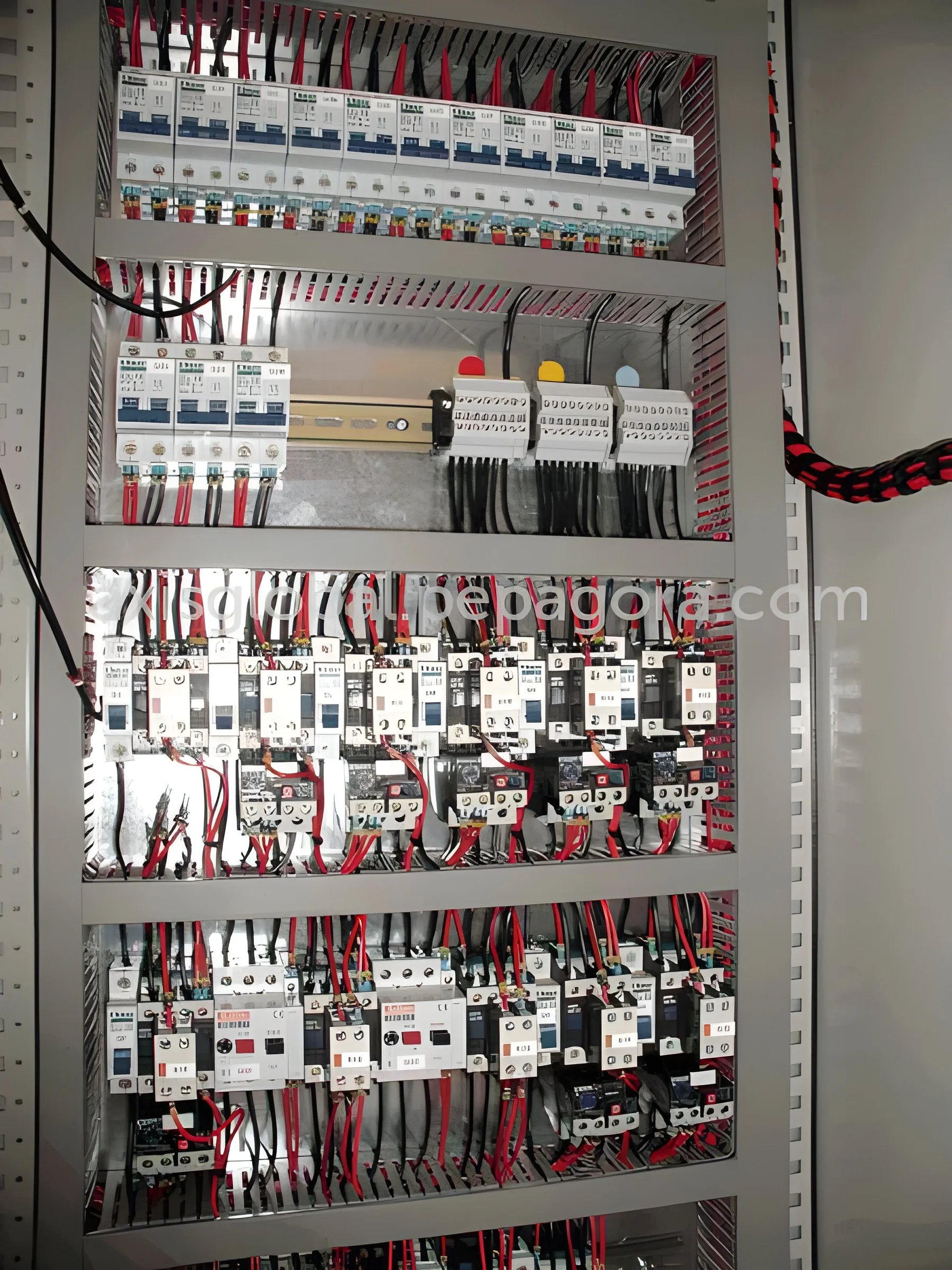
- MCC Panels can accommodate various motor starter types, including Direct-On-Line (DOL), Star-Delta, and Variable Frequency Drives (VFD).
- Supports different voltage ratings depending on the application.
2. Protection Devices
- Equipped with protection devices such as overload relays, short-circuit protection, and ground fault protection.
- Ensures the safety and longevity of motors.
3. Enclosure Types
- Available in NEMA-rated enclosures for different environmental conditions.
- Options include indoor and outdoor enclosures to suit specific installation needs.
4. Control Options
- Can be customized with manual or automatic control systems.
- Supports remote monitoring and control capabilities.
5. Size and Configuration
- Offered in various sizes and configurations to fit specific operational requirements.
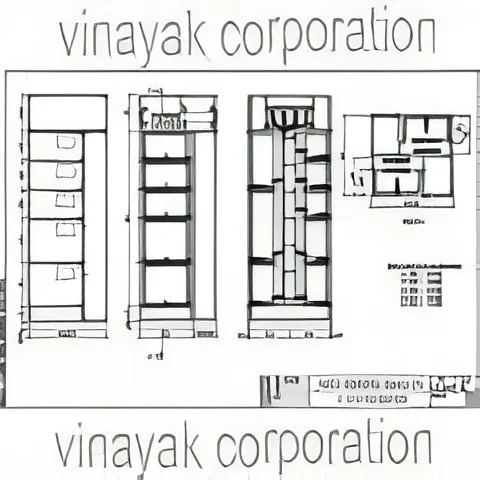
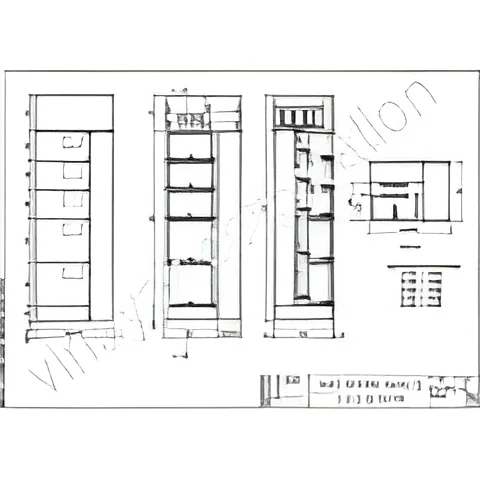
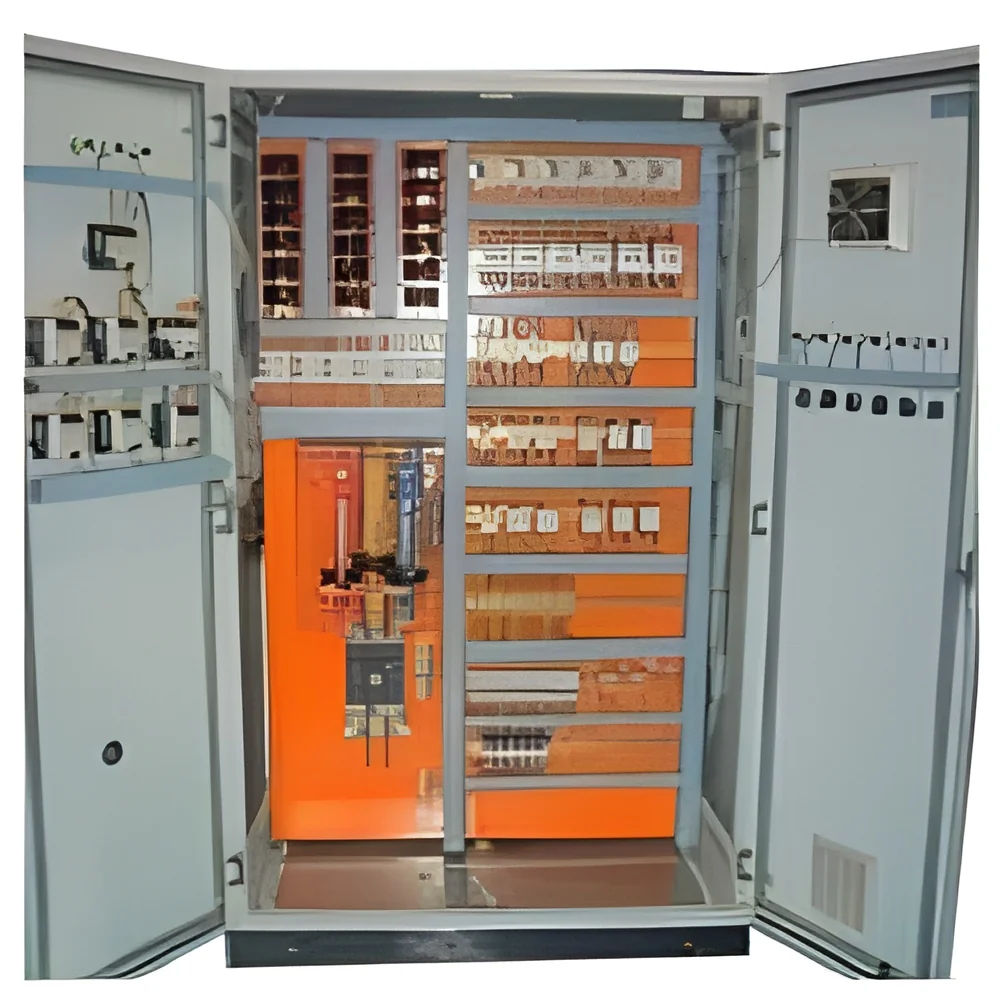
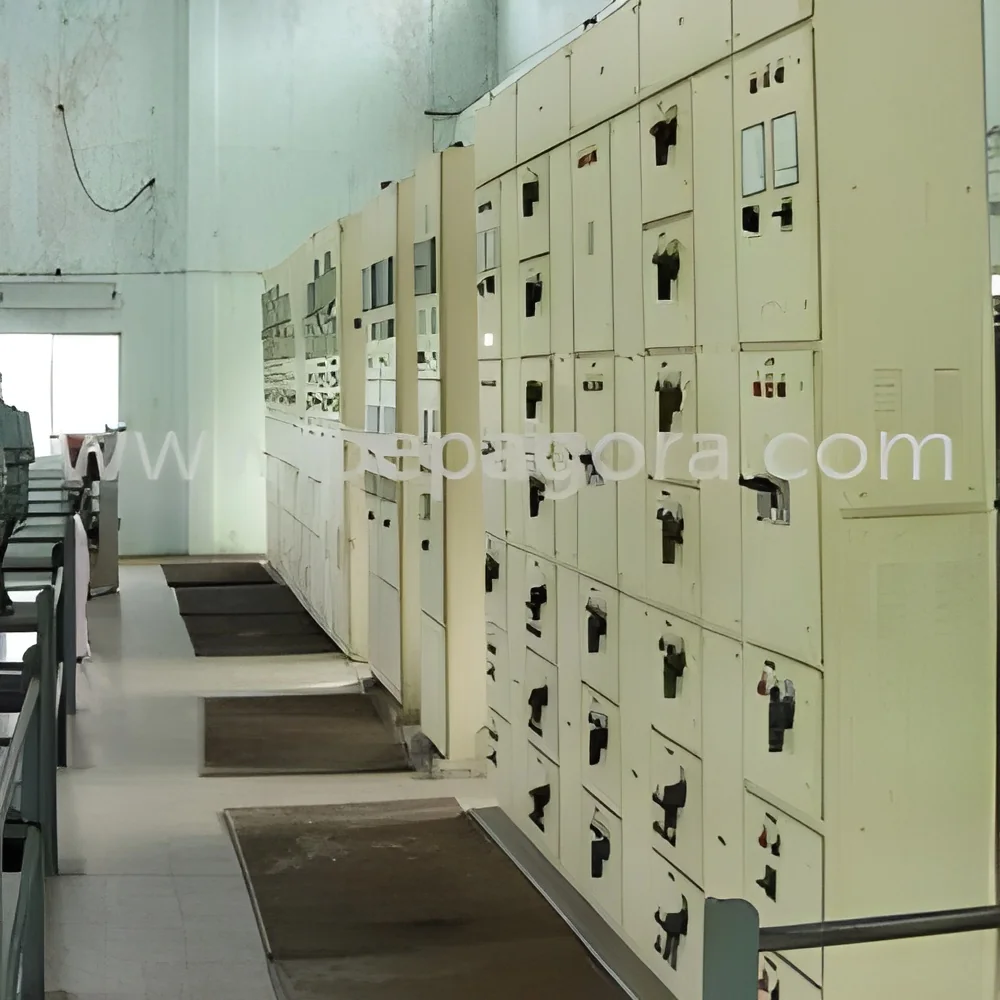
- Modular designs allow for scalability and easy maintenance.
6. Communication Protocols
- Compatible with multiple communication protocols for integration with existing systems.
- Supports protocols such as Modbus, Profibus, and Ethernet/IP.
7. Energy Efficiency Features
- Designed to minimize energy consumption with advanced motor control technologies.
- Incorporates energy monitoring systems to track performance.
8. Compliance Standards
- Built to comply with relevant industry standards, ensuring reliability and safety.
- Certified to CE standards for quality assurance.
In summary, MCC Panels offer a robust set of features and specifications that cater to diverse industrial needs, ensuring efficient and safe motor control.
Common Applications and Use Cases
Motor Control Centers are versatile systems with applications across various industries.
1. Manufacturing: In manufacturing facilities, MCC Panels control motors that drive conveyors, pumps, and other machinery, optimizing production lines and improving efficiency.
2. Water Treatment: In water and wastewater treatment plants, MCCs manage pumps and mixers, ensuring proper flow rates and treatment processes for clean water supply.
3. Oil and Gas: In the oil and gas industry, MCC Panels control motors for drilling and pumping operations, enhancing safety and efficiency in hazardous environments.
4. Mining: MCCs are used to operate heavy machinery and transportation systems in mining operations, providing reliable control in rugged conditions.
5. HVAC Systems: In commercial buildings, MCC Panels manage motors for heating, ventilation, and air conditioning systems, promoting energy efficiency and comfort.
6. Chemical Processing: In chemical plants, MCCs control various motors involved in mixing, blending, and transporting chemicals, ensuring precise operations.
7. Material Handling: MCC Panels are essential in material handling systems, controlling motors that operate cranes, lifts, and automated storage systems.
Product Variants and Subcategories
Motor Control Centers come in various configurations to meet specific operational needs.
Standard MCC Panels
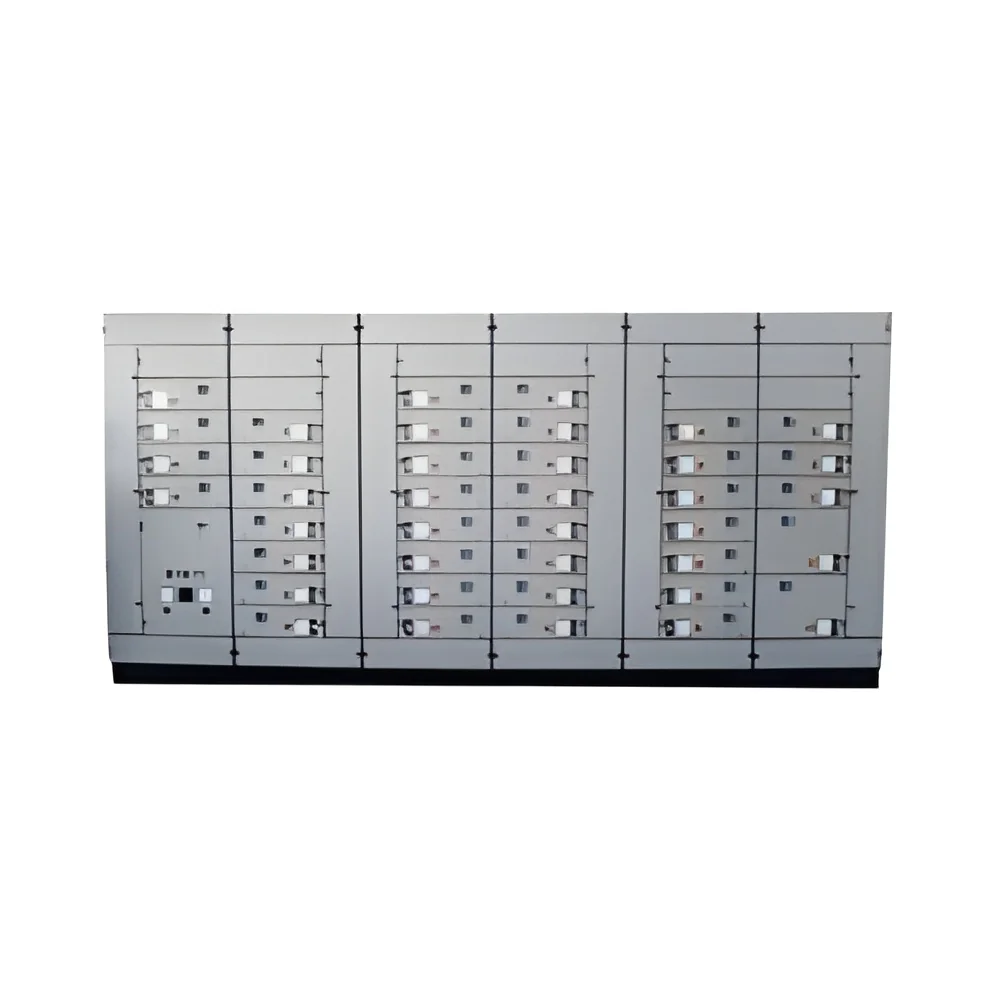
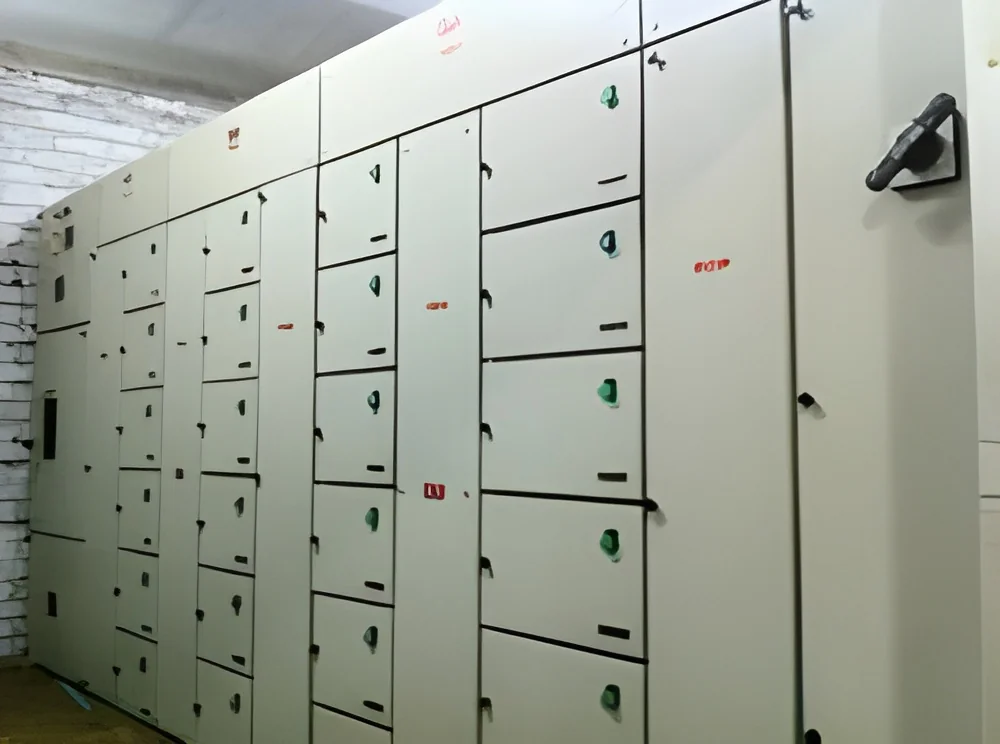
These are the most common type, designed for general motor control applications. They feature modular designs and can accommodate various motor starters and control options.
Custom MCC Panels
These panels are tailored to meet specific requirements of a facility or application. They may include specialized features such as enhanced protection devices or unique enclosure designs.
Compact MCC Panels
Designed for space-constrained environments, these panels provide essential motor control functionalities in a smaller footprint, making them ideal for retrofitting existing installations.
Benefits and Advantages
Motor Control Centers provide numerous advantages that enhance operational efficiency and safety.
1. Centralized Control: MCCs offer a single location for managing multiple motors, simplifying operations and reducing complexity.
2. Enhanced Safety: With built-in protection devices, MCC Panels minimize the risk of electrical failures, protecting both equipment and personnel.
3. Improved Efficiency: MCCs enable better energy management and motor performance monitoring, leading to reduced energy costs.
4. Scalability: The modular design of MCC Panels allows for easy expansion as operational needs grow, supporting future development.
5. Customization Options: Businesses can tailor MCCs to suit specific applications, ensuring optimal performance and functionality.
6. Compliance Assurance: By adhering to industry standards, MCC Panels provide peace of mind regarding safety and reliability.
Buying Guide for B2B Buyers
When sourcing Motor Control Centers, it is essential to consider several key factors to ensure the right fit for your operational needs.
1. Quality Assessment: Evaluate the quality of materials and components used in the MCC Panels. Look for certifications and industry standards that guarantee reliability and performance.
2. Supplier Verification: Research potential suppliers to ensure they have a proven track record in manufacturing and delivering MCC Panels. Check for customer reviews and testimonials.
3. Pricing and MOQ: Understand the pricing structure and minimum order quantities (MOQ) required by suppliers. This helps in budgeting and planning future purchases.
4. Delivery and Lead Times: Assess the logistics and lead times provided by suppliers to ensure timely delivery of MCC Panels, especially for critical projects.
5. Compliance Requirements: Confirm that the MCC Panels meet all relevant regulatory and safety standards required in your industry, ensuring compliance with local and international guidelines.
Compliance and Certifications
Motor Control Centers are subject to various compliance and certification standards that ensure their quality and safety in industrial applications.
One of the key quality standards applicable to MCCs is ISO 9001, which outlines requirements for a quality management system. Adherence to this standard indicates that the manufacturer has consistent processes in place to ensure the quality of products.
Another important certification is CE, which signifies that the product meets European health, safety, and environmental protection standards. This certification is crucial for manufacturers looking to market their MCC Panels in Europe and other regions.
Safety and testing requirements are also paramount. Manufacturers must conduct rigorous testing to ensure that MCC Panels can withstand operational stresses and comply with safety regulations. This includes assessments for electrical safety, environmental resistance, and operational reliability.
Regional compliance considerations are essential as well. Depending on the geographical market, different standards may apply. Buyers should ensure that their chosen MCC Panels comply with local regulations and industry-specific requirements to avoid operational setbacks.
Why Source Motor Control Centers (MCC Panels) from Pepagora?
Pepagora provides a trusted platform for sourcing Motor Control Centers with several key advantages.
One of the main benefits of sourcing through Pepagora is the verified supplier network. Each supplier undergoes a thorough vetting process, ensuring that buyers can trust the quality and reliability of the products they purchase.
The streamlined RFQ process simplifies the quotation system, allowing buyers to receive competitive quotes from multiple suppliers quickly. This efficiency helps businesses make informed purchasing decisions without unnecessary delays.
Moreover, Pepagora offers trade assurance and support, providing buyers with protection throughout the sourcing process. This assurance builds confidence in transactions and fosters long-term supplier relationships.
Finally, Pepagora's regional coverage spans India, the GCC, and Southeast Asia, ensuring that buyers have access to a wide range of suppliers and products tailored to their specific market needs. This geographic reach enhances the sourcing experience and facilitates easier logistics for businesses.

 IN
IN