
 IN
INHMI Control Panels
15 products available
What are HMI Control Panels?
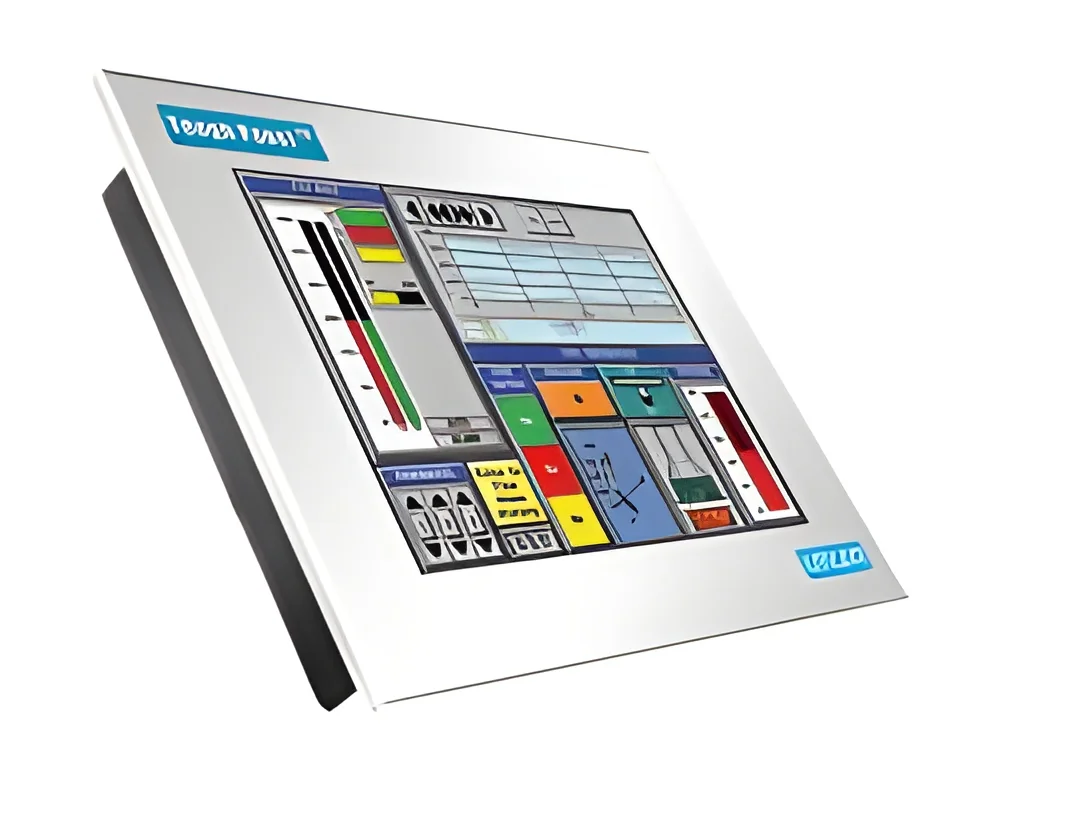
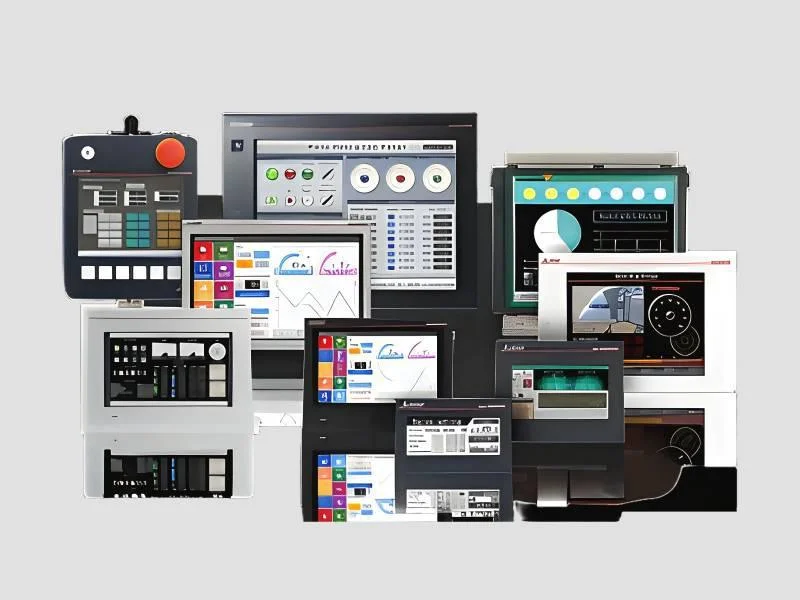
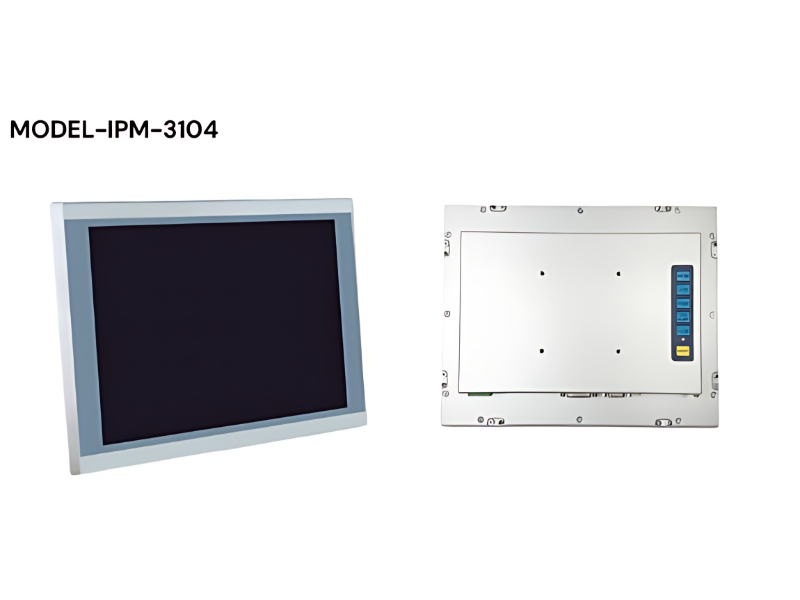
HMI (Human-Machine Interface) Control Panels are essential tools that facilitate communication between operators and machines in various industrial settings. These panels enable users to control, monitor, and manage equipment through graphical displays and interactive interfaces. By translating complex data into user-friendly formats, HMI control panels improve operational efficiency and safety in a wide range of applications.
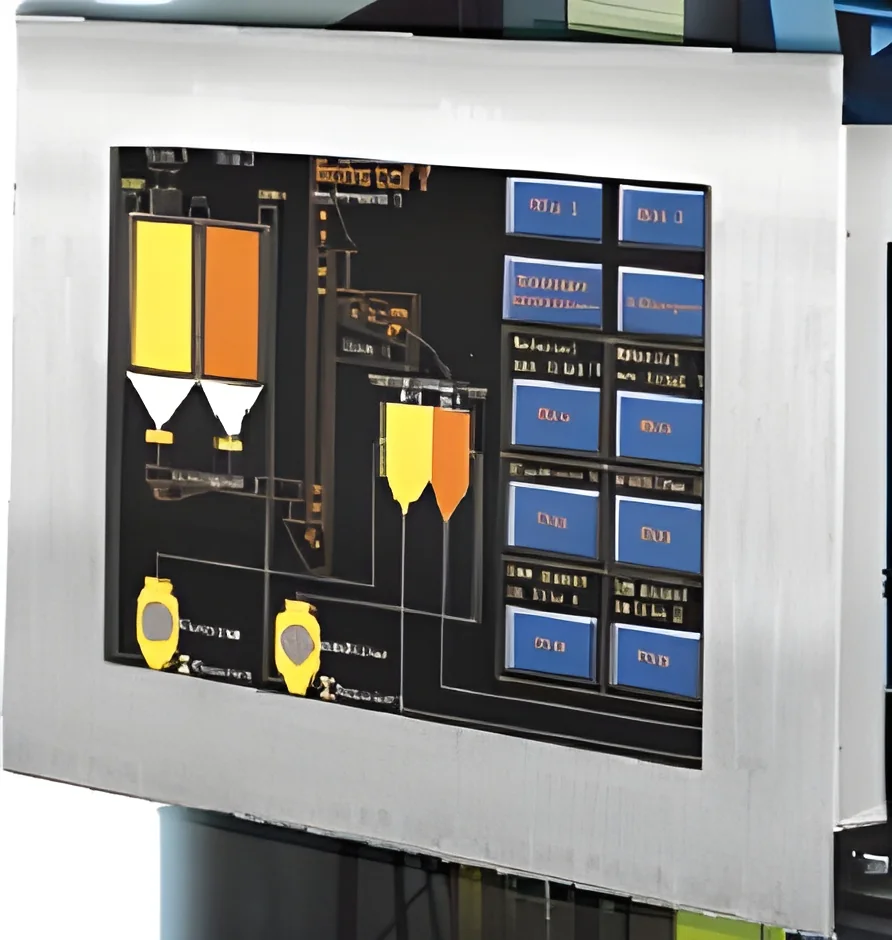
Primarily, HMI control panels are used in manufacturing, automation, and process control environments. They serve as a central hub for operators to monitor system performance, adjust settings, and receive alerts about potential issues. With their versatility, HMI panels are found in industries such as food and beverage, pharmaceuticals, and energy production. Their relevance in today’s market is underscored by the ongoing trend toward automation and smart manufacturing, leading to increased demand for sophisticated HMI solutions.
Key Features and Specifications
HMI control panels come equipped with a variety of features that enhance functionality and usability. These specifications are critical for ensuring that the panels operate effectively in demanding environments.
Key specifications include:
1. Display Type
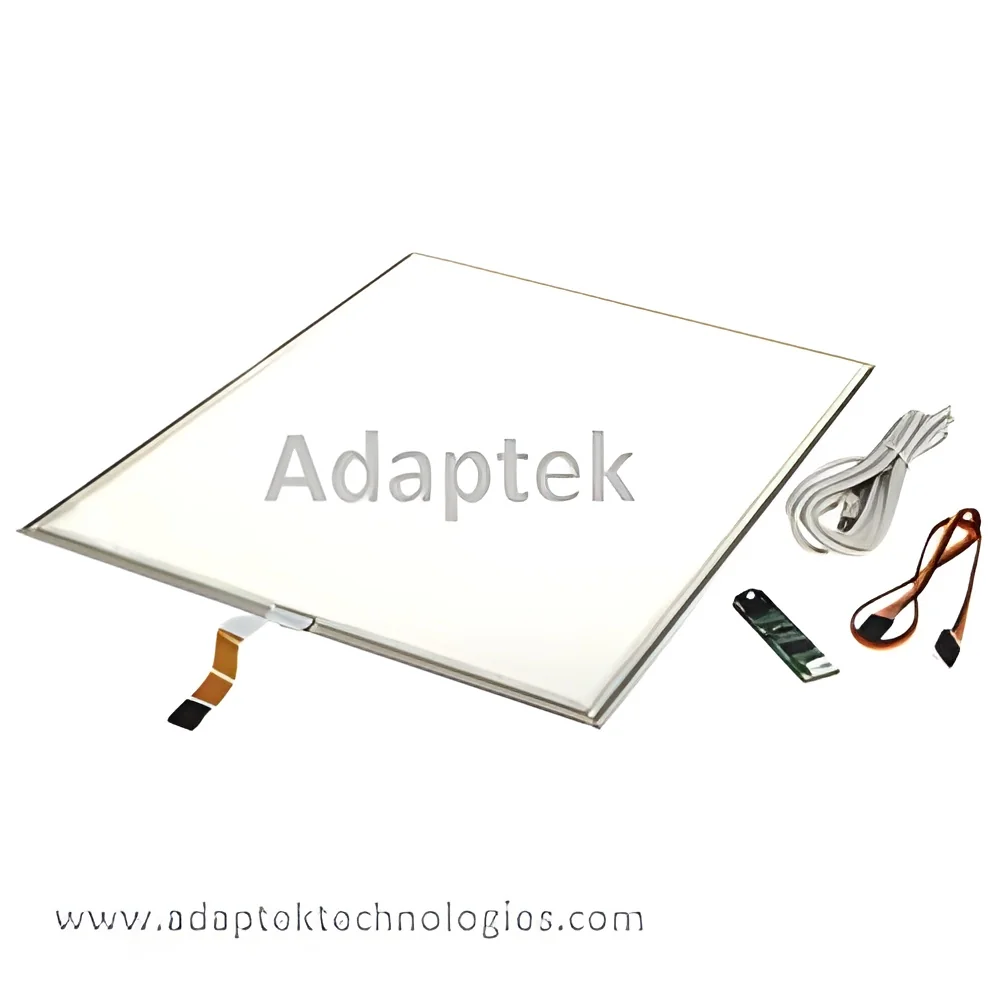
- Options include LCD, LED, and touchscreen interfaces.
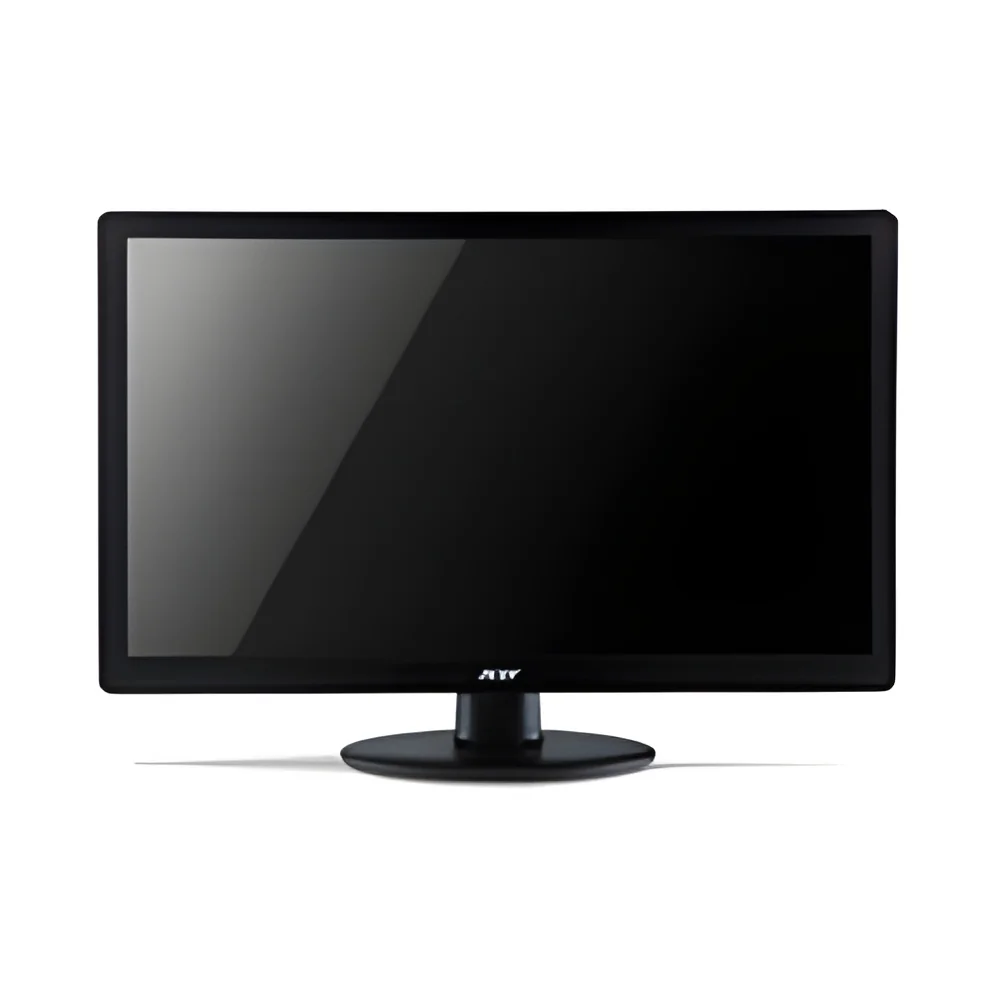
- Screen sizes may vary to accommodate different workspace needs.
2. Input Methods
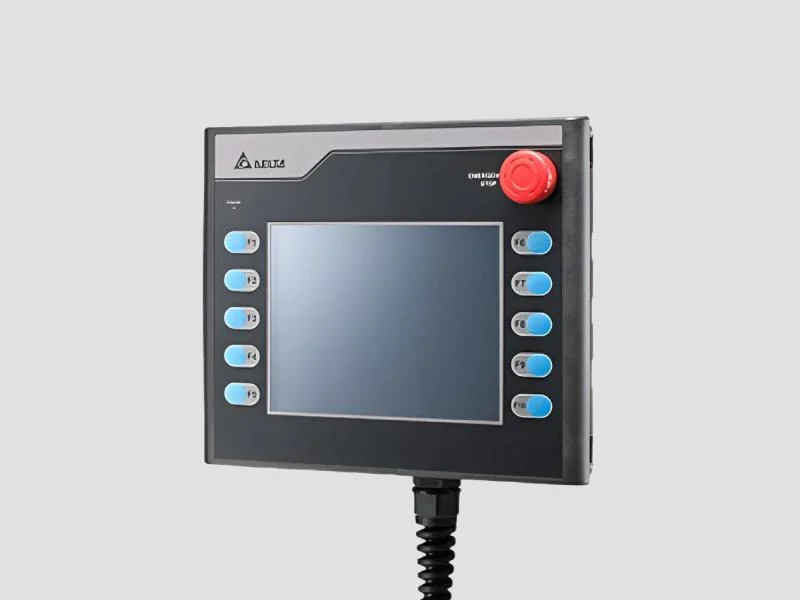
- Support for touch, buttons, and dials for user interaction.
- Compatibility with various control devices for enhanced flexibility.
3. Connectivity
- Options for Ethernet, USB, and serial connections.
- Integration capability with existing industrial networks.
4. Power Supply
- Typically operates on 24V DC or 110-240V AC.
- Power consumption varies by model.
5. Operating Temperature Range
- Designed to function within specific temperature limits to ensure reliability.
- Data not available for exact ranges.
6. Humidity Control
- Specifications for humidity resistance are often available.
- Data not available for specific control measures.
7. Enclosure Rating
- Compliance with IP ratings for dust and water resistance.
- Ensures durability in harsh environments.
8. Certifications
- CE certified for compliance with European safety standards.
- Additional industry certifications may be applicable.
In summary, understanding these features and specifications helps businesses select the right HMI control panels for their specific requirements.
Common Applications and Use Cases
HMI control panels are utilized across various industries due to their adaptability and effectiveness.
1. Manufacturing: In manufacturing, HMI panels are used to monitor production lines, control machinery, and ensure quality control processes are followed.
2. Food and Beverage: These panels help in controlling the processing and packaging of food products, ensuring compliance with safety regulations.
3. Pharmaceuticals: HMI panels facilitate the monitoring of sensitive production environments, where precision and compliance with health standards are paramount.
4. Energy Production: In energy sectors, HMI panels are crucial for managing power generation systems and monitoring grid performance.
5. Water Treatment: HMI control panels assist in overseeing the operation of water supply and treatment facilities, ensuring efficient resource management.
6. Automotive: In automotive manufacturing, these panels enable real-time monitoring of assembly lines and testing processes.
7. HVAC Systems: HMI panels play a vital role in managing heating, ventilation, and air conditioning systems, ensuring optimal performance and energy efficiency.
Product Variants and Subcategories
HMI control panels come in various types to meet different operational needs.
Panel Type A
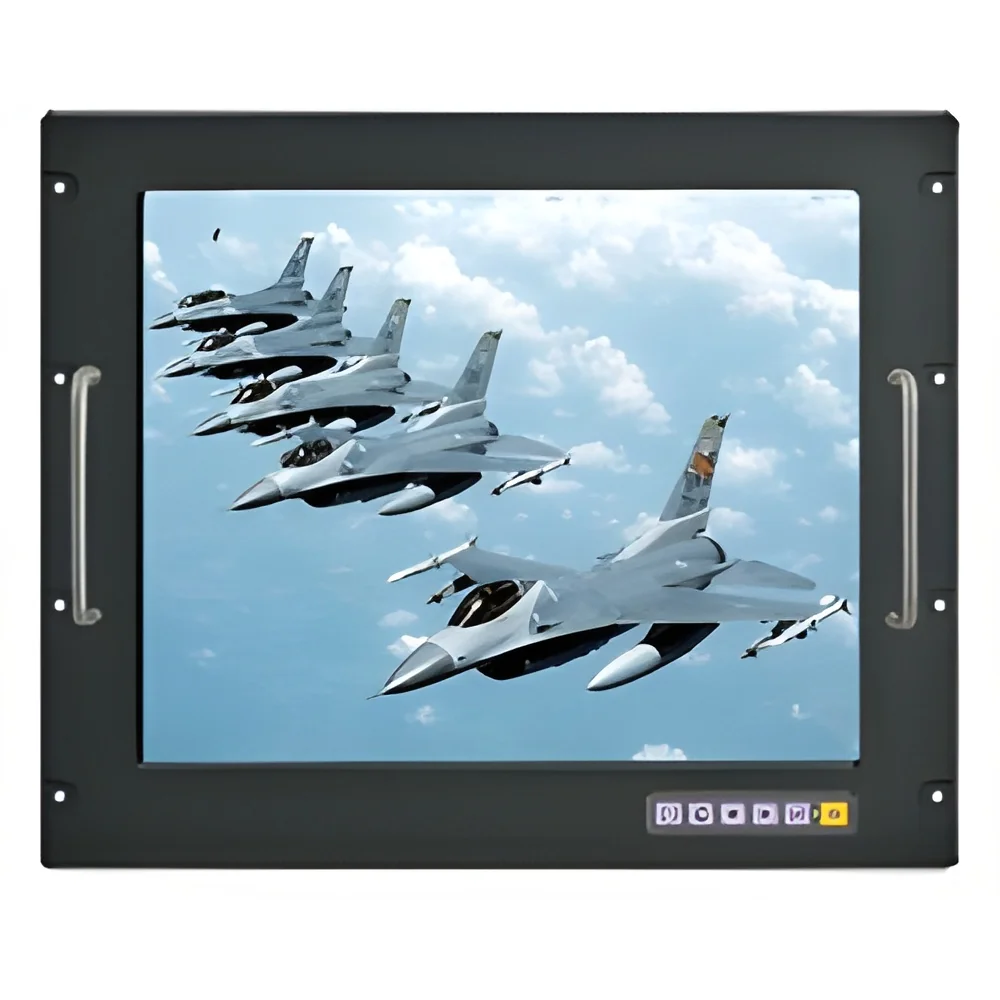
This variant features a high-resolution touchscreen display that allows for intuitive interaction. It is suitable for complex operations in manufacturing environments, providing real-time data visualization.
Panel Type B
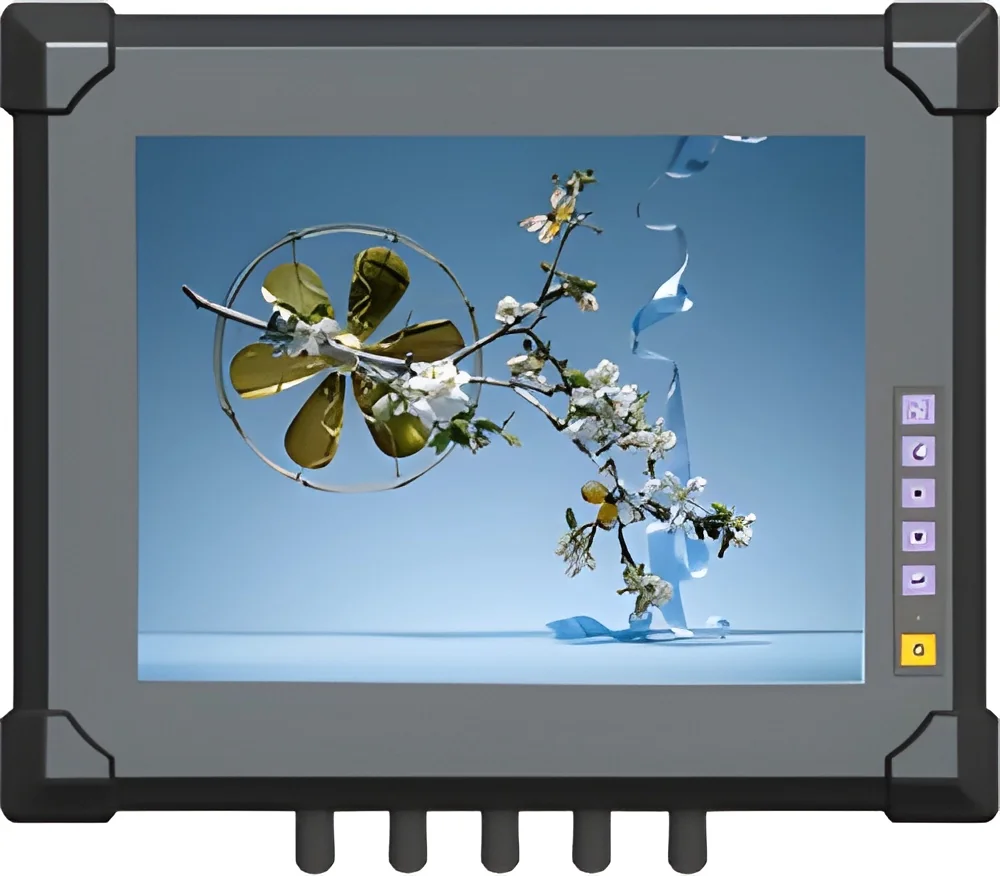
Designed for rugged conditions, this variant offers enhanced durability and is ideal for outdoor applications. It includes weatherproof enclosures and robust connectivity options.
Panel Type C
This version is tailored for small-scale operations, offering a compact design without sacrificing functionality. It is perfect for workshop settings where space is limited.
Panel Type D
Focusing on advanced data analytics, this variant integrates with software solutions to provide insights into operational efficiency. It is geared towards industries looking to leverage data for continuous improvement.
Benefits and Advantages
HMI control panels provide numerous advantages for businesses looking to enhance their operational capabilities.
1. Enhanced User Experience: These panels simplify machine interactions, making it easier for operators to manage complex systems.
2. Increased Efficiency: By providing real-time data, HMI panels help optimize processes and reduce downtime.
3. Improved Safety: Integrated alarm systems and monitoring features help prevent accidents and ensure compliance with safety regulations.
4. Customizable Interfaces: Users can tailor the display and controls to meet specific operational needs, enhancing usability.
5. Remote Monitoring: Many HMI panels support remote access, allowing operators to manage systems from different locations.
6. Cost-Effective Solutions: Investing in HMI technology can lead to long-term savings through improved efficiency and reduced errors.
Buying Guide for B2B Buyers
When sourcing HMI control panels, it is essential to consider several key factors to ensure an effective purchase.
1. Quality Assessment: Evaluate the quality of materials and components used in the panels. Look for certifications and customer reviews that attest to durability and reliability.
2. Supplier Verification: Vet potential suppliers by checking their reputation, experience in the industry, and customer feedback. Ensure they have a solid track record of delivering quality products.
3. Pricing and MOQ: Understand the pricing models and minimum order quantities to gauge affordability. Compare prices across different suppliers while considering quality.
4. Delivery and Lead Times: Assess the supplier's ability to meet your delivery requirements. Timely delivery is crucial for maintaining production schedules.
5. Compliance Requirements: Ensure that the HMI control panels meet industry regulations and standards relevant to your operations. Familiarize yourself with any necessary certifications.
Compliance and Certifications
HMI control panels must adhere to various quality standards and certifications to ensure their performance and safety in industrial environments. ISO 9001 is a key quality management standard that guarantees consistent product quality and process efficiency.
Additionally, many HMI panels feature CE certification, which indicates compliance with European health, safety, and environmental protection standards. This certification is crucial for companies operating in or exporting to European markets.
Safety and testing requirements are also critical considerations. HMI panels should undergo rigorous testing to ensure they can operate safely under specified conditions. It is important to verify that products meet regional compliance standards, particularly in sensitive industries such as pharmaceuticals and food processing.
Why Source HMI Control Panels from Pepagora?
Pepagora offers a reliable platform for sourcing HMI control panels, emphasizing quality and trust.
Verified Supplier Network: Pepagora connects buyers with a network of verified suppliers, ensuring that each vendor meets stringent quality and safety standards. This verification process helps mitigate risks associated with sourcing.
Streamlined RFQ Process: The request for quotation (RFQ) system simplifies the procurement process, allowing businesses to quickly receive competitive quotes from multiple suppliers. This efficiency saves time and promotes informed decision-making.
Trade Assurance and Support: Pepagora provides trade assurance to protect buyers against potential issues during the procurement process. This support includes assistance with disputes and guarantees product quality.
Regional Coverage: With a strong presence in India, the GCC, and Southeast Asia, Pepagora ensures that businesses can access HMI control panels tailored to their regional needs. This geographic reach facilitates easier communication and logistics, enhancing the overall purchasing experience.


Frequently Asked Questions
What are HMI Control Panels?
HMI Control Panels, or Human-Machine Interface Control Panels, serve as the interface between operators and machinery. They allow users to monitor and control processes, providing visual feedback and enabling interaction through buttons, touch screens, and indicators.
What are the different types of HMI Control Panels?
The main types of HMI Control Panels include standalone panels, integrated panels, and distributed panels. Standalone panels are self-contained units, integrated panels combine HMI and control functions, while distributed panels are used for large-scale systems where control is spread across multiple locations.
How do I choose the right HMI Control Panels?
Selecting the right HMI Control Panels involves assessing the specific needs of your application, including the complexity of the processes to be controlled, the environment in which they will be used, and user interface preferences. Consider factors such as screen size, resolution, and input methods when making your choice.
What are the standard specifications for HMI Control Panels?
Standard specifications for HMI Control Panels typically include display size, resolution, input method (touchscreen or buttons), communication protocols (like Ethernet, RS-232), and environmental ratings (such as IP rating for dust and water resistance). It's important to ensure that these specifications meet the operational requirements of your application.
What is the price range for HMI Control Panels?
The price range for HMI Control Panels can vary widely based on features, size, and manufacturer. Generally, prices can start from a few thousand rupees for basic models and can go up to several lakhs for advanced, customizable systems.
What quality standards apply to HMI Control Panels?
HMI Control Panels are subject to various quality standards, including ISO certifications and compliance with safety regulations such as CE and UL. These standards ensure the panels are reliable, safe, and suitable for industrial applications.
Where can I find HMI Control Panels suppliers in India?
You can find HMI Control Panels suppliers in India through various online B2B marketplaces like Pepagora.com, industry trade shows, and local electronics fairs. Additionally, conducting online searches and networking within industry associations can help identify reputable suppliers.
Can HMI Control Panels be customized?
Yes, HMI Control Panels can often be customized to meet specific requirements, including tailored interface designs, unique sizing, and integration with other systems. Many manufacturers offer options for customization to better fit user preferences and operational needs.
What is the typical minimum order quantity for HMI Control Panels?
The typical minimum order quantity (MOQ) for HMI Control Panels varies by manufacturer and model. While some suppliers may allow orders of just one unit, others may require a minimum order of several units, especially for customized panels.
What is the typical lead time for HMI Control Panels?
The typical lead time for HMI Control Panels can range from a few days to several weeks, depending on the complexity of the order, customization options, and supplier capabilities. It's best to confirm lead times with the supplier during the ordering process.
Why Businesses Trust Pepagora
Thousands of companies trust Pepagora to source smarter and sell faster
Expand Your Sales Globally

Source Smarter,Grow Faster
