
 IN
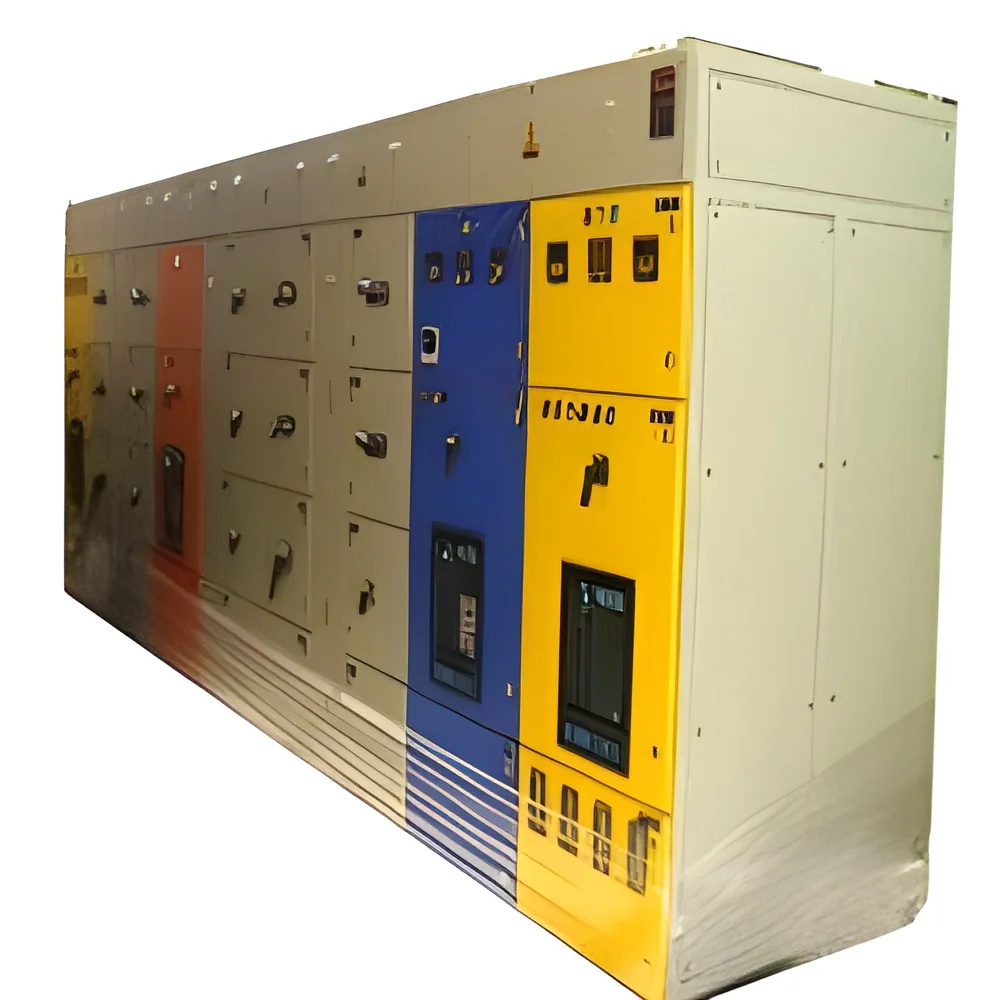
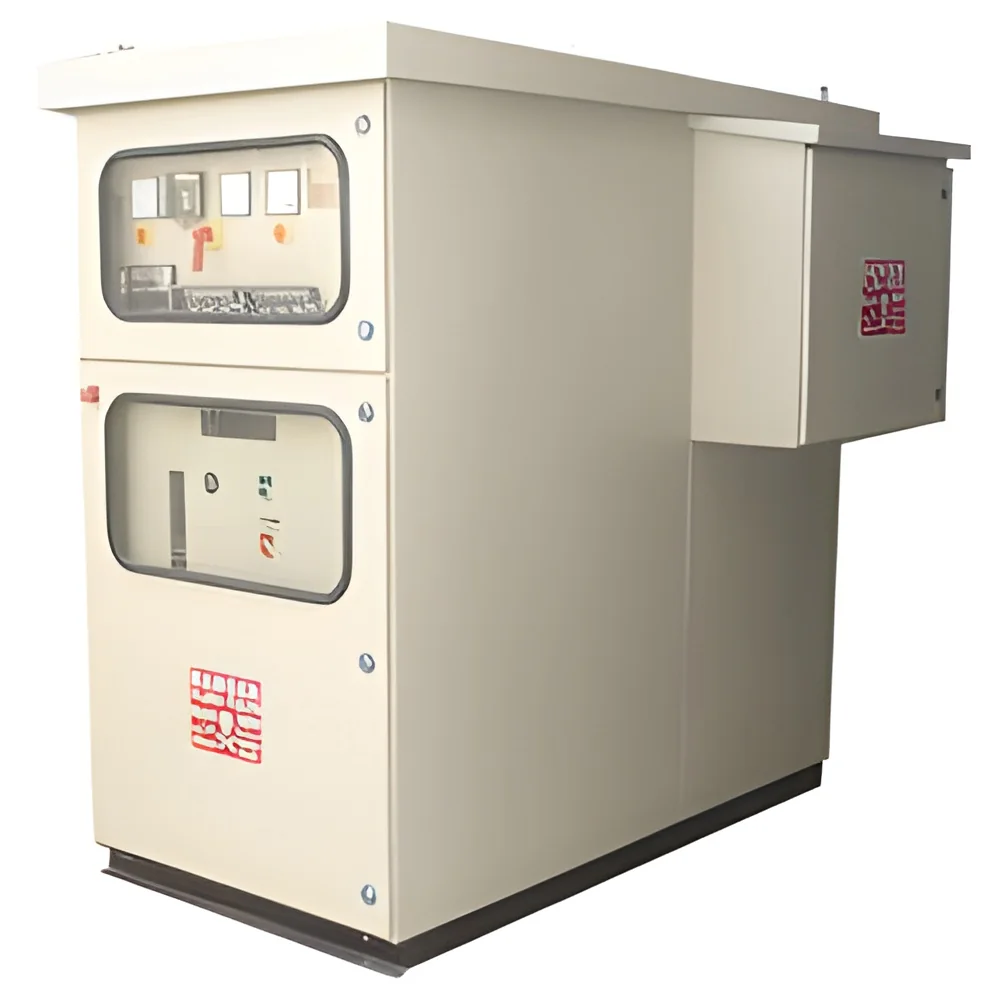
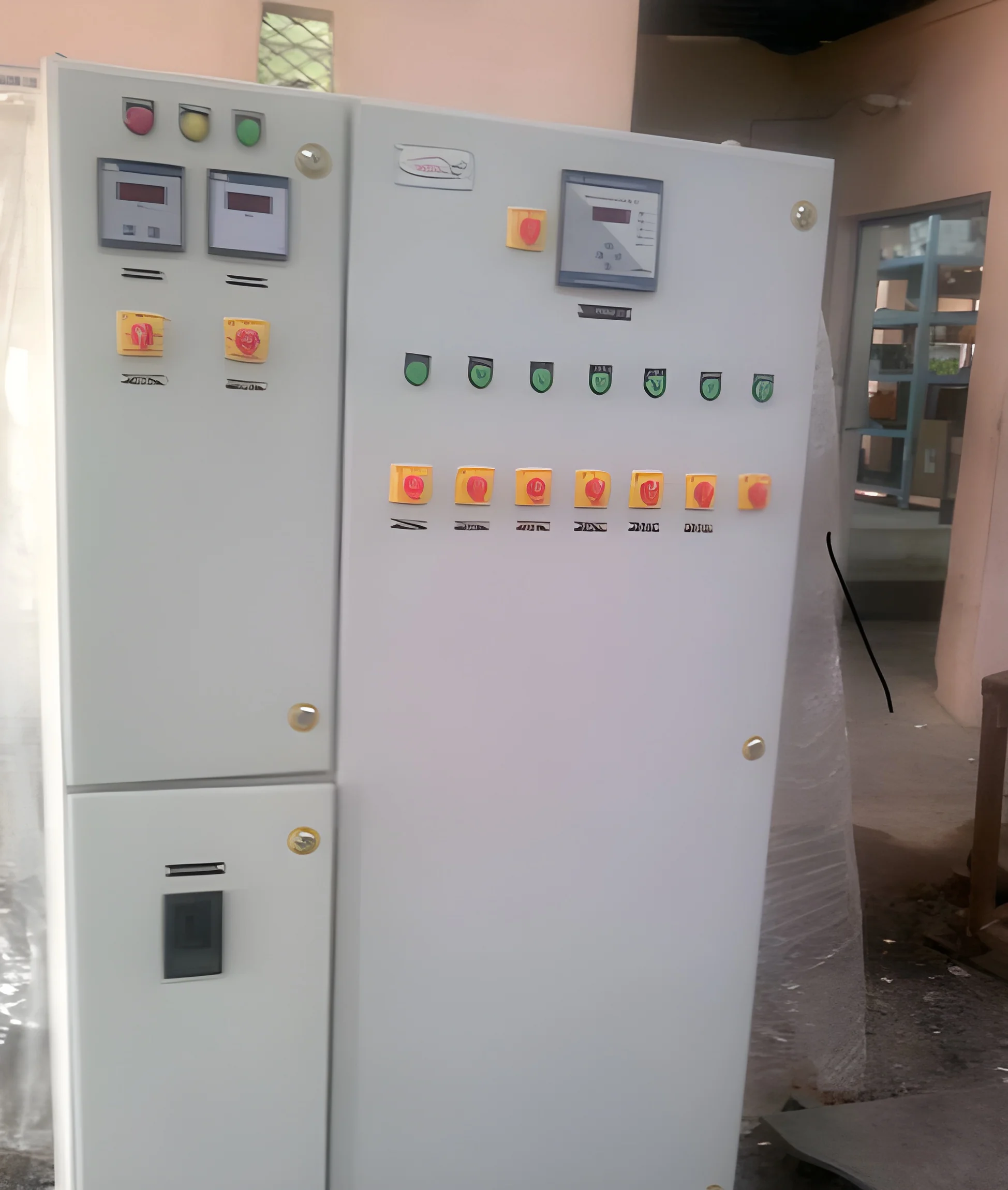
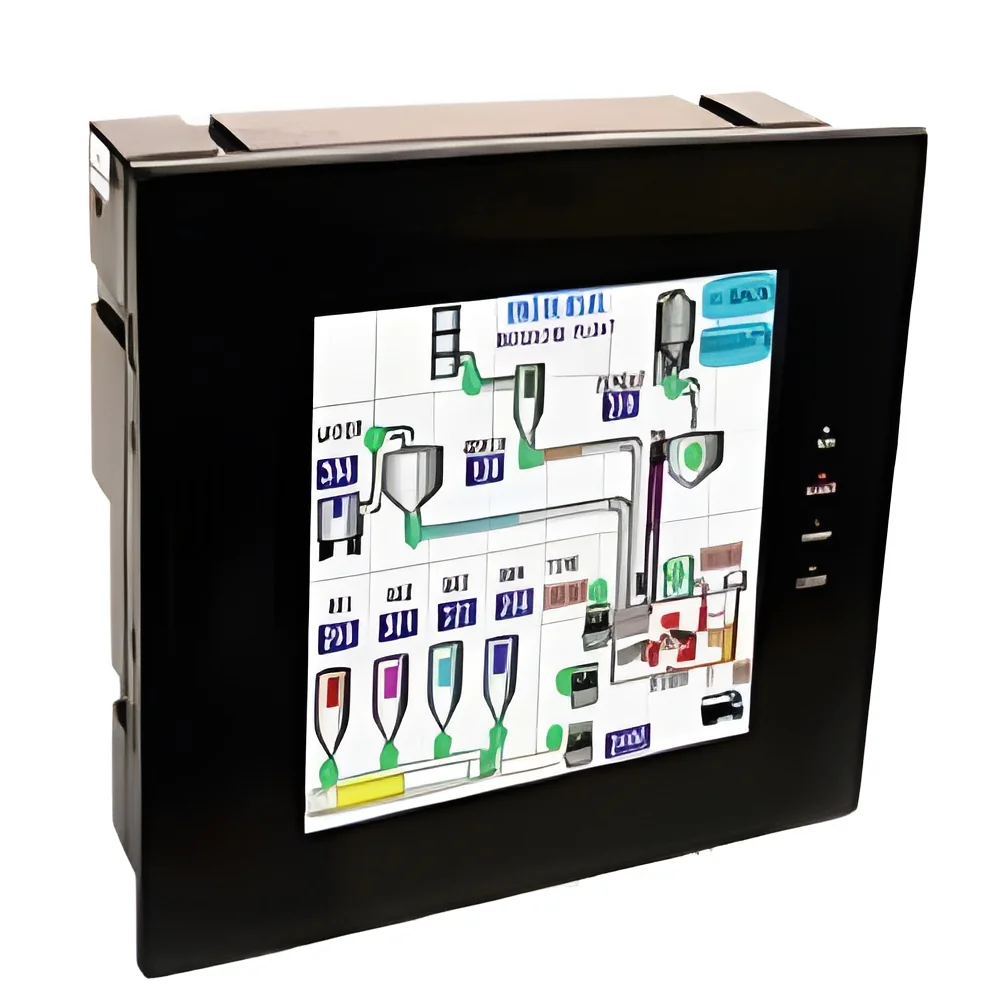
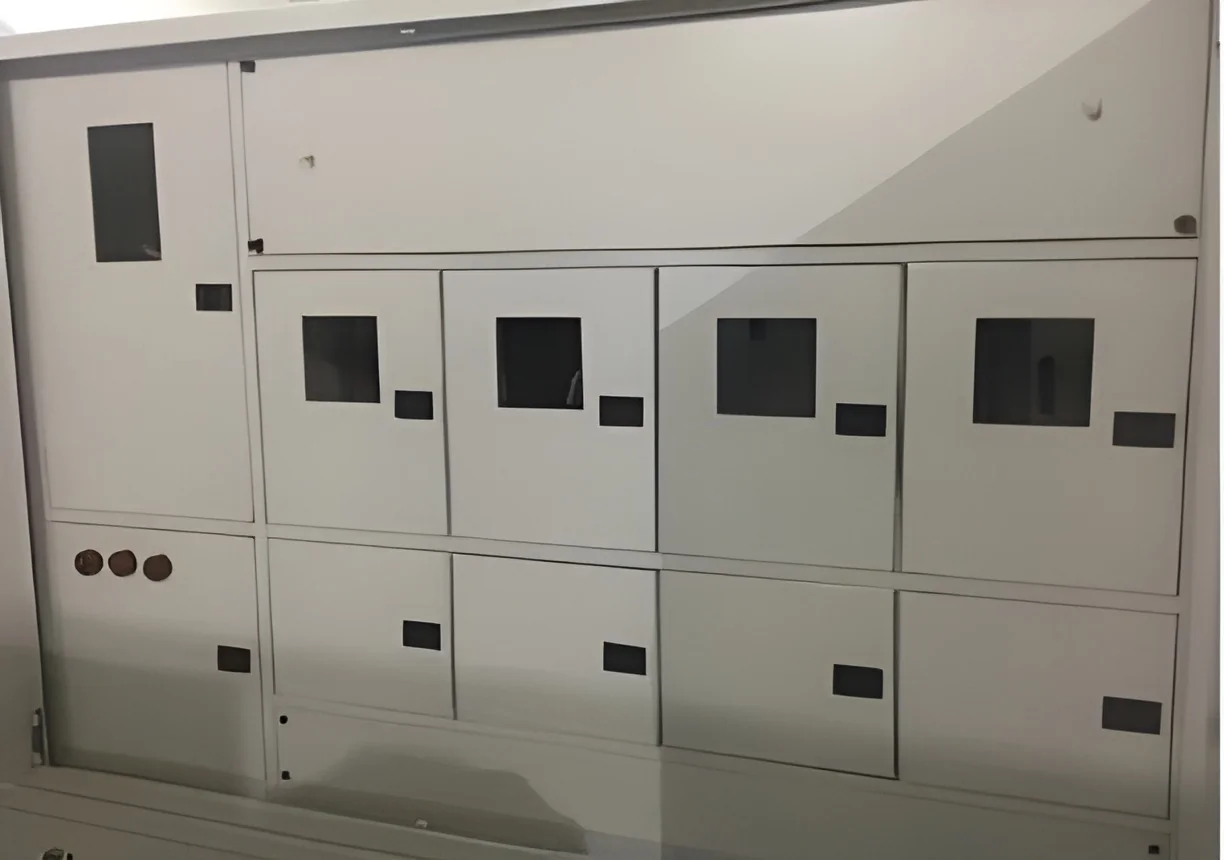
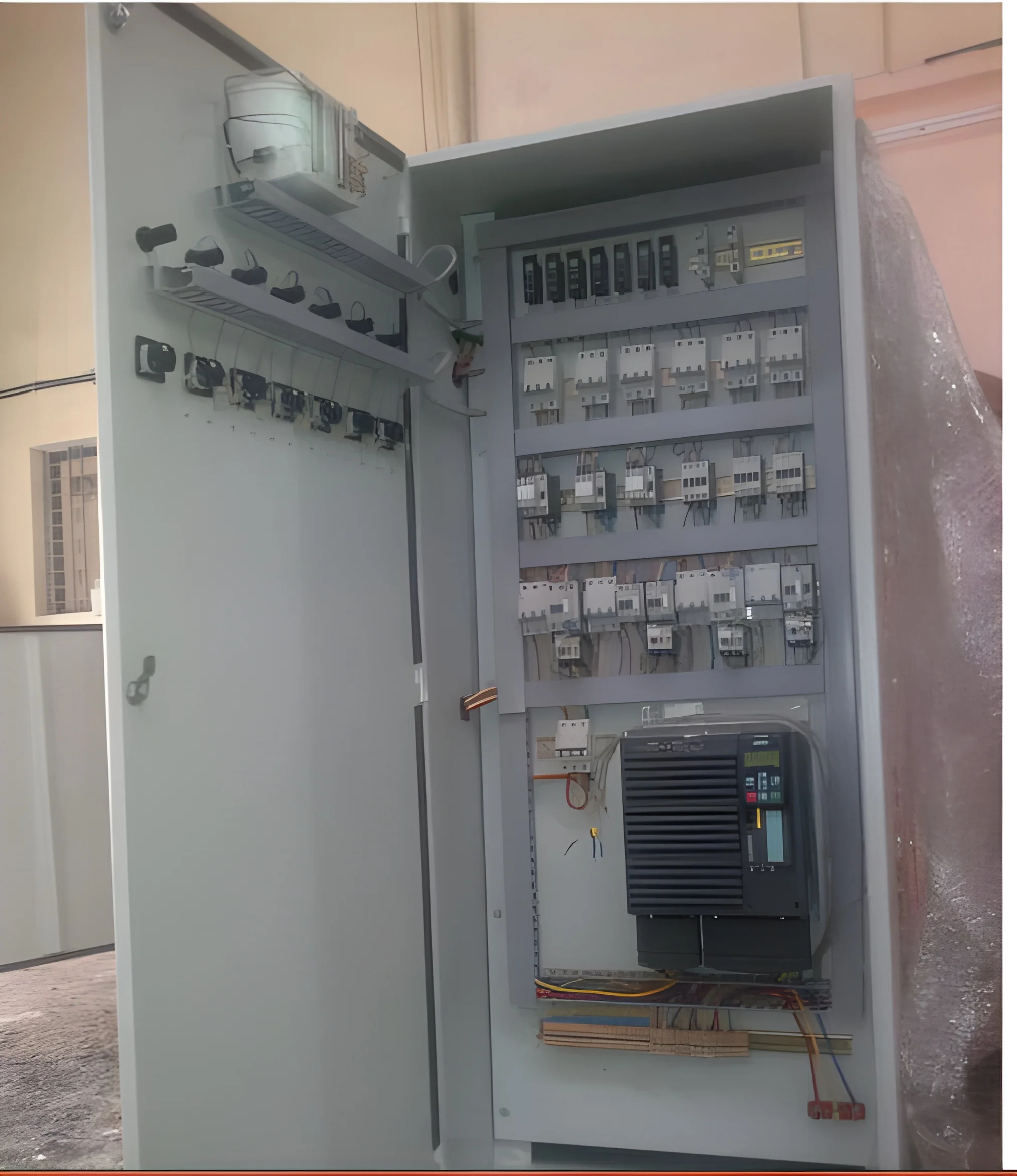
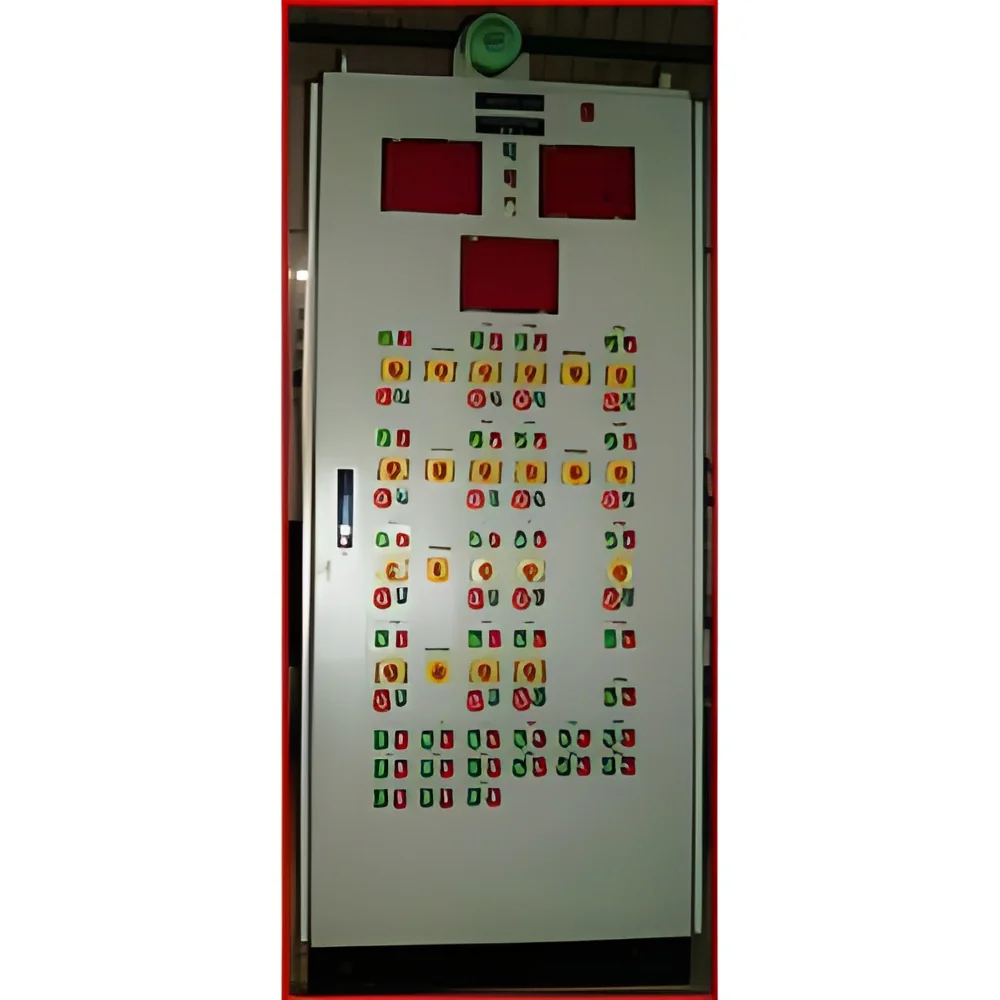
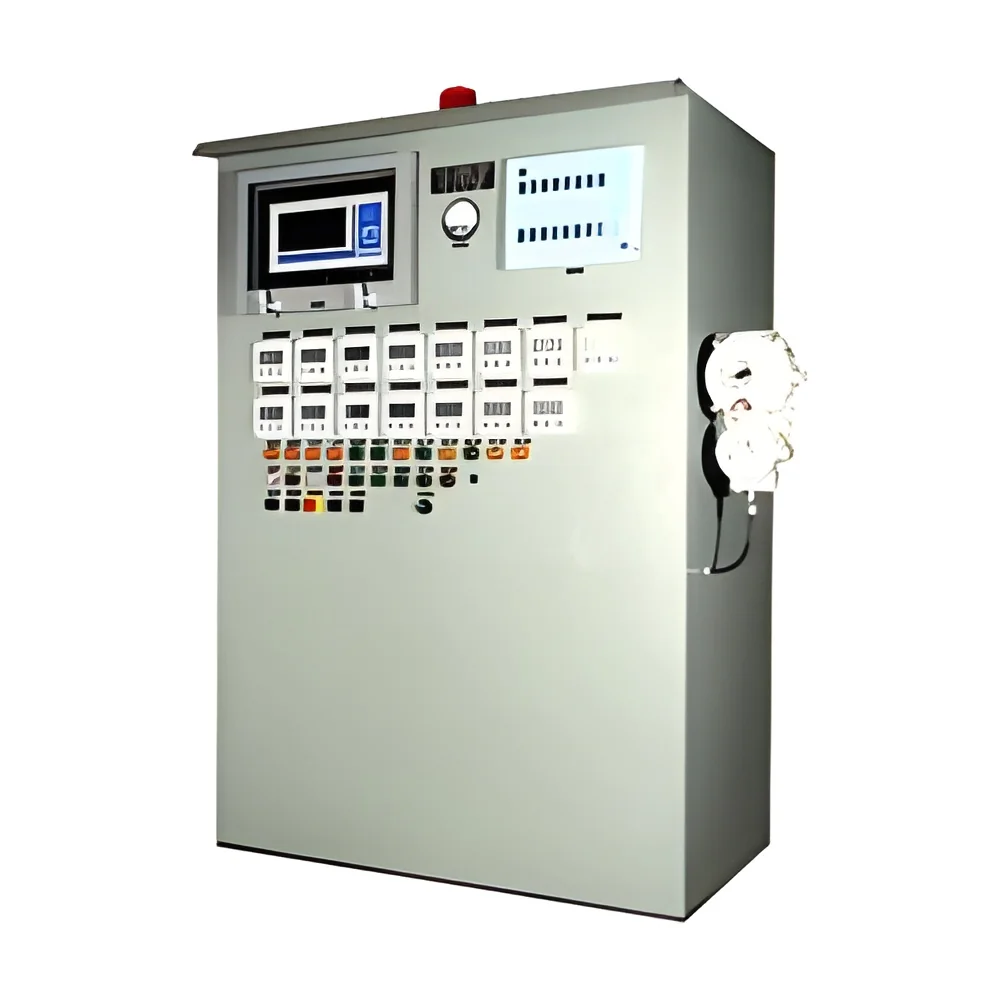
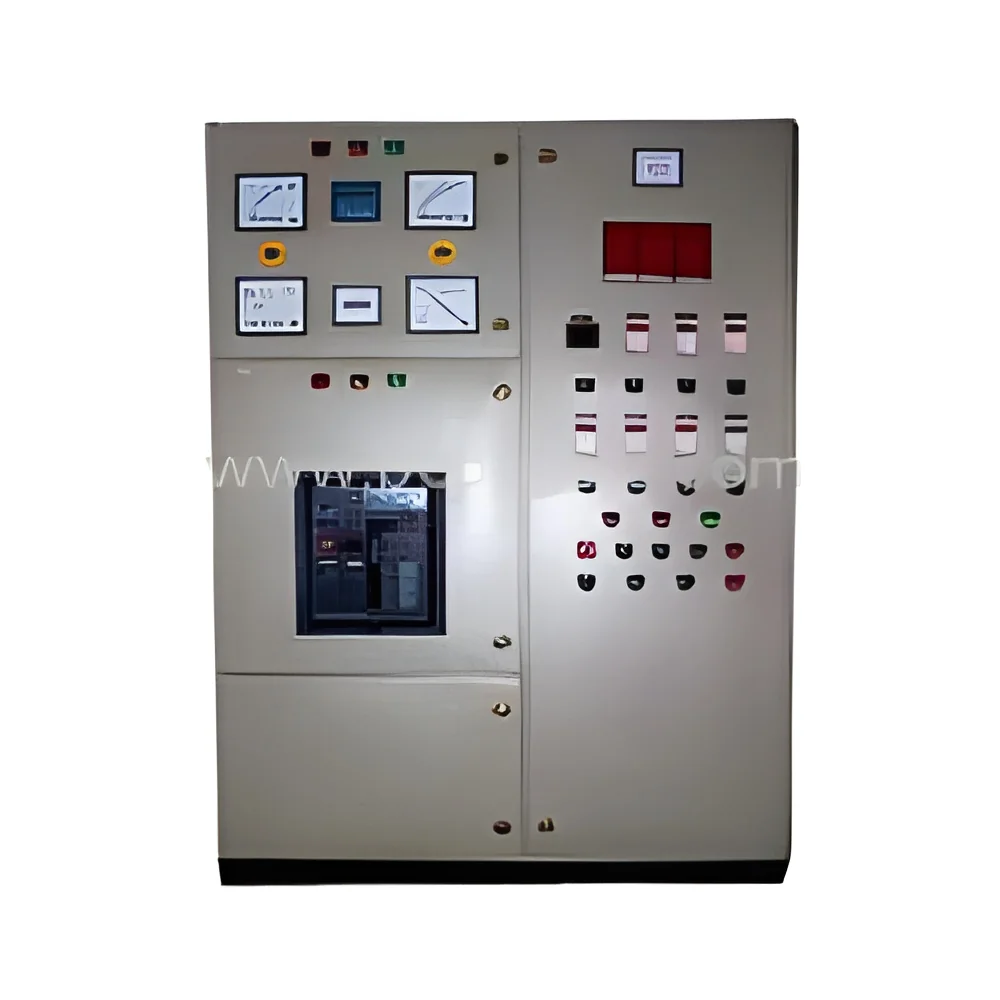
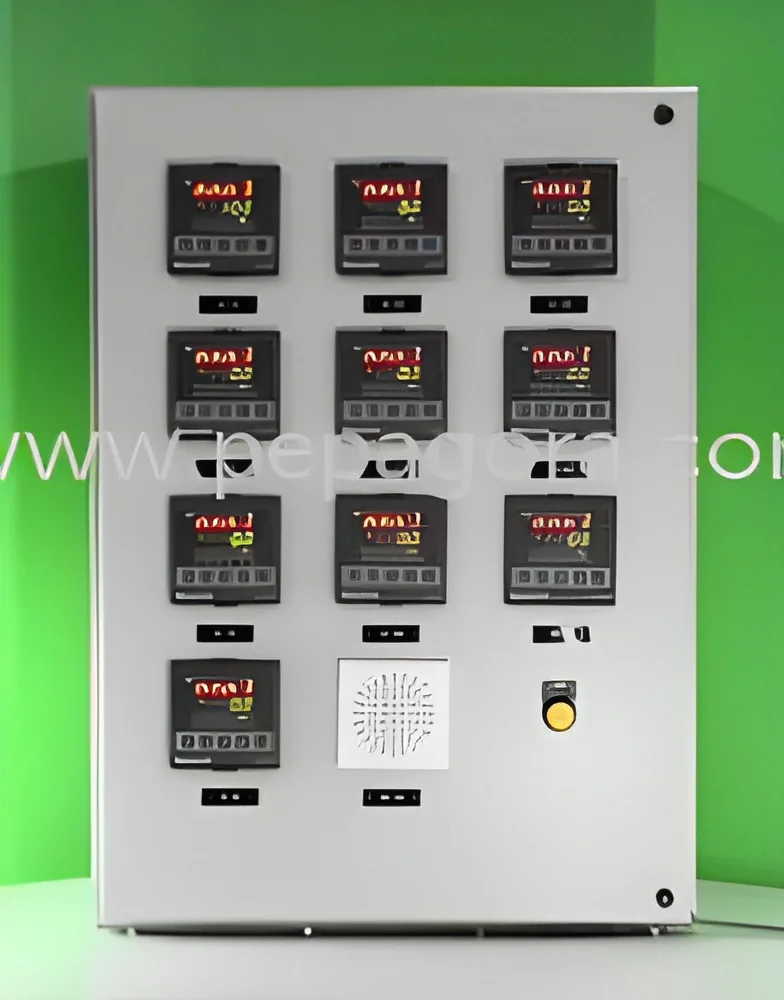
SCADA Integrated Panels
173 products available
What are SCADA Integrated Panels?
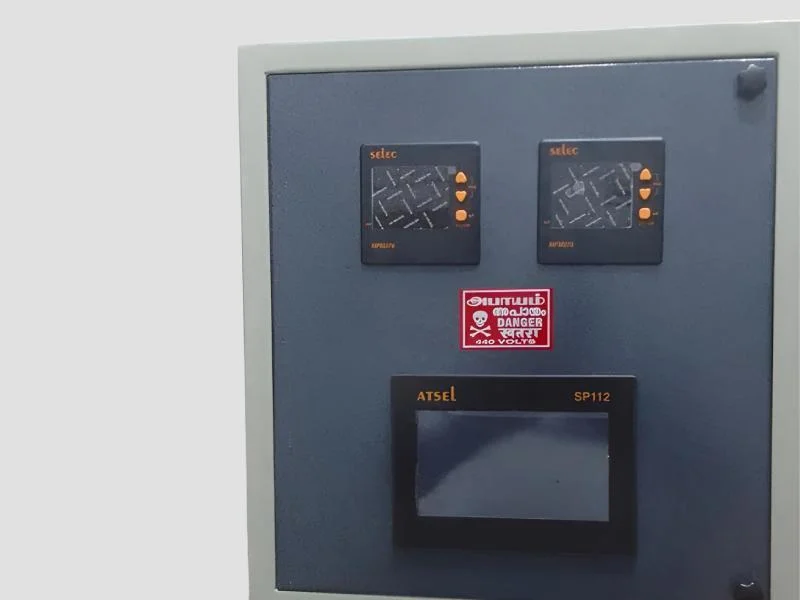
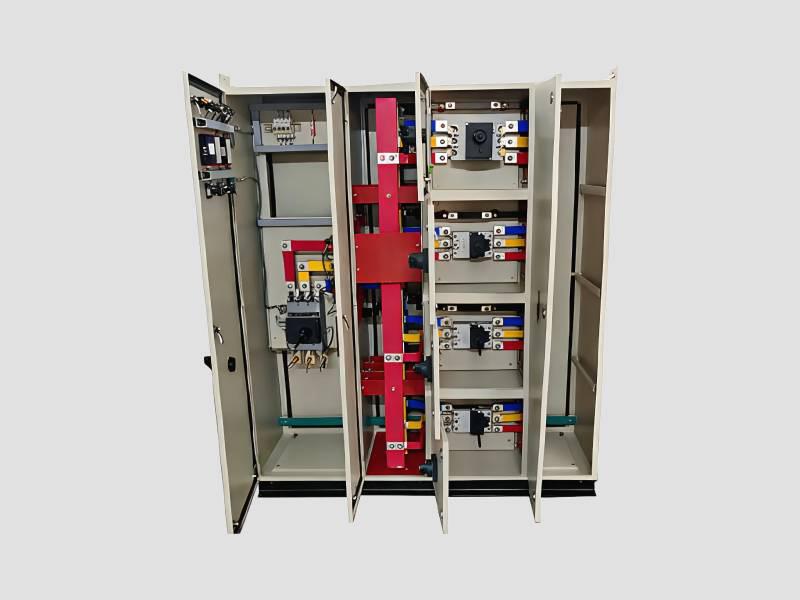
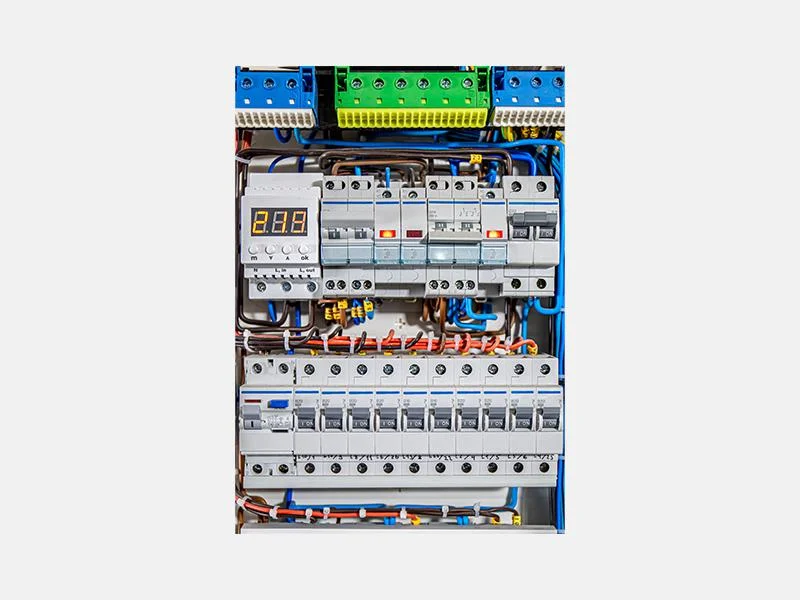
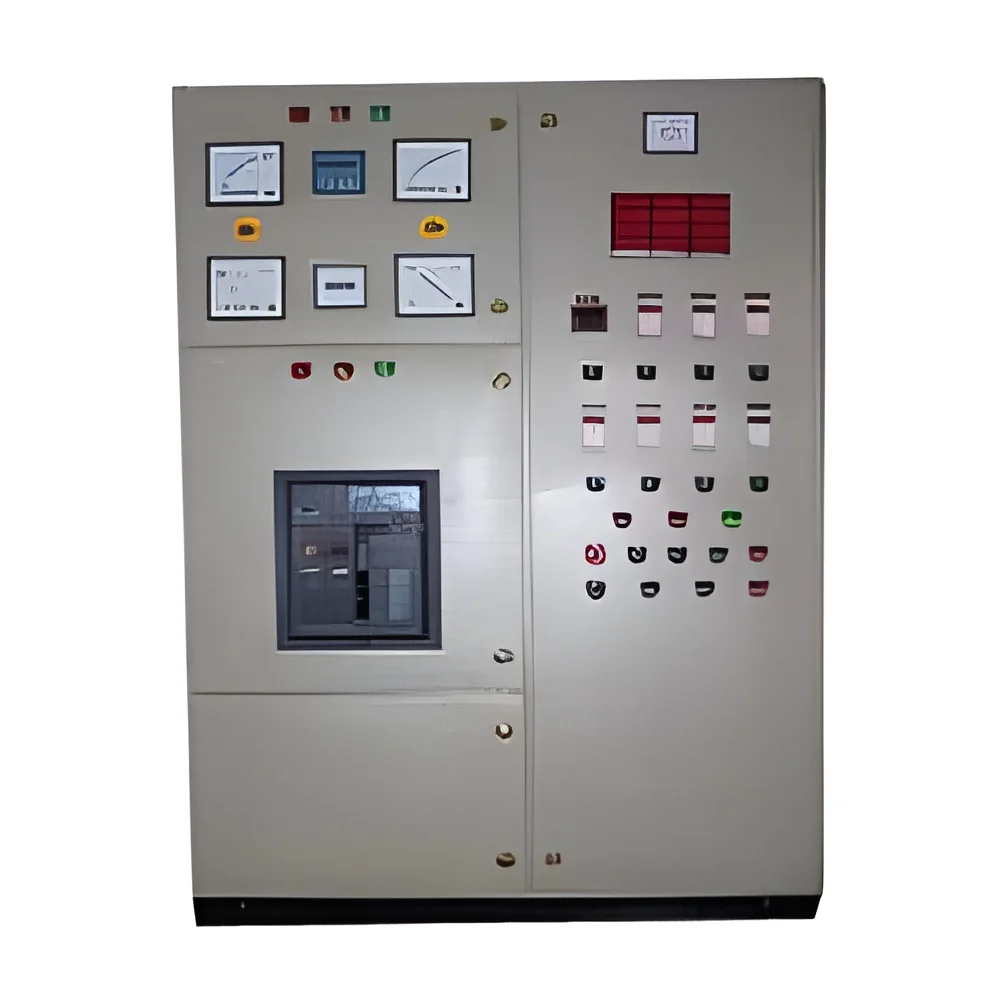
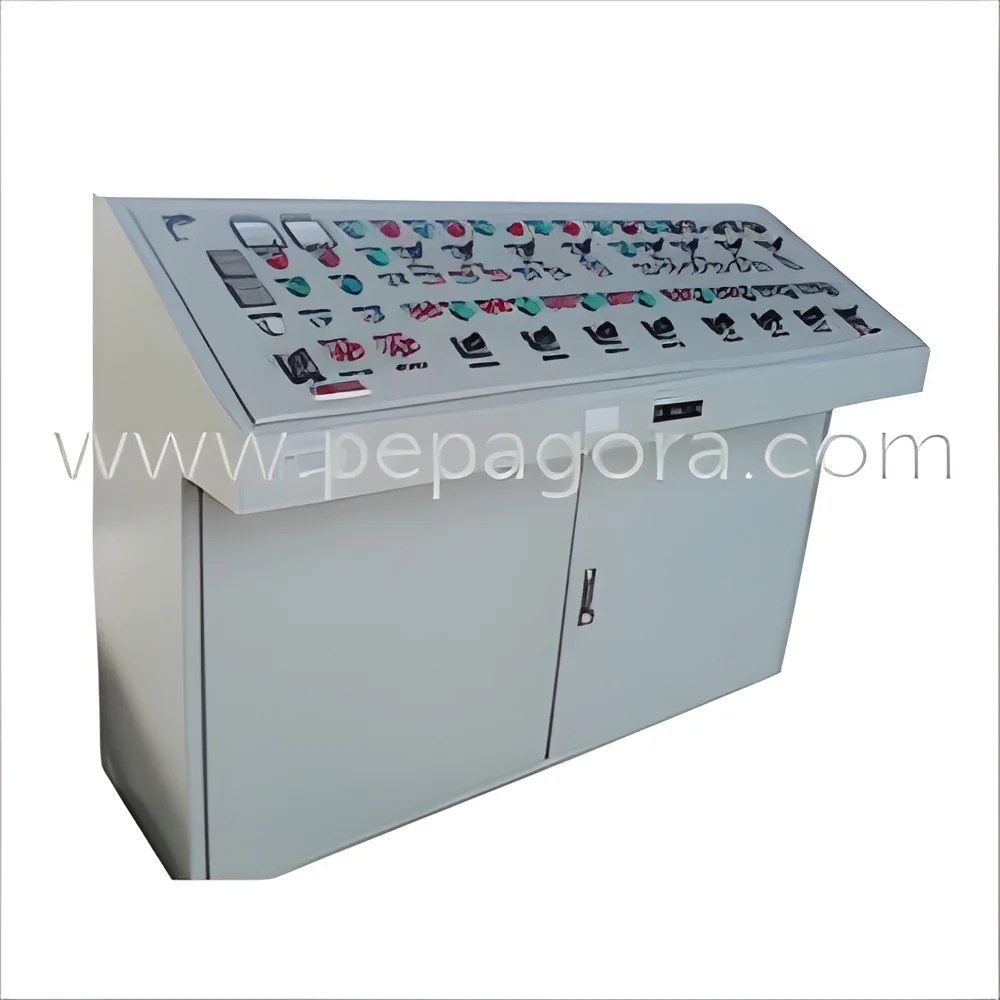
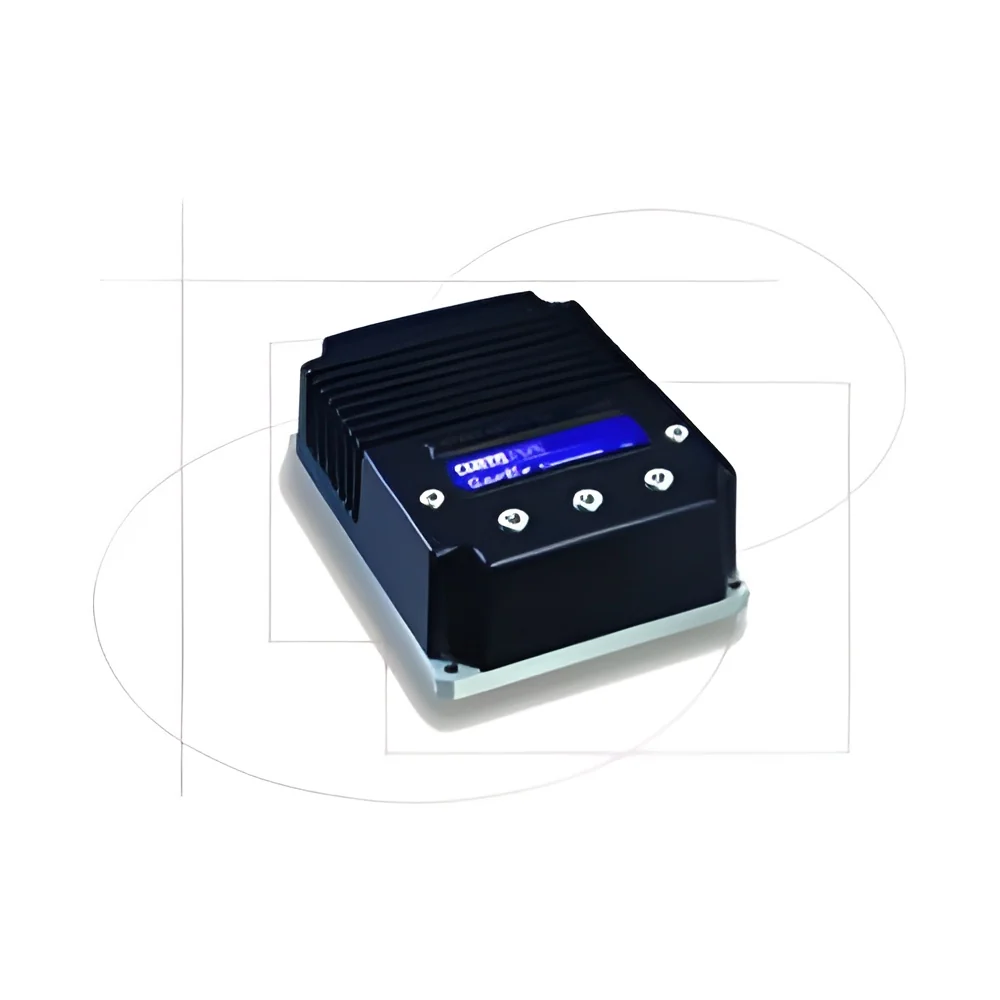
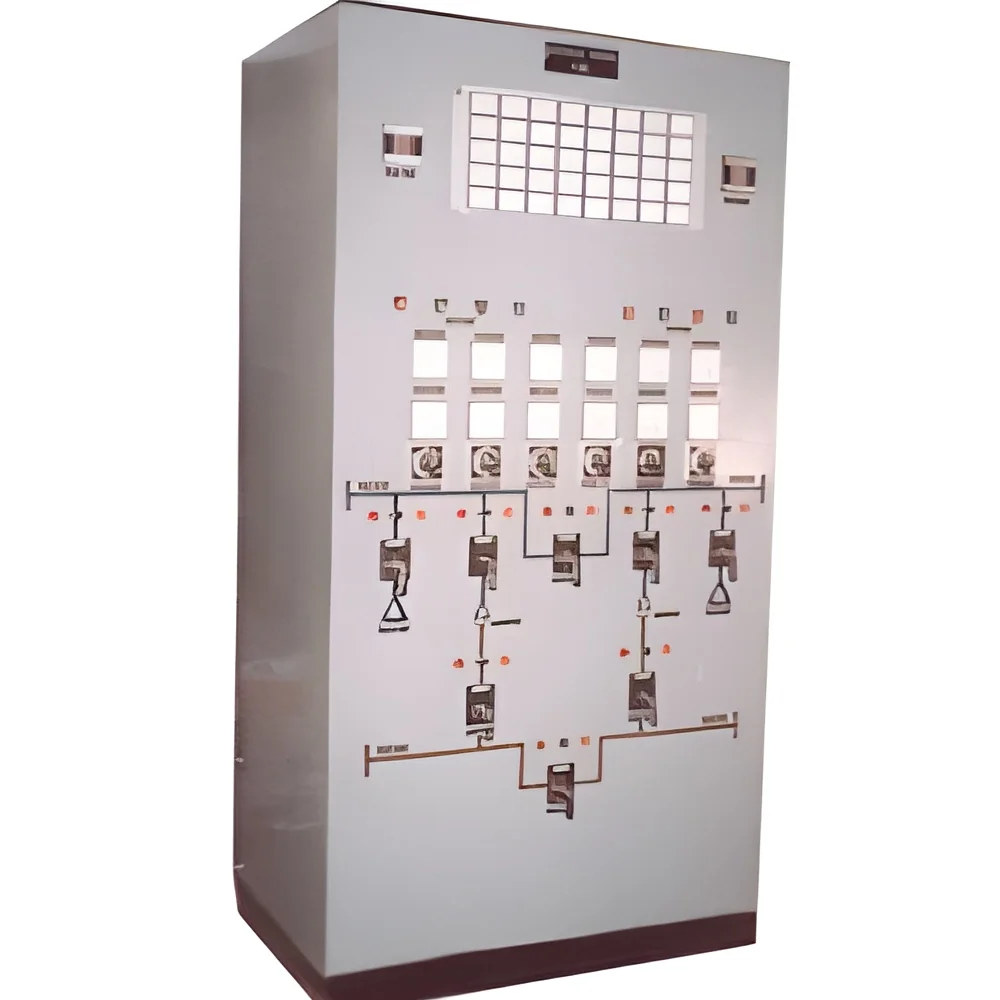
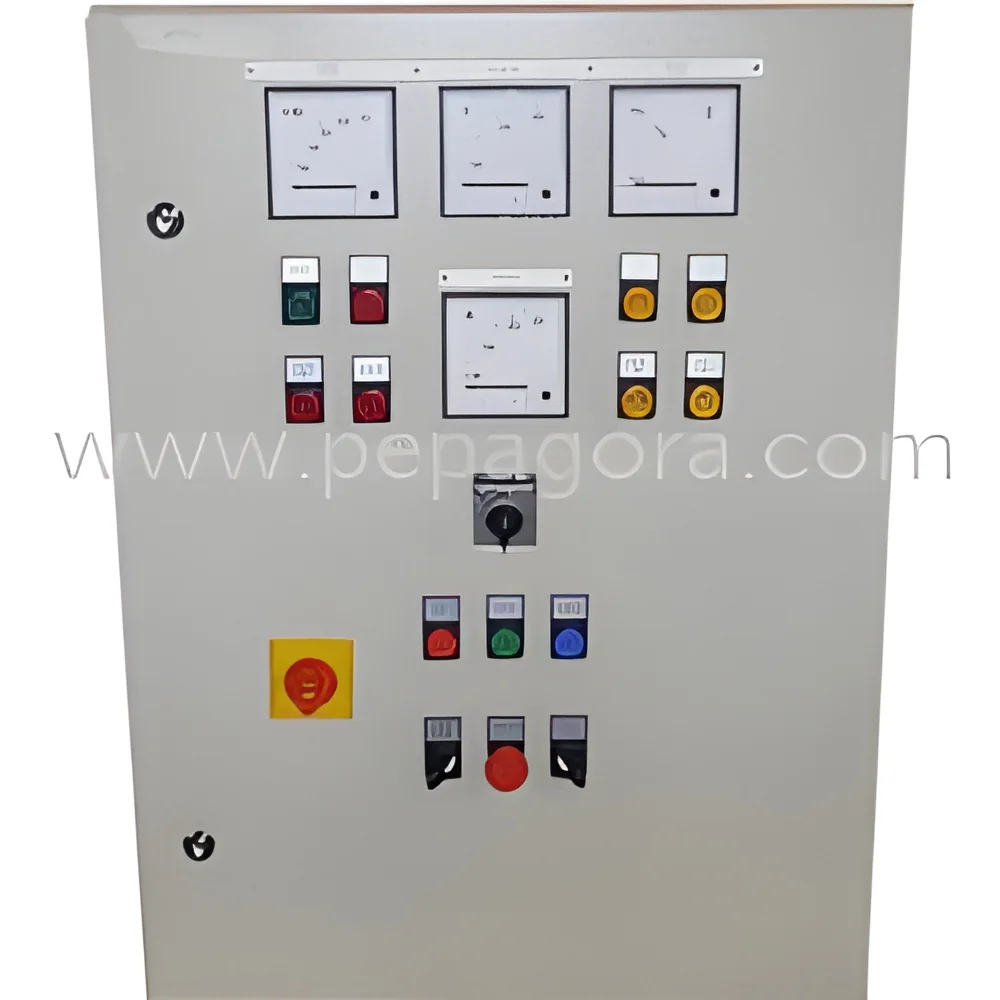
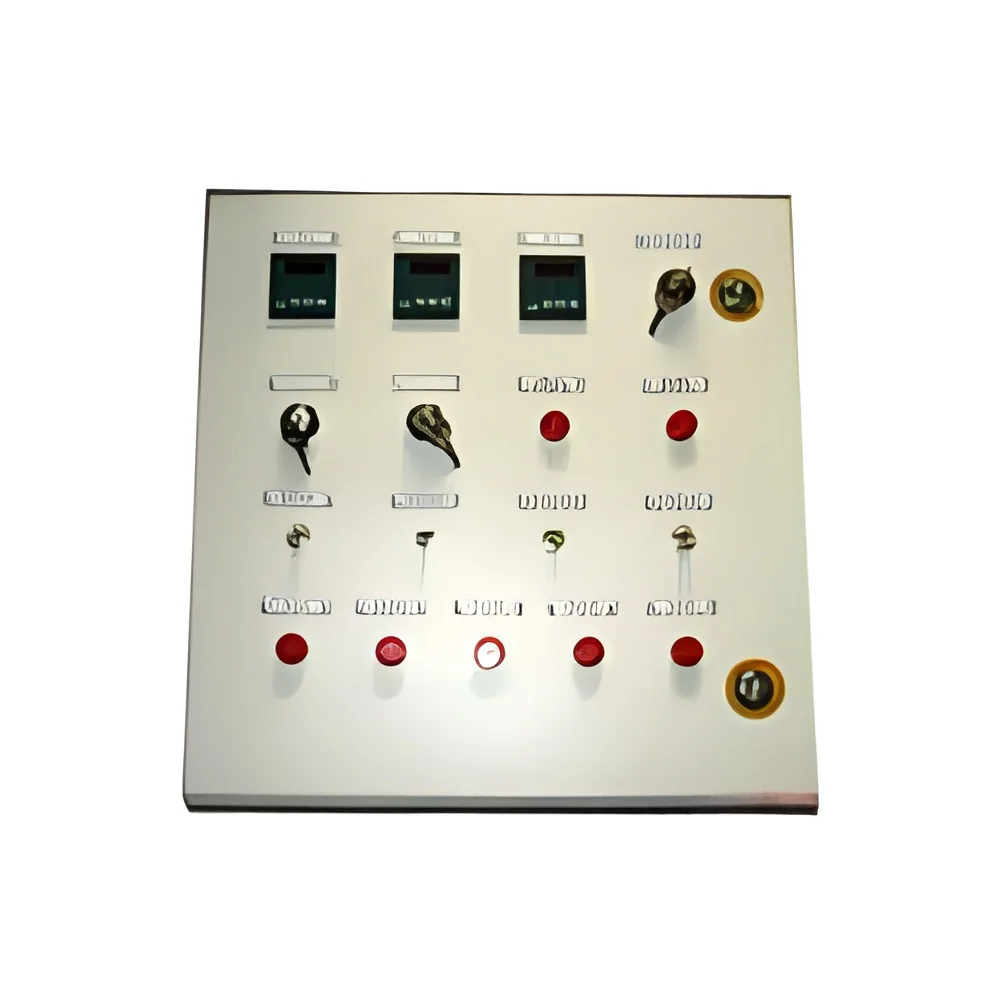
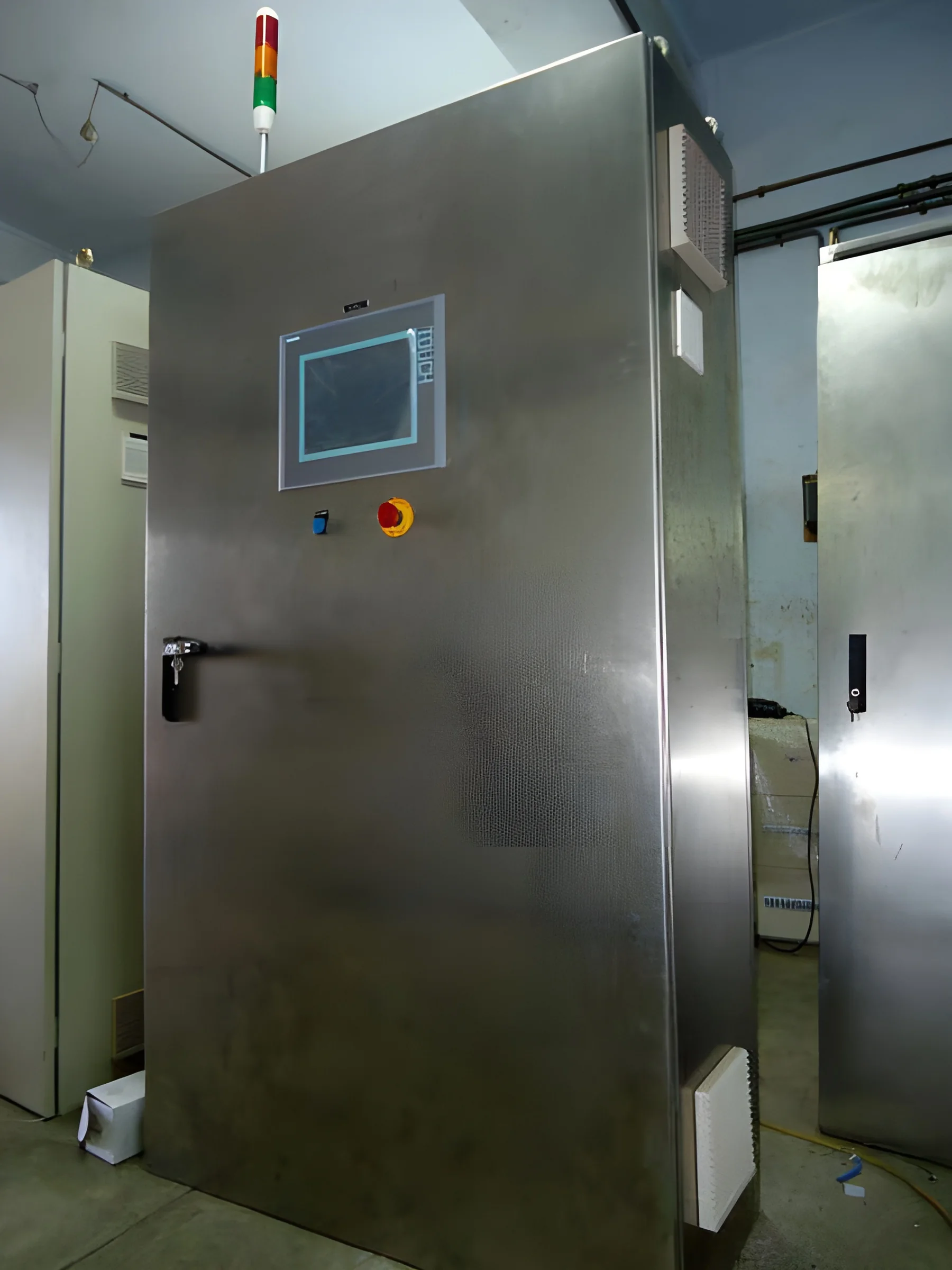
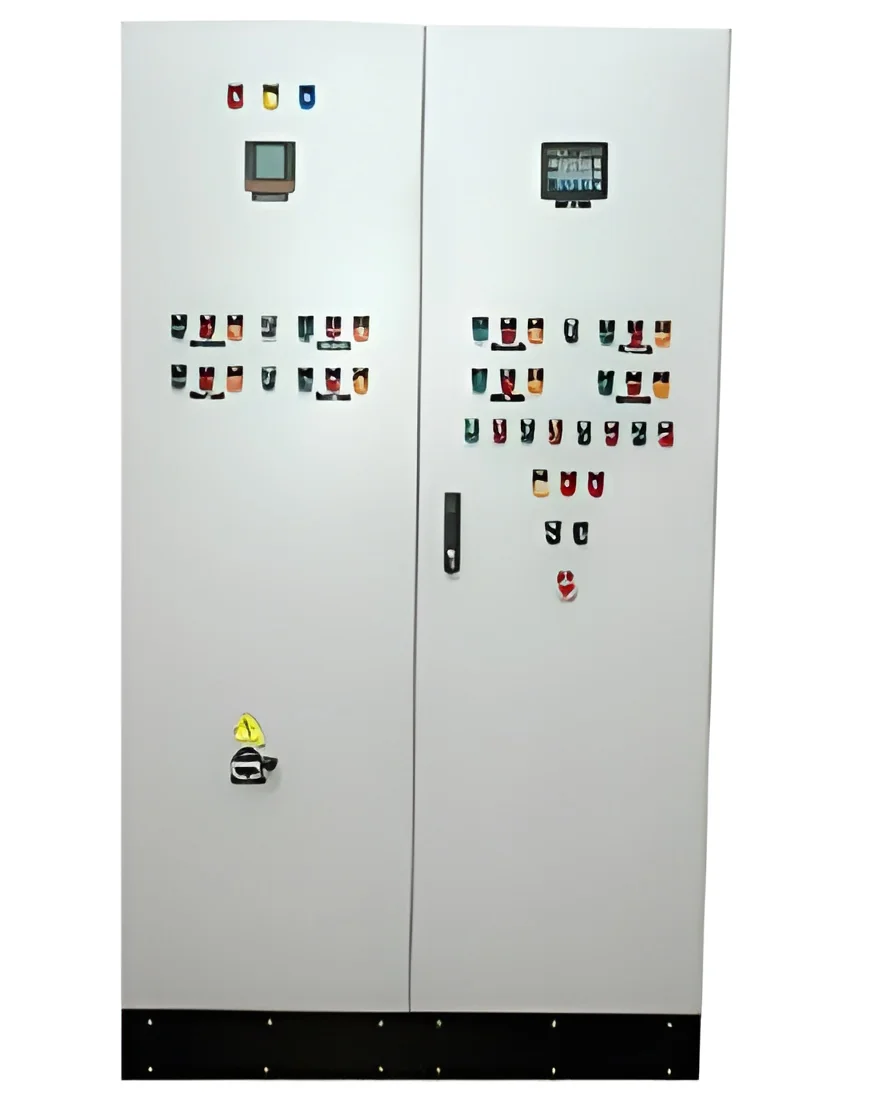
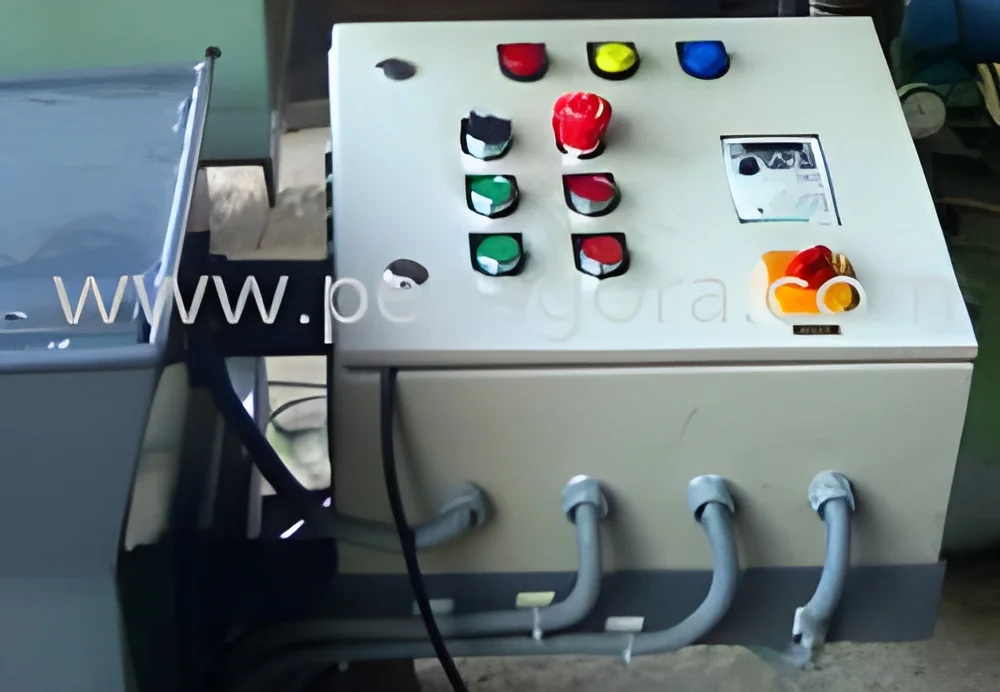
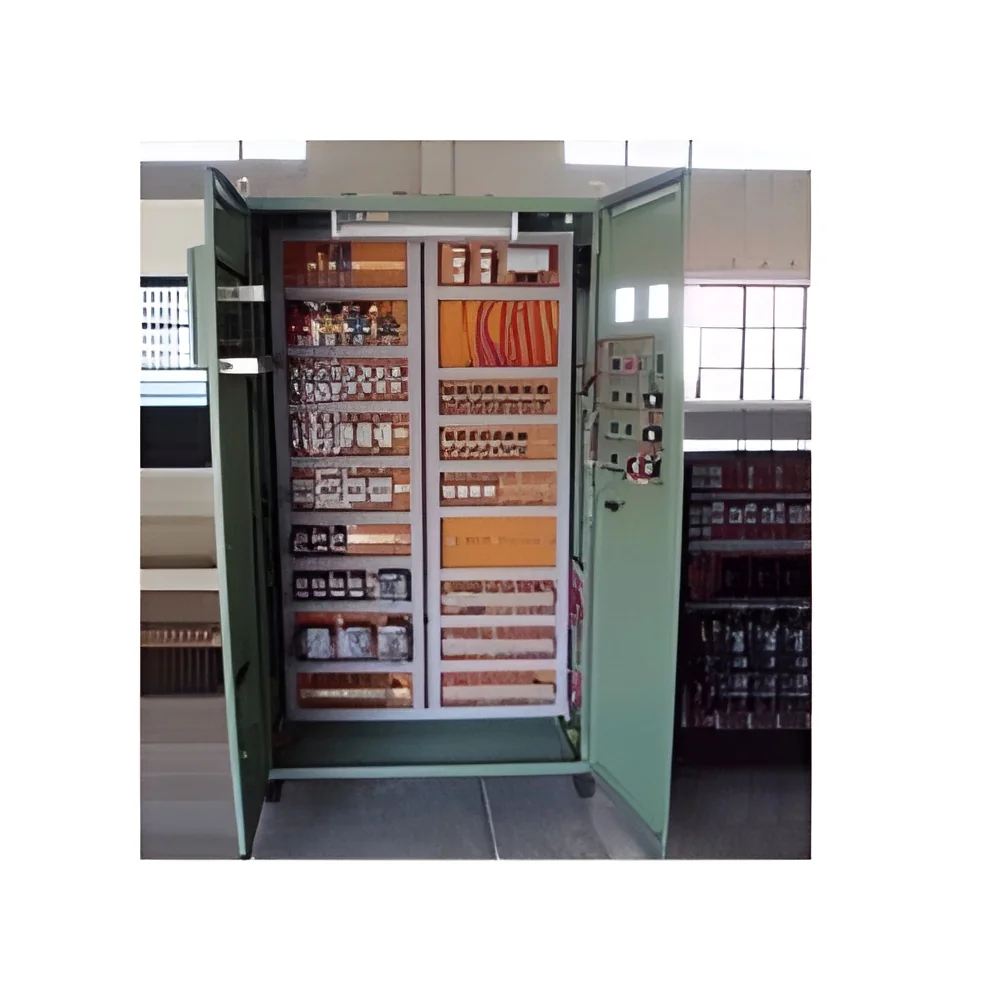
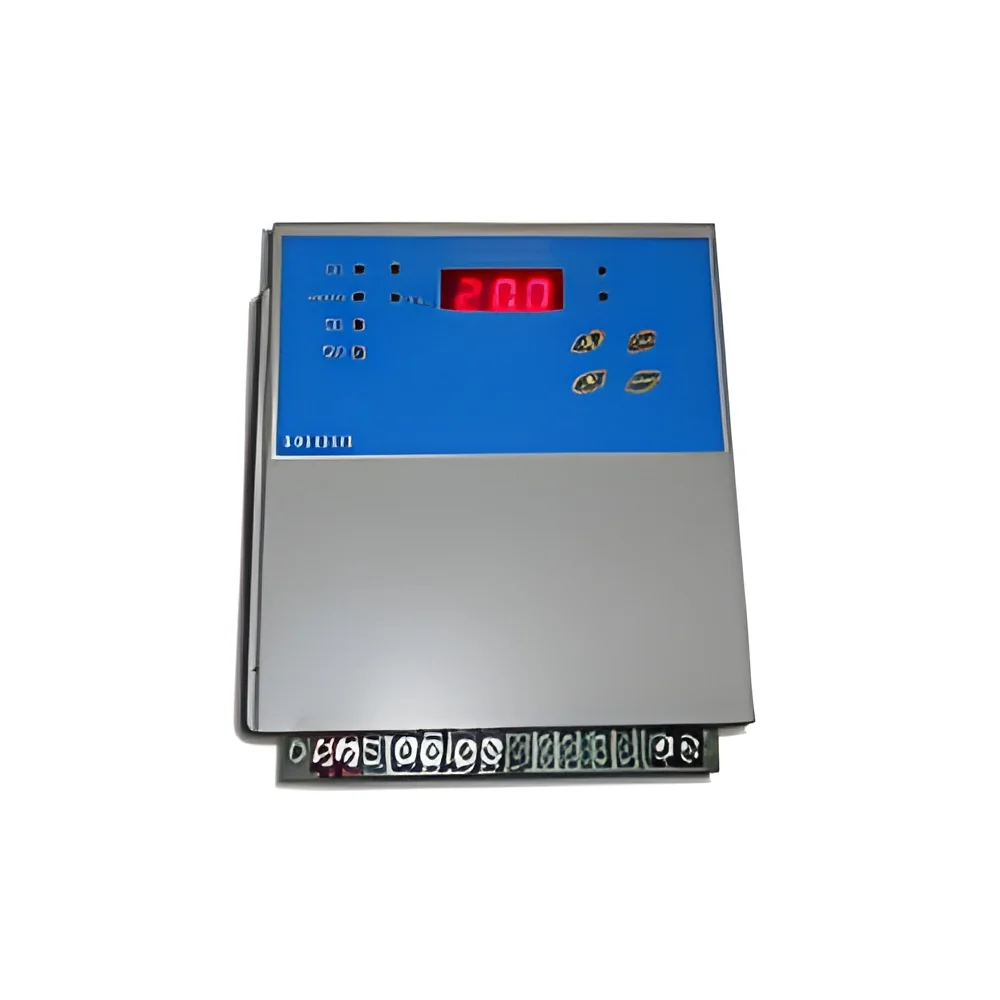
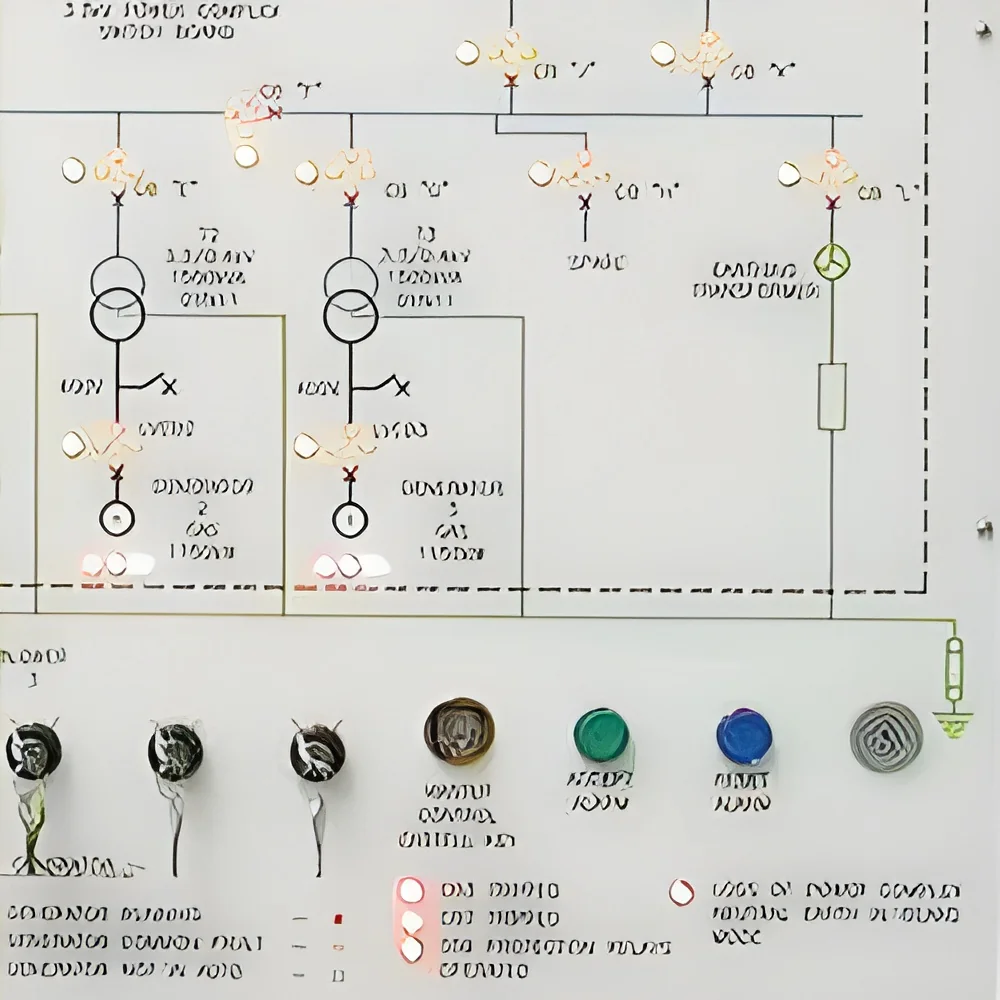
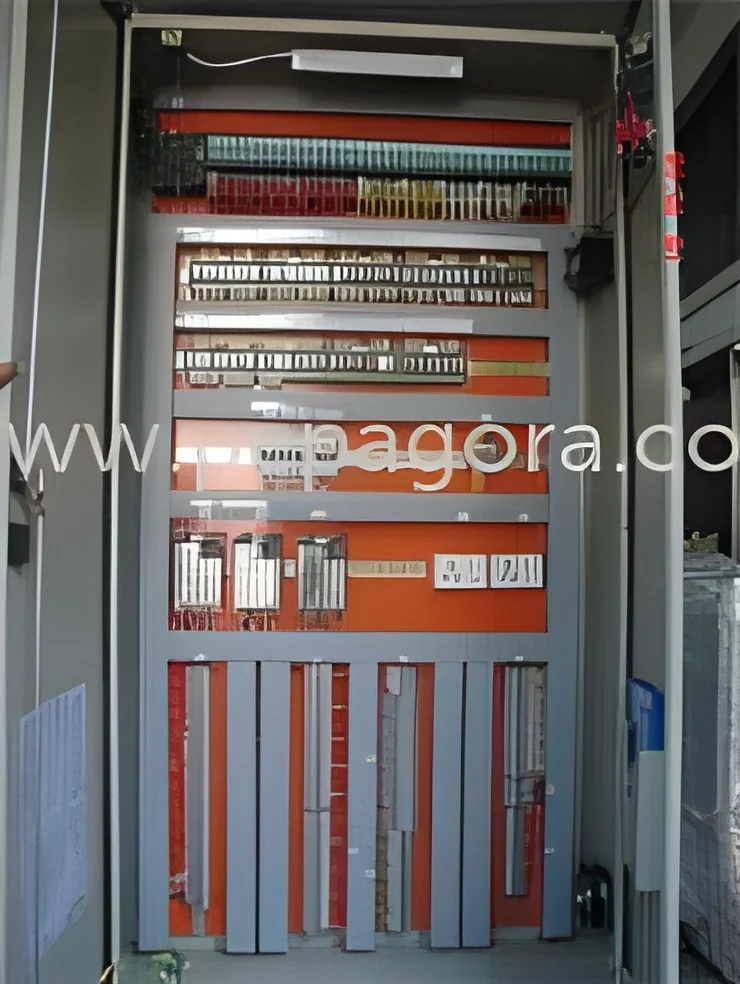
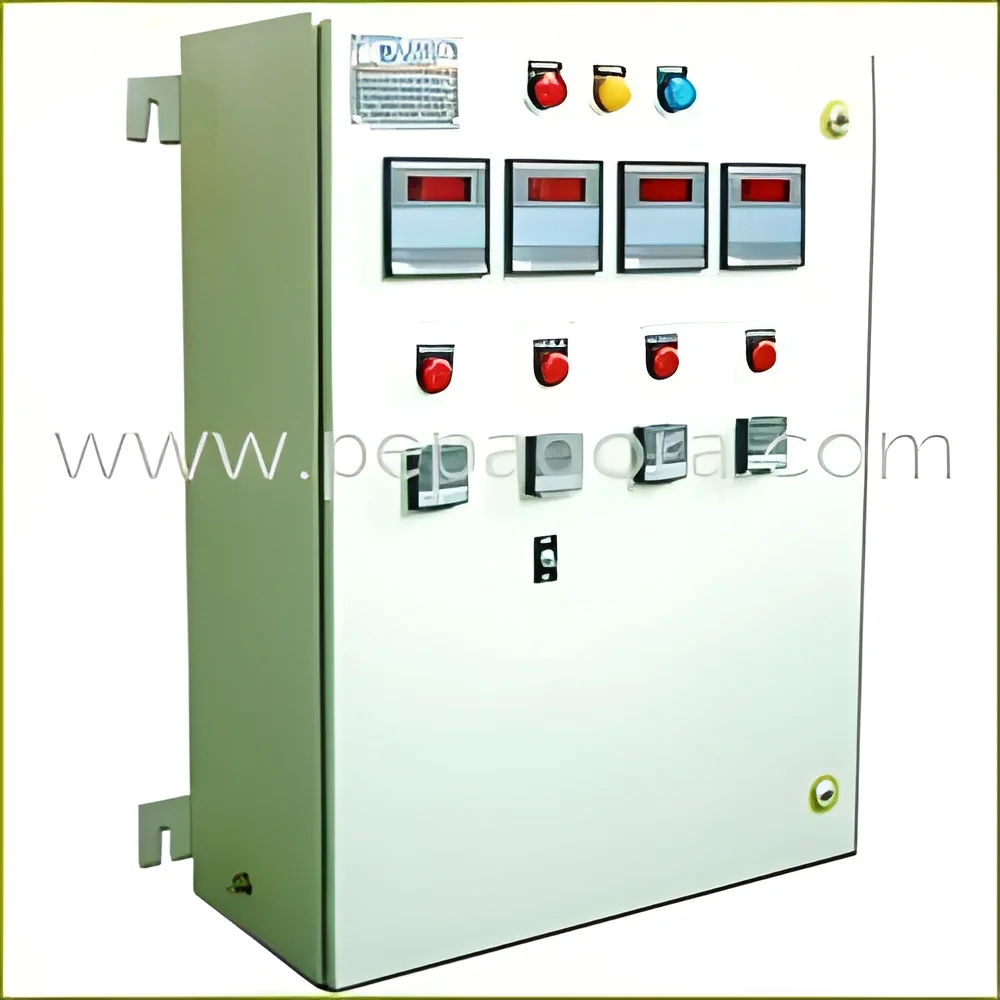
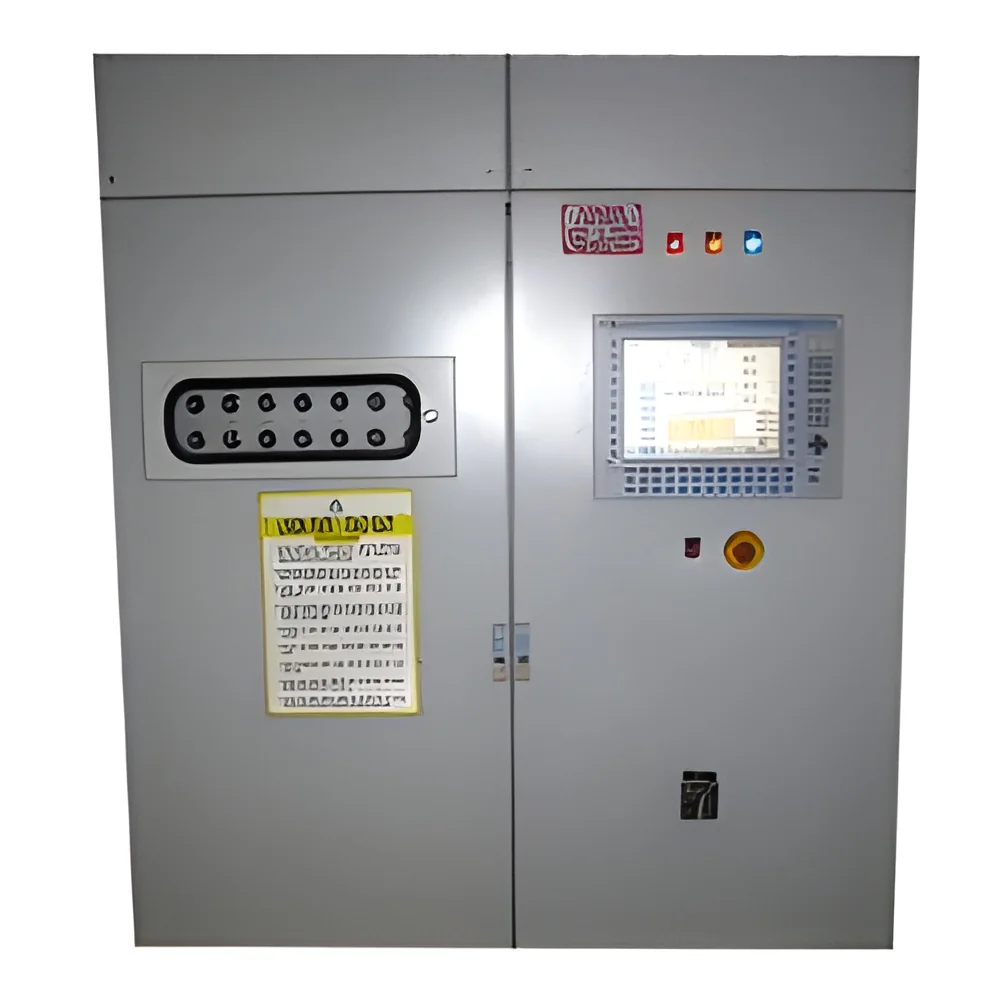
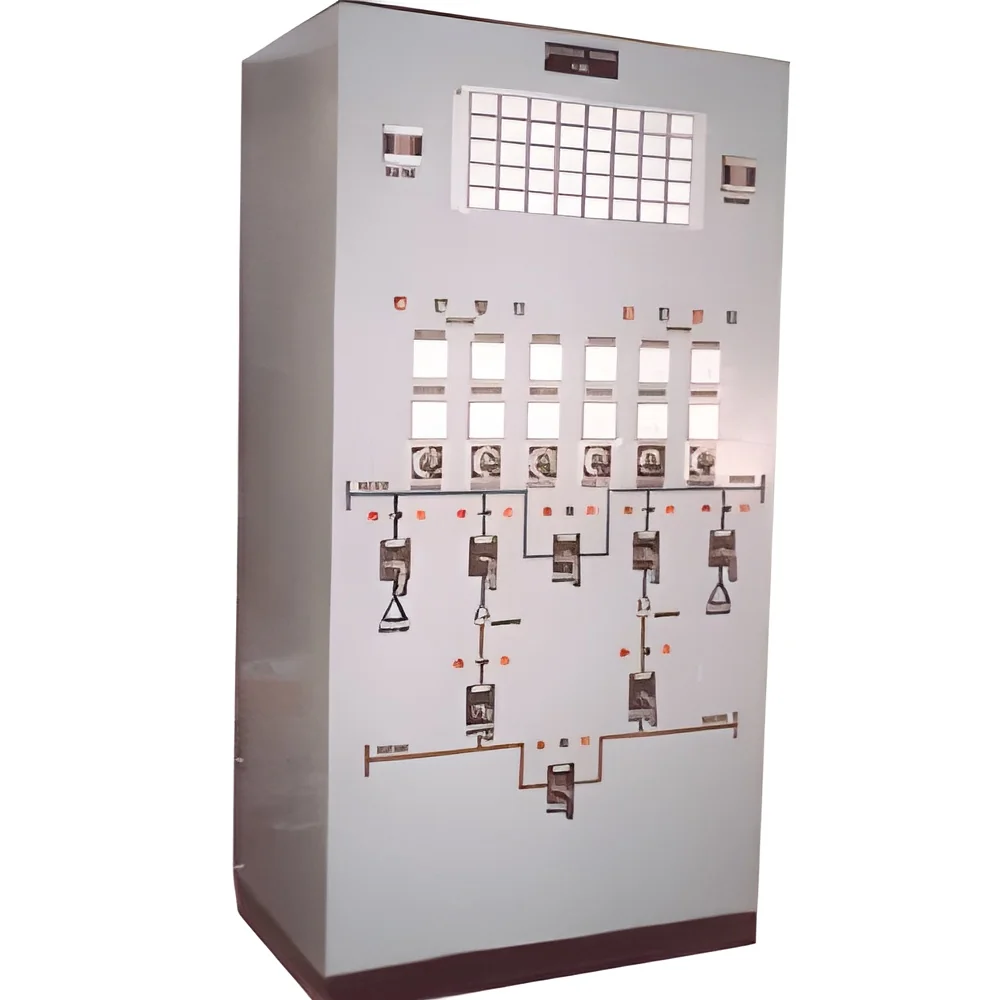
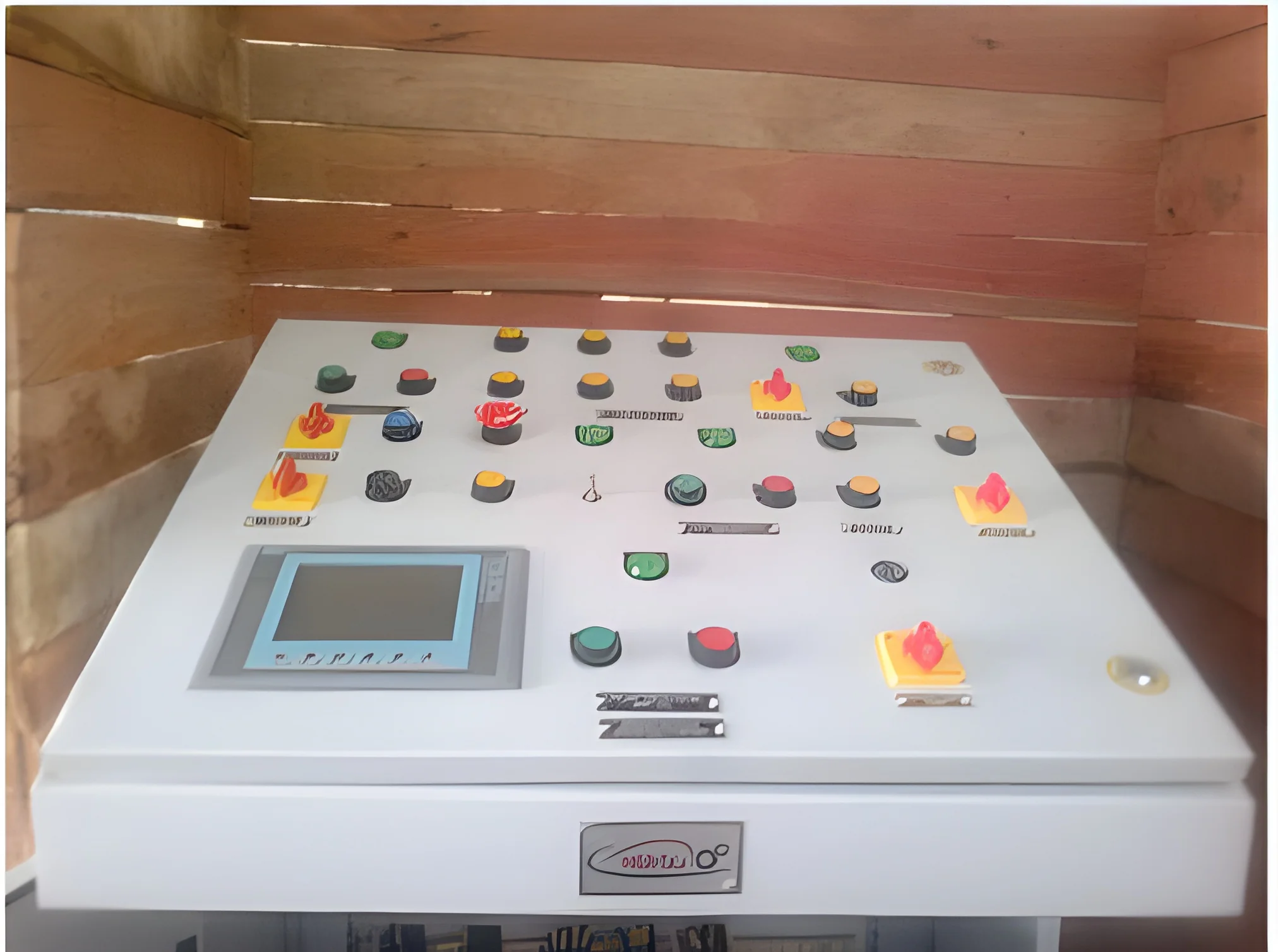
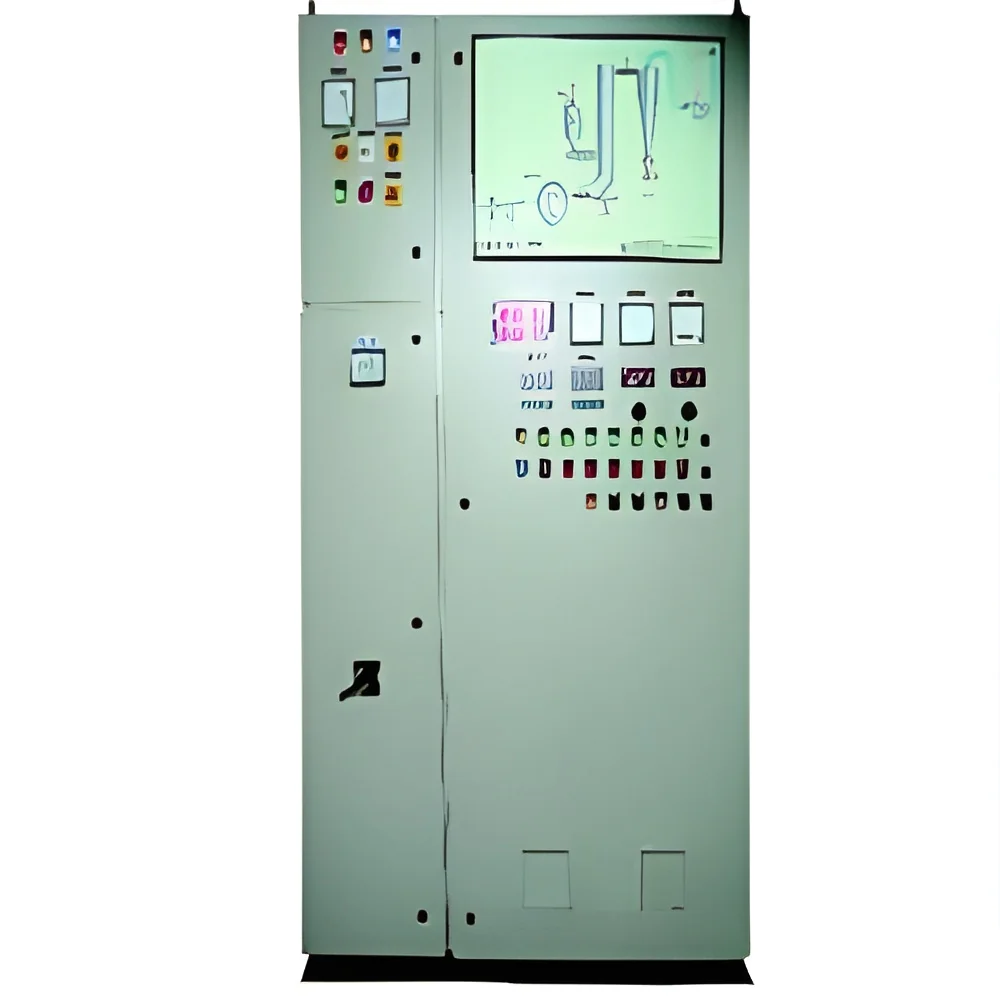
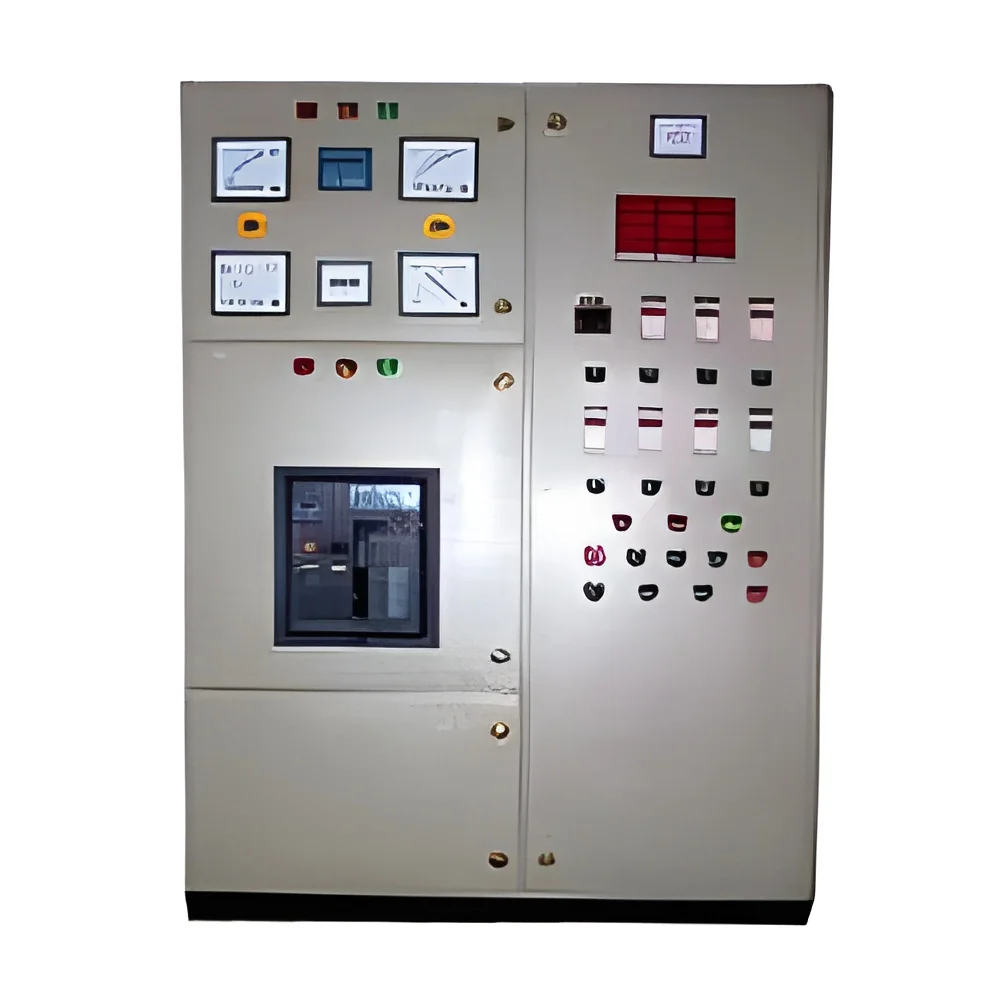
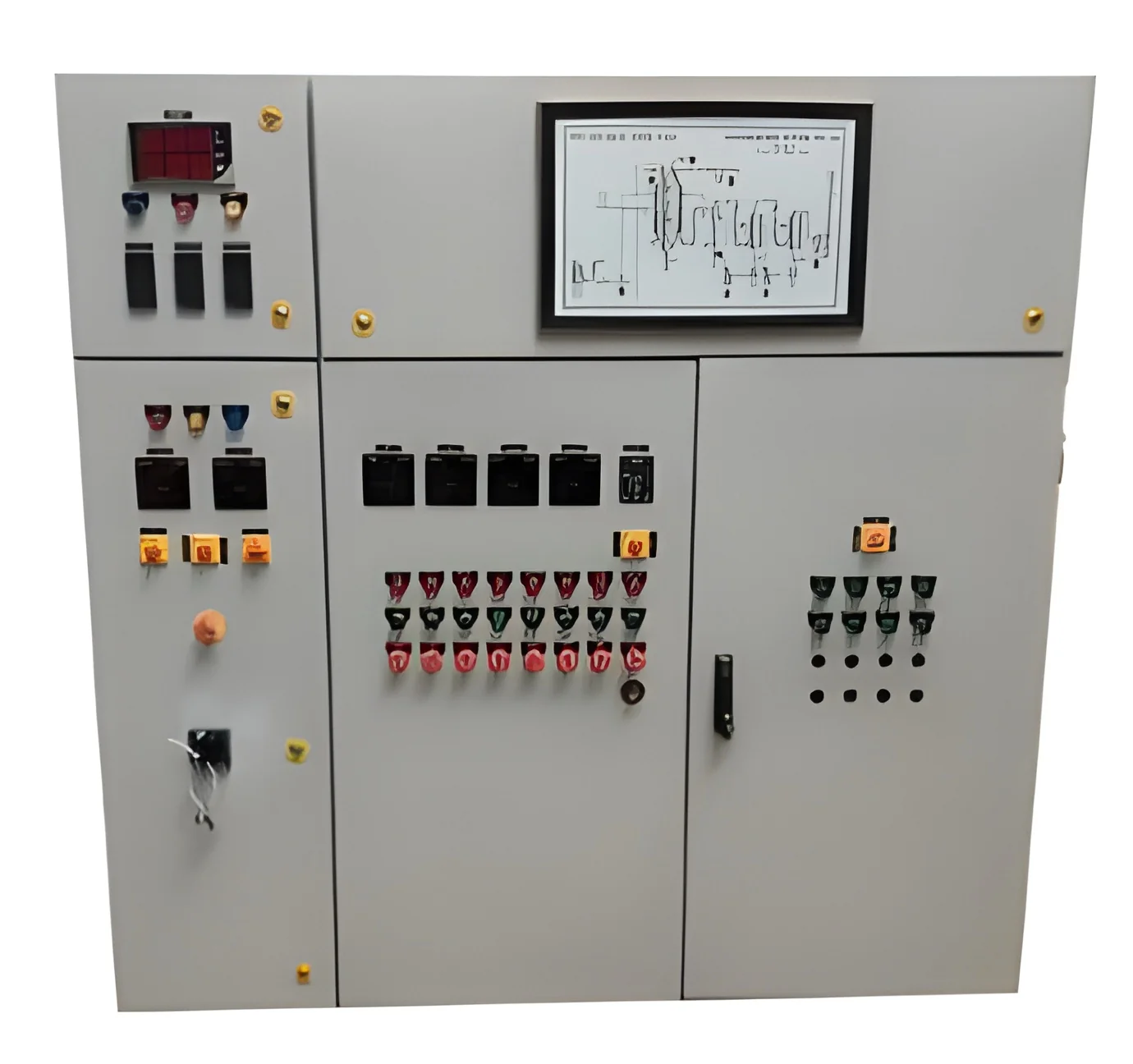
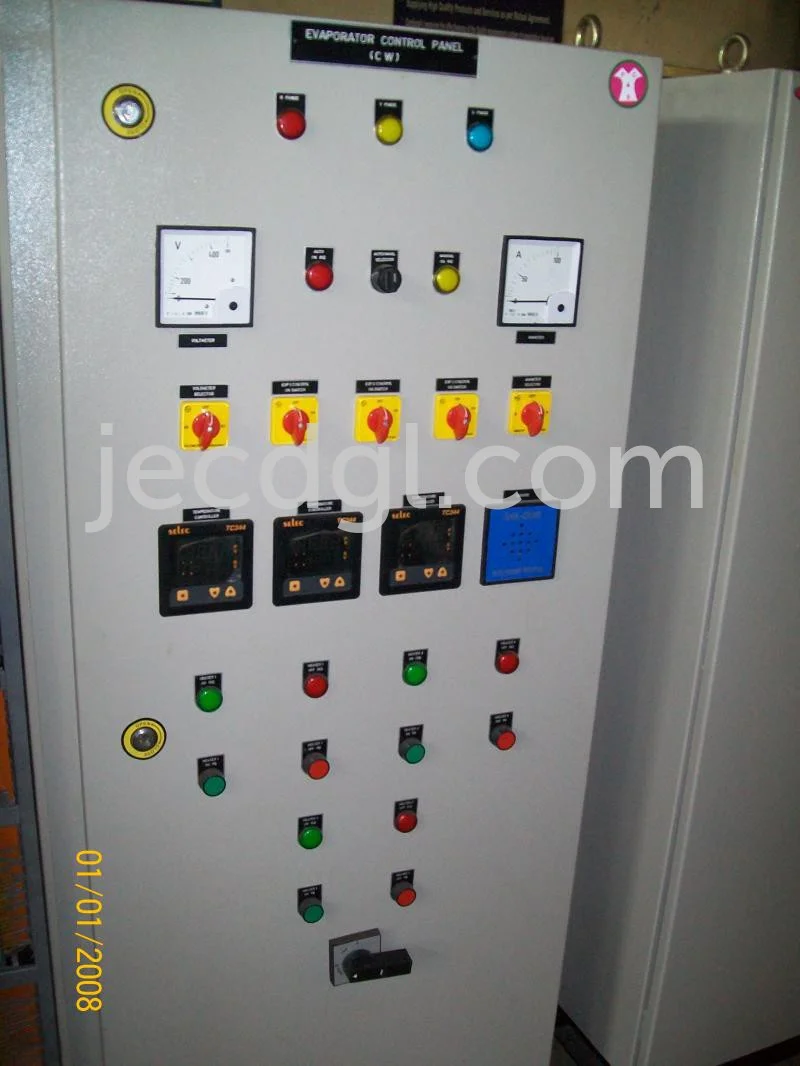
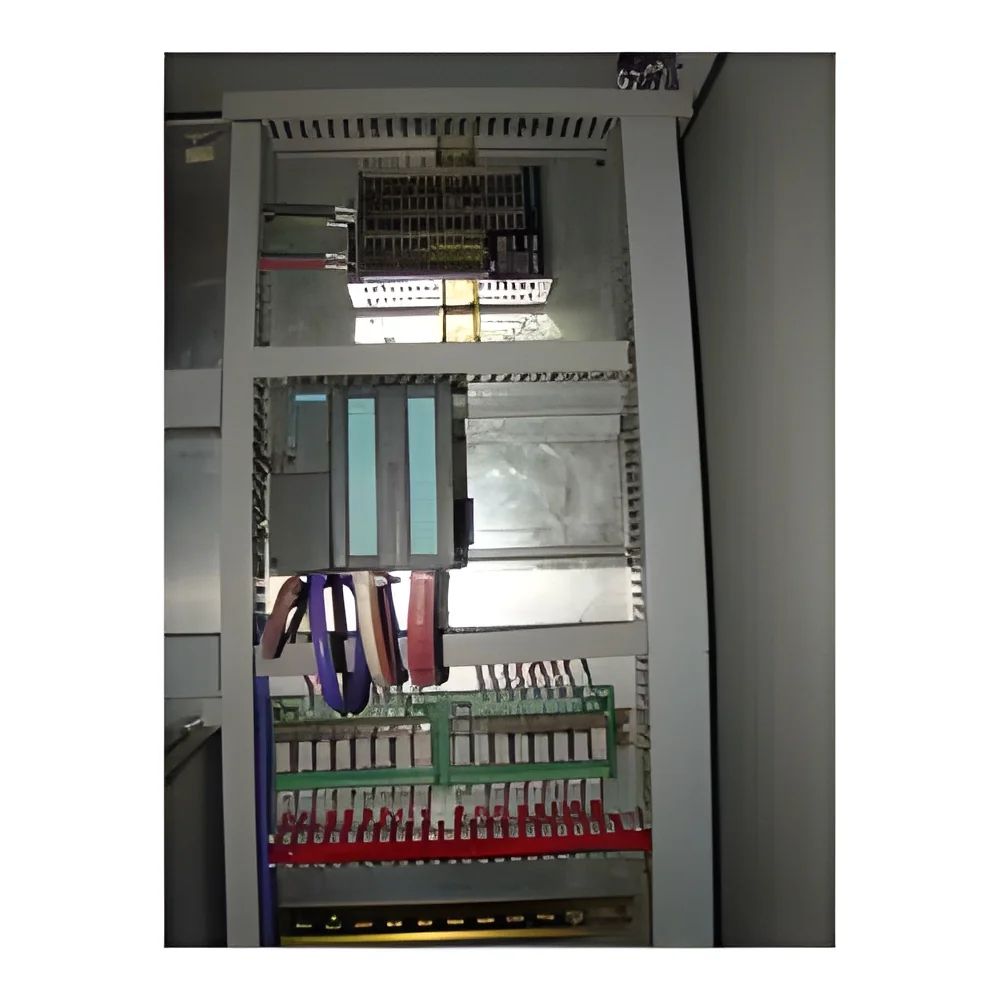
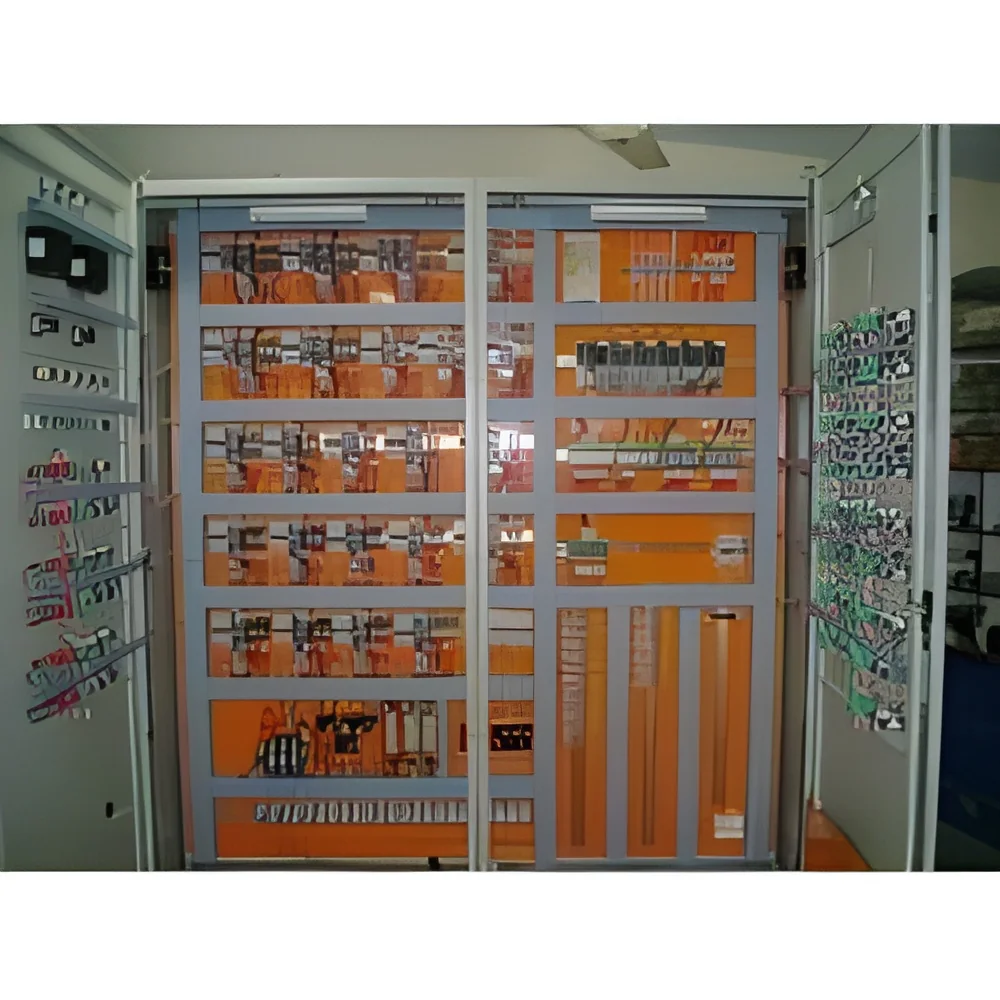
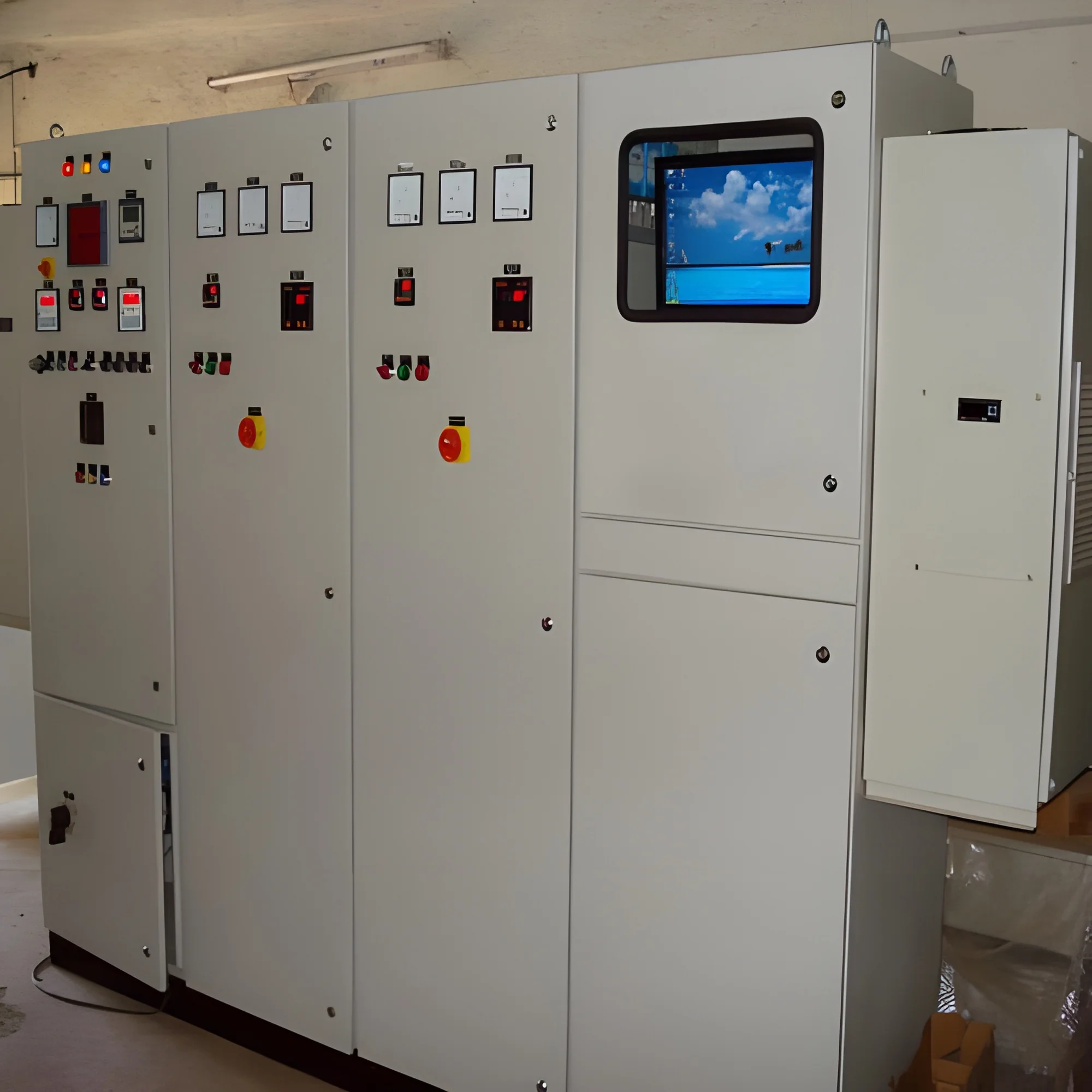
SCADA Integrated Panels are advanced control systems that integrate supervisory control and data acquisition (SCADA) functionalities into a single, efficient panel. These panels are designed to monitor and control industrial processes, providing real-time data and automation capabilities. By combining hardware and software components, SCADA Integrated Panels enable organizations to maintain operational efficiency, enhance productivity, and ensure safety in various industrial environments.
The primary uses of SCADA Integrated Panels include monitoring critical infrastructure such as water treatment facilities, electrical grids, and manufacturing processes. They facilitate remote access to system data, allowing operators to make informed decisions quickly. These panels are essential in industries that require continuous oversight and control, significantly impacting operational performance and compliance with regulatory standards. As industries increasingly rely on automation and data-driven decision-making, the relevance of SCADA Integrated Panels continues to grow in the market.
Key Features and Specifications
SCADA Integrated Panels come equipped with a variety of features and specifications tailored to meet the demands of industrial automation. These panels are designed to ensure reliability, scalability, and ease of integration into existing systems. Key specifications include:
1. Control Interface
- User-friendly interface for operators
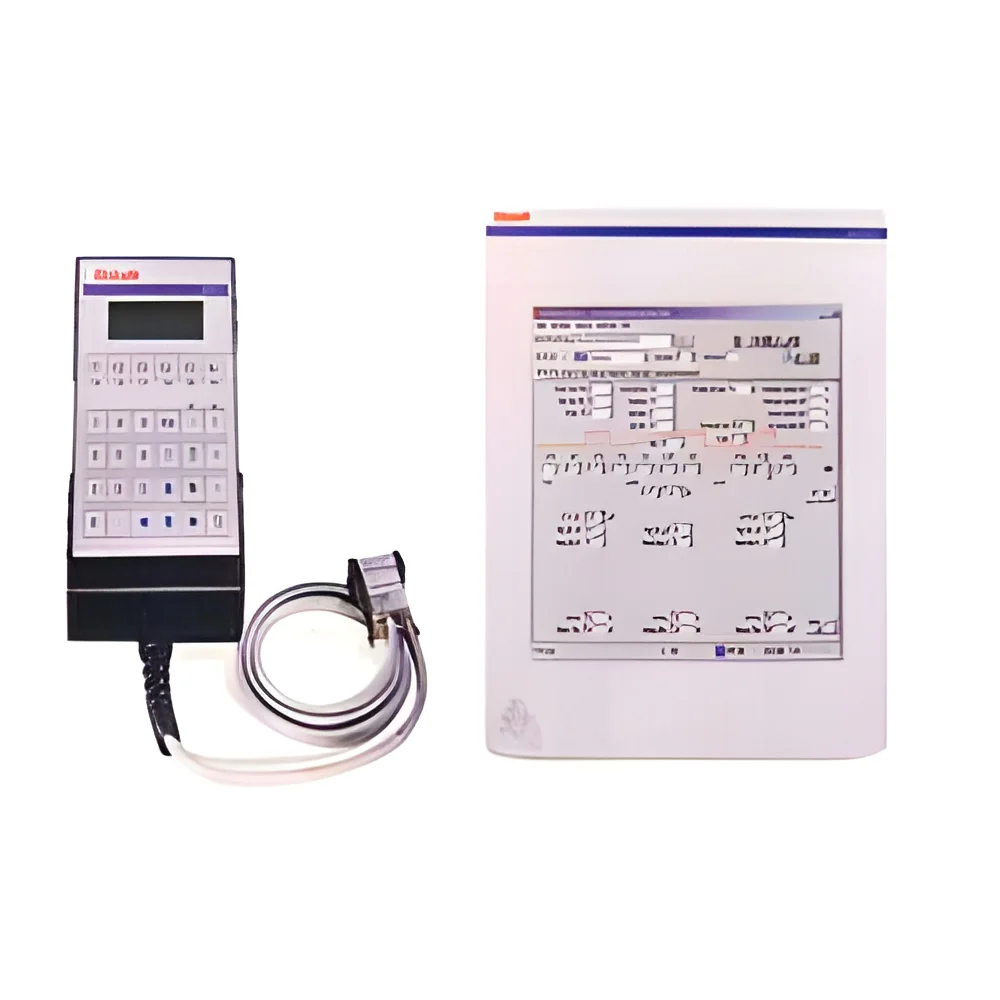
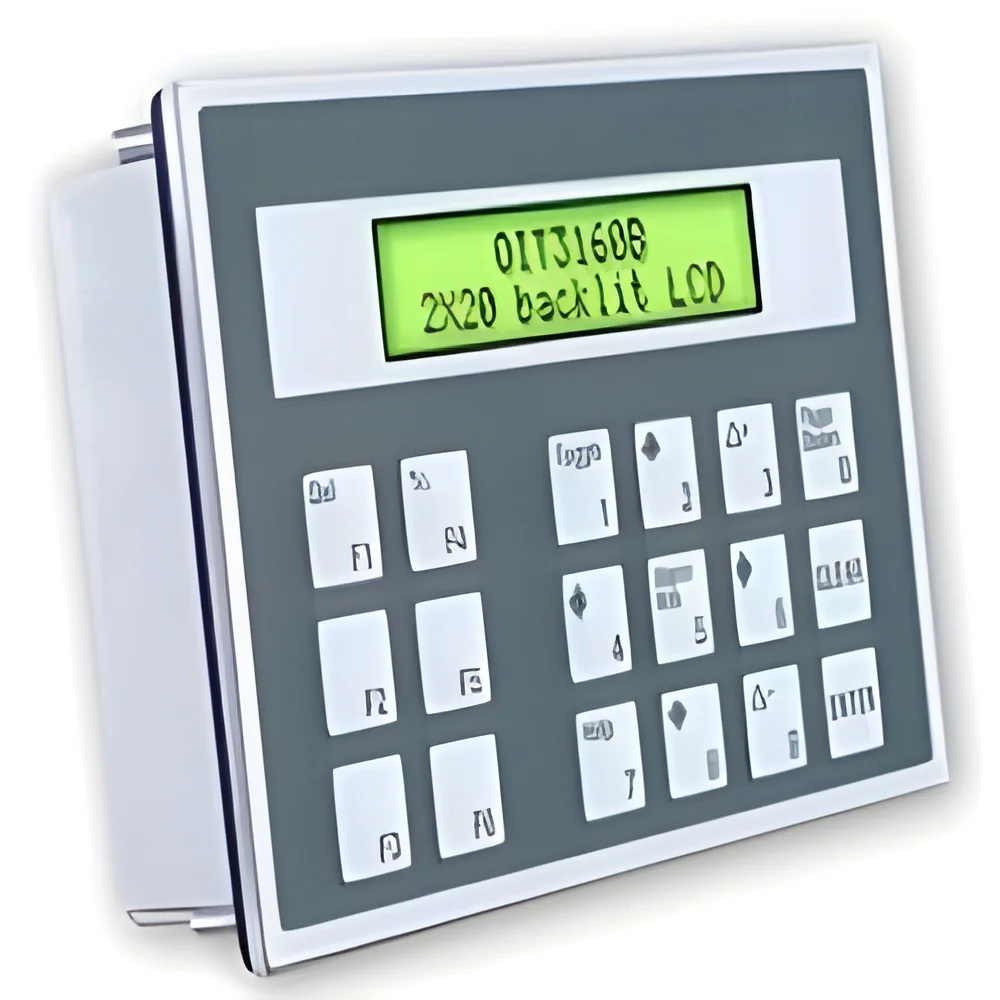
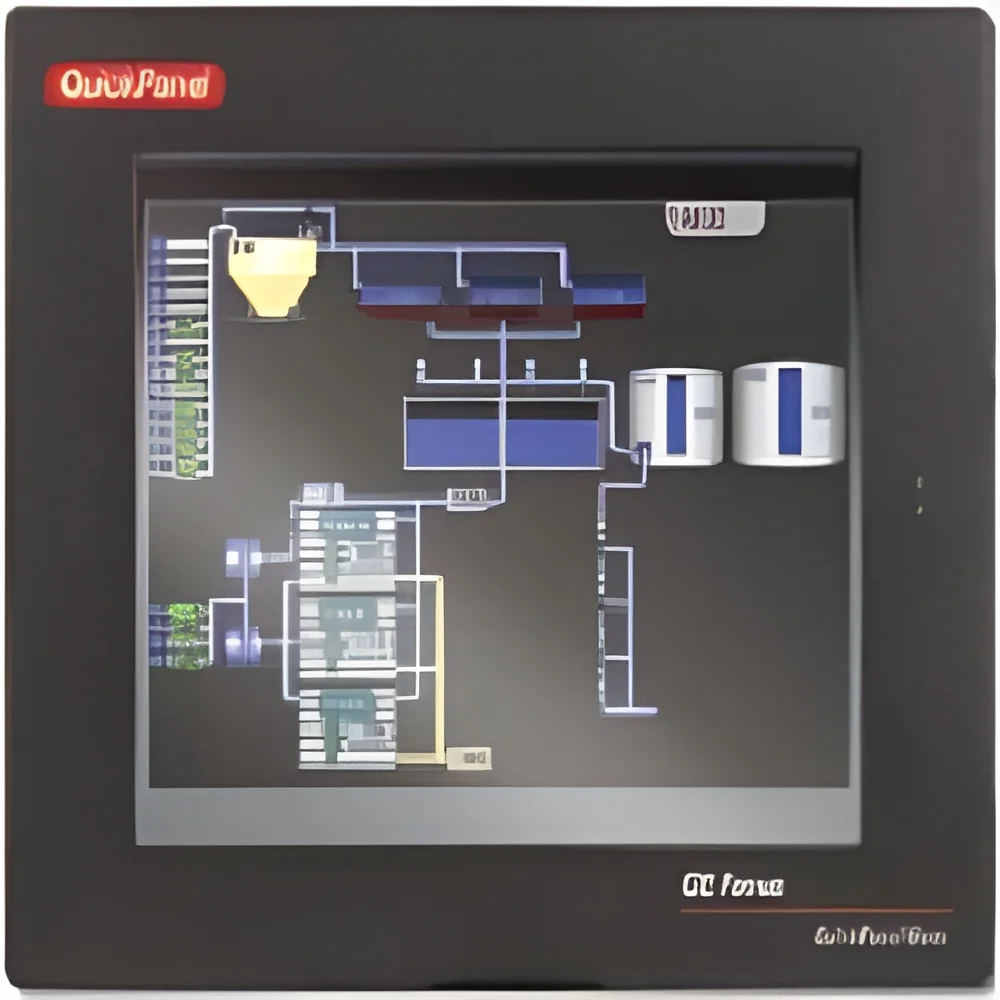
- Touchscreen or button-based control options
2. Communication Protocols
- Supports various protocols such as Modbus, Ethernet/IP, and DNP3
- Ensures compatibility with different devices and systems
3. Data Logging
- Capable of recording operational data for analysis
- Supports real-time monitoring and historical data retrieval
4. Alarm Management
- Integrated alarm systems to notify operators of critical issues
- Customizable alarm thresholds and settings
5. Power Supply
- Designed to operate within specified voltage ranges
- Redundant power options for enhanced reliability
6. Environmental Ratings
- Constructed to withstand harsh industrial conditions
- IP-rated for dust and moisture resistance
7. Safety Features
- Compliance with safety standards such as CE
- Emergency shutoff capabilities
8. Scalability
- Modular design allows for easy upgrades and expansions
- Supports integration with existing systems
In summary, SCADA Integrated Panels are equipped with numerous features that enhance their functionality, making them indispensable for modern industrial operations.
Common Applications and Use Cases
SCADA Integrated Panels are versatile and find applications across various industries.
1. Water and Wastewater Management: These panels monitor water quality and flow rates, ensuring compliance with environmental regulations.
2. Energy Sector: In power generation and distribution, SCADA Integrated Panels control and monitor electrical systems to optimize performance and reliability.
3. Manufacturing: They automate production processes, managing everything from machinery to inventory levels for efficiency and accuracy.
4. Oil and Gas: In this sector, SCADA systems monitor pipeline integrity and manage extraction processes, enhancing safety and operational efficiency.
5. Building Automation: SCADA Integrated Panels are used for heating, ventilation, and air conditioning (HVAC) systems, improving energy management in commercial buildings.
6. Transportation: They oversee traffic management systems, ensuring smooth operation and safety on roadways and rail systems.
7. Agricultural Automation: These panels monitor irrigation systems and environmental conditions, contributing to precision farming practices.
Product Variants and Subcategories
SCADA Integrated Panels come in various configurations to address specific needs within different industries.
Variant 1: Compact SCADA Panels
These panels are designed for small to medium-sized facilities. They offer essential monitoring and control functions in a space-efficient design, making them ideal for limited installation areas.
Variant 2: Modular SCADA Panels
Modular panels allow for customization and scalability. Users can add or remove components as needed, making them suitable for growing operations that require flexibility.
Variant 3: High-Performance SCADA Panels
These panels are built for demanding environments. They include advanced processing capabilities and enhanced data logging features to handle extensive operational data.
Variant 4: Cloud-Connected SCADA Panels
These panels provide remote monitoring and control via cloud technology. They enable users to access real-time data from anywhere, enhancing operational oversight.
Benefits and Advantages
Investing in SCADA Integrated Panels offers several key advantages for businesses.
1. Enhanced Operational Efficiency: These panels streamline processes, reducing downtime and improving productivity.
2. Real-Time Data Access: Operators can monitor systems in real-time, enabling quicker decision-making and response to issues.
3. Improved Safety: Integrated alarm systems and safety features help prevent accidents and ensure compliance with safety regulations.
4. Cost Savings: Automation reduces labor costs and minimizes errors, leading to significant savings over time.
5. Scalability: Modular designs allow businesses to expand their systems as needed without complete overhauls.
6. Regulatory Compliance: SCADA Integrated Panels help organizations meet industry standards and regulations, reducing the risk of penalties.
Buying Guide for B2B Buyers
When sourcing SCADA Integrated Panels, several factors should be considered to ensure the best fit for your organization.
1. Quality Assessment: Evaluate the quality of materials and components used in the panels. Look for products that meet industry standards and demonstrate reliable performance.
2. Supplier Verification: Vet suppliers by checking their credentials, certifications, and customer reviews. A reputable supplier can provide better support and service.
3. Pricing and MOQ: Understand pricing structures and minimum order quantities. Compare costs from different suppliers to find the best deal without sacrificing quality.
4. Delivery and Lead Times: Inquire about lead times for delivery. Timely delivery is crucial for project planning and operational continuity.
5. Compliance Requirements: Ensure that the panels meet relevant regulatory requirements and industry standards. This is vital for operational safety and compliance.
Compliance and Certifications
SCADA Integrated Panels are subject to various quality standards and certifications to ensure their reliability and safety in industrial applications.
ISO 9001 is a widely recognized standard that outlines effective quality management systems. Panels meeting this standard demonstrate a commitment to consistent quality and customer satisfaction.
The CE certification indicates that the product complies with European health, safety, and environmental protection standards. This certification is essential for market acceptance in the European Union.
Safety and testing requirements may vary based on the application and region. Panels should undergo rigorous testing to ensure they operate safely under specified conditions.
Regional compliance considerations may include local regulations and industry standards that impact the design and functionality of SCADA Integrated Panels. Understanding these requirements is crucial for successful implementation.
Why Source SCADA Integrated Panels from Pepagora?
Pepagora provides a trusted platform for sourcing SCADA Integrated Panels, offering several key advantages for buyers.
Verified Supplier Network: Pepagora connects buyers with a network of verified suppliers, ensuring that all products meet high-quality standards. This reduces the risk of sourcing from unreliable vendors.
Streamlined RFQ Process: The platform simplifies the request for quotation process, allowing buyers to efficiently compare offers from multiple suppliers. This saves time and helps in making informed purchasing decisions.
Trade Assurance and Support: Pepagora offers trade assurance, providing buyers with protection and support throughout the purchasing process. This builds confidence in transactions and fosters long-term relationships.
Regional Coverage: With a broad geographic reach covering India, the GCC, and Southeast Asia, Pepagora ensures that buyers can find suitable suppliers regardless of their location. This enhances accessibility to high-quality SCADA Integrated Panels.



Frequently Asked Questions
What are SCADA Integrated Panels?
SCADA Integrated Panels are advanced control systems used for monitoring and controlling industrial processes. They combine various hardware and software components to provide real-time data acquisition, control, and visualization for efficient management of operations.
What are the different types of SCADA Integrated Panels?
SCADA Integrated Panels can be categorized into several types, including centralized, distributed, and hybrid systems. Each type is designed to meet specific operational needs and may vary in terms of scalability, reliability, and complexity.
How do I choose the right SCADA Integrated Panels?
Choosing the right SCADA Integrated Panels involves assessing your specific operational requirements, including the scale of your operations and the level of control needed. It's also important to consider compatibility with existing systems and the technical support offered by the supplier.
What are the standard specifications for SCADA Integrated Panels?
Standard specifications for SCADA Integrated Panels typically include voltage ratings, communication protocols, and environmental conditions they can withstand. Additionally, they may specify the number of input/output points, display types, and processing capabilities.
What is the price range for SCADA Integrated Panels?
The price range for SCADA Integrated Panels can vary widely depending on their complexity and specifications. Generally, you can expect prices to start from a few thousand rupees and go up to several lakhs for more advanced systems.
What quality standards apply to SCADA Integrated Panels?
SCADA Integrated Panels must adhere to various quality standards, including ISO certification and compliance with industry-specific regulations. These standards ensure reliability, safety, and performance in industrial applications.
Where can I find SCADA Integrated Panels suppliers in India?
You can find SCADA Integrated Panels suppliers in India through B2B marketplaces like Pepagora, trade shows, and industry directories. It is advisable to check supplier credentials and customer reviews for a reliable partnership.
Can SCADA Integrated Panels be customized?
Yes, SCADA Integrated Panels can often be customized to meet specific requirements of different industries. Customization may include modifications in hardware, software, and integration with other systems.
What is the typical minimum order quantity for SCADA Integrated Panels?
The typical minimum order quantity (MOQ) for SCADA Integrated Panels varies by manufacturer, but it generally ranges from 1 to 10 units. It's important to check with specific suppliers for their MOQ policies.
What is the typical lead time for SCADA Integrated Panels?
The typical lead time for SCADA Integrated Panels can range from a few weeks to several months, depending on the complexity of the order and the manufacturer's production schedule. It is advisable to discuss lead times with your supplier at the time of order.
Why Businesses Trust Pepagora
Thousands of companies trust Pepagora to source smarter and sell faster
Expand Your Sales Globally

Source Smarter,Grow Faster
