
 IN
PLC Power Supplies
34 products available
What are PLC Power Supplies?
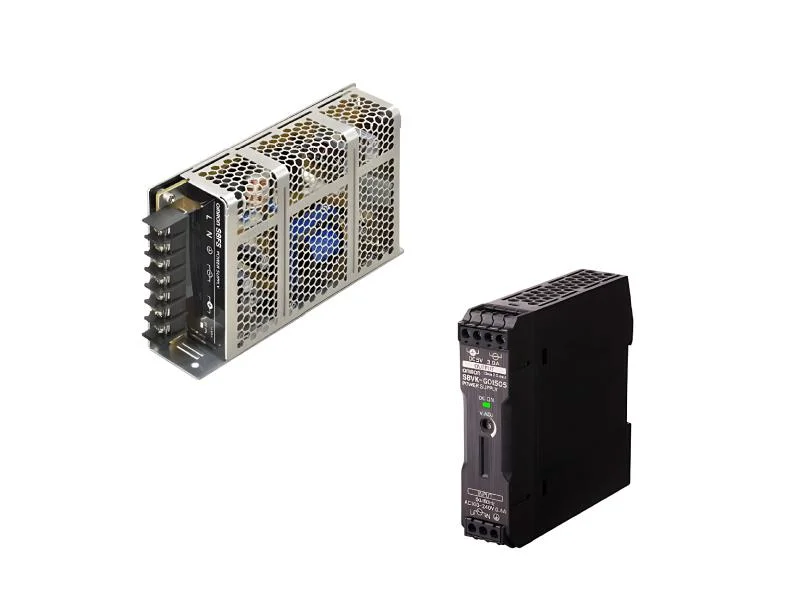
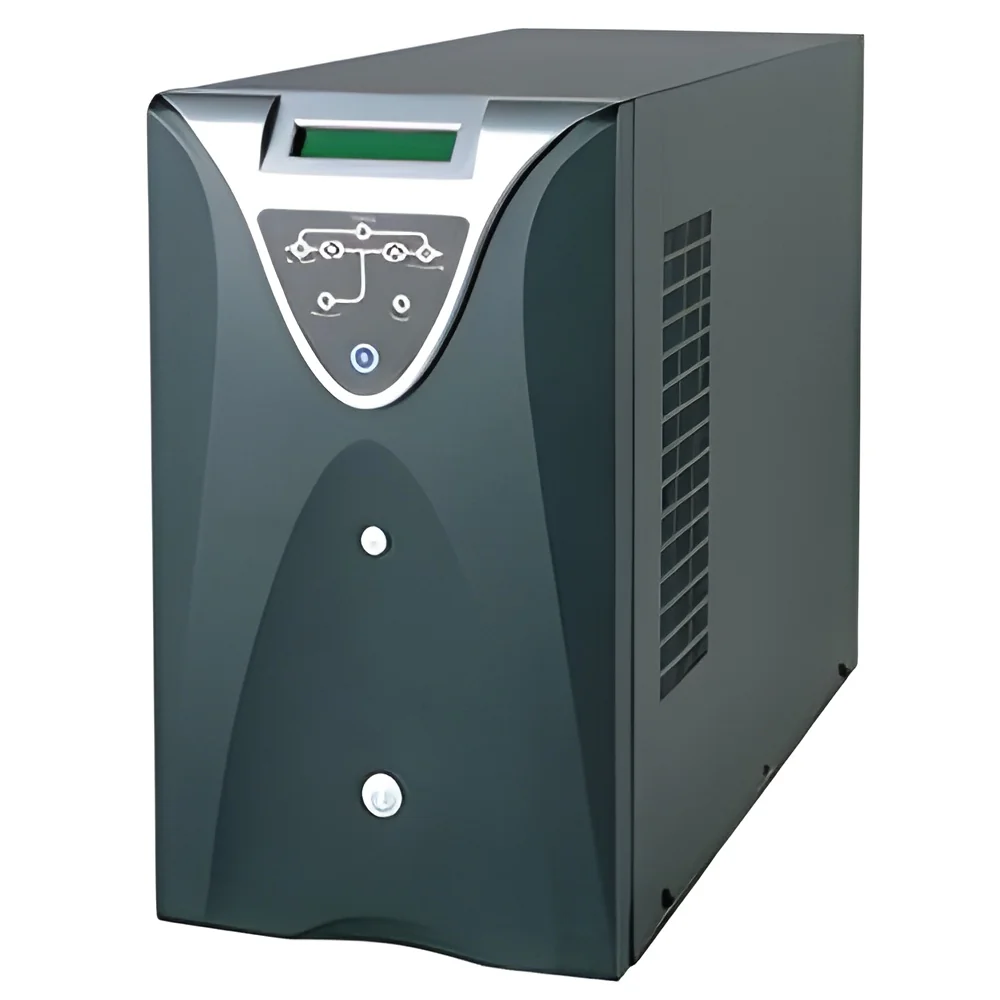
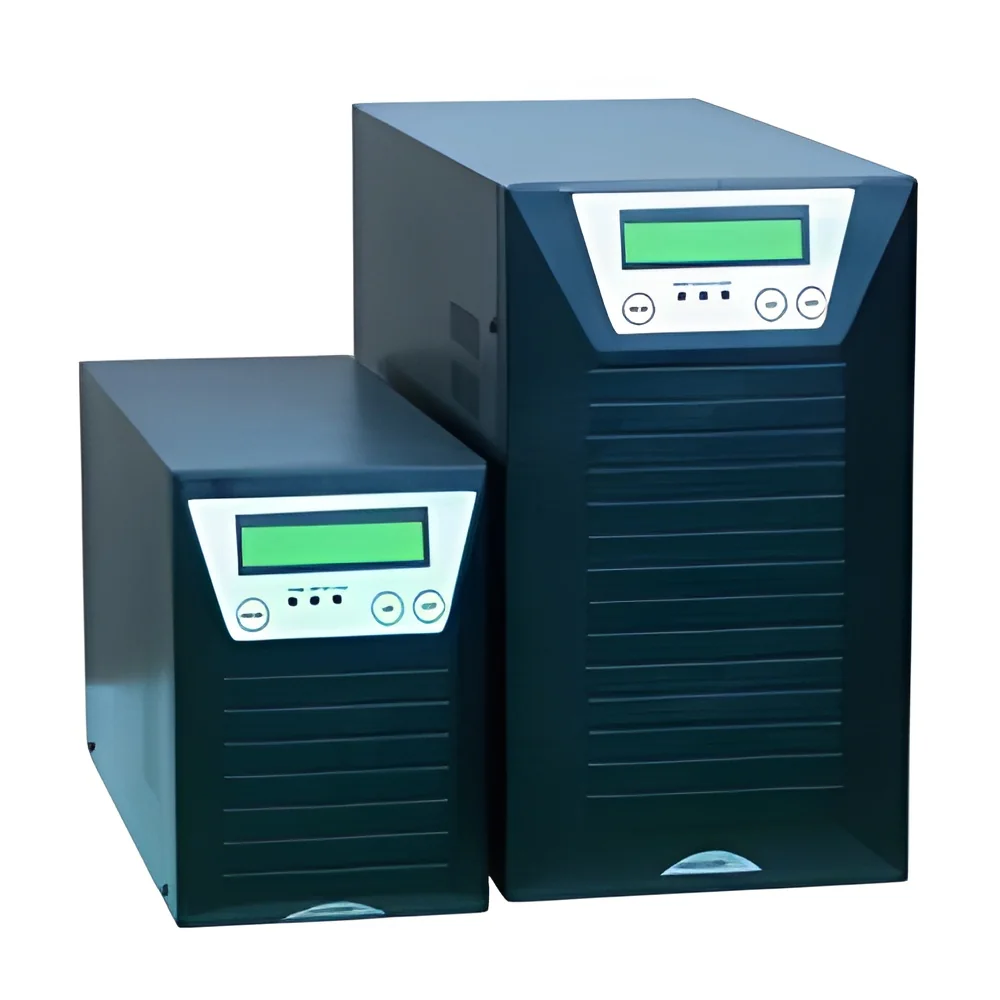
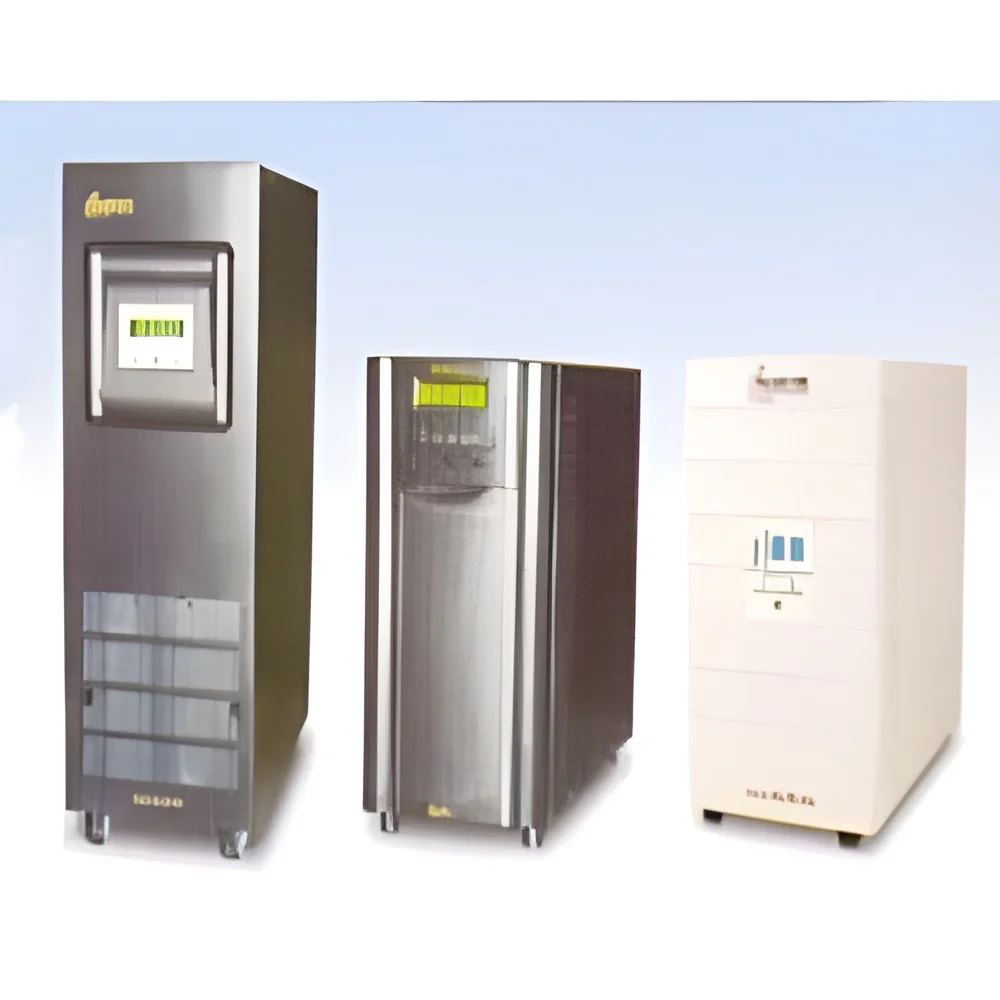
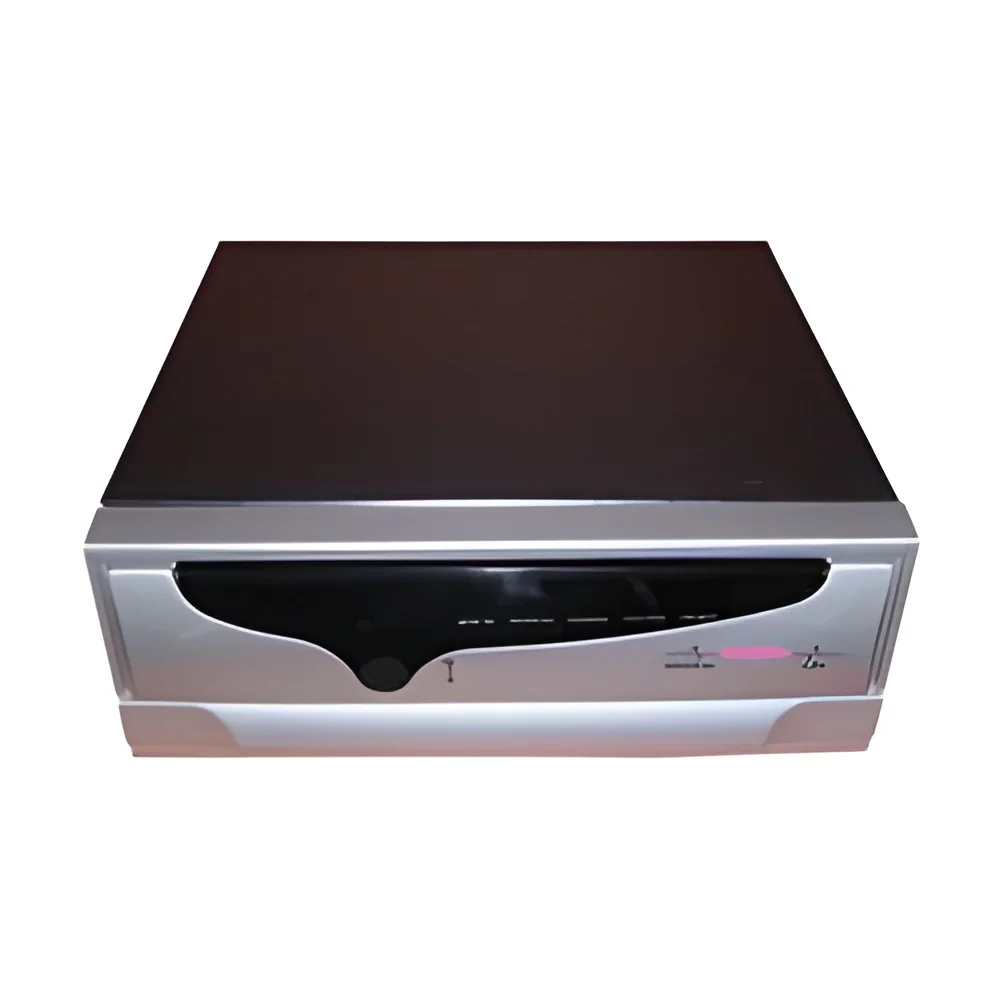
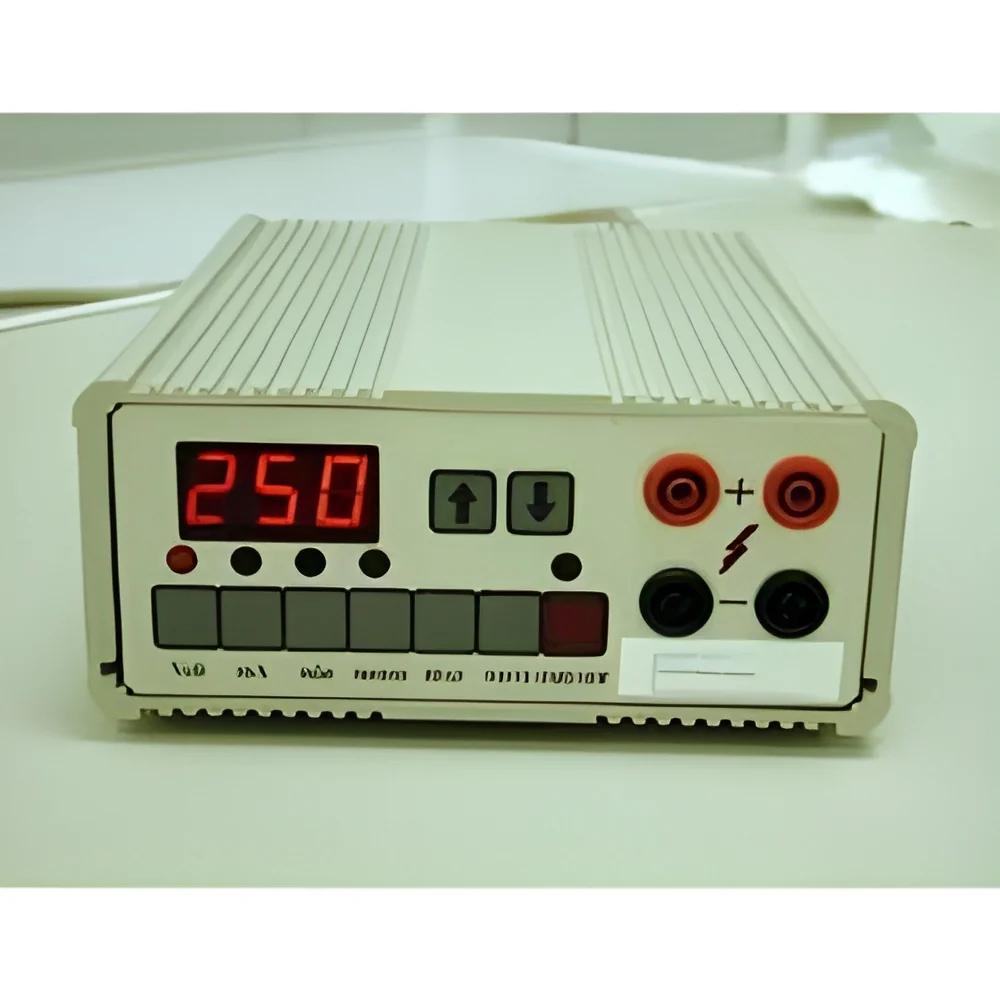
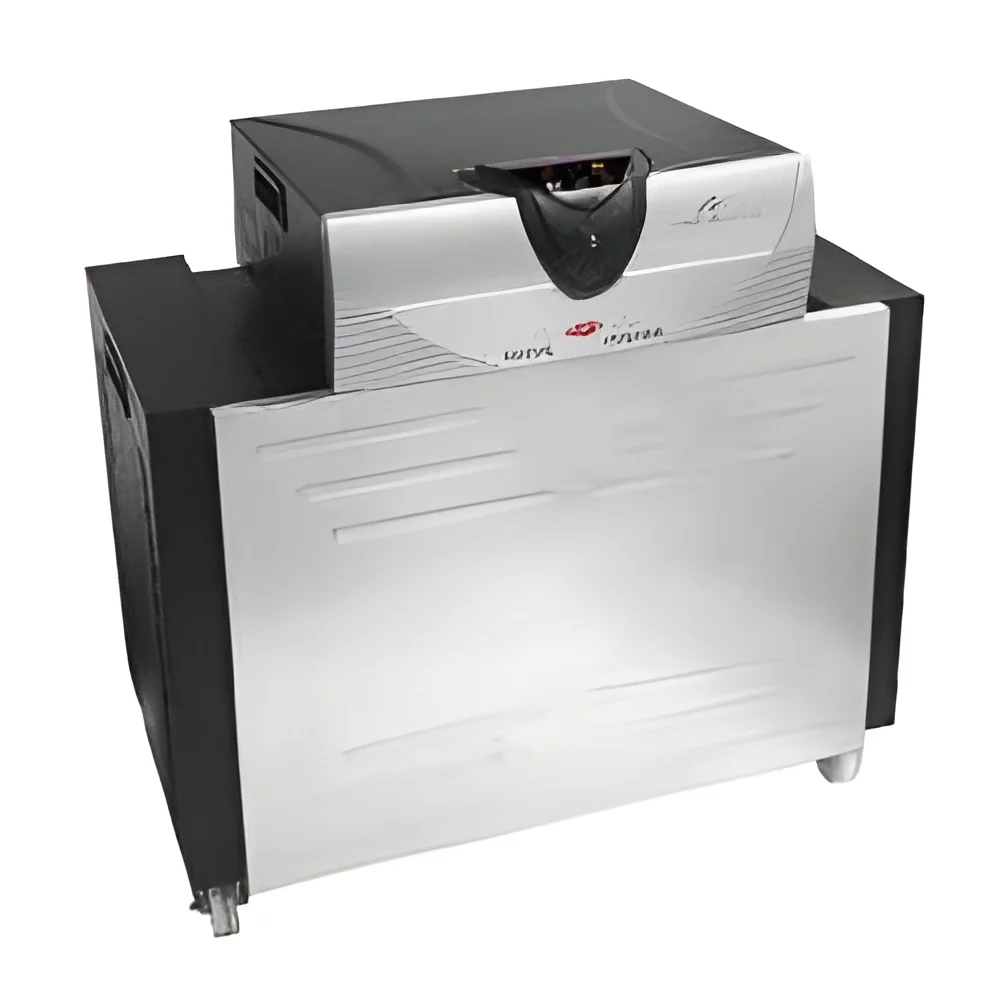
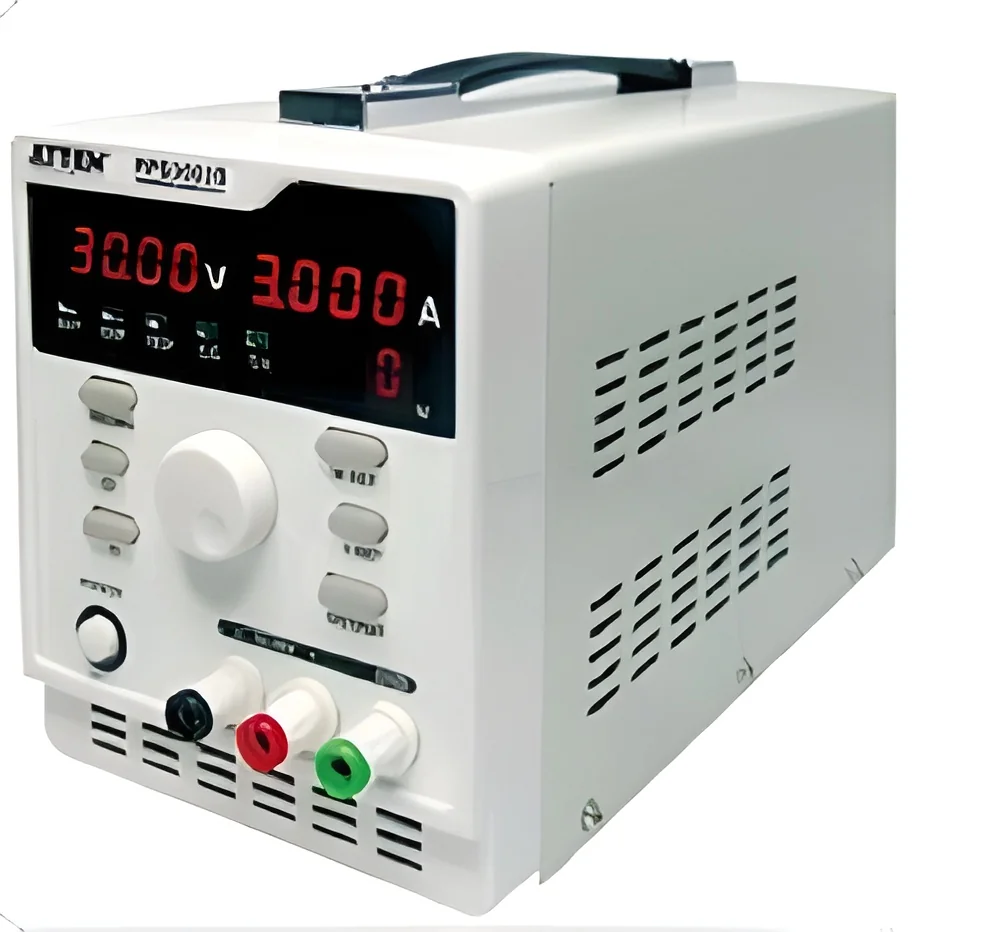
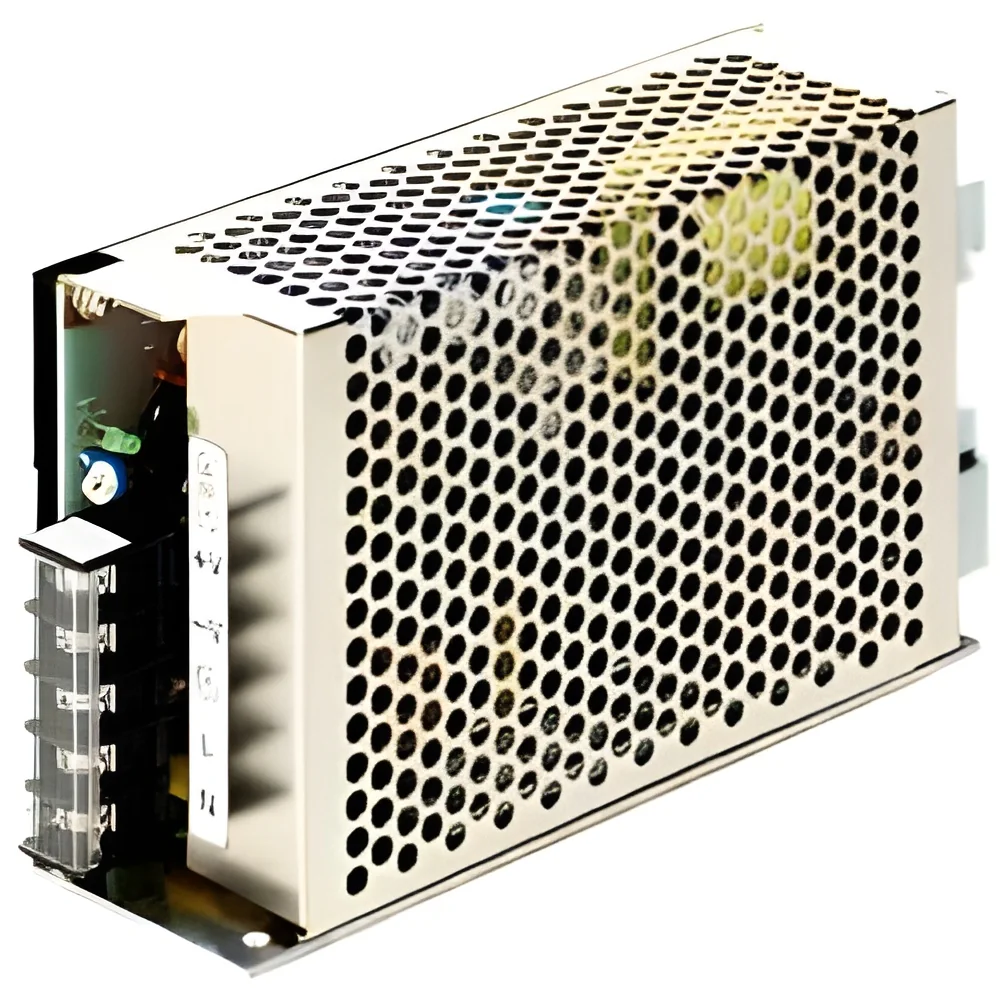
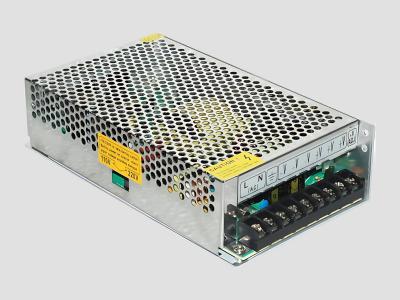
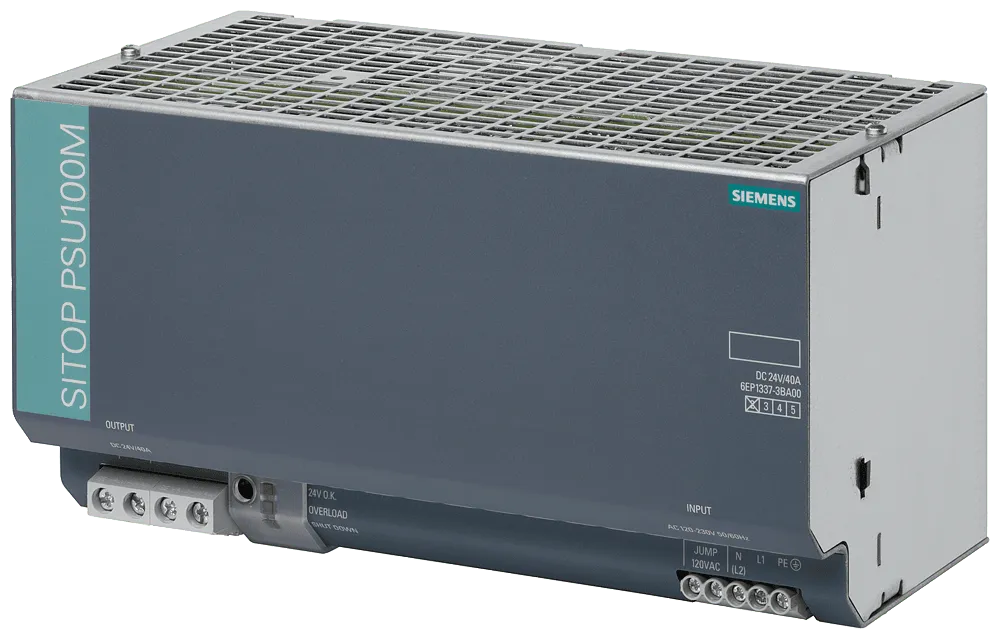
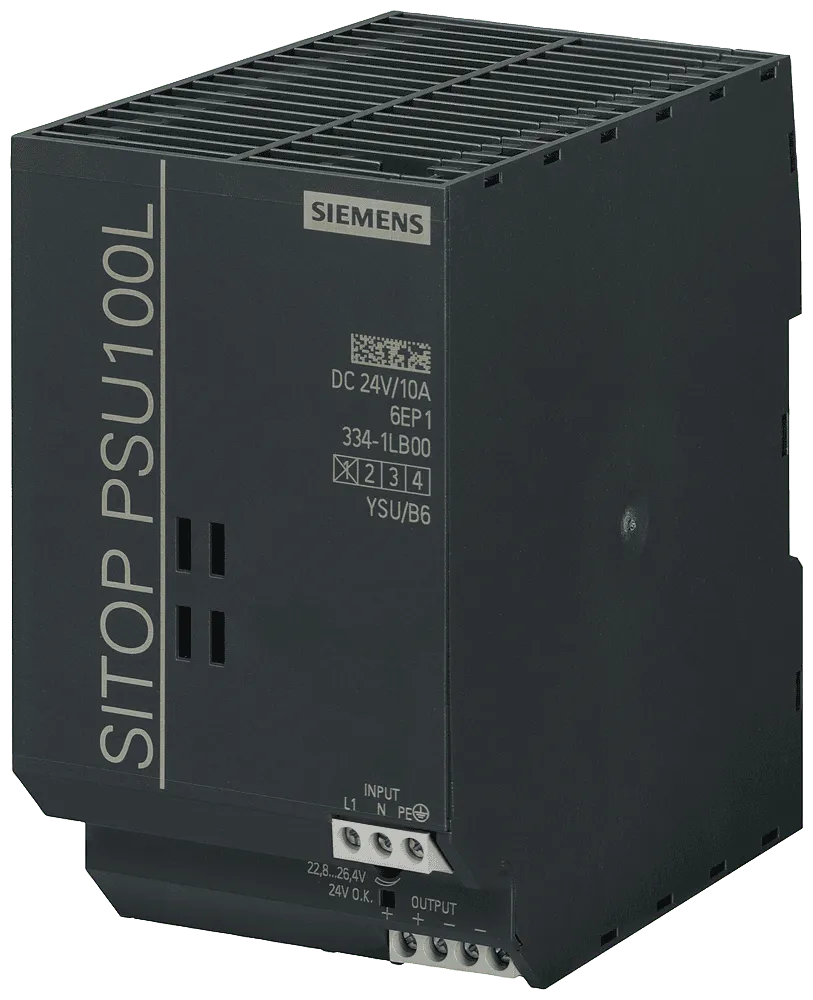
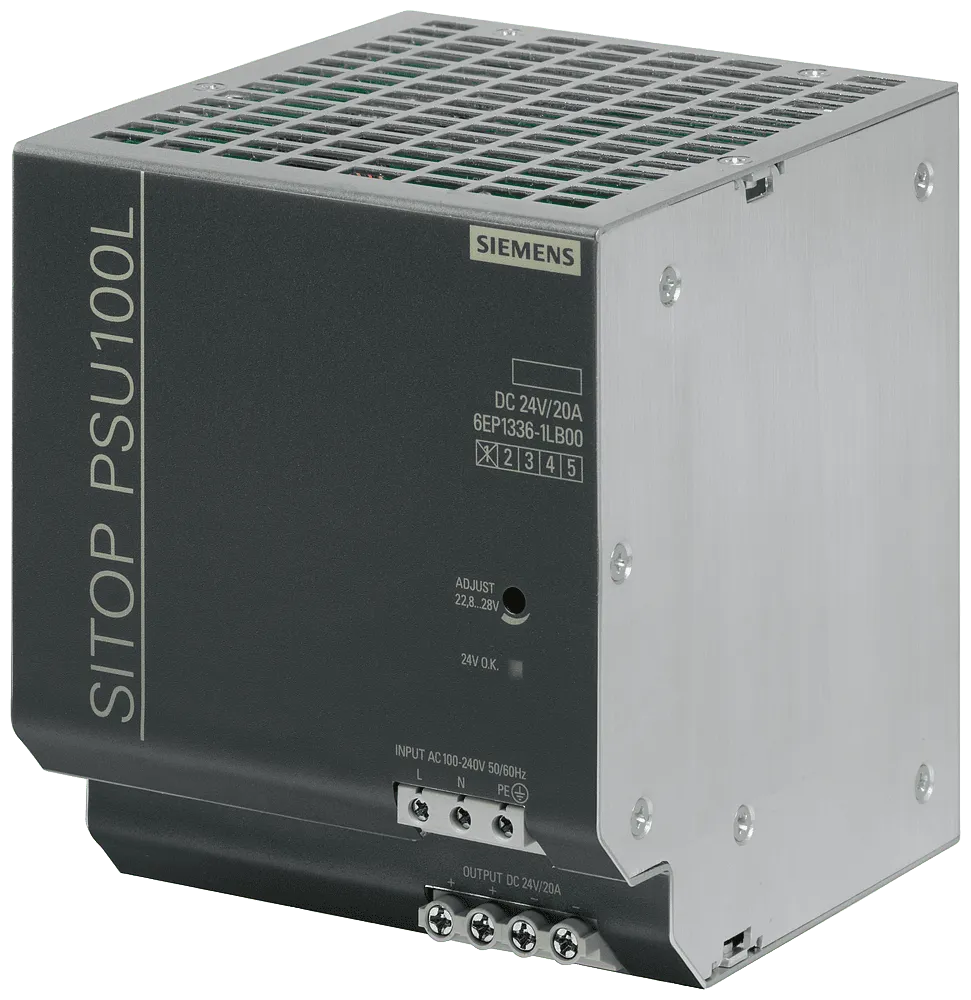
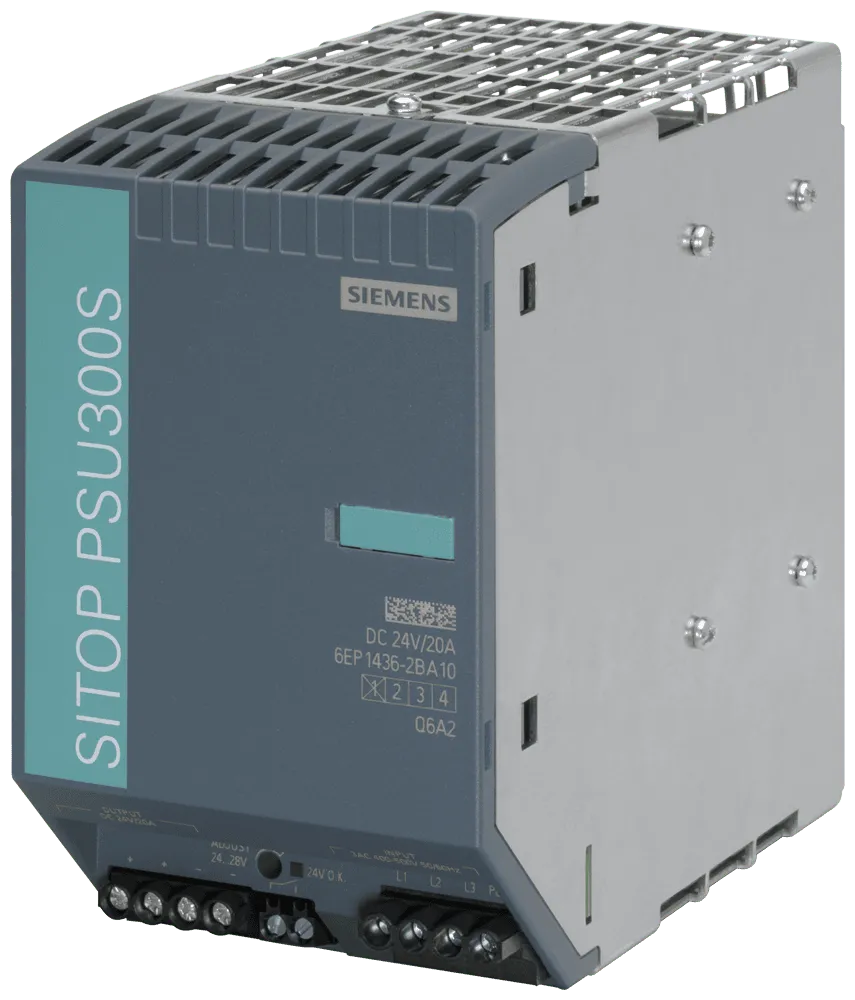
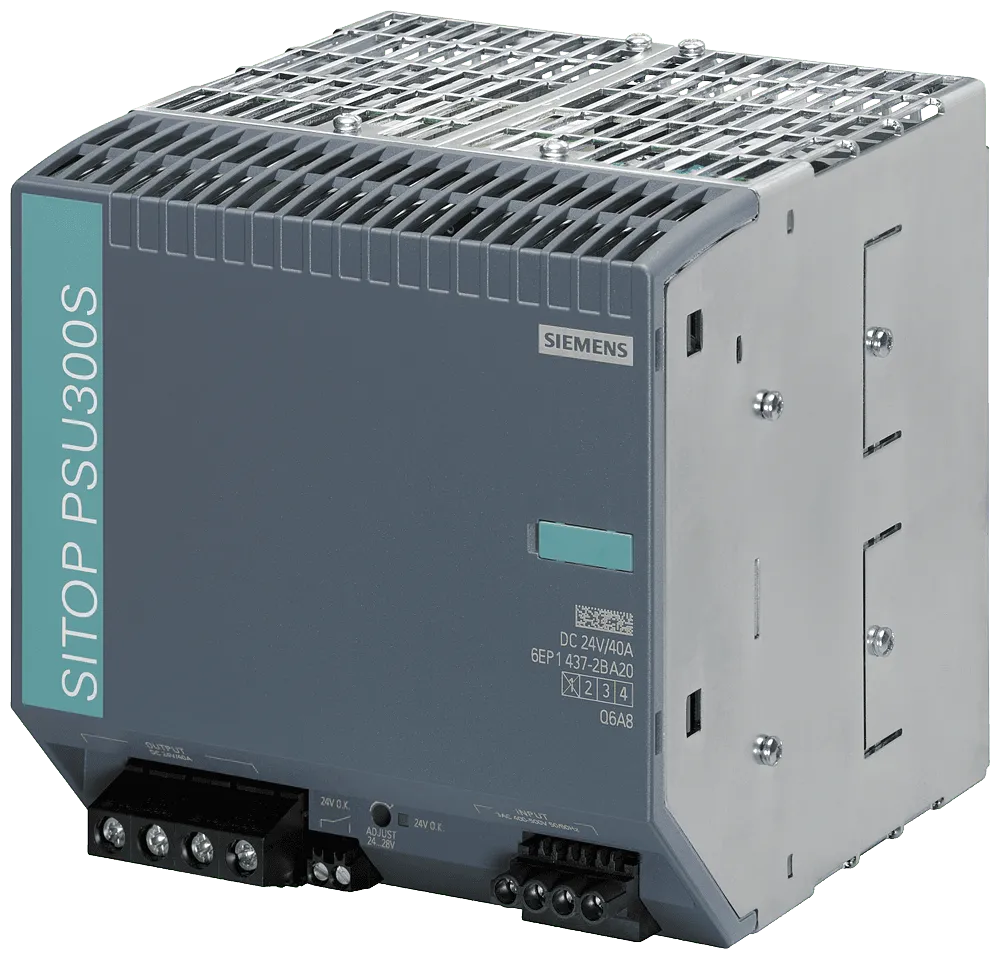
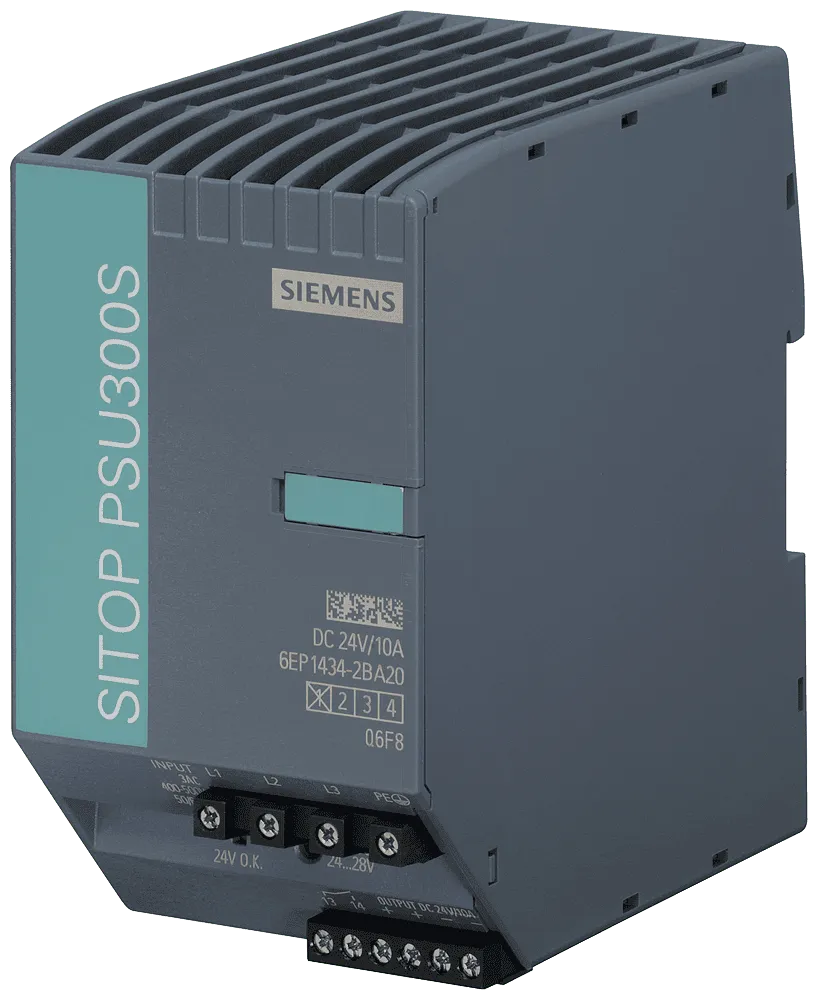
PLC Power Supplies are essential components in industrial automation systems. They provide the necessary electrical power to Programmable Logic Controllers (PLCs) and other control devices, ensuring that these systems operate efficiently and reliably. These power supplies convert standard AC voltage into the required DC voltage, which is crucial for the functioning of PLCs. They are designed to deliver stable and consistent power, which is vital in maintaining the performance of automation processes.
In terms of application, PLC Power Supplies are primarily used in manufacturing, process control, and various automation tasks. They support a wide range of industrial processes by powering PLCs that manage machinery, control systems, and data acquisition systems. Their reliability and efficiency make them invaluable in sectors such as automotive, food and beverage, pharmaceuticals, and energy management. The growing demand for automation and smart manufacturing solutions further emphasizes the importance of PLC Power Supplies in today's industrial landscape.
As the market evolves, PLC Power Supplies are becoming increasingly sophisticated, with advancements in technology leading to features such as better energy efficiency and integration capabilities. This trend is driven by the need for higher operational efficiency and reduced downtime in industrial operations.
Key Features and Specifications
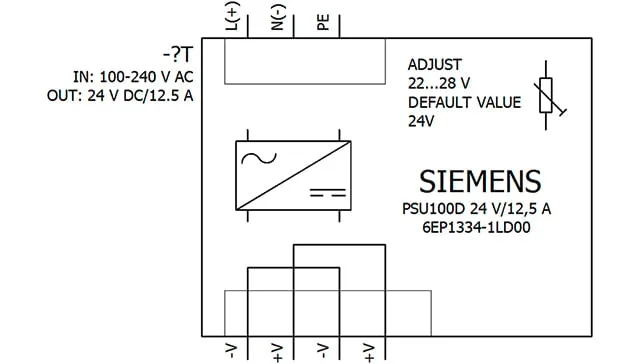
PLC Power Supplies come with a range of features and specifications that cater to varied industrial needs. Understanding these specifications is crucial for choosing the right power supply for specific applications.
Key specifications include:
1. Input Voltage Range
- Typically ranges from 85 to 264 VAC
- Provides flexibility for different industrial environments
2. Output Voltage
- Commonly available in 24 VDC, 12 VDC, and 5 VDC variants
- Ensures compatibility with various PLC models
3. Output Current
- Varies by model, generally from 1 A to 40 A
- Determines the power capacity for connected devices
4. Efficiency Rating
- Typically exceeds 85%, with some models reaching over 90%
- Important for reducing energy consumption
5. Protection Features
- Includes overvoltage, overcurrent, and short-circuit protection
- Enhances the safety and reliability of the system
6. Operating Temperature Range
- Usually from -10°C to +70°C
- Ensures functionality in diverse environments
7. Certifications
- Commonly certified with CE marking
- Indicates compliance with European safety standards
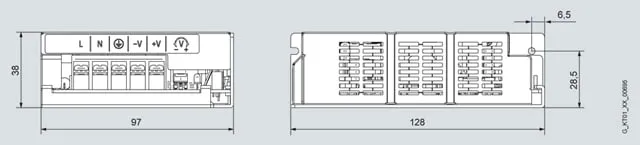
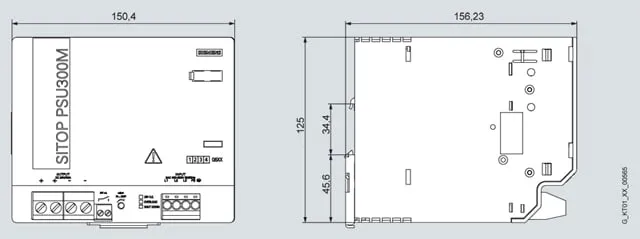
8. Dimensions and Mounting Options
- Available in compact sizes for space-constrained installations
- Options for DIN rail, panel, or wall mounting
Overall, these specifications ensure that PLC Power Supplies meet the demanding requirements of modern industrial applications.
Common Applications and Use Cases
PLC Power Supplies are utilized across various industries, enabling efficient automation and control.
1. Manufacturing: In manufacturing plants, PLC Power Supplies power machinery and assembly lines, ensuring coordinated operations and streamlined production.
2. Food and Beverage: These power supplies are crucial in food processing plants to control equipment like mixers, conveyor belts, and packaging machines, maintaining hygiene and efficiency.
3. Pharmaceuticals: In the pharmaceutical industry, PLC Power Supplies support critical manufacturing processes, ensuring compliance with stringent regulatory standards while maintaining product integrity.
4. Energy Management: Power supplies are used in energy management systems to monitor and control energy consumption, contributing to sustainability efforts.
5. Water Treatment: PLCs powered by these supplies manage water treatment processes, ensuring safe and efficient operation of pumps and filtration systems.
6. Automotive: In automotive manufacturing, PLC Power Supplies control robotic assembly lines, enhancing precision and speed in production.
7. HVAC Systems: These power supplies are integral to HVAC control systems, regulating temperature and air quality in commercial and industrial buildings.
Product Variants and Subcategories
PLC Power Supplies come in various configurations to meet diverse industrial needs.
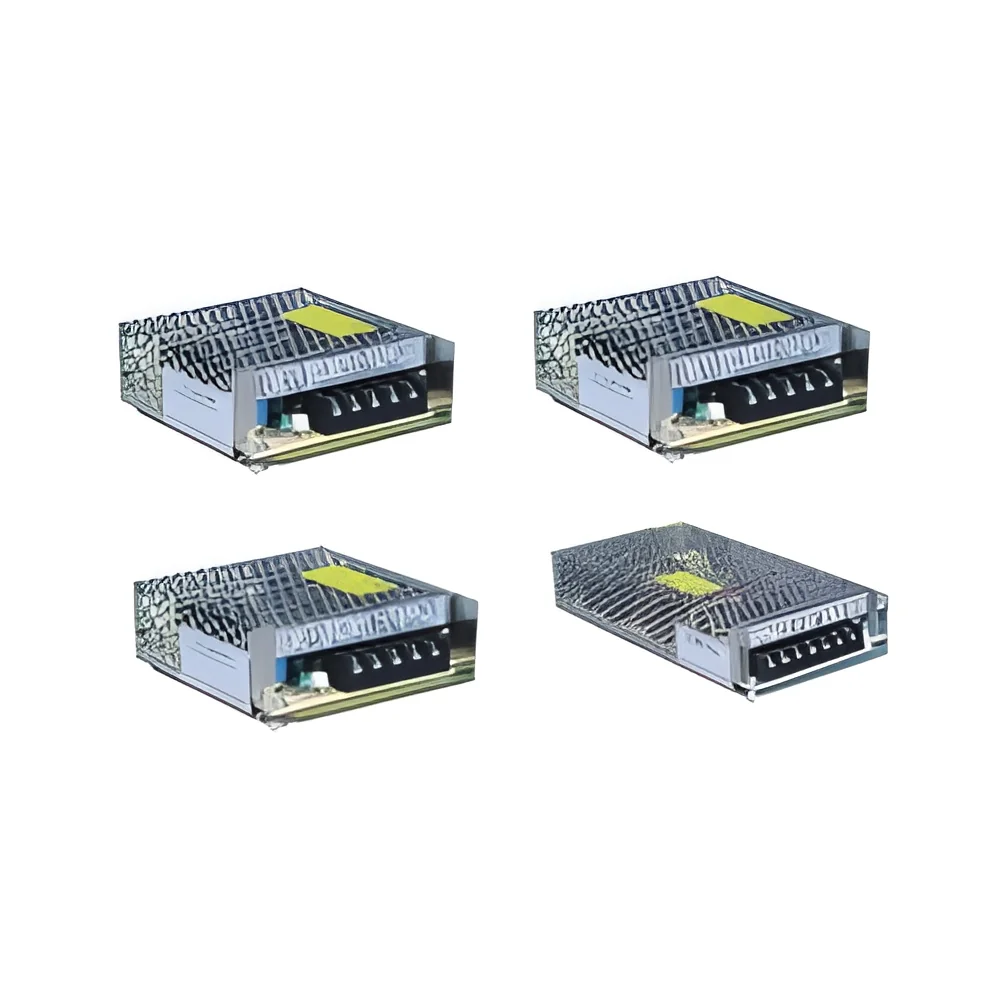
Compact PLC Power Supplies: These variants are designed for tight spaces, offering robust performance without compromising on efficiency. They are ideal for applications where space is limited.
Modular Power Supplies: These allow for scalability in power distribution. Users can add or remove modules based on their power requirements, making them flexible for dynamic environments.
Redundant Power Supplies: Designed for critical applications, these supplies ensure continuous operation by providing backup power in case of failure. They are essential in industries where downtime can have severe consequences.
Benefits and Advantages
PLC Power Supplies offer a plethora of advantages that enhance operational efficiency.
1. Reliability: Their robust design ensures consistent performance, minimizing the risk of system failures.
2. Energy Efficiency: High efficiency ratings lead to lower energy costs, making them economically viable for long-term use.
3. Safety Features: Built-in protection mechanisms safeguard connected devices, reducing the likelihood of damage and maintenance costs.
4. Versatile Applications: Suitable for diverse industrial environments, they meet various voltage and current needs.
5. Easy Integration: Designed to fit seamlessly into existing systems, they facilitate straightforward upgrades and expansions.
6. Compliance: Many models meet industry standards, ensuring that businesses adhere to regulatory requirements.
Buying Guide for B2B Buyers
When sourcing PLC Power Supplies, it is essential to consider several factors to ensure you select the right product for your needs.
1. Quality Assessment: Look for power supplies that meet recognized industry standards. Check for certifications that indicate reliability and quality.
2. Supplier Verification: Vet suppliers to ensure they have a proven track record in providing high-quality power supplies. Request references or reviews from other customers.
3. Pricing and MOQ: Understand the pricing structure and minimum order quantities. This helps in budgeting and ensures you can meet your operational needs.
4. Delivery and Lead Times: Inquire about delivery options and lead times. Timely delivery is critical for maintaining production schedules.
5. Compliance Requirements: Ensure that the products meet necessary regulatory compliance for your industry, which can vary by region and application.
Compliance and Certifications
Compliance and certifications play a vital role in ensuring the reliability and safety of PLC Power Supplies.
Many PLC Power Supplies adhere to quality standards such as ISO 9001, which focuses on maintaining quality management systems. This certification ensures that manufacturers consistently provide products that meet customer and regulatory requirements.
Additionally, many power supplies are certified with CE marking, indicating compliance with European safety directives. This certification is crucial for businesses looking to market their products in Europe, as it demonstrates adherence to health, safety, and environmental protection standards.
Safety and testing requirements are also essential, often involving rigorous evaluations to ensure that products can withstand industrial conditions. Businesses must also consider regional compliance needs, as different areas may have specific regulations governing electrical devices.
Why Source PLC Power Supplies from Pepagora?
Pepagora offers a comprehensive platform for sourcing PLC Power Supplies, providing a variety of advantages that enhance the buying experience.
Verified Supplier Network: Pepagora has established a network of verified suppliers, ensuring that buyers can access high-quality products from trusted manufacturers. This network helps mitigate risks associated with sourcing.
Streamlined RFQ Process: The platform simplifies the Request for Quotation (RFQ) process, allowing buyers to quickly gather and compare quotes from multiple suppliers. This efficiency helps in making informed purchasing decisions.
Trade Assurance and Support: Pepagora provides trade assurance, protecting buyers from potential disputes and ensuring that transactions are secure. This support fosters confidence in the purchasing process.
Regional Coverage: With a focus on regions such as India, the GCC, and Southeast Asia, Pepagora offers extensive geographic reach. This enables businesses to find local suppliers and streamline logistics, enhancing overall operational efficiency.



Frequently Asked Questions
What are PLC Power Supplies?
PLC Power Supplies are specialized electrical devices that provide the necessary power to Programmable Logic Controllers (PLCs). They convert alternating current (AC) to direct current (DC) and ensure stable voltage levels for reliable operation of PLCs in industrial automation systems.
What are the different types of PLC Power Supplies?
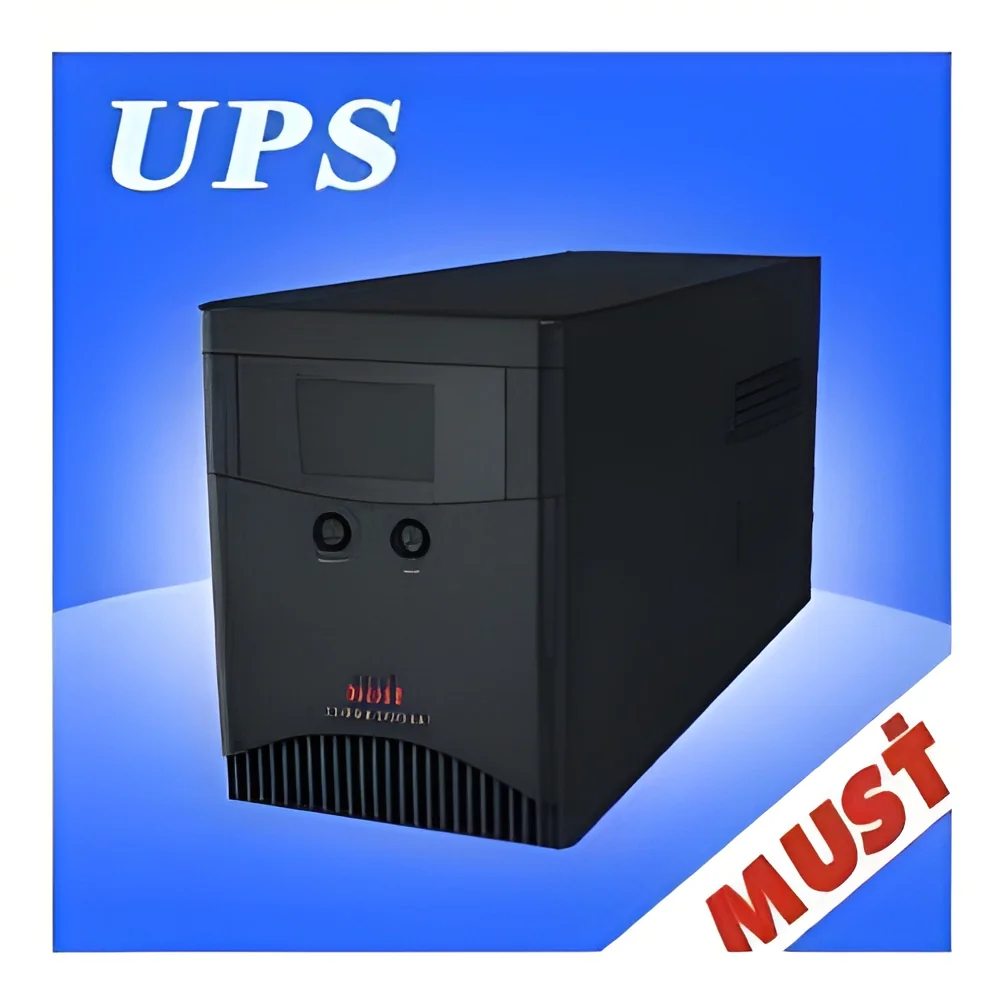
There are several types of PLC Power Supplies, including linear power supplies, switching power supplies, and uninterruptible power supplies (UPS). Each type has its own advantages and is suitable for different applications depending on the power requirements and environmental conditions.
How do I choose the right PLC Power Supplies?
To choose the right PLC Power Supply, consider factors such as voltage and current ratings, efficiency, and the specific power requirements of your PLC. It's also essential to evaluate the operating environment and any potential electrical noise that could affect performance.
What are the standard specifications for PLC Power Supplies?
Standard specifications for PLC Power Supplies typically include input voltage range, output voltage, output current, efficiency ratings, and protection features such as overload and short-circuit protection. These specifications ensure compatibility with different PLC models and operational stability.
What is the price range for PLC Power Supplies?
The price range for PLC Power Supplies can vary widely based on factors such as power rating, brand, and features. Generally, you can expect prices to start from a few thousand rupees and can go up to tens of thousands for higher-end models or specialized applications.
What quality standards apply to PLC Power Supplies?
PLC Power Supplies are often subject to international quality standards such as ISO 9001, IEC 60950, and UL certification. These standards ensure that the power supplies are safe, reliable, and suitable for industrial applications.
Where can I find PLC Power Supplies suppliers in India?
You can find PLC Power Supplies suppliers in India through various online B2B marketplaces like Pepagora.com, industry trade shows, and manufacturer directories. It's advisable to research and compare suppliers based on their reputation, product range, and customer reviews.
Can PLC Power Supplies be customized?
Yes, many manufacturers offer customization options for PLC Power Supplies to meet specific operational needs. Customization can include tailored voltage outputs, enclosures, and additional features such as enhanced protection or connectivity options.
What is the typical minimum order quantity for PLC Power Supplies?
The typical minimum order quantity (MOQ) for PLC Power Supplies can vary by supplier, but it generally ranges from 1 to 10 units. For bulk orders, suppliers may offer discounts or special pricing.
What is the typical lead time for PLC Power Supplies?
The typical lead time for PLC Power Supplies can range from a few days to several weeks, depending on factors such as stock availability, order size, and customization requirements. It's best to confirm lead times with the supplier at the time of order.
Why Businesses Trust Pepagora
Thousands of companies trust Pepagora to source smarter and sell faster
Expand Your Sales Globally

Source Smarter,Grow Faster
