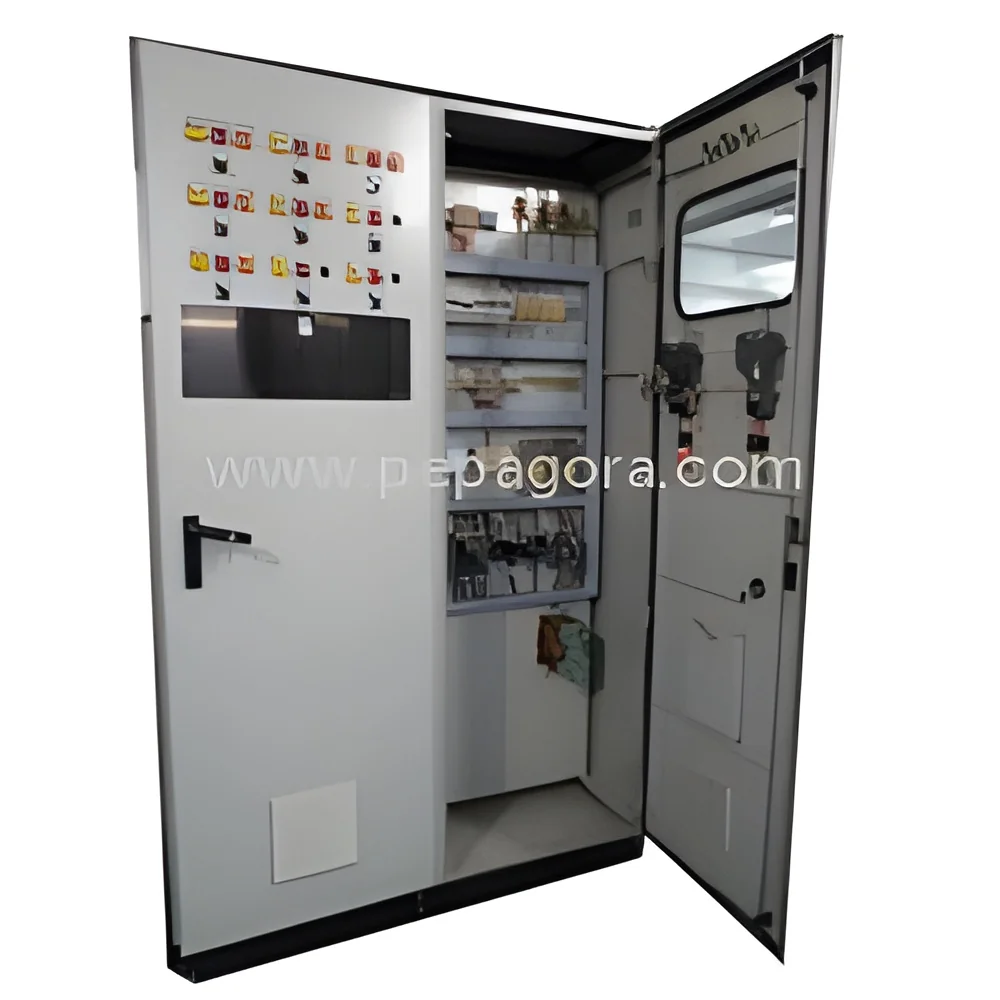
Key Features and Specifications
BMS Panels offer a variety of features that enhance building management capabilities. They are equipped with monitoring tools, data analytics, and user-friendly interfaces that streamline operations. The specifications of BMS Panels can vary based on the manufacturer and specific applications.
Key specifications include:
1. Control Systems
- BMS Panels typically feature integrated control systems that manage HVAC, lighting, and security.
- Technical parameters often include programmable logic controllers (PLC) and direct digital control (DDC) capabilities.
2. User Interface
- BMS Panels come with intuitive user interfaces for easy navigation and control.
- Features may include touchscreens, web-based access, and mobile application compatibility.
3. Data Monitoring
- Real-time data monitoring is crucial for efficient building management.
- Parameters include energy consumption metrics, temperature readings, and humidity levels.
4. Connectivity Options
- BMS Panels support multiple connectivity options for seamless integration.
- Common options include BACnet, Modbus, and Zigbee protocols.
5. Energy Management
- These panels often include energy management capabilities to optimize usage and reduce costs.
- Features may include demand response, energy analytics, and reporting tools.
6. Security Features
- Built-in security features ensure the safety of building operations.
- These may include access control systems, video surveillance integration, and alarms.
7. Scalability
- BMS Panels are designed for scalability to accommodate future expansions.
- This allows for the integration of additional systems and modules as needed.
8. Compliance Standards
- Many BMS Panels adhere to industry regulations and standards.
- Compliance with certifications such as CE is common.
In summary, BMS Panels are equipped with a range of specifications that cater to diverse building management needs, ensuring efficiency and reliability.
Common Applications and Use Cases
BMS Panels find applications across a broad spectrum of industries due to their versatile nature and functionality.
1. Commercial Buildings: In office complexes, BMS Panels manage HVAC systems and lighting for occupant comfort and energy efficiency.
2. Industrial Facilities: Manufacturing plants utilize BMS Panels to monitor equipment performance and energy usage, streamlining operations and reducing costs.
3. Healthcare: Hospitals deploy BMS Panels to maintain critical environmental conditions, ensuring patient safety and regulatory compliance.
4. Educational Institutions: Schools and universities use BMS Panels to control heating, cooling, and lighting, enhancing the learning environment while managing energy costs.
5. Retail Spaces: Shopping centers leverage BMS Panels to optimize lighting and climate control, creating a pleasant shopping experience while monitoring energy consumption.
6. Hospitality: Hotels and resorts implement BMS Panels to manage guest comfort and operational efficiency, from room controls to energy use in common areas.
7. Government Buildings: Public facilities rely on BMS Panels for energy management and compliance with sustainability initiatives.
Product Variants and Subcategories
BMS Panels come in various configurations and features to meet specific business needs.
Standard BMS Panel
The standard BMS Panel provides essential monitoring and control capabilities for basic building operations. It typically includes HVAC control, lighting management, and energy consumption tracking, making it suitable for small to medium-sized buildings.
Advanced BMS Panel
The advanced BMS Panel offers enhanced features, including data analytics, integration with smart devices, and a user-friendly interface. It is ideal for larger facilities that require sophisticated control and monitoring capabilities.
Modular BMS Panel
The modular BMS Panel allows for customized configurations based on specific operational needs. This variant can be adapted to include additional features or systems as buildings evolve.
Benefits and Advantages
Building Management System (BMS) Panels offer numerous benefits that enhance operational efficiency and sustainability.
Key benefits include:
1. Improved Energy Efficiency: BMS Panels optimize energy use, leading to significant cost savings for businesses.
2. Enhanced Comfort: By controlling HVAC and lighting systems, BMS Panels ensure a comfortable environment for occupants.
3. Centralized Control: These panels provide a single interface for managing multiple building systems, simplifying operations for facility managers.
4. Real-Time Monitoring: BMS Panels offer real-time data, allowing for prompt responses to system issues and performance optimization.
5. Increased Security: Built-in security features enhance safety and protect against unauthorized access to critical systems.
6. Regulatory Compliance: BMS Panels help businesses meet industry regulations and standards, reducing legal risks and ensuring safe operations.
Buying Guide for B2B Buyers
When sourcing Building Management System (BMS) Panels, it is essential to consider several key factors to ensure a satisfactory purchase.
1. Quality Assessment: Evaluate the quality of BMS Panels by reviewing specifications, customer testimonials, and industry certifications.
2. Supplier Verification: Vet potential suppliers by checking their reputation, experience, and the quality of their products.
3. Pricing and MOQ: Understand the cost structure and minimum order quantities to budget effectively. Compare prices from different suppliers to find competitive options.
4. Delivery and Lead Times: Discuss logistics with suppliers to establish realistic delivery times and ensure timely installation.
5. Compliance Requirements: Ensure that the BMS Panels meet relevant regulatory standards to avoid compliance issues down the line.
Compliance and Certifications
Compliance and certifications play a crucial role in the reliability and credibility of Building Management System (BMS) Panels. Adhering to relevant quality standards is essential for ensuring product effectiveness and safety.
Many BMS Panels comply with international quality standards, such as ISO 9001, which focuses on quality management systems. This certification helps ensure that products consistently meet customer and regulatory requirements. Additionally, HACCP principles may apply to certain applications, particularly in the food and healthcare sectors, where environmental controls are critical.
Industry certifications, such as CE, indicate that the BMS Panels meet European safety, health, and environmental protection standards. This certification is vital for manufacturers aiming to market their products within the European Union and demonstrates a commitment to quality and safety.
Furthermore, BMS Panels must meet safety and testing requirements, which can vary by region. Compliance with local regulations ensures that the products are suitable for use in specific environments and applications. Buyers should also consider regional compliance requirements to ensure that their chosen BMS Panels are fully compliant with local laws and standards.
Why Source Building Management System (BMS) Panels from Pepagora?
Pepagora provides a trusted platform for sourcing Building Management System (BMS) Panels with several key advantages that appeal to B2B buyers.
Verified Supplier Network: Pepagora offers access to a network of verified suppliers, ensuring that buyers can source high-quality BMS Panels with confidence. This verification process helps mitigate risks associated with purchasing from unverified sources.
Streamlined RFQ Process: The Request for Quotation (RFQ) process on Pepagora is designed for efficiency, allowing buyers to request quotes from multiple suppliers quickly. This streamlined approach simplifies the procurement process and saves valuable time.
Trade Assurance and Support: Pepagora provides trade assurance and support to buyers, protecting their investment and ensuring a smooth purchasing experience. This support includes assistance with negotiations and resolving any issues that may arise during the transaction.
Regional Coverage: Pepagora has a broad geographic reach, including India, the Gulf Cooperation Council (GCC) countries, and Southeast Asia. This regional coverage allows buyers to find suppliers that can meet their specific needs and logistical requirements, enhancing their sourcing experience.

 IN
IN