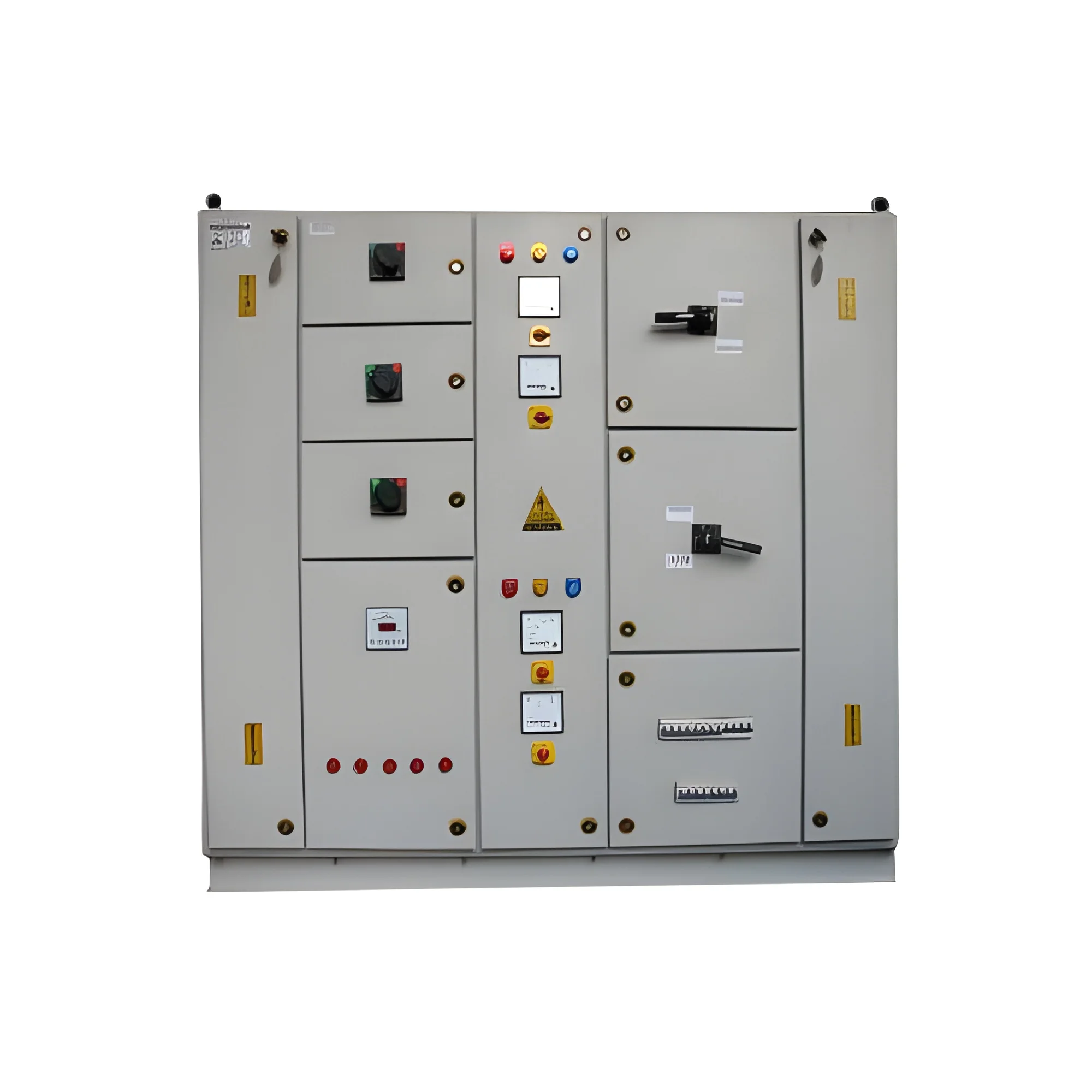
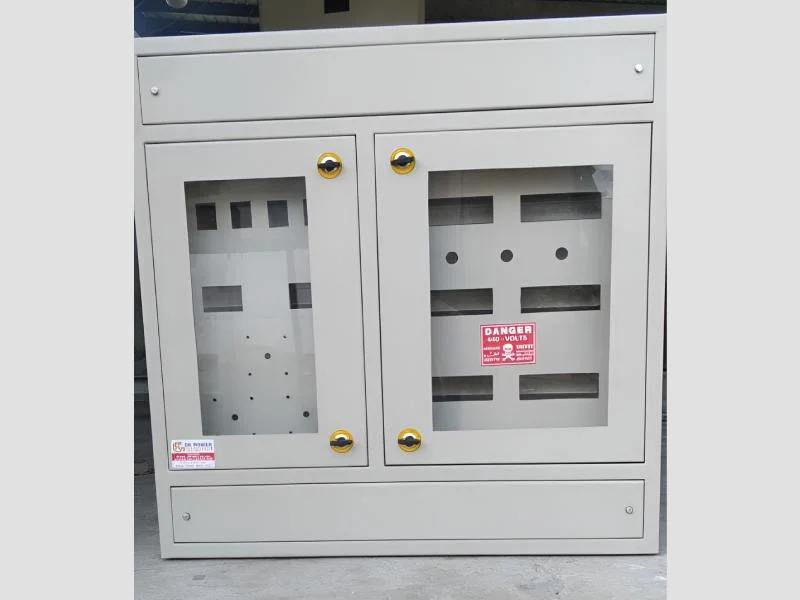
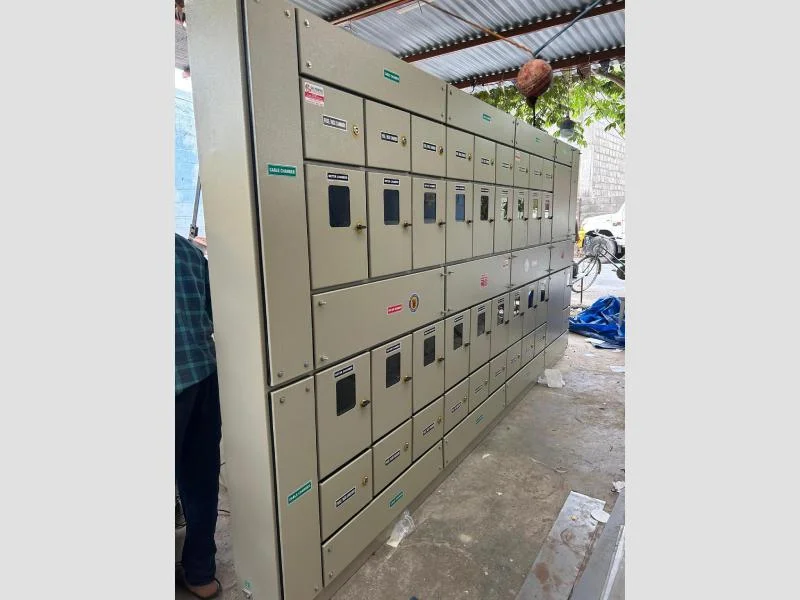
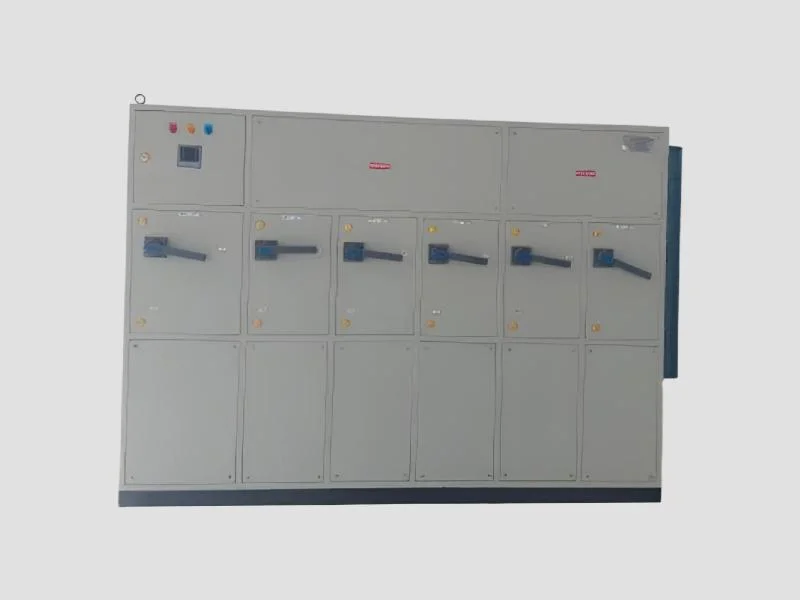
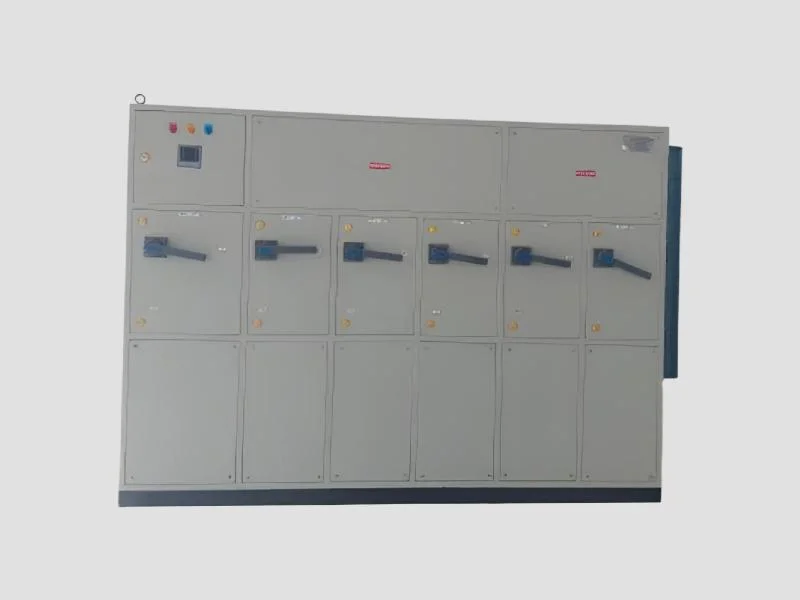
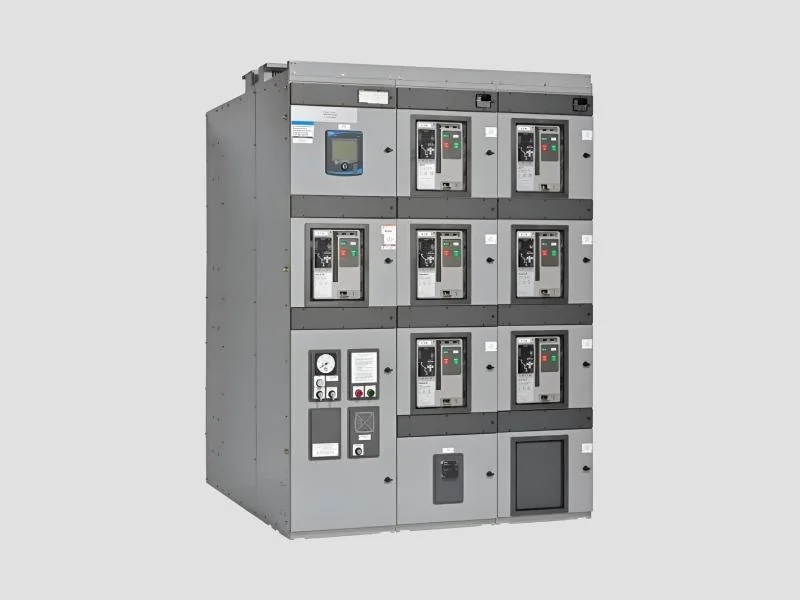
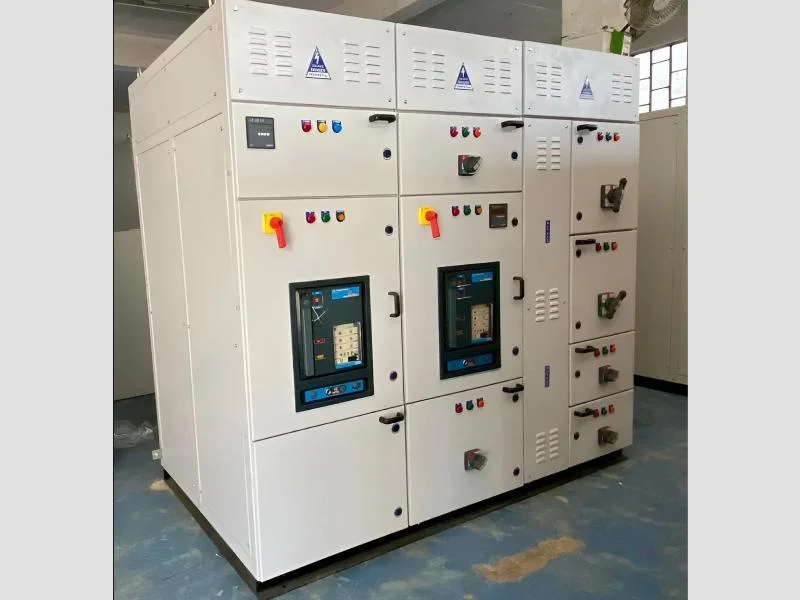
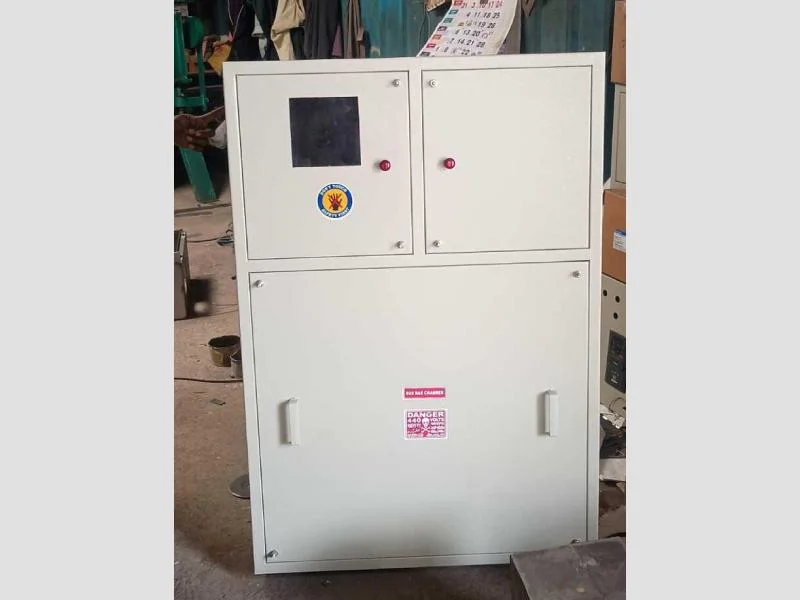
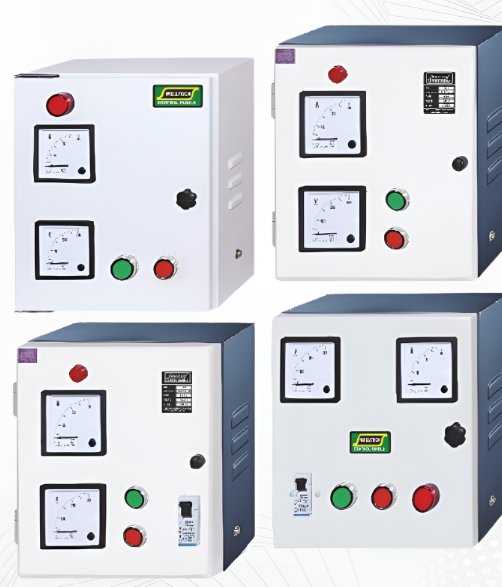
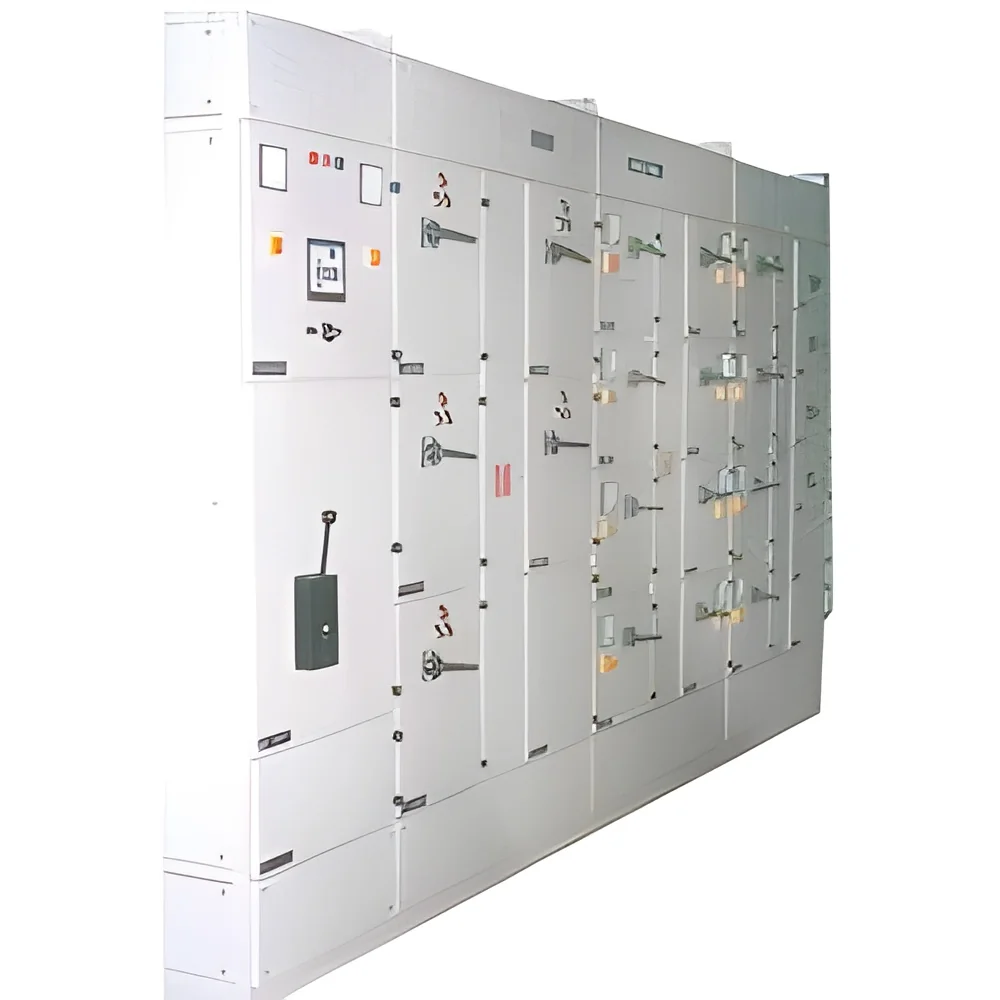
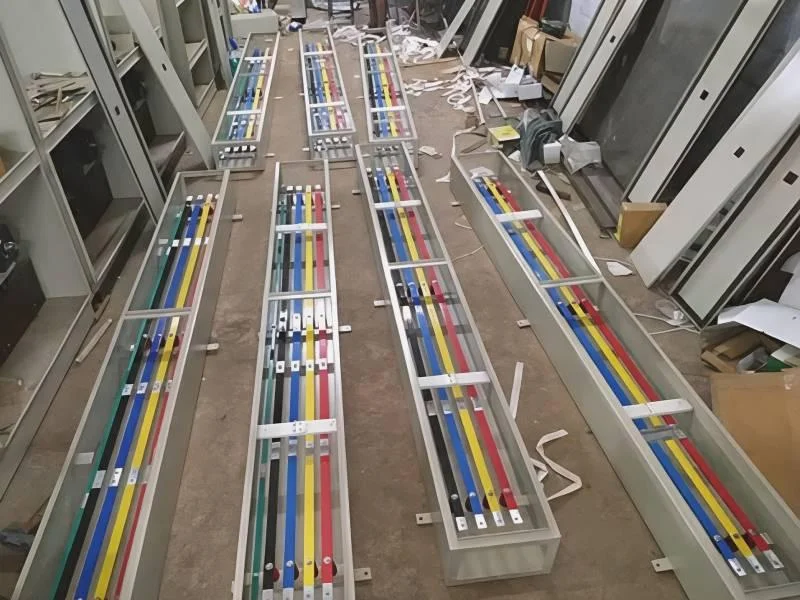
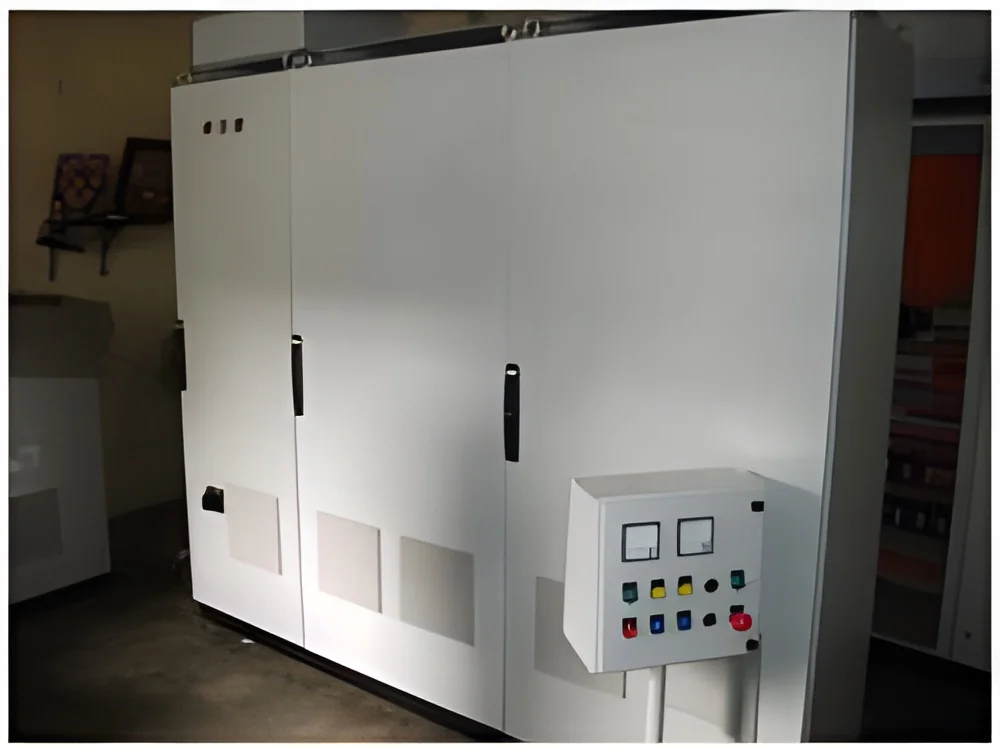
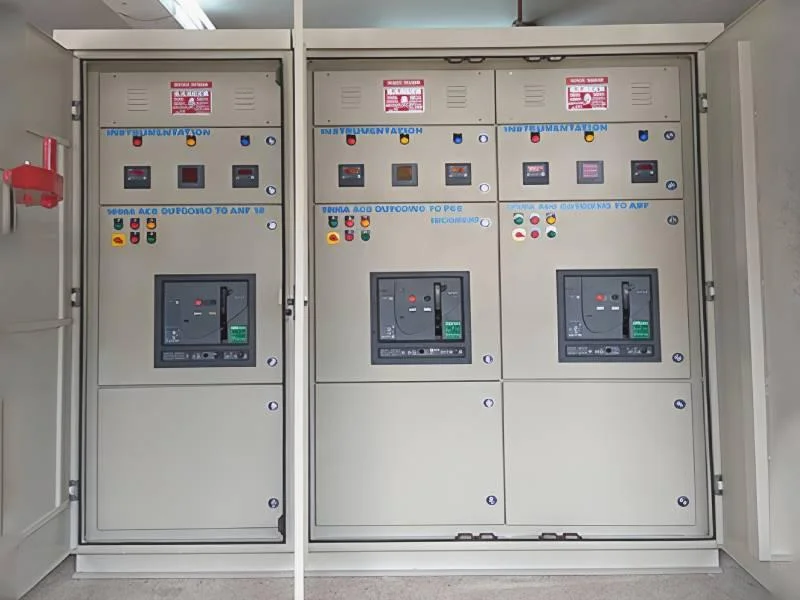
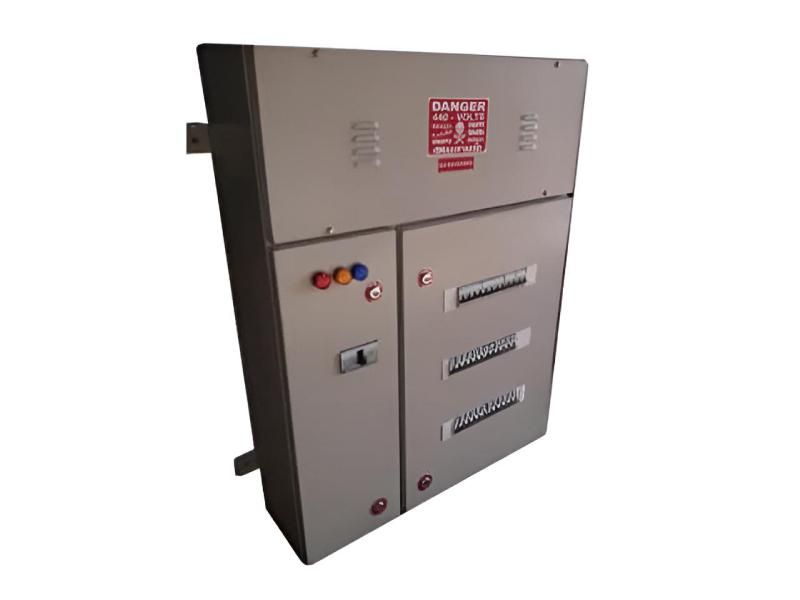
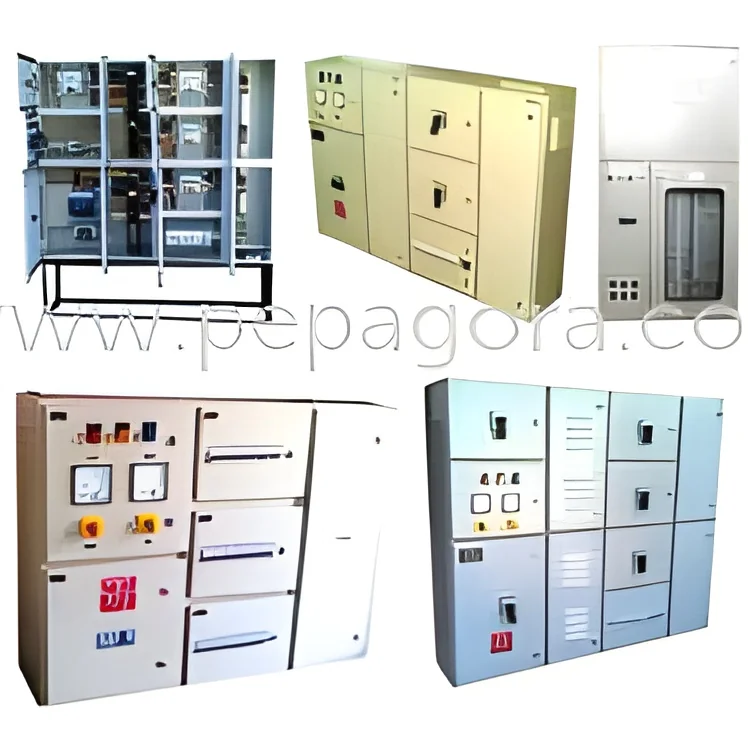
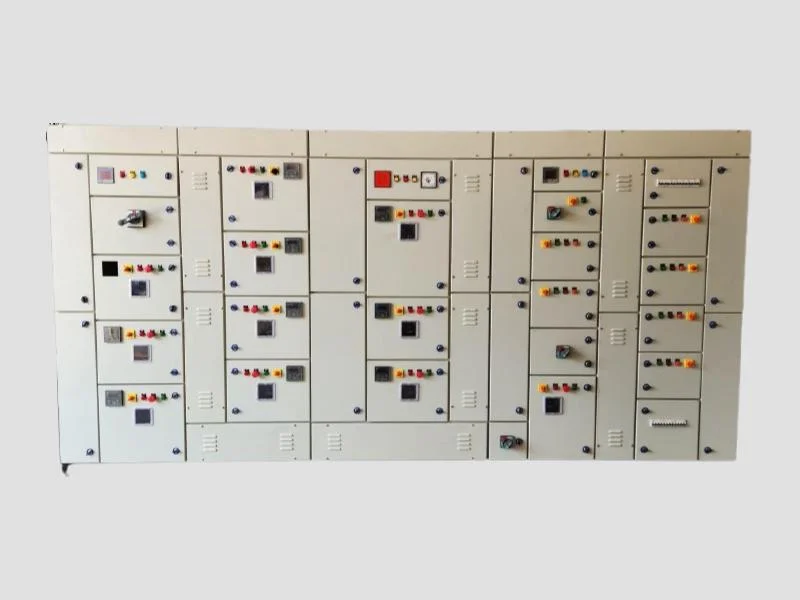
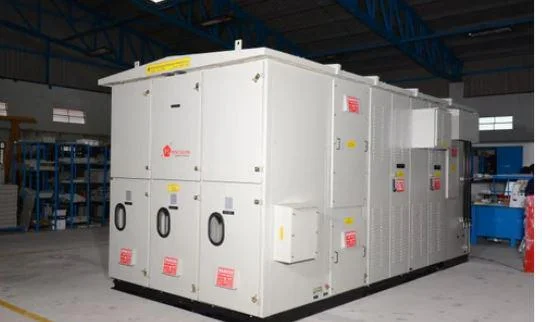
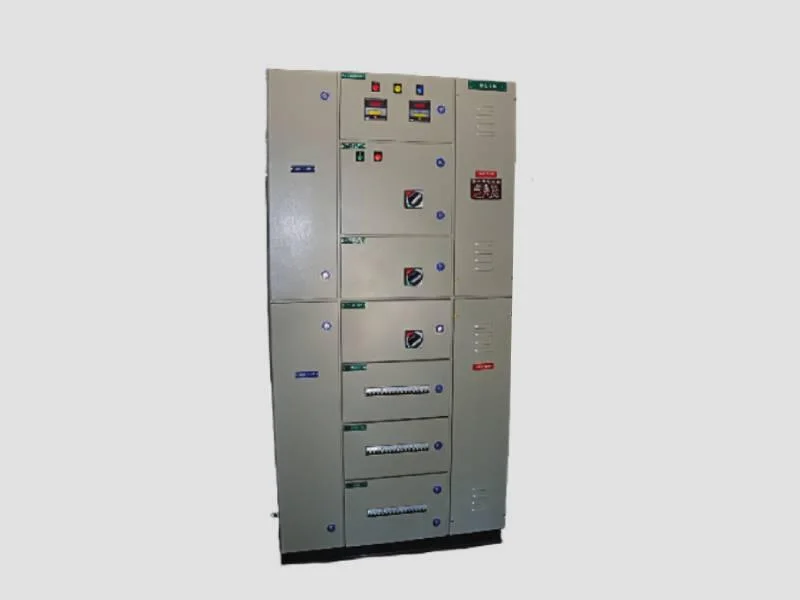
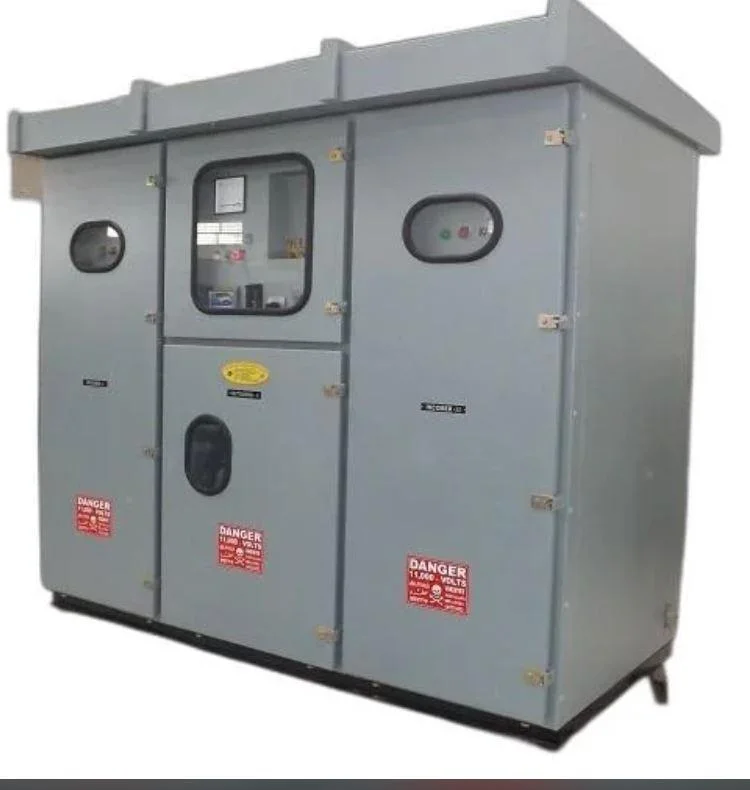
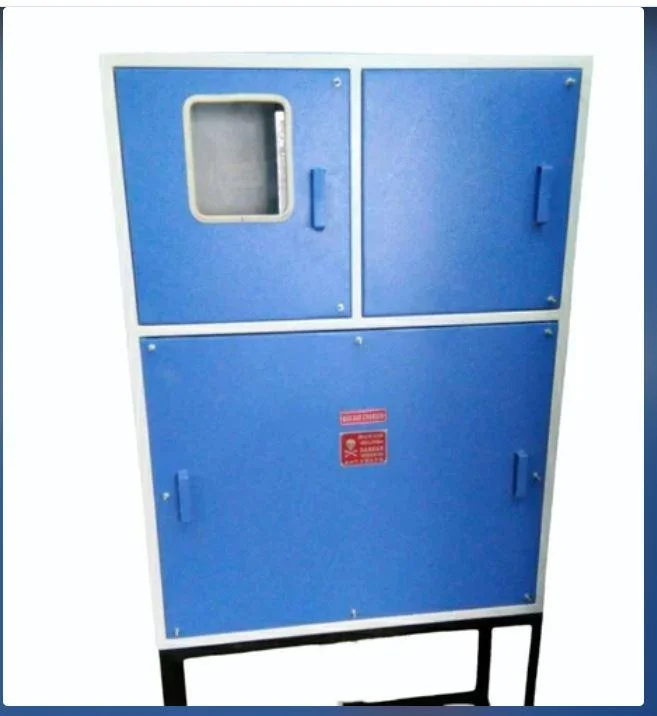
What are Distribution Panels?
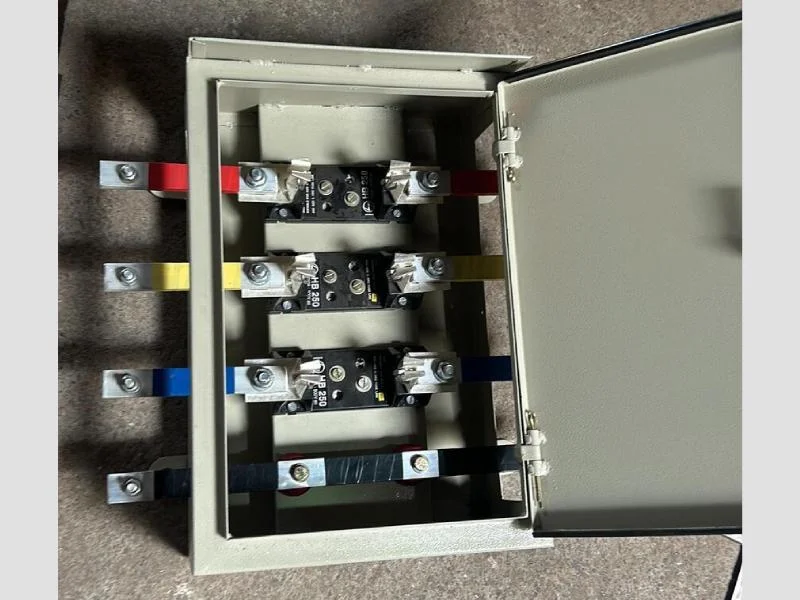
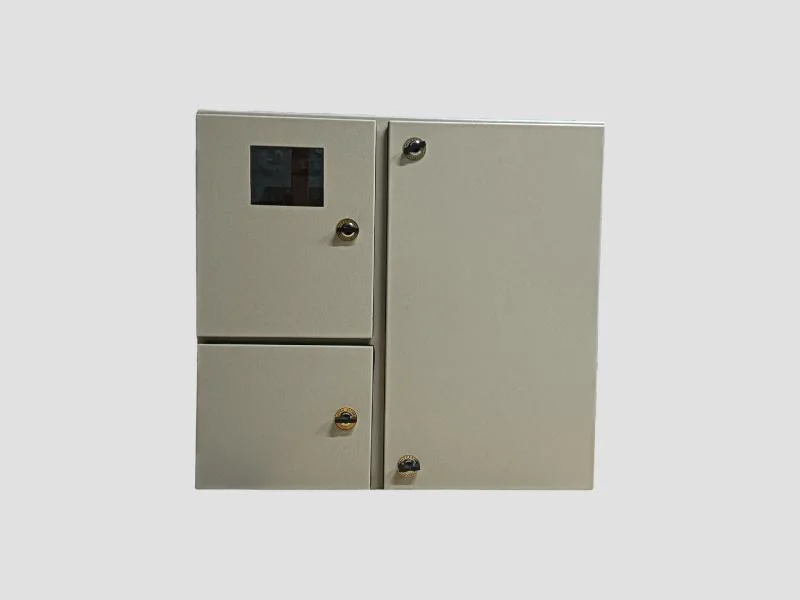
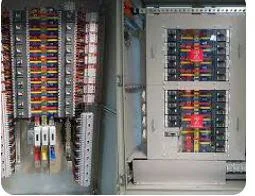
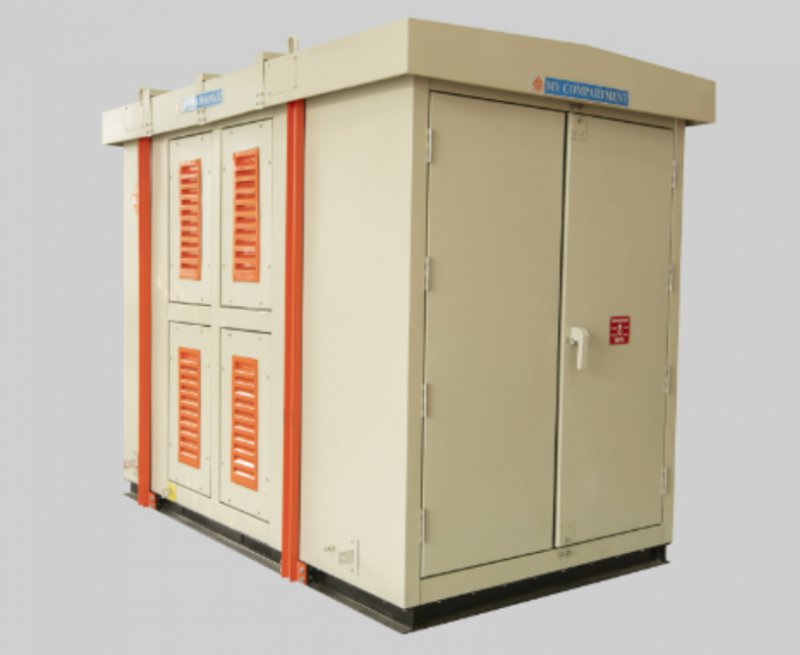
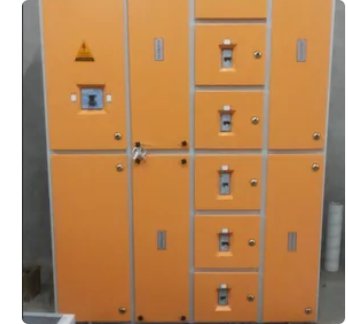
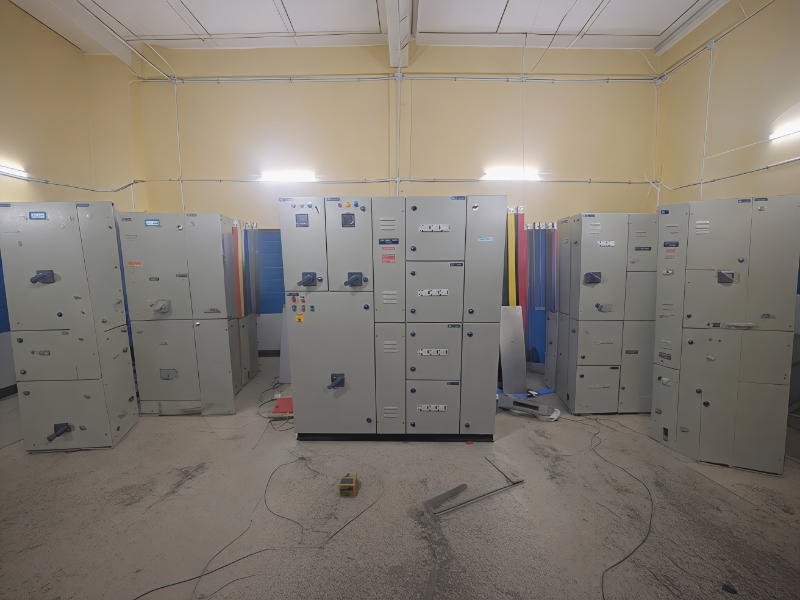
Distribution panels are essential components in electrical systems, responsible for distributing electricity from a single source to multiple circuits or devices. These panels serve as a central point for managing and directing electrical power, ensuring that each connected circuit receives the appropriate voltage and current. They play a crucial role in maintaining the safety and efficiency of electrical installations, protecting against overloads and short circuits.
Distribution panels are used in various business applications, ranging from commercial buildings to industrial facilities. They are integral to electrical infrastructure, allowing for the organized distribution of power throughout a facility. By effectively managing electrical loads and providing necessary circuit protection, distribution panels help businesses maintain operational continuity and compliance with safety regulations. The relevance of these panels spans multiple industries, making them a vital component in the electrical landscape.
Key Features and Specifications
Distribution panels are designed with several key features that cater to the diverse needs of industrial and commercial applications. Understanding these specifications is crucial for businesses looking to implement efficient electrical systems.
Key specifications include:
1. Voltage Rating
- Typically ranges from 120V to 480V
- Determines the maximum voltage the panel can handle
2. Current Rating
- Commonly available from 100A to 4000A
- Indicates the maximum current capacity of the panel
3. Enclosure Type
- Options include metal and fiberglass
- Provides protection against environmental factors
4. Number of Circuits
- Varies based on design, can support multiple circuits
- Allows for flexible electrical distribution
5. Mounting Style
- Available in surface-mounted or flush-mounted designs
- Influences installation and space requirements
6. Safety Features
- May include circuit breakers and fuses
- Essential for protecting circuits from overloads
7. Compliance Standards
- Typically meets industry standards such as CE certification
- Ensures adherence to safety and performance regulations
In summary, understanding the key features and specifications of distribution panels enables businesses to select the right product for their specific electrical needs.
Common Applications and Use Cases
Distribution panels find application across various industries, demonstrating their versatility and importance in electrical systems.
1. Manufacturing: In manufacturing facilities, distribution panels manage power supply to machinery, ensuring reliable operation and preventing downtime.
2. Commercial Buildings: In office buildings and retail spaces, these panels distribute power to lighting, HVAC systems, and other electrical equipment.
3. Data Centers: Distribution panels are critical in data centers, providing stable power to servers and networking equipment while minimizing disruption.
4. Healthcare: In hospitals, distribution panels ensure reliable power to life-saving equipment and critical systems.
5. Construction: Temporary distribution panels are utilized on construction sites to power tools and lighting, facilitating efficient project execution.
6. Agriculture: In agricultural settings, distribution panels manage power for irrigation systems and other essential equipment.
7. Renewable Energy: Distribution panels are integral to solar power systems, allowing for efficient management of energy generated and consumed.
Product Variants and Subcategories
Distribution panels come in various types to meet specific application needs and industry requirements.
Standard Distribution Panels
These panels are designed for general use in commercial and industrial applications, offering reliable performance and flexibility in circuit management.
Smart Distribution Panels
Equipped with monitoring and control features, smart distribution panels provide real-time data and analytics, allowing businesses to optimize energy use and enhance safety.
Modular Distribution Panels
These panels allow for easy expansion and customization, making them suitable for growing facilities that require scalable power distribution solutions.
Benefits and Advantages
Choosing the right distribution panels offers several advantages that can significantly impact business operations.
1. Enhanced Safety: Distribution panels provide circuit protection, reducing the risk of electrical fires and equipment damage.
2. Improved Energy Efficiency: By effectively managing electrical loads, these panels help businesses reduce energy consumption and costs.
3. Easy Maintenance: With organized circuit management, maintenance and troubleshooting become more straightforward, minimizing downtime.
4. Customization Options: Many distribution panels can be tailored to meet specific needs, providing businesses with flexibility.
5. Compliance Assurance: Utilizing certified distribution panels ensures adherence to safety and regulatory standards.
6. Increased Reliability: A well-designed distribution panel contributes to the overall reliability of the electrical system, ensuring consistent power supply.
Buying Guide for B2B Buyers
When sourcing distribution panels, it is essential for B2B buyers to consider various factors to ensure a successful purchase.
1. Quality Assessment: Evaluate the quality of materials and construction standards. Look for panels that meet recognized certifications to ensure longevity and reliability.
2. Supplier Verification: Verify the credentials of potential suppliers, checking for industry experience and customer reviews to ensure they can meet your requirements.
3. Pricing and MOQ: Understand the pricing structure and minimum order quantities. This enables you to budget effectively and avoid overstocking or under-purchasing.
4. Delivery and Lead Times: Discuss logistics and expected delivery times with suppliers. Timely delivery is critical for project planning and execution.
5. Compliance Requirements: Ensure that the distribution panels meet local and industry-specific compliance standards. This is vital for safety and regulatory adherence.
Compliance and Certifications
Compliance and certifications are crucial factors for distribution panels, ensuring they meet industry standards and safety regulations.
Distribution panels typically adhere to quality standards such as ISO 9001, ensuring consistent quality management systems across manufacturing processes. This certification indicates that the panels are produced under stringent quality controls.
Additionally, many distribution panels are CE certified, signifying compliance with European safety standards. This certification assures buyers that the panels have undergone rigorous testing and meet essential health and safety requirements.
Safety and testing requirements can vary by region, and it is essential to consider local compliance standards when selecting distribution panels. For instance, certain regions may have specific electrical codes or safety regulations that must be followed.
Why Source Distribution Panels from Pepagora?
Pepagora provides a trusted platform for sourcing distribution panels, offering a range of key advantages for B2B buyers.
Verified Supplier Network: Pepagora features a network of verified suppliers, ensuring that buyers have access to reliable manufacturers who meet industry standards. This reduces the risk of purchasing subpar products.
Streamlined RFQ Process: The platform offers a straightforward Request for Quotation (RFQ) process, allowing buyers to easily compare prices and specifications from multiple suppliers, saving time and effort.
Trade Assurance and Support: Pepagora provides buyer protection through trade assurance, offering support throughout the purchasing process. This ensures buyers can confidently make their selections.
Regional Coverage: With a strong presence in India, the GCC, and Southeast Asia, Pepagora offers extensive regional coverage, making it easier for businesses in these areas to source distribution panels that meet their specific needs.

 IN
IN