
 IN
Work Holding Fixtures
32 products available
What are Work Holding Fixtures?
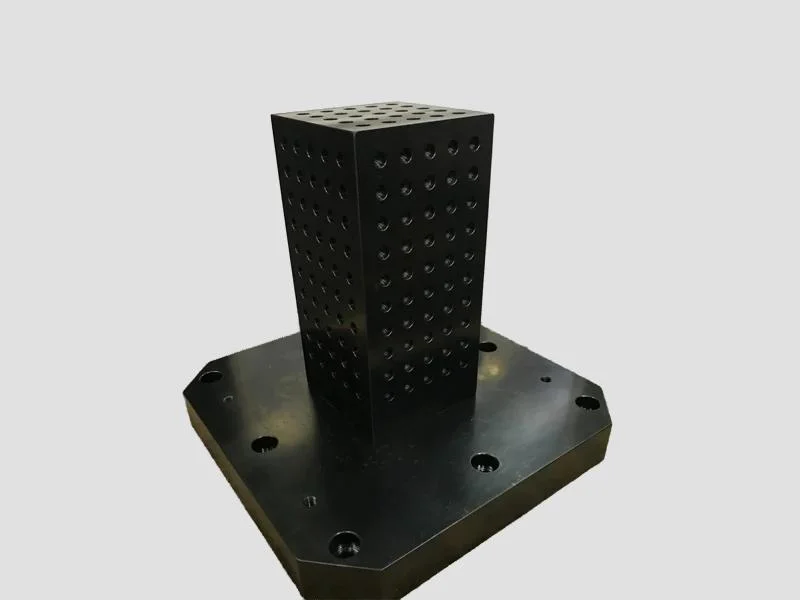
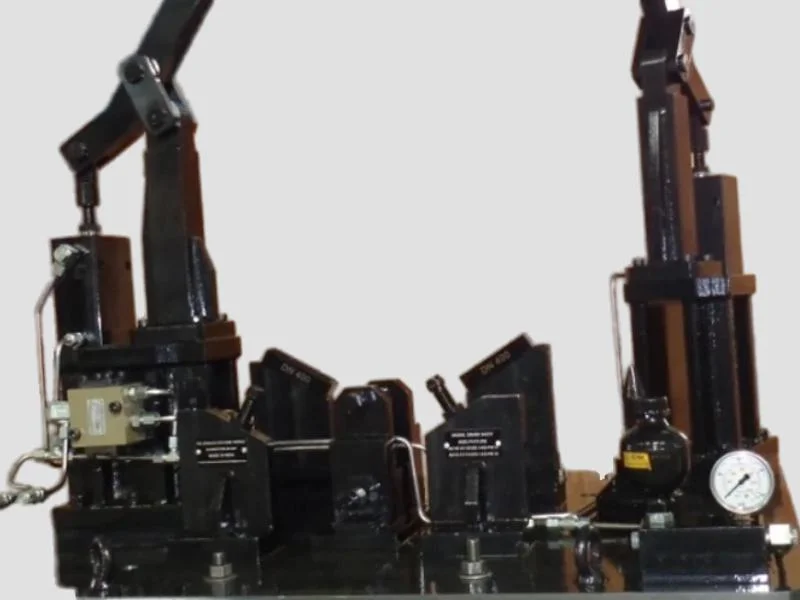
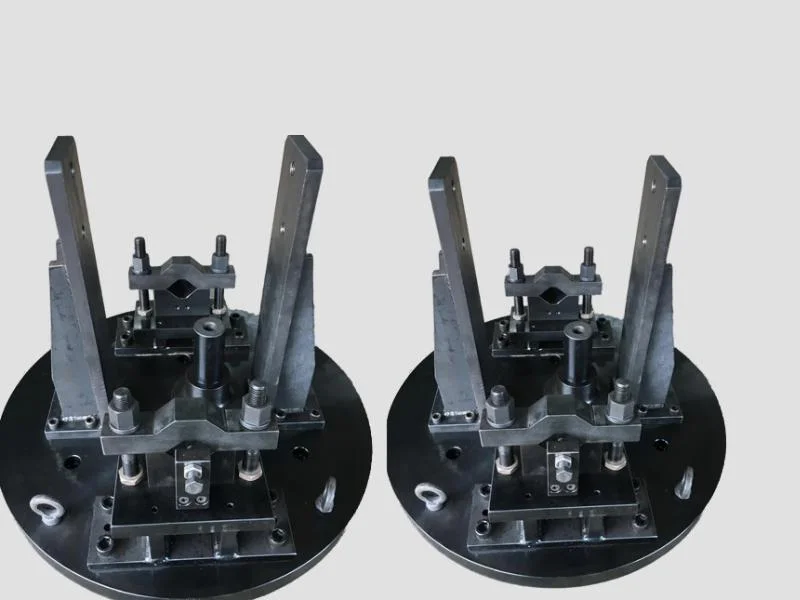
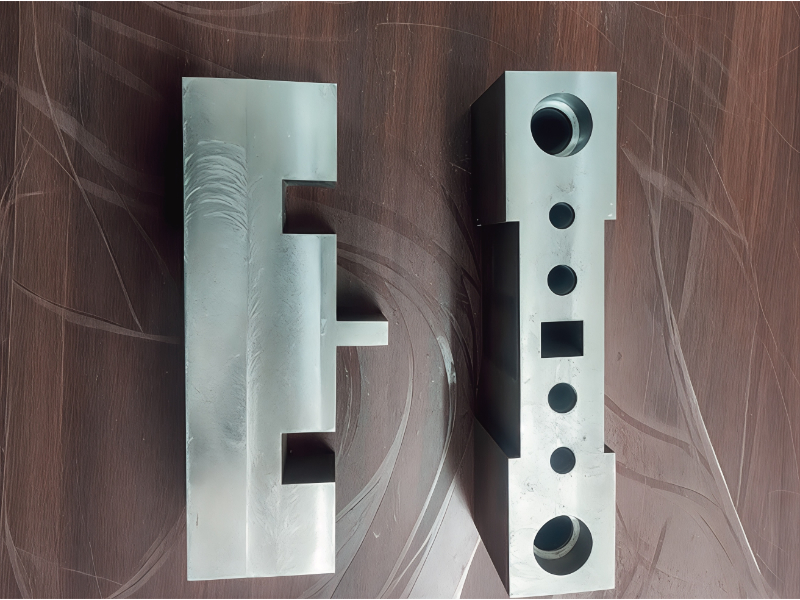
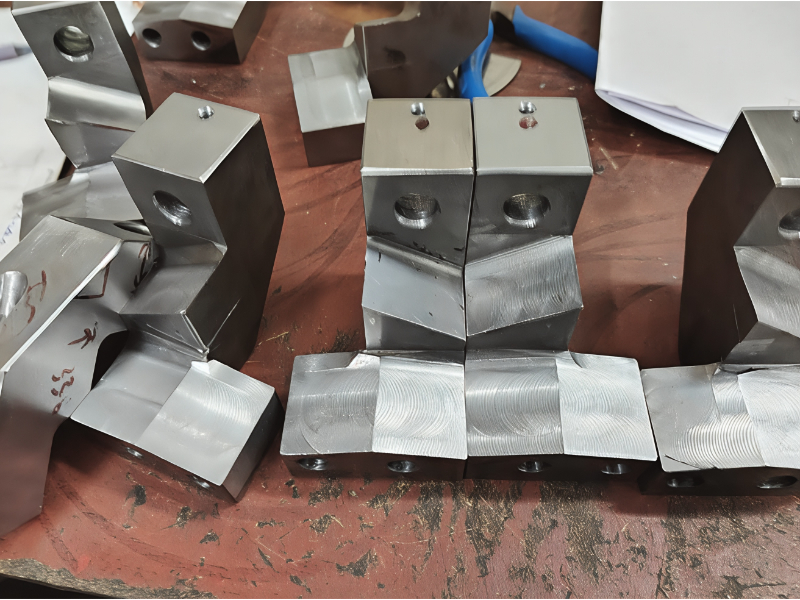
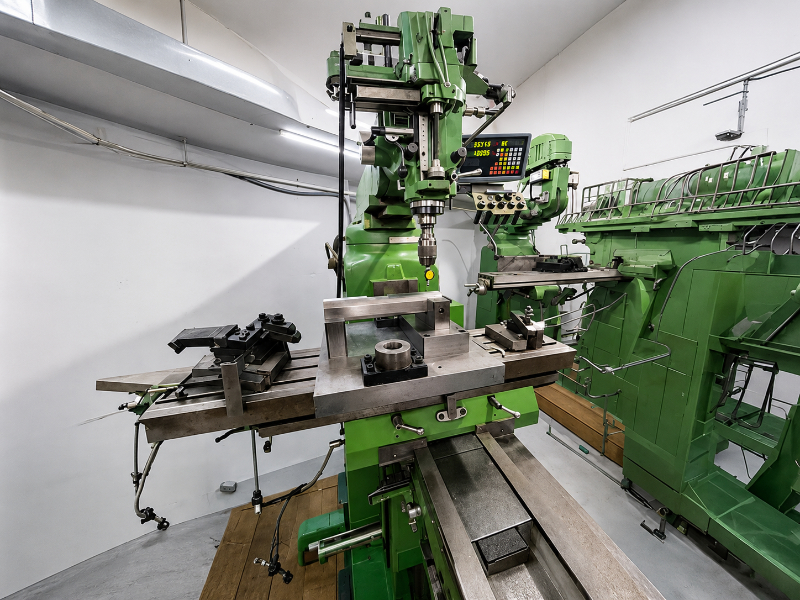
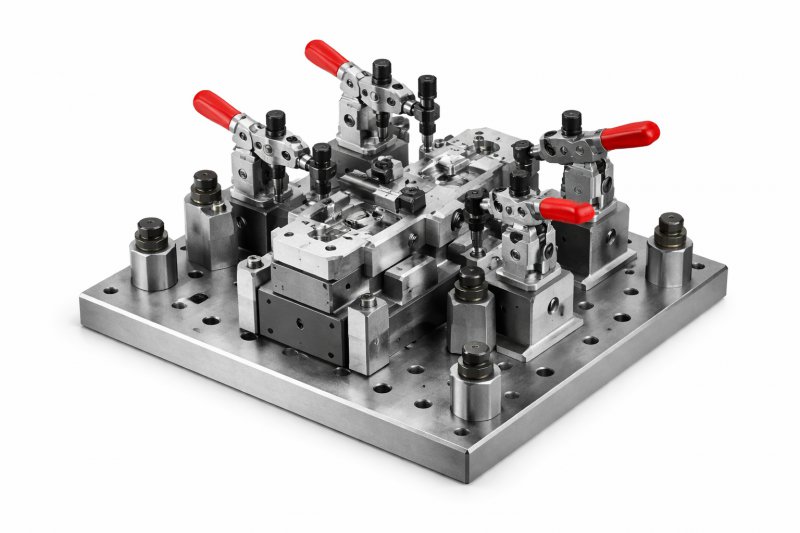
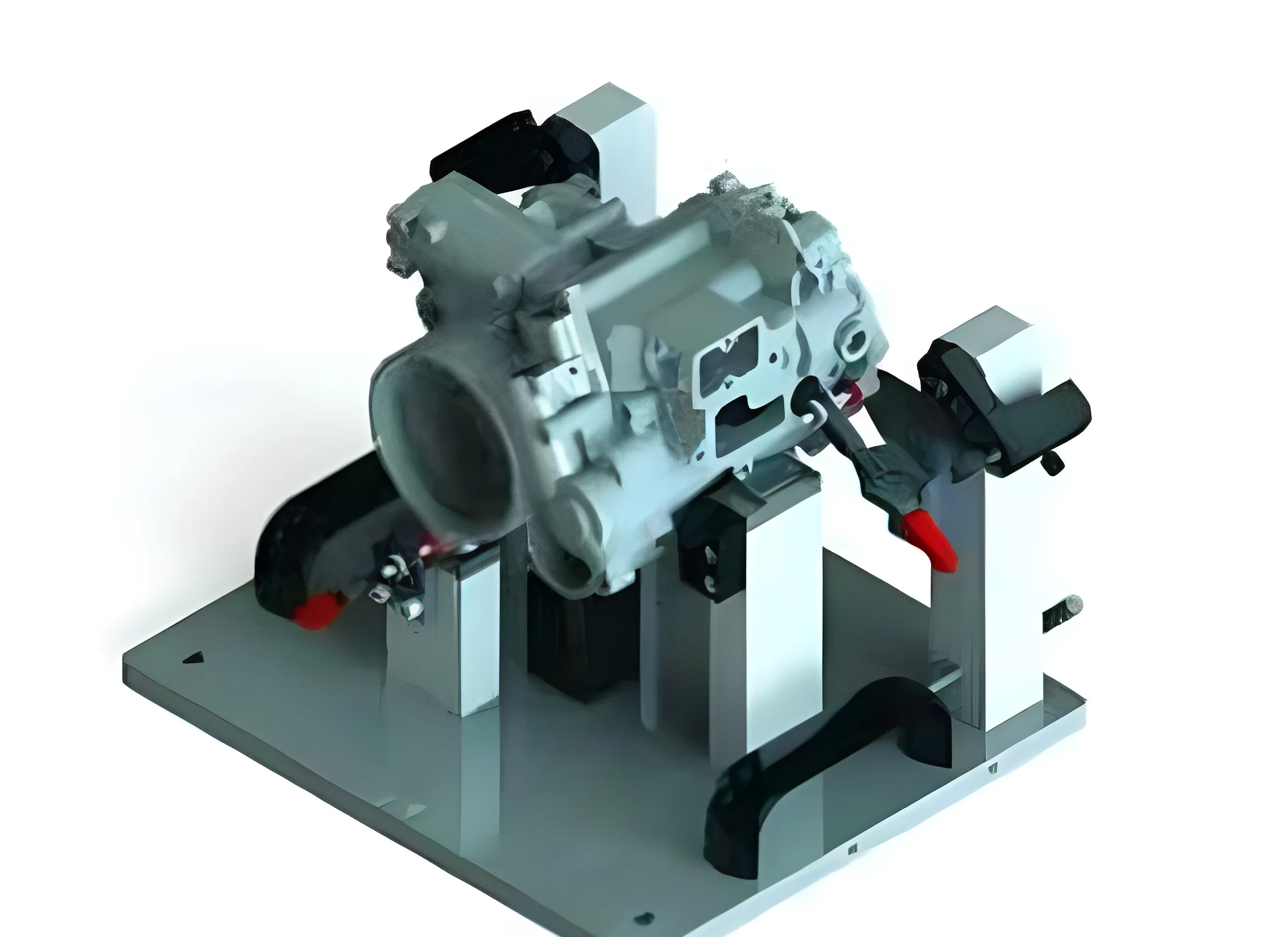
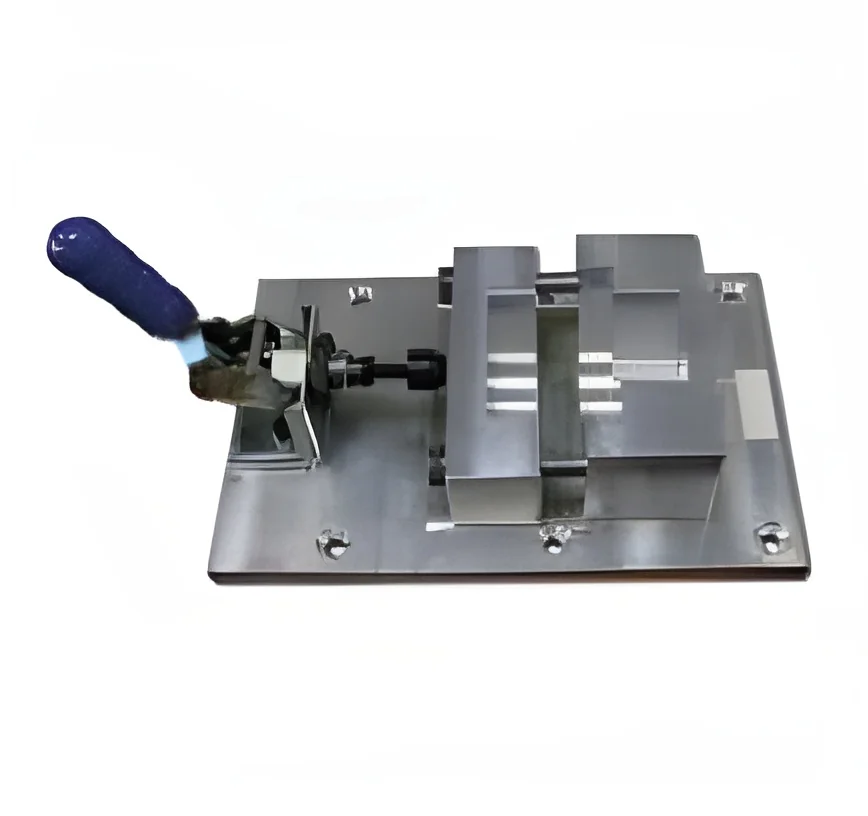
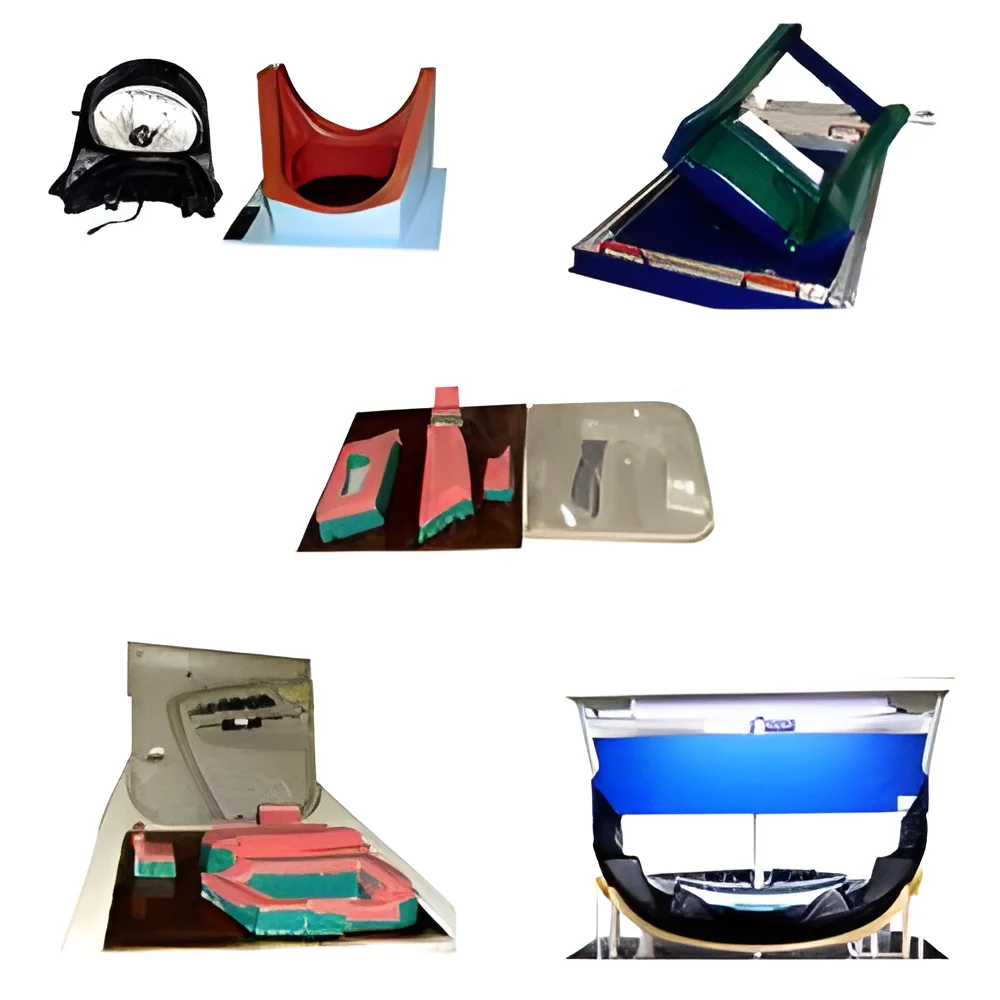
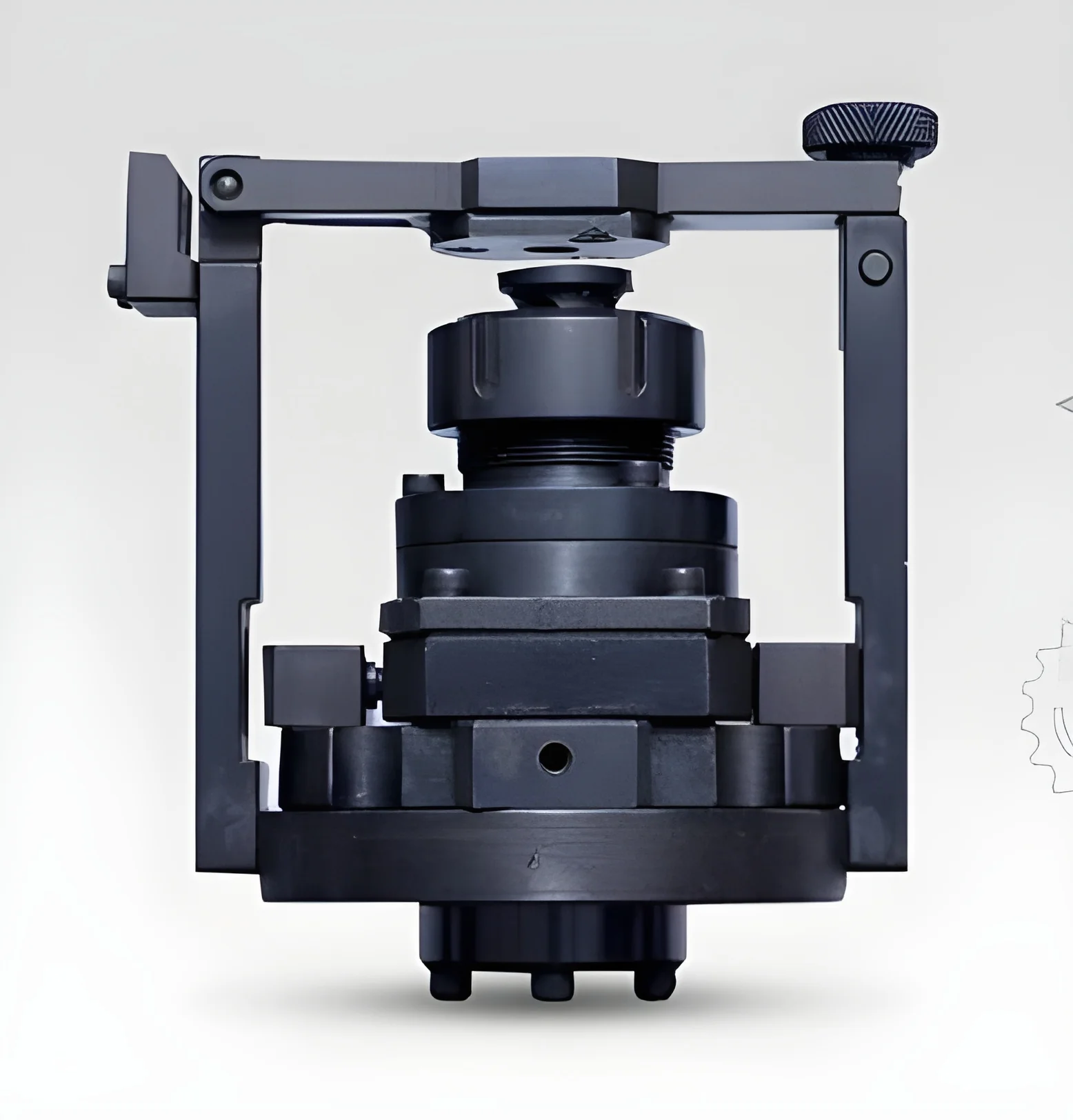
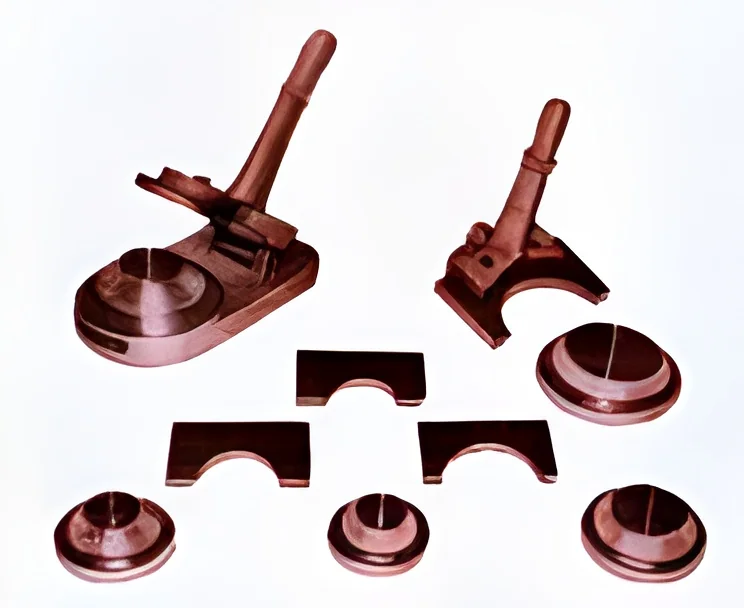
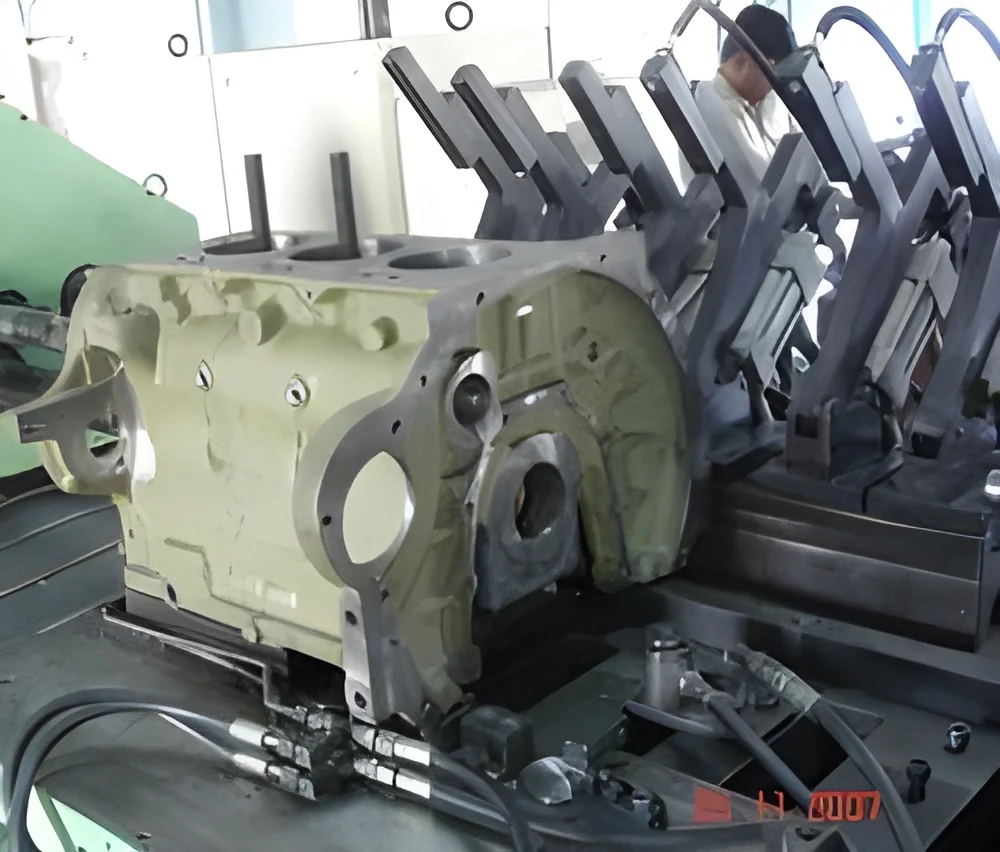
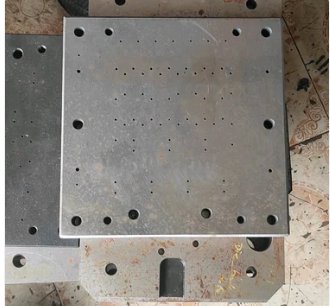
Work holding fixtures are specialized devices used to securely hold a workpiece in place during machining or manufacturing processes. They are essential tools in various industries, providing stability and precision to operations such as milling, drilling, or assembly. These fixtures ensure that workpieces remain stationary, allowing for accurate and consistent results.
The primary use of work holding fixtures spans across manufacturing and assembly environments. They are commonly utilized in industries such as aerospace, automotive, electronics, and metalworking. By employing these fixtures, businesses can enhance productivity and reduce the risk of errors during production. The relevance of work holding fixtures is significant in today's competitive market, where precision and efficiency are crucial for maintaining a competitive edge.
Key Features and Specifications
Work holding fixtures come equipped with several features that enhance their functionality and usability. Understanding these specifications is essential for making informed purchasing decisions.
Key specifications include:
1. Material Composition
- Typically constructed from steel, aluminum, or composite materials.
- Chosen based on strength, weight, and corrosion resistance.
2. Holding Capacity
- Designed to accommodate specific weight limits based on the workpiece.
- Ranges vary, typically from a few kilograms to several tons.
3. Size and Dimensions
- Available in various sizes to fit different workpieces.
- Customizable dimensions can be designed for specific applications.
4. Adjustability
- Many fixtures feature adjustable components to accommodate varying sizes.
- Quick-release mechanisms for efficient setup and changeover.
5. Compatibility
- Designed to work with specific machinery or tool types.
- Ensure alignment with CNC machines and manual tools.
6. Safety Features
- Equipped with locking mechanisms to secure workpieces.
- Safety guards may be included to protect operators.
7. Ease of Setup
- Quick and straightforward installation processes.
- User-friendly designs that minimize downtime.
8. Maintenance Requirements
- Low maintenance needs, with easy-to-clean surfaces.
- Regular inspections recommended to ensure optimal performance.
In summary, understanding the key specifications of work holding fixtures helps buyers select the right products tailored to their operational needs.
Common Applications and Use Cases
Work holding fixtures have diverse applications across various industries, making them invaluable tools in manufacturing.
1. Aerospace: In aerospace manufacturing, fixtures are used to hold complex components securely during machining processes, ensuring high precision and compliance with strict industry standards.
2. Automotive: Automotive production lines utilize work holding fixtures for assembling vehicle parts, allowing for efficient and consistent assembly processes.
3. Electronics: In electronics manufacturing, fixtures are essential for holding delicate components during soldering and assembly, reducing the risk of damage and improving accuracy.
4. Metalworking: Fixtures are widely used in metalworking shops for machining operations, providing stability and precision for cutting, drilling, and shaping metal parts.
5. Woodworking: In woodworking, fixtures help secure materials for precise cutting and assembly, enhancing the quality of finished products.
6. Medical Devices: Manufacturing of medical devices requires precision, and work holding fixtures ensure that components are held securely during production.
7. Construction: In construction applications, fixtures are used in prefabrication processes, allowing for the efficient assembly of structural components.
Product Variants and Subcategories
Work holding fixtures come in various types and designs, catering to different manufacturing needs.
Standard Fixtures: Standard fixtures are commonly used and available in predefined shapes and sizes. They are cost-effective and suitable for general applications.
Custom Fixtures: Custom fixtures are specifically designed for unique workpieces or processes. They provide tailored solutions and enhance operational efficiency.
Modular Fixtures: Modular fixtures offer flexible configurations, allowing users to adapt the setup based on specific requirements. This versatility makes them ideal for changing production needs.
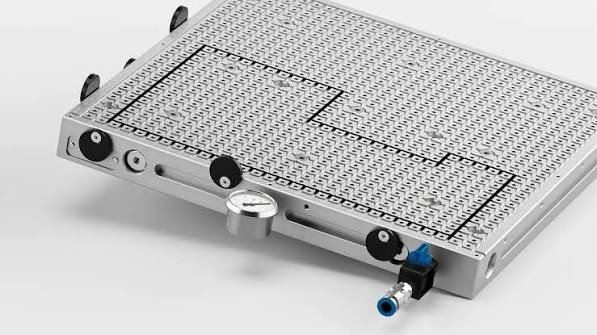
Vacuum Fixtures: Vacuum fixtures utilize suction to hold workpieces securely in place. They are particularly effective for flat or delicate materials and ensure minimal surface damage.
Benefits and Advantages
Investing in work holding fixtures provides numerous benefits that enhance operational efficiency.
1. Increased Precision: Work holding fixtures ensure that workpieces remain stable during machining, leading to higher accuracy in manufacturing processes.
2. Improved Productivity: By minimizing setup time and reducing errors, these fixtures significantly boost overall productivity in production lines.
3. Enhanced Safety: With secure holding mechanisms, work holding fixtures promote a safer working environment by reducing the risk of accidents and injuries.
4. Cost Efficiency: By improving accuracy and reducing waste, work holding fixtures contribute to cost savings in material and labor.
5. Customization Options: Many fixtures can be customized to meet specific production needs, providing tailored solutions for various industries.
6. Durability: High-quality materials and construction ensure that work holding fixtures have a long service life, reducing the need for frequent replacements.
Buying Guide for B2B Buyers
When sourcing work holding fixtures, buyers should consider several key factors to ensure they select the right products for their operations.
1. Quality Assessment: Evaluate the quality of materials and craftsmanship. Look for fixtures that meet industry standards to ensure reliability and longevity.
2. Supplier Verification: Vet potential suppliers to confirm their reputation and reliability. Assess their experience in the industry and customer feedback.
3. Pricing and MOQ: Understand the pricing structures and minimum order quantities (MOQ) to align purchases with budget constraints and production needs.
4. Delivery and Lead Times: Clarify delivery schedules and lead times to ensure timely availability of fixtures for production requirements.
5. Compliance Requirements: Verify that the fixtures comply with relevant industry regulations and safety standards to mitigate potential risks.
Compliance and Certifications
Compliance with industry standards is crucial for the manufacturing of work holding fixtures.
Work holding fixtures should meet relevant quality standards such as ISO 9001, which ensures consistent quality management systems. Additionally, HACCP standards may apply in industries where safety and hygiene are paramount.
Industry certifications, such as CE marking, indicate that the products meet European safety and health requirements. This certification is essential for fixtures used in regions that enforce compliance with these standards.
Manufacturers should also adhere to safety and testing requirements to ensure the fixtures can withstand operational stresses without compromising safety.
Lastly, regional compliance considerations may vary, so it is essential to be aware of local regulations that impact the use of work holding fixtures in specific markets.
Why Source Work Holding Fixtures from Pepagora?
Pepagora provides a trusted platform for sourcing work holding fixtures, offering several key advantages for B2B buyers.
Verified Supplier Network: Pepagora features a robust network of verified suppliers, ensuring that buyers can access high-quality work holding fixtures from reputable manufacturers. This verification process helps mitigate risks associated with sourcing.
Streamlined RFQ Process: The platform offers a streamlined Request for Quotation (RFQ) system, allowing buyers to easily compare prices and specifications from multiple suppliers. This efficiency saves time and aids in making informed purchasing decisions.
Trade Assurance and Support: Pepagora provides trade assurance and support, protecting buyers from potential issues during transactions. This includes assistance in resolving disputes and ensuring that orders are fulfilled as promised.
Regional Coverage: With a broad geographic reach, Pepagora serves clients across India, the GCC, and Southeast Asia. This extensive coverage allows buyers to find local suppliers that can meet their specific needs efficiently.

 India
 India
 India
 India
 India
 India
 India
 India
 India

 India

Frequently Asked Questions
What are Work Holding Fixtures?
Work Holding Fixtures are specialized devices used to securely hold and position parts during manufacturing processes such as machining, welding, or assembly. They ensure precision and consistency in the production process by stabilizing the workpiece, allowing for accurate operations.
What are the different types of Work Holding Fixtures?
There are several types of Work Holding Fixtures, including vises, clamps, jigs, and plates. Each type is designed for specific applications and can be tailored to accommodate various shapes and sizes of workpieces.
How do I choose the right Work Holding Fixtures?
Choosing the right Work Holding Fixtures involves considering factors such as the type of machining operation, the material and size of the workpiece, and the required precision. It's important to assess the fixture's compatibility with your machinery and production workflow.
What are the standard specifications for Work Holding Fixtures?
Standard specifications for Work Holding Fixtures typically include dimensions, material type, weight capacity, and clamping force. These specifications ensure that the fixtures can effectively hold the workpiece under operational conditions.
What is the price range for Work Holding Fixtures?
The price range for Work Holding Fixtures can vary widely based on factors such as type, material, and complexity. Generally, prices can start from a few thousand Indian Rupees and go up to several lakhs for customized or advanced fixtures.
What quality standards apply to Work Holding Fixtures?
Work Holding Fixtures must adhere to industry quality standards such as ISO 9001 for quality management systems. These standards ensure that the fixtures are manufactured to reliable specifications, providing consistency and safety during operations.
Where can I find Work Holding Fixtures suppliers in India?
You can find Work Holding Fixtures suppliers in India through B2B marketplaces such as Pepagora.com, which connects buyers with manufacturers and suppliers. Additionally, visiting industry trade shows or consulting manufacturing directories can also yield potential suppliers.
Can Work Holding Fixtures be customized?
Yes, Work Holding Fixtures can be customized to meet specific requirements for various applications. Many manufacturers offer customization options to accommodate unique shapes, sizes, and operational needs.
What is the typical minimum order quantity for Work Holding Fixtures?
The typical minimum order quantity (MOQ) for Work Holding Fixtures can vary depending on the supplier and the complexity of the fixtures. Generally, MOQs can range from one unit for standard fixtures to several units for custom designs.
What is the typical lead time for Work Holding Fixtures?
The typical lead time for Work Holding Fixtures varies based on the supplier and the type of fixture ordered. Standard fixtures may have a lead time of a few days, while customized fixtures could take several weeks to complete.
Why Businesses Trust Pepagora
Thousands of companies trust Pepagora to source smarter and sell faster
Expand Your Sales Globally

Source Smarter,Grow Faster
