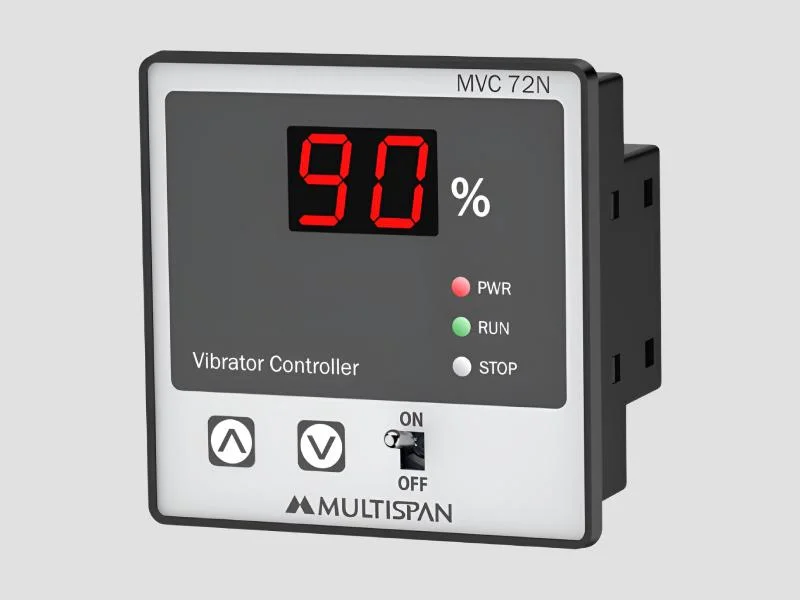
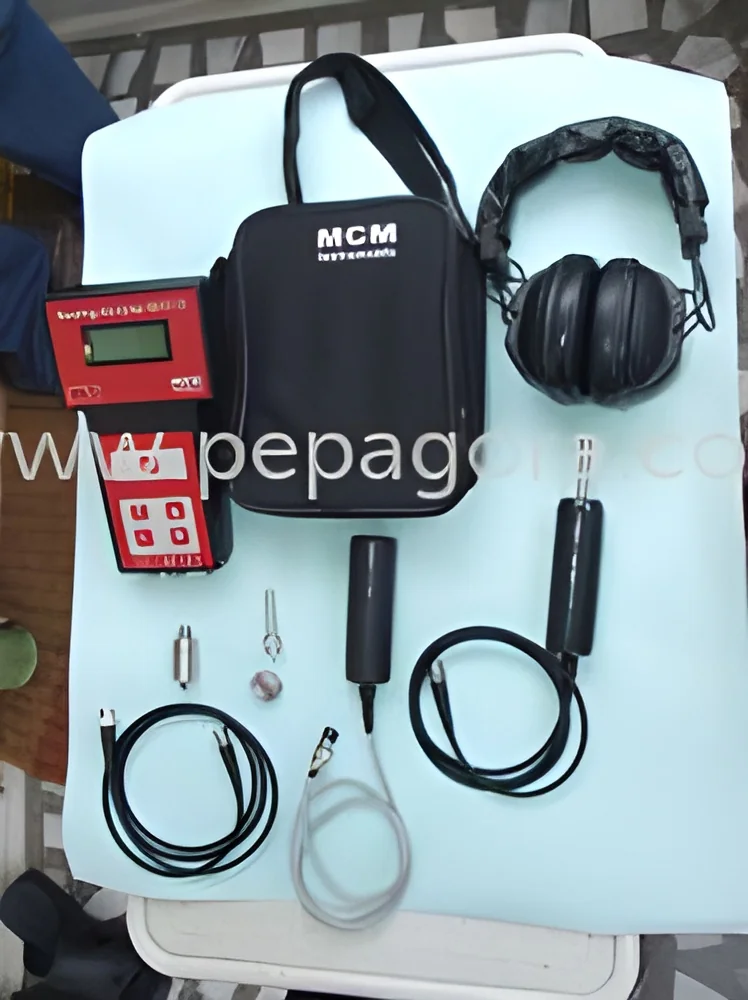
What are Vibration Monitoring for Bearings?
Vibration monitoring for bearings is a critical process used to assess the health and performance of bearing systems in various industrial applications. This technology involves the continuous observation of vibration patterns generated by bearings during operation. By analyzing these vibrations, companies can detect anomalies that may indicate wear, imbalance, misalignment, or other mechanical issues that could lead to failure.
The primary uses of vibration monitoring for bearings include preventive maintenance, condition monitoring, and reliability engineering. Businesses utilize this technology to extend the lifespan of machinery, reduce downtime, and optimize maintenance schedules. Vibration analysis helps identify potential problems before they escalate, allowing for timely interventions that can save significant costs associated with machinery failure.
In the industrial market, vibration monitoring is highly relevant across various sectors, including manufacturing, energy, and transportation. As organizations increasingly adopt predictive maintenance strategies, the demand for advanced vibration monitoring solutions is on the rise. This technology is essential for ensuring operational efficiency and minimizing the risk of unexpected equipment failures.
Key Features and Specifications
Vibration monitoring for bearings offers several key features that enhance its effectiveness in industrial applications. These features include advanced monitoring capabilities and integration options to optimize performance and maintenance.
Key specifications include:
1. Monitoring Features
- Continuous real-time monitoring of vibration levels
- Ability to analyze frequency and amplitude
2. Data Logging
- Storage of historical vibration data for trend analysis
- Options for remote data access and visualization
3. Alarm Systems
- Configurable alarm thresholds for early fault detection
- Notifications for abnormal vibration conditions
4. Sensor Types
- Use of accelerometers and proximity probes for accurate measurement
- Compatibility with various bearing types and sizes
5. Software Integration
- Support for integration with existing maintenance management systems
- User-friendly interfaces for data interpretation
6. Power Supply Options
- Flexibility in power supply configurations, including battery and AC power
- Energy-efficient designs for extended operation
In summary, the key features and specifications of vibration monitoring for bearings facilitate effective maintenance strategies and help ensure machine reliability.
Common Applications and Use Cases
Vibration monitoring for bearings is utilized across multiple industries to enhance equipment reliability and performance.
1. Manufacturing: In manufacturing plants, vibration monitoring is critical for ensuring the smooth operation of machinery such as conveyors and motors. It helps identify potential issues early, preventing costly downtime.
2. Energy: In the energy sector, particularly in wind and hydroelectric facilities, vibration monitoring ensures the integrity of rotating equipment. This technology assists in maintaining optimal performance and preventing failures.
3. Transportation: The transportation industry employs vibration monitoring for bearings in vehicles and aircraft. It aids in detecting issues that could affect safety and performance, leading to more reliable transportation solutions.
4. Mining: Mining operations use vibration monitoring to track the condition of heavy machinery and equipment. This prevents unexpected breakdowns that could halt production.
5. HVAC Systems: Vibration monitoring is critical in HVAC systems to ensure that fans and compressors operate efficiently, enhancing energy efficiency and comfort in buildings.
Product Variants and Subcategories
Vibration monitoring for bearings comes in various forms, catering to different requirements and environments.
Variant 1: Portable Vibration Monitor
This variant is designed for on-site diagnostics and is easy to use. It allows maintenance personnel to conduct vibration analysis without the need for extensive training.
Variant 2: Fixed Vibration Monitoring System
This system is installed permanently on machinery for continuous monitoring. It provides real-time data and alerts for immediate action, enhancing reliability in critical applications.
Variant 3: Wireless Vibration Sensors
These sensors offer flexibility and ease of installation. They transmit data wirelessly, allowing for remote monitoring and reducing the need for physical access to machinery.
Benefits and Advantages
Investing in vibration monitoring for bearings offers numerous advantages for organizations aiming to improve operational efficiency.
1. Early Fault Detection: By identifying potential issues before they lead to failure, businesses can schedule maintenance proactively, reducing downtime and repair costs.
2. Enhanced Equipment Lifespan: Regular monitoring helps maintain optimal conditions, extending the lifespan of bearings and associated machinery.
3. Improved Safety: Monitoring vibrations can prevent catastrophic failures, contributing to a safer working environment for employees.
4. Cost Savings: Preventative maintenance driven by vibration monitoring can lead to significant savings by avoiding unplanned maintenance and repairs.
5. Increased Productivity: Reduced downtime and improved reliability enhance overall productivity within operations.
6. Data-Driven Decision Making: With accurate data from vibration monitoring, organizations can make informed decisions regarding maintenance strategies and investments.
Buying Guide for B2B Buyers
When sourcing vibration monitoring for bearings, there are several key factors to consider to ensure a successful purchase.
1. Quality Assessment: Evaluate the quality of the monitoring equipment and its compliance with industry standards. Look for products that have undergone rigorous testing and quality assurance processes.
2. Supplier Verification: Research potential suppliers to confirm their credibility and reliability. Check for customer reviews and feedback to ensure they have a good track record in the industry.
3. Pricing and MOQ: Understand the pricing structure and minimum order quantities from suppliers. Ensure that the costs align with your budget and project needs.
4. Delivery and Lead Times: Inquire about delivery schedules and lead times for the products. Timely delivery is crucial to avoid delays in project implementation.
5. Compliance Requirements: Confirm that the products meet necessary regulatory and safety standards relevant to your industry. This includes certifications like CE and adherence to quality standards.
Compliance and Certifications
Vibration monitoring for bearings must meet various quality standards and certifications to ensure reliability and safety.
ISO 9001 is a widely recognized standard that outlines the requirements for a quality management system. Compliance with this standard indicates that the manufacturer adheres to quality principles, ensuring consistent product quality.
CE certification is essential for products sold in the European market. It signifies that the product meets EU safety, health, and environmental protection requirements.
Additional safety and testing requirements may include assessments for electromagnetic compatibility and environmental impact. It is also important to consider regional compliance, as different areas may have specific regulations that products must meet.
Why Source Vibration Monitoring for Bearings from Pepagora?
Pepagora provides a trusted platform for sourcing vibration monitoring for bearings, offering numerous advantages to buyers.
Verified Supplier Network: Pepagora ensures that all suppliers are thoroughly vetted for quality and reliability. This gives buyers confidence in the products they purchase.
Streamlined RFQ Process: The request for quotation process on Pepagora is designed to be user-friendly. Buyers can easily request quotes, compare options, and make informed decisions.
Trade Assurance and Support: Pepagora offers trade assurance, providing protection for buyers throughout the purchasing process. This includes support for resolving disputes and ensuring product quality.
Regional Coverage: With a strong presence in markets such as India, the GCC, and Southeast Asia, Pepagora facilitates access to a wide range of suppliers and products, making it a convenient choice for businesses looking to source vibration monitoring for bearings.

 IN
IN

 India
India