IN
IN₹
Apparel & Fashion
Description
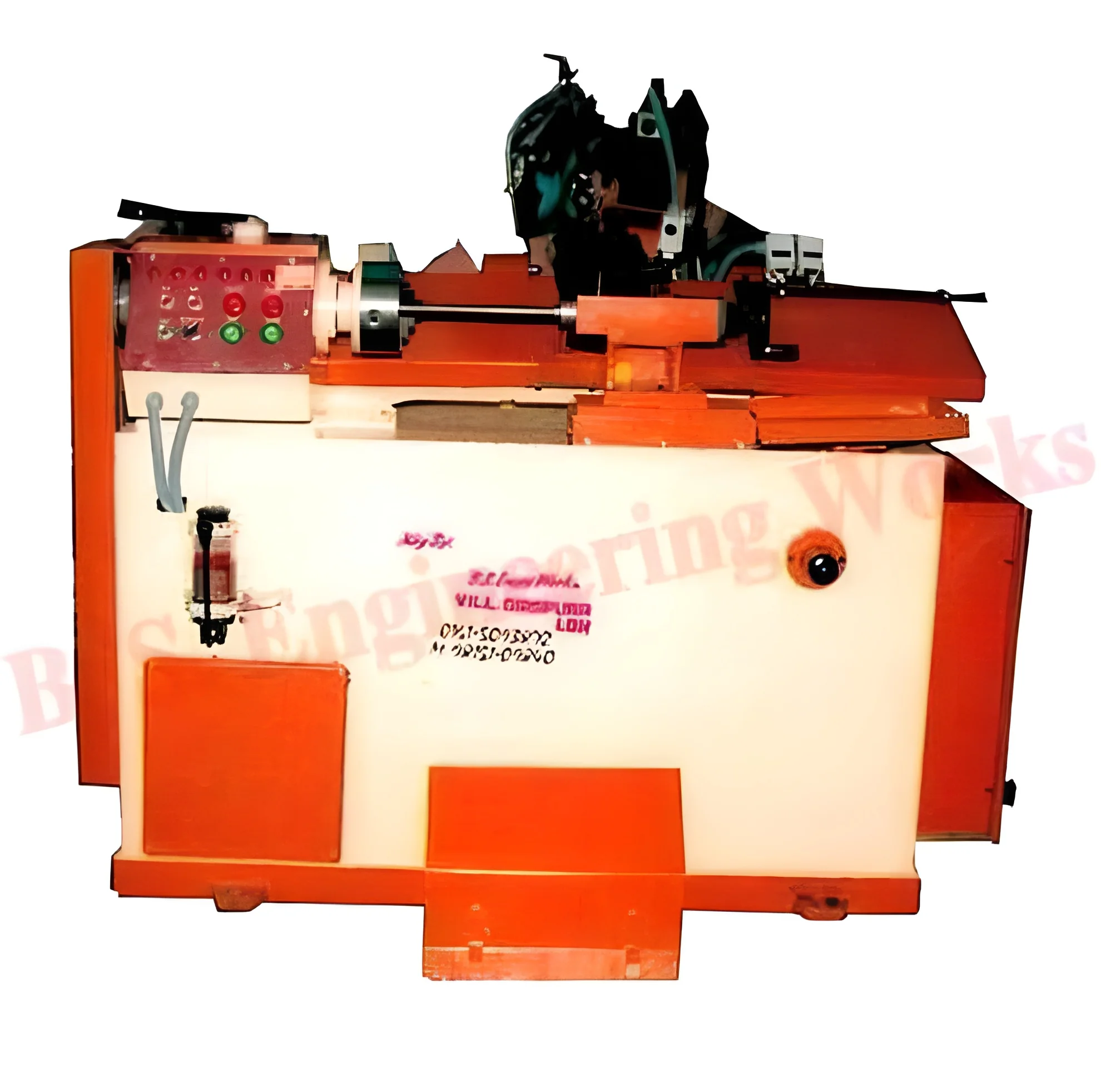
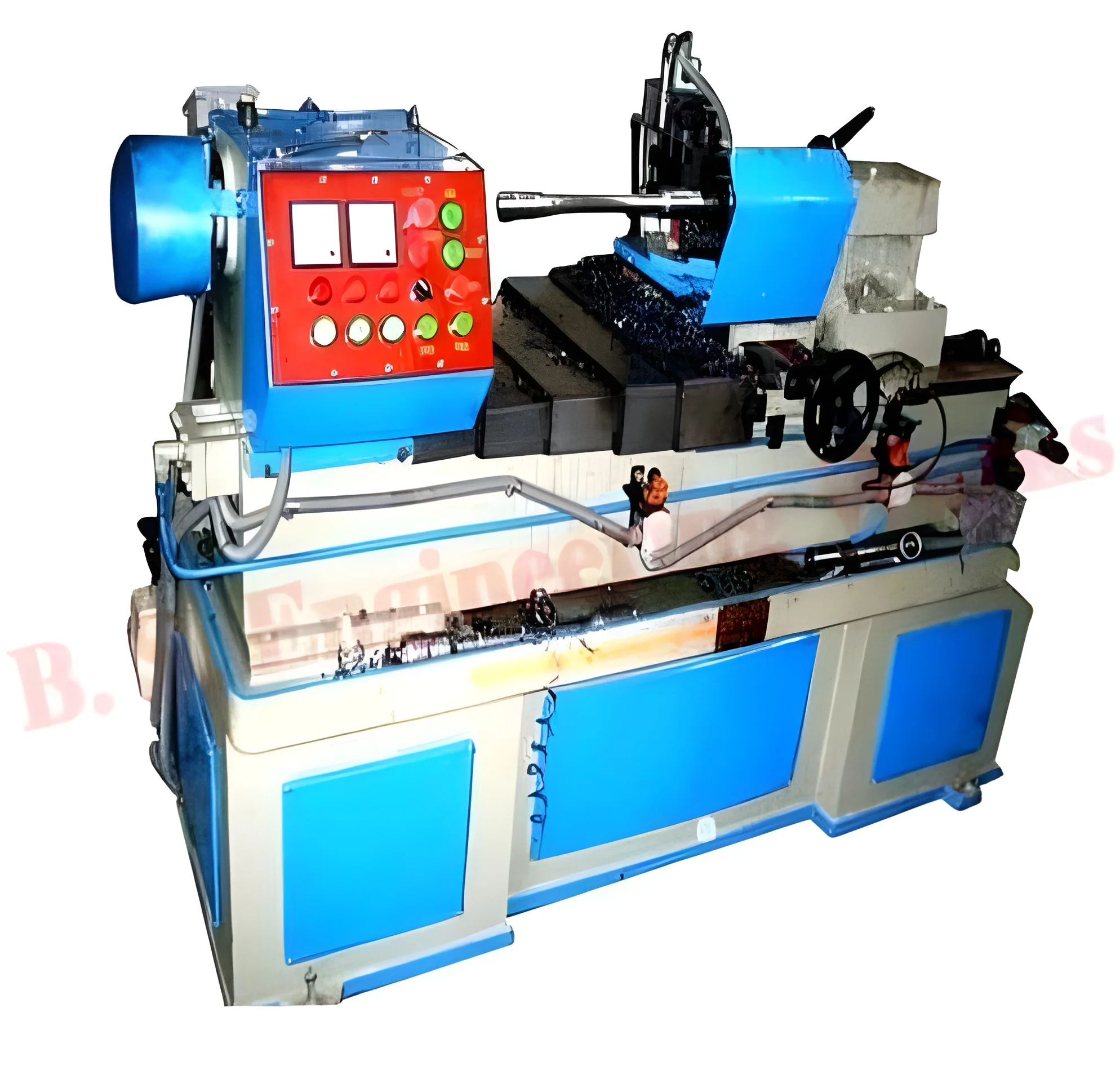
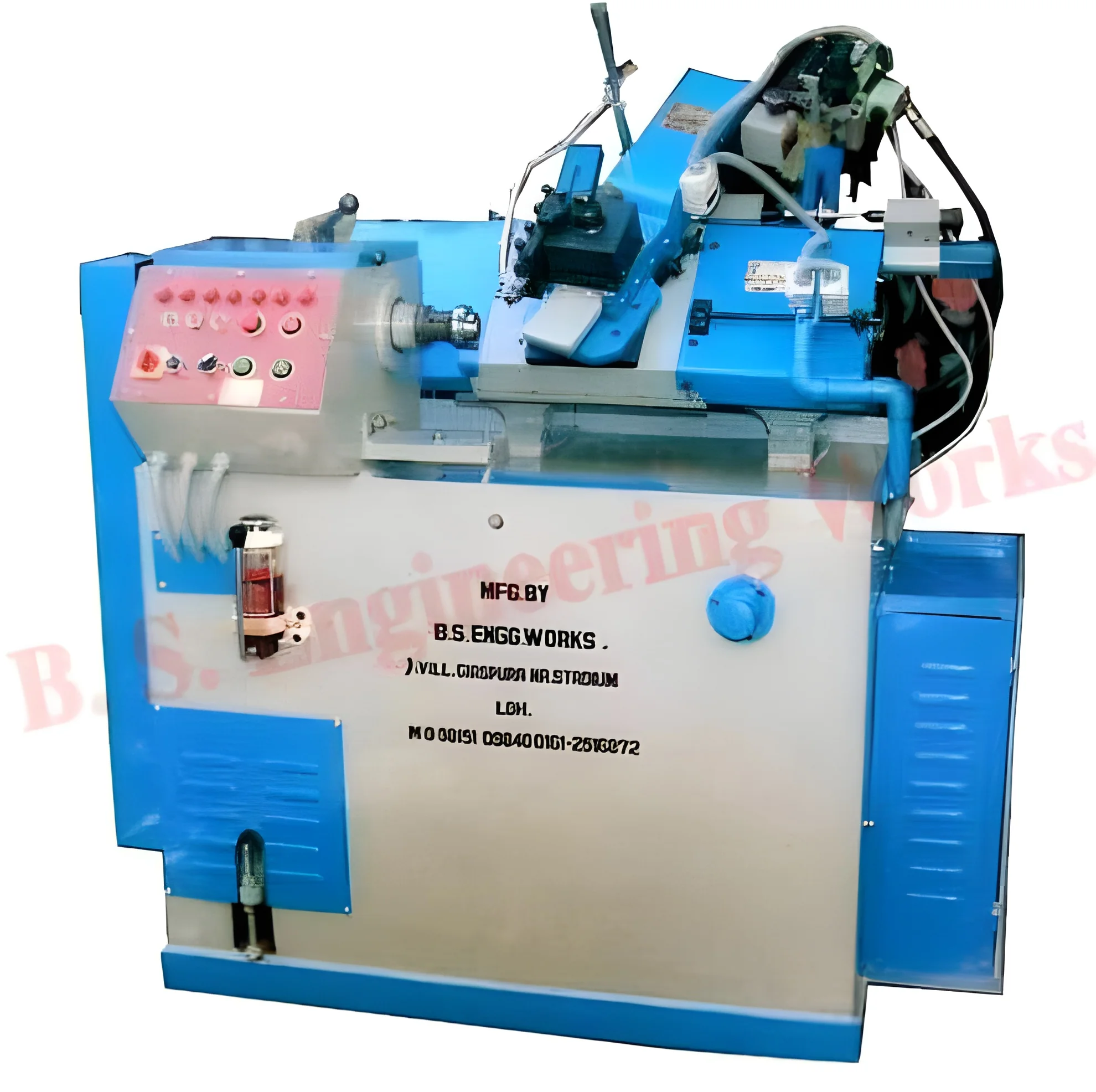
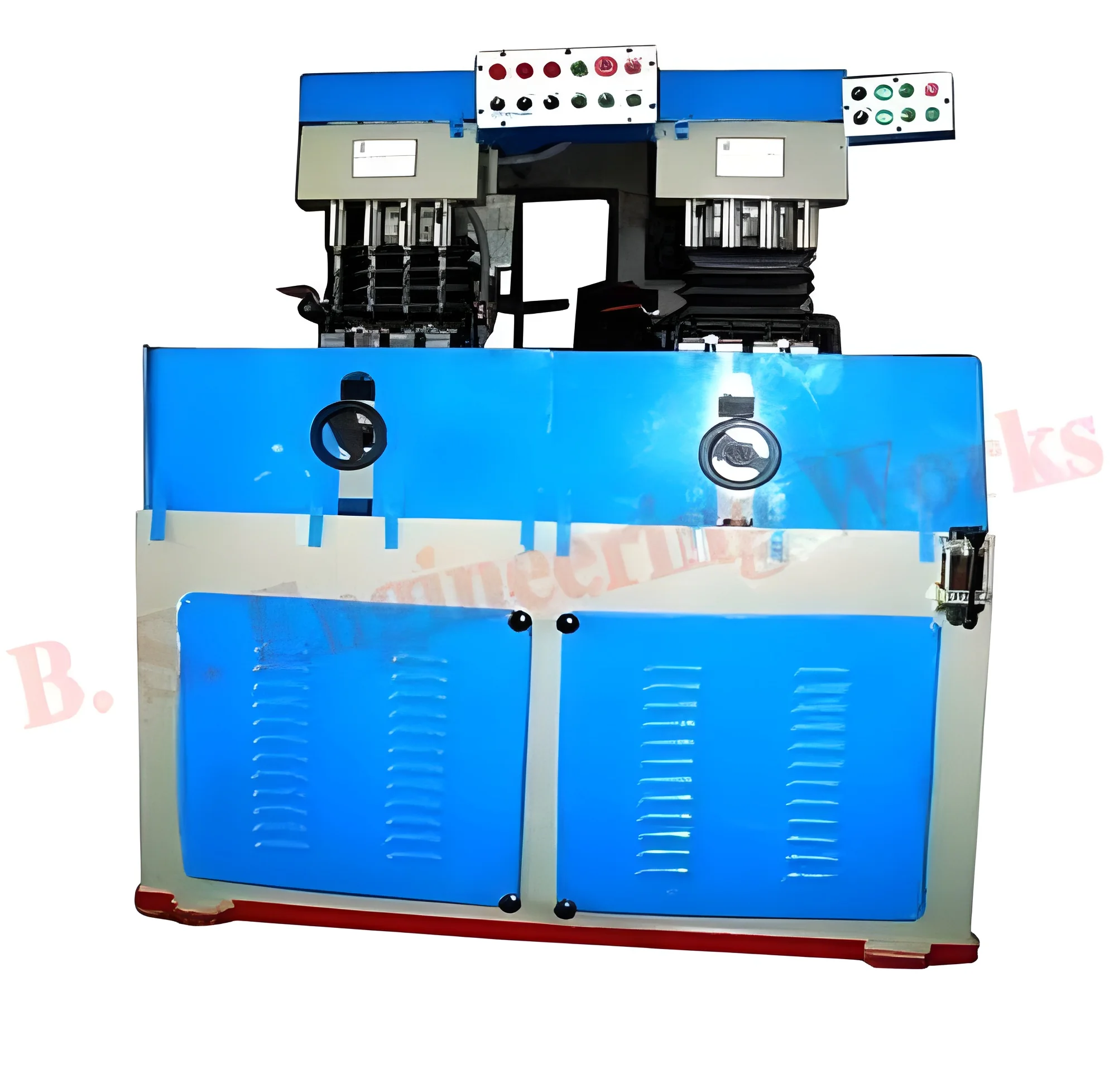
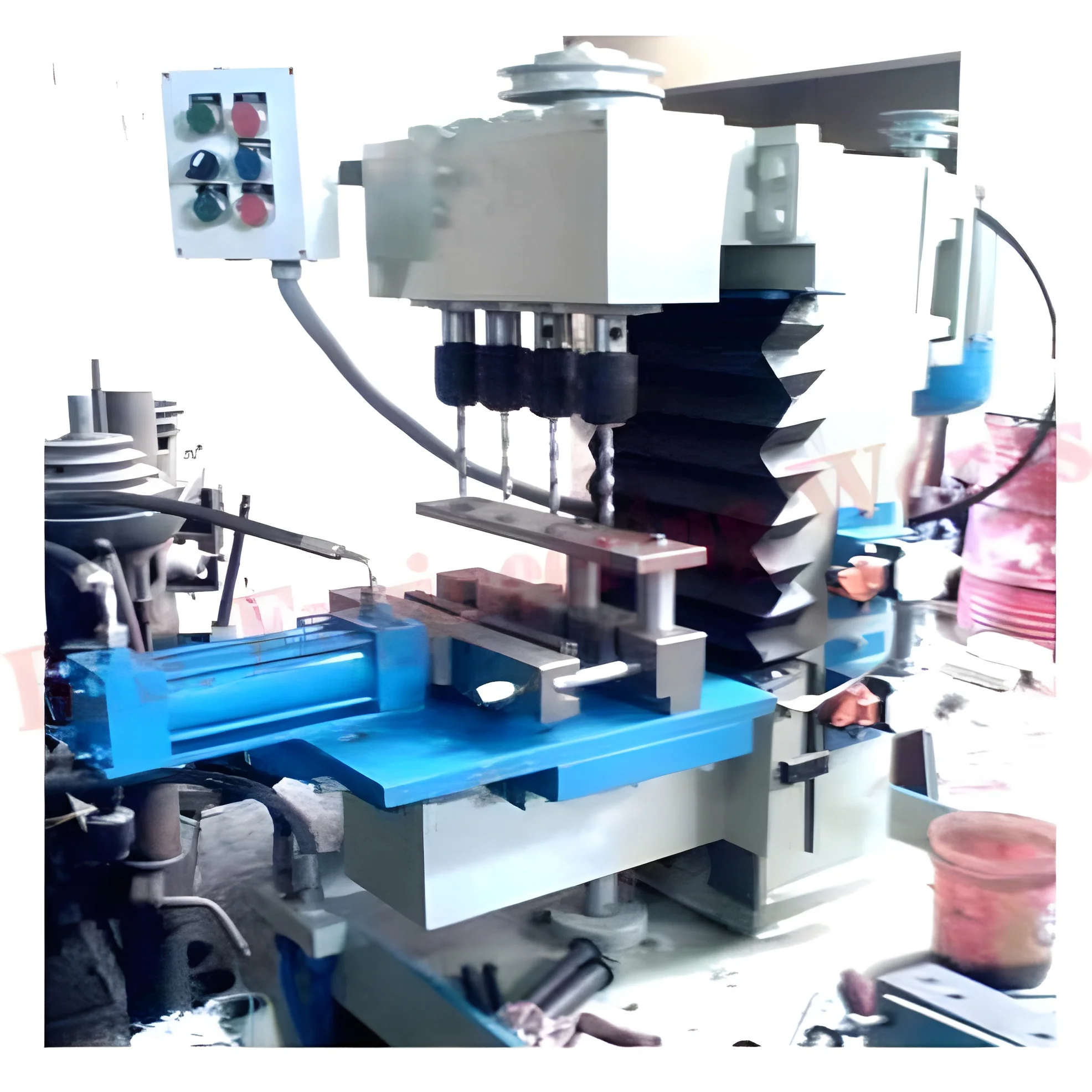
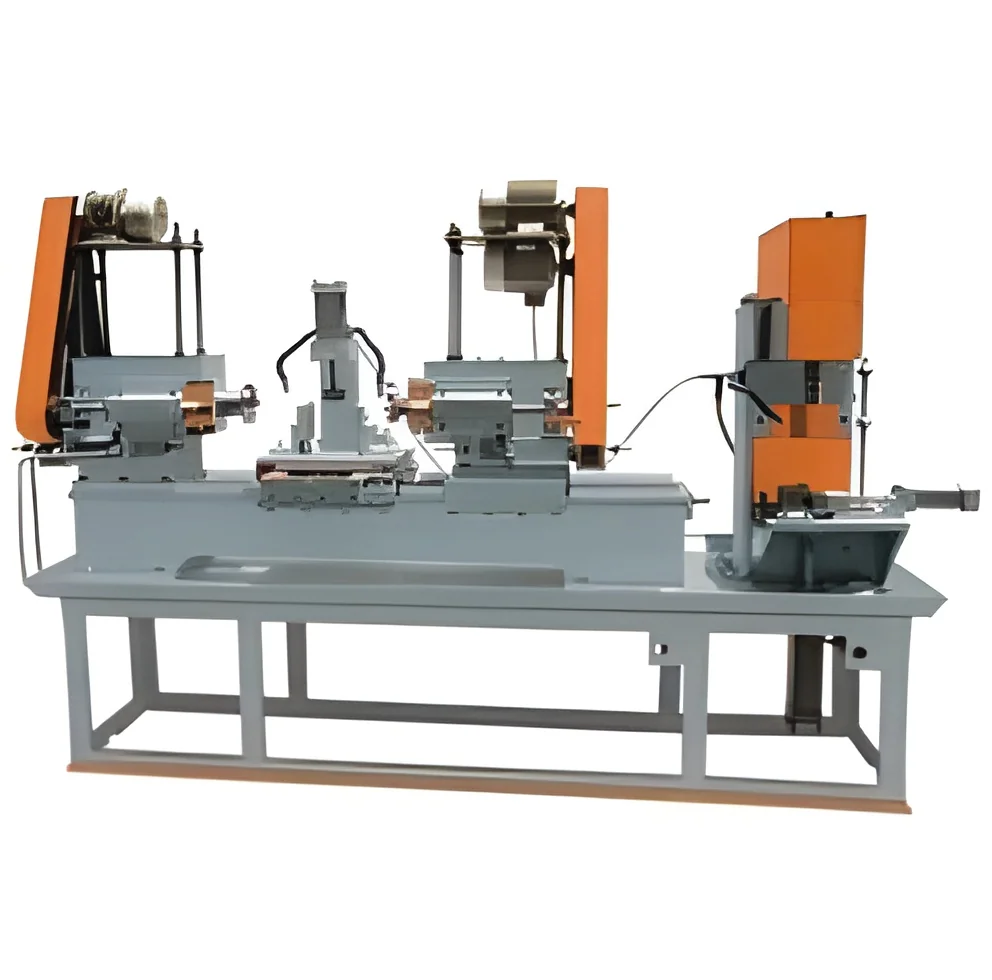
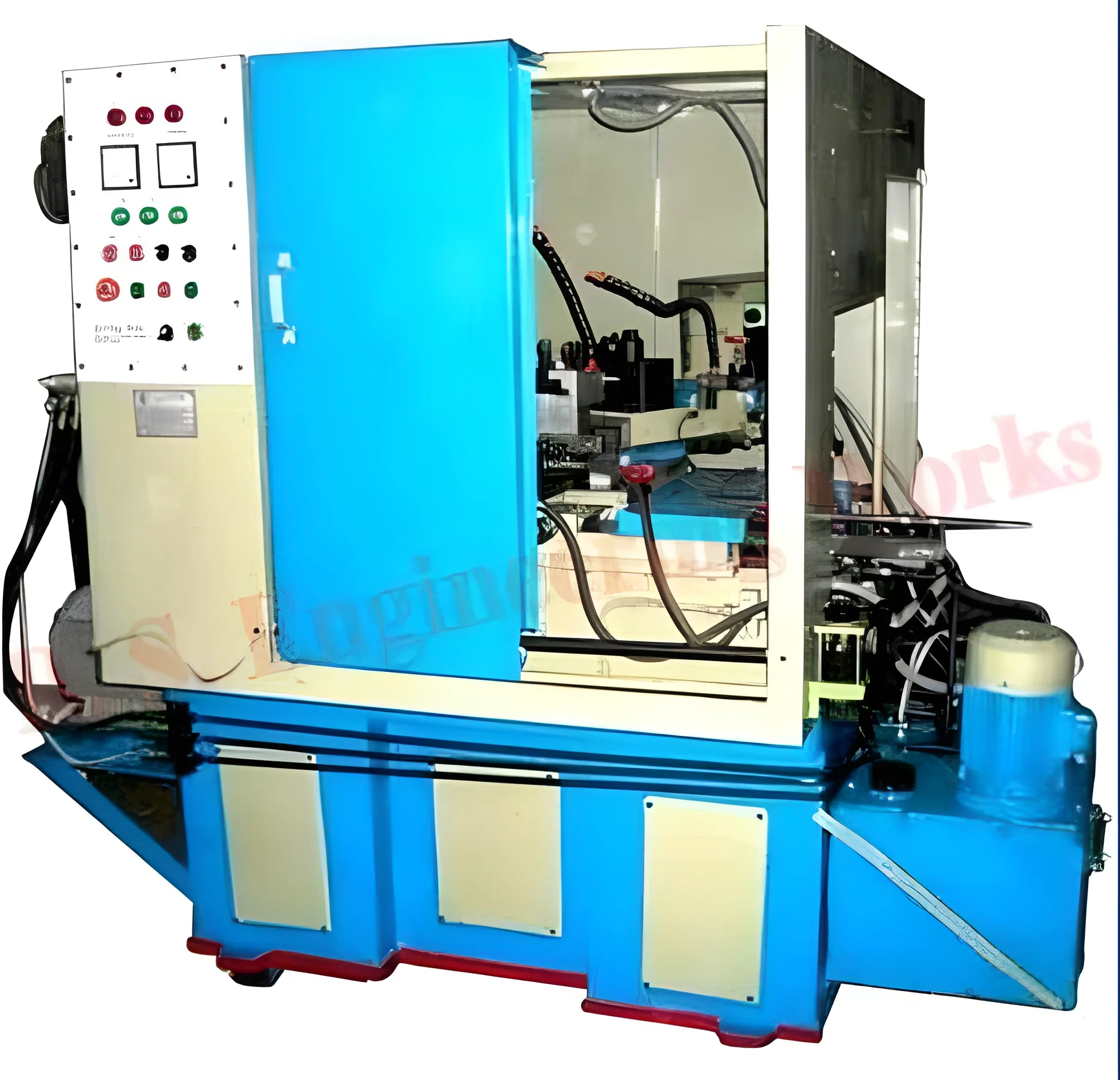
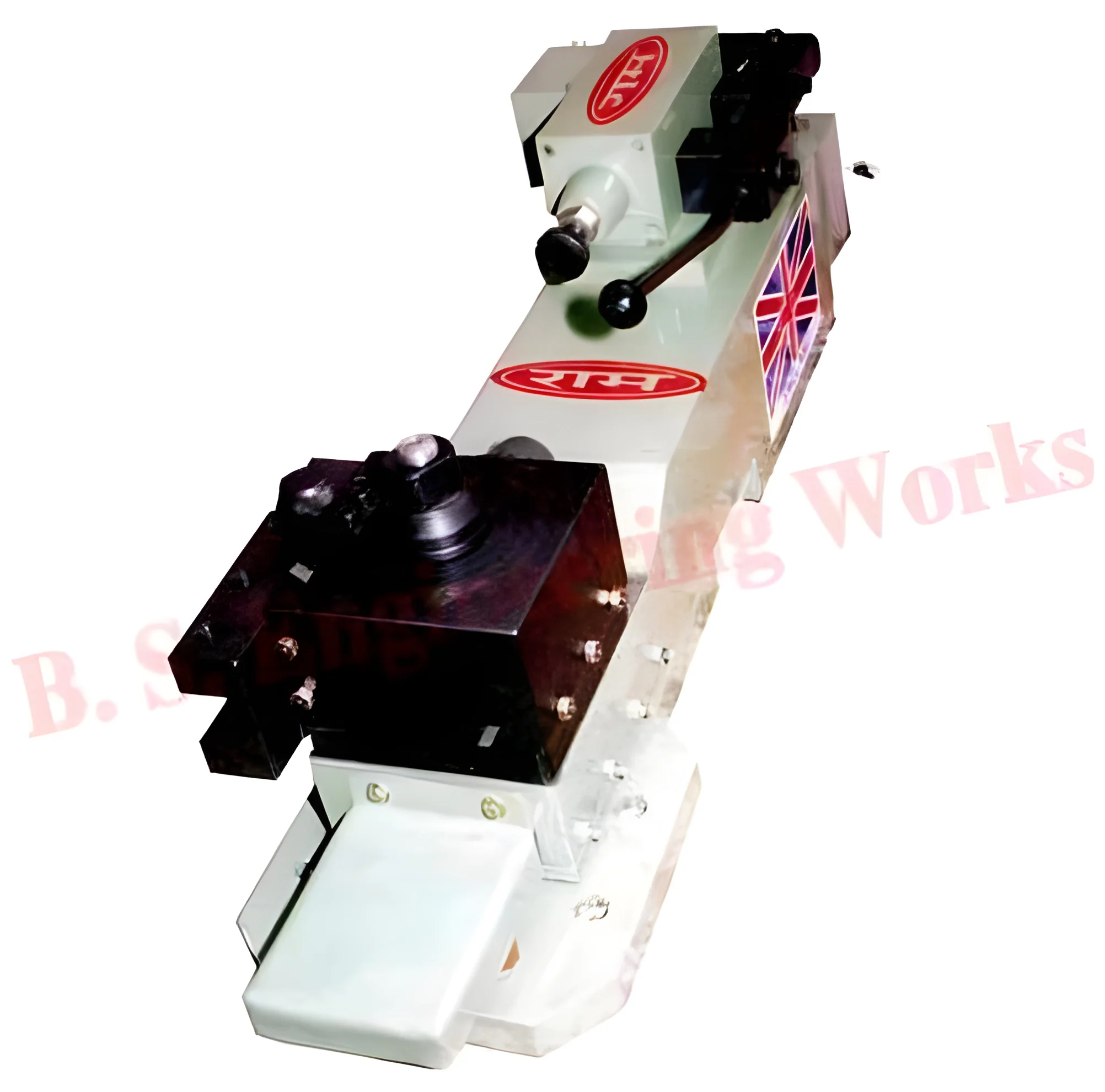
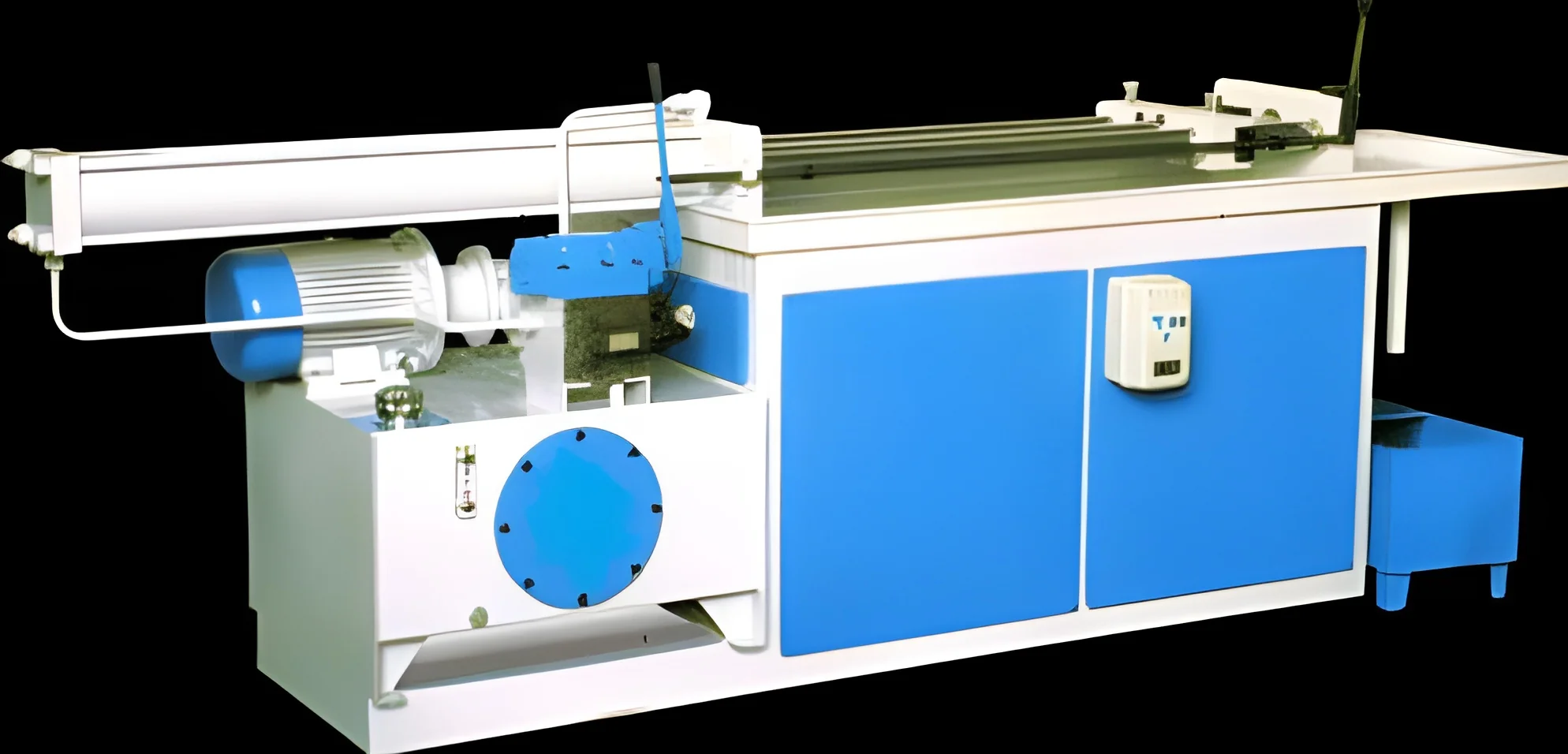
Precision broaching machines represent advanced metalworking technology designed for manufacturing operations requiring exceptional accuracy in internal and external profile creation. These robust machines utilize specialized cutting tools to remove material in precise, controlled passes, producing complex shapes with tight tolerances that other machining methods struggle to achieve consistently. Engineered for reliability and performance, each machine delivers dependable operation for high-volume production environments where consistency and precision are critical requirements. The focus on quality construction and precision engineering ensures these machines meet the demanding needs of modern manufacturing facilities seeking to enhance their metal cutting capabilities.

These broaching machines serve essential functions across multiple sectors where precision components are fundamental to product performance and safety. The automotive industry utilizes them extensively for transmissi...
Precision broaching machines represent advanced metalworking technology designed for manufacturing operations requiring exceptional accuracy in internal and external profile creation. These robust machines utilize specialized cutting tools to remove material in precise, controlled passes, producing complex shapes with tight tolerances that other machining methods struggle to achieve consistently. Engineered for reliability and performance, each machine delivers dependable operation for high-volume production environments where consistency and precision are critical requirements. The focus on quality construction and precision engineering ensures these machines meet the demanding needs of modern manufacturing facilities seeking to enhance their metal cutting capabilities.

These broaching machines serve essential functions across multiple sectors where precision components are fundamental to product performance and safety. The automotive industry utilizes them extensively for transmission components, gear manufacturing, and engine parts requiring precise internal profiles and splines. Aerospace manufacturers rely on broaching for creating complex shapes in turbine components, structural elements, and landing gear systems where material integrity and dimensional accuracy are paramount. Industrial machinery producers use these machines for manufacturing precision splines, keyways, and specialized forms in various components, while the hydraulic equipment sector benefits from broaching for creating precise internal features in valves and fluid system parts.

Investing in precision broaching machines delivers substantial business value through enhanced production efficiency, reduced operational costs, and improved component quality. The reliability of these machines ensures minimal production downtime and consistent output quality, directly impacting manufacturing profitability and throughput. The precision engineering guarantees long-term performance stability, making them valuable assets that maintain accuracy over years of continuous operation. This operational reliability translates to consistent part quality, reduced material waste, and increased customer satisfaction with manufactured components, providing a competitive advantage in markets where precision and reliability are key differentiators.

Key Features:
- Precision engineering maintains tight tolerances within 0.001 inches
- Robust construction using high-grade materials for long-term durability
- Advanced cutting tool technology delivers superior surface finishes
- Consistent repeatability ensures identical parts across production runs
- Flexible configuration accommodates various material types and component sizes

Benefits:
- Enhanced production efficiency through single-pass machining operations
- Reduced operational costs by eliminating secondary processing requirements
- Improved component quality with consistent dimensional accuracy
- Long-term reliability minimizes maintenance and downtime expenses
- Increased manufacturing capacity through high-speed precision cutting
Specifications
| Additional Information | |
|---|---|
| Country of Origin | India |
Application
Precision broaching machines specialize in creating accurate internal and external profiles in metal components that other machining methods cannot achieve efficiently. These machines handle complex forms including keyways, splines, gears, and special contours while maintaining consistent repeatability across high-volume production runs, ensuring every part meets exact specifications without variation.
Multiple industries depend on broaching technology for critical component manufacturing where precision is non-negotiable. Automotive transmission systems, aerospace components, industrial machinery, and hydraulic systems all benefit from the machine's ability to maintain tight tolerances and produce superior finishes without requiring secondary operations, significantly enhancing production efficiency and part quality.
- Cutting internal keyways in automotive transmission gears and engine components
- Machining precision splines in aerospace turbine parts and landing gear systems
- Producing complex internal forms in hydraulic valves and fluid system components
- Creating external profiles and serrations in industrial machinery shafts and actuators
- Manufacturing high-precision gears and sprockets for automotive and industrial equipment
Trade Details
| Available Stock | In Stock |
| Sample Availability | No |
Payment Terms
| Payment Terms |
|
Company Profile
B. S. Engineering Works, Punjab
 Punjab, India
Punjab, IndiaFood & Agriculture•Manufacturer•Distributor / Wholesaler
Factory Details
Factory SizeBelow 1000 sqm
Annual Production Capacity0
Precision Broaching Machines For Metal Cutting And Shaping
Precision broaching machines deliver accurate metal cutting and shaping for automotive, aerospace, and manufacturing industries, ensuring reliable high-tolerance performance and consistent quality in production environments.
Min. Order Quantity: 1 unit
Shipping
Shipping fee and delivery date to be negotiated. Contact supplier now for more details.
B. S. Engineering Works
 Punjab, India
Punjab, IndiaFood & AgricultureManufacturer