
 IN
Universal Milling Machines
19 products available
What are Universal Milling Machines?
Universal milling machines are versatile tools used in the machining process to create complex shapes and designs in various materials, primarily metals. These machines can perform a wide array of milling operations, including flat, angular, and irregular surfaces. The versatility of universal milling machines stems from their ability to adjust the position of the workpiece and the cutting tool, allowing for various angles and orientations during the milling process. This adaptability makes them a critical asset in many industrial settings.
The primary uses of universal milling machines extend across several sectors, including automotive, aerospace, and general manufacturing. They are particularly valuable for fabricating components that require precision and intricate detailing. Businesses utilize these machines to produce parts that meet exact specifications, often using them in production lines for high-volume manufacturing. As technology progresses, universal milling machines are increasingly integrated with CNC (computer numerical control) systems, enhancing their efficiency and accuracy.
In the current market context, universal milling machines are relevant due to the ongoing demand for precision manufacturing. Industries are continuously seeking ways to improve productivity and reduce operational costs. As a result, manufacturers are investing in advanced milling technologies that offer greater capabilities and adaptability to meet evolving market needs.
Key Features and Specifications
Universal milling machines come equipped with several key features that enhance their functionality and performance. These features are designed to meet the demanding requirements of various machining applications.
Key specifications include:
1. Spindle Speed
- High spindle speeds for efficient material removal
- Typically ranges from 40 to 2000 RPM
2. Table Size
- Provides a stable platform for workpieces
- Common dimensions are 1000mm x 250mm to 2000mm x 600mm
3. Travel Distance
- Indicates the range of movement of the machine components
- Usually ranges from 600mm to 1600mm in X, Y, and Z axes
4. Motor Power
- Reflects the machine's cutting ability
- Typically between 2.2 kW and 7.5 kW
5. Tool Holder Type
- Ensures compatibility with various milling tools
- Common types include ISO, BT, and SK
6. Weight
- Affects stability during operation
- Can range from 500kg to over 3000kg, depending on the machine size
7. Control System
- Determines ease of operation and programming capabilities
- Options include manual, CNC, and hybrid systems
8. Material Compatibility
- Suitable for a range of materials including aluminum, steel, and plastics
Universal milling machines are designed to provide a balance of versatility, precision, and reliability, making them essential tools for manufacturing operations.
Common Applications and Use Cases
Universal milling machines are utilized across diverse industries, each with specific applications that leverage their unique capabilities.
1. Automotive: In the automotive industry, universal milling machines are used to produce engine components, transmission parts, and intricate bodywork. Their precision ensures that parts meet stringent safety and performance standards.
2. Aerospace: Aerospace manufacturers rely on universal milling machines for crafting complex components like wing structures, landing gear, and engine casings. The machines' ability to handle tough materials is critical in this industry.
3. General Manufacturing: Many general manufacturing sectors use universal milling machines for a variety of tasks, including creating molds, fixtures, and tooling. Their versatility allows for customized production runs.
4. Medical: In the medical device manufacturing sector, these machines are essential for producing precision components, such as surgical instruments and implantable devices.
5. Electronics: Universal milling machines are also used in the electronics industry to create housings and enclosures for electronic devices, ensuring accurate specifications for functionality.
6. Energy: In the energy sector, particularly for renewable energy systems, universal milling machines help fabricate parts for wind turbines and solar panel frames.
7. Defense: The defense industry utilizes universal milling machines for producing components for military vehicles and equipment, where reliability and precision are paramount.
Product Variants and Subcategories
Universal milling machines come in various configurations to suit different manufacturing needs. Each variant offers unique features tailored to specific applications.
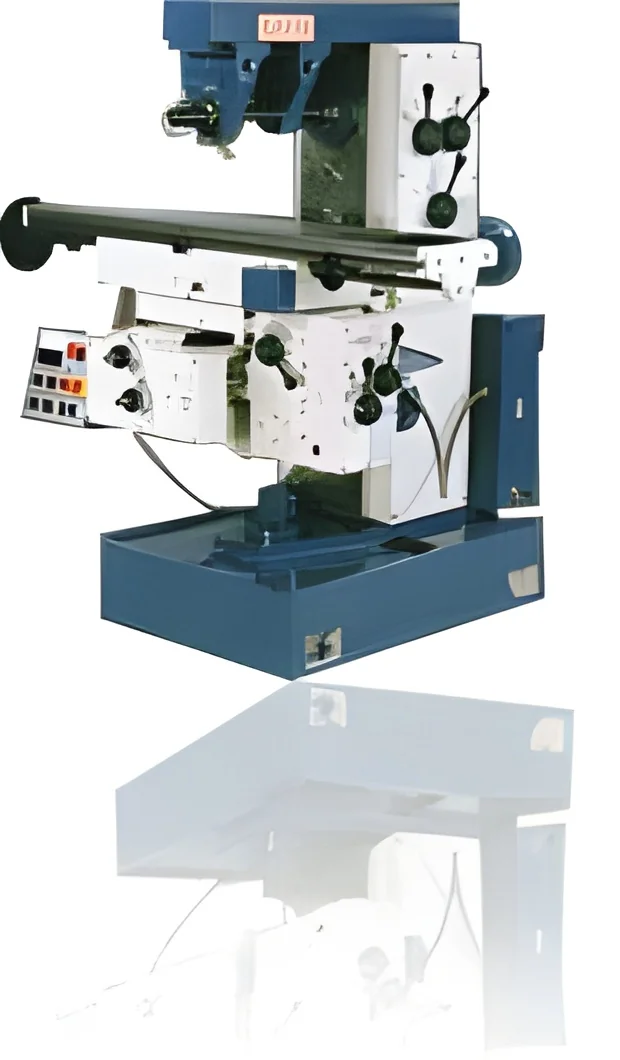
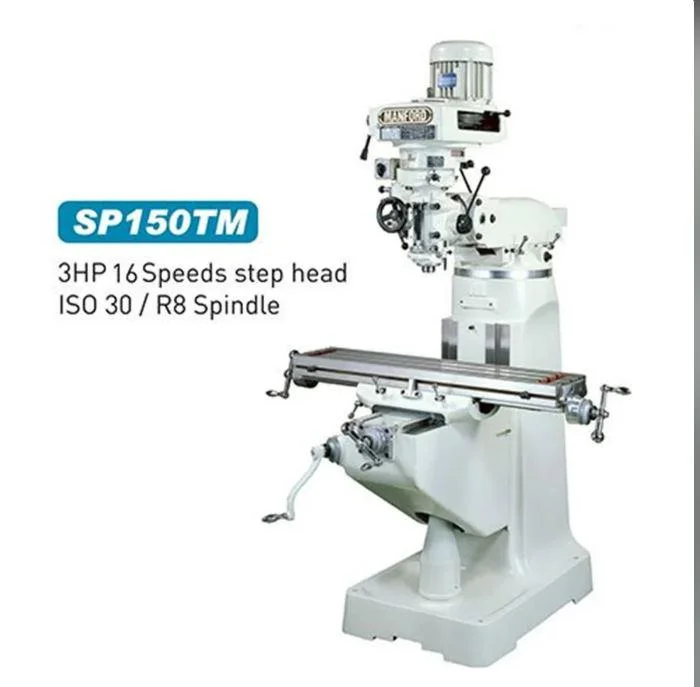
Vertical Universal Milling Machine: This variant is designed for vertical milling operations. It allows for enhanced visibility and easier setup, making it suitable for precision work on smaller components.
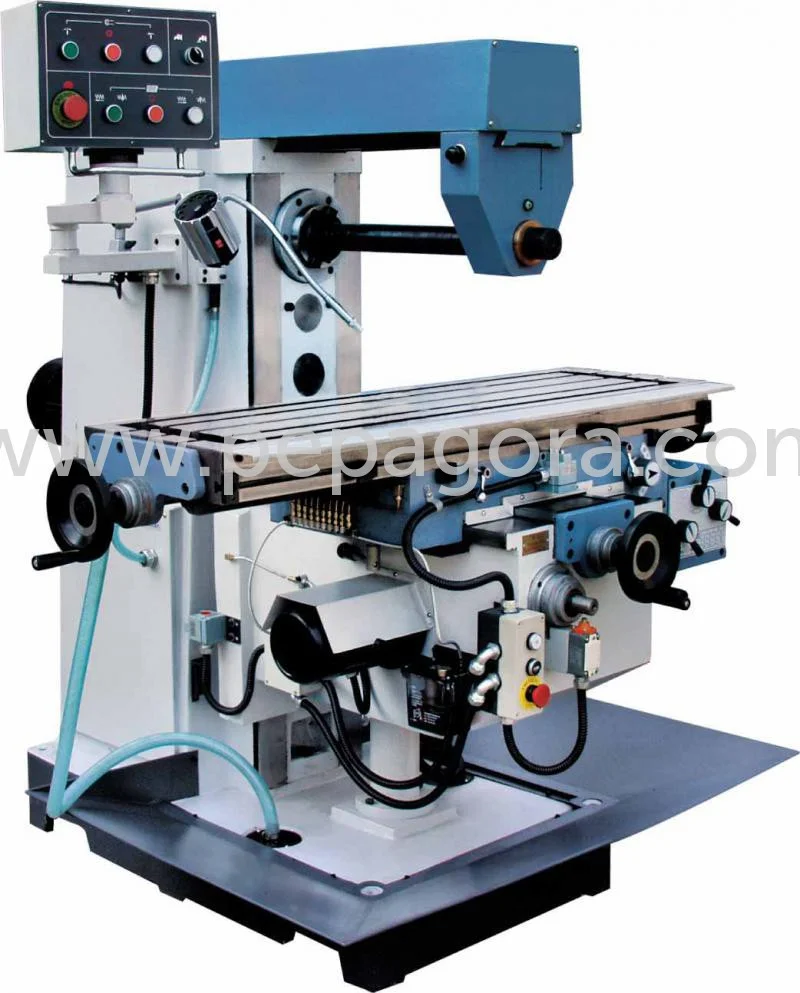
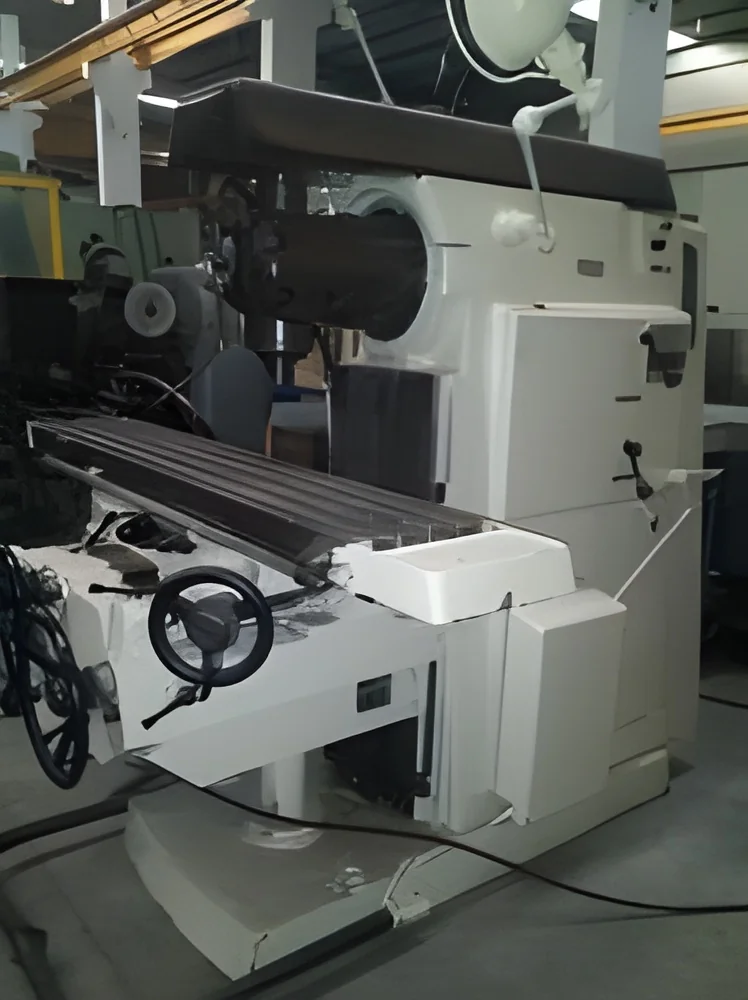
Horizontal Universal Milling Machine: Featuring a horizontal spindle orientation, this variant is ideal for heavy-duty milling tasks. It is often used for machining large workpieces and can accommodate multiple tool holders.
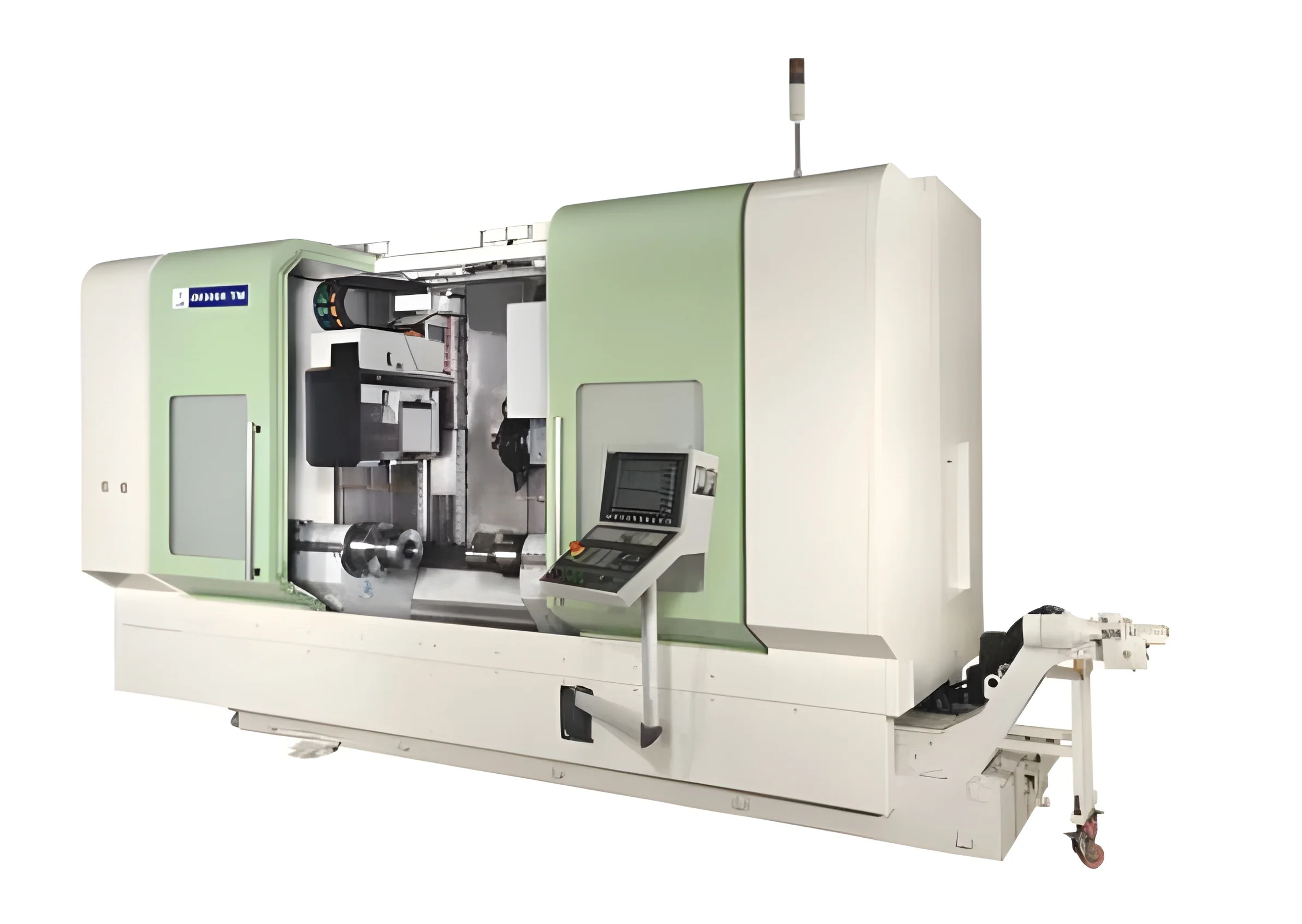
CNC Universal Milling Machine: Equipped with computer numerical control, this machine variant provides automated precision and repeatability. It is perfect for high-volume production runs and complex machining tasks.
Manual Universal Milling Machine: This variant offers a more traditional approach to milling with manual controls. While it may lack some of the advanced features of CNC machines, it remains popular for smaller operations or specific tasks.
Benefits and Advantages
Investing in universal milling machines offers numerous advantages for businesses looking to enhance their manufacturing capabilities.
Key benefits include:
1. Versatility: Universal milling machines can perform a wide range of milling operations, making them suitable for various applications across different industries.
2. Precision: These machines are designed to deliver high accuracy, ensuring that components meet exact specifications and tolerances.
3. Efficiency: With the ability to handle multiple tasks, universal milling machines can reduce production times and improve overall operational efficiency.
4. Cost-Effectiveness: By utilizing a single machine for various tasks, businesses can save on equipment costs and minimize the need for multiple specialized machines.
5. Enhanced Productivity: The integration of CNC technology in universal milling machines allows for faster production cycles and reduced manual intervention.
6. Improved Quality Control: The precision capabilities of universal milling machines help maintain consistent quality in manufactured components, reducing defects and rework.
Buying Guide for B2B Buyers
When sourcing universal milling machines, it is essential for B2B buyers to consider several critical factors to ensure they make informed purchasing decisions.
1. Quality Assessment: Evaluate the machine's construction, materials, and design to ensure durability and reliability. Look for manufacturers that comply with recognized quality standards.
2. Supplier Verification: Vet potential suppliers by checking their reputation, customer feedback, and experience in the industry. Establishing a relationship with a reliable supplier is crucial for long-term success.
3. Pricing and MOQ: Understand the pricing structure and any minimum order quantities required by suppliers. This knowledge helps in budget planning and negotiations.
4. Delivery and Lead Times: Discuss delivery options and lead times with suppliers to ensure that the machines can be delivered within your project timelines.
5. Compliance Requirements: Ensure that the machines meet relevant regulatory standards and certifications, such as CE marking, which indicates compliance with European safety and health requirements.
Compliance and Certifications
Universal milling machines must adhere to various compliance and certification standards to ensure safety and quality in manufacturing processes. Key quality standards include ISO 9001, which outlines criteria for effective quality management systems. Compliance with ISO standards helps manufacturers provide consistent quality products and enhance customer satisfaction.
Industry certifications, such as CE marking, indicate that the machines meet essential health and safety requirements. This certification is particularly important for companies operating within the European market, as it assures buyers of the machine's compliance with relevant regulations.
Additionally, safety and testing requirements are critical in ensuring the machines operate safely and efficiently. Manufacturers should guarantee that their machines undergo rigorous testing to meet national and international safety standards. Regional compliance considerations may also vary, necessitating that buyers be aware of local regulations when sourcing universal milling machines.
Why Source Universal Milling Machines from Pepagora?
Pepagora provides a trusted platform for sourcing universal milling machines, offering several key advantages that benefit B2B buyers.
Verified Supplier Network: Pepagora connects buyers with a network of verified suppliers who have been vetted for their credibility and reliability. This ensures that buyers can source high-quality machines with confidence.
Streamlined RFQ Process: The platform features a streamlined request for quotation (RFQ) process, allowing buyers to efficiently compare quotes from multiple suppliers. This transparency fosters competitive pricing and better decision-making.
Trade Assurance and Support: Pepagora offers trade assurance and buyer protection, ensuring that transactions are secure and that buyers receive the products as promised. This support enhances buyer confidence in their purchasing decisions.
Regional Coverage: With a strong presence in regions such as India, GCC, and Southeast Asia, Pepagora facilitates access to a diverse range of suppliers and products. This regional coverage ensures buyers can find suitable universal milling machines that meet their specific needs.

 India
 India
 India
 India
 India
 India
 India
 India
 India
 India
 India
 India
 India
Frequently Asked Questions
What are Universal Milling Machines?
Universal Milling Machines are versatile machine tools that can perform various milling operations, including flat, angular, and contour milling. They are designed to accommodate different types of milling attachments and can be used for machining a wide range of materials.
What are the different types of Universal Milling Machines?
There are several types of Universal Milling Machines, including bed-type, knee-type, and horizontal milling machines. Each type has specific features and capabilities tailored for different milling tasks and industries.
How do I choose the right Universal Milling Machines?
When choosing a Universal Milling Machine, consider factors such as the type of materials you will be machining, the size of the workpieces, and the specific milling operations you need to perform. Additionally, evaluate the machine's precision, power, and speed to ensure it meets your requirements.
What are the standard specifications for Universal Milling Machines?
Standard specifications for Universal Milling Machines typically include table size, spindle speed, motor power, and feed rate. These specifications can vary based on the machine's design and intended applications.
What is the price range for Universal Milling Machines?
The price range for Universal Milling Machines can vary widely based on factors such as brand, features, and specifications. Generally, prices can range from INR 1,00,000 to INR 15,00,000 or more.
What quality standards apply to Universal Milling Machines?
Universal Milling Machines are usually manufactured to comply with international quality standards such as ISO 9001. These standards ensure reliability, safety, and efficiency in operation.
Where can I find Universal Milling Machines suppliers in India?
You can find Universal Milling Machines suppliers in India through online B2B marketplaces like Pepagora.com, industry trade shows, and manufacturing directories. It's advisable to compare suppliers based on their product range, quality, and customer reviews.
Can Universal Milling Machines be customized?
Yes, many manufacturers offer customization options for Universal Milling Machines to meet specific client requirements. Customizations can include modifications in size, features, and operational capabilities.
What is the typical minimum order quantity for Universal Milling Machines?
The typical minimum order quantity (MOQ) for Universal Milling Machines can vary by supplier, but it often ranges from one unit to several units depending on the manufacturer. It's best to confirm the MOQ with the supplier directly.
What is the typical lead time for Universal Milling Machines?
The typical lead time for Universal Milling Machines can range from a few weeks to several months, depending on the supplier's inventory, customization requests, and manufacturing processes. Always check with the supplier for accurate lead time estimates.
Why Businesses Trust Pepagora
Thousands of companies trust Pepagora to source smarter and sell faster
Expand Your Sales Globally

Source Smarter,Grow Faster
