- Bolt Manufacturing – Used for producing precisely threaded bolts in high volumes.
- Screw Production – Suitable for manufacturing screws with accurate and consistent threads.
- Stud Manufacturing – Used for producing threaded studs for industrial and automotive applications.
- Automotive Components – Used to manufacture threaded shafts, pins, and other precision components.
- Fastener Manufacturing – Suitable for high-volume production of nuts, bolts, screws, and specialized fasteners.
- Engineering & Machinery – Used for producing threaded components used in industrial machinery and equipment.

 IN
IN₹
Apparel & Fashion
Description
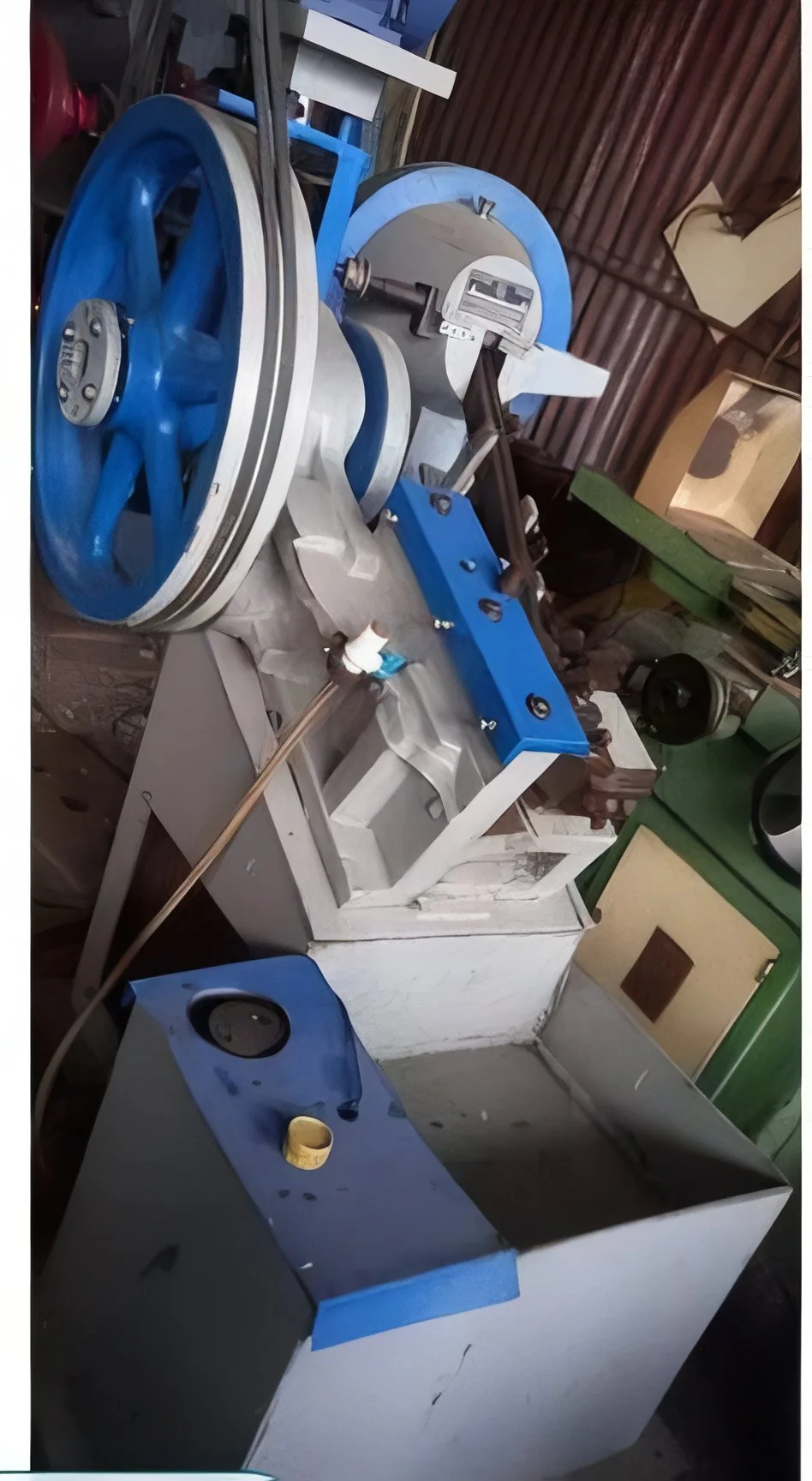
The fully automatic thread rolling machine represents a significant advancement in precision manufacturing technology, specifically designed for high-volume production of threaded components. Utilizing a sophisticated cold-forming process, this machine rolls threads onto bolts, screws, and various metal parts without cutting or removing material, which enhances thread strength and improves surface integrity. This method results in superior fatigue resistance and exceptional dimensional accuracy, making it particularly suitable for operations requiring consistent quality across large batches. The machine features an intuitive, user-friendly interface that simplifies programming of critical thread parameters including pitch, diameter, and length, allowing for quick changeovers between different specifications. Its automated operation reduces the need for skilled labor while maintaining precise control over the threading process, ensuring every component meets exacting standards. The robu...
The fully automatic thread rolling machine represents a significant advancement in precision manufacturing technology, specifically designed for high-volume production of threaded components. Utilizing a sophisticated cold-forming process, this machine rolls threads onto bolts, screws, and various metal parts without cutting or removing material, which enhances thread strength and improves surface integrity. This method results in superior fatigue resistance and exceptional dimensional accuracy, making it particularly suitable for operations requiring consistent quality across large batches. The machine features an intuitive, user-friendly interface that simplifies programming of critical thread parameters including pitch, diameter, and length, allowing for quick changeovers between different specifications. Its automated operation reduces the need for skilled labor while maintaining precise control over the threading process, ensuring every component meets exacting standards. The robust mechanical design minimizes maintenance requirements and provides reliable performance in continuous operation environments, making it a dependable workhorse for manufacturing facilities. This thre
Specifications
| Additional Information | |
|---|---|
| Country of Origin | India |
Application
Trade Details
| Available Stock | In Stock |
| Sample Availability | No |
Payment Terms
| Payment Terms |
|
Company Profile
sri athanur amman machines, Tamil Nadu
 Tamil Nadu, India
Tamil Nadu, IndiaIndustrial Equipment & Machinery•Distributor / Wholesaler•Retailer
Factory Details
Factory SizeBelow 1000 sqm
Annual Production Capacity0
Frequently Asked Questions
1
What is a Fully Automatic Thread Rolling Machine?
It is a precision machine used to form external threads on metal components through cold rolling without cutting or removing material.
2
What products can be manufactured using this machine?
It can manufacture threaded bolts, screws, studs, shafts, pins, and other precision fasteners.
3
How does thread rolling work?
A workpiece is pressed between hardened thread dies, which plastically deform the material to create the required thread profile.
Fully Automatic Thread Rolling Machine For Precision Manufacturing
Fully Automatic Thread Rolling Machine delivers precision threads on fasteners and components with superior speed and consistency for high-volume manufacturing operations.
Min. Order Quantity: 1 piece
Shipping
Shipping fee and delivery date to be negotiated. Contact supplier now for more details.
sri athanur amman machines
 Tamil Nadu, India
Tamil Nadu, IndiaIndustrial Equipment & MachineryDistributor / Wholesaler