
 IN
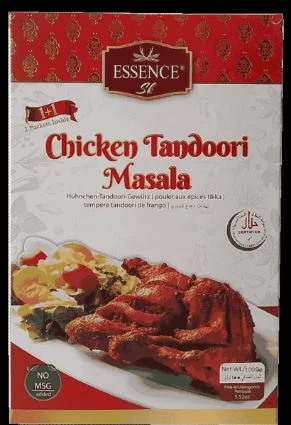
Tandoori Masala
10 products available
What are Tandoori Masala?
Tandoori Masala is a blend of spices commonly used in Indian cuisine, particularly for marinating meats and vegetables before cooking them in a traditional clay oven known as a tandoor. This spice mix typically includes ingredients such as cumin, coriander, turmeric, garam masala, and chili powder. The unique combination of these spices gives Tandoori dishes their characteristic flavor and vibrant color.
In the food industry, Tandoori Masala is primarily used by restaurants and catering services to enhance the taste of grilled or roasted items. It is also popular among food manufacturers who produce ready-to-cook meals and snacks. The growing trend of Indian cuisine in global markets has increased the relevance of Tandoori Masala, making it a sought-after ingredient in various culinary applications.
With the rise of ethnic cuisines and a growing demand for authentic flavors, Tandoori Masala has become a staple in many commercial kitchens. It not only adds depth to dishes but also provides an easy way for chefs to create signature flavors without the need for extensive preparation.
Key Features and Specifications
Tandoori Masala offers a variety of features that make it an essential ingredient in many food applications. The spice blend is known for its rich aroma, vibrant color, and balanced flavor profile. When considering Tandoori Masala for commercial use, it is important to look at the specifications that characterize the product.
Key specifications include:
1. Flavor Profile
- A balanced blend of spices providing a mildly spicy and aromatic taste.
- Tailored to suit diverse culinary preferences.
2. Color
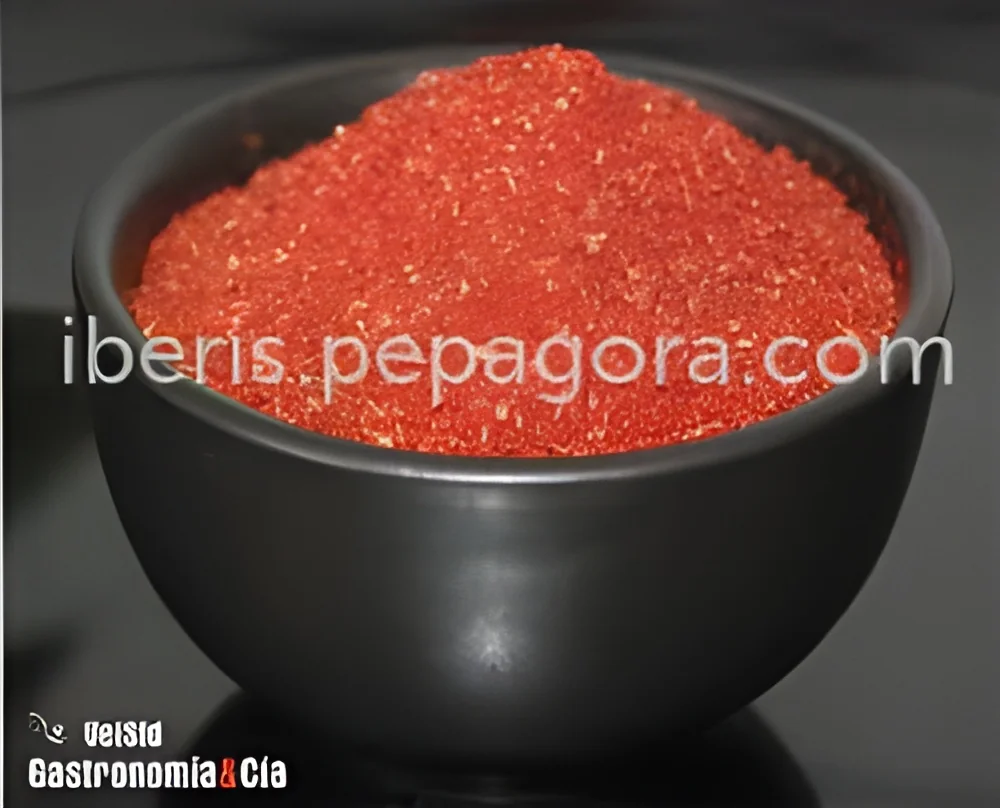
- Vibrant red to orange hue due to the presence of chili powder and turmeric.
- Enhances the visual appeal of dishes.
3. Packaging
- Available in bulk packaging for restaurants and food manufacturers.
- Smaller retail packaging options for consumer markets.
4. Shelf Life
- Typically has a shelf life of 12 to 24 months when stored properly.
- Requires cool and dry storage conditions to maintain freshness.
5. Customization Options
- Ability to create custom blends based on specific flavor requirements.
- Suitable for various dietary needs, including vegan and gluten-free options.
6. Ingredient Quality
- Sourced from high-quality spices to ensure authenticity.
- Regular quality checks to meet industry standards.
In summary, Tandoori Masala is a versatile spice blend that is easy to use and enhances the flavor of various dishes. Its specifications are designed to meet the needs of both commercial and home kitchens.
Common Applications and Use Cases
Tandoori Masala serves various industries and culinary applications. Its versatility makes it suitable for a range of uses.
1. Restaurants: Used in the preparation of tandoori chicken, paneer tikka, and other grilled dishes. It allows chefs to create authentic Indian flavors.
2. Catering Services: Essential for catering companies that specialize in Indian cuisine. It helps streamline meal preparation while maintaining flavor integrity.
3. Food Manufacturing: Utilized in the production of packaged meals, frozen foods, and snacks. Tandoori Masala adds a distinctive taste to ready-to-eat products.
4. Retail: Available in spice mixes for home cooks seeking to replicate restaurant-quality Tandoori dishes. It caters to the growing demand for ethnic cooking at home.
5. Food Trucks: Popular among mobile food vendors offering authentic Indian street food. Tandoori Masala enhances the appeal of quick service meals.
6. Meal Kit Services: Integrated into meal kits that focus on Indian recipes. It simplifies the cooking process for consumers.
7. Export Markets: Increasingly sought after in international markets where Indian cuisine is gaining popularity. This opens up new business opportunities for suppliers.
Product Variants and Subcategories
Tandoori Masala has a range of variants that cater to different tastes and applications.
Traditional Tandoori Masala: This variant is a classic blend of spices, perfect for authentic Tandoori dishes. It provides a deep, rich flavor that is ideal for marinating meats and vegetables before grilling.
Spicy Tandoori Masala: A hotter version of the traditional blend, this variant is designed for those who enjoy a more intense flavor. It is popular in restaurants that cater to spice-loving customers.
Tandoori Masala with Herbs: This variant includes additional herbs like mint and coriander, enhancing the freshness of the blend. It is suitable for lighter dishes and vegetarian applications.
Organic Tandoori Masala: Made from organically sourced spices, this variant appeals to health-conscious consumers. It offers the same authentic flavor while meeting organic certification standards.
Benefits and Advantages
Sourcing Tandoori Masala offers several key benefits for businesses in the food industry.
1. Authentic Flavor: Provides genuine Indian taste, allowing restaurants to deliver an authentic dining experience.
2. Versatility: Can be used in various applications, from marinating proteins to flavoring sauces and dips.
3. Ease of Use: Simplifies the cooking process for chefs, enabling quick meal preparation without compromising on quality.
4. Customization: Offers options for tailored blends to meet specific culinary needs and preferences.
5. Market Demand: Increasing popularity of Indian cuisine creates a strong market opportunity for suppliers.
6. Cost-Effective: Bulk purchasing options can lead to cost savings for restaurants and food manufacturers.
Buying Guide for B2B Buyers
When sourcing Tandoori Masala, buyers should consider several important factors to ensure they select the right product.
1. Quality Assessment: Evaluate the quality of ingredients used in the spice blend. Look for suppliers that adhere to quality standards to guarantee freshness and authenticity.
2. Supplier Verification: Vet suppliers to ensure they have a reliable history and good customer feedback. This helps in maintaining consistent product quality and supply reliability.
3. Pricing and MOQ: Understand the pricing structure and minimum order quantities. This information is essential for budgeting and inventory management.
4. Delivery and Lead Times: Consider the logistics of sourcing Tandoori Masala, including delivery times. Reliable lead times are crucial for maintaining kitchen operations.
5. Compliance Requirements: Familiarize yourself with any regulatory requirements regarding food safety and labeling. Compliance with local and international standards is essential.
Compliance and Certifications
When sourcing Tandoori Masala, it is important to be aware of relevant compliance and certification standards.
Quality standards such as ISO 9001 ensure that products meet international quality management criteria. This is vital for maintaining consistency and customer satisfaction.
HACCP (Hazard Analysis and Critical Control Points) certification is crucial in the food industry to ensure safety and hygiene throughout the production process.
Compliance with GDP (Good Distribution Practice) is necessary to guarantee the integrity and quality of the spice blend during transportation and storage.
In addition, obtaining industry certifications such as CE can provide assurance of product quality and safety.
Regional compliance considerations should also be taken into account, especially when exporting Tandoori Masala to different markets. Understanding local regulations helps in navigating the complexities of international trade.
Why Source Tandoori Masala from Pepagora?
Pepagora provides a trusted platform for sourcing Tandoori Masala, offering several key advantages to B2B buyers.
Verified Supplier Network: Pepagora connects buyers with a network of verified suppliers. This ensures that businesses are dealing with reputable sources that meet quality standards.
Streamlined RFQ Process: The platform offers a straightforward Request for Quotation (RFQ) system that simplifies the procurement process. Buyers can easily compare offers from different suppliers to make informed decisions.
Trade Assurance and Support: Pepagora provides trade assurance and support to protect buyers during transactions. This gives businesses peace of mind when sourcing products.
Regional Coverage: With a strong presence in India, the GCC, and Southeast Asia, Pepagora facilitates access to Tandoori Masala suppliers across diverse markets. This geographic reach helps buyers find the right products tailored to their needs.
In conclusion, sourcing Tandoori Masala through Pepagora ensures quality, reliability, and a wide range of options for businesses looking to enhance their culinary offerings.


 India
 India
 India
 India


Frequently Asked Questions
What are Tandoori Masala?
Tandoori Masala is a spice blend typically used in Indian cuisine, particularly for marinating meats and vegetables before cooking them in a tandoor (clay oven). It usually includes a mix of spices such as cumin, coriander, turmeric, garam masala, and chili powder, which contribute to its distinctive flavor and aroma.
What are the different types of Tandoori Masala?
There are several varieties of Tandoori Masala, including chicken Tandoori masala, mutton Tandoori masala, and vegetable Tandoori masala. Each type is tailored to enhance the specific flavors of the main ingredient while maintaining the characteristic spice profile of Tandoori cooking.
How do I choose the right Tandoori Masala?
When selecting Tandoori Masala, consider the type of dish you are preparing and the flavor intensity you desire. Experimenting with different brands and blends can help you find the one that best suits your culinary needs and preferences.
What are the standard specifications for Tandoori Masala?
Standard specifications for Tandoori Masala typically include parameters such as moisture content, particle size, and the presence of specific spices. Quality checks may also focus on color, aroma, and flavor to ensure consistency and authenticity.
What is the price range for Tandoori Masala?
The price range for Tandoori Masala varies depending on the brand, quality, and packaging size. Generally, you can expect to pay between INR 100 to INR 500 per kilogram, with premium blends costing more.
What quality standards apply to Tandoori Masala?
Quality standards for Tandoori Masala often include adherence to food safety regulations, such as the FSSAI guidelines in India. Additionally, manufacturers may implement their own quality control measures to ensure the purity and authenticity of their spice blends.
Where can I find Tandoori Masala suppliers in India?
Tandoori Masala suppliers in India can be found through various online B2B marketplaces, local spice manufacturers, and grocery wholesalers. Websites like Pepagora provide a platform to connect with reliable suppliers for bulk purchasing.
Can Tandoori Masala be customized?
Yes, many manufacturers offer customization options for Tandoori Masala to cater to specific flavor preferences or dietary requirements. This can include altering the spice blend or adjusting the levels of heat and sweetness.
What is the typical minimum order quantity for Tandoori Masala?
The typical minimum order quantity (MOQ) for Tandoori Masala varies by supplier, but it often ranges from 10 kg to 50 kg. It's advisable to check with individual suppliers for their specific MOQ requirements.
What is the typical lead time for Tandoori Masala?
The typical lead time for Tandoori Masala orders can range from 5 to 15 business days, depending on the supplier and current stock levels. It's best to confirm lead times when placing an order to ensure timely delivery.
Why Businesses Trust Pepagora
Thousands of companies trust Pepagora to source smarter and sell faster
Expand Your Sales Globally

Source Smarter,Grow Faster
