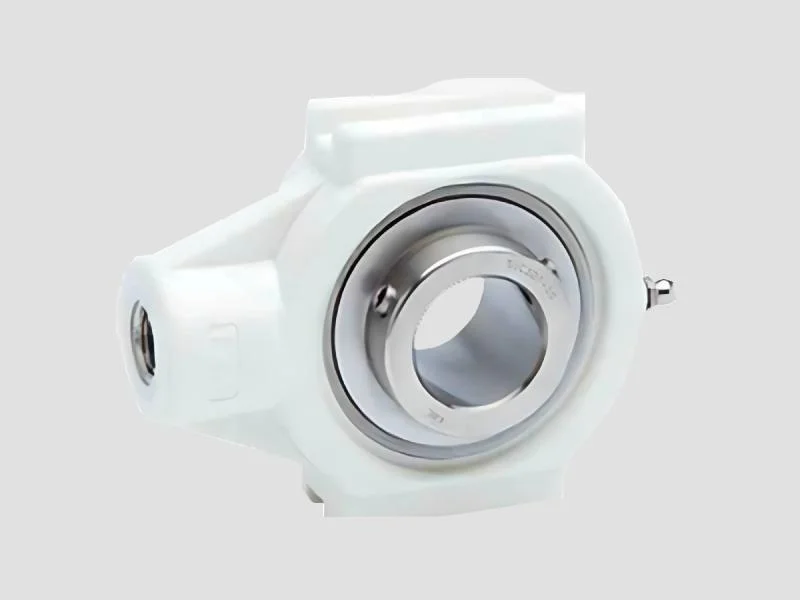
What are Take-Up Units?
Take-Up Units are critical components used in conveyor systems to manage the tension of belts. They are designed to provide a means for adjusting the length of the belt, ensuring optimal performance and reducing wear and tear. Typically, these units consist of a frame, pulleys, and a tensioning mechanism that work together to maintain the correct tension on the conveyor belt. This functionality is essential for preventing slippage and ensuring efficient material handling.
Take-Up Units are utilized across various industries where conveyor systems play a vital role in operations. They are commonly found in manufacturing, mining, and logistics sectors, among others. By allowing for easy adjustments to the belt length, Take-Up Units contribute to the longevity of conveyor systems and enhance productivity. Their importance in maintaining operational efficiency and minimizing downtime makes them a significant investment for businesses reliant on material transport.
In today's competitive market, the demand for efficient conveyor systems has increased, driving the need for high-quality Take-Up Units. As industries continue to evolve, the relevance of these components remains strong, providing businesses with the necessary tools to optimize their operations.
Key Features and Specifications
Take-Up Units come with a variety of features designed to enhance their functionality and reliability. Understanding these specifications is crucial for selecting the right unit for your application.
Key specifications include:
1. Frame Material
- Typically made from steel or aluminum for durability
- Resistance to corrosion and wear
2. Pulley Size
- Available in various diameters to match specific belt widths
- Designed for optimal load distribution
3. Tensioning Mechanism
- Can be manual or automatic for ease of use
- Ensures consistent belt tension
4. Weight Capacity
- Varies by model and design
- Must align with the specific requirements of the conveyor system
5. Mounting Options
- Flexible installation configurations available
- Allows for integration into existing setups
6. Adjustment Range
- Different models provide varying ranges for belt length adjustments
- Essential for accommodating different operational needs
7. Compliance Certifications
- Many units come with CE certification for safety and quality assurance
- Ensures adherence to industry standards
8. Temperature and Environmental Resistance
- Designed to function in a range of operating temperatures
- Some units offer enhanced features for humidity control
In summary, understanding the features and specifications of Take-Up Units is essential for making informed decisions. These components play a pivotal role in the efficiency and reliability of conveyor systems.
Common Applications and Use Cases
Take-Up Units serve a wide range of industries, providing essential support for conveyor systems.
1. Manufacturing: In manufacturing, Take-Up Units help maintain the tension of conveyor belts that transport materials and products through various stages of production.
2. Mining: These units are used in mining operations to handle heavy loads and ensure the smooth transport of extracted materials.
3. Logistics: In logistics, Take-Up Units facilitate the movement of goods across warehouse systems, enhancing operational efficiency in sorting and distribution.
4. Food Processing: Used in food processing plants, these units help maintain hygiene and efficiency in the transport of raw ingredients and finished products.
5. Automotive: In the automotive industry, Take-Up Units assist in the precise handling of components along assembly lines.
6. Recycling: These units are vital in recycling facilities for transporting materials through sorting and processing systems.
7. Agriculture: In agricultural settings, Take-Up Units support conveyor systems that move bulk products, such as grains and fertilizers.
Product Variants and Subcategories
Take-Up Units are available in various configurations to meet diverse operational requirements.
Standard Take-Up Units are designed for general applications and come in different sizes to accommodate various conveyor belt widths. These units typically offer manual tensioning mechanisms.
Heavy-Duty Take-Up Units are built for challenging environments and can handle higher weight capacities. They often feature reinforced frames and automatic tensioning systems for enhanced durability.
Adjustable Take-Up Units allow for quick modifications to belt length, making them ideal for operations where frequent adjustments are necessary. These units are versatile and can be used in multiple applications.
Benefits and Advantages
Investing in Take-Up Units provides numerous advantages for businesses.
1. Improved Efficiency: Properly tensioned belts reduce slippage, enhancing overall conveyor system efficiency.
2. Increased Durability: Quality Take-Up Units extend the lifespan of conveyor belts and reduce the frequency of replacements.
3. Reduced Maintenance Costs: By minimizing wear and tear, these units lower the need for costly repairs and downtime.
4. Versatility: Take-Up Units can be applied in various industries, making them a flexible solution for different operational needs.
5. Enhanced Safety: Proper belt tension reduces the risk of accidents and injuries associated with conveyor operations.
6. Easy Installation: Many units are designed for straightforward installation, allowing for quick integration into existing systems.
Buying Guide for B2B Buyers
When sourcing Take-Up Units, several key factors should be considered to ensure the best fit for your needs.
1. Quality Assessment: Look for units that meet quality standards and have a proven track record of reliability. Consider suppliers that provide detailed product specifications.
2. Supplier Verification: Vet potential suppliers by checking their reputation, customer reviews, and certifications. A verified supplier network can ensure product quality.
3. Pricing and MOQ: Understand the pricing structure and minimum order quantities associated with your purchase. This will help in budgeting and planning.
4. Delivery and Lead Times: Inquire about the expected delivery times and logistics involved. Timely delivery is crucial for maintaining production schedules.
5. Compliance Requirements: Ensure that the Take-Up Units meet relevant regulatory and safety standards applicable to your industry. Compliance with certifications like CE is essential.
Compliance and Certifications
Take-Up Units must adhere to various quality standards and certifications to ensure safety and reliability in their applications.
ISO 9001 is a widely recognized standard that emphasizes effective quality management systems. Manufacturers of Take-Up Units often seek this certification to demonstrate their commitment to quality.
Industry certifications such as CE indicate compliance with European safety, health, and environmental protection standards. This certification assures buyers of the product's safety and performance.
Safety and testing requirements are crucial in the manufacturing of Take-Up Units. Rigorous testing protocols ensure that these units can withstand demanding operational conditions without failure.
Regional compliance considerations also play a role in sourcing Take-Up Units. Different regions may have specific regulations that manufacturers must follow to ensure their products are market-ready.
Why Source Take-Up Units from Pepagora?
Pepagora offers a trusted platform for sourcing Take-Up Units, providing several advantages to buyers.
Verified Supplier Network: Pepagora connects buyers with a network of verified suppliers. This ensures that the products meet industry standards and quality expectations.
Streamlined RFQ Process: The platform features an efficient Request for Quotation (RFQ) system. Buyers can easily request quotes from multiple suppliers, simplifying the procurement process.
Trade Assurance and Support: Pepagora provides trade assurance to protect buyers' interests. This includes support throughout the transaction process, ensuring a smooth experience.
Regional Coverage: With a strong presence in India, the GCC, and Southeast Asia, Pepagora offers extensive regional coverage. This geographic reach allows for better sourcing options and support for various businesses.

 IN
IN