IN
IN₹
Description
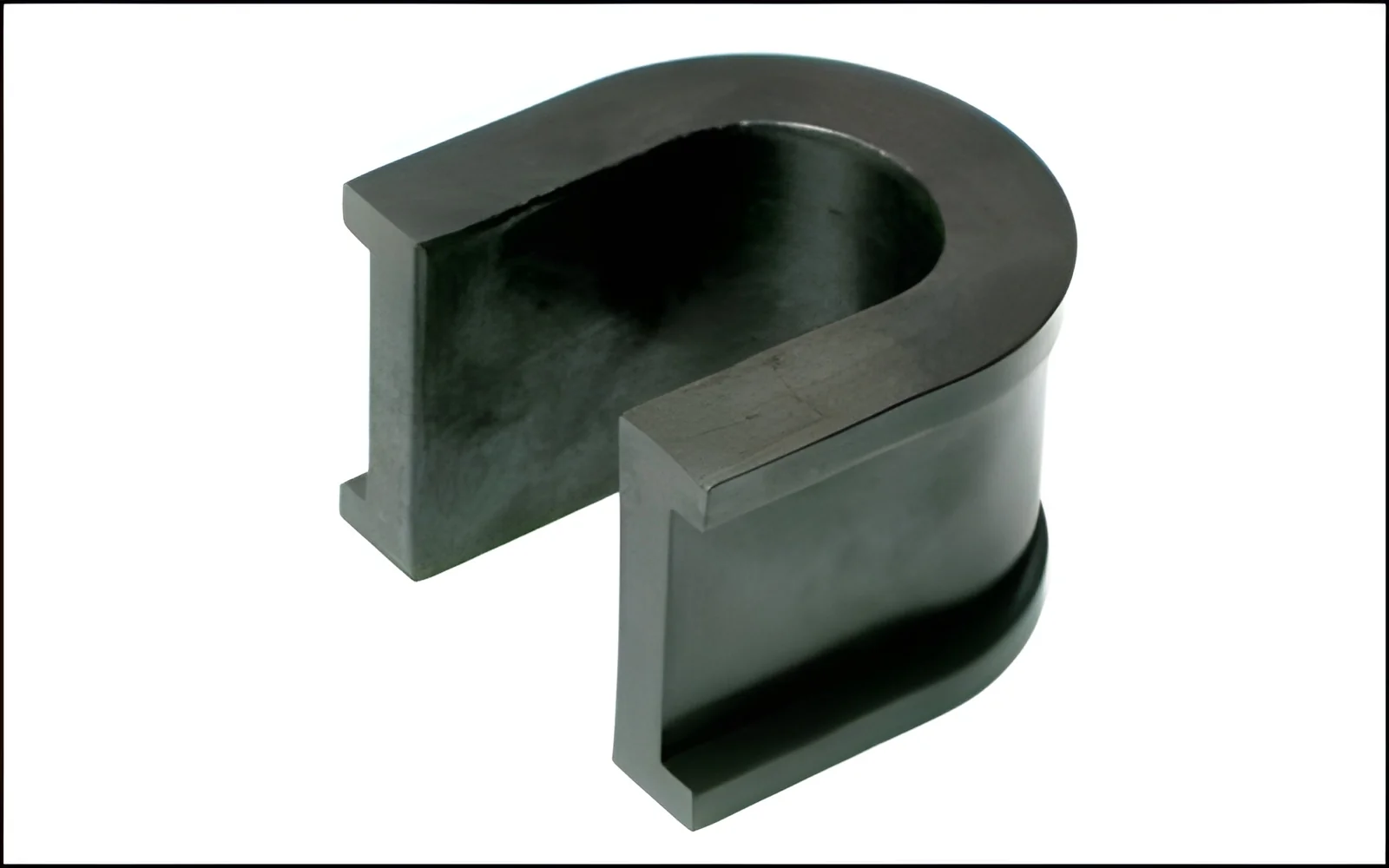
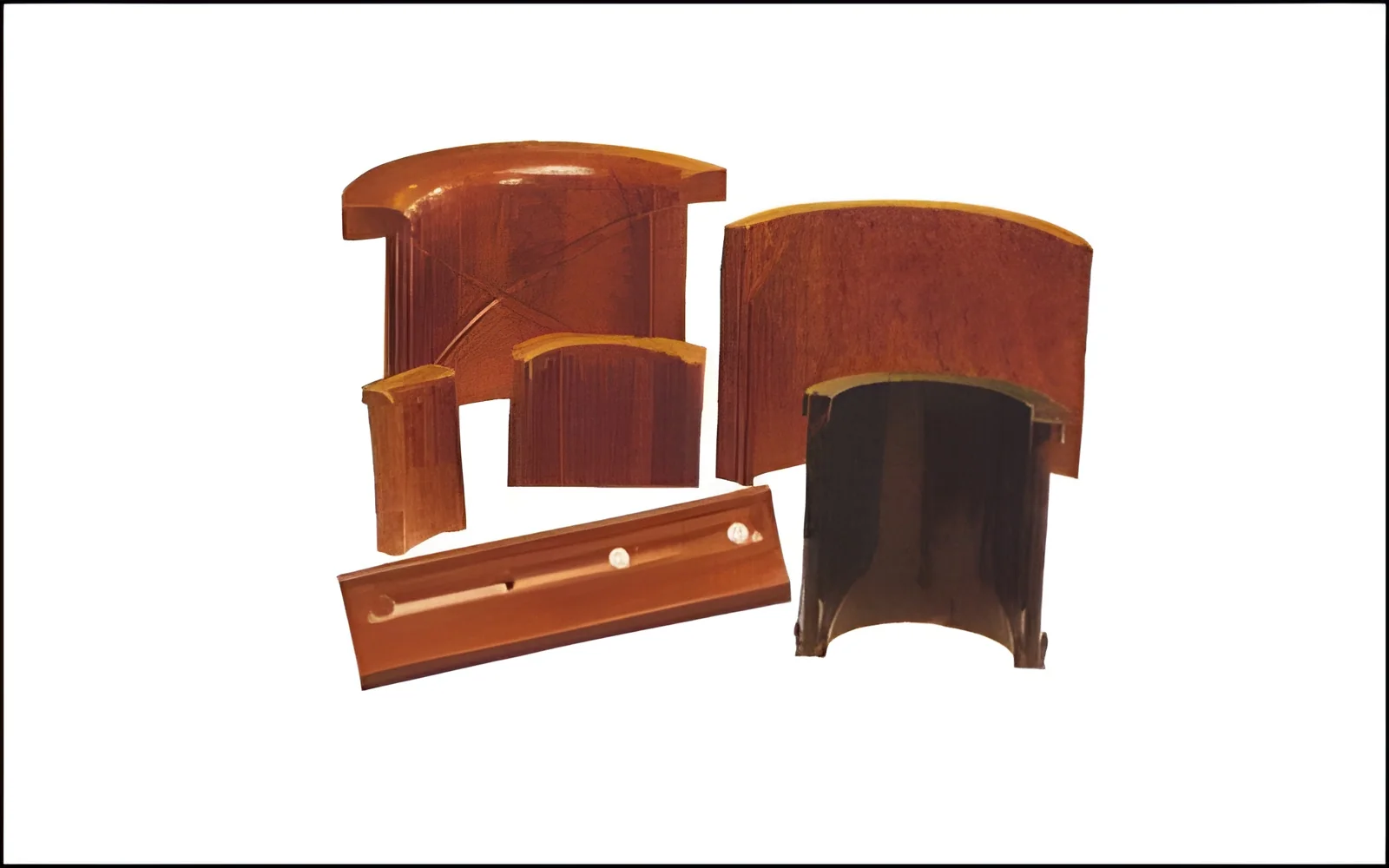
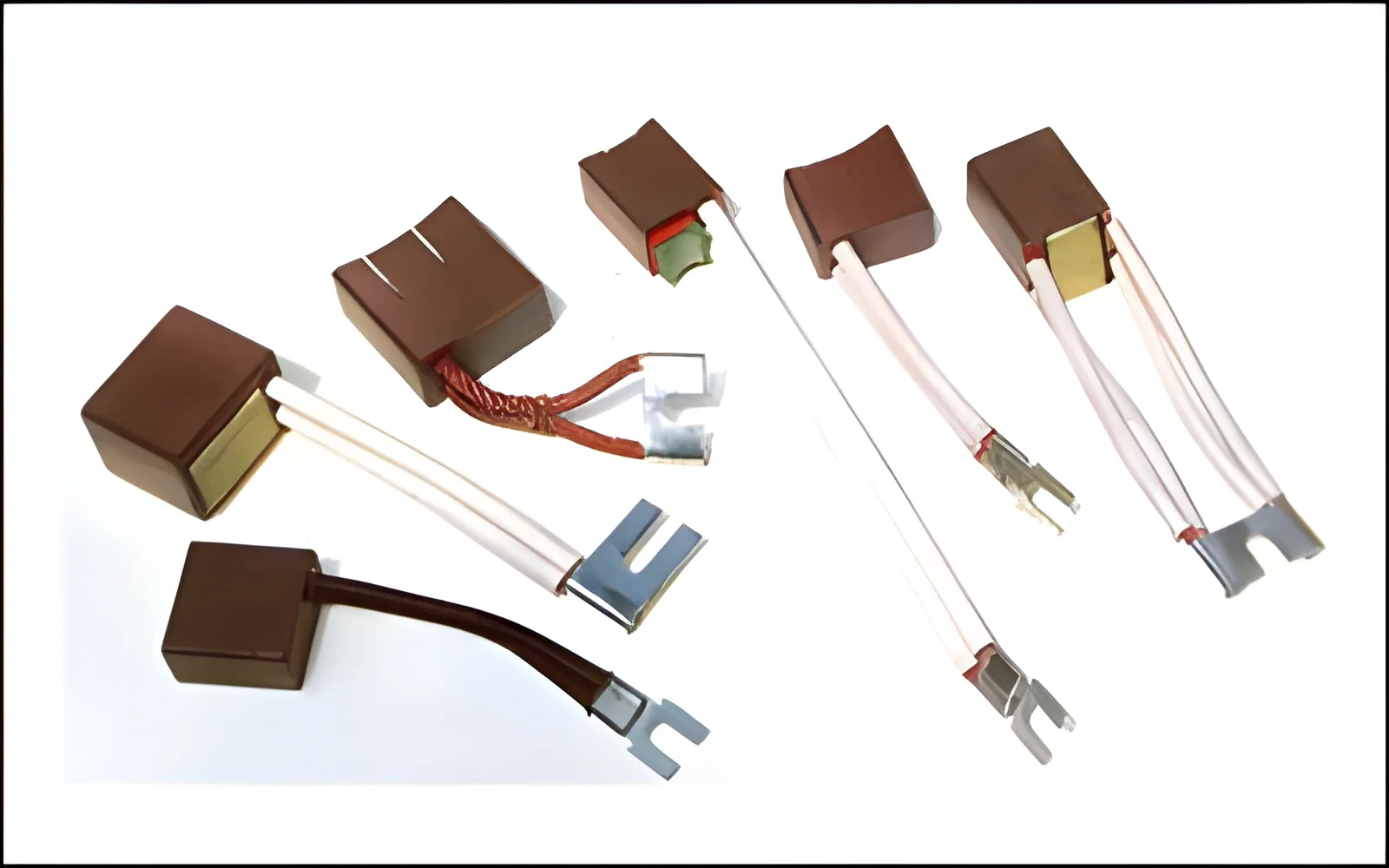
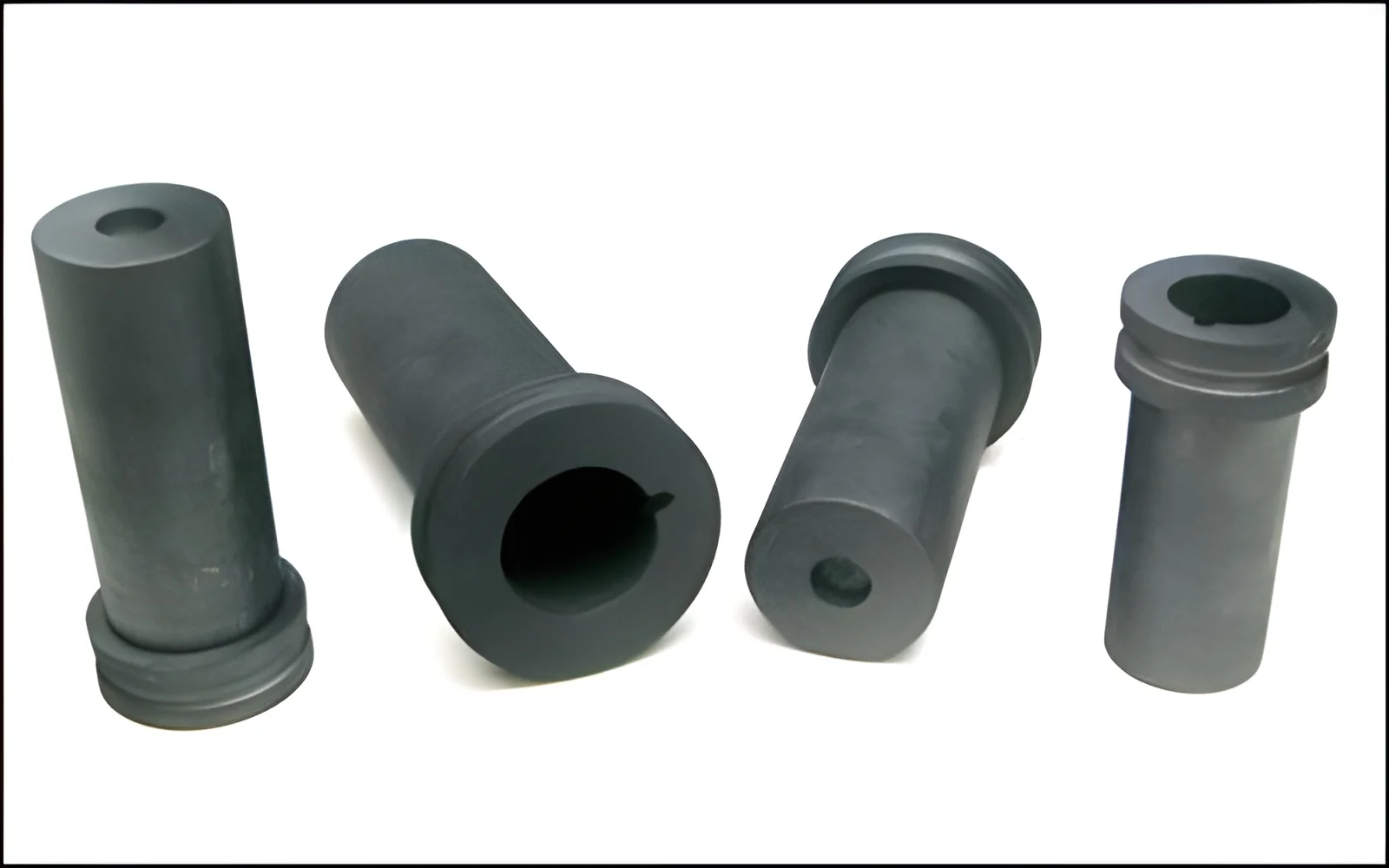
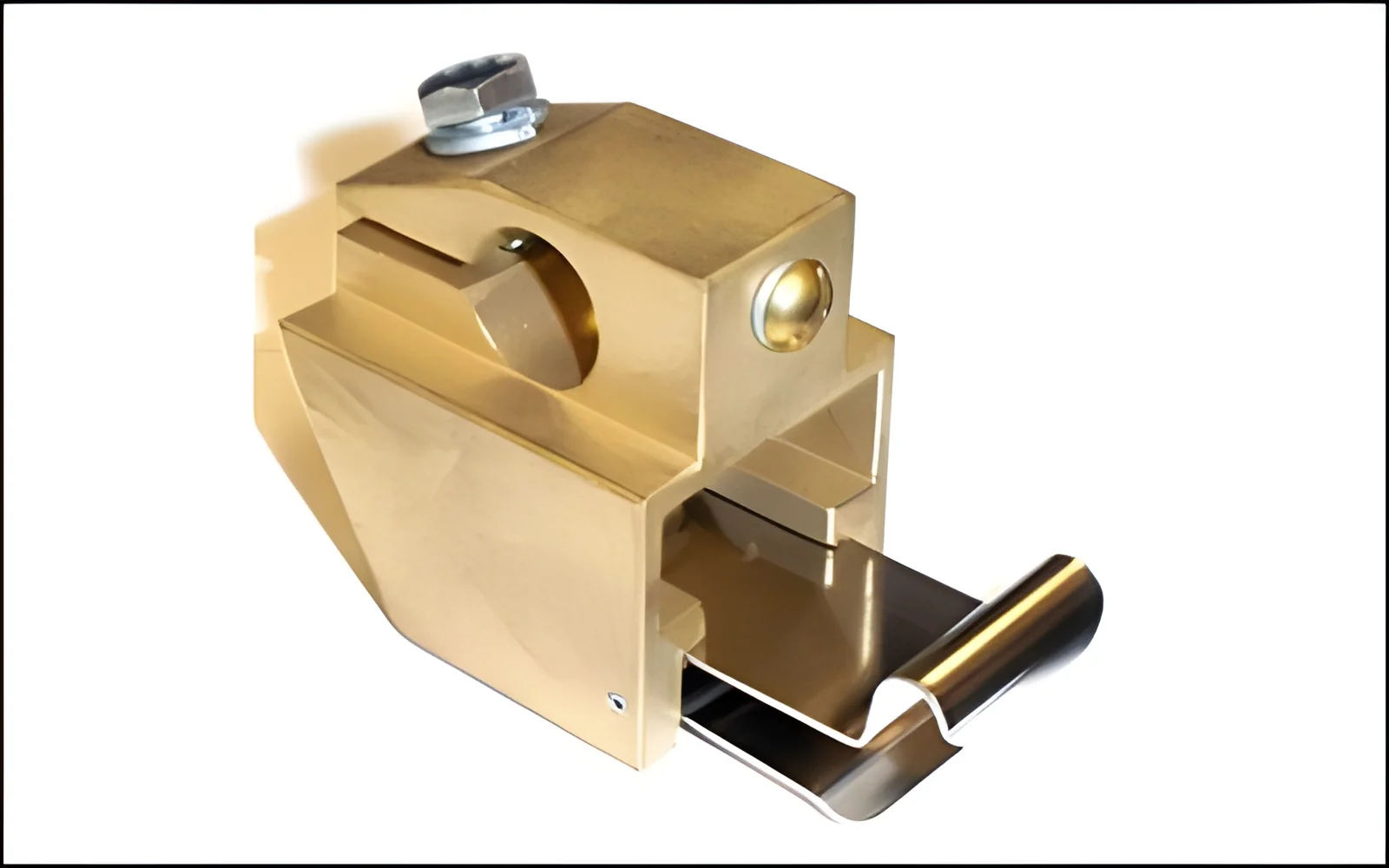
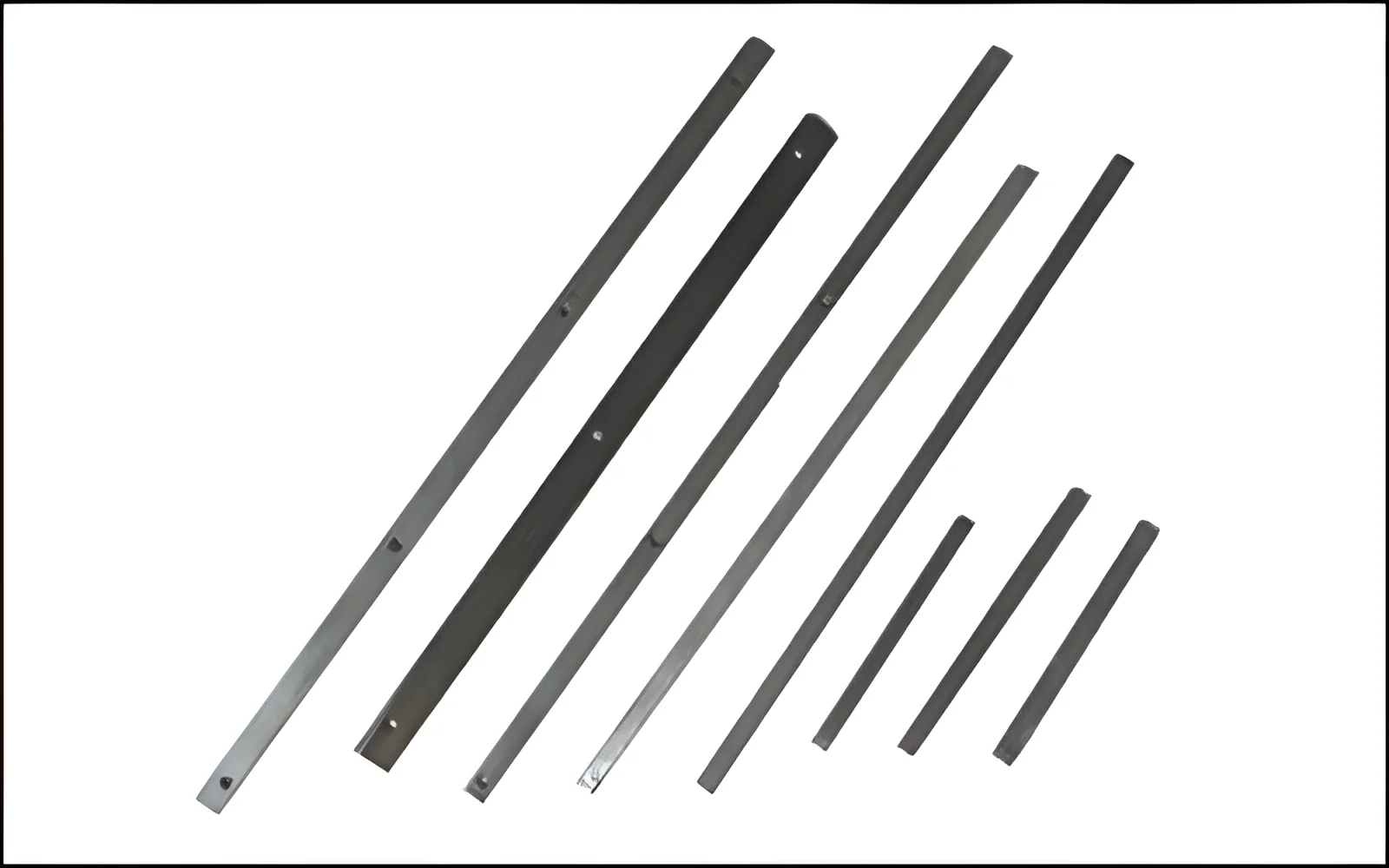
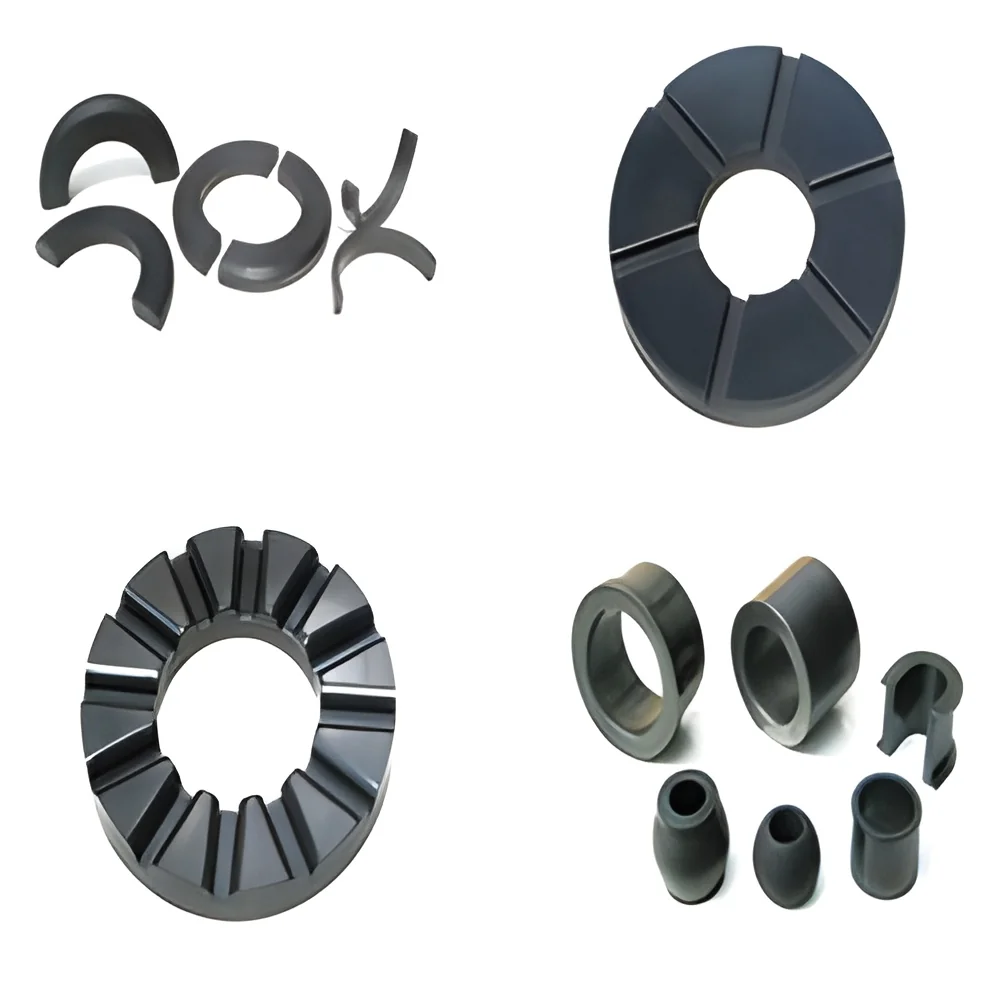
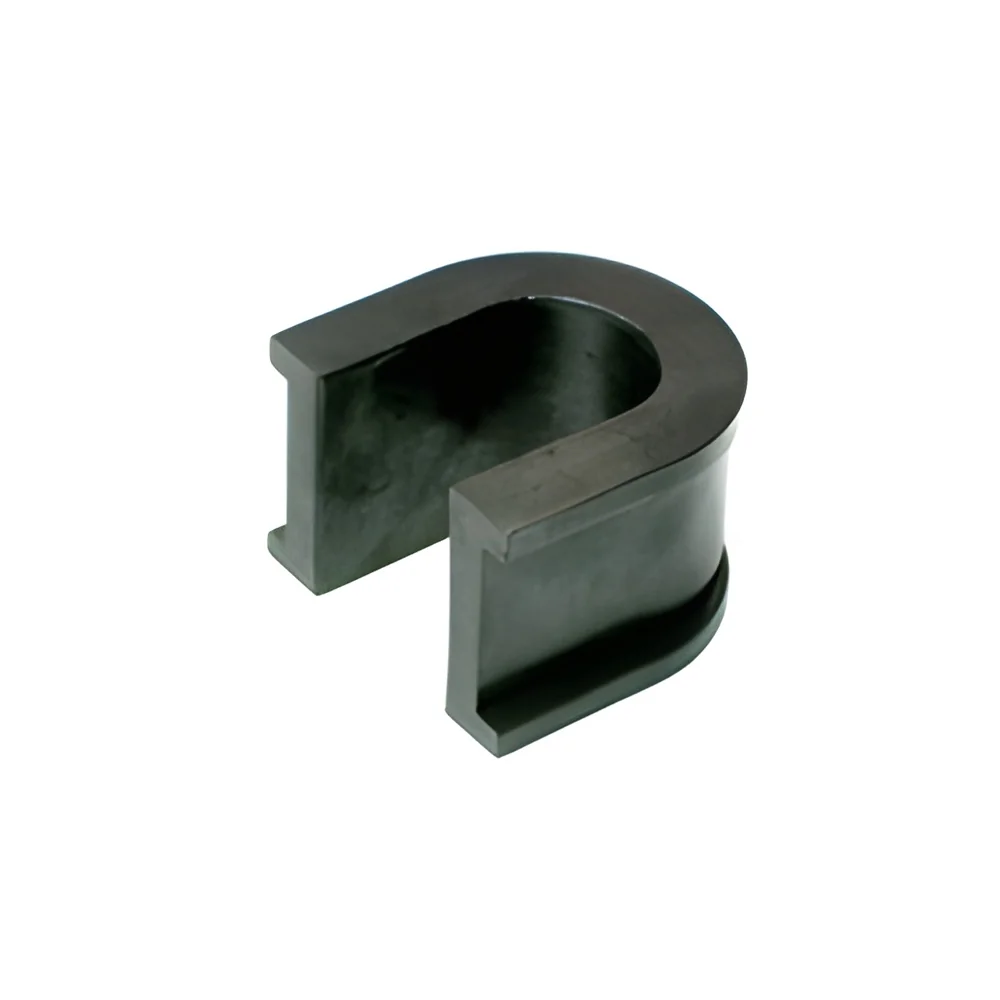
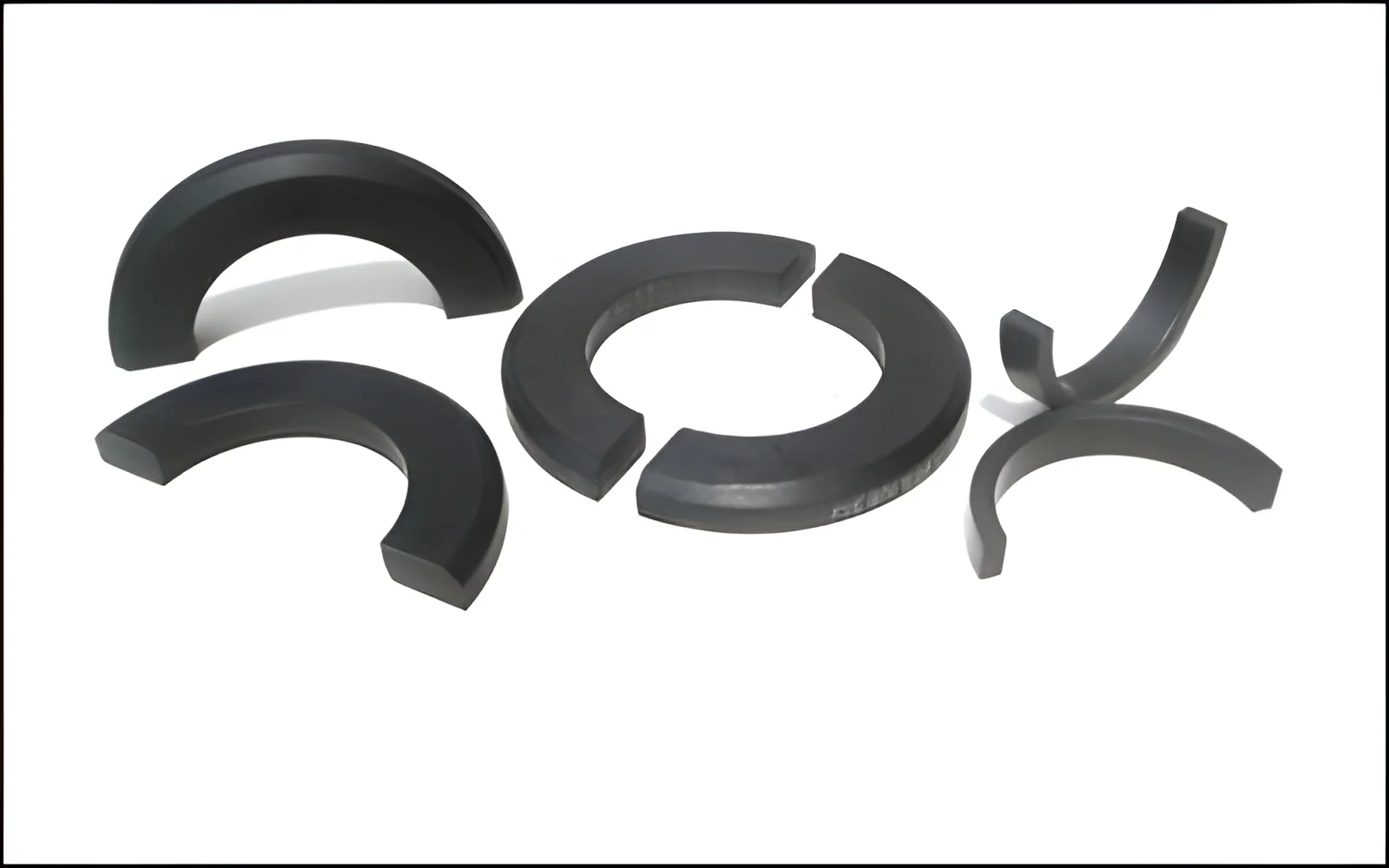
Industrial carbon rings and bearings represent engineered solutions for operational environments where conventional lubrication proves inadequate. Manufactured from high-grade carbon materials with inherent self-lubricating properties, these components eliminate external lubricants that could contaminate processes. The material composition ensures consistent performance across extreme temperature ranges, from cryogenic conditions to high-heat applications exceeding 500 degrees Celsius. Their molecular structure provides excellent wear resistance and dimensional stability, making them suitable for precision applications where tolerances must be maintained over extended operational periods.

These components serve critical functions across industrial sectors demanding contamination-free operation and reliability in challenging conditions. The food processing industry utilizes carbon bearings in mixing, conveying, and packaging equipment where oil leakage could compromise product safety. ...
Industrial carbon rings and bearings represent engineered solutions for operational environments where conventional lubrication proves inadequate. Manufactured from high-grade carbon materials with inherent self-lubricating properties, these components eliminate external lubricants that could contaminate processes. The material composition ensures consistent performance across extreme temperature ranges, from cryogenic conditions to high-heat applications exceeding 500 degrees Celsius. Their molecular structure provides excellent wear resistance and dimensional stability, making them suitable for precision applications where tolerances must be maintained over extended operational periods.

These components serve critical functions across industrial sectors demanding contamination-free operation and reliability in challenging conditions. The food processing industry utilizes carbon bearings in mixing, conveying, and packaging equipment where oil leakage could compromise product safety. Chemical manufacturing plants employ them in pumps and valves handling corrosive materials where traditional metals would deteriorate. Pharmaceutical companies rely on these bearings for sterile manufacturing environments where microscopic contamination must be avoided. High-temperature applications including industrial furnaces, ovens, and thermal processing equipment benefit from their heat resistance. The aerospace sector uses carbon components in turbine engines and other systems where extreme condition performance is non-negotiable.

The value of carbon rings and bearings lies in reducing operational costs while enhancing system reliability and product quality. By eliminating lubrication requirements, these components significantly reduce maintenance intervals and associated labor costs while preventing contamination-related shutdowns. Their extended service life compared to traditional bearings translates to reduced replacement costs and improved operational uptime. The reliability of these components leads to reduced warranty claims and improved customer satisfaction for equipment manufacturers. The environmental benefits of eliminating lubricants also contribute to sustainability goals and regulatory compliance across industries.

Key Features:
- Self-lubricating carbon composition eliminates need for external lubricants
- Extreme temperature tolerance from cryogenic to over 500 degrees Celsius
- Excellent chemical resistance to corrosive substances and aggressive environments
- High wear resistance and dimensional stability for extended service life
- Precision engineering for consistent performance in demanding applications

Benefits:
- Eliminates contamination risks in sensitive manufacturing processes
- Reduces maintenance requirements and associated operational costs
- Extends equipment service life with superior wear resistance
- Ensures reliable performance in extreme temperature conditions
- Provides chemical resistance for harsh industrial environments
Specifications
| Additional Information | |
|---|---|
| Country of Origin | India |
Application
Carbon rings and bearings perform reliably where traditional lubricants fail or cause contamination. These components maintain integrity in extreme temperatures, dry conditions, and chemically aggressive settings where metal alternatives would deteriorate or introduce particulates. Their self-lubricating nature makes them essential in sealed systems with limited maintenance access.
These precision parts support rotational and linear motion without fluid lubrication across multiple industrial sectors. From food processing equipment to high-temperature machinery, carbon bearings sustain performance where other materials fail. Operating without external lubricants eliminates contamination risks in sensitive processes and reduces maintenance demands significantly.
- Food processing machinery where oil contamination must be avoided for safety and compliance
- High-temperature industrial ovens and furnaces requiring heat-resistant components
- Chemical processing equipment exposed to corrosive substances and aggressive environments
- Pharmaceutical manufacturing ensuring sterile, contamination-free production lines
- Aerospace applications where reliability in extreme conditions is critical
Trade Details
| Available Stock | In Stock |
| Sample Availability | No |
Payment Terms
| Payment Terms |
|
Company Profile
Ace Carbon Products, Maharashtra
 Maharashtra, India
Maharashtra, IndiaAutomotive & Transport•Manufacturer•Distributor / Wholesaler•Importer / Exporter
Factory Details
Factory Size1000-5000 sqm
Annual Production Capacity0
Main Markets
North America
Oceania
Northern Europe
South America
Mid East
Southern Europe
Eastern Europe
Eastern Asia
South Asia
Southeast Asia
Western Europe
Africa
Central America
Domestic
Industrial Carbon Rings And Bearings For Extreme High Temperature Conditions
Industrial carbon rings and bearings deliver reliable performance in extreme high-temperature conditions without oil contamination. Ideal for manufacturing sectors requiring heat-resistant, self-lubricating components for harsh environments.
Min. Order Quantity: 1 unit
Shipping
Shipping fee and delivery date to be negotiated. Contact supplier now for more details.
Ace Carbon Products
 Maharashtra, India
Maharashtra, IndiaAutomotive & TransportManufacturer