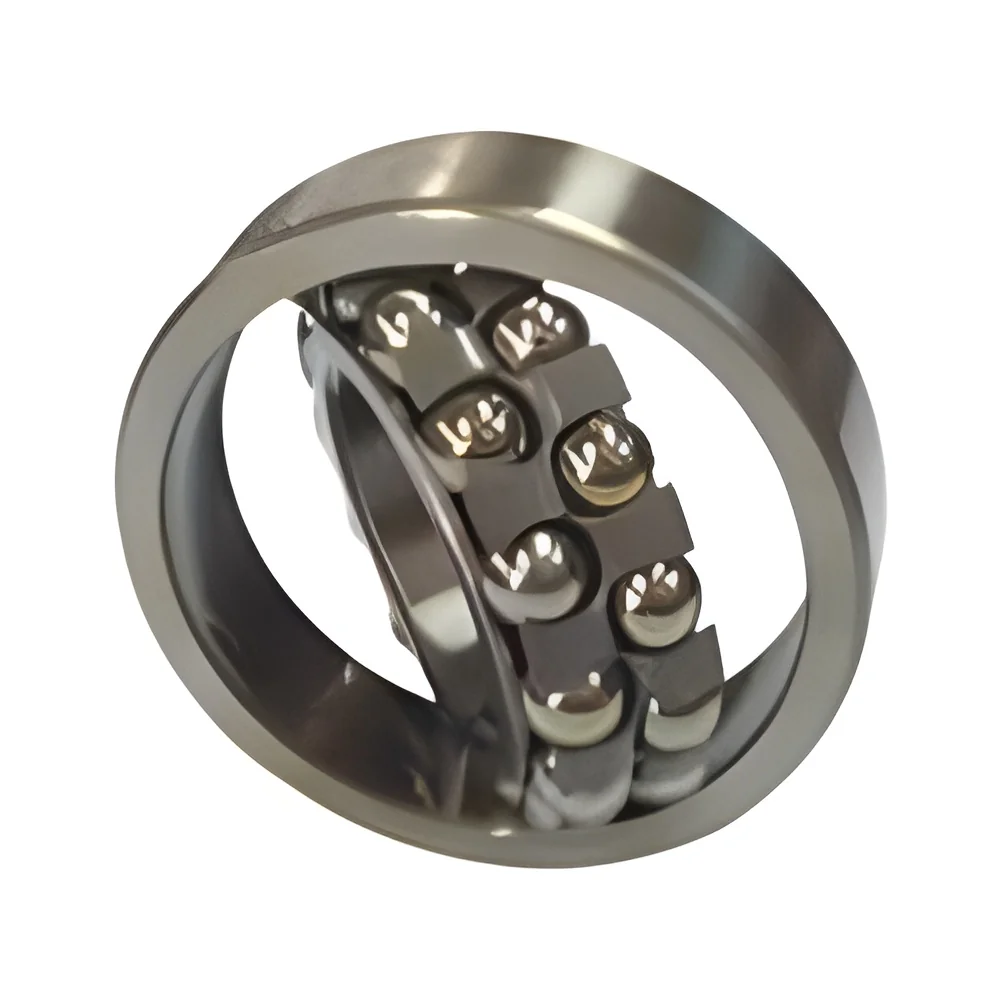
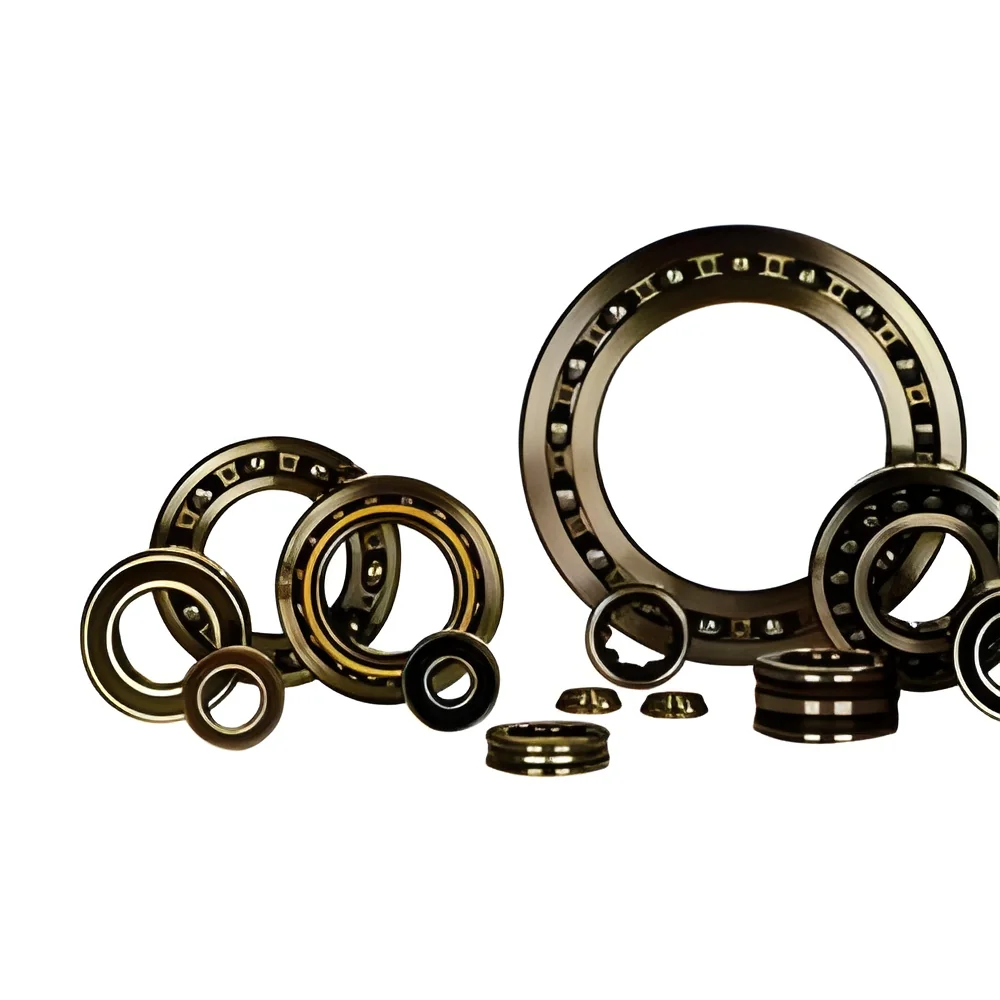
What are Self-Aligning Ball Bearings?
Self-aligning ball bearings are a type of rolling-element bearing designed to accommodate misalignment due to shaft deflection or mounting errors. They consist of two rows of balls that are separated by a common spherical raceway in the outer ring, allowing the inner ring and the attached shaft to align themselves automatically. This design makes self-aligning ball bearings particularly effective in applications where there is a risk of misalignment during operation.
These bearings are commonly used in various industrial applications, particularly in machinery that requires rotational movement. Industries such as agriculture, automotive, and material handling rely on self-aligning ball bearings for their ability to reduce friction and wear, thus improving overall efficiency and extending equipment life. Their unique design allows them to handle both radial and axial loads, making them versatile components in many engineering designs.
In a market context, self-aligning ball bearings are integral to the performance of many machines and are favored for their reliability and low maintenance requirements. As industries continue to evolve, the demand for high-quality bearings that can meet stringent operational standards remains strong, ensuring their relevance in a competitive industrial landscape.
Key Features and Specifications
Self-aligning ball bearings offer a range of features that enhance their performance and application versatility. These bearings are designed for ease of use and maintenance, providing reliable solutions in various mechanical settings. Understanding their key specifications is essential for selecting the right bearing for specific applications.
Key specifications include:
1. Load Capacity
- Self-aligning ball bearings are capable of handling both radial and axial loads.
- Their load ratings vary based on size and design, making it important to choose the right type for specific applications.
2. Operating Temperature Range
- These bearings can typically operate within a broad temperature range.
- Specific temperature limits may vary based on materials used in construction.
3. Speed Ratings
- Speed ratings indicate the maximum rotational speed at which the bearing can operate effectively.
- This rating is crucial for applications involving high-speed machinery.
4. Lubrication Type
- Self-aligning ball bearings may come pre-lubricated or require external lubrication.
- The type of lubrication affects maintenance frequency and performance.
5. Material Composition
- These bearings are commonly made from high-quality steel or ceramic materials.
- Material selection impacts durability and resistance to wear.
6. Sealing Options
- Different sealing options are available to protect against contaminants.
- Seals help maintain bearing integrity in challenging environments.
7. Certification Standards
- Many self-aligning ball bearings comply with international quality standards, such as CE certification.
- Compliance ensures reliability and safety in industrial applications.
8. Dimensions and Fit
- Self-aligning ball bearings are available in various sizes and dimensions to fit specific applications.
- Proper sizing is crucial for optimal performance.
In summary, the key features and specifications of self-aligning ball bearings make them suitable for a wide range of industrial applications. Their ability to accommodate misalignment and reduce friction contributes to their popularity in many sectors.
Common Applications and Use Cases
Self-aligning ball bearings are widely used across various industries due to their unique properties and advantages. Their ability to handle misalignment makes them suitable for a multitude of applications.
1. Agriculture: In agricultural machinery, self-aligning ball bearings are used in equipment like tractors and harvesters, where alignment issues are common due to uneven terrain.
2. Automotive: These bearings are frequently found in automotive applications, including in engines and wheel hubs, where they support rotating shafts and reduce friction.
3. Material Handling: Self-aligning ball bearings are essential in conveyor systems, helping to maintain smooth operation even when loads shift during transport.
4. Mining: In the mining industry, they are utilized in heavy machinery where harsh conditions can lead to misalignment, ensuring continuous operation.
5. Manufacturing: These bearings are used in various manufacturing equipment, including lathes and milling machines, where precision and reliability are critical.
6. HVAC Systems: In heating, ventilation, and air conditioning systems, self-aligning ball bearings help support fan and motor assemblies, ensuring efficient airflow.
7. Textile Industry: They are also used in textile machinery for spinning and weaving, where smooth rotation is necessary for production efficiency.
Product Variants and Subcategories
Self-aligning ball bearings come in various designs to meet the diverse needs of different industries. While there are no specific subcategories available, the general variants cater to specific application requirements.
Standard Self-Aligning Ball Bearings: These are the most common variant, designed for general applications. They provide excellent performance in situations where alignment issues are likely.
Extended Inner Ring Bearings: This variant features an extended inner ring, allowing for easier installation and better fitting in applications with limited space.
Double Row Self-Aligning Ball Bearings: This type is designed to handle higher load capacities and is suitable for heavy-duty applications where increased durability is needed.
Benefits and Advantages
Self-aligning ball bearings offer several benefits that make them a preferred choice in various industries. Their design and functional characteristics provide significant advantages.
1. Misalignment Compensation: These bearings can tolerate misalignment, reducing the risk of premature failure and maintenance costs.
2. Reduced Friction: The rolling motion of the balls minimizes friction, leading to increased efficiency and lower energy consumption.
3. Longevity: Self-aligning ball bearings are built to withstand harsh conditions, leading to longer service life and less frequent replacements.
4. Versatility: They can be used in a wide range of applications, making them suitable for various industries and machinery types.
5. Low Maintenance: Their design requires less frequent lubrication and maintenance, allowing for more efficient operations.
6. Noise Reduction: The smooth operation of self-aligning ball bearings contributes to lower noise levels in machinery, enhancing working conditions.
Buying Guide for B2B Buyers
When sourcing self-aligning ball bearings, it is essential for B2B buyers to consider several critical factors to ensure they select the right product for their needs.
1. Quality Assessment: Evaluate the quality of the bearings by reviewing compliance with international standards and certifications. Ensure that the bearings meet industry requirements for reliability and performance.
2. Supplier Verification: Research and verify potential suppliers to ensure they have a good reputation and track record. Look for reviews and testimonials from other businesses.
3. Pricing and MOQ: Consider the cost of the bearings and the minimum order quantity (MOQ) required by the supplier. Compare prices across different suppliers to find the best value.
4. Delivery and Lead Times: Confirm the expected delivery times and logistics arrangements. Timely delivery is crucial for maintaining production schedules.
5. Compliance Requirements: Be aware of any regulatory compliance needed for the bearings, especially if they will be used in sensitive or regulated industries.
Compliance and Certifications
Self-aligning ball bearings must adhere to various compliance and certification standards to ensure quality and safety. These standards are essential for industries relying on the reliability of such components.
ISO 9001 is a widely recognized quality management standard that ensures manufacturers maintain consistent quality in their production processes. Compliance with ISO 9001 indicates that a manufacturer has effective quality control measures in place.
In addition to ISO certifications, self-aligning ball bearings often carry CE certification, which demonstrates compliance with safety and health standards set by the European Union. This certification assures buyers of the product's safety in various applications.
Testing requirements for these bearings often include assessments for load capacity, speed ratings, and operational endurance. Manufacturers may also need to comply with regional regulations concerning safety and environmental impact, depending on the markets they serve.
Why Source Self-Aligning Ball Bearings from Pepagora?
Pepagora offers a reliable platform for sourcing self-aligning ball bearings, providing numerous advantages to B2B buyers. Our focus on quality and supplier verification ensures that you receive products that meet industry standards.
With a verified supplier network, Pepagora collaborates with reputable manufacturers to bring you high-quality bearings. We thoroughly vet our suppliers to ensure they meet stringent quality criteria, giving you peace of mind in your purchasing decisions.
Our streamlined RFQ process allows you to request quotations efficiently. This system simplifies your procurement efforts, enabling you to compare prices and specifications quickly.
Trade assurance and support from Pepagora help protect your investment. We offer buyer protection measures that enhance your purchasing experience, ensuring that you receive the products you expect.
Lastly, Pepagora's regional coverage extends across India, the GCC, and Southeast Asia. This geographic reach allows us to cater to a diverse clientele, ensuring that you can source self-aligning ball bearings regardless of your location.

 IN
IN
 India
India