
 IN
Salt Bath Furnaces
2 products available
What are Salt Bath Furnaces?
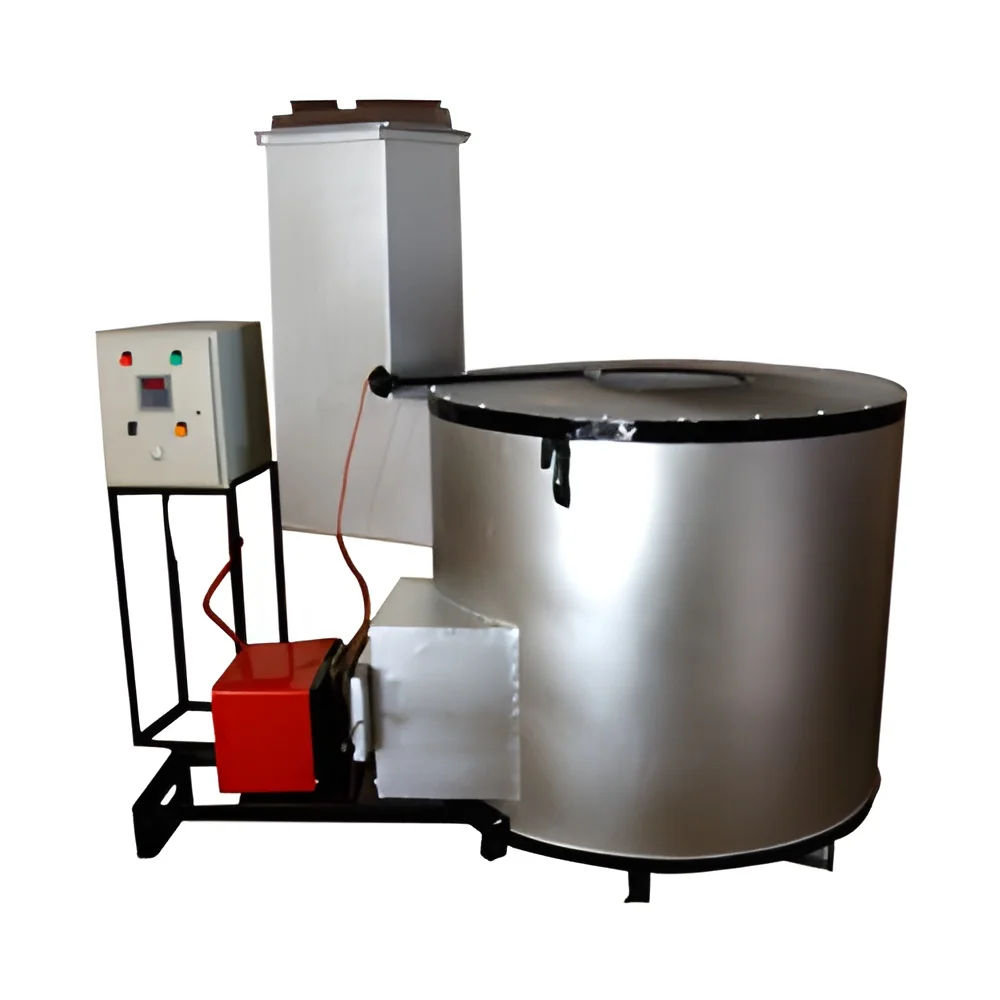
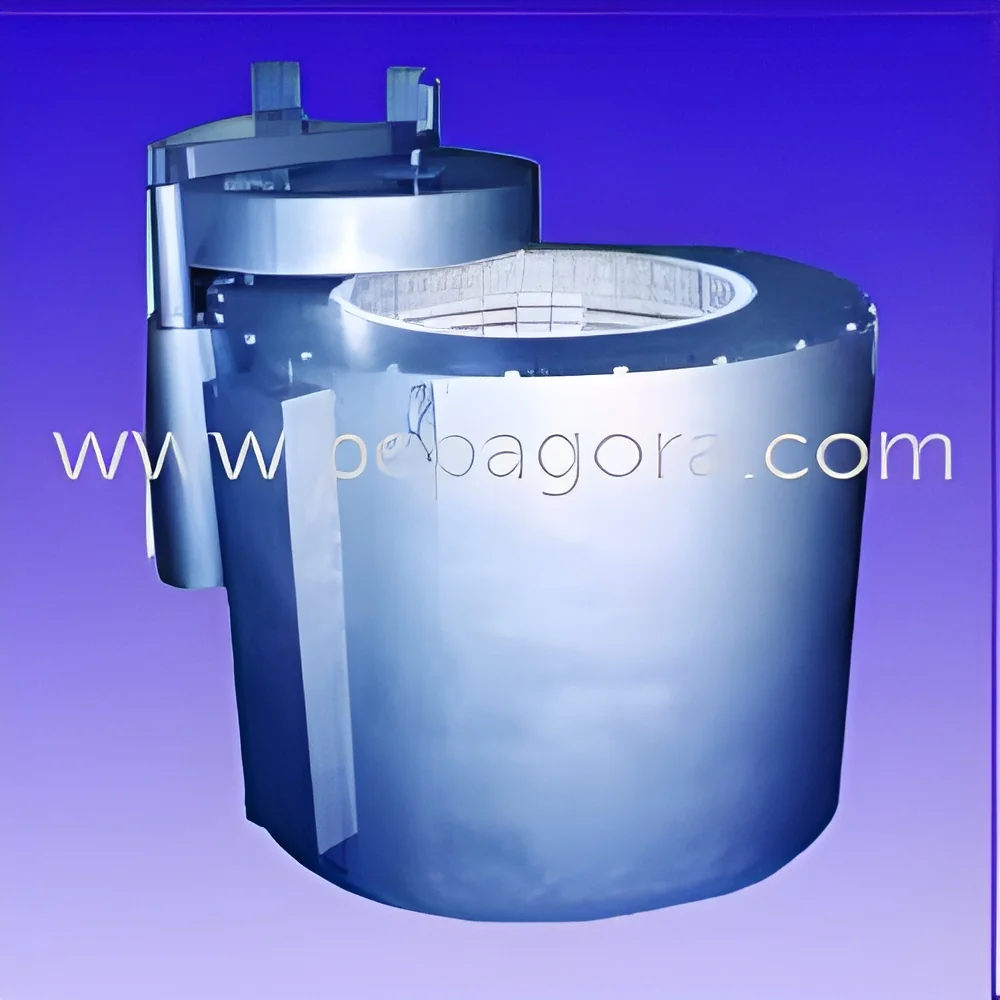
Salt bath furnaces are specialized industrial heating systems that utilize molten salt as the heat transfer medium. This design allows for precise temperature control and uniform heating, making them essential for various thermal processes. The molten salt can reach high temperatures while maintaining a stable thermal environment, which is crucial for applications that require consistent heating profiles.
These furnaces are primarily used in industries that involve heat treatment processes, such as metal processing, ceramics, and glass manufacturing. They serve critical functions such as hardening, tempering, and annealing metals, as well as facilitating sintering in ceramics. The ability to achieve and maintain high temperatures efficiently makes salt bath furnaces relevant in today's competitive industrial landscape.
Salt bath furnaces occupy a significant niche in the market, where the demand for precision heating continues to grow. Industries are increasingly adopting these systems to improve production efficiencies and product quality. As technology advances, the integration of monitoring and control systems has further enhanced their appeal, ensuring that manufacturers can meet stringent quality standards.
Key Features and Specifications
Salt bath furnaces boast several key features that enhance their functionality and efficiency. They are designed to cater to various industrial needs, delivering customizable solutions based on specific applications.
Key specifications include:
1. Temperature Control
- High precision in temperature regulation
- Capable of reaching temperatures typically between 200°C to 800°C
2. Uniform Heating
- Ensures consistent thermal profiles
- Reduces the risk of thermal gradients affecting material properties
3. Energy Efficiency
- Designed for optimal energy consumption
- Features insulation to minimize heat loss
4. Safety Features
- Equipped with safety interlocks and alarms
- Designed to prevent overheating and ensure operator safety
5. Material Compatibility
- Suitable for a range of materials including metals and ceramics
- Customizable salt compositions available for specific applications
6. Automation Options
- Can be integrated with automated control systems
- Features programmable settings for various processes
7. Maintenance Accessibility
- Designed for easy access to components for maintenance
- Includes features that facilitate routine cleaning and servicing
In summary, salt bath furnaces are engineered to provide reliable performance, high energy efficiency, and safety, making them a valuable asset in industrial applications.
Common Applications and Use Cases
Salt bath furnaces serve a diverse array of industries, providing tailored solutions for various thermal processes.
1. Metal Processing: These furnaces are extensively used for hardening and tempering metals. The uniform heating allows for enhanced mechanical properties and reduced stress in metal components.
2. Ceramics Manufacturing: In the ceramics industry, salt bath furnaces facilitate sintering processes. The controlled environment ensures optimal densification and improved product quality.
3. Glass Production: Salt bath technology is employed in glass manufacturing for processes like annealing. This helps in reducing internal stresses and enhances the durability of glass products.
4. Aerospace Components: Used in the heat treatment of aerospace materials, these furnaces provide the necessary thermal treatment for components that require high performance under extreme conditions.
5. Automotive Industry: Salt bath furnaces play a critical role in automotive part manufacturing, particularly for surface hardening processes that improve wear resistance.
6. Tool Manufacturing: These furnaces are ideal for heat treating tools and dies, ensuring they achieve the necessary hardness and durability for effective performance.
7. Research and Development: Salt bath furnaces are utilized in R&D settings for experimental thermal processes, allowing for the evaluation of new materials and treatments.
Product Variants and Subcategories
Salt bath furnaces come in various configurations to meet specific industrial needs. Each variant is designed with unique features that cater to different applications.
Standard Salt Bath Furnace: This variant is equipped with basic heating technology suitable for general metal treatment applications. It offers reliable performance for a wide range of materials.
High-Temperature Salt Bath Furnace: Designed for applications requiring elevated temperatures, this variant can achieve higher heat levels, making it suitable for specialized metals and ceramics.
Automated Salt Bath Furnace: This model includes advanced automation features for precise temperature control and process monitoring. It is ideal for industries looking for efficiency and repeatability.
Benefits and Advantages
Choosing salt bath furnaces offers numerous advantages that enhance operational efficiency and product quality.
1. Precise Temperature Control: The ability to maintain stable temperatures minimizes variations, ensuring consistent quality in heat-treated products.
2. Improved Energy Efficiency: Salt bath furnaces are designed to optimize energy use, reducing operational costs and environmental impact.
3. Versatility: These furnaces can accommodate a wide range of materials, making them suitable for various industries and applications.
4. Enhanced Product Quality: The uniform heating and controlled environment result in superior mechanical properties and reduced defects in treated materials.
5. Safety Features: Built-in safety mechanisms protect operators and equipment, reducing the risk of accidents during operation.
6. Low Maintenance Requirements: Designed for easy access and cleaning, salt bath furnaces require minimal downtime for maintenance.
Buying Guide for B2B Buyers
When sourcing salt bath furnaces, buyers should consider several important factors to ensure they select the right equipment for their needs.
1. Quality Assessment: Evaluate the build quality and material standards of the furnace. Look for certifications that indicate adherence to industry benchmarks.
2. Supplier Verification: Conduct thorough research on potential suppliers. Verify their reputation, customer reviews, and past performance in delivering salt bath furnaces.
3. Pricing and MOQ: Understand the pricing structure and minimum order quantities. Compare quotes from different suppliers to ensure competitive pricing.
4. Delivery and Lead Times: Inquire about lead times and delivery schedules. Ensure that the supplier can meet your timelines to avoid production delays.
5. Compliance Requirements: Ensure that the selected furnace meets all regulatory and safety standards applicable in your region. This includes checking for necessary certifications.
Compliance and Certifications
Salt bath furnaces must adhere to various quality standards and certifications to ensure safe and effective operation.
ISO 9001 is a quality management standard that applies to manufacturers of salt bath furnaces, ensuring that they maintain high production quality and customer satisfaction.
Additionally, CE certification verifies that the furnaces meet European safety and health requirements, making them suitable for use in various regions.
Safety and testing requirements are critical, as they ensure that the furnaces operate safely in industrial environments. Compliance with local regulations is essential to avoid legal issues and ensure product reliability.
Regional compliance considerations may vary, so it is important for buyers to understand the specific requirements in their industry and location.
Why Source Salt Bath Furnaces from Pepagora?
Pepagora provides a trusted platform for sourcing salt bath furnaces, offering several key advantages that benefit B2B buyers.
Verified Supplier Network: Pepagora ensures that all suppliers are thoroughly vetted for quality and reliability. This gives buyers confidence in their sourcing decisions.
Streamlined RFQ Process: The platform simplifies the request for quotation process, allowing buyers to easily compare offerings from multiple suppliers, saving time and effort.
Trade Assurance and Support: Pepagora offers buyer protection through trade assurance, ensuring that transactions are secure and that buyers receive the products as promised.
Regional Coverage: With a strong presence in regions like India, GCC, and Southeast Asia, Pepagora provides extensive geographic reach, making it easier for buyers to find suitable suppliers in their area.
By choosing Pepagora, businesses can confidently source salt bath furnaces while benefiting from a network built on trust and efficiency.


 India

Frequently Asked Questions
What are Salt Bath Furnaces?
Salt bath furnaces are specialized heating systems used for heat treatment processes. They operate by immersing materials in a molten salt bath to achieve uniform heating and controlled cooling, which is essential for processes like hardening, annealing, and tempering of metals.
What are the different types of Salt Bath Furnaces?
There are primarily two types of salt bath furnaces: open and closed systems. Open salt bath furnaces expose the molten salt to the atmosphere, while closed systems maintain an inert atmosphere to prevent oxidation, making them suitable for higher precision applications.
How do I choose the right Salt Bath Furnaces?
Selecting the right salt bath furnace depends on several factors including the type of materials you are working with, the required temperature range, and the volume of production. It is also important to consider the furnace's energy efficiency and maintenance requirements.
What are the standard specifications for Salt Bath Furnaces?
Standard specifications for salt bath furnaces typically include temperature range, heating capacity, and material construction. Most furnaces can achieve temperatures between 300°C to 600°C and are constructed from materials that can withstand corrosion from molten salts.
What is the price range for Salt Bath Furnaces?
The price range for salt bath furnaces can vary significantly based on size, specifications, and manufacturer. Generally, you can expect prices to start from around INR 1,00,000 and can go up to several lakhs for advanced models with specialized features.
What quality standards apply to Salt Bath Furnaces?
Salt bath furnaces must adhere to industry quality standards such as ISO 9001 for quality management systems. Additionally, they may need to comply with specific safety and operational standards depending on their application in various industries.
Where can I find Salt Bath Furnaces suppliers in India?
You can find salt bath furnace suppliers in India through various platforms, including industrial trade shows, online marketplaces like Pepagora, and directories of manufacturers. It's advisable to check supplier credentials and customer reviews before making a purchase.
Can Salt Bath Furnaces be customized?
Yes, many manufacturers offer customization options for salt bath furnaces to meet specific industrial needs. Custom features may include adjustments in size, temperature control systems, and additional safety mechanisms.
What is the typical minimum order quantity for Salt Bath Furnaces?
The typical minimum order quantity (MOQ) for salt bath furnaces can vary by supplier. Generally, manufacturers may require a minimum order of one unit, but larger orders may be necessary for custom specifications.
What is the typical lead time for Salt Bath Furnaces?
The lead time for salt bath furnaces usually ranges from 4 to 12 weeks, depending on the complexity of the order and the manufacturer's production schedule. Custom orders may have longer lead times due to additional manufacturing processes.
Why Businesses Trust Pepagora
Thousands of companies trust Pepagora to source smarter and sell faster
Expand Your Sales Globally

Source Smarter,Grow Faster
