
 IN
Ripening Chambers
2 products available
What are Ripening Chambers?
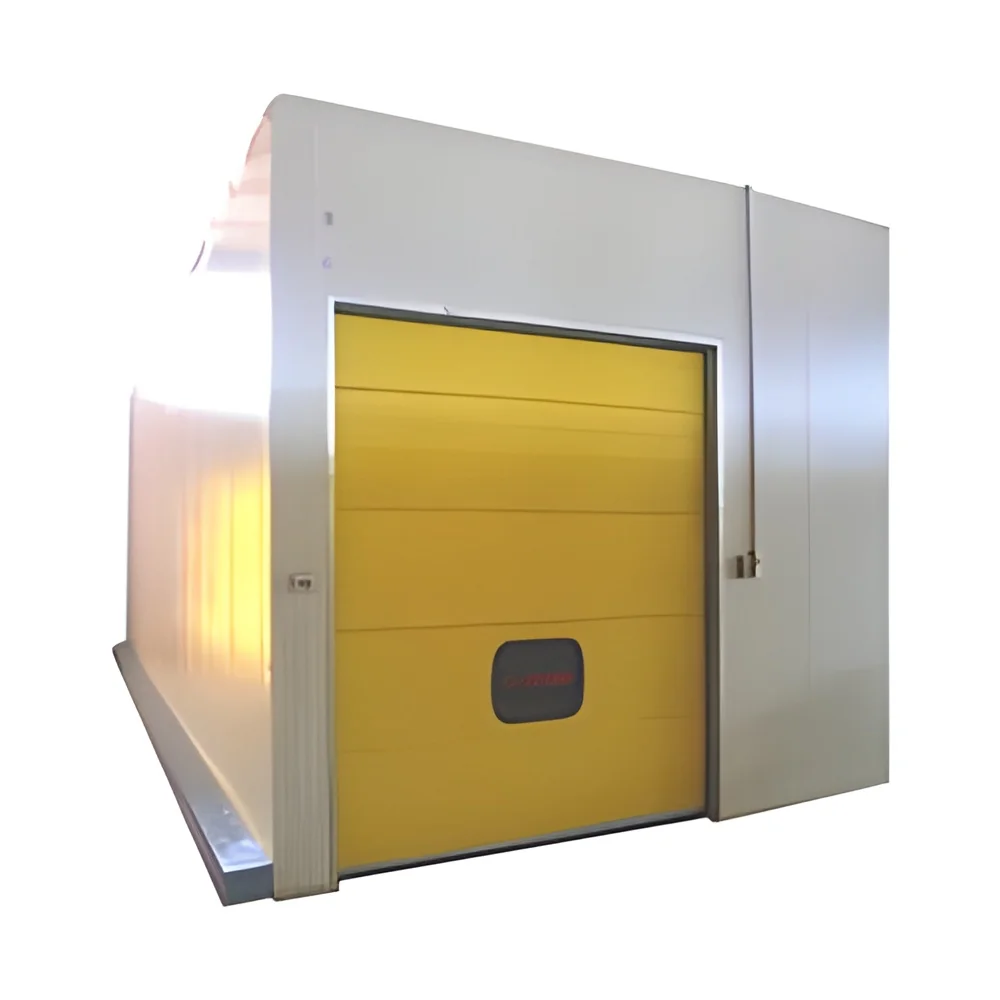
Ripening chambers are specialized controlled-environment facilities designed to accelerate the ripening process of fruits and vegetables. These chambers maintain optimal conditions, including temperature and humidity, to ensure even ripening and preserve the quality of the produce. By creating a controlled atmosphere, ripening chambers help to enhance the flavor, texture, and nutritional value of fruits, making them more appealing to consumers.
Primarily, ripening chambers are used in the agricultural and food distribution sectors. They play a crucial role for producers, wholesalers, and retailers by enabling fruits to reach their peak ripeness at the right time for sale. This technology is vital for businesses that rely on the freshness of their produce, allowing for extended shelf life and reduced spoilage. With increasing demand for high-quality fruits year-round, the relevance of ripening chambers in the market has grown, making them an essential investment for businesses in the food supply chain.
Key Features and Specifications
Ripening chambers come equipped with a range of features designed to optimize the ripening process. These features ensure that fruits and vegetables reach their peak quality before distribution. The specifications can vary based on the specific needs of the business and the types of produce being ripened.
Key specifications include:
1. Temperature Control
- Maintains consistent temperatures tailored to specific fruits.
- Typical temperature ranges are not specified.
2. Humidity Control
- Regulates humidity levels to prevent dehydration and maintain texture.
- Humidity control specifications are not available.
3. Monitoring Features
- Equipped with sensors to monitor conditions in real-time.
- Specific monitoring capabilities are not detailed.
4. Capacity
- Available in various sizes to accommodate different volumes of produce.
- Capacity specifications are not provided.
5. Energy Efficiency
- Designed to minimize energy consumption while maintaining optimal conditions.
- Energy efficiency ratings are not specified.
6. Construction Material
- Built with durable materials to withstand harsh operating conditions.
- Specific material types are not mentioned.
7. User Interface
- Often includes user-friendly controls for easy operation and adjustments.
- Details on user interface features are not specified.
8. Customization Options
- Some models may offer customization based on specific business needs.
- Customization details are not available.
Overall, these features are essential for ensuring that businesses can effectively manage the ripening process and maintain high product quality.
Common Applications and Use Cases
Ripening chambers are versatile and cater to various industries that require precise ripening of fruits and vegetables.
1. Agriculture: Farmers use ripening chambers to prepare their produce for market, ensuring fruits like bananas and mangoes are perfectly ripened.
2. Food Distribution: Wholesalers utilize these chambers to manage large quantities of produce, allowing for consistent ripening and quality control before delivery to retailers.
3. Retail: Grocery stores implement ripening chambers to ensure that fruits are at peak ripeness for consumers, enhancing customer satisfaction and reducing waste.
4. Export: Exporters rely on ripening chambers to meet international quality standards, ensuring that fruits remain fresh during long transportation.
5. Food Processing: Food processors may use ripening chambers to produce high-quality ingredients for various products, such as purees or canned goods.
6. Research Institutions: Agricultural research centers utilize ripening chambers to study the effects of ripening conditions on different fruit varieties.
7. Restaurants: Some high-end restaurants may use smaller ripening chambers to manage their fresh produce, ensuring optimal flavor and quality for their dishes.
Product Variants and Subcategories
Ripening chambers come in various designs to cater to different business needs and preferences.
Compact Ripening Chambers
These smaller units are ideal for local businesses or restaurants that require limited capacity but still want to ensure high-quality produce. They are designed for easy integration into kitchens or small storage areas.
Industrial Ripening Chambers
These larger systems are designed for high-volume operations such as wholesalers and distributors. They can accommodate significant quantities of produce and often come with advanced control systems for optimal conditions.
Mobile Ripening Chambers
These portable units allow businesses to transport fruits while maintaining the necessary ripening conditions. They are beneficial for farmers or vendors attending farmers' markets or temporary sales events.
Customizable Ripening Chambers
Some manufacturers offer chambers that can be tailored to specific requirements, including size, temperature, and humidity controls. This flexibility is essential for businesses with unique needs.
Benefits and Advantages
Ripening chambers provide numerous benefits that are essential for businesses dealing with fresh produce.
1. Improved Quality: Ripening chambers enhance the flavor, texture, and nutritional value of fruits, leading to better customer satisfaction.
2. Reduced Spoilage: By controlling ripening conditions, these chambers help minimize spoilage, ensuring that more produce reaches the market in good condition.
3. Extended Shelf Life: Products can be stored longer without quality degradation, allowing for better inventory management and reduced waste.
4. Consistent Ripening: Businesses can ensure that all produce ripens uniformly, meeting consumer expectations and maintaining brand reputation.
5. Increased Profitability: With improved quality and reduced waste, businesses can enjoy higher profit margins on their fresh produce.
6. Flexibility: Ripening chambers can adapt to various types of fruits and vegetables, making them suitable for diverse product lines.
Buying Guide for B2B Buyers
When sourcing ripening chambers, businesses should consider several key factors to ensure they make an informed decision.
1. Quality Assessment: Evaluate the quality of materials and construction. Look for chambers that meet recognized standards for durability and performance.
2. Supplier Verification: Vet suppliers thoroughly to ensure they have a good reputation and provide reliable products. Check for customer reviews and industry experience.
3. Pricing and MOQ: Consider the cost and minimum order quantities. Compare multiple suppliers to find competitive pricing that fits your budget.
4. Delivery and Lead Times: Understand the logistics involved in delivery. Confirm lead times to ensure that the chambers can be delivered when needed.
5. Compliance Requirements: Be aware of any regulatory requirements for food safety and environmental standards that the ripening chambers must meet.
Compliance and Certifications
Ripening chambers must adhere to various quality standards and certifications to ensure safety and effectiveness in food processing.
ISO 9001 is a significant standard that ensures quality management systems are in place for manufacturers. Compliance with this standard demonstrates a commitment to continual improvement and customer satisfaction.
The Hazard Analysis and Critical Control Points (HACCP) system is essential for identifying potential hazards in food safety. Ripening chambers that comply with HACCP guidelines help ensure that the ripening process does not compromise food safety.
Additionally, Global Distribution Practices (GDP) standards are vital for temperature-sensitive goods. Compliance with GDP ensures that products are handled and stored correctly throughout the supply chain.
Safety and testing requirements also play a crucial role in the certification process. Ripening chambers should undergo rigorous testing to verify that they maintain consistent conditions necessary for effective ripening.
Regional compliance considerations may vary, so businesses should be aware of local regulations that could impact the operation and installation of ripening chambers.
Why Source Ripening Chambers from Pepagora?
Pepagora offers a reliable platform for sourcing ripening chambers with numerous advantages that benefit B2B buyers.
Verified Supplier Network: Pepagora connects businesses with verified suppliers who meet quality standards and have a proven track record in the industry. This network provides buyers with peace of mind when making purchasing decisions.
Streamlined RFQ Process: The Request for Quotation (RFQ) process on Pepagora is user-friendly, allowing buyers to quickly obtain quotes from multiple suppliers. This efficiency helps businesses find the best options for their needs.
Trade Assurance and Support: Buyers are protected through trade assurance policies that ensure their transactions are secure. Pepagora also offers support to address any concerns during the purchasing process.
Regional Coverage: With a focus on markets in India, the GCC, and Southeast Asia, Pepagora's reach allows businesses to access a diverse range of suppliers and products tailored to their regional requirements. This geographic coverage ensures that buyers can find the right ripening chambers for their specific market needs.


 India
 India
Frequently Asked Questions
What are Ripening Chambers?
Ripening chambers are controlled environments designed to accelerate the ripening process of fruits and vegetables. They maintain optimal temperature, humidity, and ethylene gas levels to ensure uniform ripening and reduce spoilage.
What are the different types of Ripening Chambers?
There are several types of ripening chambers, including natural gas chambers, electric chambers, and modular chambers. Each type varies in terms of energy source, capacity, and specific features tailored to different fruit ripening needs.
How do I choose the right Ripening Chambers?
When selecting ripening chambers, consider factors such as the type of fruits you will ripen, required capacity, energy efficiency, and technology features. Additionally, evaluate the manufacturer’s reputation and after-sales support.
What are the standard specifications for Ripening Chambers?
Standard specifications for ripening chambers typically include temperature control ranges between 15°C to 25°C, humidity control between 85% to 90%, and ethylene gas concentration levels. Other specifications may include insulation materials and airflow systems.
What is the price range for Ripening Chambers?
The price of ripening chambers can vary widely depending on size, features, and manufacturer. Generally, small to medium-sized chambers may range from INR 1 lakh to INR 10 lakhs, while larger, more advanced models can exceed INR 10 lakhs.
What quality standards apply to Ripening Chambers?
Ripening chambers must comply with various quality standards, including ISO certifications and local food safety regulations. These standards ensure that the chambers maintain the necessary conditions for effective and safe ripening.
Where can I find Ripening Chambers suppliers in India?
You can find ripening chamber suppliers in India through online B2B marketplaces like Pepagora, industry trade shows, and local agricultural equipment distributors. Conducting research and reading reviews can help identify reliable suppliers.
Can Ripening Chambers be customized?
Yes, many manufacturers offer customization options for ripening chambers to meet specific operational needs, such as size, configuration, and additional features like monitoring systems. It is advisable to discuss your requirements with the supplier.
What is the typical minimum order quantity for Ripening Chambers?
The minimum order quantity (MOQ) for ripening chambers varies by manufacturer, but it generally ranges from one unit for smaller vendors to several units for larger manufacturers. Always confirm the MOQ with the supplier before placing an order.
What is the typical lead time for Ripening Chambers?
The lead time for ripening chambers can vary based on the manufacturer and customization requirements. Typically, it may take anywhere from 4 to 12 weeks from the order date to delivery, depending on production schedules.
Why Businesses Trust Pepagora
Thousands of companies trust Pepagora to source smarter and sell faster
Expand Your Sales Globally

Source Smarter,Grow Faster
