What are Hydrocoolers for Fruits & Vegetables?
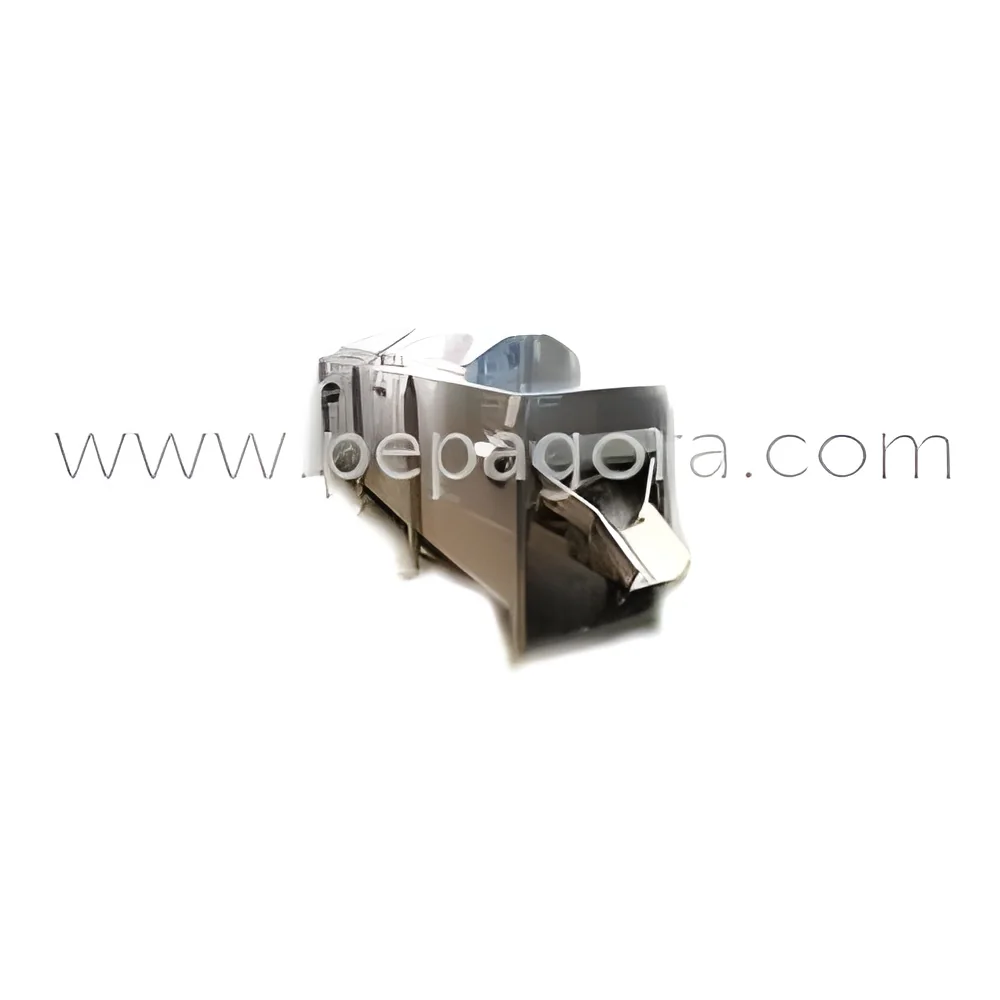
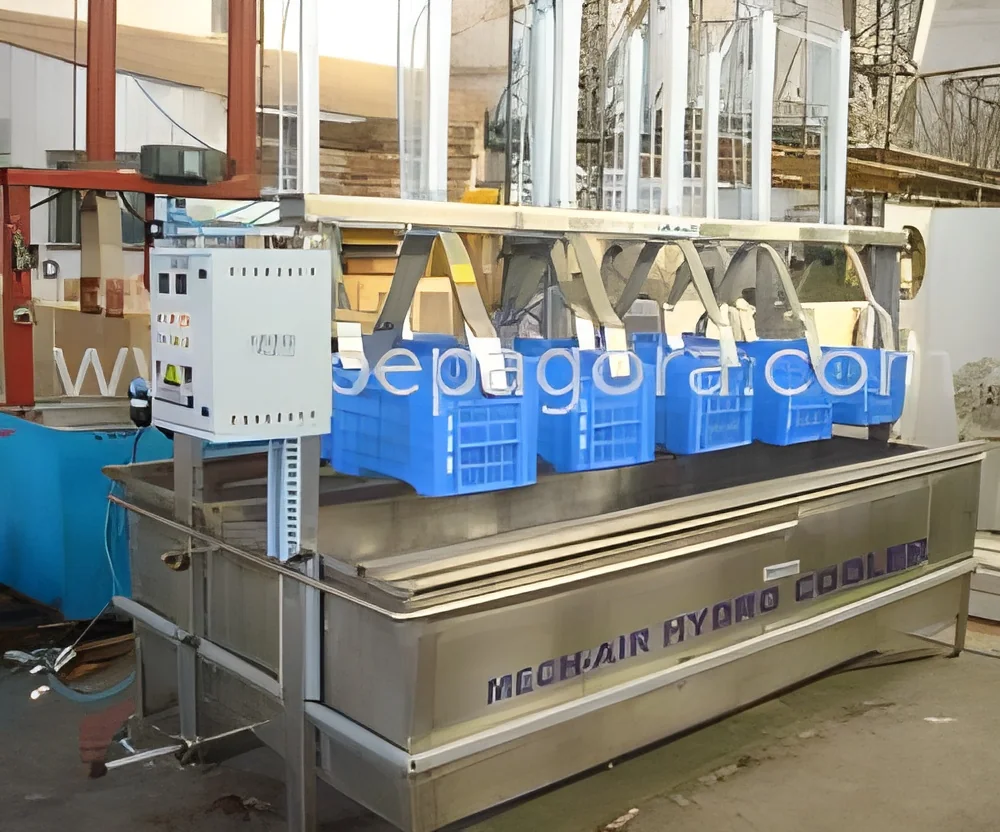
Hydrocoolers for fruits and vegetables are specialized cooling systems designed to rapidly lower the temperature of freshly harvested produce. These systems utilize chilled water to remove field heat from fruits and vegetables shortly after harvesting, which is crucial for maintaining quality and extending shelf life. By quickly bringing down the temperature, hydrocoolers prevent spoilage and preserve the freshness of produce during storage and transport.
The primary applications of hydrocoolers include post-harvest handling in agricultural settings, food processing facilities, and distribution centers. They are essential for businesses focused on the agricultural supply chain, including farmers, wholesalers, and retailers. Hydrocoolers play a significant role in ensuring that fruits and vegetables reach consumers in optimal condition, thereby supporting food safety and reducing waste. As global demand for fresh produce continues to rise, the relevance of hydrocoolers in the market is increasingly pronounced.
Key Features and Specifications
Hydrocoolers for fruits and vegetables come equipped with several key features that enhance their efficiency and effectiveness. These specifications are critical for businesses to understand to select the appropriate systems for their needs.
Key specifications include:
1. Cooling Capacity
- The ability to cool specific quantities of produce per hour.
- Common ranges can vary based on the model and manufacturer.
2. Water Consumption
- Efficiency in water usage during the cooling process.
- Typical parameters are designed to minimize waste while maximizing cooling efficiency.
3. Temperature Control
- Advanced systems allow precise temperature settings.
- Essential for maintaining the desired cooling levels for different types of produce.
4. Construction Material
- Durability and resistance to corrosion.
- Stainless steel is commonly used for its longevity and hygiene.
5. Energy Efficiency
- Systems designed to reduce energy consumption.
- Important for lowering operational costs over time.
6. User Interface
- Digital controls for ease of operation.
- Monitoring features that provide real-time data on the cooling process.
7. Size and Footprint
- Variations in dimensions to fit different facility layouts.
- Considerations for space efficiency in storage areas.
8. Maintenance Requirements
- Ease of cleaning and upkeep.
- Systems designed for minimal downtime.
These specifications highlight the importance of selecting a hydrocooler that meets specific operational needs and enhances productivity.
Common Applications and Use Cases
Hydrocoolers serve a variety of industries and applications, ensuring optimal temperature management for perishable goods.
1. Agriculture: Farmers utilize hydrocoolers immediately after harvest to cool fruits and vegetables, thus ensuring they remain fresh during transport to markets.
2. Food Processing: Processing plants employ these systems to maintain the quality of raw ingredients before they are further processed into packaged goods.
3. Wholesale Distribution: Distributors rely on hydrocoolers to preserve the freshness of produce during storage and before delivery to retailers.
4. Retail Grocery: Supermarkets and grocery stores use hydrocoolers to keep produce at ideal temperatures, enhancing shelf life and quality for consumers.
5. Export Markets: Companies engaged in exporting fresh produce use hydrocoolers to comply with international quality standards during transportation.
6. Cold Storage Facilities: Warehouses dedicated to storing fruits and vegetables employ hydrocoolers to manage temperature effectively, ensuring long-term preservation.
7. Research Institutions: Agricultural research facilities use hydrocoolers for experiments focused on the post-harvest handling of produce.
Product Variants and Subcategories
Hydrocoolers come in various designs to cater to specific cooling needs. Each variant serves different applications within the produce industry.
Continuous Flow Hydrocoolers
These systems allow for a steady stream of produce to be cooled as it moves through the unit. They are ideal for high-volume operations, providing consistent cooling without interruption.
Batch Hydrocoolers
Designed for smaller quantities, batch hydrocoolers cool produce in groups. This variant is suitable for facilities with limited space or those that handle diverse types of produce.
Customizable Hydrocoolers
Some manufacturers offer customizable solutions tailored to specific operational requirements. These hydrocoolers can be adjusted in size, capacity, and features based on the client's needs.
Benefits and Advantages
Hydrocoolers offer numerous benefits to businesses involved in the handling of fruits and vegetables.
Key benefits include:
1. Extended Shelf Life: Rapid cooling prevents spoilage, allowing produce to be stored longer without loss of quality.
2. Enhanced Quality: Maintaining optimal temperatures preserves the texture and flavor of fruits and vegetables, meeting consumer expectations.
3. Reduced Waste: By prolonging freshness, hydrocoolers help minimize food waste throughout the supply chain.
4. Improved Safety: Quick cooling reduces the risk of microbial growth, contributing to food safety standards.
5. Cost Efficiency: Energy-efficient models lower operational costs, providing long-term savings for businesses.
6. Increased Marketability: Fresh produce retains its appeal, improving sales potential and customer satisfaction.
Buying Guide for B2B Buyers
When sourcing hydrocoolers for fruits and vegetables, there are several important factors to consider to ensure the right choice.
1. Quality Assessment: Look for systems that meet industry quality standards. Evaluate the reputation of manufacturers and seek certifications like CE for assurance.
2. Supplier Verification: Vet suppliers thoroughly by checking references and past performance. A reliable supplier is key to a successful purchasing experience.
3. Pricing and MOQ: Understand the price range for different models and inquire about minimum order quantities. This information helps in budgeting and planning.
4. Delivery and Lead Times: Discuss logistics with suppliers, including delivery schedules and lead times. Timely delivery is crucial for maintaining operational efficiency.
5. Compliance Requirements: Familiarize yourself with local and international regulations that may affect the purchase and use of hydrocoolers. Compliance ensures adherence to safety and quality standards.
Compliance and Certifications
Hydrocoolers for fruits and vegetables must adhere to various quality standards and regulations to ensure safety and performance. Key industry standards include ISO 9001, which emphasizes quality management systems, and HACCP, which focuses on food safety management. These standards help businesses ensure that their cooling systems meet rigorous quality criteria.
In addition, certifications such as CE demonstrate compliance with European safety standards, further assuring buyers of the product's quality and safety. It is also important for hydrocoolers to meet testing requirements, ensuring they perform effectively under specified conditions.
Regional compliance considerations may vary, so it is essential for buyers to understand local regulations related to food safety and equipment standards.
Why Source Hydrocoolers for Fruits & Vegetables from Pepagora?
Pepagora provides a trusted platform for sourcing hydrocoolers for fruits and vegetables, offering several key advantages that benefit B2B buyers.
Verified Supplier Network: Pepagora ensures that all suppliers are thoroughly vetted, providing buyers with access to reliable manufacturers who meet industry standards.
Streamlined RFQ Process: The request for quotation system simplifies the sourcing process, allowing buyers to easily compare options and make informed decisions.
Trade Assurance and Support: Buyers can enjoy peace of mind with protections in place that safeguard their investments, ensuring a secure purchasing experience.
Regional Coverage: Pepagora's reach extends across India, the GCC, and Southeast Asia, making it easier for businesses in these regions to find suitable hydrocoolers tailored to their needs.

 IN
IN