Key Features and Specifications
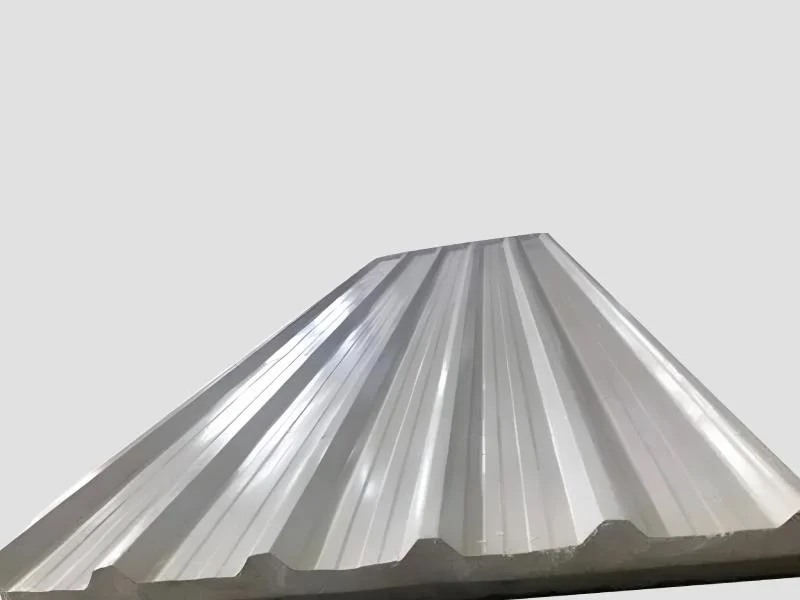
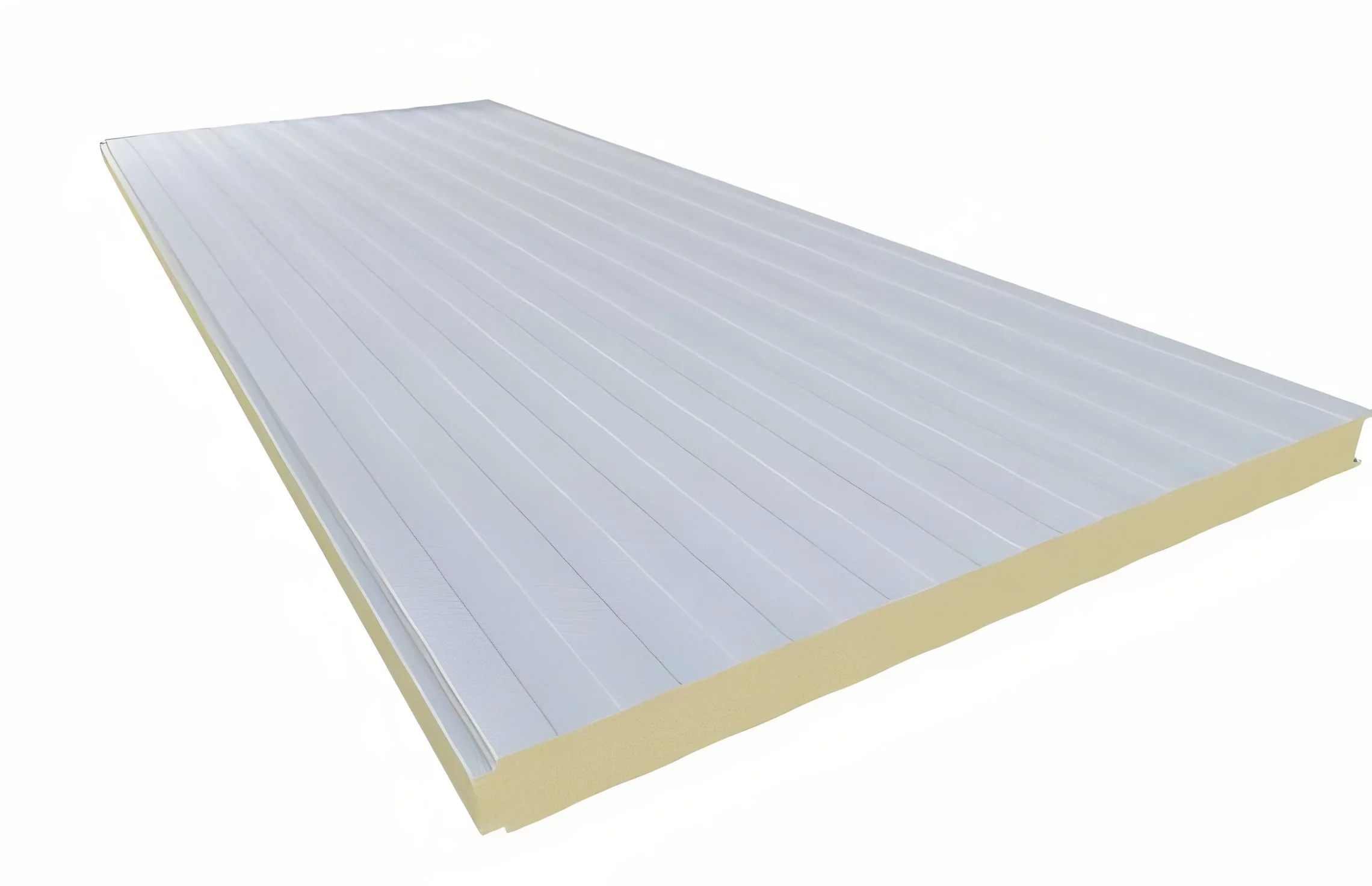
Cold room panels (PUF, PIR) offer a range of features that cater to specific business needs. These panels are designed to provide high thermal insulation, durability, and ease of installation, making them ideal for a variety of applications.
Key specifications include:
1. Thermal Insulation Performance
- High insulation value ensures minimal heat transfer
- Typically ranges from R-Value of 6 to 8
2. Fire Resistance
- Complies with fire safety regulations
- PIR panels provide better fire resistance compared to PUF
3. Dimensions
- Available in standard sizes, typically 1m x 2m or custom sizes
- Thickness can vary from 50mm to 150mm
4. Surface Finish Options
- Available in smooth or textured finishes
- Coated with anti-bacterial and anti-fungal materials
5. Weight
- Lightweight panels facilitate easier handling and installation
- Average weight ranges from 12 to 20 kg per panel
6. Moisture Resistance
- Designed to withstand high humidity environments
- Ideal for applications in wet conditions
7. Environmental Considerations
- Composed of eco-friendly materials
- Contributes to energy-efficient building practices
8. Easy Installation
- Panels are designed for quick assembly
- Can be installed in various configurations
In summary, cold room panels (PUF, PIR) are engineered to provide exceptional insulation, fire resistance, and ease of installation, making them suitable for a wide range of industrial applications.
Common Applications and Use Cases
Cold room panels serve various industries that require strict temperature control to maintain product quality and safety.
1. Food Processing: In this industry, cold room panels are essential for storing perishable goods such as meat, dairy, and vegetables. They help maintain the required temperature to prevent spoilage and extend shelf life.
2. Pharmaceuticals: Cold room panels are critical for storing vaccines and medications that need to be kept at specific temperatures. The insulation properties ensure that these sensitive products remain effective and safe for use.
3. Logistics and Distribution: Cold storage facilities rely on these panels to maintain the integrity of temperature-sensitive products during transportation. They ensure that goods are kept at optimal temperatures throughout the supply chain.
4. Chemical Storage: Certain chemicals require controlled environments to prevent degradation. Cold room panels provide the necessary insulation to maintain stable temperatures.
5. Floral and Plant Storage: These panels are also used in the horticulture industry to store flowers and plants that need specific temperature and humidity levels to thrive.
6. Electronics: Cold room panels can be used in facilities that store sensitive electronic equipment, helping to prevent heat damage.
7. Research Laboratories: In laboratories where temperature-sensitive experiments are conducted, cold room panels help maintain controlled environments.
Product Variants and Subcategories
Cold room panels come in various forms, tailored to meet diverse business needs.
PUF Panels: These panels are made from Polyurethane Foam, known for their excellent thermal insulation properties. They are lightweight and easy to install, making them suitable for a wide range of applications, especially in food storage and transportation.
PIR Panels: Constructed from Polyisocyanurate, these panels offer enhanced fire resistance alongside superior insulation. They are ideal for high-risk environments, such as pharmaceutical storage and industrial applications where fire safety is crucial.
Composite Panels: These panels combine insulation with additional materials for enhanced durability and performance. They can be customized for specific industry requirements.
Modular Panels: Designed for flexibility, modular panels allow for easy expansion and reconfiguration of cold storage spaces, catering to changing business needs.
Benefits and Advantages
Cold room panels (PUF, PIR) offer numerous benefits that enhance operational efficiency and product safety.
1. Energy Efficiency: The high thermal insulation properties reduce energy consumption, leading to cost savings in temperature-controlled environments.
2. Enhanced Product Quality: Maintaining consistent temperatures helps preserve perishable goods and sensitive materials, ensuring quality and safety.
3. Versatility: These panels can be customized for various applications, making them suitable for different industries and specific requirements.
4. Fire Safety: PIR panels provide improved fire resistance, reducing risks associated with fire hazards in cold storage facilities.
5. Quick Installation: The ease of assembly and lightweight design accelerate the installation process, minimizing downtime.
6. Environmental Compliance: Constructed from eco-friendly materials, these panels help businesses adhere to sustainability practices and regulations.
Buying Guide for B2B Buyers
When sourcing cold room panels (PUF, PIR), it is essential to consider several factors to ensure an informed purchase.
1. Quality Assessment: Examine the insulation performance and material quality. Look for certifications that validate the panels' compliance with industry standards.
2. Supplier Verification: Vet suppliers to ensure they have a proven track record and can provide reliable products. Check for customer reviews and industry experience.
3. Pricing and MOQ: Consider the cost per panel and the minimum order quantity. Ensure that pricing aligns with your budget and project needs.
4. Delivery and Lead Times: Discuss logistics and delivery timelines with suppliers to ensure timely installation and project execution.
5. Compliance Requirements: Verify that the panels meet relevant regulatory standards for safety and performance in your specific industry.
Compliance and Certifications
Cold room panels (PUF, PIR) must adhere to several quality standards to ensure safety and effectiveness in their applications. Relevant standards include ISO 9001, which ensures consistent quality management in production processes.
Additionally, certifications such as CE indicate that the products meet European health, safety, and environmental protection standards. These certifications are crucial for buyers looking to ensure compliance with industry regulations.
Safety and testing requirements are also vital, as they ensure that the panels can withstand environmental stresses and perform as expected. Regional compliance considerations may vary, so it is essential to be aware of local regulations that may apply to the use of cold room panels.
Why Source Cold Room Panels (PUF, PIR) from Pepagora?
Pepagora provides a trusted platform for sourcing cold room panels (PUF, PIR), offering several key advantages to B2B buyers.
Verified Supplier Network: Pepagora connects buyers with a network of verified suppliers, ensuring that you have access to quality products from reputable manufacturers. This helps mitigate risks associated with sourcing.
Streamlined RFQ Process: The platform simplifies the request for quotation (RFQ) process, allowing buyers to easily compare offers from multiple suppliers. This transparency aids in making informed purchasing decisions.
Trade Assurance and Support: Pepagora offers trade assurance, providing buyer protection and support throughout the procurement process. This ensures that your investment is secure.
Regional Coverage: With a presence in India, the Gulf Cooperation Council (GCC), and Southeast Asia, Pepagora offers extensive geographic reach, enabling buyers to connect with local suppliers and meet their specific needs effectively.

 IN
IN