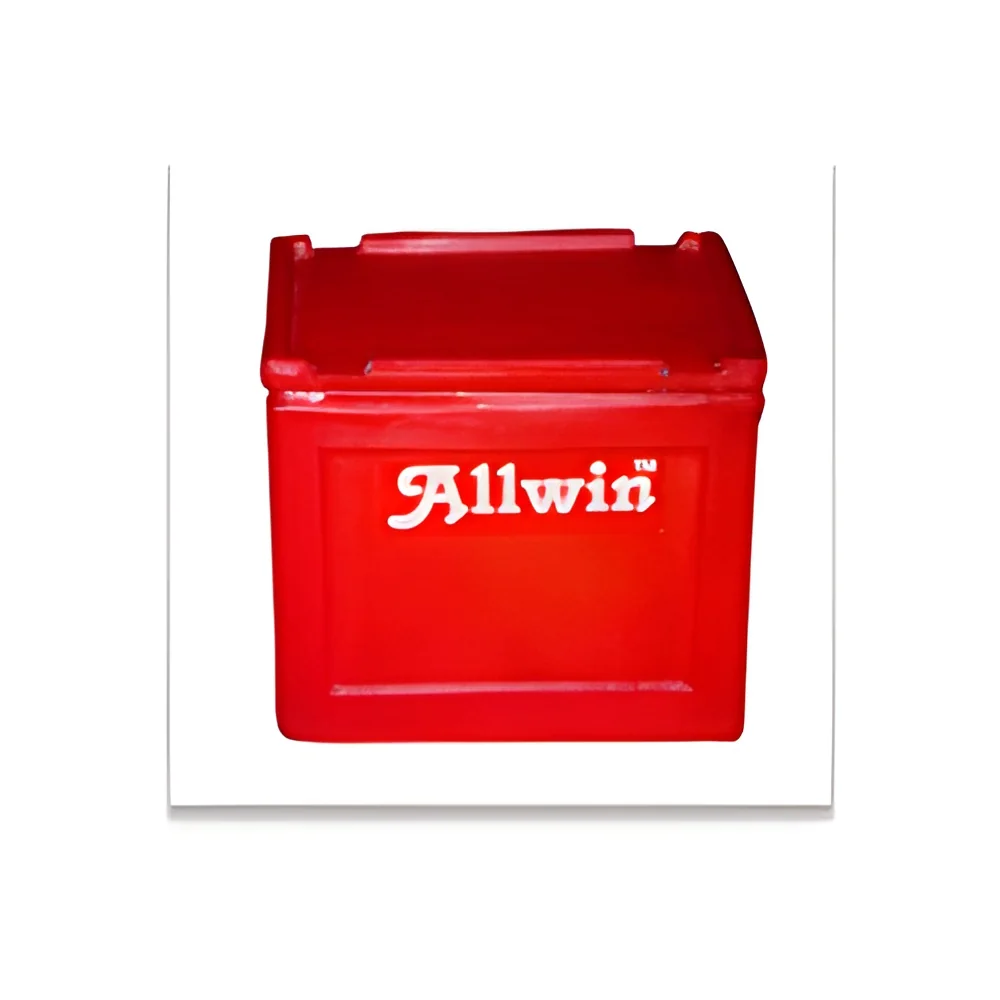
What are WHO-GMP Compliant Cold Chain Solutions?
WHO-GMP Compliant Cold Chain Solutions are specialized systems designed to maintain the integrity of temperature-sensitive products throughout their storage and transportation. Compliant with World Health Organization Good Manufacturing Practices (WHO-GMP), these solutions ensure that products such as pharmaceuticals, vaccines, and biological samples are kept within specified temperature ranges to preserve their efficacy and safety. By adhering to rigorous quality standards, these cold chain solutions provide a reliable framework for handling sensitive materials that require strict temperature control.
These cold chain systems are primarily used in sectors that deal with perishable goods, including the pharmaceutical and healthcare industries. They are crucial for the transportation of vaccines, blood products, and medications that are sensitive to temperature fluctuations. Additionally, businesses in the food industry utilize cold chain solutions for transporting and storing perishable food items. The demand for stringent cold chain management has grown significantly, driven by the increasing need for safe and effective healthcare products and the globalization of trade.
In the current market context, the relevance of WHO-GMP Compliant Cold Chain Solutions cannot be overstated. With the rise in biopharmaceuticals and the global distribution of vaccines, the need for efficient cold chain systems has become critical. The market continues to evolve, with technological advancements and regulatory requirements shaping the landscape of cold chain logistics.
Key Features and Specifications
WHO-GMP Compliant Cold Chain Solutions come equipped with various features that ensure optimal performance and compliance. Their design is tailored to meet the needs of industries that require stringent temperature and humidity control. These solutions typically include advanced monitoring systems to track environmental conditions, ensuring that products remain within safe limits.
Key specifications include:
1. Temperature Control
- Maintains specific temperature ranges required for different products
- Technical parameters typically range from 2°C to 8°C for refrigerated items
2. Humidity Control
- Regulates humidity levels to prevent spoilage or degradation
- Technical parameters usually maintain humidity levels between 30% and 70%
3. Monitoring Features
- Integrated sensors and alarms to provide real-time tracking of temperature and humidity
- Data logging capabilities for compliance and reporting
4. Energy Efficiency
- Designed to minimize energy consumption while maintaining optimal conditions
- Some models incorporate energy-saving technologies
5. Robust Insulation
- Constructed with materials that offer high insulation properties
- Ensures minimal temperature fluctuation during transit
6. Compliance Certifications
- Adheres to WHO-GMP standards along with other relevant industry certifications
- Validation processes ensure compliance with safety regulations
7. Scalability
- Flexible systems that can be scaled according to the size of operations
- Suitable for both small and large-scale applications
8. User-Friendly Interface
- Intuitive controls for ease of operation
- Some models include touchscreen interfaces for streamlined navigation
In summary, WHO-GMP Compliant Cold Chain Solutions are equipped with essential features that ensure the safe handling of temperature-sensitive products, making them indispensable in various industries.
Common Applications and Use Cases
WHO-GMP Compliant Cold Chain Solutions serve a wide range of industries that rely on temperature-sensitive products. Their applications extend beyond pharmaceuticals to various sectors.
1. Pharmaceuticals: Cold chain solutions are crucial for transporting vaccines, biologics, and temperature-sensitive medications. They ensure that these products remain effective throughout their journey from manufacturer to end user.
2. Healthcare: Hospitals and clinics depend on cold chain systems for storing blood products, tissue samples, and other critical medical supplies that require strict temperature control to maintain their integrity.
3. Food and Beverage: The food industry utilizes cold chain solutions to transport perishable items such as dairy, seafood, and meat. Maintaining the cold chain prevents spoilage and ensures food safety.
4. Biotechnology: Biotech firms rely on cold chain solutions for the safe transport of research materials, such as enzymes and reagents, which can degrade if not stored at appropriate temperatures.
5. Cosmetics: Some cosmetics and personal care products require temperature-controlled environments during storage and distribution to avoid degradation of active ingredients.
6. Chemicals: Certain chemicals need to be stored and transported under specific temperature conditions to ensure safety and efficacy.
7. Laboratory Supplies: Labs use cold chain solutions to handle samples and reagents that are sensitive to temperature changes, ensuring accurate test results.
Product Variants and Subcategories
Though specific product variants are not available, WHO-GMP Compliant Cold Chain Solutions can differ in their configurations and features to suit various business needs. This diversity allows companies to choose systems based on their specific operational demands.
Transport Refrigerators: These units are designed for the safe transport of temperature-sensitive goods, featuring robust insulation and efficient cooling technology. They are ideal for logistics companies that need to maintain strict temperature control during transit.
Cold Storage Units: These larger systems are used for the long-term storage of pharmaceuticals and perishable items. They often come equipped with advanced monitoring systems for continuous temperature and humidity tracking.
Portable Coolers: Smaller and more mobile, these coolers are suitable for on-site applications where immediate temperature control is needed. They are commonly used in healthcare settings for transporting medical supplies.
Benefits and Advantages
Investing in WHO-GMP Compliant Cold Chain Solutions offers numerous advantages for businesses that handle temperature-sensitive products. These benefits enhance operational efficiency and ensure compliance with industry standards.
1. Enhanced Product Safety: Maintaining the required temperature controls minimizes the risk of spoilage and ensures that products remain effective.
2. Regulatory Compliance: Adhering to WHO-GMP standards helps businesses avoid legal issues and penalties associated with non-compliance.
3. Improved Supply Chain Efficiency: Reliable cold chain solutions streamline logistics processes, reducing delays and ensuring timely delivery of products.
4. Cost Savings: Efficient systems reduce energy consumption and waste, leading to long-term cost savings for businesses.
5. Increased Customer Trust: Consistent product quality fosters trust and loyalty among customers, enhancing brand reputation.
6. Flexibility and Scalability: Cold chain solutions can be adapted to suit different scales of operation, catering to both small businesses and large enterprises.
Buying Guide for B2B Buyers
When sourcing WHO-GMP Compliant Cold Chain Solutions, it is essential to consider various factors to make an informed decision.
1. Quality Assessment: Evaluate the quality of the cold chain systems by reviewing certifications, compliance records, and user testimonials. Look for solutions that meet WHO-GMP and other relevant standards.
2. Supplier Verification: Vet suppliers thoroughly by checking their reputations, reliability, and previous client experiences. Establishing a relationship with reputable suppliers ensures consistent quality.
3. Pricing and MOQ: Understand the pricing structures and minimum order quantities. Consider the total cost of ownership, including maintenance and operational expenses.
4. Delivery and Lead Times: Assess suppliers’ logistics capabilities, including their ability to meet delivery timelines. Timely delivery is critical for maintaining the cold chain.
5. Compliance Requirements: Ensure that the cold chain solutions align with regional and international compliance requirements. This includes adherence to safety and testing standards.
Compliance and Certifications
WHO-GMP Compliant Cold Chain Solutions must adhere to various quality standards and regulatory requirements. Key standards include ISO 9001, which focuses on quality management systems, ensuring consistent product quality and service delivery.
Industry certifications such as CE signify that the products meet European safety standards, providing assurance to buyers regarding their safety and reliability. These certifications often involve rigorous testing and validation processes that confirm compliance with industry-specific regulations.
Additionally, safety and testing requirements are crucial for ensuring the integrity of cold chain solutions. These may include temperature mapping studies and validation protocols to demonstrate that systems can maintain specified conditions under real-world scenarios.
Regional compliance considerations play a significant role in the cold chain market. Different regions may have varying regulatory requirements, making it essential for businesses to understand local laws and standards when sourcing cold chain solutions.
Why Source WHO-GMP Compliant Cold Chain Solutions from Pepagora?
Pepagora provides a trusted platform for sourcing WHO-GMP Compliant Cold Chain Solutions, offering several key advantages to buyers.
Verified Supplier Network: Pepagora connects buyers with a network of verified suppliers. This network undergoes rigorous vetting to ensure the quality and reliability of the products offered. Buyers can trust that they are sourcing from reputable manufacturers.
Streamlined RFQ Process: The request for quotation (RFQ) process on Pepagora is designed to be user-friendly and efficient. Buyers can easily submit their requirements and receive competitive quotes from multiple suppliers, allowing for informed decision-making.
Trade Assurance and Support: Pepagora offers trade assurance to protect buyers during their transactions. This includes support for resolving disputes and ensuring that suppliers meet agreed-upon terms. This level of protection enhances buyer confidence.
Regional Coverage: With a strong presence in India, the Gulf Cooperation Council (GCC), and Southeast Asia, Pepagora provides extensive regional coverage. This geographic reach ensures that businesses can access WHO-GMP Compliant Cold Chain Solutions wherever they operate, supporting global trade and logistics needs.

 IN
IN