What are IoT-Based Cold Chain Management?
IoT-Based Cold Chain Management refers to the use of Internet of Things technology to monitor and manage the storage and transportation of temperature-sensitive products. This system employs sensors and connected devices to track environmental conditions such as temperature and humidity in real-time. The data collected is transmitted to a central platform, enabling businesses to maintain optimal conditions throughout the supply chain.
Primary uses of IoT-Based Cold Chain Management include applications in industries that require precise temperature control, such as pharmaceuticals, food and beverage, and logistics. These systems help to mitigate risks associated with spoilage, ensuring that products remain safe and effective. Businesses leverage this technology to enhance operational efficiency, reduce waste, and comply with regulatory requirements.
In today's market, the relevance of IoT-Based Cold Chain Management is increasing due to growing consumer demand for quality and safety. As global supply chains become more complex, the need for reliable cold chain solutions becomes critical. Companies that adopt IoT technology can gain a competitive advantage by ensuring product integrity and enhancing customer satisfaction.
Key Features and Specifications
IoT-Based Cold Chain Management systems are characterized by a range of features designed to optimize temperature control and data monitoring. These systems provide real-time insights and alerts, enabling proactive decision-making.
Key specifications include:
1. Temperature Monitoring
- Continuous tracking of temperature ranges suitable for various products
- Alerts for deviations outside pre-set limits
2. Humidity Control
- Monitoring of humidity levels to prevent spoilage
- Integration with HVAC systems for automated adjustments
3. Data Logging
- Automated recording of temperature and humidity data
- Historical data analysis for compliance and reporting
4. Remote Access
- Cloud-based platforms for real-time data access
- Mobile applications for monitoring on-the-go
5. Integration Capabilities
- Compatibility with existing enterprise resource planning (ERP) systems
- API support for third-party applications
6. Alert System
- SMS and email notifications for critical alerts
- Customizable alert thresholds for different products
7. Energy Efficiency
- Optimization tools to reduce energy consumption
- Reporting features to track energy usage over time
8. User-Friendly Interface
- Intuitive dashboard for easy data visualization
- Training resources available for staff
In summary, IoT-Based Cold Chain Management systems offer comprehensive features designed to enhance monitoring and control of temperature-sensitive products, ultimately improving operational efficiency and ensuring compliance.
Common Applications and Use Cases
IoT-Based Cold Chain Management finds applications across various industries that depend on maintaining strict temperature controls.
1. Pharmaceuticals: Temperature-sensitive medications require precise monitoring throughout transportation and storage. IoT solutions help ensure that drugs remain effective until administered.
2. Food and Beverage: Perishable goods like meat, dairy, and produce must be kept at specific temperatures. Cold chain systems minimize spoilage and ensure compliance with health regulations.
3. Logistics: Freight companies utilize IoT technology to track shipments in real-time, ensuring that temperature-sensitive goods are delivered within acceptable ranges.
4. Biotechnology: Biologics and vaccines require stringent temperature controls. IoT solutions provide the necessary oversight to maintain product integrity.
5. Agriculture: IoT systems help monitor the storage conditions of harvested crops, reducing waste and ensuring quality before reaching consumers.
6. Chemical Industry: Certain chemicals require specific temperature and humidity levels for safe storage and transportation. IoT management helps prevent hazardous situations.
7. Retail: Grocery retailers use cold chain solutions to monitor refrigerated sections, ensuring that products are within safe consumption temperatures.
Product Variants and Subcategories
IoT-Based Cold Chain Management encompasses a variety of product variants tailored to specific industry needs.
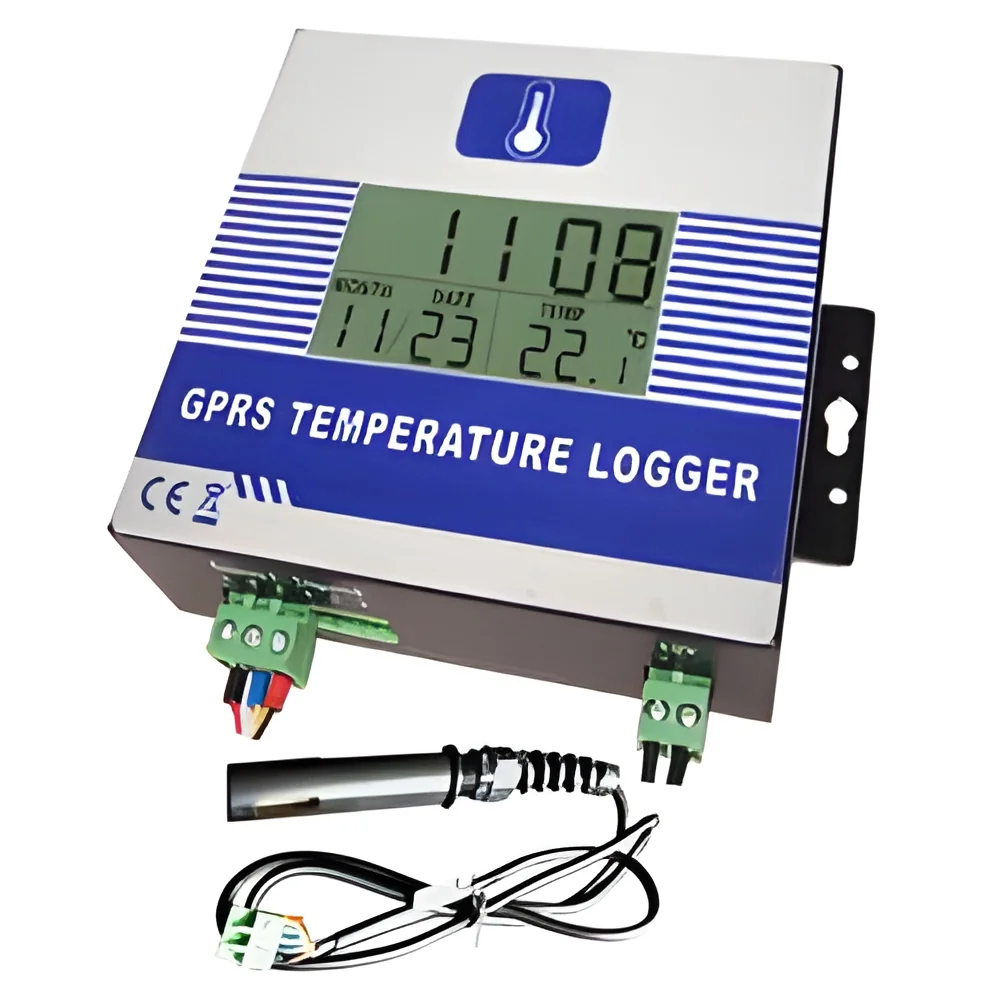
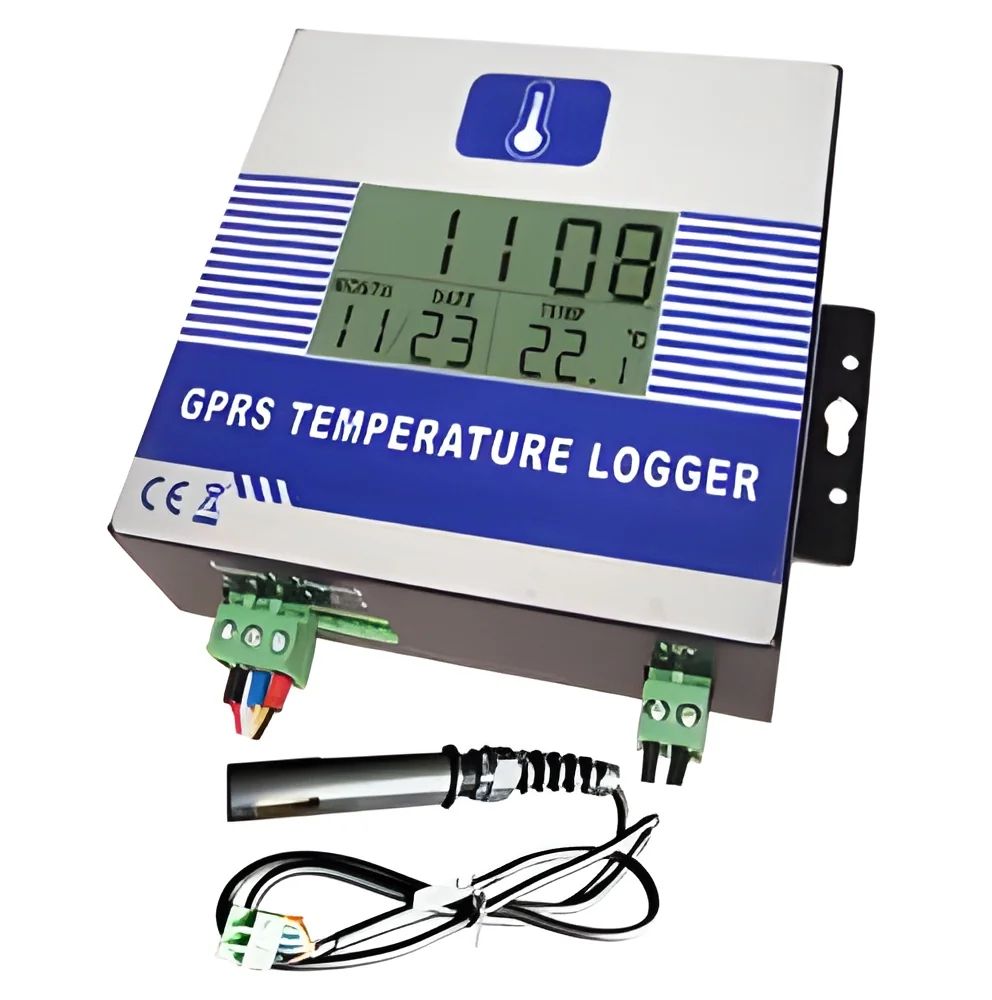
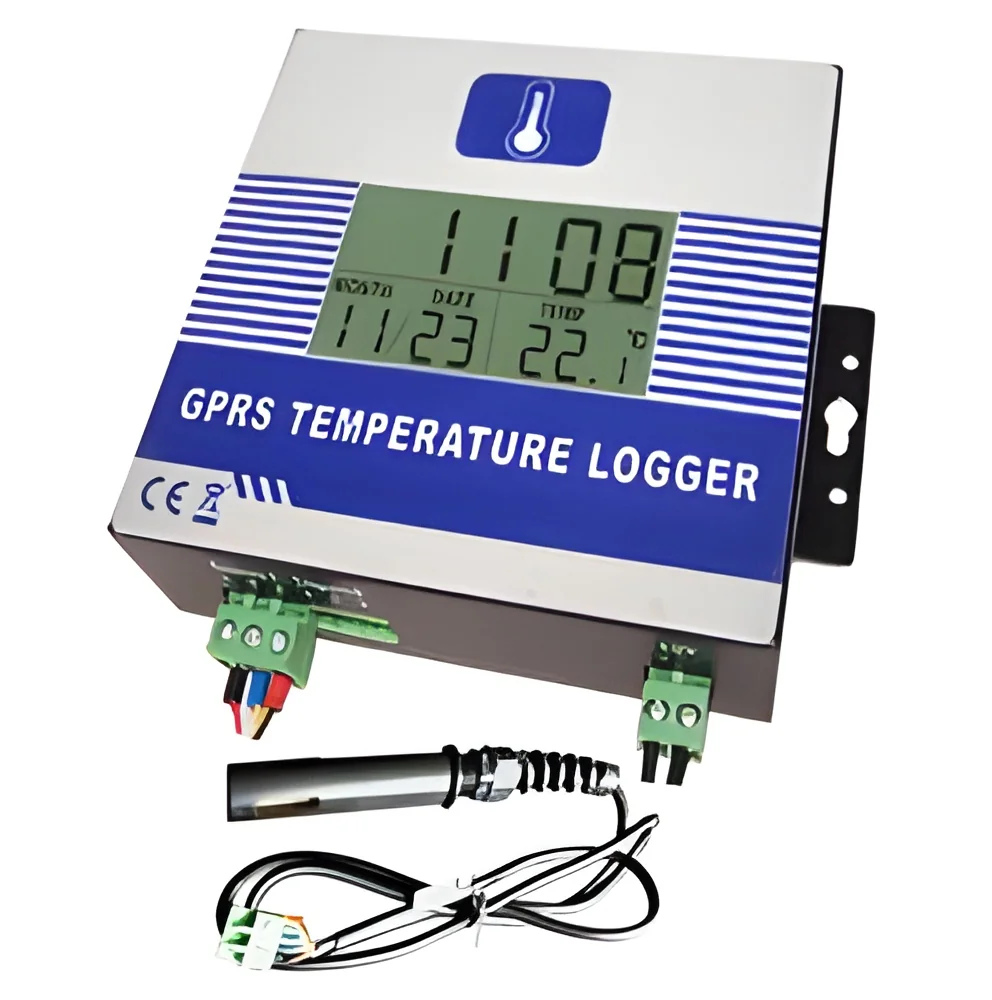
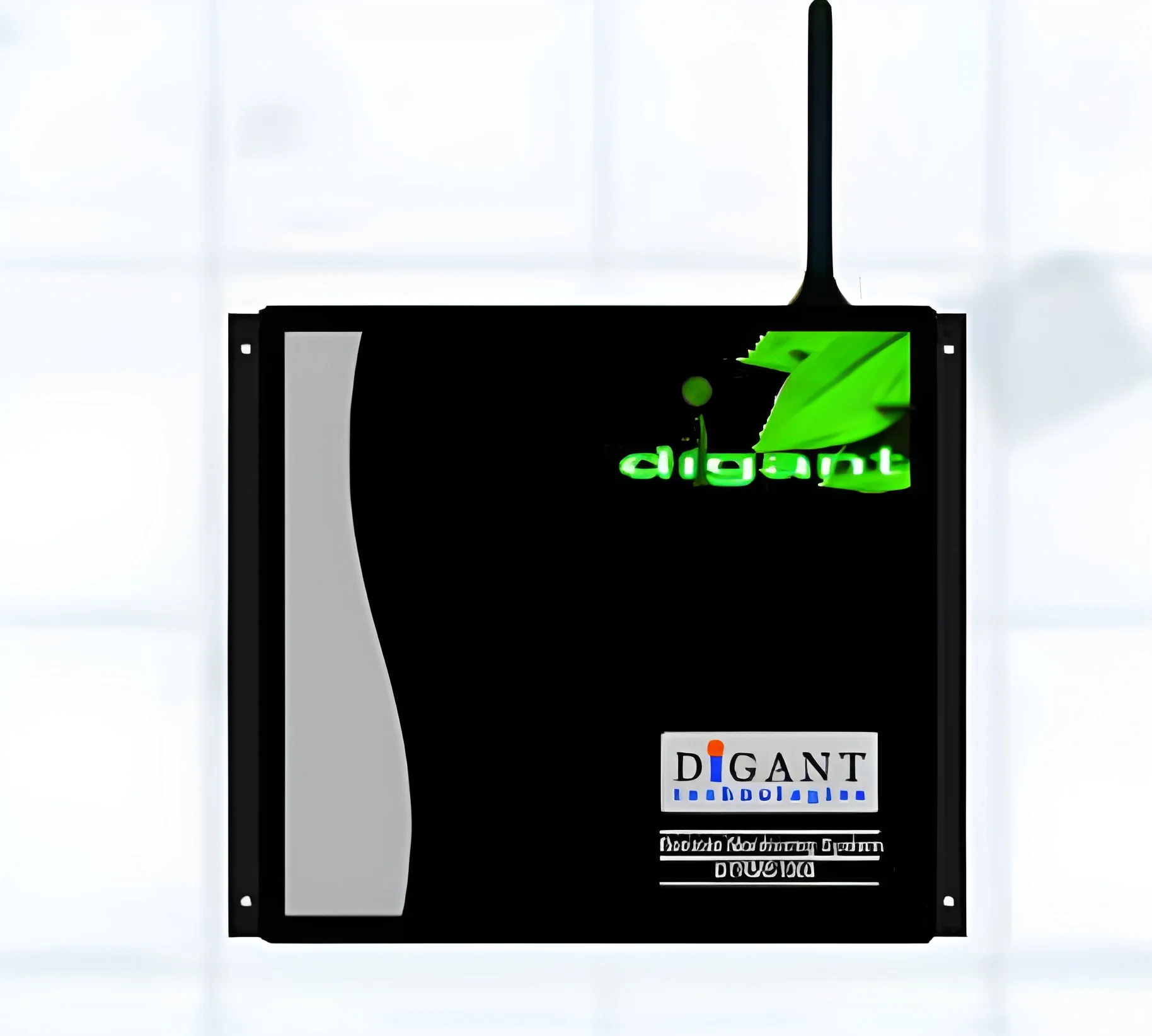
Temperature Monitoring Systems: These systems focus on tracking the temperature of storage facilities and transport vehicles. They often include sensors, data loggers, and alert features to notify stakeholders of any temperature deviations.
Humidity Control Systems: Designed for environments where humidity plays a critical role, these systems monitor and adjust humidity levels to protect sensitive products from moisture-related spoilage.
Data Analytics Platforms: These platforms aggregate data from various sensors to provide insights and analytics. They help businesses identify trends and optimize their cold chain operations.
Benefits and Advantages
Adopting IoT-Based Cold Chain Management offers several key benefits to businesses.
1. Enhanced Product Integrity: Real-time monitoring helps prevent spoilage and ensures that products remain safe for consumption or use.
2. Reduced Waste: By maintaining optimal conditions, companies can minimize losses due to expired or spoiled goods.
3. Improved Compliance: Automated data logging and reporting simplify adherence to regulatory requirements, reducing the risk of non-compliance penalties.
4. Cost Efficiency: Efficient temperature management can lead to lower energy costs and reduced operational expenses.
5. Increased Transparency: Real-time data provides stakeholders with visibility into the supply chain, improving trust and accountability.
6. Enhanced Customer Satisfaction: Ensuring product quality helps build customer loyalty and satisfaction, leading to repeat business.
Buying Guide for B2B Buyers
When sourcing IoT-Based Cold Chain Management solutions, buyers should consider several important factors.
1. Quality Assessment: Look for products that meet industry standards and have a proven track record of reliability. Review customer testimonials and case studies.
2. Supplier Verification: Vet suppliers by checking their reputation in the market, financial stability, and previous client relationships. Ensure they have a robust support system.
3. Pricing and MOQ: Understand the pricing structure and minimum order quantities. Compare costs against the expected return on investment.
4. Delivery and Lead Times: Inquire about lead times for delivery and the logistics involved. Ensure that the supplier can meet your delivery requirements.
5. Compliance Requirements: Verify that the products meet necessary regulatory standards. This includes certifications relevant to the industry and safety requirements.
Compliance and Certifications
IoT-Based Cold Chain Management solutions must adhere to various quality standards and certifications to ensure safety and reliability.
ISO 9001 is a widely recognized standard that outlines quality management principles. Compliance with this standard ensures that the systems meet customer and regulatory requirements consistently.
HACCP (Hazard Analysis Critical Control Point) is crucial for industries like food and beverage. It emphasizes the importance of monitoring critical points in the cold chain to prevent hazards.
Good Distribution Practice (GDP) guidelines are essential for the pharmaceutical industry. These regulations ensure that products are consistently stored, transported, and handled under suitable conditions.
Additionally, CE certification indicates compliance with European health and safety standards, providing assurance to buyers about the quality and safety of the products.
Regional compliance considerations should also be taken into account, as regulations may vary by country or region, further emphasizing the need for due diligence when selecting a supplier.
Why Source IoT-Based Cold Chain Management from Pepagora?
Pepagora provides a trusted platform for sourcing IoT-Based Cold Chain Management solutions, offering several key advantages for businesses looking to enhance their operations.
Verified Supplier Network: Pepagora has established a robust network of verified suppliers, ensuring that buyers can access high-quality products from reputable manufacturers. This vetting process helps mitigate risks associated with sourcing.
Streamlined RFQ Process: The platform features a user-friendly request for quotation (RFQ) system, allowing buyers to easily compare offerings from multiple suppliers. This efficiency helps expedite the procurement process.
Trade Assurance and Support: Pepagora offers trade assurance, providing buyers with protection during transactions. The platform also provides support for any issues that may arise, ensuring a smooth sourcing experience.
Regional Coverage: With a strong presence in India, the GCC, and Southeast Asia, Pepagora facilitates access to a wide range of suppliers and products. This geographic reach enables businesses to find suitable cold chain solutions no matter where they operate.

 IN
IN