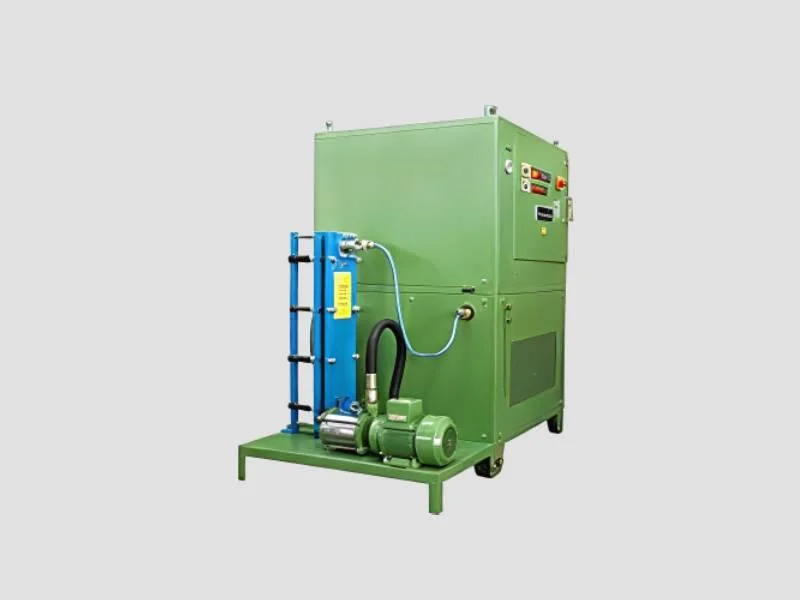
What are Blast Chillers & Freezers?
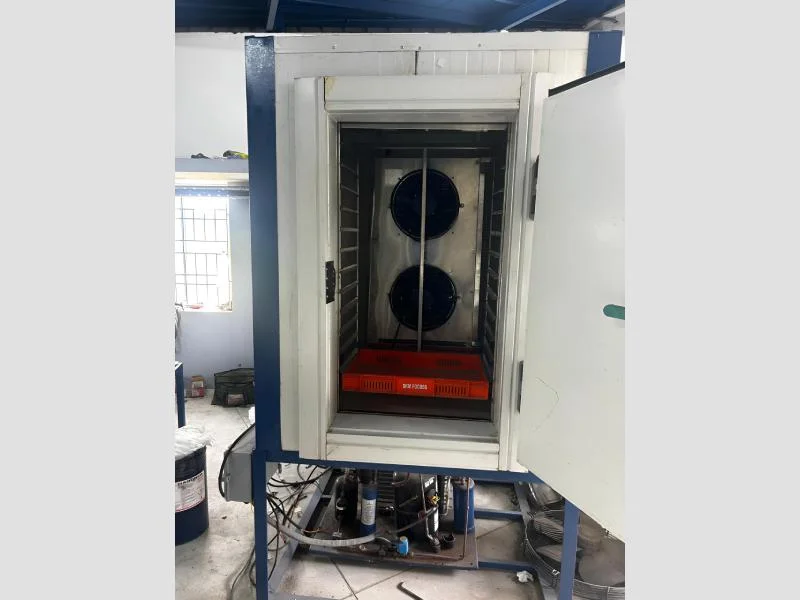
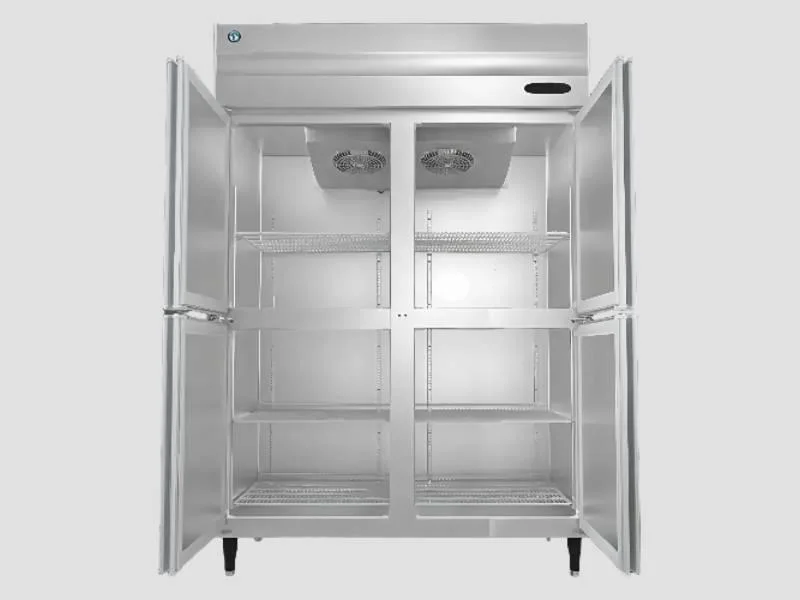
Blast chillers and freezers are essential equipment designed to rapidly cool or freeze food products. By quickly lowering the temperature of food items, these machines help preserve flavor, texture, and nutritional value. The process also inhibits the growth of harmful bacteria, extending the shelf life of perishable goods. Typically used in commercial kitchens, catering services, and food processing plants, blast chillers and freezers are crucial in maintaining food safety standards.
Businesses in the food industry frequently utilize blast chillers and freezers for various applications. These include cooling freshly cooked dishes, freezing seasonal fruits and vegetables, and preparing ingredients for future use. The efficiency of these machines allows businesses to ensure that food products remain safe and of high quality for an extended period. With a growing emphasis on food safety and quality assurance, blast chillers and freezers have become increasingly relevant in today's market.
The demand for blast chillers and freezers is on the rise due to the expanding food service and hospitality sectors. As regulations surrounding food safety become stricter, businesses are investing in reliable cooling solutions. Furthermore, the growing trend of meal prep and convenience foods highlights the importance of these machines in preserving food freshness for consumers.
Key Features and Specifications
Blast chillers and freezers come equipped with several key features and specifications that enhance their performance and usability. When considering a purchase, it is essential to understand these details to select the right model for specific business needs.
Key specifications include:
1. Cooling Capacity
- This specification indicates the amount of food the machine can effectively chill or freeze within a given time frame.
- Typically measured in kilograms per hour, it determines the machine's efficiency in high-demand environments.
2. Temperature Range
- This specification refers to the operational temperatures the unit can achieve.
- Most blast chillers can cool to +3°C, while freezers typically reach -18°C or lower.
3. Control System
- Advanced control systems enable precise temperature and humidity adjustments.
- Many models feature digital displays for easy monitoring and adjustments.
4. Energy Efficiency
- Energy-efficient models reduce electricity consumption, leading to cost savings.
- Look for units with energy ratings that meet or exceed industry standards.
5. Construction Material
- Stainless steel construction provides durability, ease of cleaning, and resistance to corrosion.
- Insulation quality influences energy efficiency and temperature retention.
6. User-Friendly Features
- Features such as programmable settings, alarms, and automatic defrosting enhance usability.
- Some units offer remote monitoring capabilities for added convenience.
7. Compliance Standards
- Many units comply with industry standards such as HACCP and CE.
- Compliance ensures safety and reliability in food handling.
8. Size and Design
- The physical dimensions of the unit need to fit in available kitchen space.
- Consider the design for optimal workflow and accessibility.
In summary, understanding the key features and specifications of blast chillers and freezers is critical for making a well-informed purchase decision.
Common Applications and Use Cases
Blast chillers and freezers serve a wide range of industries, each with unique applications. They are vital for ensuring food safety and quality across various settings.
1. Restaurants: In commercial kitchens, blast chillers rapidly cool cooked meals, allowing chefs to prepare large quantities efficiently and maintain food quality.
2. Catering Services: Catering companies utilize blast chillers to keep food items safe during transportation, ensuring they arrive at events fresh and ready to serve.
3. Food Processing: In food manufacturing, blast chillers and freezers are essential for preserving the quality of raw and processed ingredients.
4. Supermarkets: Retail food outlets use these machines to freeze products for long-term storage and to quickly chill items before display.
5. Healthcare: Hospitals and nursing homes rely on blast chillers to store perishable food items safely, ensuring nutritional integrity for patients.
6. Bakeries: Bakeries use blast chillers to rapidly cool baked goods, preventing condensation and maintaining texture.
7. Meal Prep Services: Companies specializing in meal prep use these machines to ensure that ingredients remain fresh and safe for consumer use.
Product Variants and Subcategories
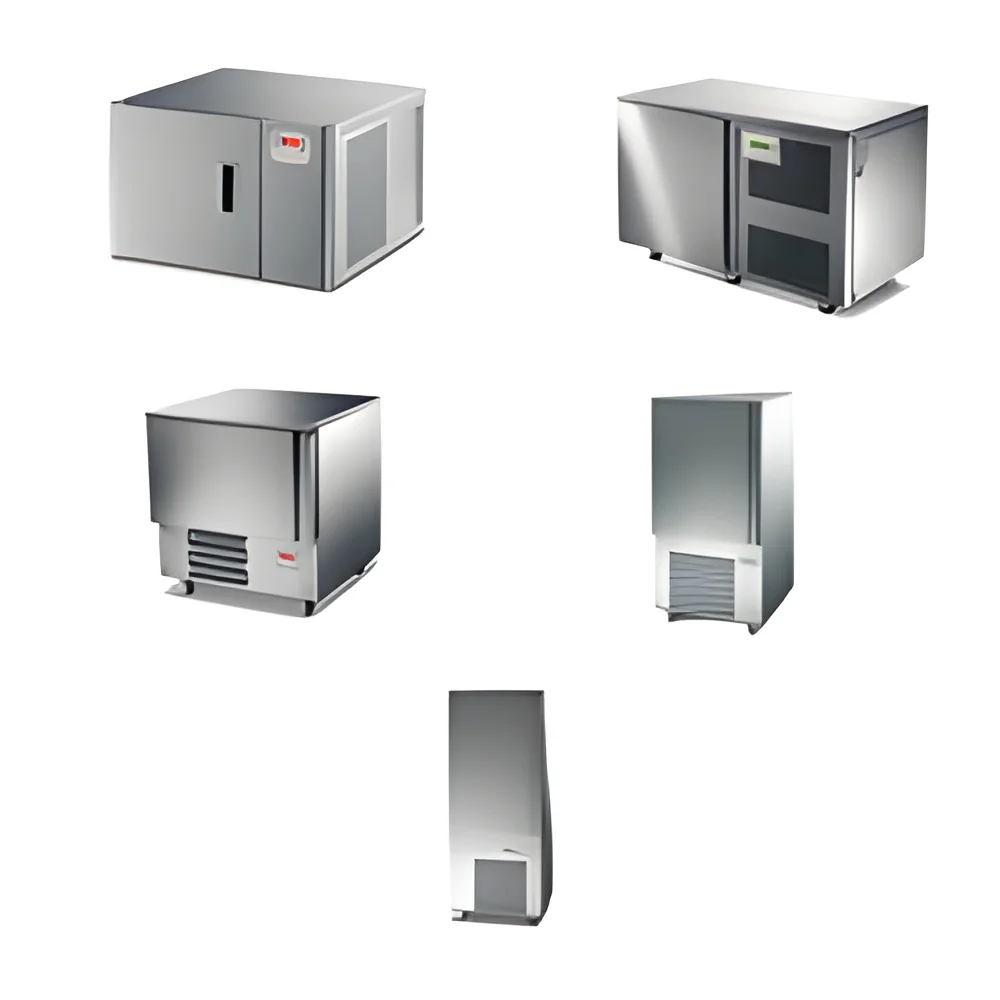
Blast chillers and freezers come in various models to cater to different business needs. While specific subcategories are not available, the diversity in design and functionality allows for tailored solutions.
Countertop Blast Chillers
These compact units are ideal for small kitchens with limited space. They offer quick cooling capabilities and are perfect for rapidly chilling smaller batches of food.
Floor Model Blast Freezers
These larger units are designed for high-volume applications. They can handle substantial quantities of food and are commonly found in commercial kitchens and food processing plants.
Portable Blast Chillers
These models provide flexibility for catering services and events. Their mobility allows for rapid cooling on-site, ensuring food safety during transport.
Undercounter Blast Chillers
These space-saving models fit conveniently under countertops, making them suitable for establishments with limited floor space while still providing efficient cooling.
Benefits and Advantages
Investing in blast chillers and freezers presents numerous advantages for businesses in the food industry. These machines significantly enhance food safety and operational efficiency.
Key benefits include:
1. Enhanced Food Safety: Rapid cooling minimizes the risk of bacterial growth, ensuring that food products remain safe for consumption.
2. Improved Quality Preservation: Quick chilling and freezing help maintain flavor, texture, and nutritional value, resulting in higher-quality food.
3. Increased Shelf Life: By extending the shelf life of perishable items, businesses can reduce food waste and improve profitability.
4. Operational Efficiency: Blast chillers allow for bulk cooking and storage, streamlining kitchen operations and reducing preparation time.
5. Compliance with Regulations: These machines help businesses adhere to food safety regulations, protecting them from potential legal issues.
6. Versatility: Blast chillers and freezers can be used for various applications, making them a valuable investment for diverse food service needs.
Buying Guide for B2B Buyers
When sourcing blast chillers and freezers, several factors should be considered to ensure the right choice for your business needs.
1. Quality Assessment: Look for reliable brands with proven performance. Read reviews and request references to gauge the reliability and durability of the machines.
2. Supplier Verification: Vet suppliers to ensure they provide high-quality equipment and reliable service. Check for credentials, industry experience, and customer feedback.
3. Pricing and MOQ: Understand the pricing structure and minimum order quantities. Compare quotes from different suppliers to find competitive offers.
4. Delivery and Lead Times: Inquire about shipping times and logistics to ensure timely delivery of your equipment, especially if you have urgent needs.
5. Compliance Requirements: Ensure that the machines meet necessary compliance standards in your region, such as HACCP and CE certifications.
Compliance and Certifications
Compliance and certifications play a crucial role in the performance and safety of blast chillers and freezers. Key quality standards include ISO 9001, which reflects a commitment to quality management and continuous improvement.
HACCP (Hazard Analysis Critical Control Point) is another essential standard that emphasizes food safety through systematic control of food processing and handling. Compliance with these standards assures customers of the reliability and safety of the equipment.
In addition to quality standards, industry certifications such as CE demonstrate that the equipment meets European safety and health requirements. This is particularly important for businesses operating in markets with strict regulatory demands.
Safety and testing requirements also vary by region. It is essential to understand local regulations and ensure that your chosen equipment complies with all necessary guidelines to avoid operational issues.
Why Source Blast Chillers & Freezers from Pepagora?
Pepagora provides a trusted platform for sourcing blast chillers and freezers, offering several key advantages for B2B buyers.
Verified Supplier Network: Pepagora has a rigorous supplier verification process, ensuring that customers work with reputable manufacturers known for their quality and reliability.
Streamlined RFQ Process: The request for quotation (RFQ) system simplifies the procurement process, allowing buyers to receive competitive quotes from multiple suppliers quickly.
Trade Assurance and Support: Buyers benefit from trade assurance features that protect their purchases, providing peace of mind during the transaction process.
Regional Coverage: Pepagora’s extensive network covers regions including India, the GCC, and Southeast Asia, ensuring that businesses can find the right equipment regardless of their location.
Through its comprehensive offerings and commitment to quality, Pepagora stands out as a preferred choice for sourcing blast chillers and freezers in the B2B market.

 IN
IN