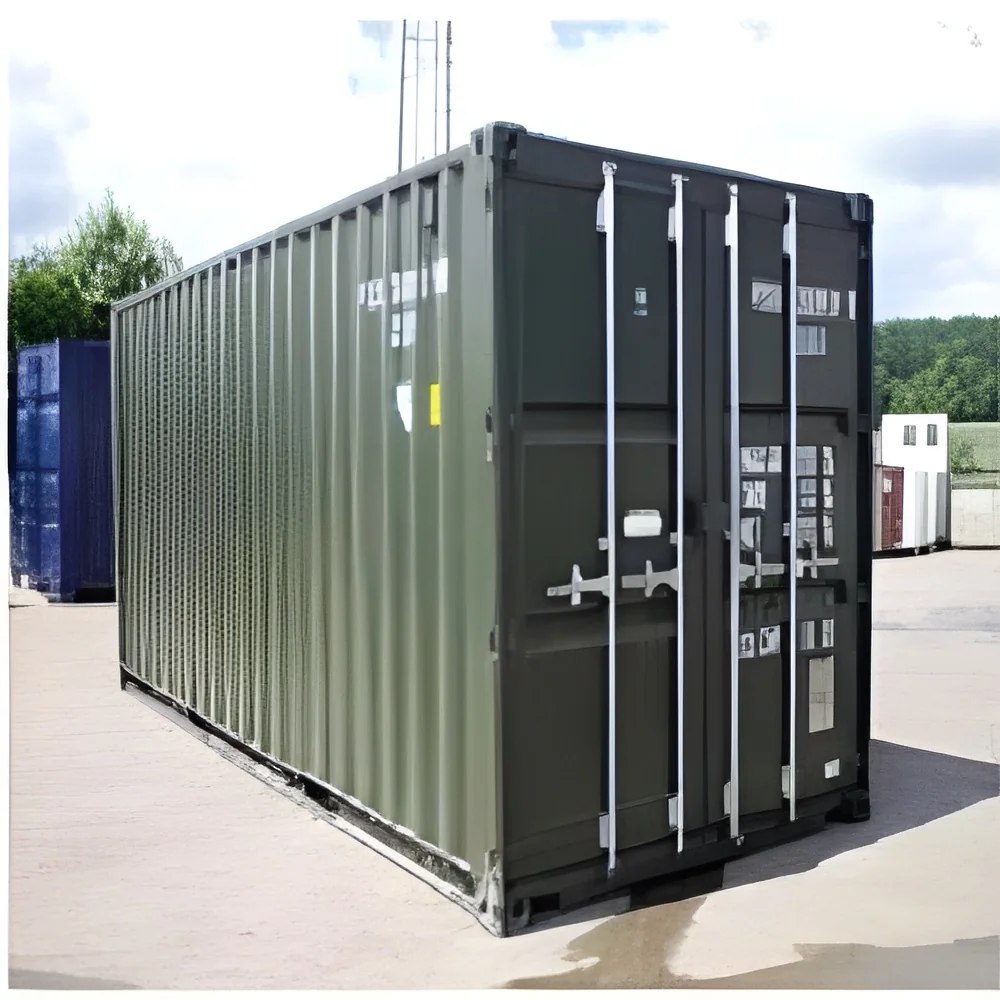
Key Features and Specifications
Reefer containers are designed with various features that cater to the needs of temperature-sensitive cargo. These containers come equipped with advanced technology to provide precise temperature control and monitoring.
Key specifications include:
1. Temperature Control
- Maintains specific temperature ranges suitable for various products.
- Typical ranges include -20°C to +25°C.
2. Humidity Control
- Adjustable humidity settings to suit different types of cargo.
- Enhanced preservation of goods susceptible to moisture.
3. Monitoring Features
- Integrated systems for real-time monitoring of temperature and humidity.
- Alerts for any deviations from set parameters.
4. Insulation
- High-quality insulation materials to minimize temperature fluctuations.
- Reduces energy consumption and enhances efficiency.
5. Construction Material
- Durable steel or aluminum construction for structural integrity.
- Corrosion-resistant coatings for prolonged lifespan.
6. Energy Source
- Operated via electricity or diesel generators.
- Flexibility to suit different shipping methods.
7. Ventilation System
- Optimized airflow design to ensure even temperature distribution.
- Prevents hotspots within the container.
8. Safety Features
- Built-in safety mechanisms to prevent cargo damage.
- Compliance with international safety standards.
In summary, reefer containers are engineered to provide reliable temperature control, ensuring that perishable goods are transported safely and efficiently.
Common Applications and Use Cases
Reefer containers serve multiple industries that depend on temperature-sensitive products.
1. Food and Beverage: These containers are extensively used to transport fresh produce, meat, dairy, and beverages, ensuring they remain at the required temperatures during shipping.
2. Pharmaceuticals: The pharmaceutical industry relies on reefer containers to transport medications and vaccines that must be kept within strict temperature ranges to maintain efficacy.
3. Chemical Manufacturing: Certain chemicals require temperature-controlled environments to prevent degradation or hazardous reactions, making reefer containers essential for safe transportation.
4. Floral Industry: Florists and growers use reefer containers to ship flowers and plants, preserving their freshness and quality during transit.
5. Biotechnology: Biotech companies depend on reefer containers for transporting biological samples and research materials that are sensitive to temperature changes.
6. Logistics and Supply Chain: Third-party logistics providers utilize reefer containers for various clients, ensuring timely delivery of perishable goods across different markets.
7. Retail Distribution: Retailers use reefer containers to distribute frozen and chilled products, maintaining quality from supplier to store.
Product Variants and Subcategories
Reefer containers come in various configurations to meet specific shipping needs.
20ft Reefer Container
The 20ft reefer container is designed for smaller shipments requiring temperature control. It is ideal for businesses that need to transport limited quantities of perishables. Features include robust insulation and efficient refrigeration systems, providing flexibility for various types of cargo.
40ft Reefer Container
The 40ft reefer container is suited for larger shipments, offering ample space for bulk goods. It is equipped with advanced temperature monitoring systems to ensure the integrity of the cargo. This variant is commonly used by large retailers and distributors to streamline their supply chain operations.
Benefits and Advantages
Reefer containers offer numerous benefits that enhance the reliability of transporting perishable goods.
1. Preservation of Quality: These containers maintain optimal conditions for temperature-sensitive products, reducing spoilage.
2. Versatility: Reefer containers can accommodate a wide range of cargo types across different industries, providing flexibility in shipping options.
3. Enhanced Safety: Built-in safety features and monitoring systems ensure that goods remain secure throughout transit.
4. Cost Efficiency: By reducing spoilage and waste, businesses can achieve significant cost savings over time.
5. Regulatory Compliance: Reefer containers are designed to meet international shipping regulations, ensuring adherence to safety and quality standards.
6. Global Reach: The availability of reefer containers facilitates international shipping, expanding market access for businesses.
Buying Guide for B2B Buyers
When sourcing reefer containers (20ft, 40ft), several factors should be considered to ensure a suitable purchase.
1. Quality Assessment: Evaluate the build quality and insulation properties of the containers. Look for reputable manufacturers that comply with industry standards.
2. Supplier Verification: Conduct thorough background checks on suppliers. Verify their experience in providing reefer containers and request references if necessary.
3. Pricing and MOQ: Understand the pricing structure and minimum order quantities. Compare costs among different suppliers to ensure competitive pricing.
4. Delivery and Lead Times: Consider the logistics involved in delivery. Assess the typical lead times to ensure they align with your operational needs.
5. Compliance Requirements: Review any regulatory compliance needed for the containers, including certifications and safety standards relevant to your industry.
Compliance and Certifications
Reefer containers must adhere to various quality standards and certifications to ensure safety and reliability.
ISO 9001 is a widely recognized standard that focuses on quality management systems. Compliance with this standard demonstrates that the manufacturer has implemented processes to ensure consistent quality in production.
HACCP (Hazard Analysis Critical Control Point) is crucial for food safety. Reefer containers used for transporting food products should comply with HACCP guidelines, ensuring that food safety hazards are identified and controlled.
GDP (Good Distribution Practice) is another important standard for the pharmaceutical industry, ensuring that products are consistently stored, transported, and handled according to quality standards.
In addition to these quality standards, reefer containers may also have CE certification, indicating compliance with European safety standards. Regional compliance considerations may vary, so it is essential to check local regulations based on the shipping destination.
Why Source Reefer Containers (20ft, 40ft) from Pepagora?
Pepagora offers a reliable platform for sourcing reefer containers (20ft, 40ft) with several advantages that cater to the needs of B2B buyers.
Verified Supplier Network: Pepagora connects buyers with a network of verified suppliers. Each supplier undergoes a rigorous vetting process, ensuring that buyers can trust the quality and reliability of the products they purchase.
Streamlined RFQ Process: The Request for Quotation (RFQ) process on Pepagora is designed to be user-friendly. Buyers can easily submit their requirements and receive competitive quotes from multiple suppliers, saving time and effort.
Trade Assurance and Support: Pepagora provides trade assurance, offering buyers protection throughout the purchasing process. This includes assistance with disputes and ensuring that suppliers meet their commitments.
Regional Coverage: Pepagora has a strong presence in regions including India, the GCC, and Southeast Asia. This geographic reach allows buyers to access a diverse range of suppliers and products tailored to their specific market needs.

 IN
IN