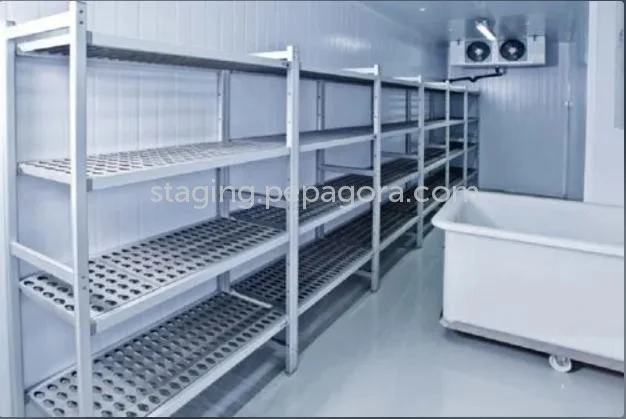
What are Multi-Commodity Cold Storage?
Multi-Commodity Cold Storage refers to specialized facilities designed to store various types of perishable goods under controlled temperature and humidity conditions. These storage units are essential for preserving the quality and extending the shelf life of products such as fruits, vegetables, dairy, pharmaceuticals, and other temperature-sensitive items. By employing advanced refrigeration systems and monitoring technologies, they maintain optimal conditions that prevent spoilage and degradation.
The primary uses of Multi-Commodity Cold Storage span across multiple sectors, including agriculture, food processing, pharmaceuticals, and logistics. Businesses utilize these facilities to ensure that their products remain fresh and safe for consumption or use. This type of storage is particularly important for suppliers and distributors who manage diverse inventories, as it allows them to store different commodities in a single location, optimizing space and operational efficiency.
In the current market context, the demand for Multi-Commodity Cold Storage is growing, driven by the increasing need for reliable cold chain solutions. As global trade expands and consumer preferences shift towards fresh and organic products, businesses are investing in advanced cold storage technologies to meet these demands. The relevance of Multi-Commodity Cold Storage is evident in its role in reducing food waste and supporting sustainable practices in supply chain management.
Key Features and Specifications
Multi-Commodity Cold Storage solutions are equipped with a range of features and specifications designed to meet the diverse needs of different industries. These specifications ensure that products are stored in optimal conditions, enhancing their longevity and safety.
Key specifications include:
1. Temperature Control
- Maintains a specific temperature range suitable for various commodities
- Typically operates between 0°C to 10°C for most perishable goods
2. Humidity Control
- Regulates humidity levels to prevent moisture loss or spoilage
- Adjustable humidity settings based on the type of stored products
3. Monitoring Systems
- Equipped with digital monitoring systems for real-time temperature and humidity tracking
- Alerts for temperature deviations to ensure immediate corrective action
4. Energy Efficiency
- Designed with energy-efficient systems to reduce operational costs
- Utilizes advanced insulation materials and refrigeration technologies
5. Modular Design
- Flexible storage configurations to accommodate different sizes and types of goods
- Can be expanded or modified as business needs change
6. Security Features
- Includes surveillance systems and access controls to protect stored commodities
- Ensures compliance with safety and regulatory standards
7. Compliance with Industry Standards
- Adheres to relevant quality standards and certifications
- Ensures safe storage practices are followed
8. Customization Options
- Capable of being tailored to meet specific client requirements
- Options for specialized shelving, racking, and layout designs
In summary, Multi-Commodity Cold Storage facilities provide critical features that support the efficient storage and preservation of diverse products, allowing businesses to meet market demands effectively.
Common Applications and Use Cases
Multi-Commodity Cold Storage is versatile and serves various industries with distinct needs.
1. Food and Beverage Industry: Cold storage is crucial for preserving fresh produce, dairy products, and frozen goods, preventing spoilage and ensuring compliance with health regulations.
2. Pharmaceutical Industry: Cold storage facilities maintain the integrity of temperature-sensitive medications and vaccines, which require strict temperature control to ensure efficacy.
3. Agriculture: Farmers and distributors use cold storage to extend the shelf life of harvested crops, maintaining quality until they reach consumers.
4. Logistics and Distribution: Cold storage plays a key role in the supply chain, allowing companies to manage diverse inventories and reduce food waste during transportation.
5. Retail: Supermarkets and grocery stores utilize cold storage to keep perishable items fresh, ensuring a steady supply of quality products to customers.
6. Floral Industry: Cold storage is essential for preserving flowers and plants, preventing wilting and maintaining visual appeal for retail sales.
7. Seafood Industry: Cold storage is vital for preserving the freshness of seafood, which is highly perishable and requires precise temperature control.
Product Variants and Subcategories
Multi-Commodity Cold Storage solutions come in various configurations to cater to different business needs.
Standard Cold Storage
This variant provides a versatile solution for general perishable goods, featuring adjustable temperature and humidity controls suitable for a wide range of products.
High-Efficiency Cold Storage
Designed for energy savings, this variant utilizes advanced insulation and refrigeration technology, making it ideal for businesses focused on reducing operational costs while maintaining quality.
Temperature-Specific Cold Storage
These units are tailored for specific temperature requirements, such as ultra-low temperature storage for pharmaceuticals or controlled atmosphere storage for fruits and vegetables.
Benefits and Advantages
Utilizing Multi-Commodity Cold Storage offers significant advantages to businesses across industries.
1. Enhanced Product Longevity: Maintains the freshness and quality of perishable goods, reducing waste and increasing profitability.
2. Improved Supply Chain Efficiency: Centralized storage allows for better inventory management and reduces transportation costs.
3. Compliance with Regulations: Ensures adherence to food safety and quality standards, minimizing risks associated with spoilage.
4. Versatile Storage Solutions: Accommodates a variety of products, making it suitable for diverse business needs.
5. Real-Time Monitoring: Advanced monitoring systems provide peace of mind by ensuring optimal storage conditions.
6. Energy Savings: Energy-efficient designs help reduce operational costs, benefiting the bottom line.
Buying Guide for B2B Buyers
When sourcing Multi-Commodity Cold Storage, it is essential for buyers to consider several key factors to ensure they select the right solution.
1. Quality Assessment: Evaluate the quality of construction materials, insulation, and refrigeration systems used in the cold storage unit to ensure durability and efficiency.
2. Supplier Verification: Conduct thorough research to verify the credibility and reliability of suppliers, including checking references and certifications.
3. Pricing and MOQ: Understand the pricing structure and minimum order quantities to align with budget constraints and storage needs.
4. Delivery and Lead Times: Discuss logistics and expected delivery timelines to ensure the cold storage solution is available when needed.
5. Compliance Requirements: Review any regulatory compliance needs relevant to your industry, ensuring that the cold storage facility meets all necessary standards.
Compliance and Certifications
Multi-Commodity Cold Storage facilities must adhere to various quality standards and industry certifications to ensure the safety and effectiveness of storage solutions.
Relevant quality standards include ISO 9001, which focuses on quality management systems, and HACCP (Hazard Analysis and Critical Control Points), which outlines food safety management practices. Compliance with GDP (Good Distribution Practice) ensures the integrity of temperature-sensitive products throughout the supply chain.
Industry certifications such as CE and UL indicate that the cold storage units meet specific safety and performance standards. These certifications are crucial for reassuring buyers about the reliability of their storage solutions.
Safety and testing requirements must also be considered, as they outline the necessary protocols for maintaining the integrity of stored products. Additionally, regional compliance considerations may vary, necessitating an understanding of local regulations and practices.
Why Source Multi-Commodity Cold Storage from Pepagora?
Pepagora offers a trusted platform for sourcing Multi-Commodity Cold Storage with several key advantages that benefit B2B buyers.
Verified Supplier Network: Pepagora provides access to a network of verified suppliers, ensuring that buyers can find quality storage solutions from reputable manufacturers.
Streamlined RFQ Process: The platform simplifies the request for quotation (RFQ) process, allowing buyers to receive competitive quotes quickly and efficiently.
Trade Assurance and Support: Pepagora offers trade assurance, providing protection for buyers throughout the purchasing process, ensuring they receive the products as promised.
Regional Coverage: With a strong presence in India, the GCC, and Southeast Asia, Pepagora connects buyers with suppliers across these regions, facilitating international trade and sourcing opportunities.

 IN
IN